Sonne


1 Michelin Star · Falstaff Restaurant - 94 Falstaff Points
Our verdict
A Michelin-starred French kitchen inside a 19th-century farmhouse in the Bernese countryside, Sonne earns its one-star status with modernised classics built around seasonal ingredients and precise technique. The six- or seven-course set menu runs alongside a considered à la carte, while a wine list of around 600 labels anchors the experience. The rustic Gaststube offers a separate bistro menu for a more casual visit.

Pearl is the En Primeur Club membership app, where members save venues, book tables and use the concierge.
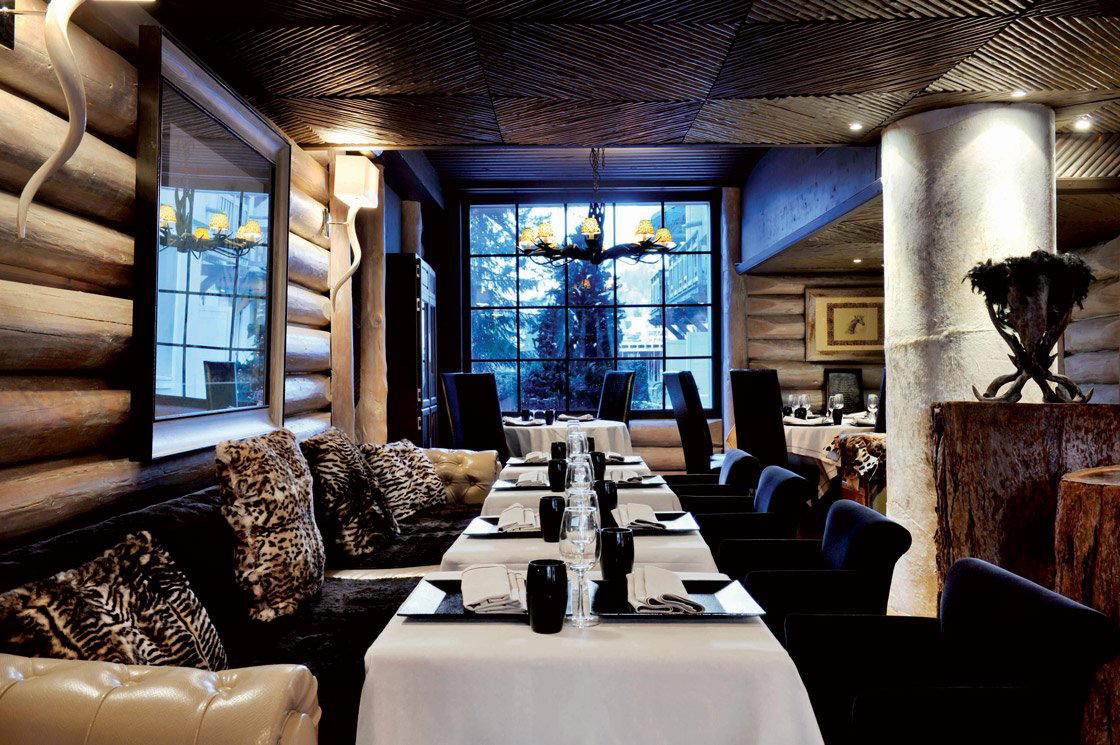
A Farmhouse Dining Room That Earns Its Star Without Apology
The Bernese Mittelland is not the obvious address for a Michelin-starred kitchen. That calculation, which routes most fine-dining traffic toward Zurich, Geneva, or Basel, is precisely what makes the drive to Wengi bei Büren instructive. Across Switzerland, a quiet tier of destination restaurants has taken root in rural cantons, farmhouses, and village centres far from the urban restaurant circuits. Schloss Schauenstein in Fürstenau and Memories in Bad Ragaz represent the high-altitude end of that tradition. Sonne sits in the same general category of places that require a deliberate journey and reward it proportionately.
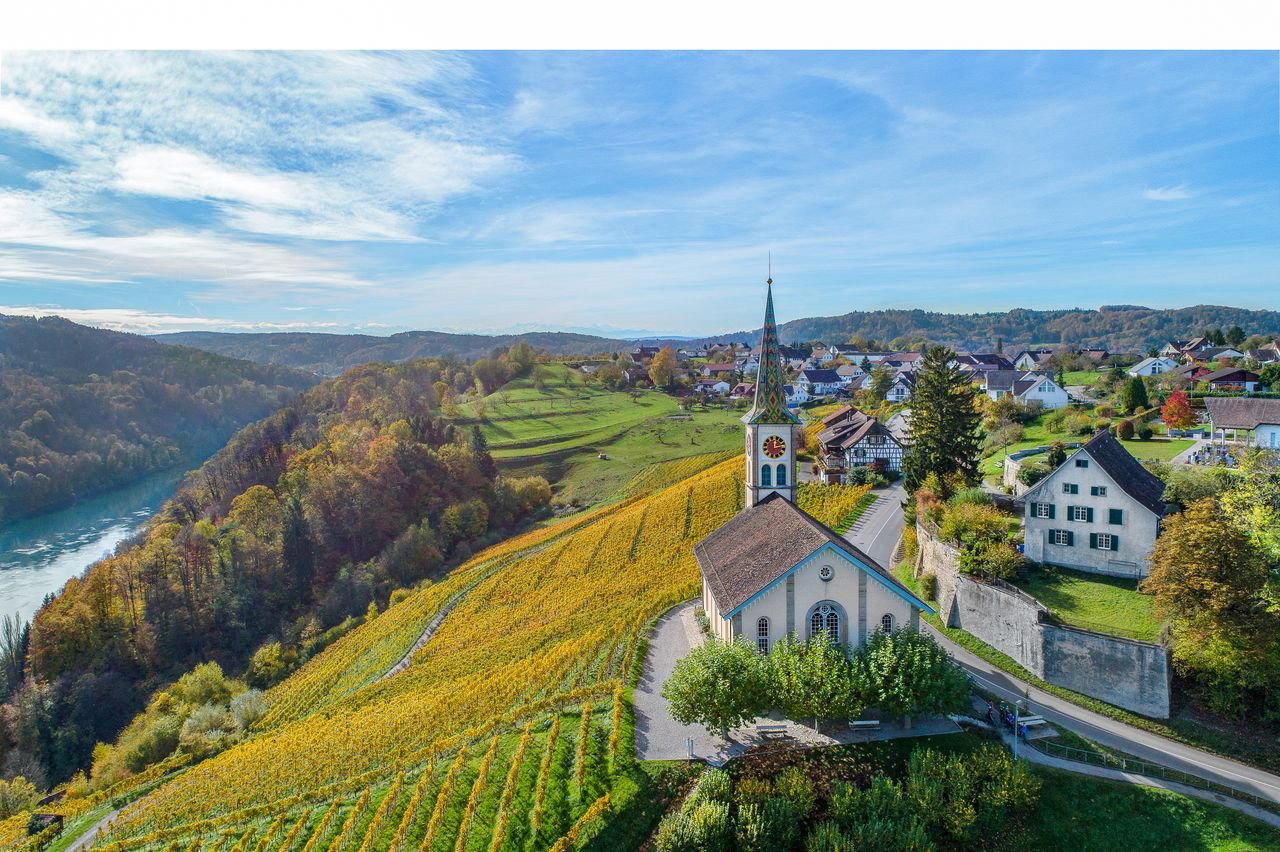
At Scheunenberg 70, the farmhouse building announces its age honestly. The 19th-century structure carries the proportions and materials of its era, and the surrounding village does nothing to contradict that context. Arriving here, the expectation gap between setting and kitchen ambition is part of the point. Switzerland's Michelin cohort has long accommodated this kind of contrast, placing stars on addresses that prioritise substance over postcode.
What the Kitchen Is Actually Doing
French cuisine in Switzerland occupies a particular register. It is neither the museum-piece classicism of a Parisian grand maison nor the full departure of contemporary Swiss creative cooking as practised at places like focus ATELIER in Vitznau or IGNIV Zürich by Andreas Caminada. Sonne occupies the more difficult middle ground: modernised classics. This approach demands fluency in the source tradition and genuine editorial judgment about where to update and where to leave alone. The Michelin Guide's own language for Sonne points toward dishes that are sophisticated in flavour and technique while remaining ingredient-centred, which is a description that maps closely to what the better French-influenced kitchens in Switzerland have been doing for the past decade.
The format gives diners real options. A six- or seven-course seasonal set menu runs alongside à la carte, and at lunch a separate set menu is available. That range, from a quick-format lunch to a full seasonal progression in the evening, positions Sonne differently from purely tasting-menu operations. It makes the kitchen accessible at multiple levels of commitment without flattening the experience into a single register. At the €€€€ price tier, that flexibility matters: the same room can serve a business lunch and an anniversary dinner without either feeling like an afterthought.
Ingredients, Seasons, and the Bernese Countryside
The link between French culinary technique and Swiss agricultural terroir is not a contradiction. It is, in practice, one of the more productive tensions in Swiss fine dining. The Bernese Mittelland is serious agricultural country, with dairy farming, grain production, and market-garden traditions that predate tourism. A kitchen anchored in this region and working through a French technical framework has direct access to ingredients that French kitchens at similar price points often source from further afield.
Sonne's Michelin citation emphasises excellent ingredients as the foundation of the kitchen's output. In the context of rural Bernese Switzerland, that is a claim with geographic weight. The six- and seven-course seasonal menus change to track what the surrounding area produces, which means the menu in April looks different from the menu in October in ways that matter rather than as a marketing position. That seasonal fidelity is what separates ingredient-led kitchens from venues that invoke provenance rhetorically without adjusting the plate.
For context on how French-influenced cooking operates in very different regional settings, see Sézanne in Tokyo and Les Amis in Singapore, both of which demonstrate how the French framework translates across radically different local ingredient palettes. Sonne's version is rooted in the specific agricultural identity of the Bernese plateau, which gives it a legibility that transplanted French cooking sometimes lacks.
The Room, the Terrace, and the Gaststube
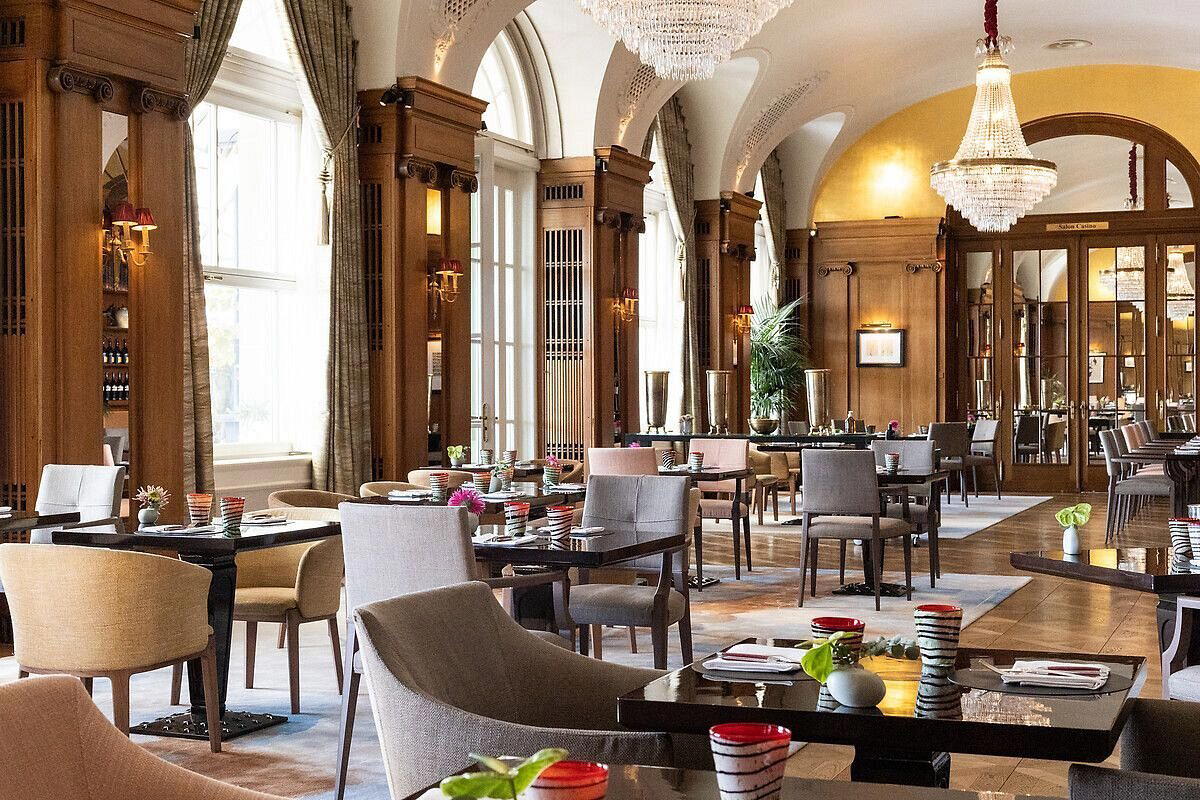
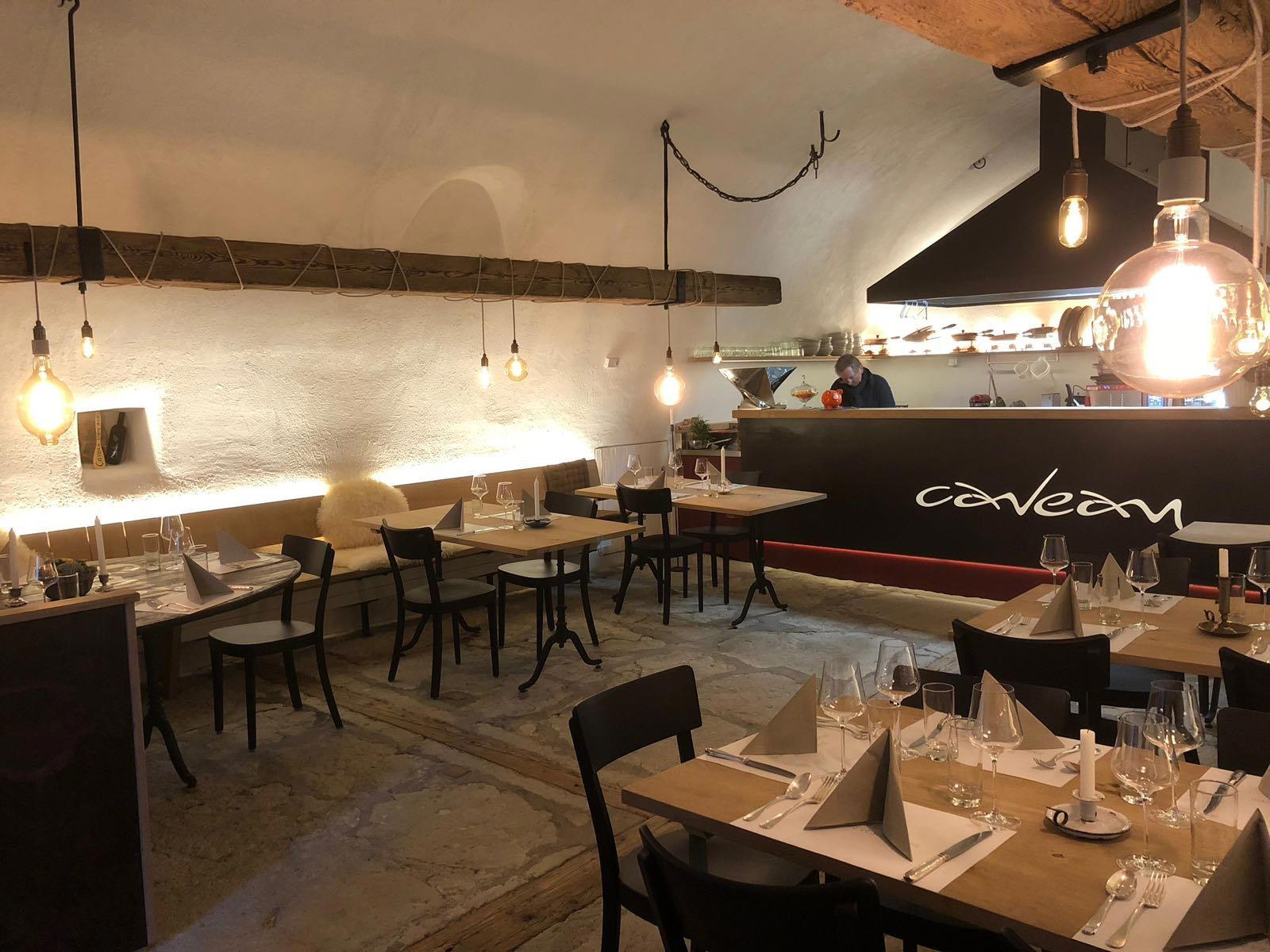
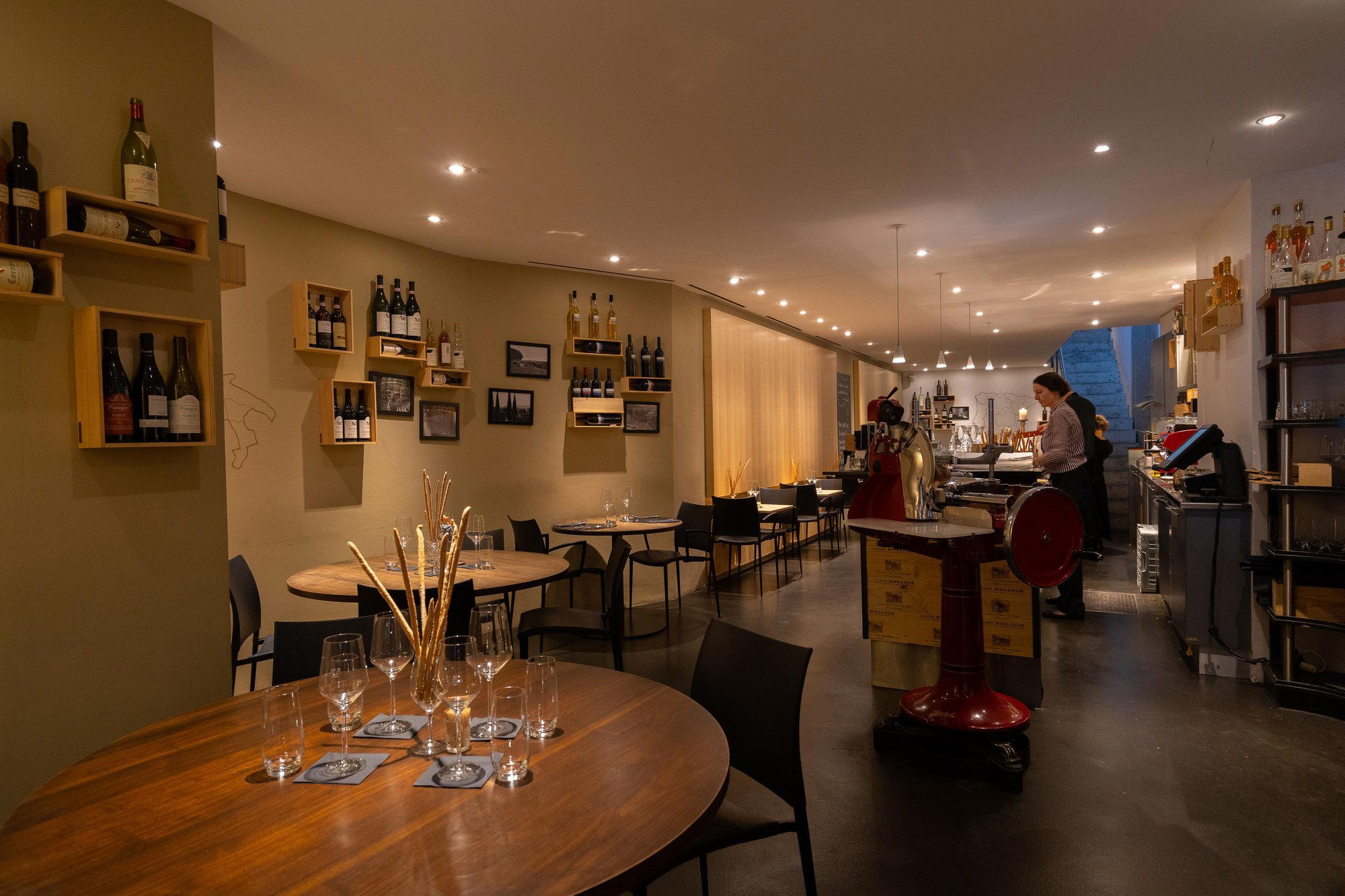
The interior reads as a careful interpretation of the farmhouse's original character rather than a renovation that erases it. The Michelin text describes a cosy interior decorated with attention to detail, comfortable but stylish, which in practice means the room holds its historic bones while meeting the functional expectations of a starred restaurant. The pergola area extends the usable dining space and softens the transition between interior and garden.
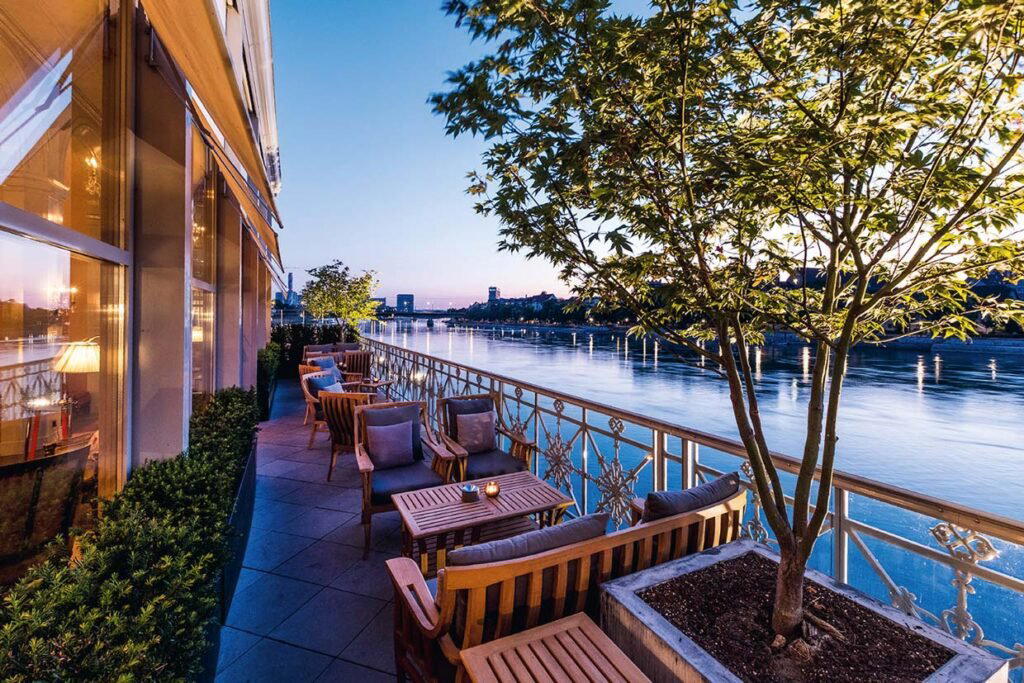
The summer terrace, surrounded by old trees with open views across the countryside, is a significant asset. In Swiss fine dining, the relationship between setting and season is underestimated as a factor in the total experience. A terrace that genuinely delivers on a summer evening is not standard equipment even at this price tier, and the combination of an agricultural landscape view with a Michelin-level kitchen is not a combination that many addresses in Switzerland can offer at Sonne's price point. The practical implication: if the visit is being planned for warmer months, the terrace is the primary argument for a specific table request.
Gaststube operates as a distinct space within the same building, with a bistro menu that gives the kitchen a second register. This is a well-established Swiss practice, the separation of the formal dining room from a more accessible tavern-format room, and it solves a real problem. It allows the main kitchen to maintain its starred standards without turning away guests who want a serious meal at a lower commitment level. The bistro menu is not a concession; it is a parallel offer that widens the restaurant's social function in the village.
The Wine List and Iris Mösching's Role
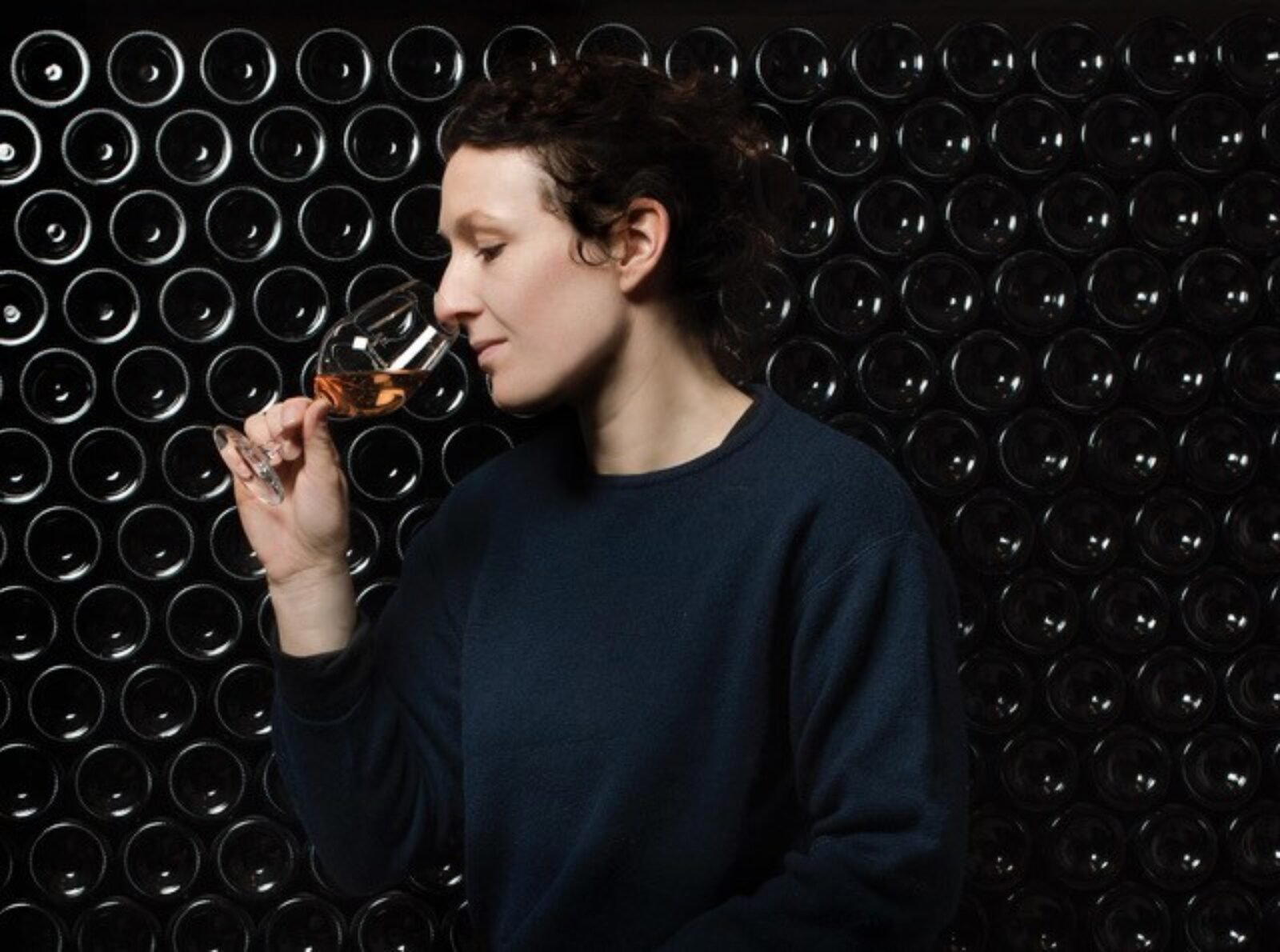
Around 600 labels on a wine list at a farmhouse restaurant in the Bernese countryside is a number that requires some commentary. Lists of that depth at this price tier in Swiss restaurants typically reflect a sustained collecting programme rather than a recent purchasing decision. The selection, which the Michelin text describes as including strong representation from Switzerland and France, reflects the kitchen's culinary alignment while also acknowledging the quality of Swiss wine production, particularly from Valais, Vaud, and the German-speaking cantons, which remains systematically underrepresented on international lists.
The service model at Sonne is shaped in part by the hosting presence of Iris Mösching, described in the Michelin Guide as an ever-present and charming hostess. In smaller destination restaurants, the role of a dedicated front-of-house host who knows the room, the list, and the guests personally is a structural advantage over venues where service is technically correct but impersonal.
Planning the Visit
Sonne opens Wednesday through Friday for both lunch (11:30 AM to 3 PM) and dinner (6:30 PM to 11 PM), with Saturday lunch and dinner running the same format (dinner from 6 PM). Sunday lunch runs to 5 PM, making it the most extended midday service of the week and a practical option for guests combining a countryside drive with a long meal. Monday and Tuesday are closed. The address is Scheunenberg 70, 3251 Wengi bei Büren, Switzerland. Given the rural location and the absence of walkable alternatives, arriving by car is the practical approach for most guests. For those building a broader Swiss fine-dining itinerary, Cheval Blanc by Peter Knogl in Basel and Hotel de Ville Crissier in Crissier represent the higher star-count tier in the western Swiss French-influenced category, while Einstein Gourmet in Sankt Gallen, Colonnade in Lucerne, Da Vittorio St. Moritz, 7132 Silver in Vals, and L'Atelier Robuchon in Geneva fill out the Swiss starred landscape for those touring broadly.
For more on dining, accommodation, and things to do in the area, see our full guides: restaurants in Wengi bei Büren, hotels, bars, wineries, and experiences.
Frequently asked questions
What price level is Sonne?
Pricing at Sonne is listed as €€€€.
What time does Sonne open and close?
Hours at Sonne: Monday closed Tuesday closed Wednesday 11:30 AM-3 PM 6:30 PM-11 PM Thursday 11:30 AM-3 PM 6:30 PM-11 PM Friday 11:30 AM-3 PM 6:30 PM-11 PM Saturday 11:30 AM-3 PM 6 PM-11 PM Sunday 11:30 AM-5 PM.
| Venue | Cuisine | Price | Awards | Notes |
|---|---|---|---|---|
| SonneThis venue (the venue you are viewing) | Modern French Fine Dining | $150–200 | 1 Michelin Star · Falstaff Restaurant - 94 Falstaff Points | Not listed |
| Schloss Schauenstein | Creative Swiss Country Fine Dining | $300–500 | 3 Michelin Stars · World's 50 Best #52 | Modern European, Creative |
| Memories | Modern Swiss Alpine Cuisine | $300–500 | 3 Michelin Stars · La Liste Top Restaurants | Modern Swiss |
| focus ATELIER | Modern French Fine Dining | $200–300 | 2 Michelin Stars · La Liste Top Restaurants | Modern Swiss, Creative |
| IGNIV Zürich by Andreas Caminada | Modern Swiss Fusion Sharing | $150–200 | 2 Michelin Stars · La Liste Top Restaurants | Sharing |
| La Table du Lausanne Palace | Contemporary French Fine Dining | $200–300 | 2 Michelin Stars · La Liste Top Restaurants | Modern French |
Recognition history
Dated appearances from independent guides and award organizations, with the underlying list record or original source where available.
Michelin 1 Star
Michelin
Falstaff Restaurant - 94 Falstaff Points
Falstaff
Full recognition history (3 entries)
Michelin 1 Star
Michelin
Continue exploring
More in Wengi bei Büren
Restaurants in Wengi bei Büren
All restaurants in Wengi bei Büren →
Bars in Wengi bei Büren
Browse all →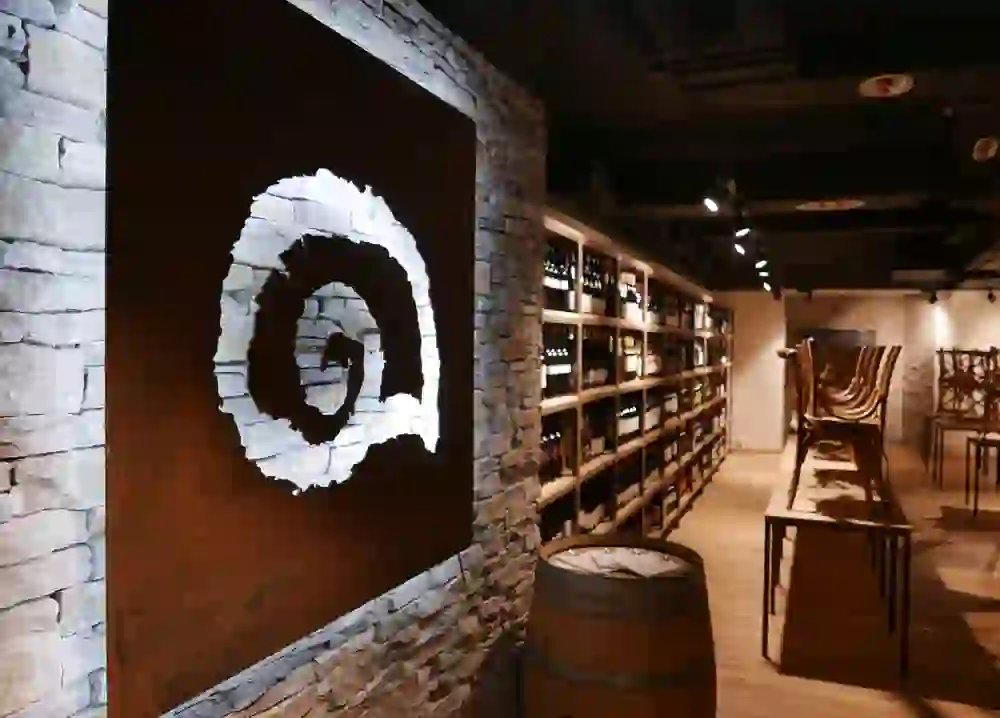

Sonne
The wine
- Wine program
- Deep wine list
- Extensive wine list
Details
- Cozy
- Elegant
- Rustic
- Scenic
- Intimate
- Date Night
- Special Occasion
- Business Dinner
- Terrace
- Open Kitchen
- Extensive Wine List
- Local Sourcing
- Garden
- Street Scene
- Set Menu
- A La Carte
- Vegetarian Friendly
Current opening hours
- Monday
- Closed
- Tuesday
- Closed
- Wednesday
- 11:30 AM–3 PM, 6:30–11 PM
- Thursday
- 11:30 AM–3 PM, 6:30–11 PM
- Friday
- 11:30 AM–3 PM, 6:30–11 PM
- Saturday
- 11:30 AM–3 PM, 6–11 PM
- Sunday
- 11:30 AM–5 PM
Hours can change for holidays and private events. Hours as of .
Cosy, stylish, and elegant interior with loving attention to detail, complemented by a pergola-shaded terrace surrounded by old trees and greenery.