Le Grillon
Our verdict
Le Grillon sits in Prés-d'Orvin, a small Jura village above the Swiss Mittelland where the surrounding landscape — alpine meadows, forested ridgelines, and working farms — shapes the logic of what ends up on the plate. The address alone signals a certain remove from urban dining circuits, placing it in the company of Switzerland's rurally anchored restaurants that earn their reputation through produce proximity rather than city-centre visibility.

Pearl is the En Primeur Club membership app — saves, bookings, and concierge access live there. Same editors, same standards.
- Address
- Chem. du Grillon 1, 2534 Prés-d'Orvin, Switzerland
- Phone
- +41323220062
- Hours
- Mon–Wed ClosedThu 11 AM–3 PMFri–Sat 11 AM–3 PM, 6–11:30 PMSun 11 AM–4:30 PM
- Website
- jeandrevin-legrillon.ch
- Directions
- Get directions
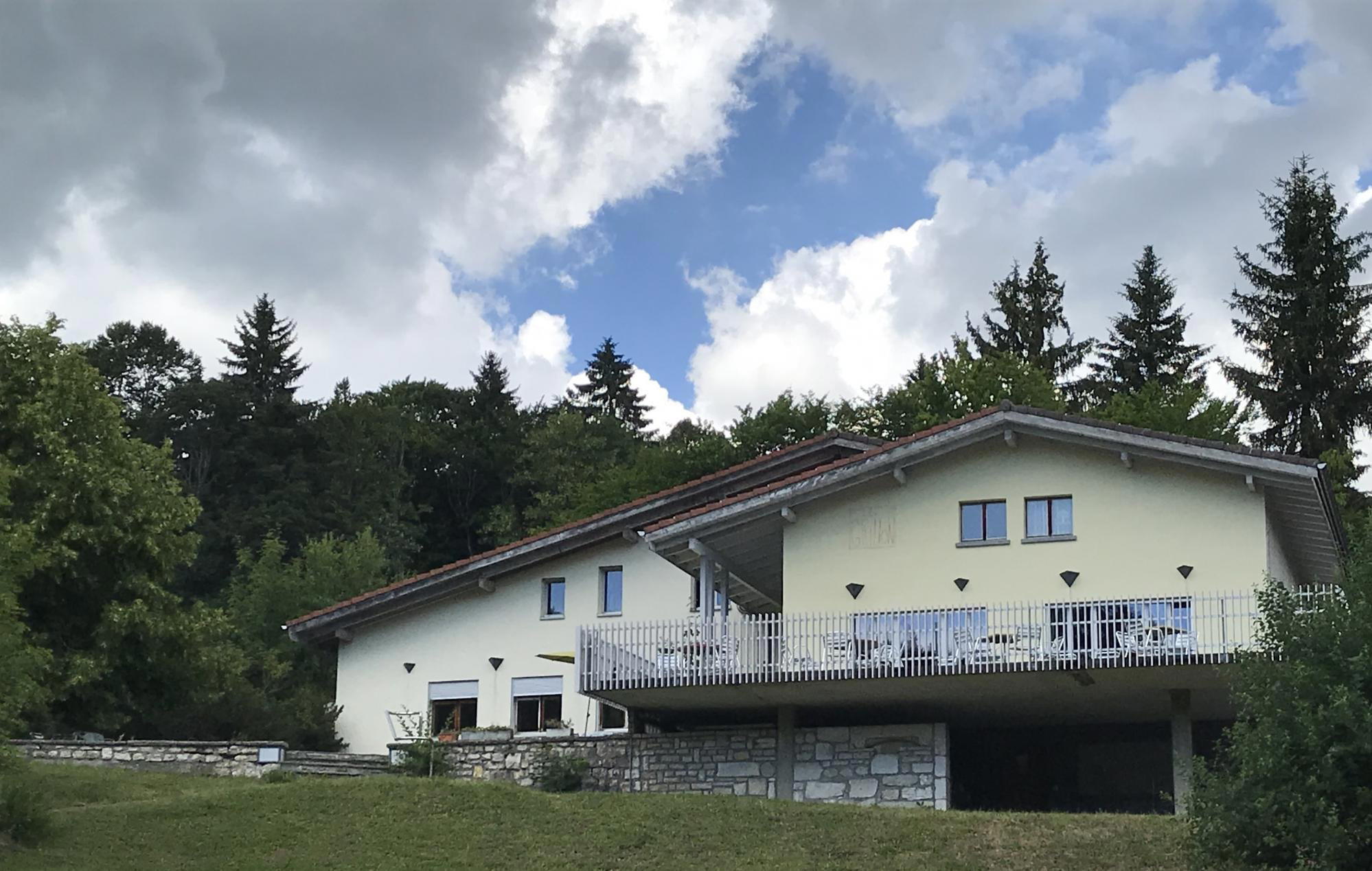
Above the Mittelland: Dining at the Edge of the Jura
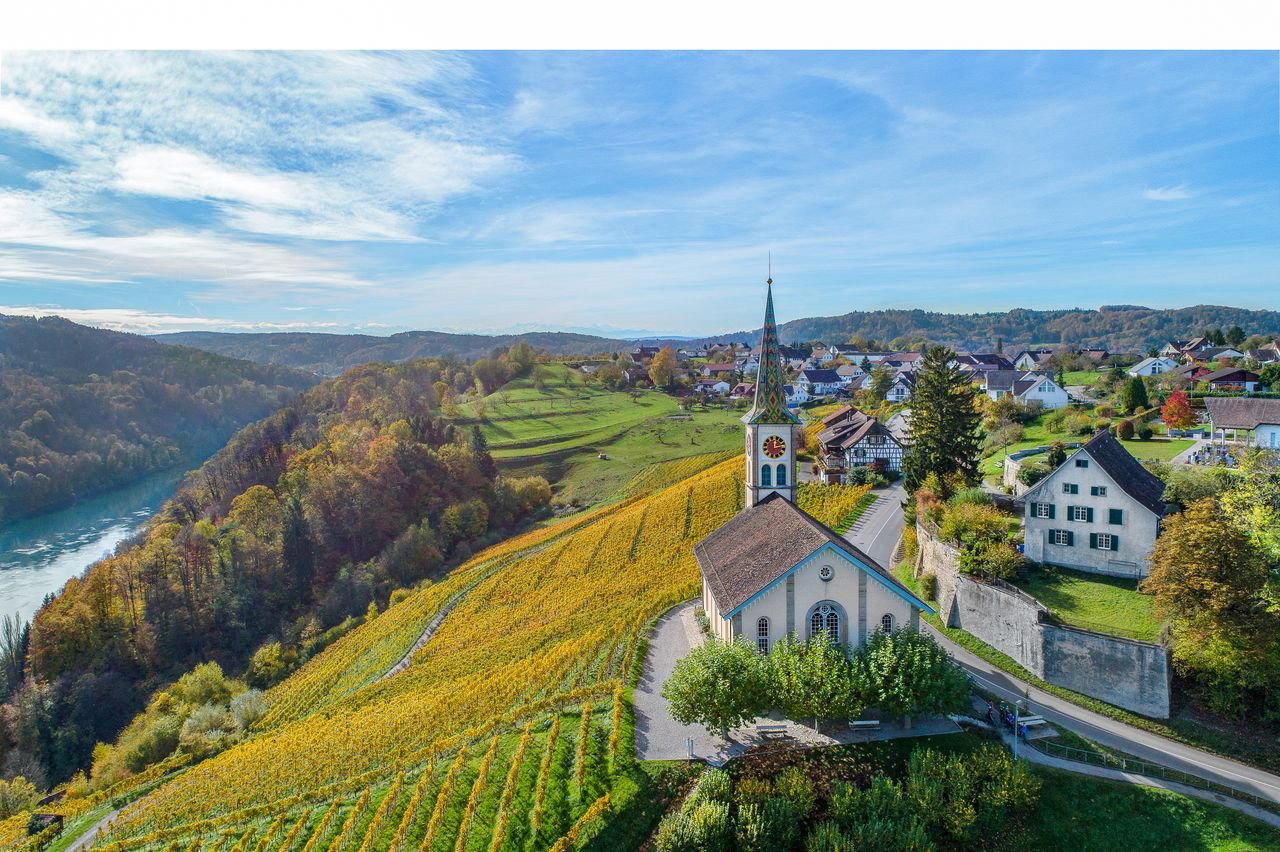
Switzerland's serious restaurant scene has always had a geographic split. The Michelin-tracked tier concentrates in cities — Geneva's formal French tradition at places like L'Atelier Robuchon, Lausanne's hotel dining at La Table du Lausanne Palace, Basel's long-running precision at Cheval Blanc by Peter Knogl — while a parallel, quieter tradition operates in small towns and mountain communes where the sourcing logic is simpler and more direct. Prés-d'Orvin belongs to that second world. The village sits on a plateau in the Bernese Jura at roughly 900 metres, accessible by a winding road that climbs from the industrial Biel/Bienne valley below. The approach itself is a form of selection: getting here requires intention.
Le Grillon, addressed at Chemin du Grillon 1, occupies that refined plateau setting. What matters about the location is not the view for its own sake but what the elevation implies about sourcing. At this altitude and in this region, pasture-raised dairy and meat, foraged herbs from the surrounding forest margins, and regional vegetables from Jura producers are not a curatorial choice, they are the default supply chain. This is the operational reality that separates rurally anchored Swiss restaurants from their urban counterparts, who must construct farm-to-table sourcing relationships deliberately. Here, proximity to producers is structural.
The Jura Sourcing Logic and Why It Travels
Switzerland's Jura arc, running from the French border through the cantons of Jura and Bern, is one of the country's least-discussed agricultural zones in dining terms, despite producing some of its most consequential ingredients. The region supplies Gruyère AOP and Emmental AOP to broader European markets, raises pasture-fed beef on plateau grasslands, and supports a foraging culture that extends from chanterelles and morels in season to wild garlic and bilberries depending on elevation. Kitchens that sit inside this geography, rather than importing from it at a distance, operate with a different relationship to seasonality: the menu shifts because the supply shifts, not because a chef has decided it should.
This model has a strong precedent in Switzerland's highest-regarded establishments. Schloss Schauenstein in Fürstenau built its three-Michelin-star reputation partly on a kitchen garden and hyper-regional sourcing in the Graubünden valleys. Memories in Bad Ragaz and focus ATELIER in Vitznau similarly locate their creative logic in the surrounding alpine environment. The pattern across these restaurants is consistent: physical remove from urban supply chains produces a more constrained, more seasonal, and often more coherent menu than a city kitchen with access to everything simultaneously. Le Grillon operates within the same geographic argument, even if at a different scale and recognition tier.
For the Jura specifically, the cheese-making tradition is worth understanding as a dining context. The plateau communes around Prés-d'Orvin sit within reach of affineurs and small-production fromageries whose output rarely travels far. A restaurant in this position can access wheels of aged Jura cheese at stages of maturation that urban buyers never see. The same applies to cured meats: the Jura has its own charcuterie tradition, with smoked and air-dried products from small producers that form a natural component of any kitchen sourcing honestly from the region.
Where Le Grillon Sits in the Swiss Dining Picture
Switzerland's restaurant categories have sharpened considerably in the past decade. At the leading, a cluster of three-Michelin-star addresses, Hotel de Ville Crissier, Schloss Schauenstein, and the recently evolved Memories, have consolidated Swiss cuisine's international reputation. Below that, a broader mid-tier operates across cities and towns, ranging from sharing-format restaurants like IGNIV Zürich by Andreas Caminada to regional specialists like Maison Wenger in Le Noirmont, itself a Jura address that demonstrates what a kitchen in this corner of Switzerland can achieve at serious level.
Maison Wenger is a relevant peer reference: Le Noirmont is similarly rural and similarly Jura-plateau in its sourcing environment, and it carries Michelin recognition that confirms the region's credibility as a dining destination rather than a scenic detour. The existence of recognised kitchens in these remote Bernese Jura communes signals that the region has a dining logic independent of city proximity. Le Grillon at Prés-d'Orvin belongs to that broader argument, even without the same documentation trail.
For readers cross-referencing Switzerland's broader restaurant portfolio, the contrast with more urban or resort-driven addresses is instructive. Da Vittorio in St. Moritz, Einstein Gourmet in Sankt Gallen, Magdalena in Schwyz, and Colonnade in Lucerne each operate within a different supply and customer ecosystem. Le Grillon's Jura plateau setting places it in a distinct subcategory: the rural, landscape-driven restaurant whose identity is inseparable from where it sits. See our full Les Pres D Orvin restaurants guide for more context on dining in this area.
Planning a Visit
Prés-d'Orvin is most practically reached by car from Biel/Bienne, roughly 12 kilometres below in the valley. The Jura plateau road is manageable year-round but benefits from dry conditions; winter visits require standard mountain driving caution. Public transport options exist via funicular from Biel/Bienne to Orvin, followed by local connections, though the schedule is infrequent enough that most visitors drive. The village itself is small, so Le Grillon at Chemin du Grillon 1 is not difficult to locate on arrival. The remoteness of the location makes confirming opening ahead of time a practical necessity rather than a courtesy.
For those building a broader Swiss itinerary, pairing a Jura plateau visit with the Arc Jurassien's other dining anchors, Le Noirmont to the west, the Bernese Mittelland towns below, provides geographic coherence. Internationally oriented readers planning Swiss restaurant trips should note that the country's most-discussed dining addresses, including those comparable to destinations like Le Bernardin or Atomix in terms of precision and sourcing philosophy, tend to concentrate in cities. The Jura plateau restaurants, including Le Grillon, represent the counterpoint: a dining culture rooted in agricultural geography rather than urban infrastructure.
Frequently asked questions
Would Le Grillon be comfortable with kids?
Le Grillon is set in Prés-d'Orvin, a quiet Jura plateau village rather than an urban dining district, which gives it a pace that tends to suit families better than a formal city address would.
How would you describe the vibe at Le Grillon?
The address — Chemin du Grillon 1, high on the Jura plateau above Biel/Bienne — signals the tone before you arrive: this is a destination you travel to deliberately, not somewhere you pass through. Expect a setting shaped by the surrounding plateau rather than city foot traffic, with the unhurried cadence that tends to characterise rural Swiss dining at this altitude.
Is Le Grillon worth the drive up from Biel/Bienne?
Prés-d'Orvin sits roughly 12 kilometres above Biel/Bienne on the Jura plateau road, making the venue a deliberate detour rather than a casual stop. The journey itself is part of the logic: restaurants at this remove from the city's restaurant circuit typically hold an audience through the quality of the table rather than convenience of location.
What should I eat at Le Grillon?
Given its position in the Jura arc — one of Switzerland's most active zones for seasonal dairy, game, and foraged produce — the kitchen almost certainly draws on regional supply, but specific dishes should be confirmed when booking.
How do I find Le Grillon?
Le Grillon is located at Chem. du Grillon 1, 2534 Prés-d'Orvin, Switzerland, Les Pres D Orvin.
At-a-Glance Comparison
Comparable venues nearby, for context on price, style, and recognition.
| Venue | Cuisine | Price | Notes |
|---|---|---|---|
| Le GrillonThis venue — the venue you are viewing | Seasonal French-Swiss Bistro | Not listed | Not listed |
| Le Soleil de Châtillon | French Fine Dining with Swiss Terroir | Not listed | Châtillon |
| Brasserie Obstberg | French Brasserie | $50–100 | Schosshalde |
| Sharing Brasserie Juliette | Modern French Brasserie | Not listed | National Quai |
| Kanpâna | Modern French-Swiss Alpine | Not listed | Le Chable |
| Krafft Basel | Classic French Bistro | Not listed | Messe |
Continue exploring
More in Les Pres D Orvin
Restaurants in Les Pres D Orvin
Browse all →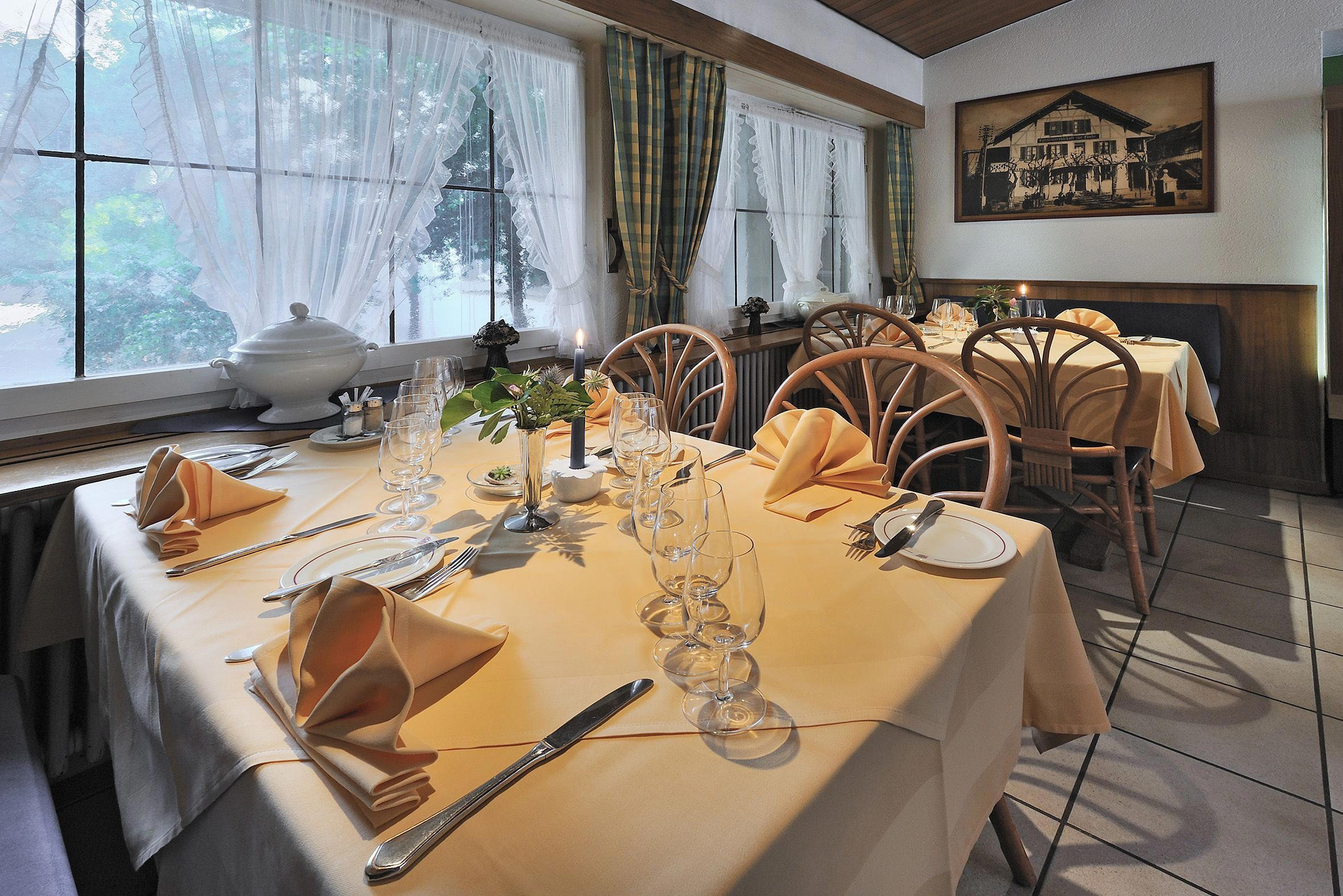
Bars in Les Pres D Orvin
Browse all →
Hotels in Les Pres D Orvin
Browse all →

Details
- Cozy
- Rustic
- Scenic
- Intimate
- Special Occasion
- Family
- Terrace
- Local Sourcing
- Farm To Table
- Mountain
- Garden
- A La Carte
Current opening hours
- Monday
- Closed
- Tuesday
- Closed
- Wednesday
- Closed
- Thursday
- 11 AM–3 PM
- Friday
- 11 AM–3 PM, 6–11:30 PM
- Saturday
- 11 AM–3 PM, 6–11:30 PM
- Sunday
- 11 AM–4:30 PM
Hours can change for holidays and private events. Last verified .
Sober decor with warm hospitality in a charming, simple style surrounded by verdant nature.