Château des Comtes de Challes
Château des Comtes de Challes occupies a historic castle address at 247 Montée du Château in Challes-les-Eaux, a small spa town in the Savoie foothills southeast of Chambéry. The setting positions it within a Savoyard dining tradition where alpine terrain, proximity to artisan producers, and a slower pace of travel shape the table. Visitors arrive expecting a house rooted in regional character rather than metropolitan ambition.
Pearl is the En Primeur Club membership app — saves, bookings, and concierge access live there. Same editors, same standards.
- Address
- 247 Mnt du Château, 73190 Challes-les-Eaux, France
- Phone
- +33479727272
- Directions
- Get directions
 Saves & bookings on Pearl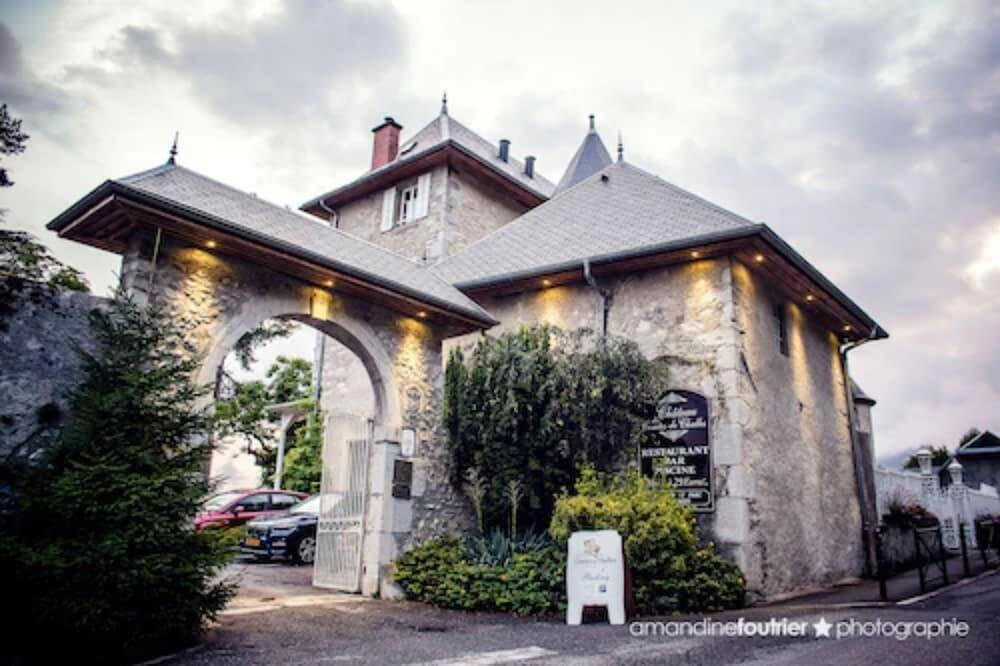
A Castle Address in the Savoie Foothills
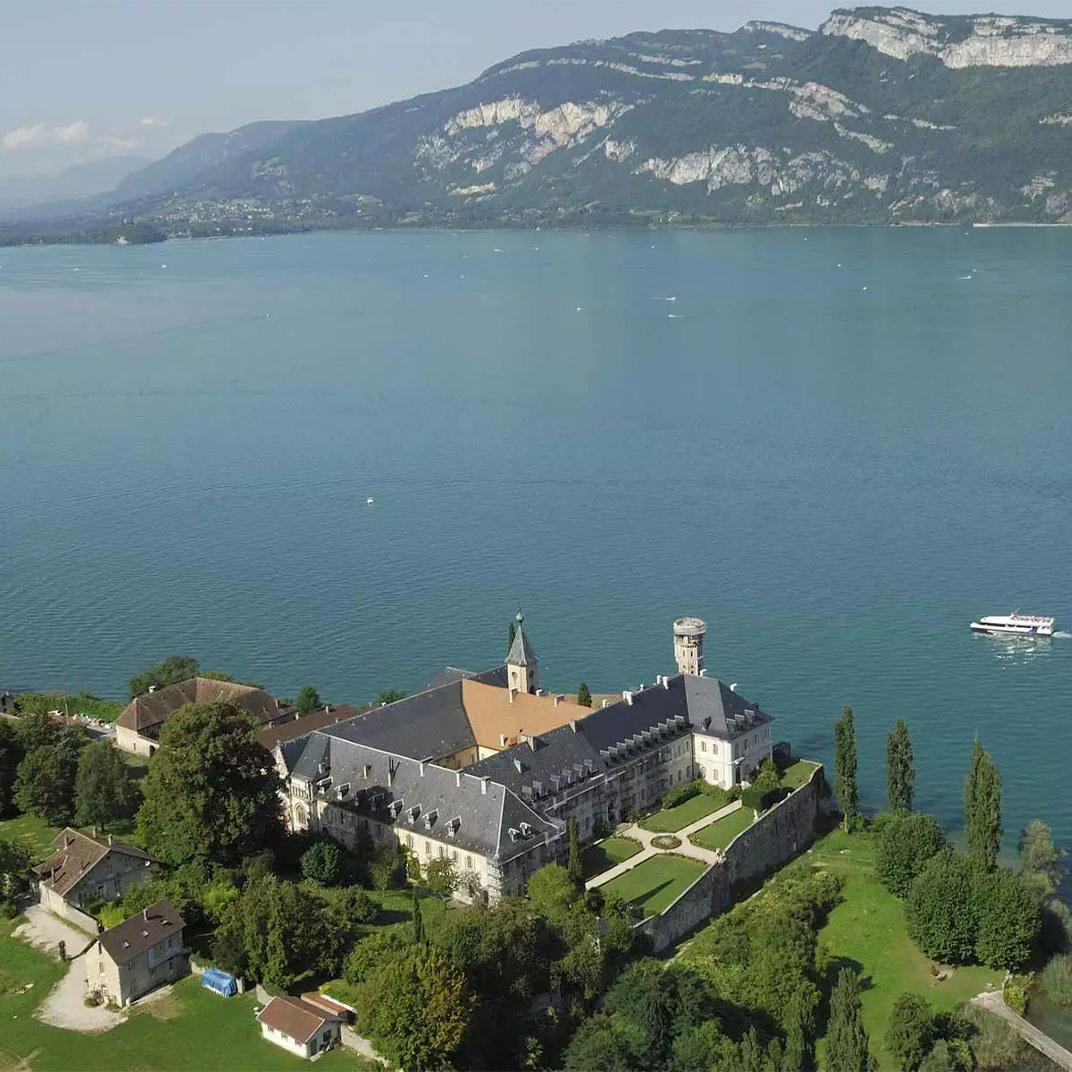
Approach Challes-les-Eaux from Chambéry and the town reveals itself as an unhurried place: a nineteenth-century thermal station that never shed its spa-town quietness, surrounded by the lower ridges of the Savoie Alps. The Château des Comtes de Challes sits at 247 Montée du Château, climbing above the valley floor on a road that signals immediately you are leaving the flat commercial edge of town behind. The building is a genuine castle structure, stone-built, with the elevation and massing that come from centuries of military and aristocratic function rather than decorative intent. Arriving here is a different register from pulling up to a converted farmhouse or a contemporary Alpine lodge; the architecture sets a tone of accumulated history before you have crossed the threshold.
This part of the French Alps sits in a productive tension between the grand three-star destination restaurants further into the mountains, places like Flocons de Sel in Megève and Le 1947 à Cheval Blanc in Courchevel, and a quieter tradition of château and auberge dining that draws on local produce without chasing international recognition. Challes-les-Eaux belongs firmly to the latter category. It is not a ski resort village, and it is not a stage on the grande cuisine circuit. What it offers is the infrastructure of a spa town with access to the Savoie's larder: dairy from mountain pastures, freshwater fish from Alpine lakes, charcuterie traditions running back through generations of mountain agriculture.
The Savoie Larder and Why Provenance Matters Here
French Alpine cuisine is, at its core, a product of what the terrain yields. The Savoie sits between the Chartreuse massif and the Mont Blanc range, encompassing some of France's most distinctive agricultural micro-zones. Reblochon comes from the Aravis valley less than sixty kilometres away; Beaufort, the firm mountain cheese that defines Alpine tartiflette in its more serious interpretations, is produced in the high pastures above Bourg-Saint-Maurice. Omble chevalier, the char native to Lac du Bourget and Lac d'Annecy, has no equivalent in lowland French cooking. These are not romantic regional attachments; they are specific, geographically bounded products whose quality depends directly on altitude, pasture, and water source.
Restaurants operating in this zone that take provenance seriously work with a supplier network that looks different from what drives the creative tasting menus at Mirazur in Menton or the classical French tradition at Alléno Paris au Pavillon Ledoyen. The reference points shift from Rungis market and Breton coastline to valley cooperatives and mountain farms accessible by road only in the warmer months. A château property with deep roots in this geography is well-placed to work within that shorter, more direct supply chain, provided the kitchen chooses to.
Challes-les-Eaux is roughly twelve kilometres from Chambéry, itself a city with a serious weekly market tradition and direct access to Savoie producers. The proximity matters: a kitchen here can source Savoie wine from the Apremont and Chignin appellations that run along the Combe de Savoie without the distribution overhead that makes regional wine lists at urban restaurants a more complicated calculation. Jacquère, the white grape that dominates Savoie production, and Mondeuse, the region's most interesting red, are both grown in vineyards that are effectively a short drive from the château's address. For a dining room embedded in this geography, the case for a regionally anchored wine programme is direct.
Placing the Château in Its Competitive Context
The French provinces are full of château and manor properties that have converted to hospitality, and their quality varies considerably. The stronger examples in this mode, Auberge de l'Ill in Illhaeusern, Georges Blanc in Vonnas, or Maison Lameloise in Chagny, share a commitment to place-specific cooking that goes beyond decorative regionalism. The weaker end of the category treats the historic setting as the product and lets the kitchen drift toward safe, undifferentiated French hotel cuisine. What separates one from the other is usually the degree to which ingredient sourcing is treated as a curatorial act rather than a logistical default.
Challes-les-Eaux as a destination draws visitors primarily through its thermal spa reputation, which gives a château property here a different guest profile from the destination-dining pilgrim who plans a trip around a reservation. That has implications for the dining room: the audience includes people staying for a cure, walkers using the town as a base for the Chartreuse trails, and travellers who have arrived from Chambéry without a particular restaurant in mind. That context shapes what a thoughtful kitchen here should do: anchor firmly in Savoie identity and let the produce speak for the region, rather than attempting the kind of elaborate creative programming more appropriate to Bras in Laguiole or L'Oustau de Baumanière in Les Baux.
For those building a broader itinerary around French Alpine and Rhône-corridor dining, the Challes-les-Eaux area fits logically between Lyon, where Paul Bocuse - L'Auberge du Pont de Collonges remains the reference point for the Bocuse tradition, and the higher Alpine villages to the east.
Planning a Visit
Challes-les-Eaux is served by Chambéry-Savoie Airport and sits on a direct rail corridor from Lyon Part-Dieu, making it accessible without a car, though driving gives easier access to the wider Savoie wine country and the mountain passes to the south. The château address on Montée du Château is specific enough that navigation is direct once you are in the town. Given the thermal spa character of the destination, weekday visits often allow more flexibility than peak summer weekends, when the town fills with guests on multi-day cure programmes. As with most château dining properties in the French provinces, booking ahead is advisable rather than assuming walk-in availability; the dining room serves a hotel guest base that occupies tables by default during busy periods.
A Quick Peer Check
Comparable venues nearby, for context on price, style, and recognition.
| Venue | Cuisine | Price | Notes |
|---|---|---|---|
| Château des Comtes de ChallesThis venue — the venue you are viewing | Traditional French Regional Gastronomy | $$$ | Not listed |
| À Ma Façon | Modern French Seasonal Bistro | $$$ | Hyper-Centre |
| Comptoir De Vie | Modern French Tasting Counter-Bar | $$$ | 2nd Arrondissement |
| Le Chalet Gourmand | Creative French Mountain Bistro | $$$ | Vaujany Village |
| L'Empreinte | Modern French Bistronomique | $$$ | Alpe d'Huez |
| La Cabane Des Praz | Modern French with Savoyard Specialties | $$$ | Les Praz |
Continue exploring
More in Challes Les Eaux
Restaurants in Challes Les Eaux
Browse all →
Bars in Challes Les Eaux
Browse all →
At a Glance
- Classic
- Elegant
- Scenic
- Date Night
- Special Occasion
- Business Dinner
- Historic Building
- Terrace
- Private Dining
- Extensive Wine List
- Sommelier Led
- Local Sourcing
- Mountain
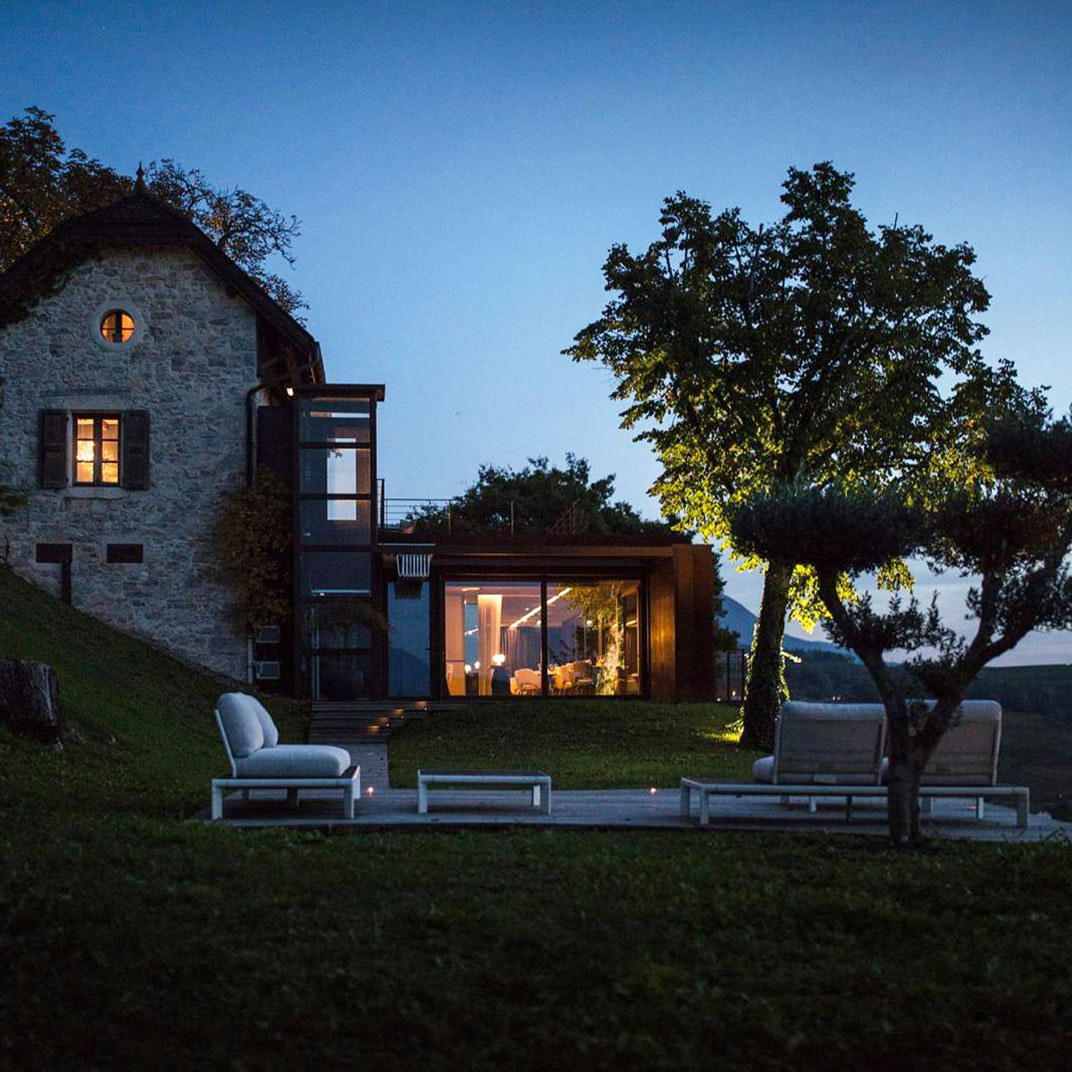
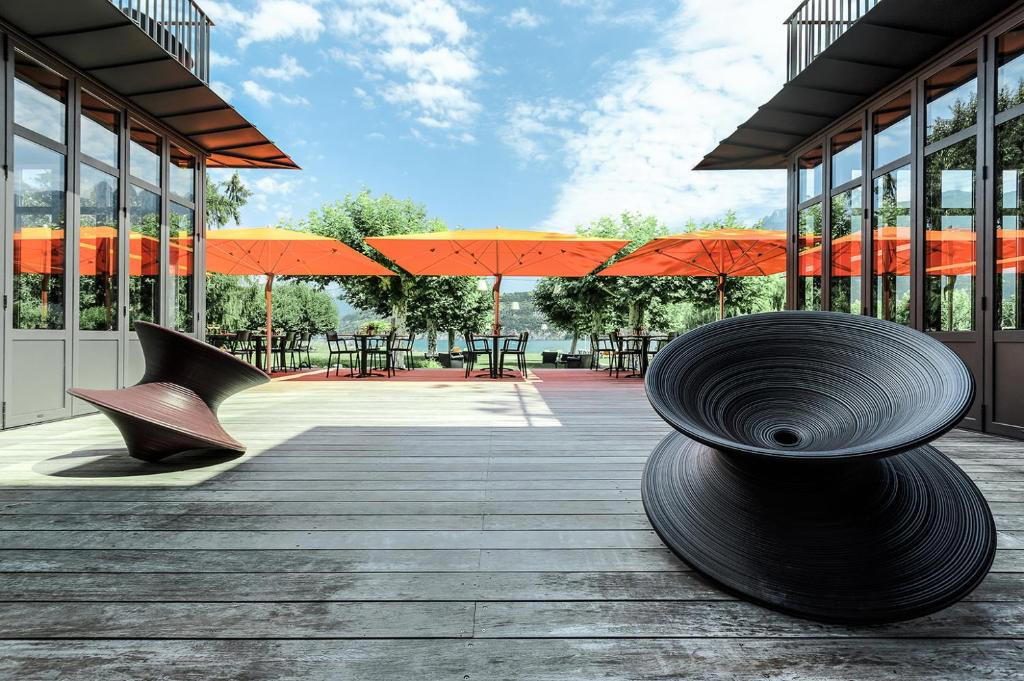
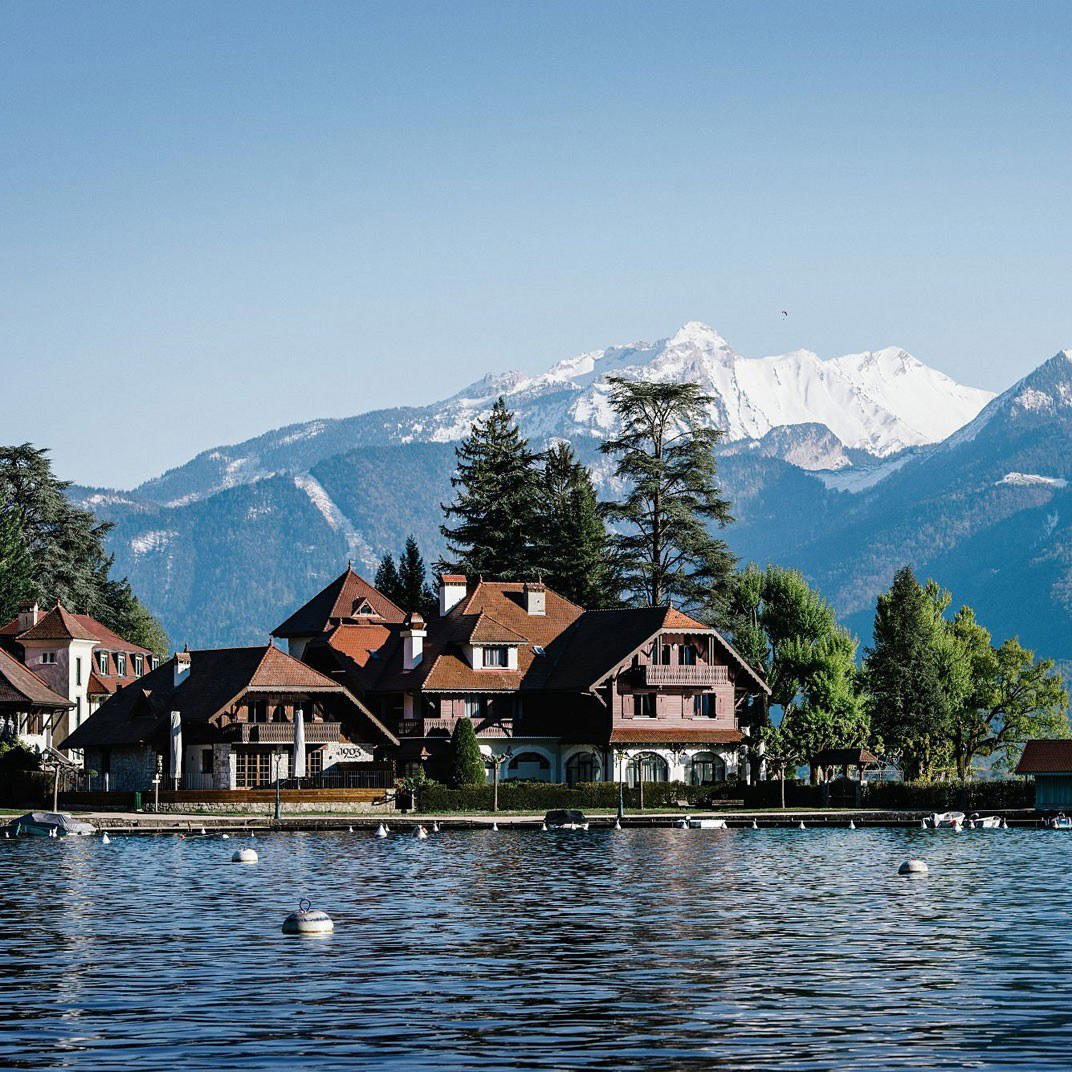
Enchanting historic castle setting with lovely old-world French decor, terrace dining, and elegant indoor rooms.