Sylvestre Wahid - Les Grandes Alpes



Two Michelin stars and a Les Grandes Tables du Monde listing place Sylvestre Wahid at the upper tier of Courchevel's fine dining scene. Wahid's creative approach applies global technique to the alpine larder, producing a menu where terroir and precision sit in deliberate tension. At 28 Rue de l'Église, this is Courchevel cooking measured against international rather than seasonal standards.
Pearl is the En Primeur Club membership app — saves, bookings, and concierge access live there. Same editors, same standards.
- Address
- 28 Rue de l'Église, 73120 Courchevel, France
- Phone
- +33 4 79 00 00 00
- Website
- restaurantsylvestre.com
- Directions
- Get directions
 Saves & bookings on Pearl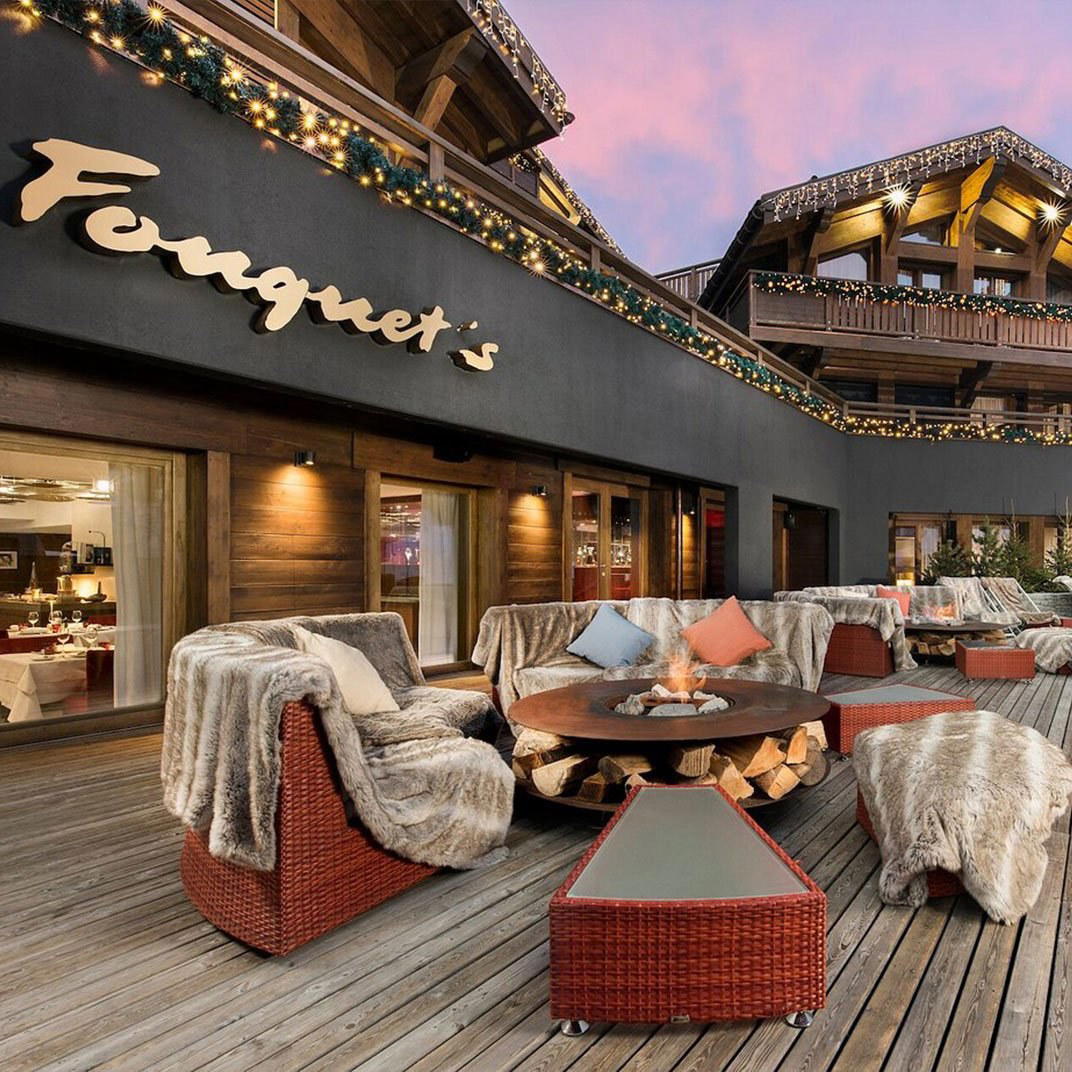
Where the Alps Meet the Atelier
Courchevel 1850 has long operated as a proving ground for serious French gastronomy at altitude. The combination of a captive clientele with appetite for luxury and a short ski season that concentrates dining into roughly four months each winter has produced a competitive restaurant tier that few alpine resorts can match globally. Within that tier, Sylvestre Wahid at Les Grandes Alpes, on Rue de l'Église, occupies a particular position: two Michelin stars, a 2025 Les Grandes Tables du Monde listing, and a score of 76 points in the La Liste global restaurant rankings for 2025, shading to 75 points in 2026. That arc of sustained recognition places the restaurant among the more consistently decorated tables in the resort.
Courchevel's high-end restaurant market is notably fragmented across hotel dining rooms and independent addresses. Le 1947 à Cheval Blanc and Baumanière 1850 operate within the logic of their parent properties, while Le Sarkara anchors the K2 hotel's dessert-led proposition. Wahid's restaurant at Les Grandes Alpes functions in a different register: a chef-driven creative table with a pedigree that the awards record frames in terms of precision and internationalism rather than alpine tradition alone. The comparison set is not simply local; it extends to the wider French creative dining scene.
The Intersection of Alpine Terroir and Global Technique
The editorial angle here is not distinctive to Courchevel, but it is more sharply expressed here than at lower-altitude resorts. France's alpine larder is genuinely distinctive: game from the surrounding valleys, high-pasture dairy, cold-water fish from mountain lakes, and a rotation of foraged herbs and fungi that tracks closely with the ski season itself. The challenge for any serious chef working in this geography is how to treat those products, whether to amplify their regionality through classically French methods, or to apply the kind of globally inflected technique that has reshaped fine dining in Paris, Lyon, and beyond.
Wahid's positioning as a Creative cuisine practitioner signals the latter orientation. Creative, as a category in French fine dining, sits alongside what Michelin and the broader critical establishment recognise as cuisine d'auteur: cooking that starts from a personal technical vocabulary rather than from a received regional tradition. This is the same broad category inhabited by Mirazur in Menton or, in a different register, by Alléno Paris au Pavillon Ledoyen. At altitude, with a seasonal larder as raw material, the tension between imported method and indigenous product tends to produce cooking that is more deliberately composed than its terroir-led counterparts. The product anchors the plate; the technique makes the argument.
In the broader Alps region, the closest analogue to this approach is Flocons de Sel in Megève, where Emmanuel Renaut applies a similarly exacting intelligence to mountain ingredients. The difference lies in register: Megève's dining culture leans toward the pastoral and the rooted, while Courchevel 1850 has always skewed toward the international and the polished. That market character shapes what ambitious cooking can look like here, and Wahid's version of it maps directly onto the resort's existing appetite.
A Lineage Read Through Awards
The awards record gives the clearest signal of where this kitchen sits in the French hierarchy. Two Michelin stars at a resort restaurant, held consecutively, places Wahid in a small cohort nationally. The Les Grandes Tables du Monde designation, awarded in 2025, adds a second layer of institutional recognition that operates differently from Michelin: it emphasises hospitality, front-of-house intelligence, and the full arc of the meal experience rather than plate-level cooking alone. Together, the two markers position the restaurant not as a seasonal outlier but as a year-round reference point in the French fine dining conversation.
La Liste's scoring methodology aggregates critical opinion across a wide range of international sources and converts it into a ranked global list. A score in the mid-70s places Sylvestre Wahid at Les Grandes Alpes comfortably inside the upper tier of French restaurants outside Paris, benchmarked against addresses like Troisgros in Ouches, Bras in Laguiole, and the institutional weight of Paul Bocuse in Collonges-au-Mont-d'Or. The score has held remarkably consistent across 2025 and 2026, suggesting a kitchen that is not trending up or down but operating at a defined and maintained level.
For comparison within Courchevel itself, Le Chabichou by Stéphane Buron represents the longer-established Modern Cuisine tradition in the resort, while newer entrants like Alpage work a more contemporary, product-led Modern Cuisine register. Wahid's Creative category sets him apart from both in terms of declared ambition and technique-first cooking philosophy.
The Creative Kitchen in a Mountain Context
France's Creative fine dining tradition draws from multiple international lineages. Japanese precision, Scandinavian minimalism, and Latin-American fermentation culture have all left marks on kitchens working under this designation over the past decade. The leading of these restaurants use global technique as a lens to sharpen how local ingredients are perceived, rather than as a substitute for them. Enrico Bartolini in Milan and JAN in Munich represent adjacent models in Alpine Europe: chefs working within a geographically defined larder but using a technically international vocabulary to frame it.
In Courchevel, that framing has particular resonance because the dining room audience is itself international. The resort draws from Russian, British, Middle Eastern, and increasingly East Asian visitor bases, all of whom arrive with reference points shaped by the world's major fine dining capitals. A resort restaurant that only reads as regional risks being dismissed as provincial by that audience. One that reads as globally fluent but locally rooted earns a different kind of credibility, which is precisely the position that Wahid's consistent Michelin and La Liste recognition suggests he has achieved.
Planning a Visit
The restaurant operates within Courchevel's seasonal rhythm, which means the ski season window running broadly from December through April is the primary booking window. The address at 28 Rue de l'Église places the restaurant in Courchevel, France. The price tier at €€€€ is consistent with the resort's fine dining standard across comparable addresses.
What It’s Closest To
Comparable venues nearby, for context on price, style, and recognition.
| Venue | Cuisine | Price | Awards | Notes |
|---|---|---|---|---|
| Sylvestre Wahid - Les Grandes AlpesThis venue — the venue you are viewing | Modern French Alpine Fine Dining | $$$$ | Michelin 2 Star | Not listed |
| Le Sarkara | Modern French Vegetal Gastronomic | $$$$ | Michelin 2 Star | Courchevel (Commune Non Irisée) |
| Le Chabichou by Stéphane Buron | French Gastronomic Fine Dining | $$$$ | Michelin 2 Star | Courchevel (Commune Non Irisée) |
| Baumanière 1850 | Creative French Fine Dining | $$$$ | Michelin 2 Star | Courchevel 1850 |
| Le 1947 à Cheval Blanc | Modern French Fine Dining | $$$$ | Michelin 3 Star | Courchevel (Commune Non Irisée) |
| Le Farçon | Modern Savoyard Fine Dining | $$$$ | Michelin 1 Star | Courchevel (Commune Non Irisée) |
Recognition history
Dated appearances from independent guides and award organizations, with the underlying list record or original source where available.
Falstaff Restaurant - 95 Falstaff Points
Falstaff
La Liste Top Restaurants
La Liste
Les Grandes Tables du Monde Member
Les Grandes Tables du Monde
Michelin 2 Stars
Michelin
La Liste Top Restaurants
La Liste
Michelin 2 Stars
Michelin
Michelin 2 Stars
Michelin
Continue exploring
More in Courchevel
Restaurants in Courchevel
Browse all →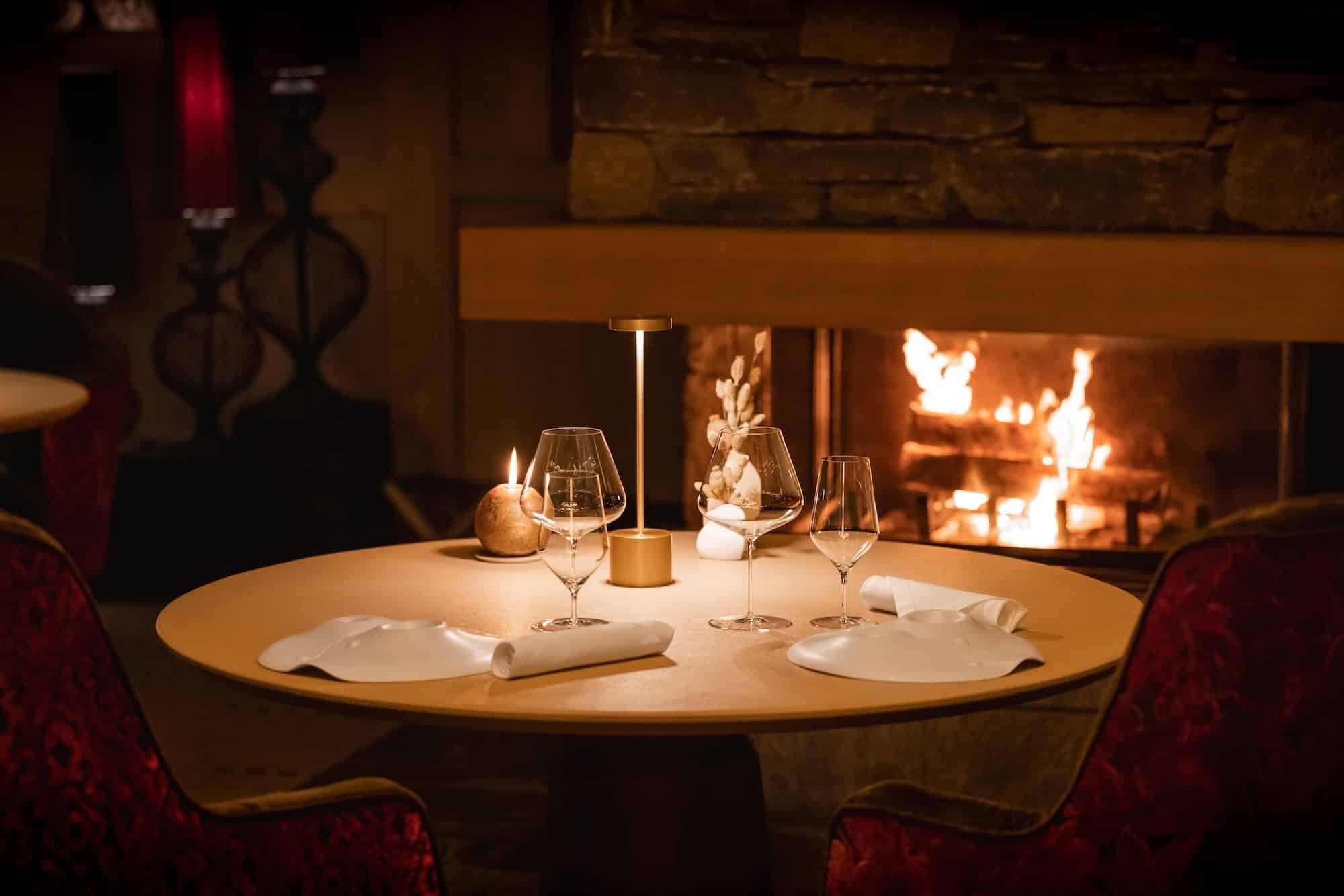
Bars in Courchevel
Browse all →
At a Glance
- Intimate
- Elegant
- Sophisticated
- Ornate
- Special Occasion
- Date Night
- Celebration
- Open Kitchen
- Hotel Restaurant
- Private Dining
- Extensive Wine List
- Sommelier Led
- Mountain
Current opening hours
- Monday
- 7:30–10:30 PM
- Tuesday
- 7:30–10:30 PM
- Wednesday
- 7:30–10:30 PM
- Thursday
- 7:30–10:30 PM
- Friday
- 7:30–10:30 PM
- Saturday
- 7:30–10:30 PM
- Sunday
- 7:30–10:30 PM
Hours can change for holidays and private events. Last verified .
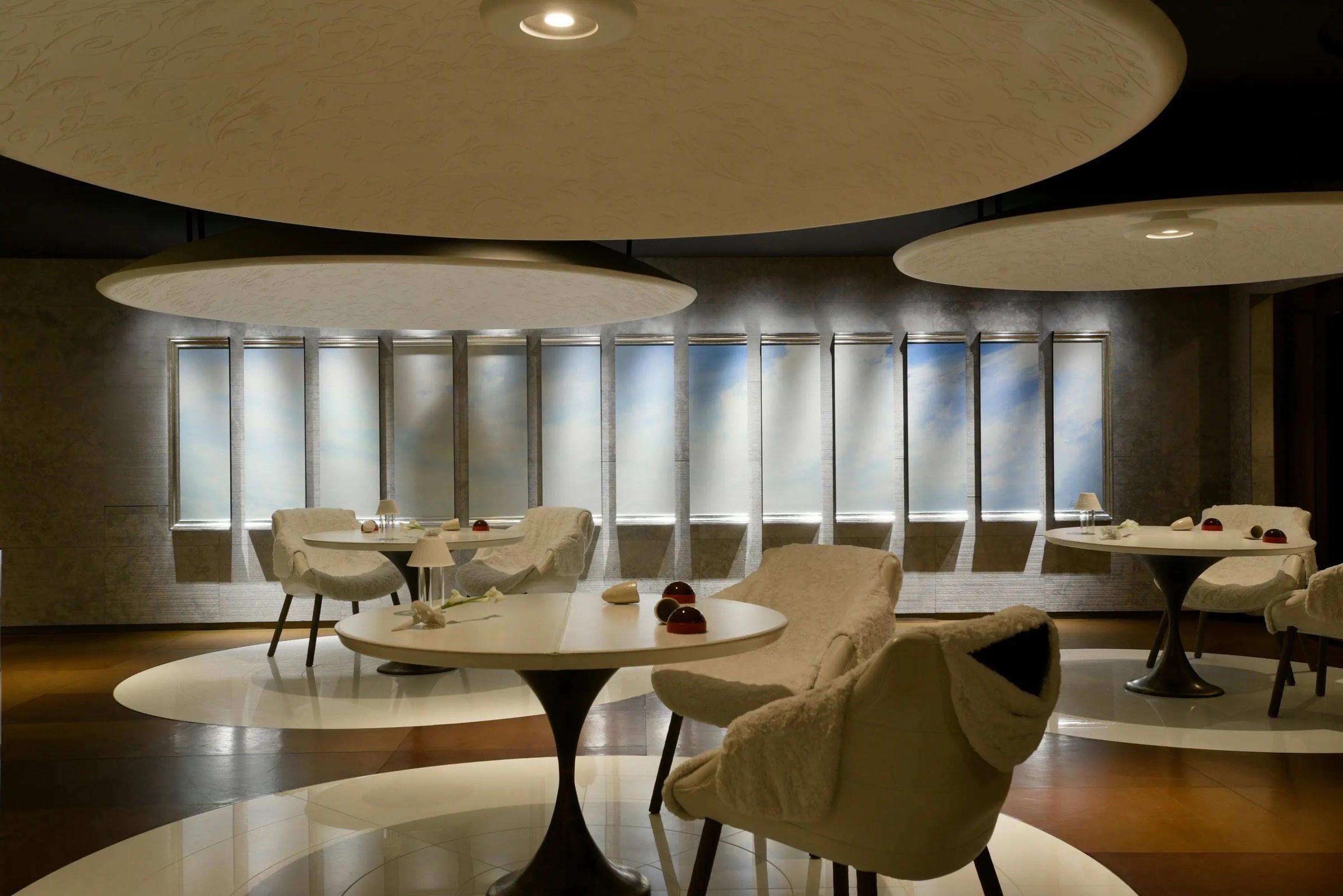
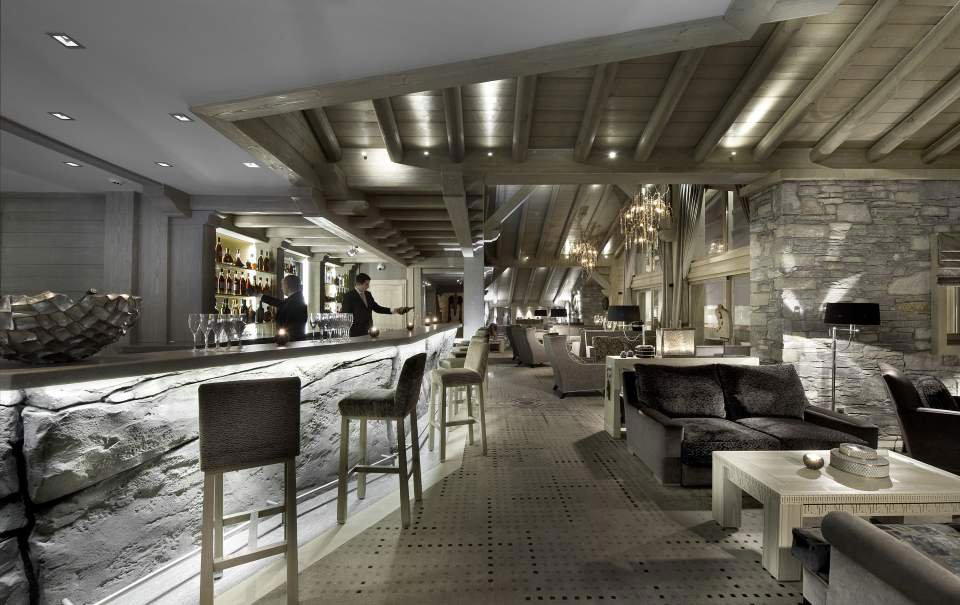
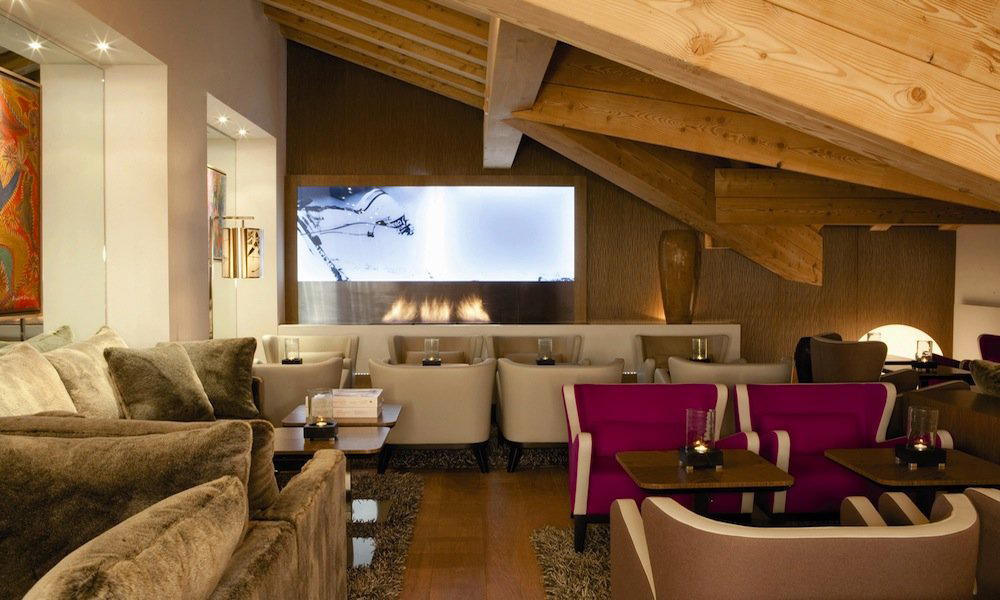
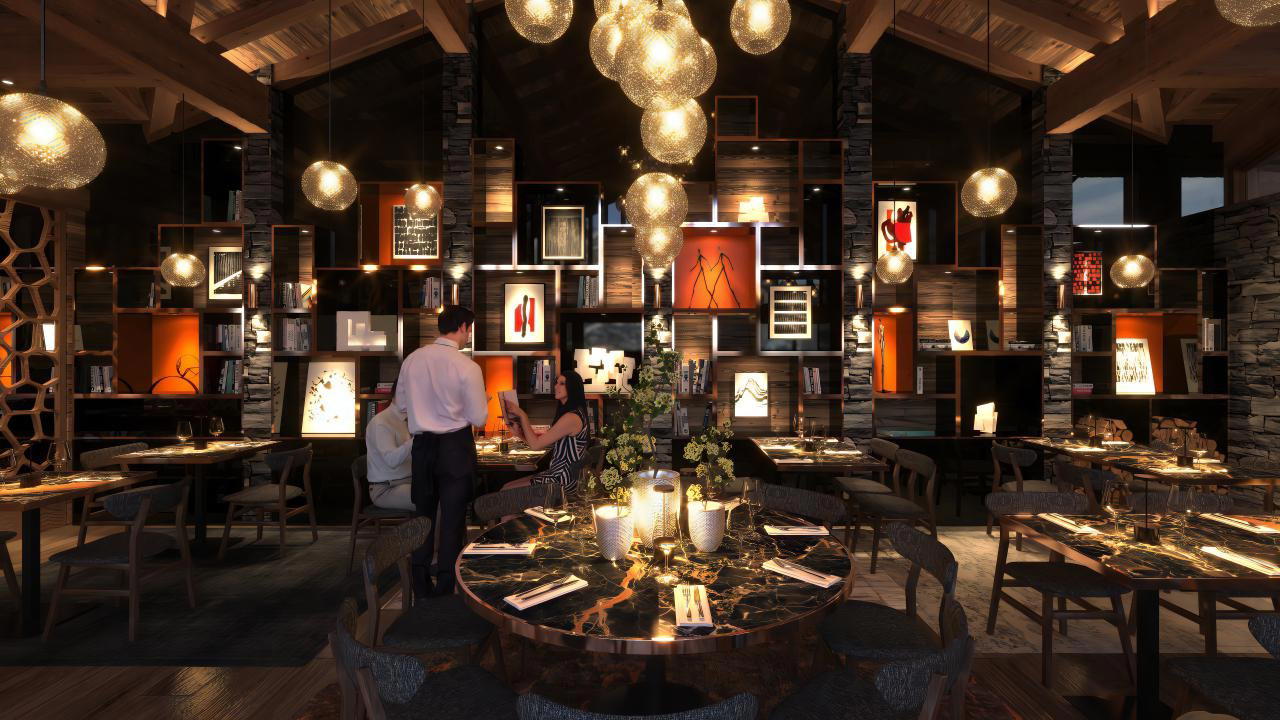
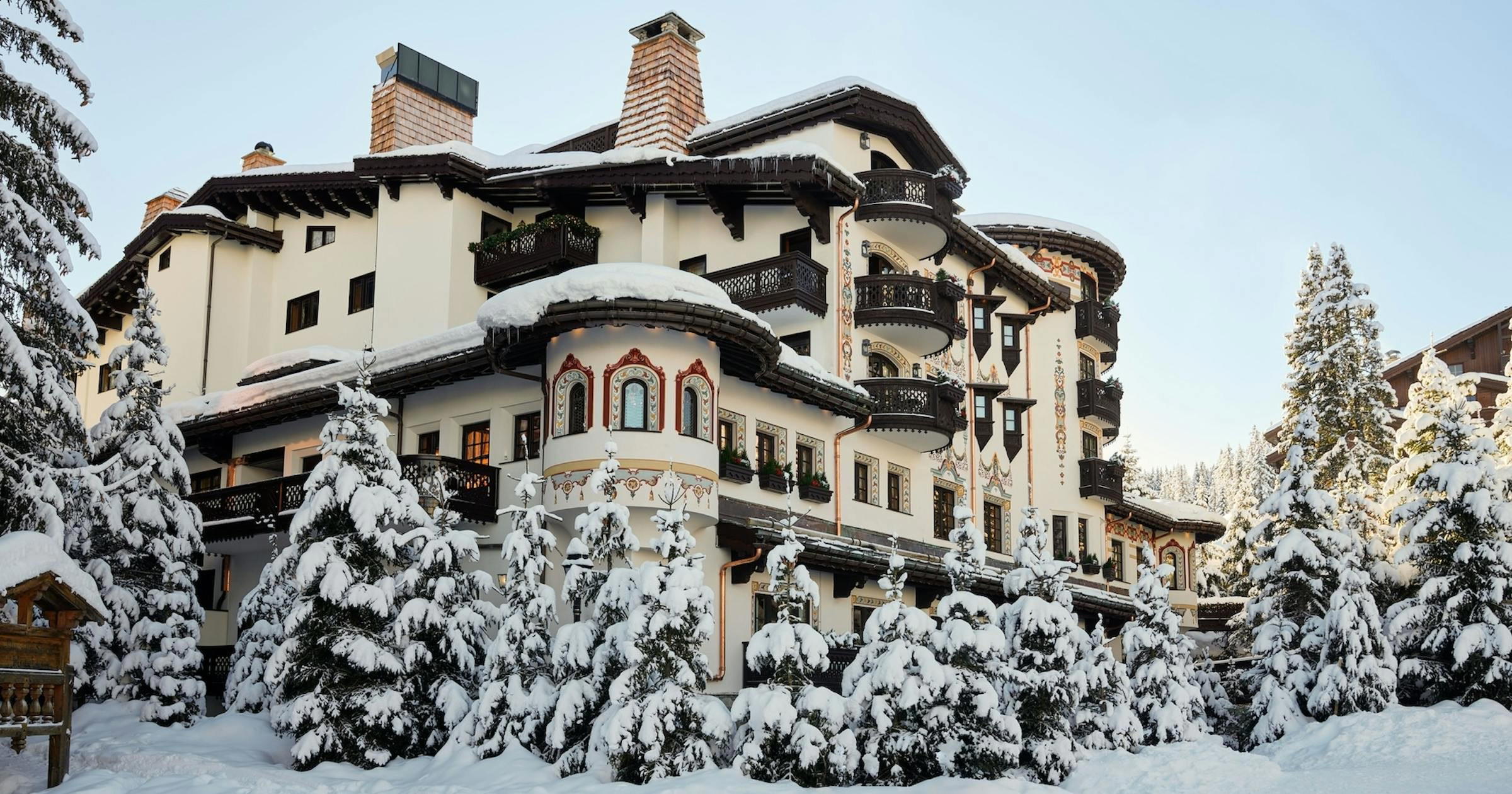
Feutré and elegant cocoon with velvet-textured ceiling evoking snowy peaks, luxurious materials like lava stone, dark wood, marble, and open kitchen view, creating an exclusive and refined atmosphere.