L’Atelier d’Edmond

We're Smart World 3 Radishes
Our verdict
At Le Fornet on the outer edge of Val d'Isère, L'Atelier d'Edmond operates where alpine cooking meets serious creative ambition. Chef Benoît Vidal works with Savoyard orchard fruit, mountain snails, and coastal fish in combinations that read like a challenge to the assumption that altitude limits a kitchen's range. For a ski resort, the level of ingredient intelligence here is genuinely surprising.

Pearl is the En Primeur Club membership app — saves, bookings, and concierge access live there. Same editors, same standards.
- Address
- Le Fornet, 73150 Val-d'Isère, France
- Phone
- +33 6 10 28 70 64
- Hours
- Daily 8:30 AM–5 PM
- Website
- edelweissgroupvaldisere.com
- Directions
- Get directions
Where the Alps Meet the Larder
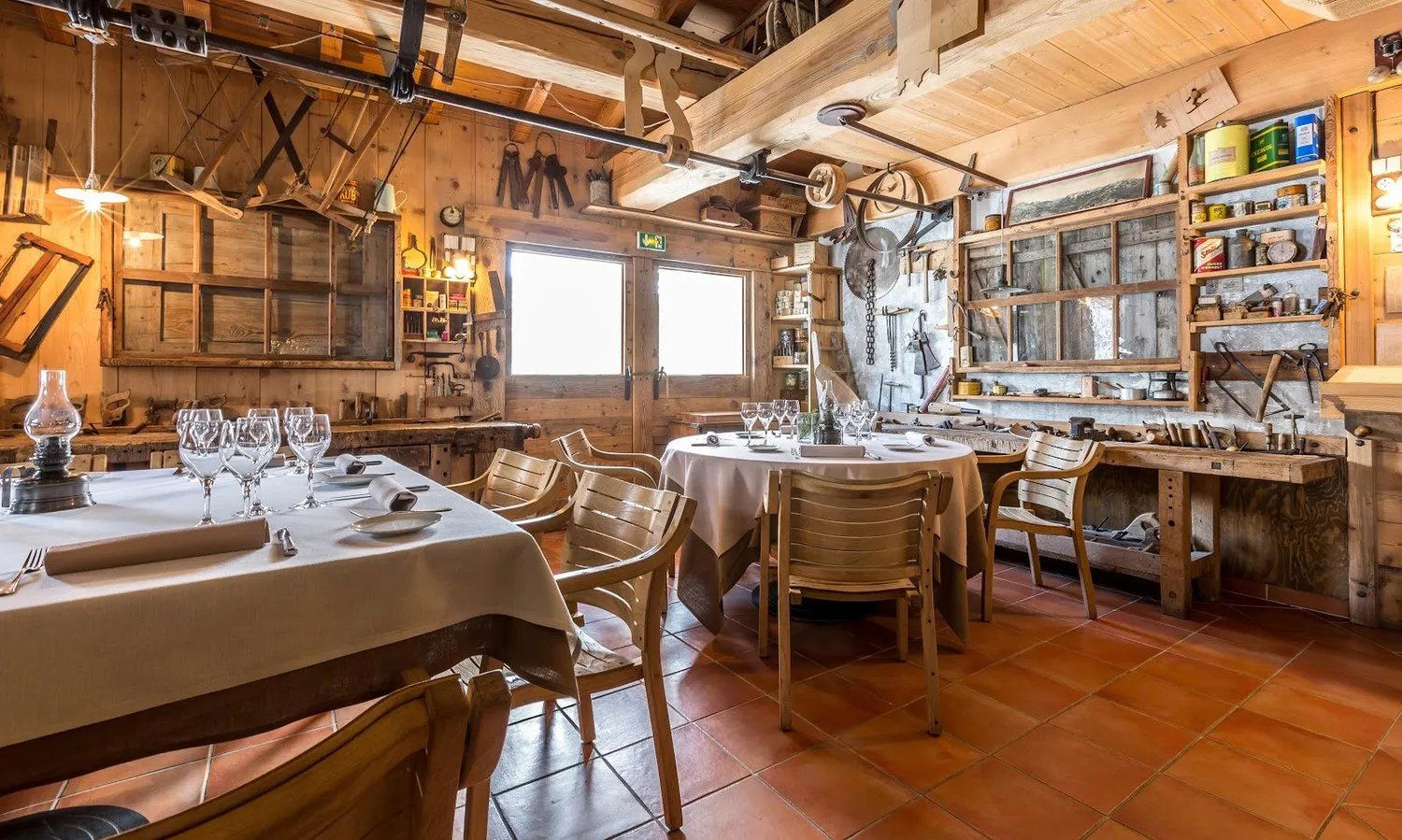
The road to Le Fornet runs past the last chairlifts before Val d'Isère gives way to the Haute Montagne zone, and the village at the end of it has the feeling of somewhere that hasn't fully decided whether it's still a resort or already something else. That ambiguity suits L'Atelier d'Edmond. The setting is alpine in every external sense, stone and timber and altitude, but the kitchen operates with a restlessness that belongs to a different conversation entirely, one happening in the same register as Flocons de Sel in Megève and the broader argument those mountain kitchens are making about what French regional cooking can do when it takes its geography seriously.
Mountain restaurants in France have spent decades split between two modes: the tartiflette-and-vin-chaud comfort end, and the aspirational Michelin annexe that imports techniques and references from Paris or Lyon with little local grounding. What L'Atelier d'Edmond represents is something more considered, a kitchen that reads the Savoyard countryside as a full larder rather than a scenic backdrop.
The Sourcing Logic Behind the Menu
The dishes that have drawn attention to this address share a structural logic: they pair something coastal or globally familiar with something specifically, traceably local. Scallops arrive with fir butter, pears from Savoyard orchards, and parsnip fondant. Cod is framed by beetroot juice and blueberry vinegar. Snails, a deeply regional protein that most kitchens at this price level quietly retire from the menu, appear alongside pork with a crème of parsley roots and wild garlic.
The fir butter pairing is worth pausing on. Fir, and more broadly the resinous, herbal notes of alpine conifers, has become a signal ingredient in serious mountain cooking across the French Alps and into Switzerland. It reads as place in the same way that sea vegetables read as coast. When it appears next to scallops, the combination doesn't read as incongruous; it reads as a deliberate argument about where the diner is sitting and what the surrounding landscape tastes like when a chef pays attention to it. For comparable thinking about how French kitchens connect coastal and terrestrial sourcing, Mirazur in Menton operates with a similar philosophy at the opposite edge of the country.
Savoyard orchard pear alongside scallop also signals something specific about the kitchen's sourcing radius. Savoie's fruit-growing valleys, lower and warmer than the ski terrain above them, produce stone fruits and pears that appear in serious local cooking but rarely make it onto the kind of menu that might otherwise source from Rungis. Using them alongside shellfish from the Atlantic coast isn't a rustic gesture; it's a positioning choice that places regional agriculture on equal footing with premium imported product. Kitchens like Bras in Laguiole and Auberge du Vieux Puits in Fontjoncouse have made similar arguments about their own regions with lasting critical impact.
Chef Benoît Vidal and the Creative Framework
French alpine cooking at the serious end has historically struggled with a credibility problem. The proximity to Lyon, the capital of French gastronomy in the popular imagination, and to the three-star institutional weight of kitchens like Paul Bocuse - L'Auberge du Pont de Collonges in Collonges-au-Mont-d'Or has made mountain restaurants feel like satellites rather than destinations in their own right.
Chef Benoît Vidal operates against that gravity. The combinations attributed to his kitchen, snails with wild garlic and parsley root crème, cod with blueberry vinegar, scallops with fir and orchard pear, are structured around contrast and balance rather than the classical hierarchy of protein-over-garnish. Fruit acids doing structural work alongside animal protein is a technique that connects this kitchen to a broader generation of French chefs thinking about acidity as a primary tool. AM par Alexandre Mazzia in Marseille and Assiette Champenoise in Reims represent different geographic expressions of the same generational shift in how French kitchens think about balance on the plate.
The blueberry vinegar on the cod is a specific kind of move: a fruit-derived acid from a wild or semi-wild mountain berry applied to an Atlantic fish. It's the sort of pairing that appears simple on a menu and requires precise execution to avoid tipping into sweetness or losing the fish's identity. That it appears as part of a described dish rather than as a theoretical menu notation suggests the kitchen has resolved the tension.
Val d'Isère as a Dining Destination
Val d'Isère's restaurant scene is shaped almost entirely by its seasonal rhythm. The winter season, roughly December to April, is when the serious dining trade concentrates. A smaller summer season attracts hikers and cyclists, but the critical mass of covers that sustains a kitchen at this level of ambition arrives with the snow. For visitors planning around food as much as skiing, the resort sits at the top of the Tarentaise Valley, accessible via Bourg-Saint-Maurice, which connects by TGV to Paris in around three hours. The village of Le Fornet, where L'Atelier d'Edmond operates, is the highest and most westerly of Val d'Isère's hamlets, a short distance from the main village center.
For anyone building a broader Savoie dining itinerary, [our full Val d'Isère restaurants guide]() covers the resort's range in detail. Accommodation across the spectrum appears in [our Val d'Isère hotels guide](), while après-ski drinking is mapped in [our Val d'Isère bars guide](). For those extending into the wider region, our Val d'Isère experiences guide and [our Val d'Isère wineries guide]() complete the picture.
In terms of peer context within the French fine dining conversation, the kitchens L'Atelier d'Edmond belongs alongside are the regionally anchored ones rather than the Parisian flagships. Alléno Paris au Pavillon Ledoyen, Auberge de l'Ill in Illhaeusern, and Troisgros - Le Bois sans Feuilles in Ouches each represent how French cooking with deep regional roots builds international standing over time. Internationally, Le Bernardin in New York City and Au Crocodile in Strasbourg offer different reference points for what sustained ingredient precision looks like within a classical French framework.
Planning a Visit
Given the seasonal concentration of the Val d'Isère dining season, booking ahead during peak winter weeks is prudent. The restaurant operates in Le Fornet, accessible from the main resort by road or the free resort shuttle that runs along the valley floor. Dress code and pricing details are best confirmed directly with the restaurant before travel, as ski-season formats can shift year to year. For reference points on where French alpine cooking at this level prices against its peers, the comparison sits closer to Flocons de Sel in Megève and serious regional tables than to the volume-driven resort dining that surrounds it.
Frequently asked questions
Is L’Atelier d’Edmond award-winning?
L’Atelier d’Edmond has received recognition including: We are in the mountains but nothing prevents chef Benoît Vidal from juggling with flavours, and creating perfect marriages between fruit and vegetables, with meat, fish, shellfish and snails as a witness. Happy associations include snails a….
What's the address for L’Atelier d’Edmond?
L’Atelier d’Edmond is located at Le Fornet, 73150 Val-d'Isère, France, Val d’Isère.
Can I walk in to L’Atelier d’Edmond?
Reservations are recommended for L’Atelier d’Edmond in Val d’Isère. Confirm current policy via the venue's official channels.
Can I bring kids to L'Atelier d'Edmond?
L'Atelier d'Edmond is a destination-end restaurant at the far reach of Le Fornet in Val d'Isère, with a menu built around technically layered combinations like cod with beetroot juice and blueberry vinegar, or scallops with fir butter. The cooking is ingredient-focused and the format is more suited to adults or older children with genuine interest in serious food. Younger children may find little to anchor them on a menu of this construction.
Comparison Snapshot
Comparable venues nearby, for context on price, style, and recognition.
| Venue | Cuisine | Price | Awards | Notes |
|---|---|---|---|---|
| L’Atelier d’EdmondThis venue — the venue you are viewing | Modern French Savoyard Fine Dining | Not listed | We're Smart World 3 Radishes | Not listed |
| Le Refuge de Solaise | Traditional Savoyard Mountain Cuisine | $50–100 | Not listed | Solaise |
| La Table de l'Ours | Modern French Alpine Fine Dining | $200–300 | 1 Michelin Star · Relais Chateaux Award | Val-d'Isère |
| L'Altiplano | Peruvian | Not listed | Michelin Plate | Val-d'Isère |
| Le Genépi | Traditional French Savoyard | $50–100 | Not listed | Courchevel (Commune Non Irisée) |
| Baumanière 1850 / Le Strato | Modern French Fine Dining with Alpine and Provençal Influences | $200–300 | Star Wine List | Courchevel (Commune Non Irisée) |
Recognition history
Dated appearances from independent guides and award organizations, with the underlying list record or original source where available.
We're Smart World 3 Radishes
We're Smart World
Continue exploring
More in Val-d'Isère
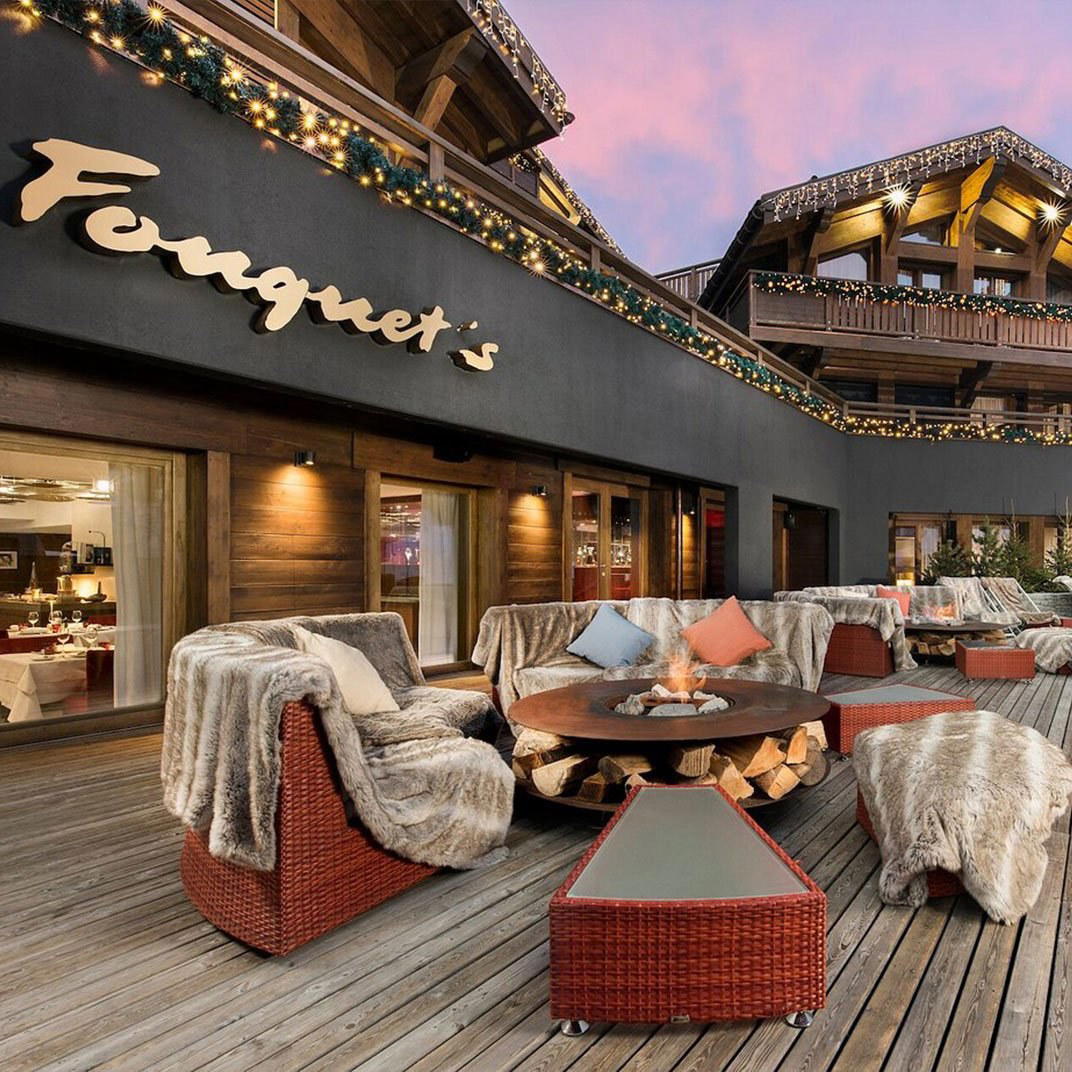
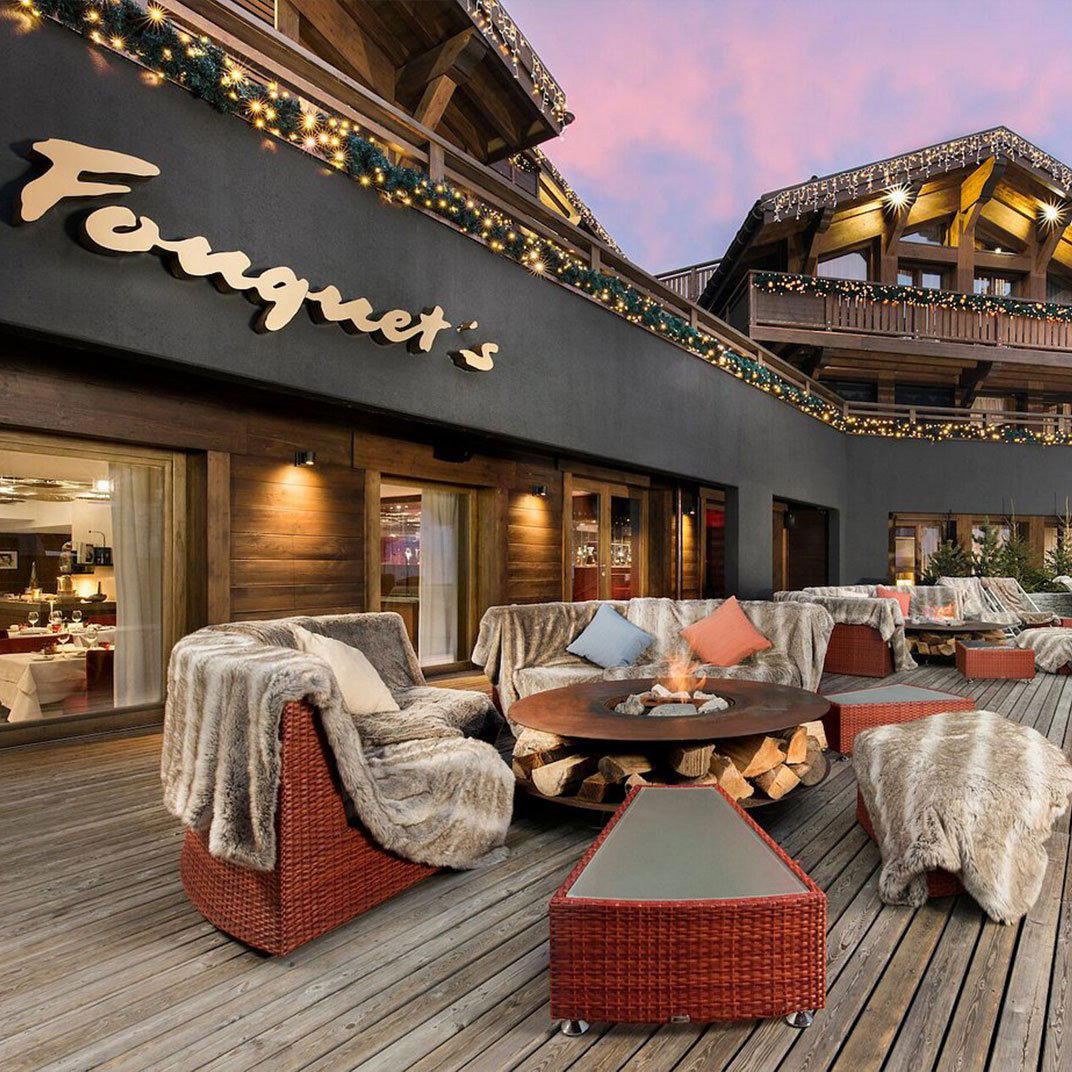
Restaurants in Val-d'Isère
Browse all →
Bars in Val-d'Isère
Browse all →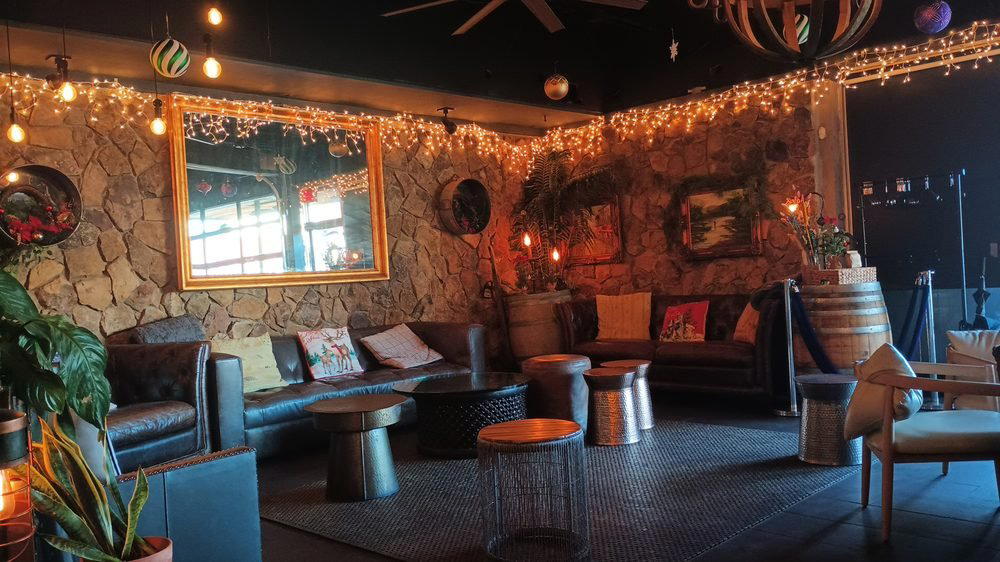
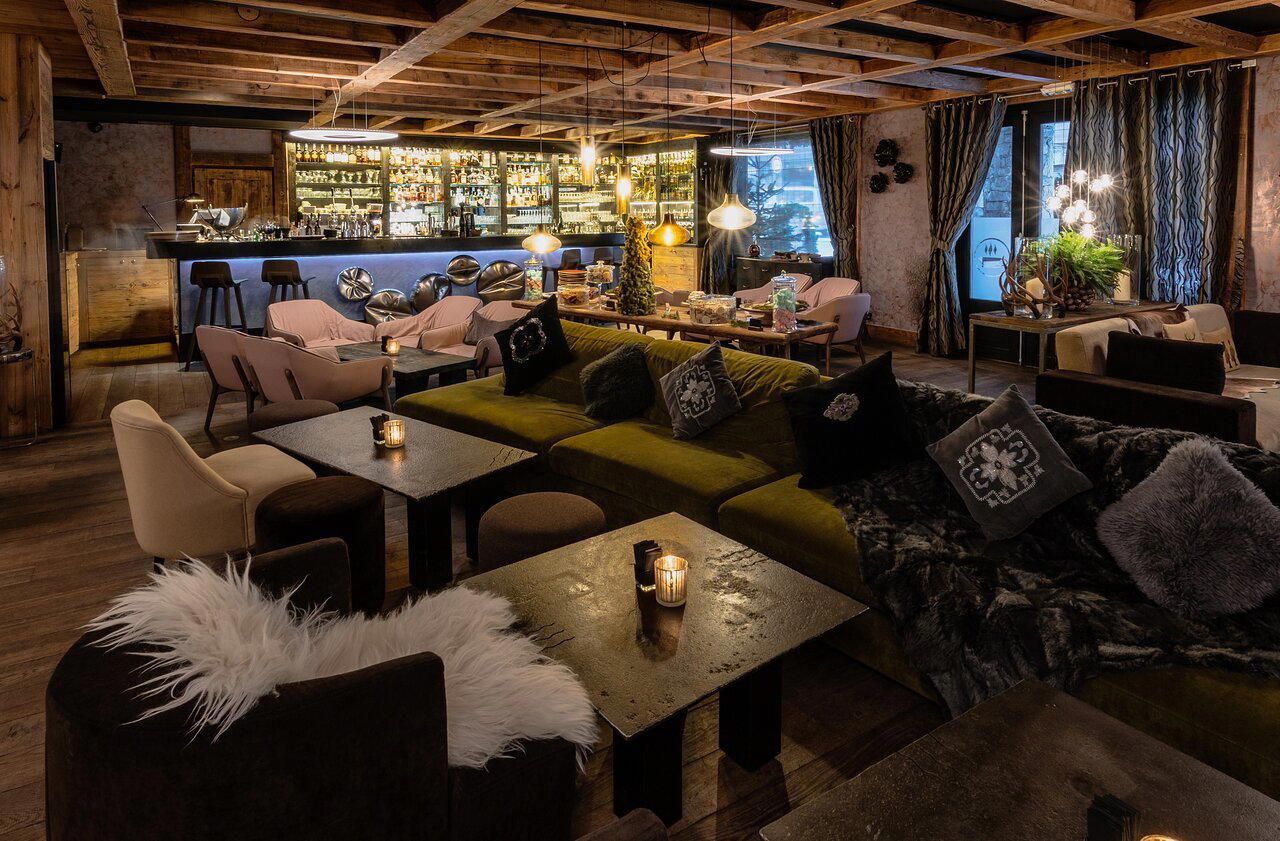
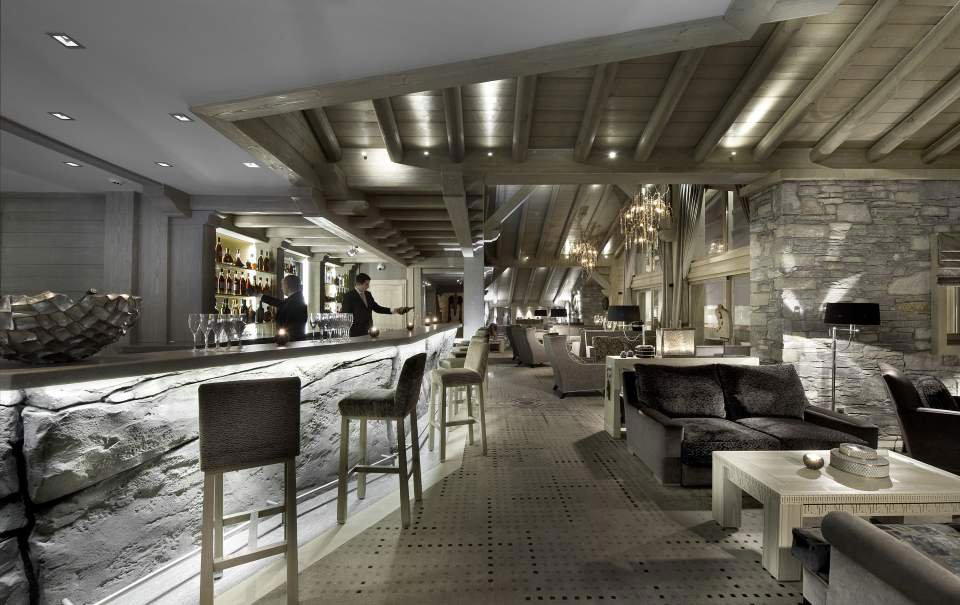
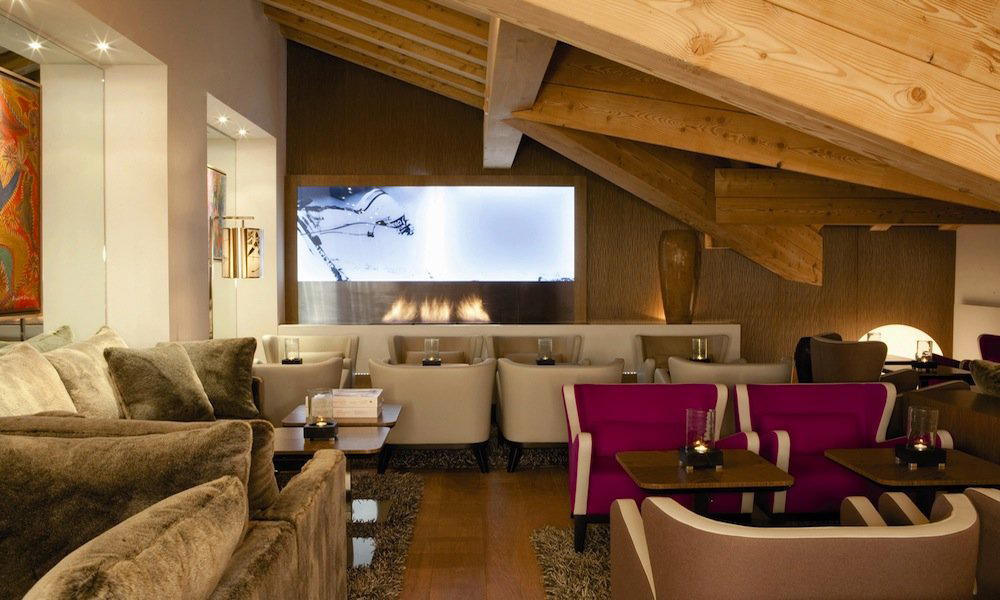
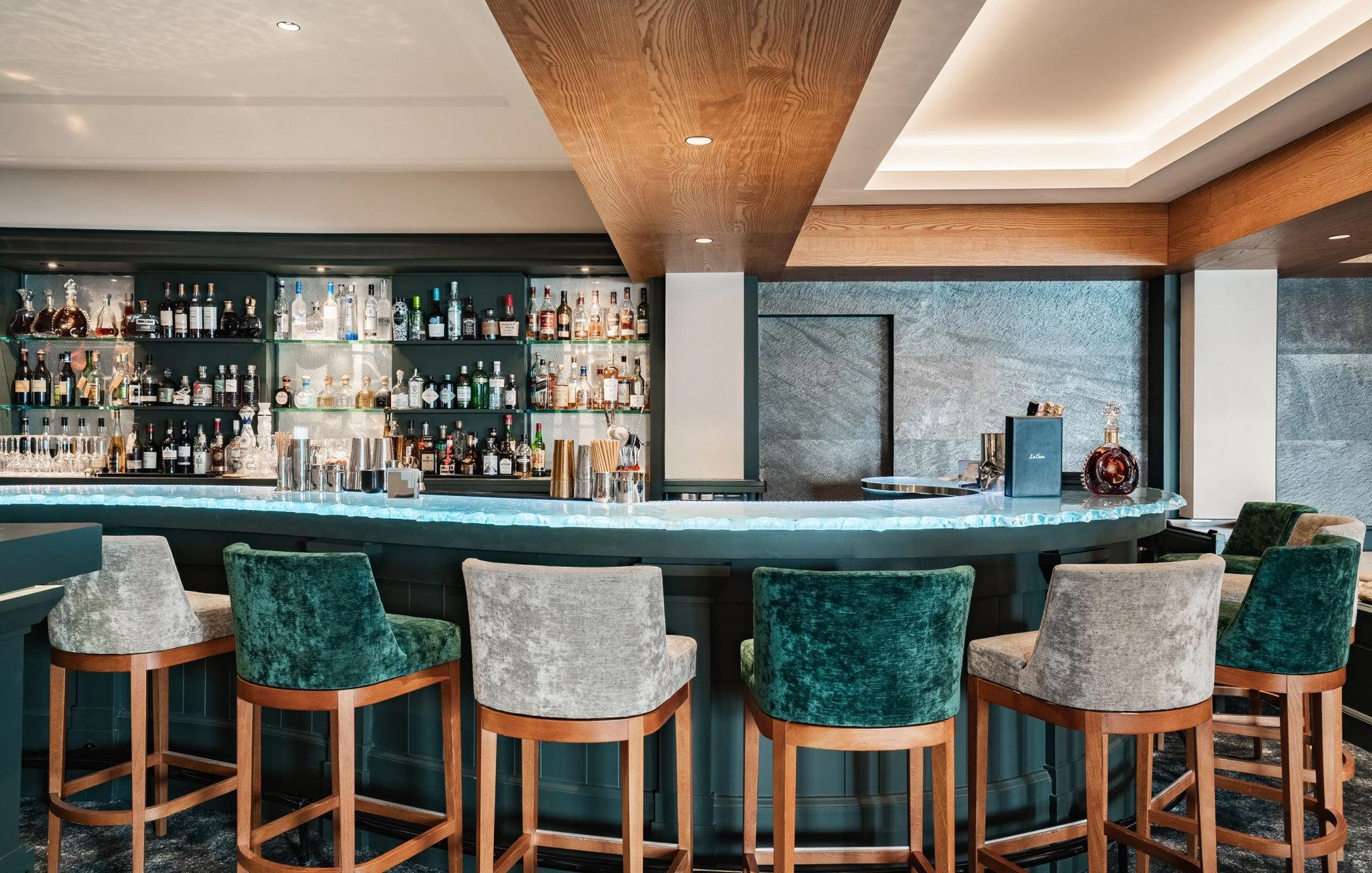
Hotels in Val-d'Isère
Browse all →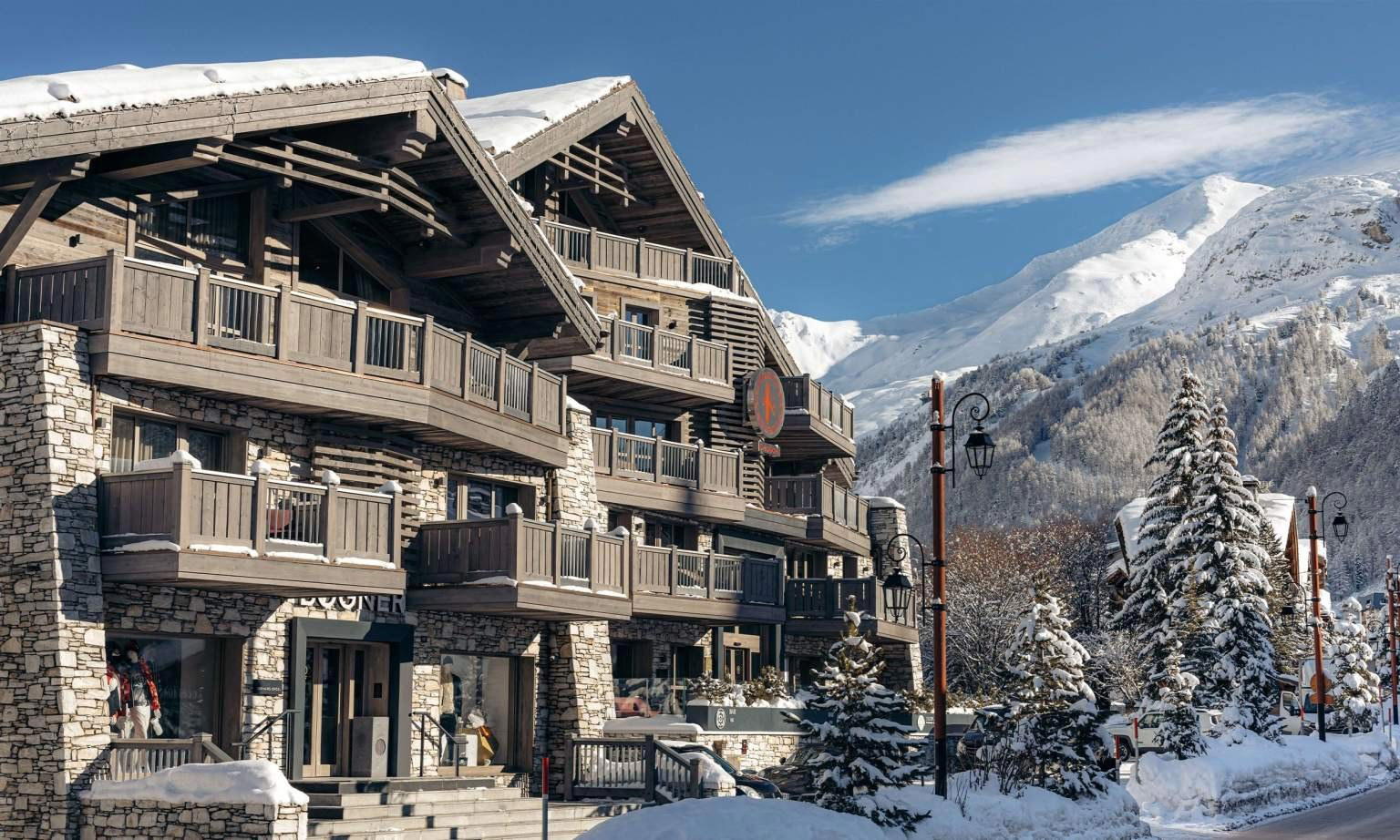
Wineries in Val-d'Isère
Browse all →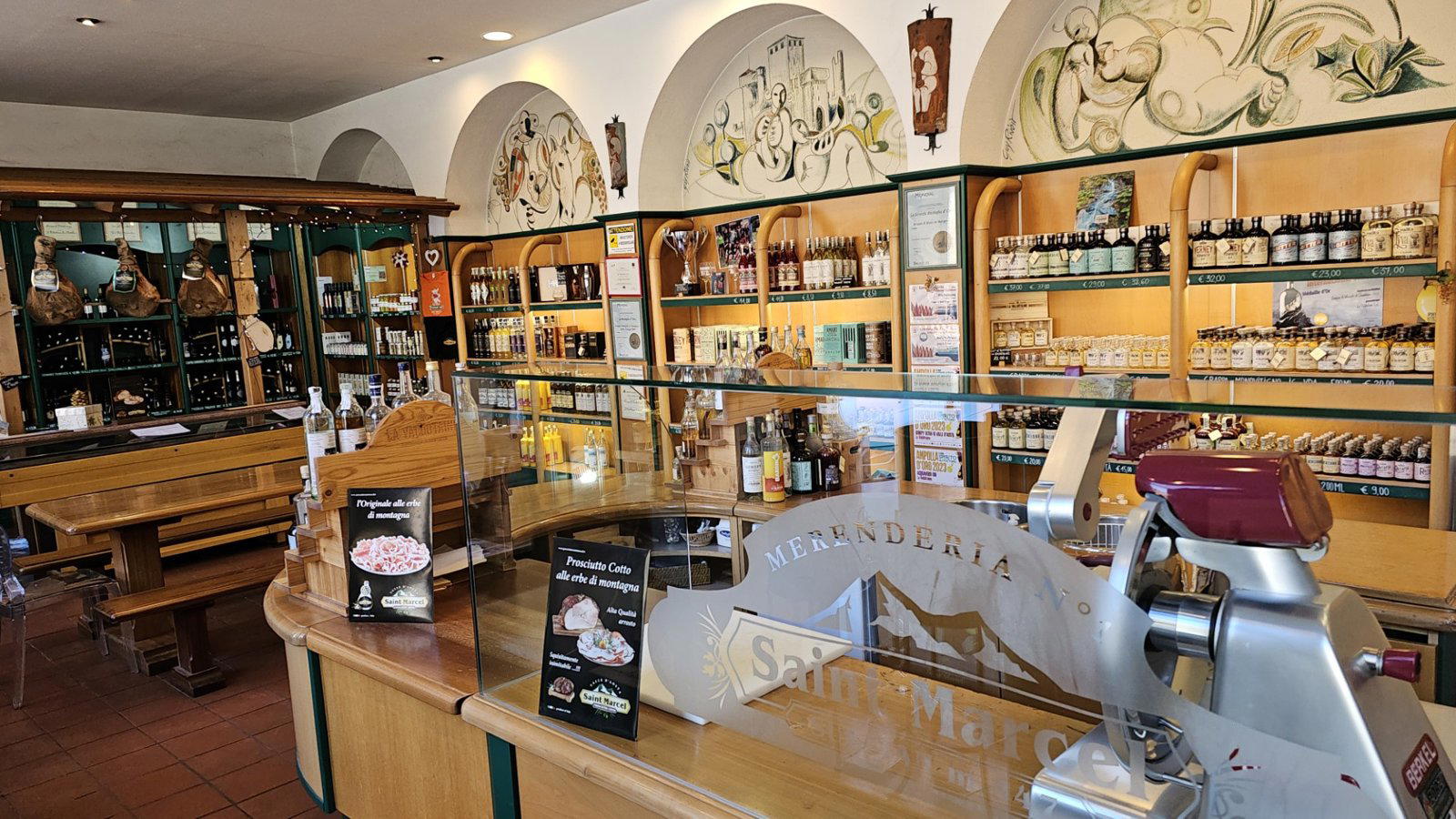
Details
- Rustic
- Cozy
- Elegant
- Sophisticated
- Special Occasion
- Date Night
- Standalone
- Local Sourcing
- Mountain
- Tasting Menu
- Allergy Accommodating
Current opening hours
- Monday
- 8:30 AM–5 PM
- Tuesday
- 8:30 AM–5 PM
- Wednesday
- 8:30 AM–5 PM
- Thursday
- 8:30 AM–5 PM
- Friday
- 8:30 AM–5 PM
- Saturday
- 8:30 AM–5 PM
- Sunday
- 8:30 AM–5 PM
Hours can change for holidays and private events. Last verified .
Rustic yet elegant atmosphere with mountain getaway decor featuring local carpenter’s tools, antique lampshades, and cozy furniture.