La Table de l'Ours



1 Michelin Star · Relais Chateaux Award · Gault & Millau Remarkable Restaurant
Our verdict
Holding a Michelin star since 2024, La Table de l'Ours sits on the edge of Val-d'Isère's Face de Bellevarde piste inside a chalet-hotel setting defined by exposed stone, aged timber, and mirrored surfaces. Chef Antoine Gras works a creative fine-dining format that draws on alpine and lake-sourced ingredients, with Savoie wines matched by a sommelier of genuine regional conviction.

Pearl is the En Primeur Club membership app, where members save venues, book tables and use the concierge.
The menu
What to order
- Langoustine juste saisie
- Fera du Léman
- Dos de chevreuil
- Crozets
Fine Dining at Altitude: The Context
Val-d'Isère occupies an unusual position in French fine dining. The village sits above 1,800 metres, operates on a seasonal rhythm dictated by ski conditions, and draws an international clientele whose culinary expectations travel with them from Paris, London, and Geneva. That combination has produced something rare in a resort town: a credible, year-round fine-dining scene anchored inside its luxury hotel properties rather than in freestanding city restaurants. La Table de l'Ours, positioned at 100 Montée de Bellevarde and holding a Michelin star awarded in 2024 and retained for 2025, represents the upper tier of that scene. For the broader picture of where it sits among Val-d'Isère's dining options, see our full Val-d'Isère restaurants guide.
The French Alps have a small but committed cohort of Michelin-recognised mountain restaurants. Flocons de Sel in Megève, Emmanuel Renaut's three-star address, establishes the ceiling for alpine fine dining in France, a benchmark that took years and consistent investment to reach. La Table de l'Ours operates one tier below that, in the single-star bracket where creative cooking and ingredient respect define the proposition rather than the accumulated institutional weight of a multi-decade project. That is not a diminishment; it is a description of where the restaurant is in its arc.
The Room: Chalet Luxury Without Affectation
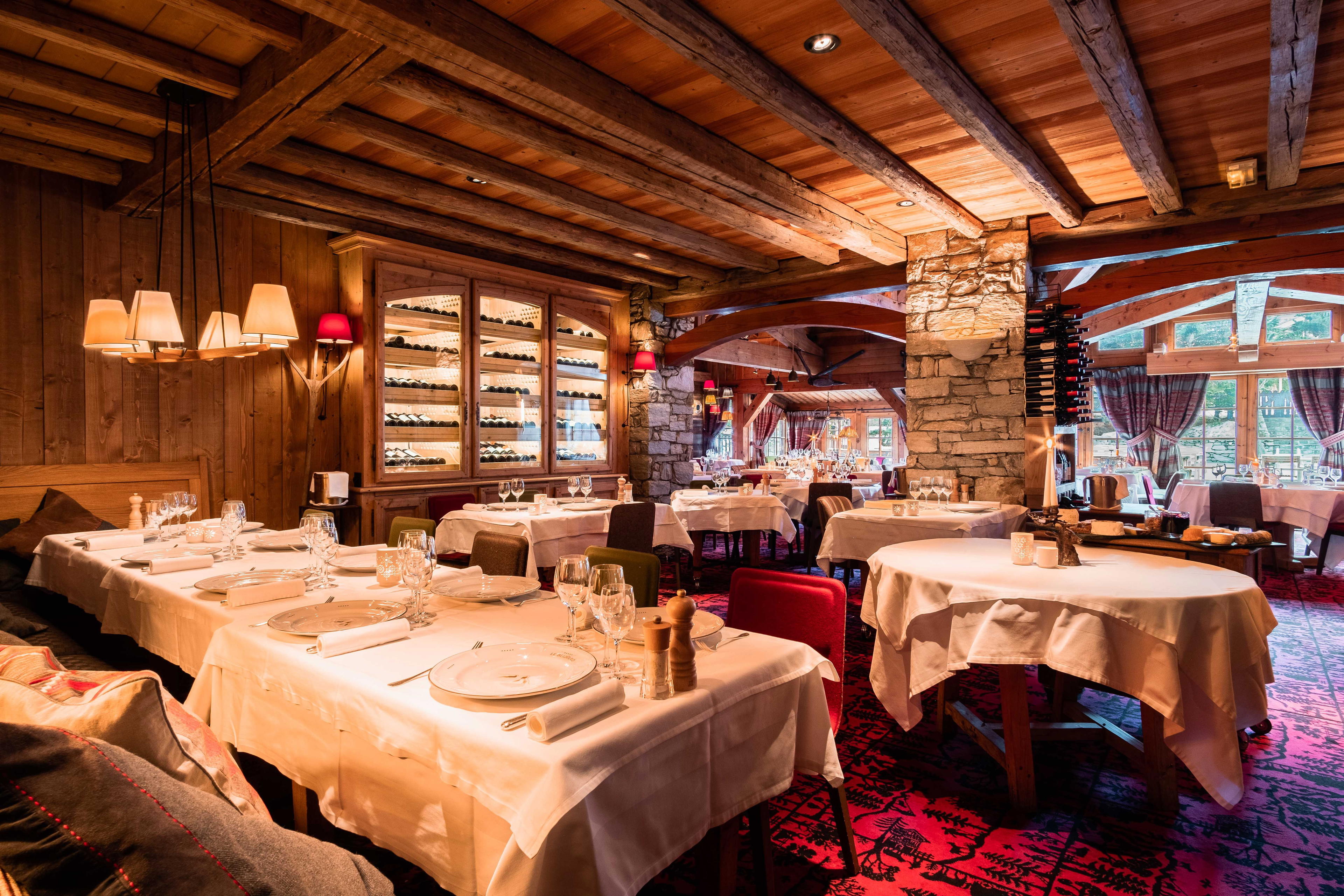
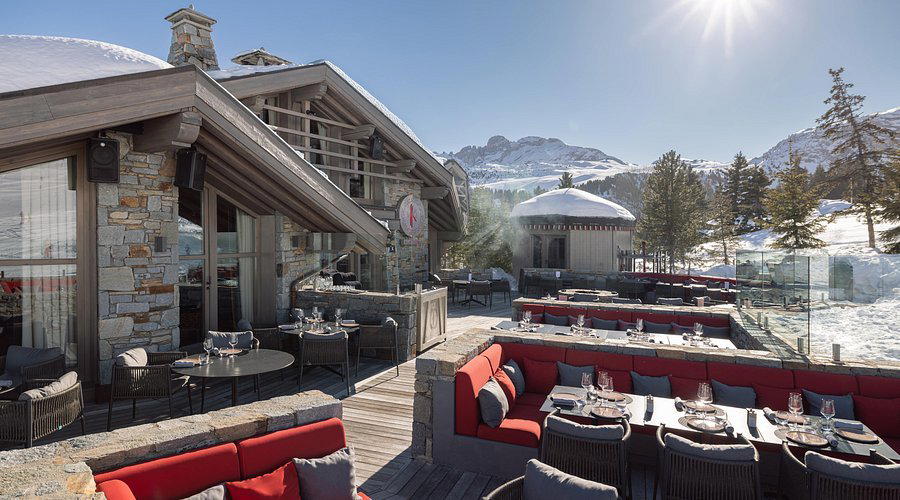
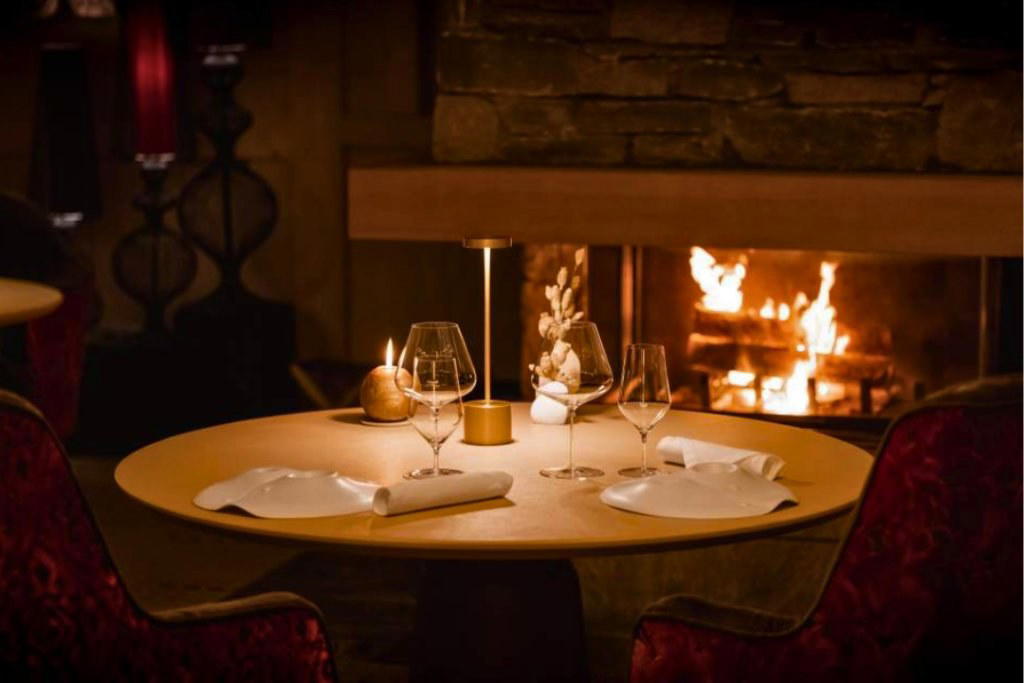
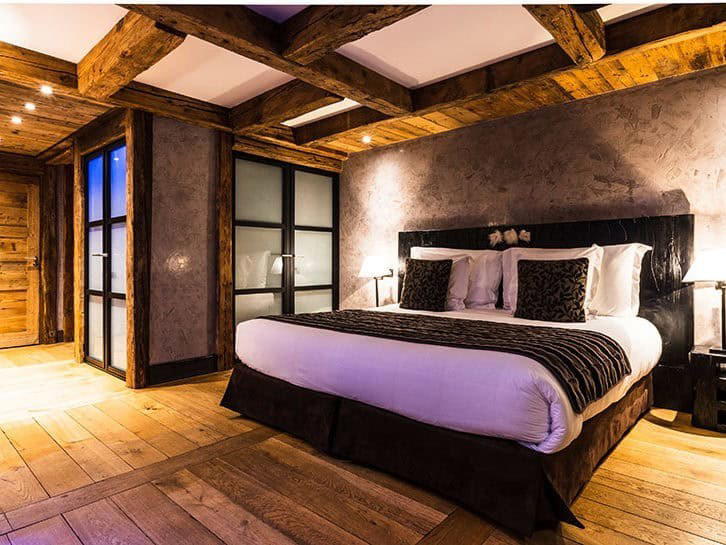
Approaching the dining room from the hotel corridor, the design language is immediately readable. Exposed stone walls carry the thermal weight of the Alps; aged timber panels establish warmth without the staginess that cheaper chalet interiors rely on; mirrors extend the sightlines without increasing the actual footprint. The effect is a room that communicates luxury through material quality rather than decorative excess. This matters in a mountain resort context, where the temptation to pile on rustic theatrics is considerable and frequently succumbed to.
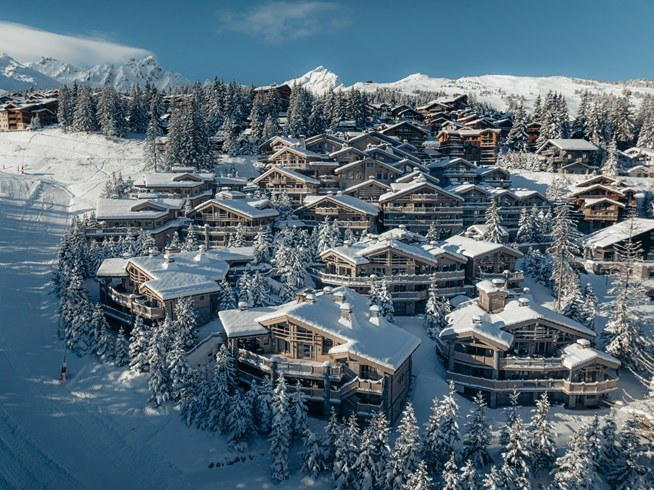
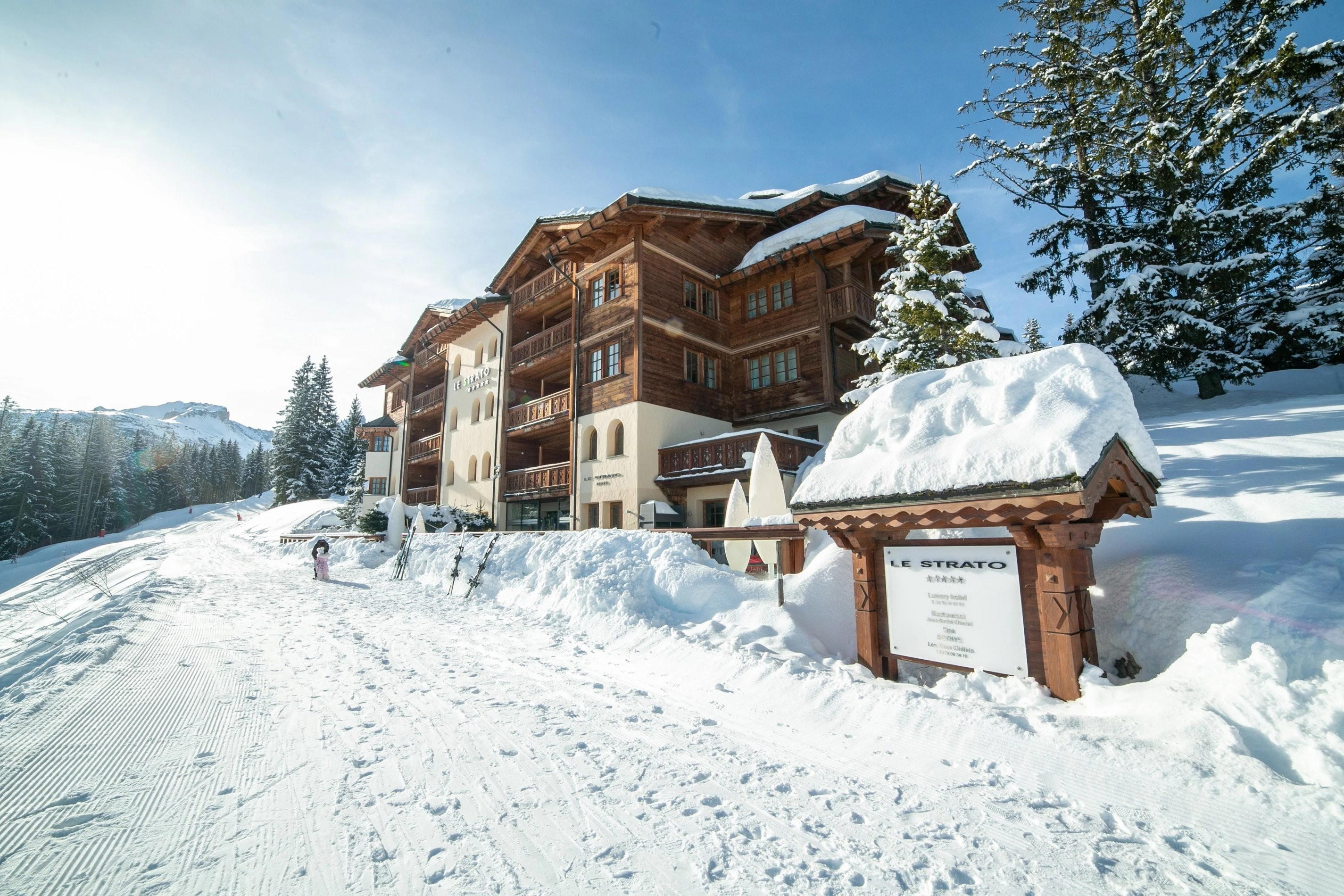
The restaurant operates within a hotel that Michelin describes as feeling like a plush chalet, a positioning that places it alongside a recognisable category of alpine luxury properties where the guest experience extends from the ski slope directly into the dining room. Val-d'Isère's hotel scene across this tier is detailed in our full Val-d'Isère hotels guide. The location on the edge of the Face de Bellevarde run is not incidental: it situates the restaurant at one of the resort's most recognisable addresses, the same slope used for World Cup downhill events, which gives the setting a specific gravitational pull for guests who care about proximity to the mountain.
Chef Antoine Gras and the Creative Cooking Bracket
Within French fine dining, the category Michelin labels creative cooking covers a wide range of approaches, from highly cerebral avant-garde formats to ingredient-led modern cuisine that prioritises clarity over complexity. The evidence in the Michelin citation for La Table de l'Ours places chef Antoine Gras firmly in the second camp. Dishes cited include just-seared langoustine with julienne vegetables and a chilled vinaigrette with grated carrots, and whitefish from Lake Geneva with sorrel and a silky gourd purée with juniper berries. Both constructions share a structural logic: a primary protein from a precise source, accompanied by preparations that amplify rather than mask the ingredient's character. The juniper-berry note in the gourd purée is the kind of detail that signals genuine alpine fluency rather than generic French fine-dining vocabulary.
This approach connects La Table de l'Ours to a broader current in French regional fine dining, where chefs with serious training choose to cook within a geographical and seasonal brief rather than against it. The comparison set here is not the grand Parisian addresses, Alléno Paris au Pavillon Ledoyen or the three-star urban institutions, but rather the committed regional kitchens that have built credibility through sustained engagement with a specific larder. Houses like Bras in Laguiole or Auberge du Vieux Puits in Fontjoncouse have made terrain the organising principle of their cooking over decades. La Table de l'Ours is working within that tradition, with an alpine-specific ingredient brief that includes Lake Geneva fish and mountain aromatics.
Gras's role as the listed chef connects to a pattern across French mountain fine dining: technically trained cooks who bring classical foundations to ingredient sources that urban kitchens cannot access at the same quality or proximity. The Michelin citation's emphasis on respect for ingredients and flavoursome dishes that do not overcomplicate their combinations is the description of a kitchen philosophy that resists both the reductive rusticity of lesser alpine restaurants and the production-heavy complexity of modernist kitchens. It occupies a middle ground that is harder to execute consistently than either extreme.
For broader context on how French chefs working in geographically committed registers have built their reputations, the trajectories of Mauro Colagreco at Mirazur in Menton and the multigenerational model at Troisgros in Ouches offer useful reference points, even if the scale and history differ substantially. Among France's longer-established regional institutions, Auberge de l'Ill in Illhaeusern and Au Crocodile in Strasbourg demonstrate what sustained regional commitment produces over time. The international creative-cooking tier that La Table de l'Ours participates in also includes addresses like AM par Alexandre Mazzia in Marseille and Assiette Champenoise in Reims, which illustrate how single-star creative kitchens operate across very different French regional contexts. For comparison beyond France, the creative modern cuisine format at Frantzén in Stockholm and its international extension FZN by Björn Frantzén in Dubai show how this category travels across geographies. The French classical tradition's anchor, Paul Bocuse - L'Auberge du Pont de Collonges, remains the historical reference point against which all subsequent French creative kitchens define their distance.
The Wine Programme: Savoie as a Serious Proposition
The Michelin citation specifically identifies the sommelier as an ambassador of Savoie wines, a designation that carries editorial weight in a region whose wine production is often underestimated relative to its quality. Savoie's appellation structure covers indigenous varieties including Jacquère, Roussette, Altesse, and Mondeuse that rarely appear on wine lists outside the region. A sommelier genuinely committed to the Savoie proposition will move guests through a cellar that is both geographically coherent and educationally interesting for anyone whose wine reference is predominantly Burgundy or Bordeaux. That regional specificity is consistent with the kitchen's ingredient philosophy and gives the wine programme a logic that extends beyond generic luxury-hotel list building. For those planning a full stay in the resort with an interest in what the region produces in wine, our Val-d'Isère wineries guide provides further context.
The Broader Hotel Dining Programme
La Table de l'Ours operates within a hotel that also houses Le Coin Savoyard and La Rôtisserie, described by Michelin as the property's more relaxed options. This three-tier dining structure within a single hotel is a common model at French alpine luxury properties, allowing the kitchen brigade to serve different price points and moods without diluting the fine-dining offer. The Michelin star accrues specifically to La Table de l'Ours, which functions as the destination restaurant within the property. Guests arriving for the fine-dining experience should treat the other outlets as separate propositions rather than stepping stones. Val-d'Isère's bar scene, detailed in our full Val-d'Isère bars guide, provides options for pre- or post-dinner drinks outside the hotel context, and the resort's wider activity and cultural programming is covered in our Val-d'Isère experiences guide.
Planning Your Visit
La Table de l'Ours operates Tuesday through Saturday with a single evening service running from 7:30 PM to 9:30 PM; the restaurant is closed Sunday and Monday. The format is dinner-only fine dining at the €€€€ price tier, consistent with Michelin-starred alpine hotel restaurants in the French Alps. Booking should be treated as essential, particularly during the high winter ski season when Val-d'Isère operates at capacity and the restaurant draws both hotel guests and visitors staying elsewhere in the resort. The seasonal nature of a ski resort means confirming the operating calendar before travel is a practical necessity; Val-d'Isère's season typically runs from late November through early May, and restaurant availability reflects that window. The front-of-house team, described in the Michelin citation as youthful and enthusiastic, contributes to a service register that is engaged rather than stiff, a tone that suits the mountain resort context without compromising the formality appropriate to starred dining.
Frequently asked questions
Is La Table de l'Ours suitable for children?
La Table de l'Ours holds a Michelin star and operates as the hotel's flagship fine dining room, with a single evening service running 7:30–9:30 PM Tuesday through Saturday. The format, creative tasting-led cuisine, a formal room of exposed stone and mirrors, and a wine programme centred on Savoie producers, is calibrated for adult diners. Families travelling with children are better served by the hotel's own Le Coin Savoyard or La Rôtisserie, both of which Michelin describes as more relaxed options on the same property.
What's the vibe at La Table de l'Ours?
The room reads as chalet-luxe without tipping into kitsch: exposed stone walls, substantial woodwork, and mirrors create a space that is chic rather than rustic. Michelin flags the front-of-house team specifically for enthusiasm, which tempers the formality you might expect at a starred address. Sitting on the edge of the Face de Bellevarde ski run, the setting carries a specific Val-d'Isère seasonality, this is mountain fine dining with clear local identity, not a generic hotel restaurant.
What's La Table de l'Ours known for in terms of accolades?
La Table de l'Ours has received recognition including: Category: Remarkable; hich feels like a plush chalet. On the edge of the famous ski run, Face de Bellevarde, the restaurant….
What's the must-try dish at La Table de l'Ours?
Specific menu items change with the season, and publishing fixed dish recommendations for a creative kitchen risks misdirecting you. What Michelin does document is chef Antoine Gras's approach: clean combinations built on ingredient quality, with concrete examples cited including just-seared langoustine with chilled vinaigrette and whitefish from Lake Geneva with sorrel and juniper-berry gourd purée. The through-line is restraint, pairings that are deliberate rather than elaborate. Confirm the current menu directly with the restaurant before your visit.
What price level is La Table de l'Ours?
Pricing at La Table de l'Ours is listed as €€€€.
What time does La Table de l'Ours open and close?
Hours at La Table de l'Ours: Monday closed Tuesday 7:30 PM-9:30 PM Wednesday 7:30 PM-9:30 PM Thursday 7:30 PM-9:30 PM Friday 7:30 PM-9:30 PM Saturday 7:30 PM-9:30 PM Sunday closed.
Comparable Spots, Quickly
| Venue | Cuisine | Price | Awards | Notes |
|---|---|---|---|---|
| La Table de l'OursThis venue (the venue you are viewing) | Modern French Alpine Fine Dining | $200–300 | 1 Michelin Star · Relais Chateaux Award | Not listed |
| Alléno Paris au Pavillon Ledoyen | Modern French Fine Dining | $150–200 | 3 Michelin Stars · World's 50 Best #79 | Creative |
| Kei | Contemporary French, Modern Cuisine | Not listed | Michelin 3 Star | Not listed |
| L'Ambroisie | Classic French Haute Cuisine | $300–500 | 2 Michelin Stars · World's 50 Best #23 | French, Classic Cuisine |
| Le Cinq - Four Seasons Hôtel George V | Modern French Fine Dining | $300–500 | 3 Michelin Stars · World's 50 Best #24 | French, Modern Cuisine |
| Plénitude | Modern French Sauce-Led Fine Dining | $300–500 | 3 Michelin Stars · World's 50 Best #14 | Contemporary French |
Recognition history
Dated appearances from independent guides and award organizations, with the underlying list record or original source where available.
Michelin 1 Star
Michelin
Relais Chateaux Award
Relais Chateaux
Gault & Millau Remarkable Restaurant
Gault & Millau
Full recognition history (6 entries)
Michelin 1 Star
Michelin
Relais Chateaux Award
Relais Chateaux
Michelin 1 Star
Michelin
Continue exploring
More in Val-d'Isère
Restaurants in Val-d'Isère
All restaurants in Val-d'Isère →
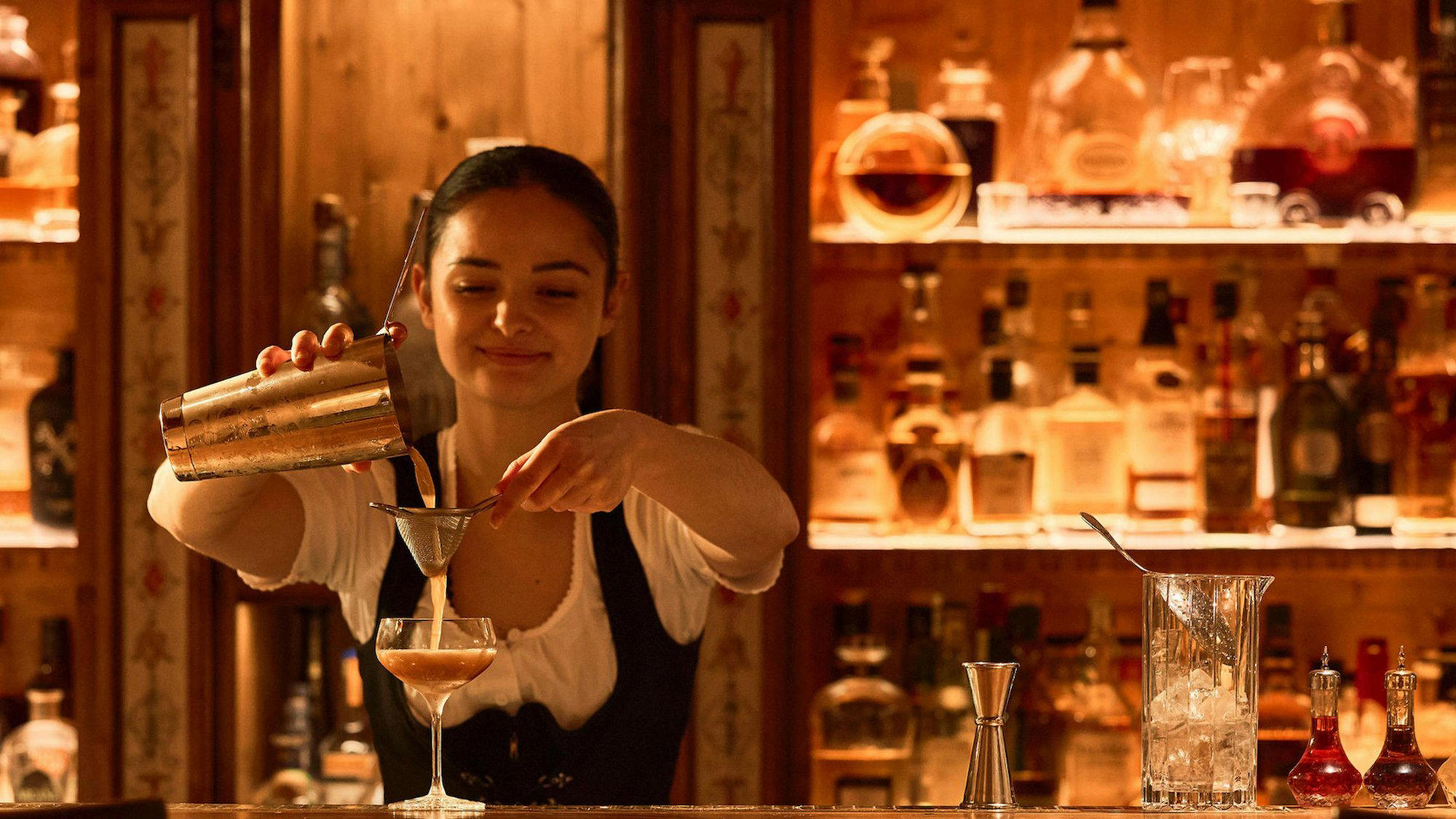
Bars in Val-d'Isère
Browse all →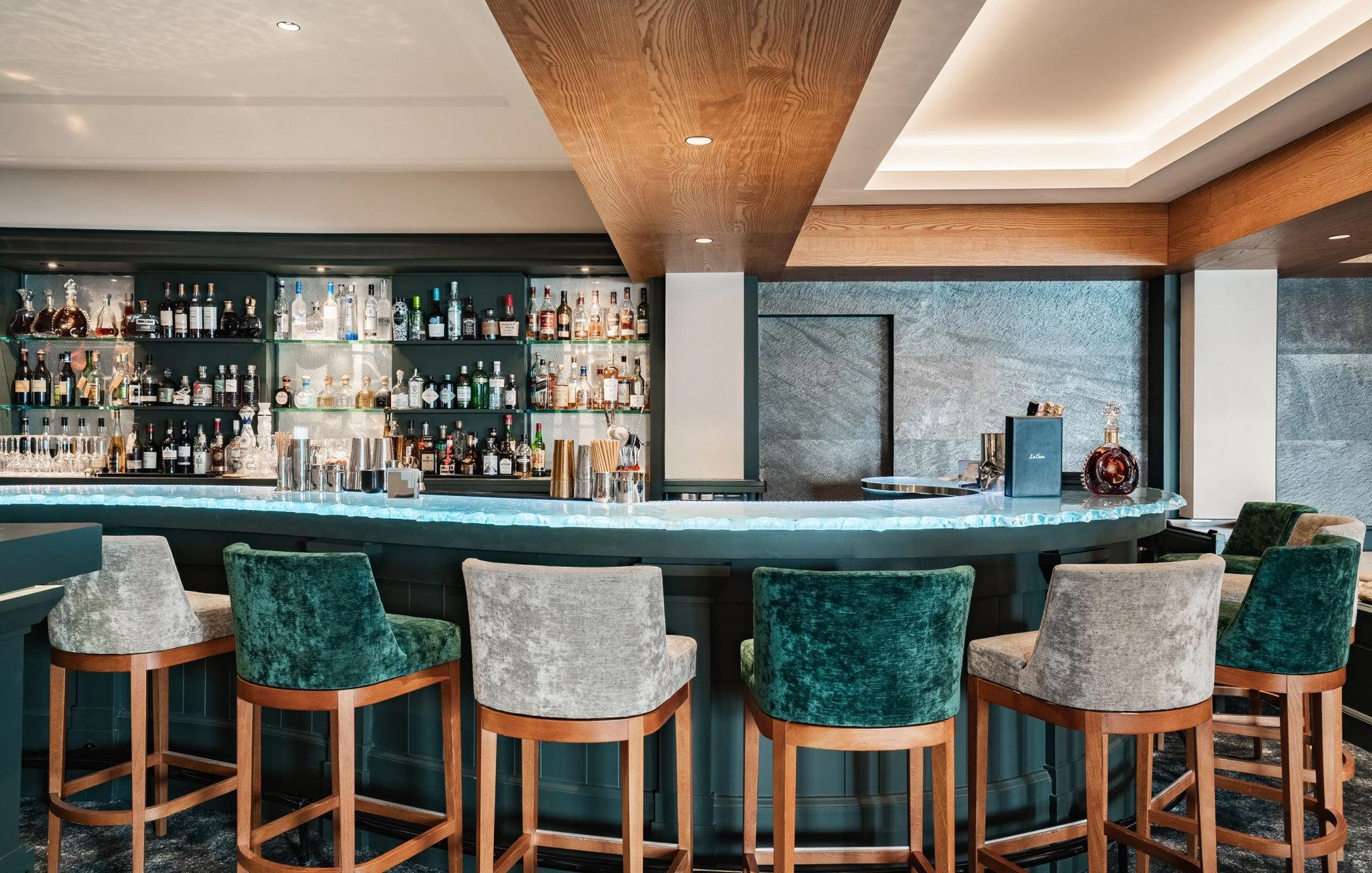
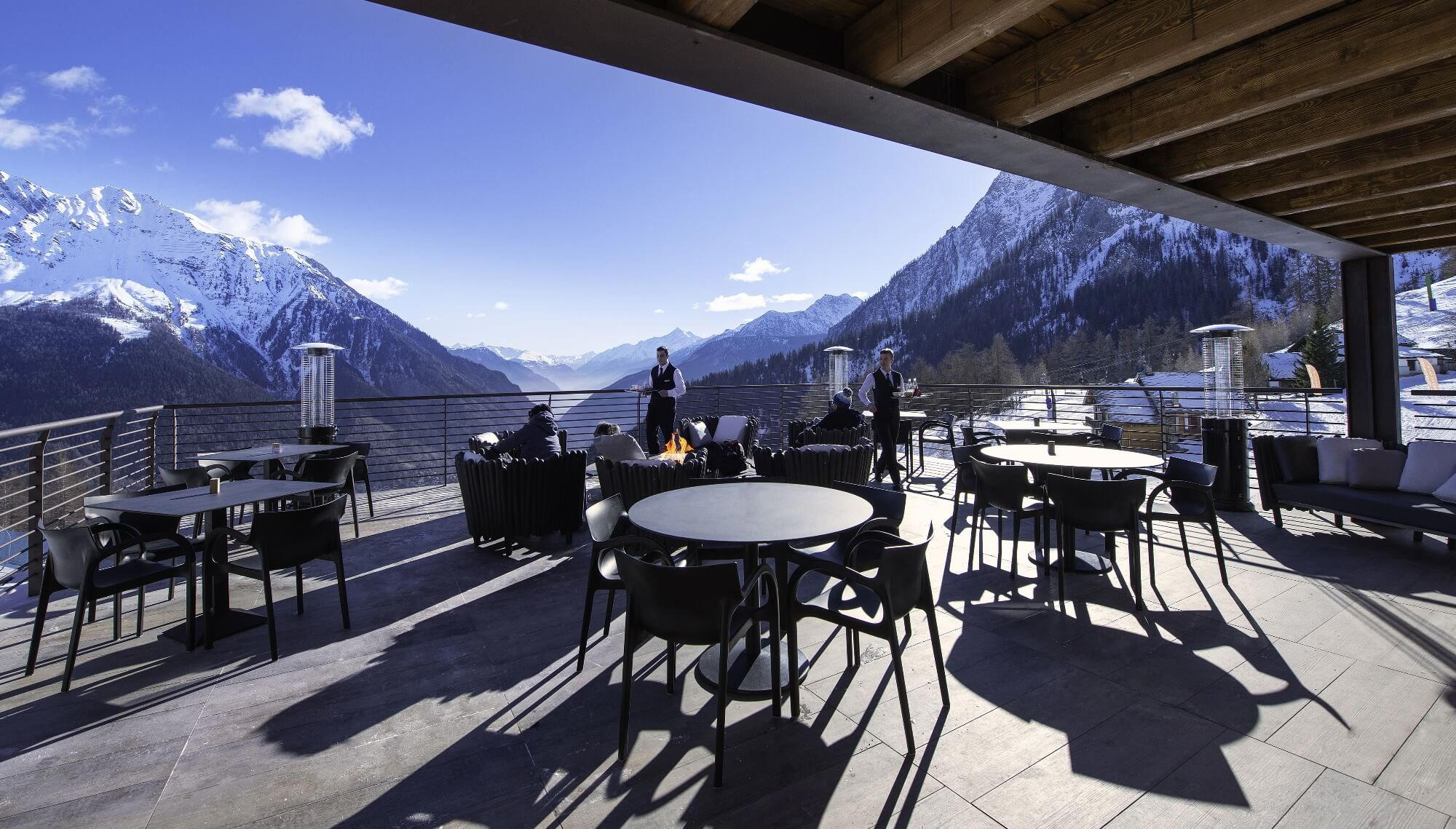
Hotels in Val-d'Isère
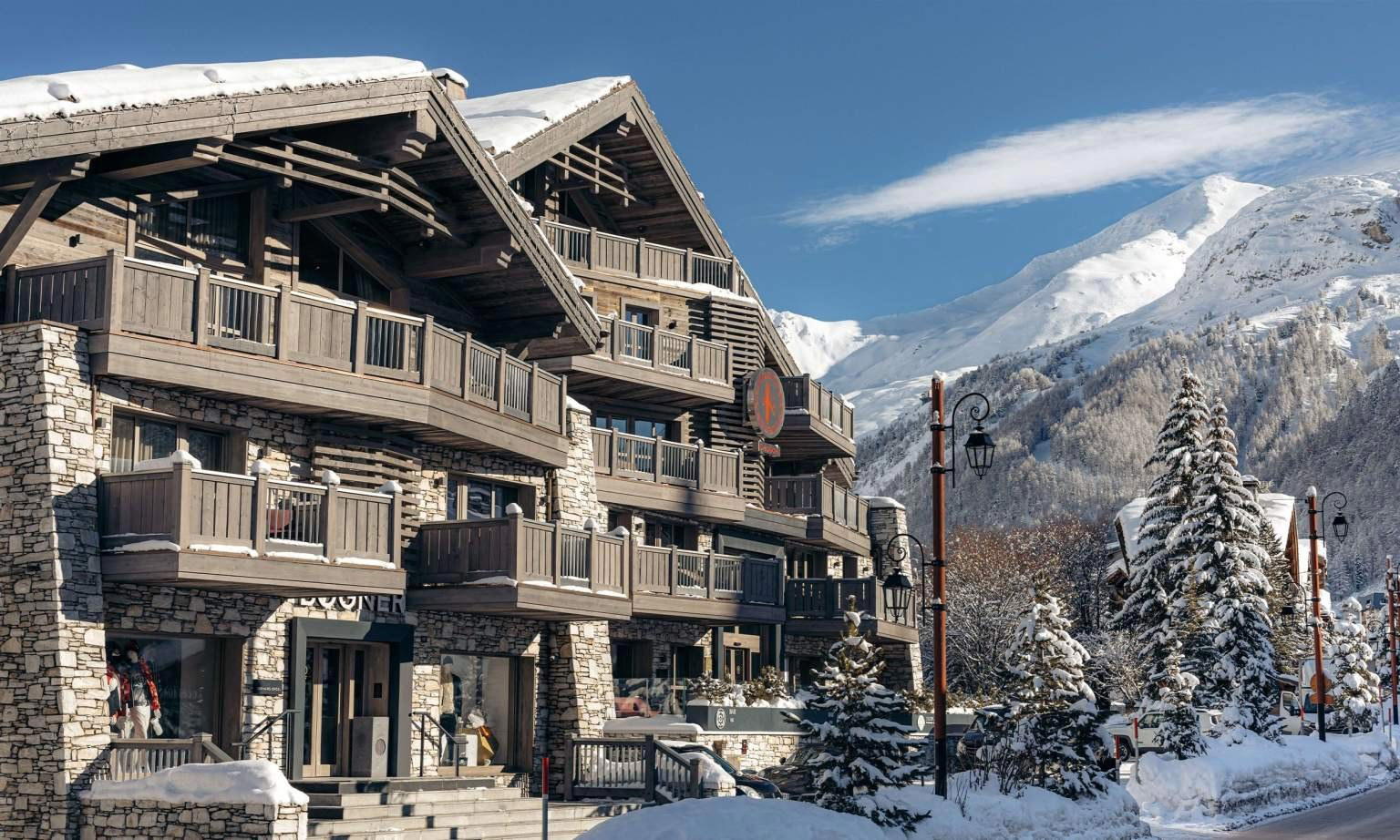
All hotels in Val-d'Isère →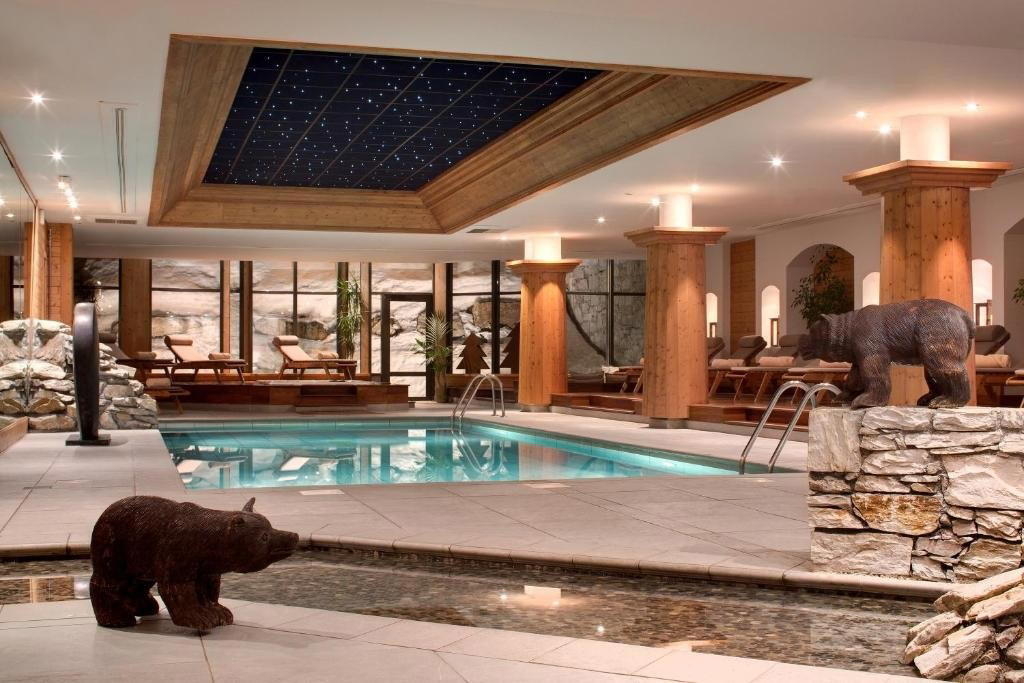
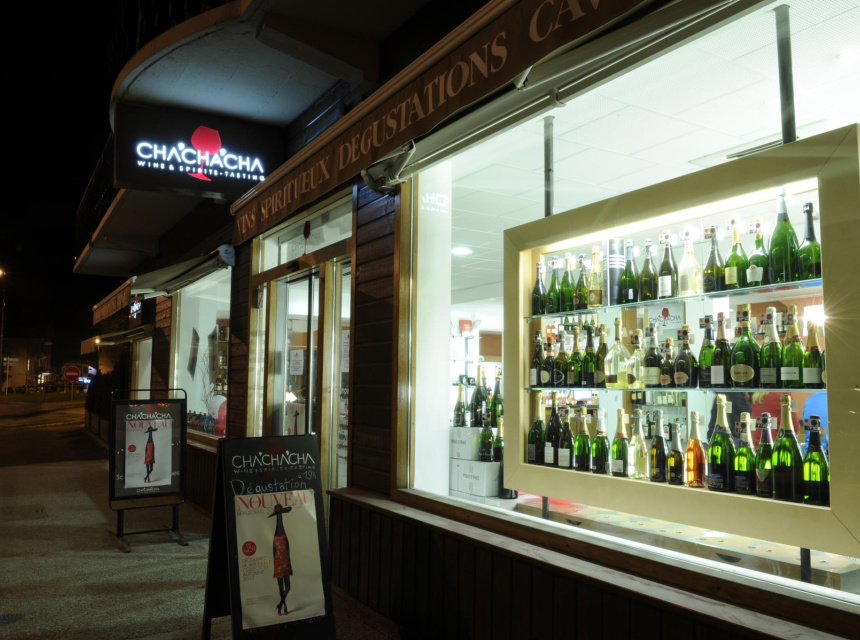
Wineries in Val-d'Isère
Browse all →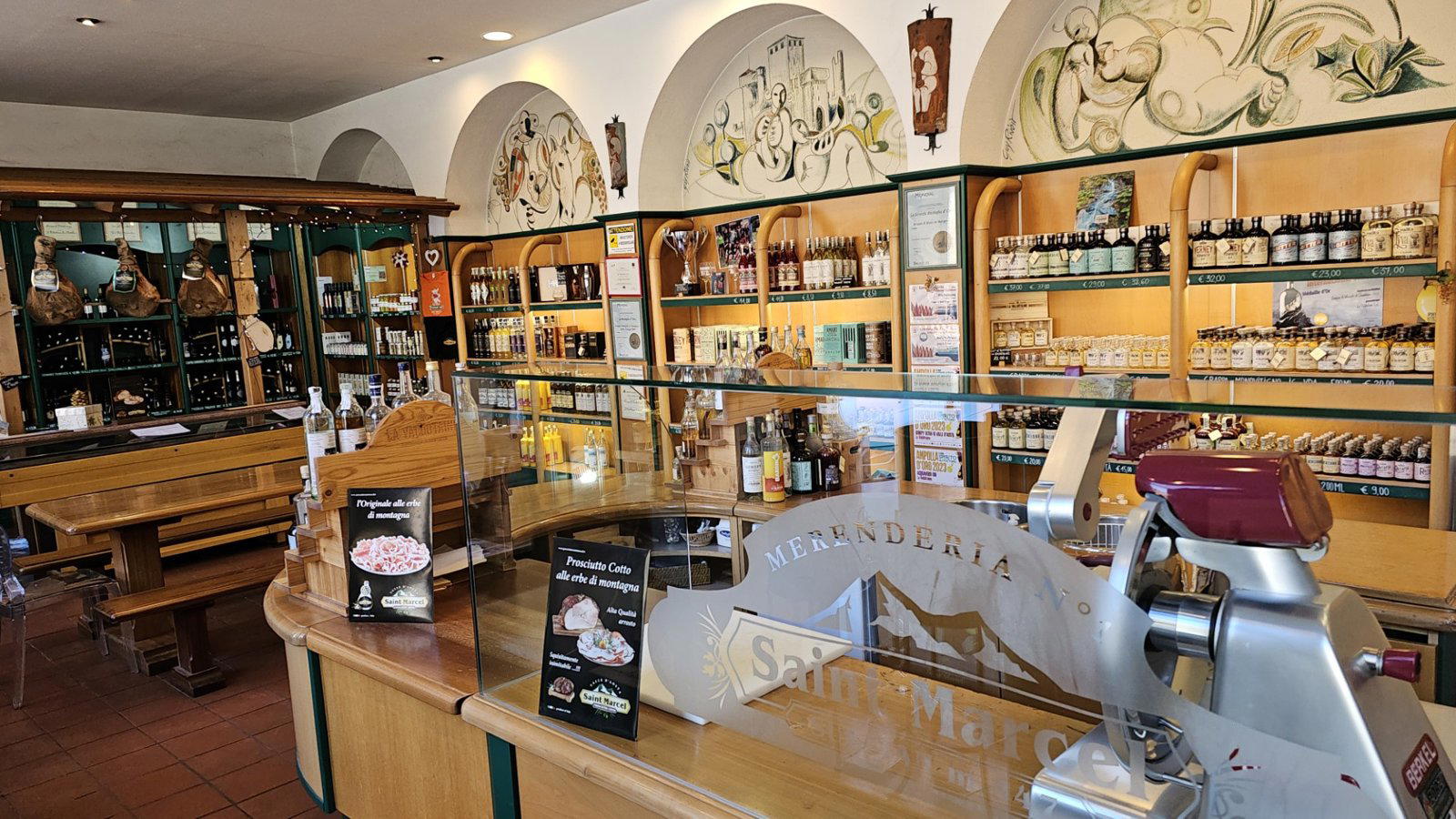
La Table de l'Ours
The wine
- Wine program
- Deep wine list
- Extensive wine list
- Sommelier-led
Details
- Elegant
- Cozy
- Sophisticated
- Romantic
- Rustic
- Special Occasion
- Date Night
- Celebration
- Hotel Restaurant
- Panoramic View
- Open Kitchen
- Terrace
- Extensive Wine List
- Sommelier Led
- Local Sourcing
- Mountain
- Street Scene
- Tasting Menu
- A La Carte
- Prix Fixe
- Wine
- Gluten Free Options
- Allergy Accommodating
Current opening hours
- Monday
- Closed
- Tuesday
- 7:30–9:30 PM
- Wednesday
- 7:30–9:30 PM
- Thursday
- 7:30–9:30 PM
- Friday
- 7:30–9:30 PM
- Saturday
- 7:30–9:30 PM
- Sunday
- Closed
Hours can change for holidays and private events. Hours as of .
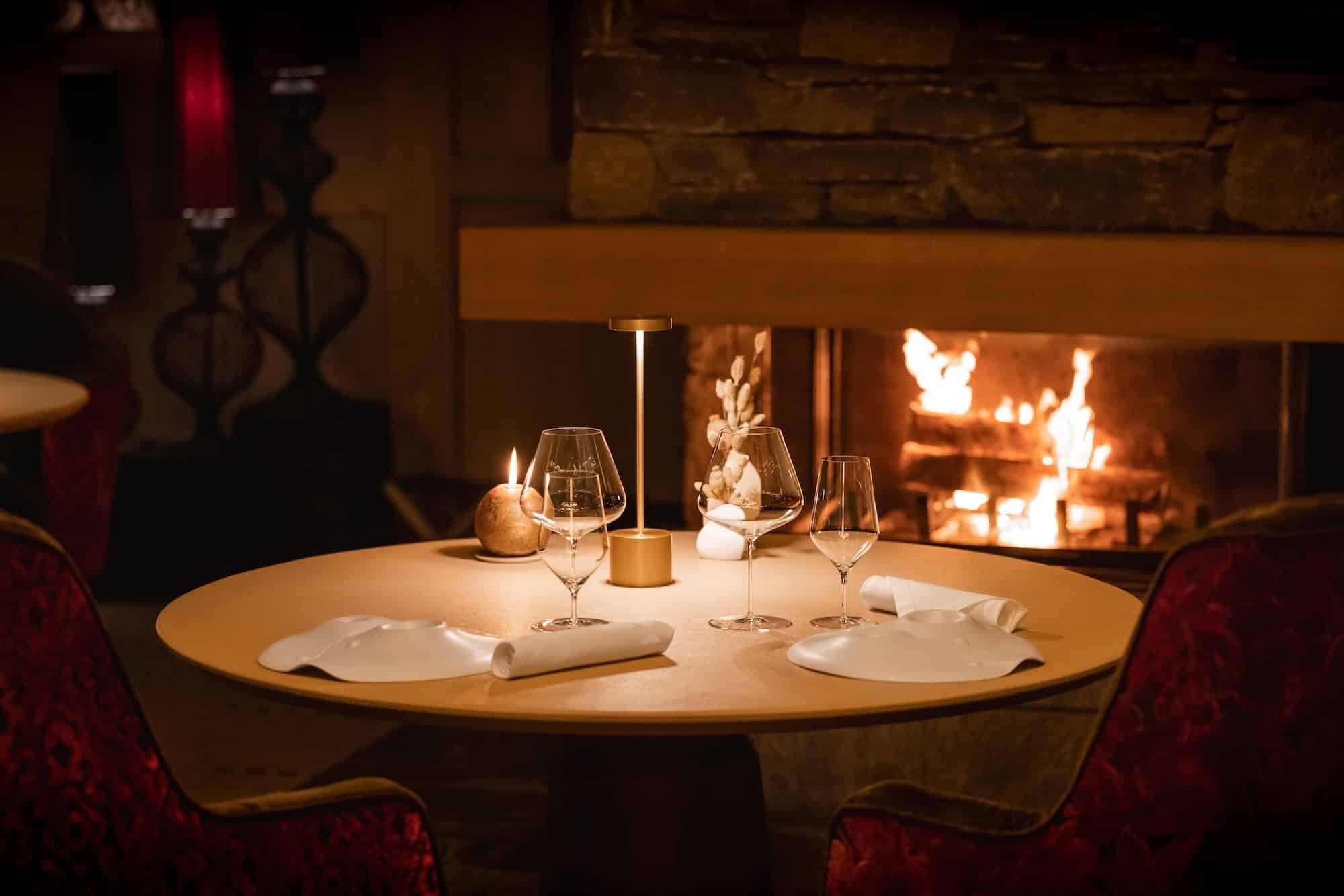
Cozy and raffinée atmosphere with wood carvings, dimmed lighting, stone columns, roaring fireplace, and panoramic mountain views through large windows.