
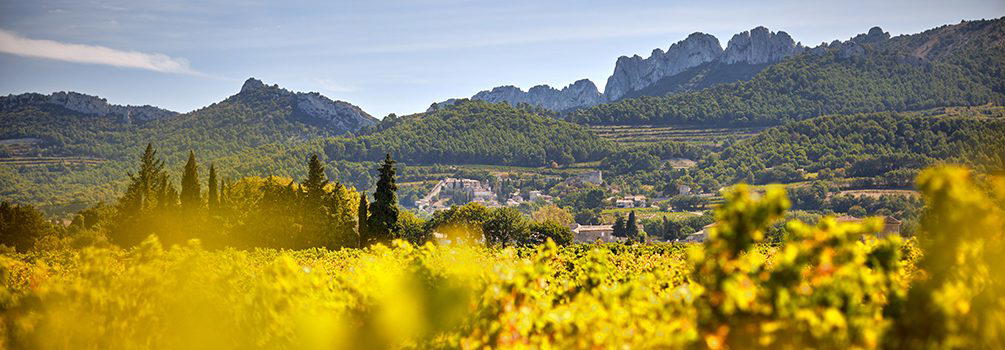
Château de Saint Cosme gives Gigondas its long view: limestone slopes below the Dentelles de Montmirail, Roman-era winemaking remains, old vines, and a biodynamic approach under Louis Barruol. The draw is not spectacle but terroir literacy, with Grenache-led Southern Rhône wines framed by history, structure, freshness, and age-worthiness.
Pearl is the En Primeur Club membership app — saves, bookings, and concierge access live there. Same editors, same standards.
- Address
- 126 Rte des Florëts, 84190 Gigondas, France
- Phone
- +33 4 90 65 80 80
- Website
- saintcosme.com
- Directions
- Get directions
 Saves & bookings on Pearl
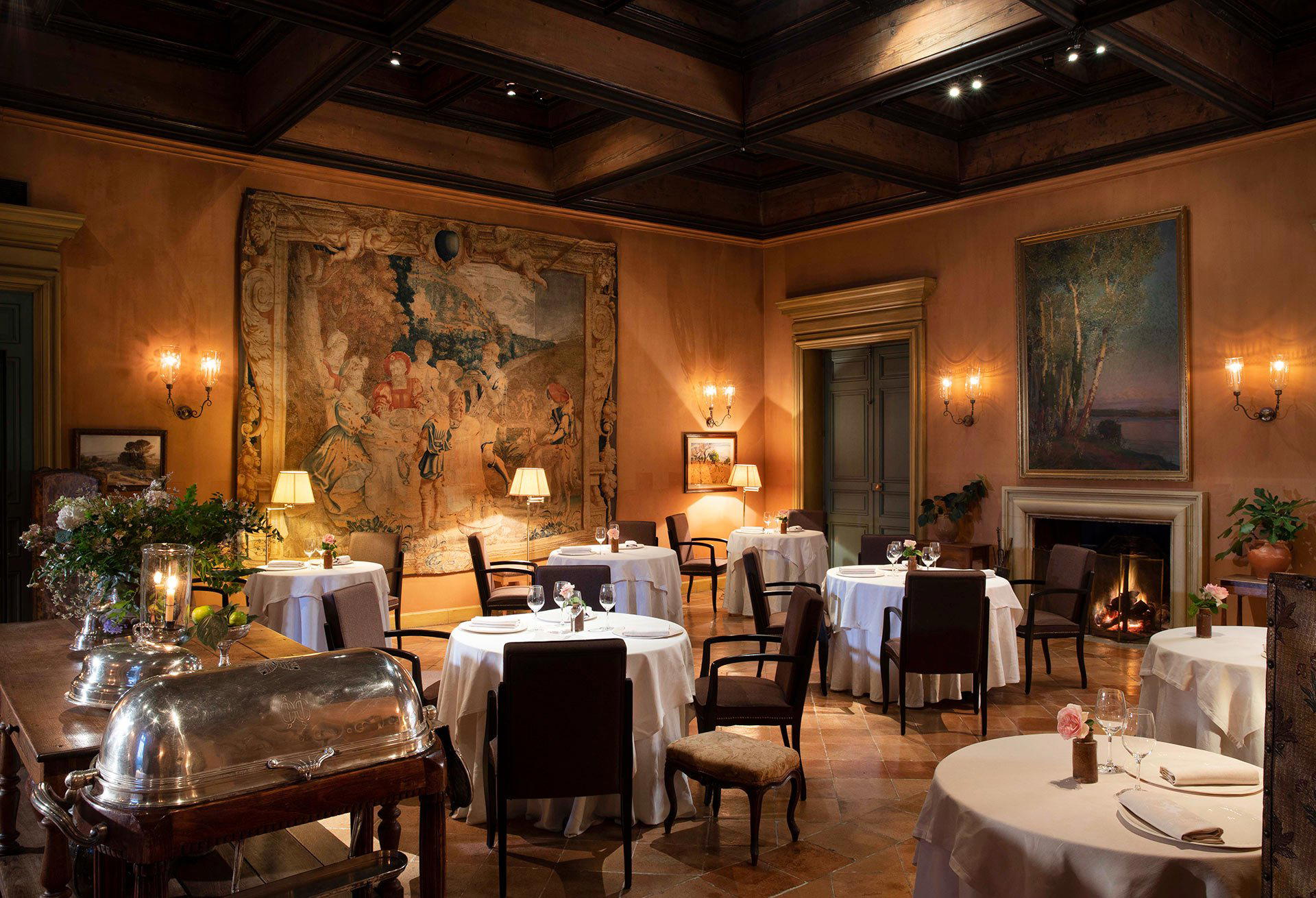
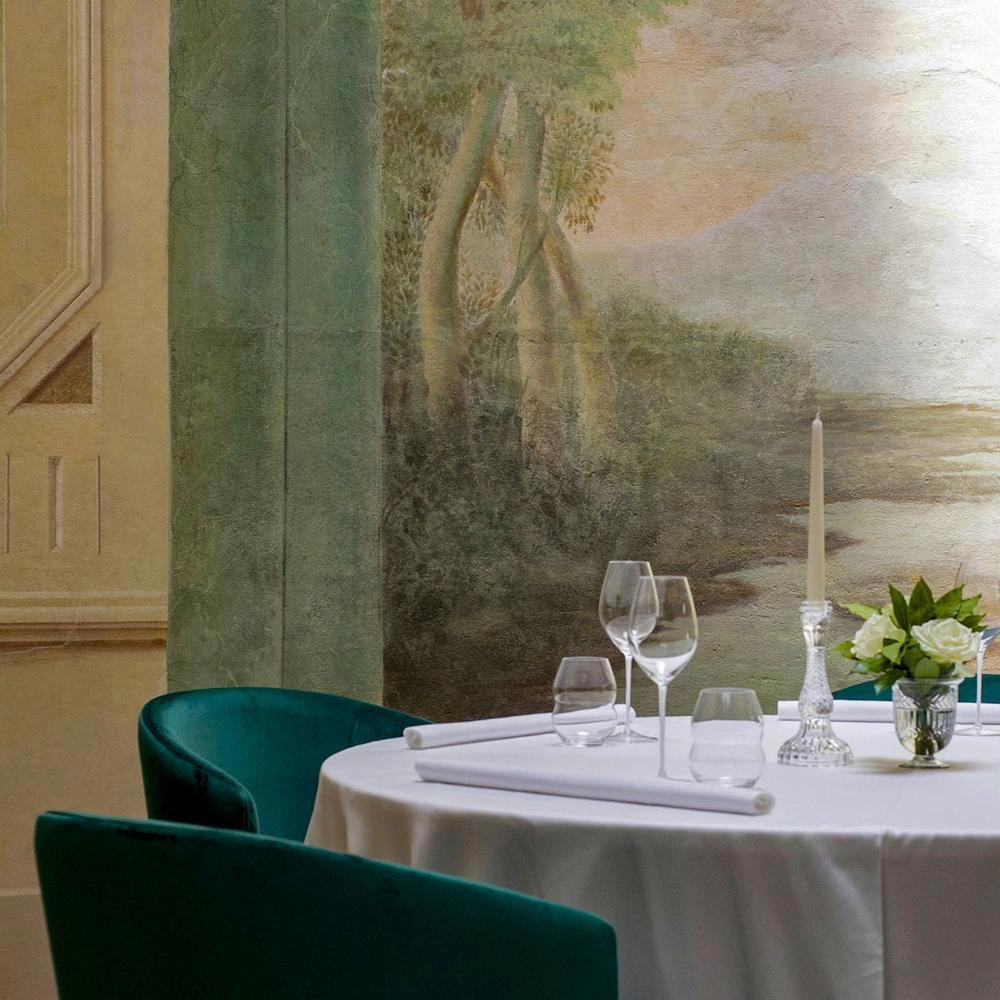
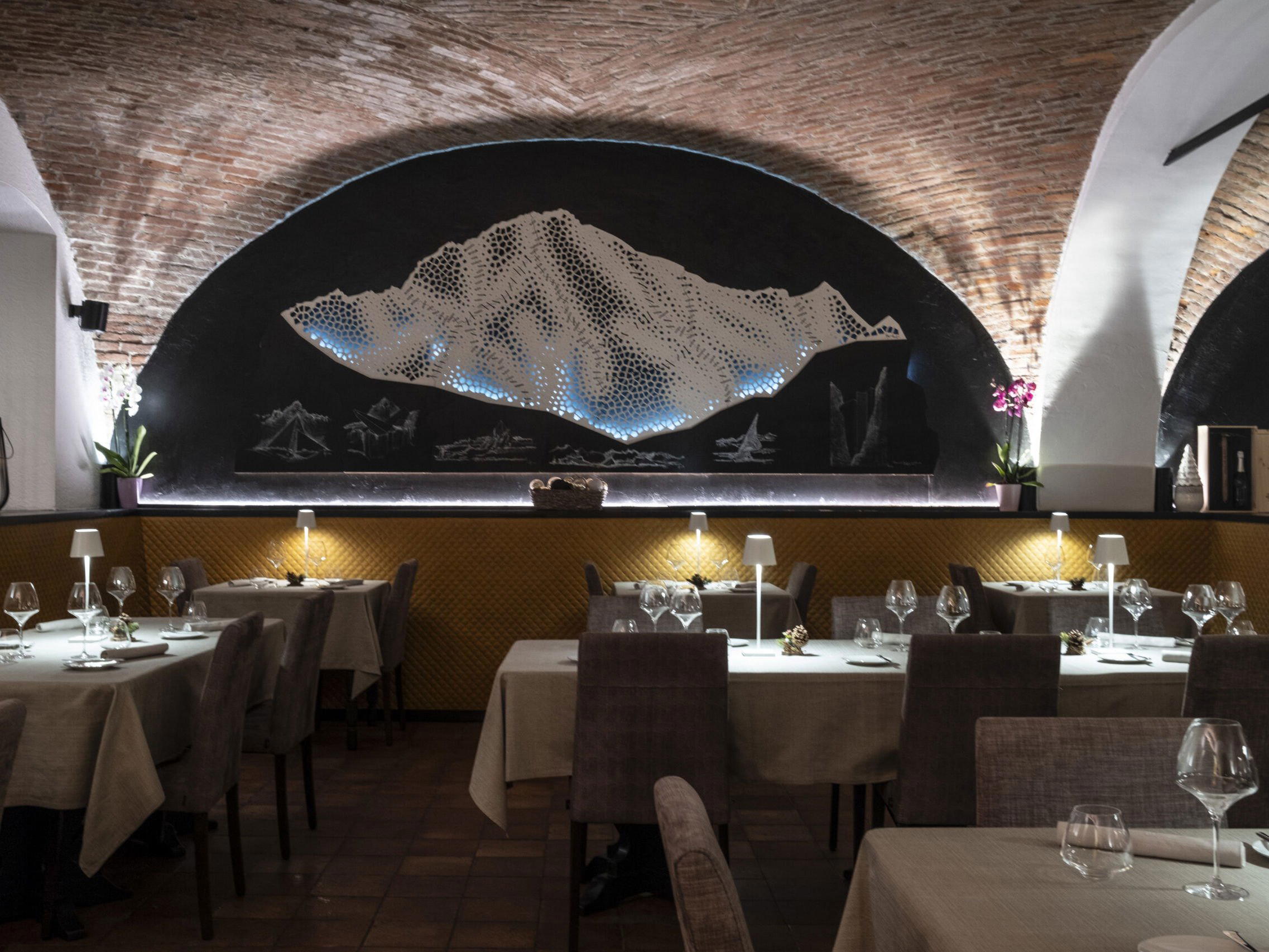
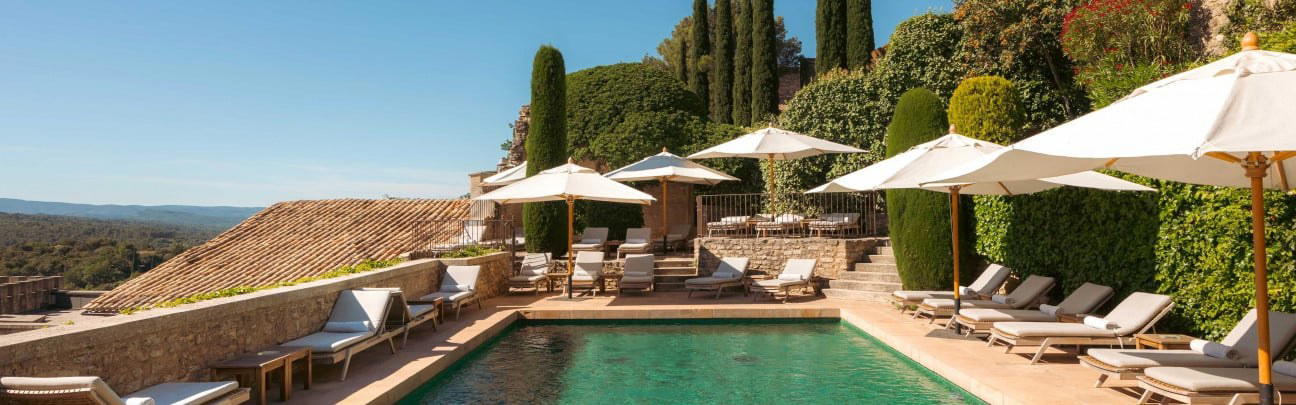
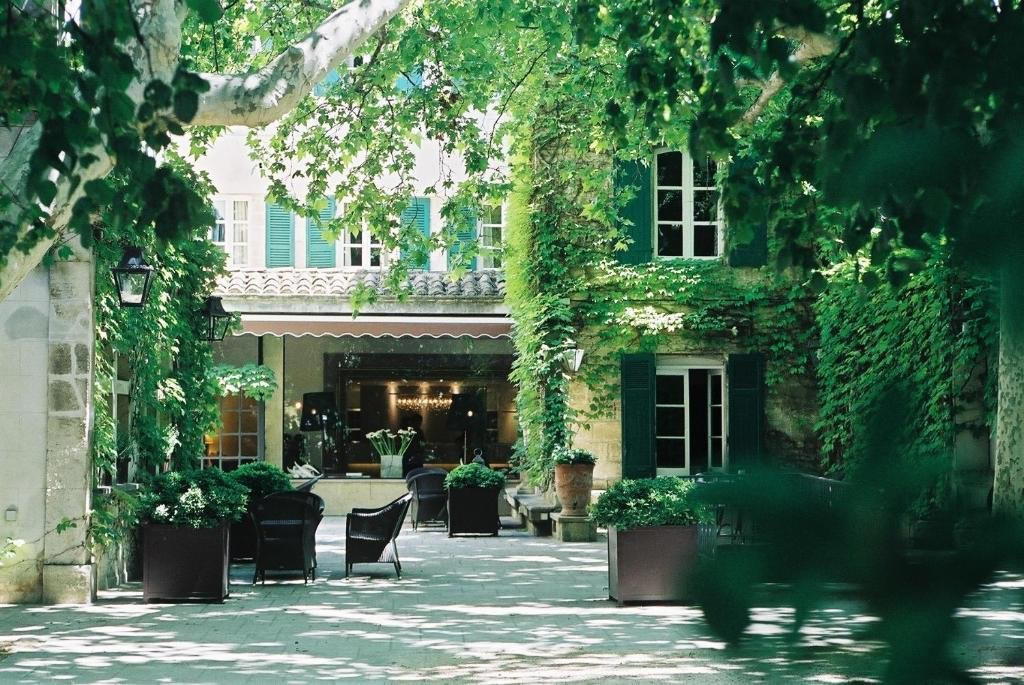
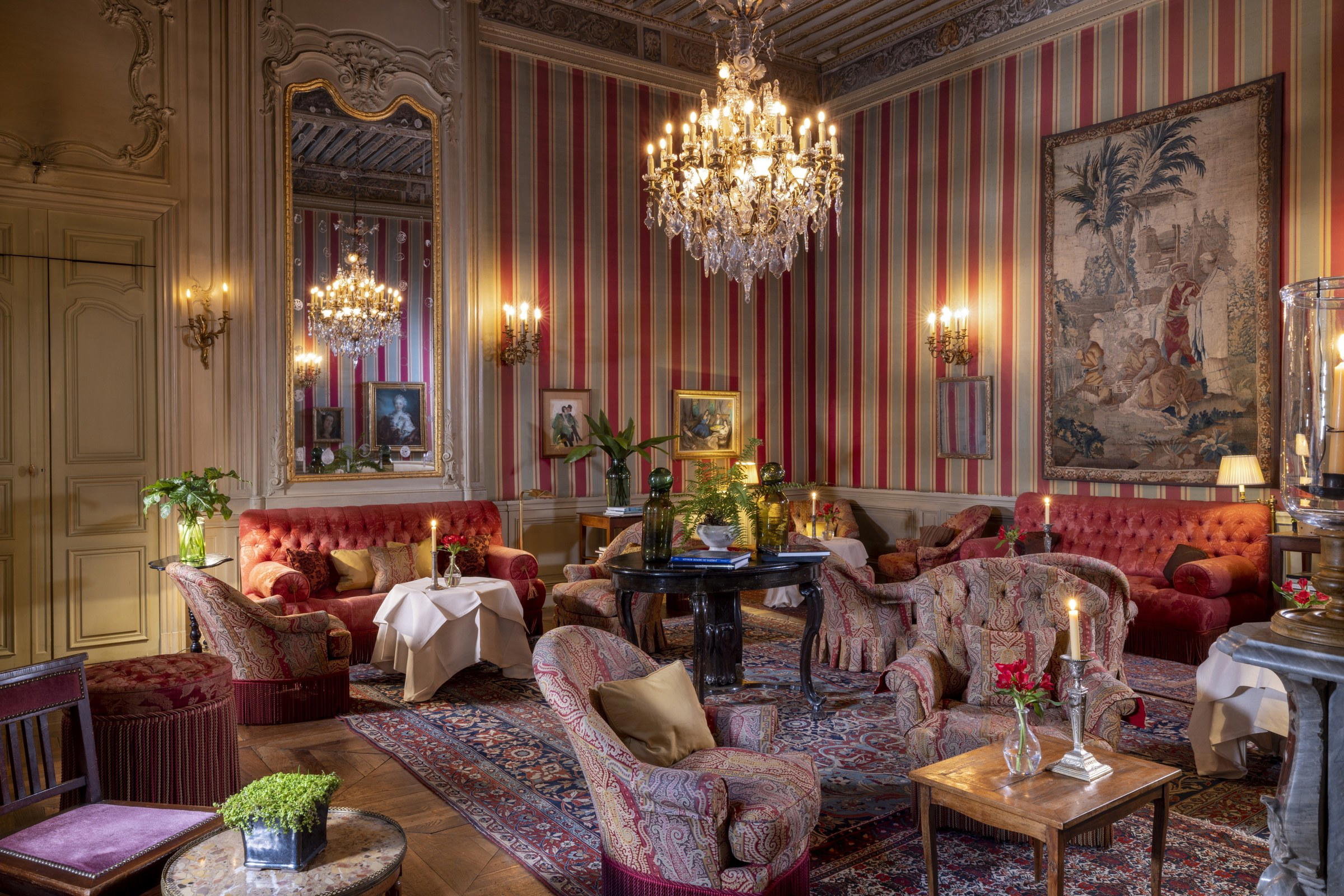
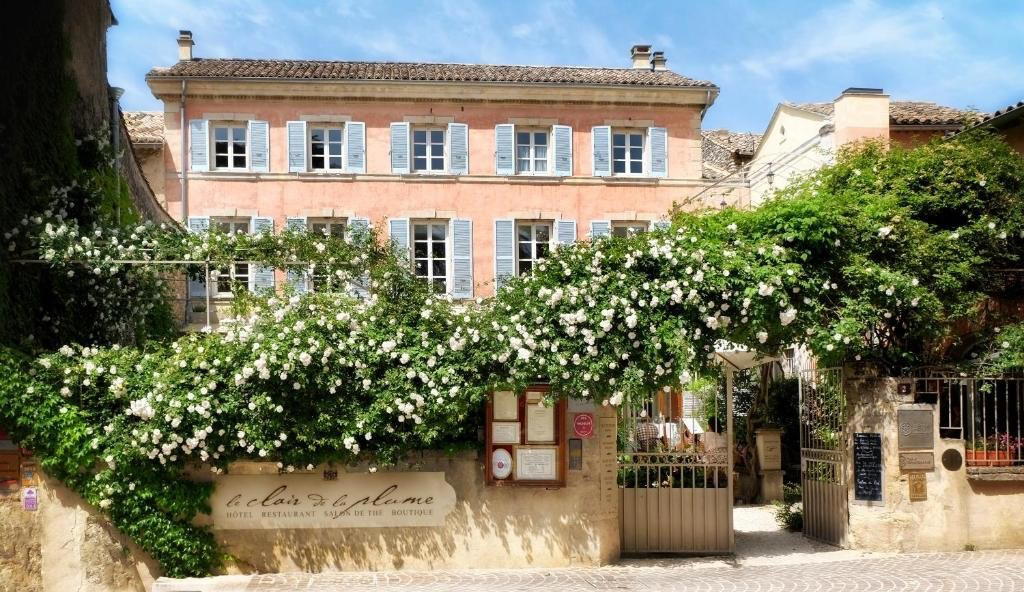
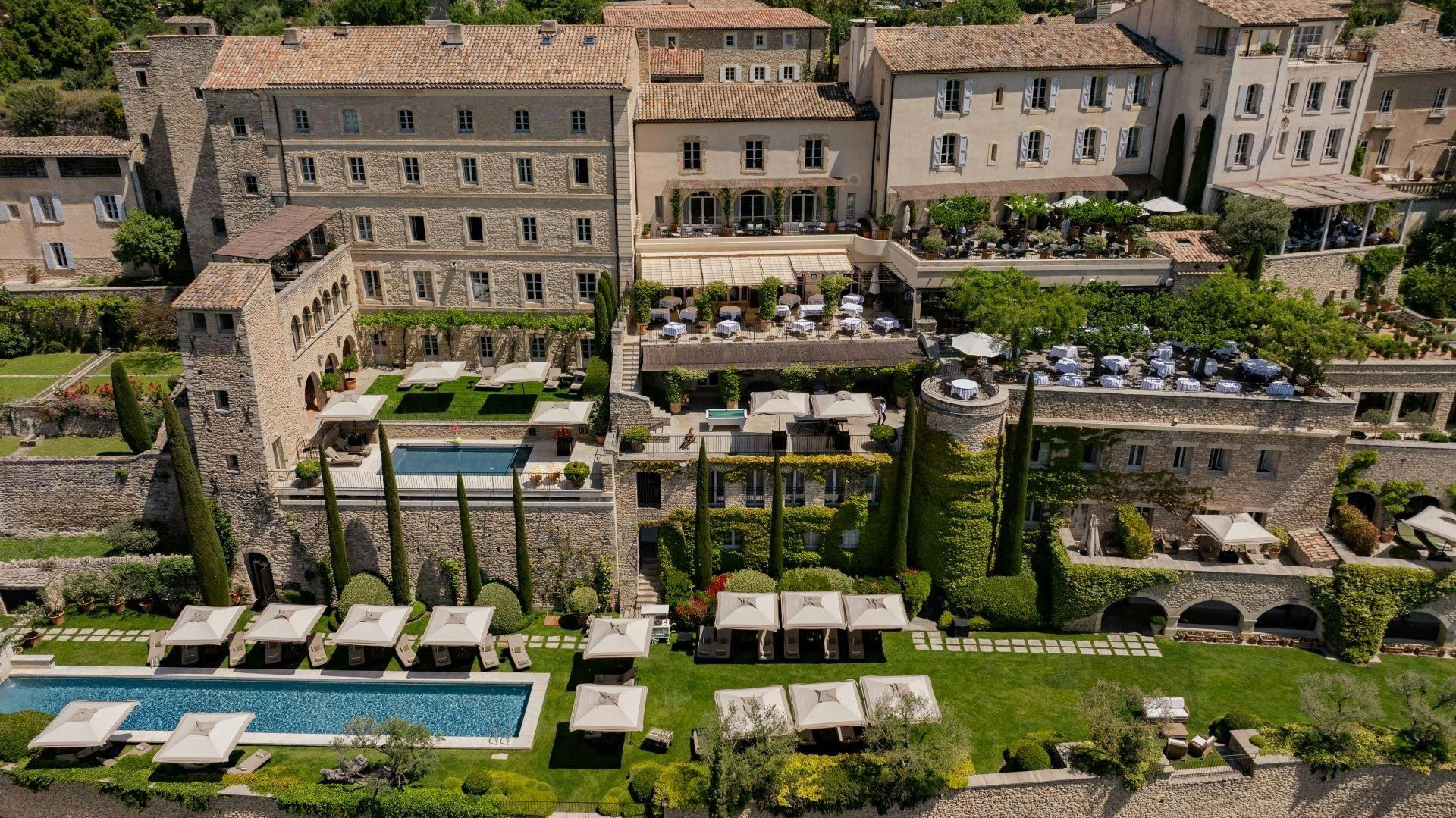
Château de Saint Cosme in Gigondas is best understood through its setting and atmosphere: a historic château estate with the feel of a benchmark Gigondas winery. The picture centers on a scenic wine estate where limestone slopes, old vines, terroir, and craftsmanship shape the experience, giving the venue a sense of continuity rather than novelty. It is the kind of address where the landscape is not just background decoration; it is the main frame through which the wines and the visit are meant to be understood.
For EP Club readers, the appeal is the combination of place and purpose. Château de Saint Cosme is presented as historic, classic, rustic, and scenic, with a focus on tasting wines for freshness and age-worthiness rather than on dining or service details. That makes the estate feel more like a serious Gigondas reference point than a general hospitality stop. The interest lies in the relationship between château, vineyards, limestone, old vines, and the long-view qualities that make a wine feel structured, rooted, and capable of developing over time.
Limestone, old vines, and the Gigondas argument for freshness
Gigondas is the essential context for Château de Saint Cosme. The description centers on limestone slopes and old vines, with the estate atmosphere focused on terroir and craft. Rather than relying on production details, the safest way to frame the visit is as a serious winery experience rooted in the range of Gigondas. The emphasis on limestone and old vines gives the page its most useful direction: this is not a venue being defined by peripheral amenities, but by the conditions and sensibility that shape the wines.
The estate’s character is classic and restrained: historic château surroundings, vineyard context, and a sense that the wines are being understood through place. The profile emphasizes freshness and age-worthiness, making the winery most relevant for travelers who care about structure, origin, and long-view wine appreciation. In that sense, the estate’s appeal is less about spectacle and more about focus. The rustic and scenic atmosphere supports a tasting mindset in which freshness, balance, and the ability to age are treated as central qualities rather than secondary impressions.
Because confirmed public details are limited here, EP Club does not assert specific grape varieties, farming certifications, tasting formats, cellar methods, bottle names, or opening arrangements. The grounded takeaway is simpler: the winery is a historic Gigondas estate associated with limestone, old vines, terroir, craftsmanship, freshness, and age-worthy wine. That restraint matters for planning. Readers should understand the venue through the confirmed character of the estate and the wine argument it represents, not through invented logistics or unsupported claims that would distract from the reliable picture.
A Gigondas estate defined by place
The winery’s identity is anchored in Gigondas. The estate is not being presented here through unconfirmed cuvée lists, technical winemaking claims, or named personnel; instead, the reliable emphasis is on the château estate feel and the benchmark Gigondas winery atmosphere. The result is a profile that stays close to place: historic setting, scenic vineyard context, limestone slopes, old vines, and a craft-led reading of what Gigondas can express.
That makes the venue useful for travelers building a wine-focused visit around Gigondas. It suits readers who want a historic, scenic, and classic estate rather than a page built on unsupported specifics. If the priority is to understand the character of the appellation through an estate with a strong sense of place, the winery fits that brief. If the priority is dining, detailed service choreography, or confirmed tasting logistics, the available information here is deliberately more limited.
For readers mapping the village, the wider EP Club coverage is useful context rather than a ranking exercise: see Our full Gigondas wineries guide, plus city planning notes in Our full Gigondas restaurants guide, Our full Gigondas hotels guide, Our full Gigondas bars guide, and Our full Gigondas experiences guide. Other dining and wine options in Gigondas can be considered generically alongside the winery depending on the shape of the trip. The practical value is in seeing the estate as part of a broader Gigondas itinerary, while keeping its own identity clear: a historic château winery where the setting and terroir-driven purpose are the main reasons to pay attention.
Why the visit suits terroir-focused drinkers
The winery works well for travelers who value a historic winery atmosphere and a terroir-led interpretation of Gigondas. The mood is scenic, classic, and rustic, with limestone slopes and old vines forming the essential backdrop. For this kind of visitor, the pleasure is not only in tasting but in connecting the wine to the place that frames it. The estate’s appeal depends on that connection: landscape, history, and craft working together to create a focused Gigondas experience.
Its appeal is the alignment of setting and wine purpose: a château estate in Gigondas, a benchmark winery feel, and an emphasis on craftsmanship, freshness, and age-worthiness. For visitors seeking a grounded wine stop rather than promises about service style, menus, or tasting logistics, that is the clearest and most reliable reason to keep the winery on the itinerary. It is a venue for drinkers who want the classic and the place-specific, and who are comfortable letting limestone, old vines, rustic atmosphere, and age-worthy intent carry the story.
Recognition history
Dated appearances from independent guides and award organizations, with the underlying list record or original source where available.
Falstaff Winery - Listed
Falstaff
Continue exploring
More in Gigondas
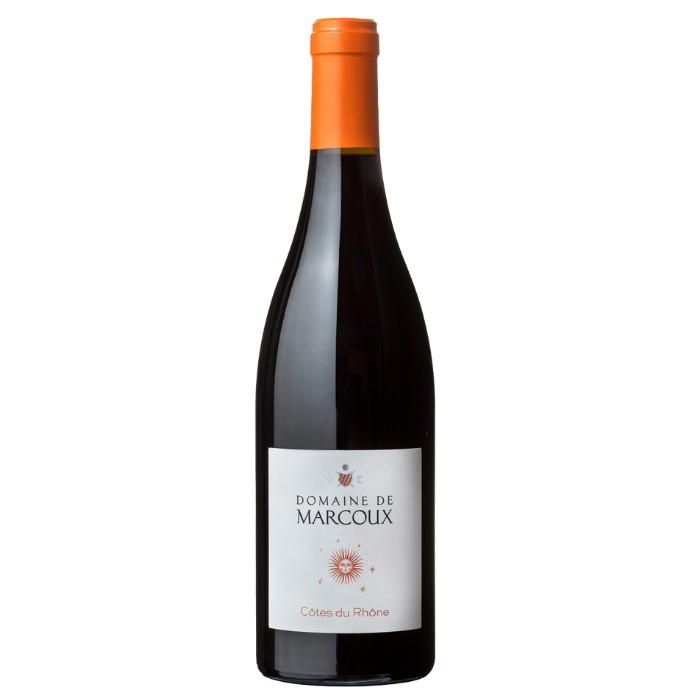
Wineries in Gigondas
Browse all →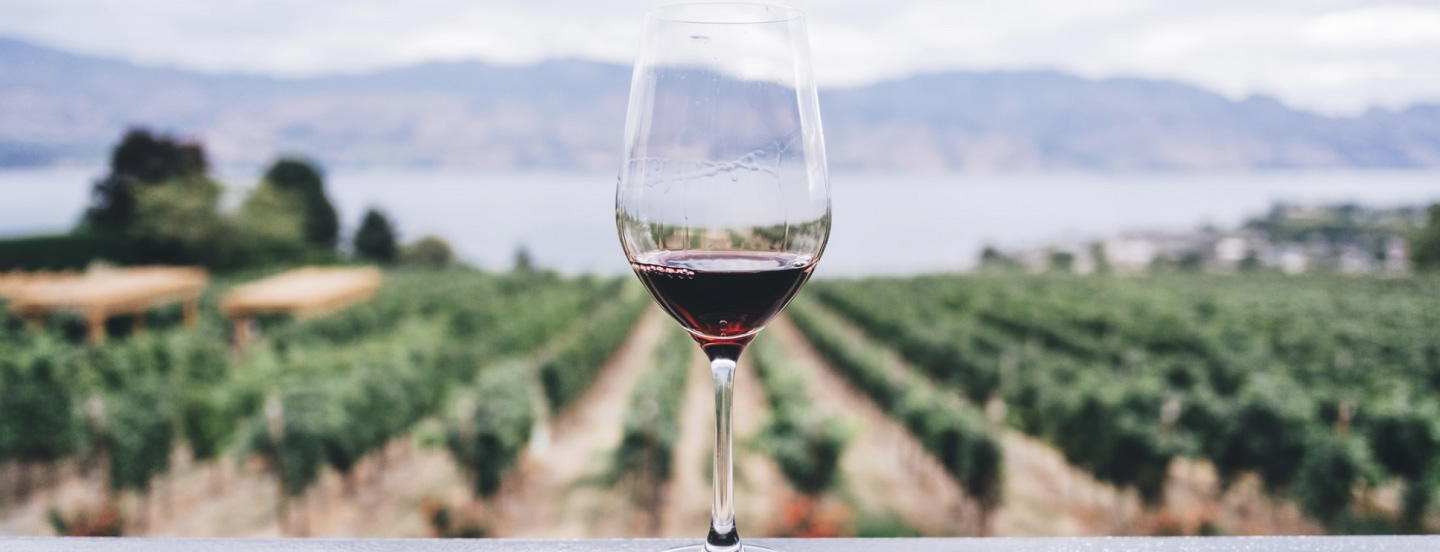
Bars in Gigondas
Browse all →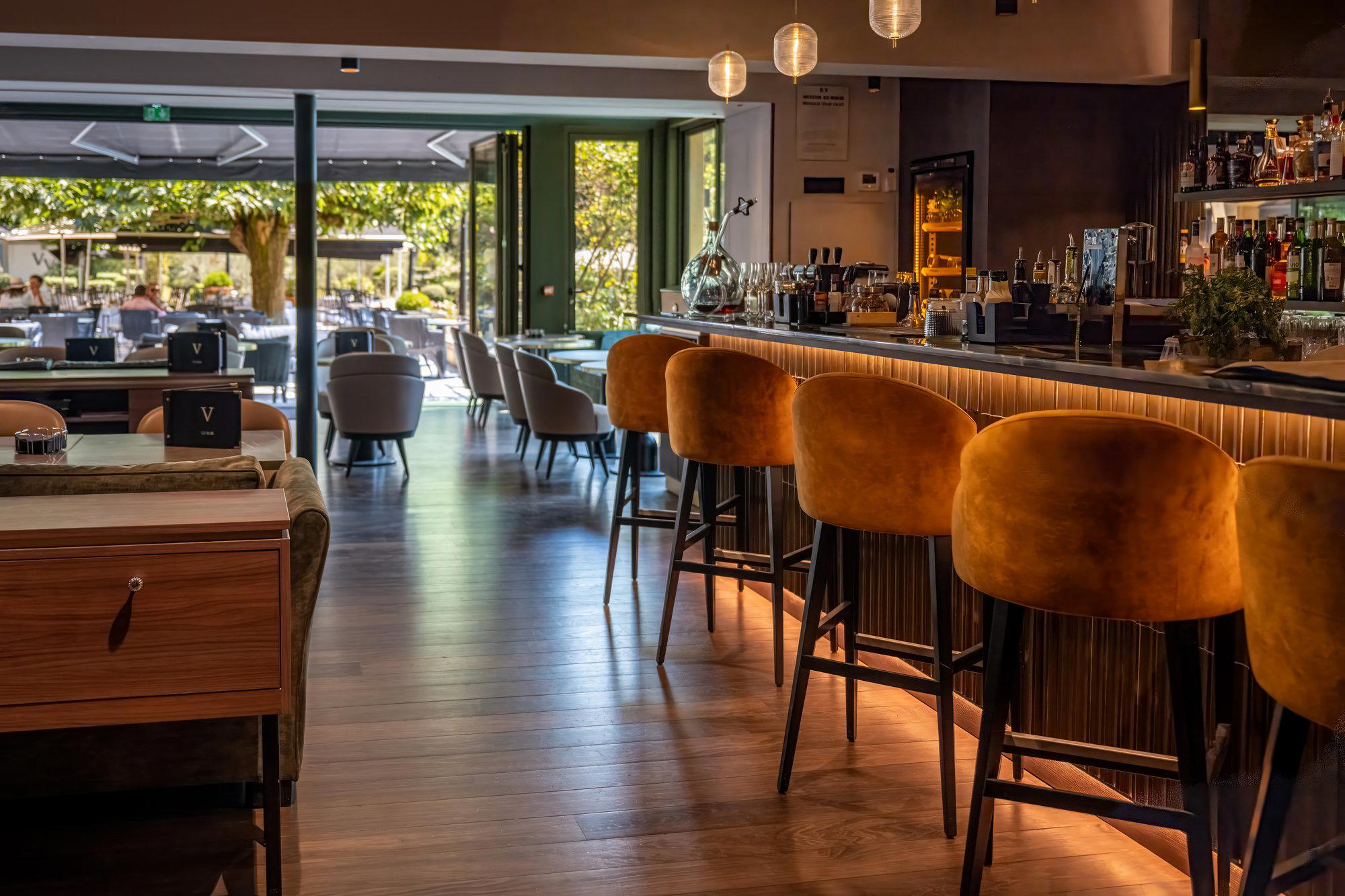
Restaurants in Gigondas
Browse all →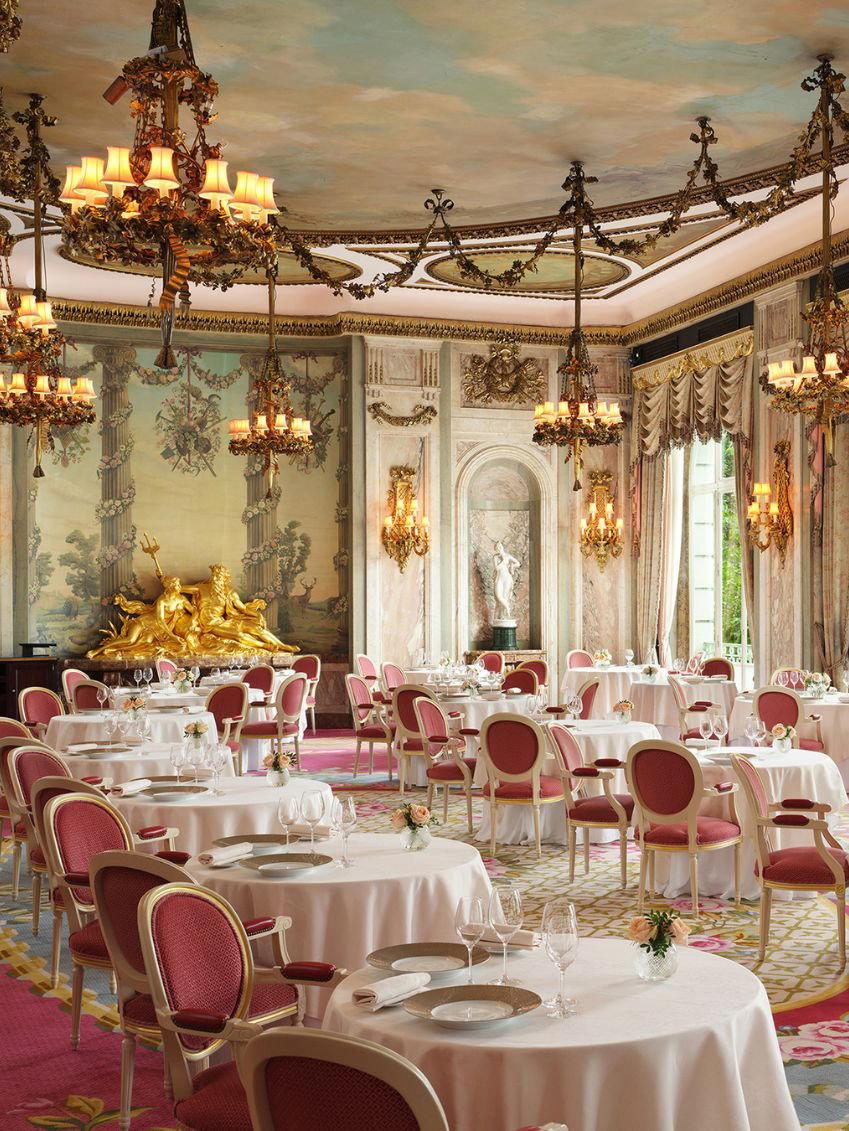
At a Glance
- Historic
- Scenic
- Classic
- Rustic
- Sophisticated
- Wine Education
- Special Occasion
- Group Outing
- Solo Exploration
- Historic Building
- Estate Grounds
- Vineyard Tour
- Private Tasting
- Biodynamic
- Organic
- Vineyard
- Mountain
- Gigondas AOC
- Grenache
- Syrah
- Mourvèdre
- Cinsault
- Still Red
- Still White
- Guided Tasting
- Private Tasting
Current opening hours
- Monday
- 10 am–12 pm, 1–5 pm
- Tuesday
- 10 am–12 pm, 1–5 pm
- Wednesday
- 10 am–12 pm, 1–5 pm
- Thursday
- 10 am–12 pm, 1–5 pm
- Friday
- 10 am–12 pm, 1–5 pm
- Saturday
- Closed
- Sunday
- Closed
Hours can change for holidays and private events. Last verified .
Historic château estate with a benchmark Gigondas winery feel, set amid limestone slopes and old vines; the atmosphere is focused on terroir, craftsmanship, and tasting wines with freshness and age-worthiness.