Le Vivier

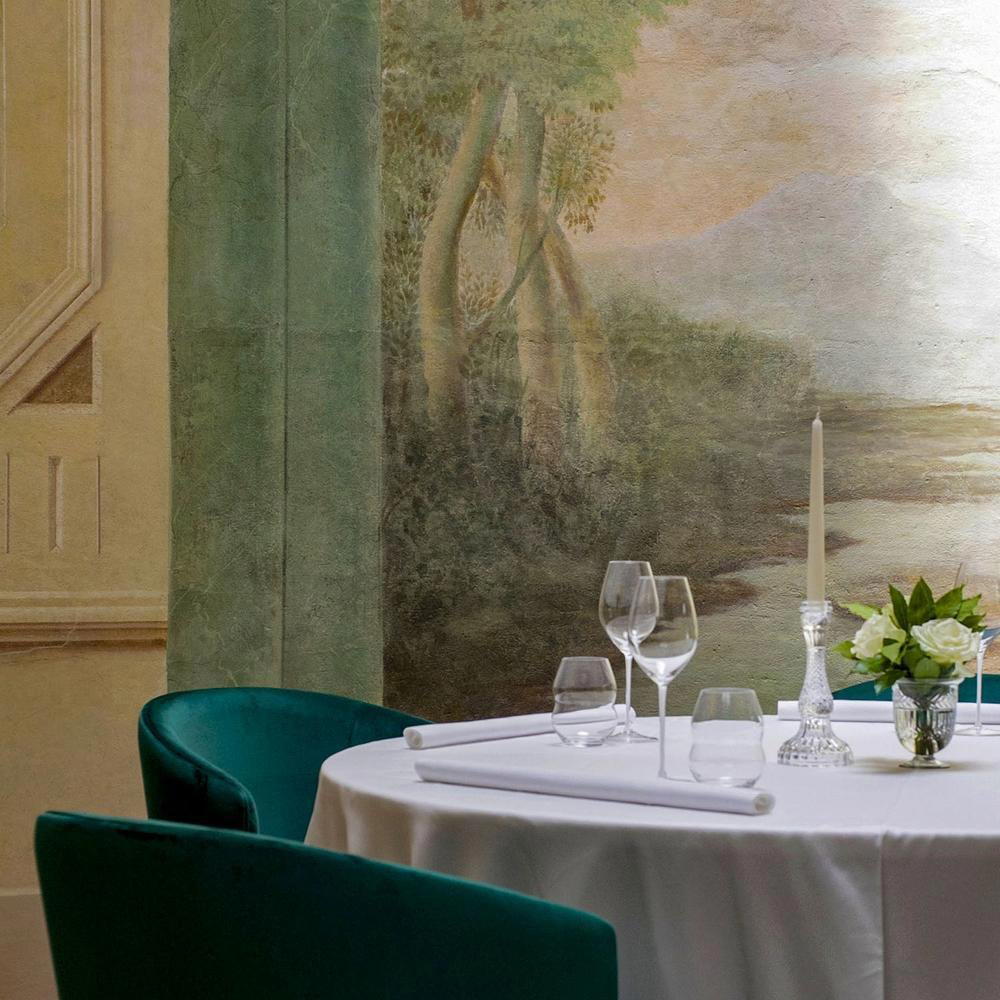
Le Vivier holds a Michelin star in L'Isle-sur-la-Sorgue, a Provençal antique-trade town better known for its Sunday markets than its dining ambition. Chef Romain Gandolphe works a short-window service across four days a week, with a terrace positioned directly above the River Sorgue. The wine list draws on regional appellations, and the dining room keeps a contemporary register that separates it from the town's more rustic options.
Pearl is the En Primeur Club membership app — saves, bookings, and concierge access live there. Same editors, same standards.
- Address
- Le Vivier restaurant, 800 Cr Fernande Peyre, 84800 L'Isle-sur-la-Sorgue, France
- Phone
- +33 4 90 38 52 80
- Website
- levivier-restaurant.com
- Directions
- Get directions
 Saves & bookings on Pearl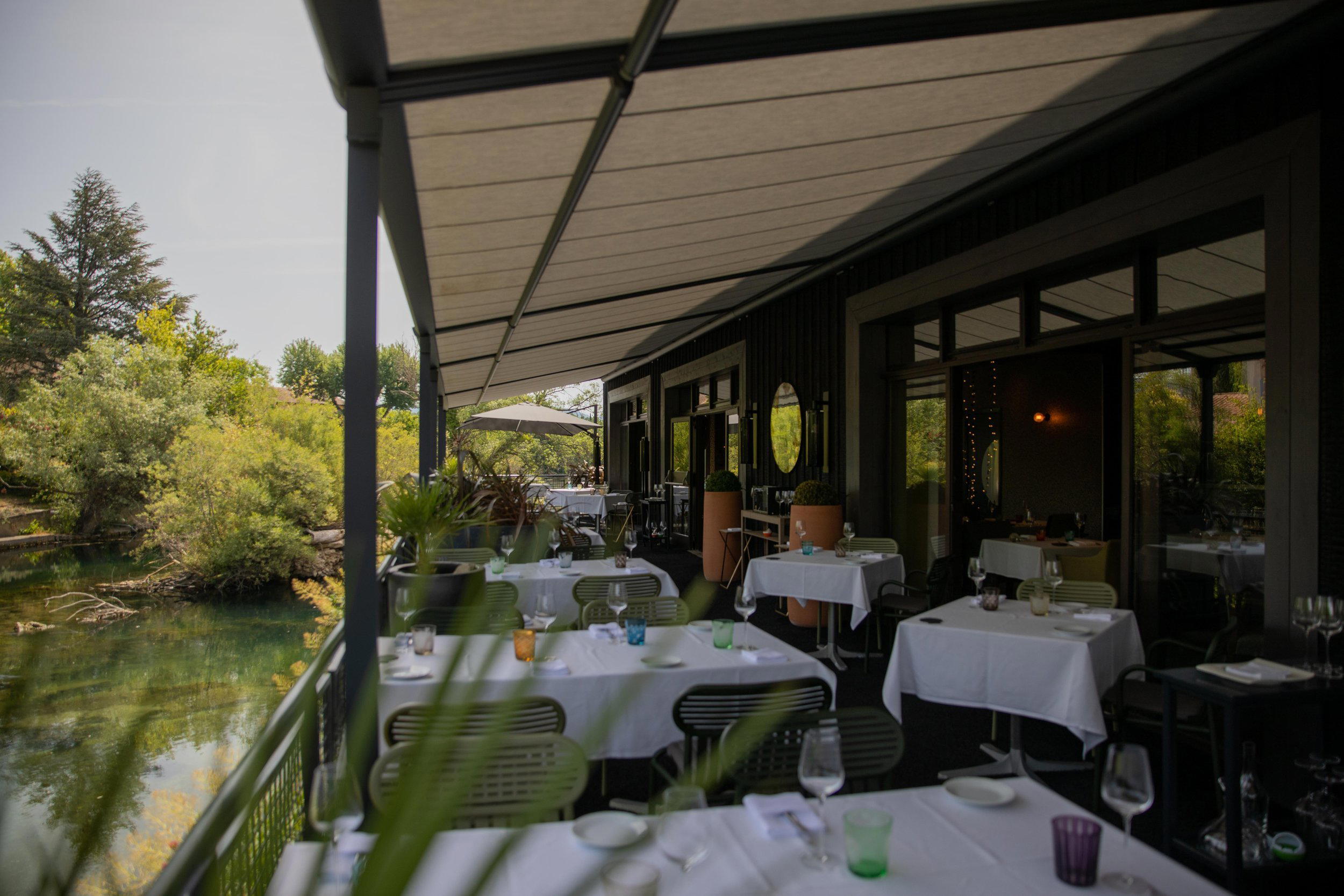
A River Table in an Antique Town
L'Isle-sur-la-Sorgue built its international reputation on brocante, not gastronomy. On any given Sunday, the town's canal-threaded streets fill with dealers and collectors moving between warehouses stacked with Louis XV commodes and gilded mirrors. That context matters when assessing Le Vivier, because Michelin-starred cooking in a market town operates differently from the same recognition in Lyon or Paris. The credential carries more weight precisely because the surrounding restaurant density is lower, and the competition for serious diners is drawn from a different pool than you'd find in Alléno Paris au Pavillon Ledoyen in Paris or Mirazur in Menton.
In that context, Le Vivier's 2024 Michelin star is a meaningful locator. It places the kitchen in the small tier of restaurants in the southern Vaucluse where cooking is the primary event, not a secondary service for market visitors looking to eat quickly before their next dealer appointment.7 across more than 1,000 reviews adds a separate data point: this is consistent performance across a wide range of covers, not a kitchen that impresses occasionally and coasts the rest of the time.
The Rhythm of Sitting Down
The dining ritual at Le Vivier is shaped as much by its operating hours as by what arrives at the table. The kitchen runs Wednesday through Friday, with a lunch service that closes at 1:00 PM and an evening service beginning at 7:15 PM. Sunday extends lunch to 1:30 PM. Monday, Tuesday, and Saturday are closed. This is a compressed schedule by the standards of most starred restaurants, and it concentrates the kitchen's energy into a limited number of sittings per week. For a diner planning a trip to the Luberon or the Alpilles, that compression is the first planning variable: arrival and departure windows need to account for a service structure that does not flex around travel convenience.
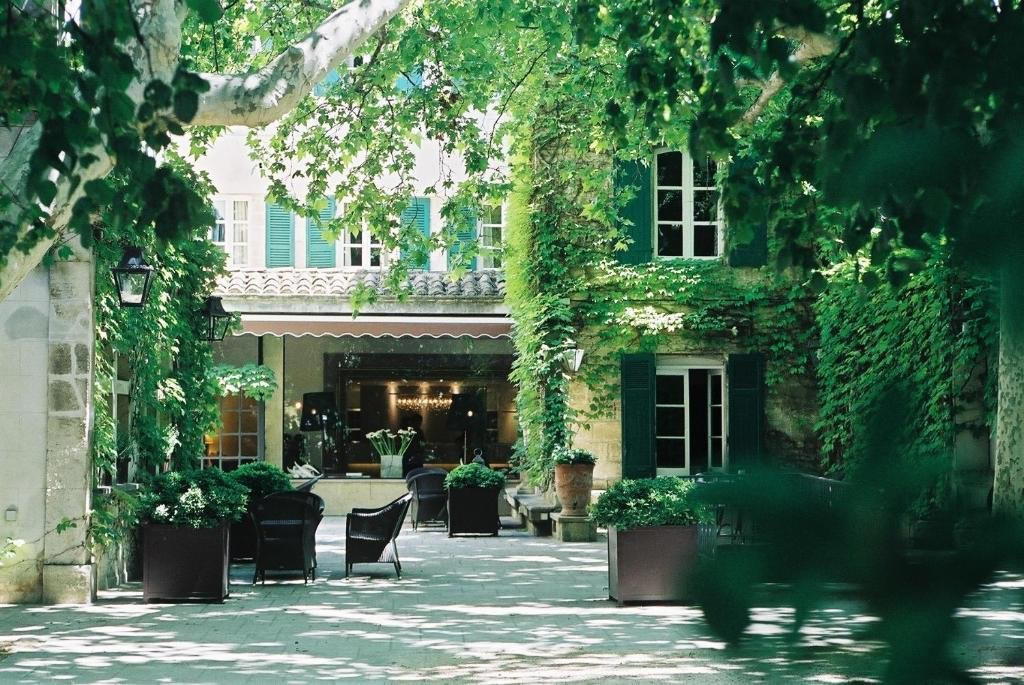
That narrowness of access is also, in practice, a quality signal. Restaurants that operate four days a week with short service windows are typically structured around produce sourcing and kitchen preparation rather than around filling covers. The pace that results tends to be deliberate. At a Michelin-starred table in a town of this scale, where the dining room is contemporary and the terrace runs directly to the water's edge, a meal is not something to be concluded quickly. The River Sorgue moves below, the plane trees hold the light in the way they do only in late-afternoon Provence, and the reasonable expectation is that a sitting here takes the better part of two hours for lunch and longer in the evening.
Modern Cooking in a Provençal Frame
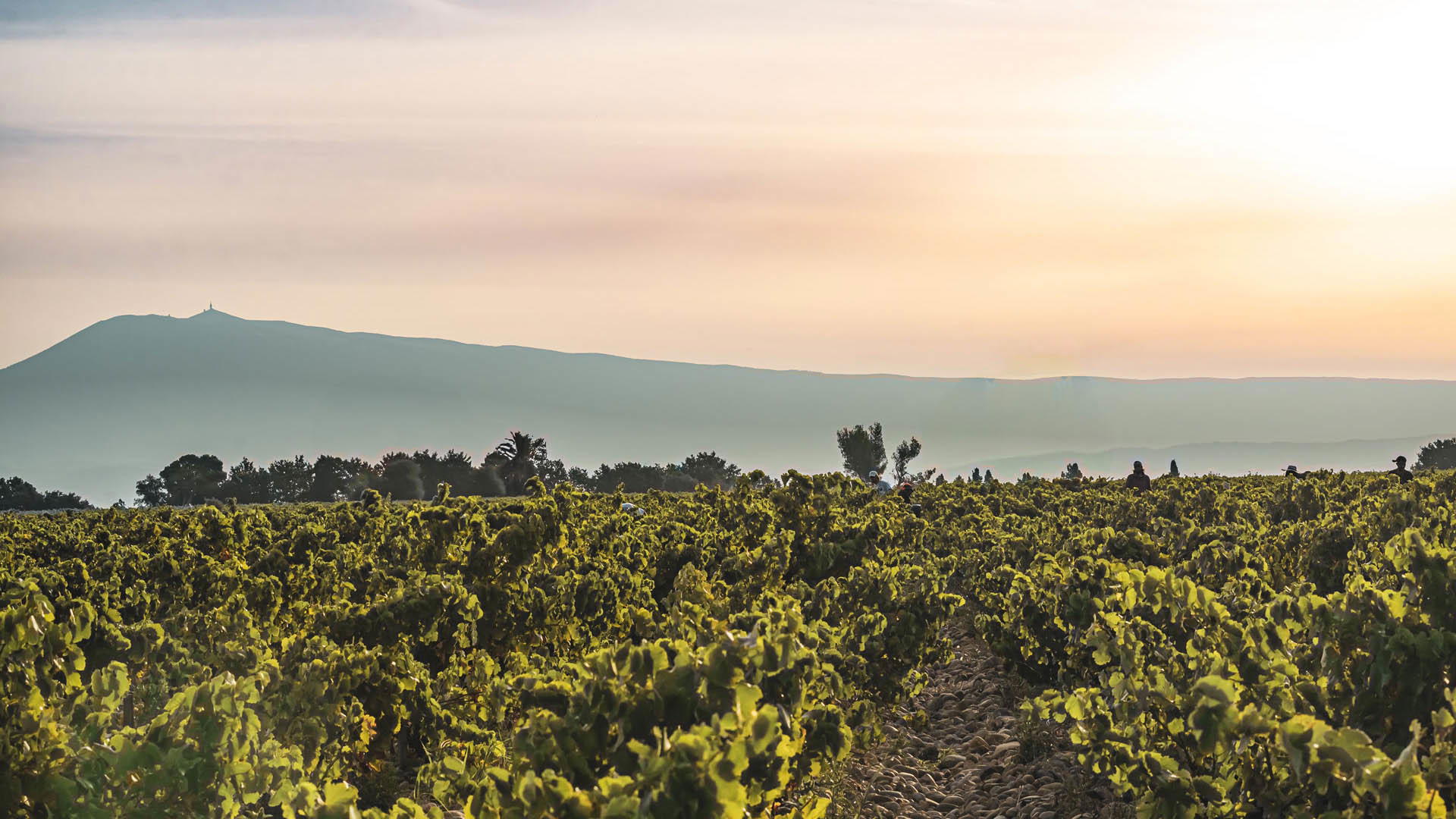
The cuisine classification at Le Vivier is Modern Cuisine, a category that in the French Michelin framework indicates technique-forward cooking with contemporary plating, as distinct from bistro tradition or strictly regional registers. Chef Romain Gandolphe works within that frame with attention to texture alongside flavour. The Luberon and surrounding Vaucluse give any serious kitchen strong seasonal material: early-spring asparagus, summer courgette flowers, autumn truffles from the Périgord boundary of the region, and the kind of stone-fruit harvests that make August and September in this corridor a different experience from any other month.
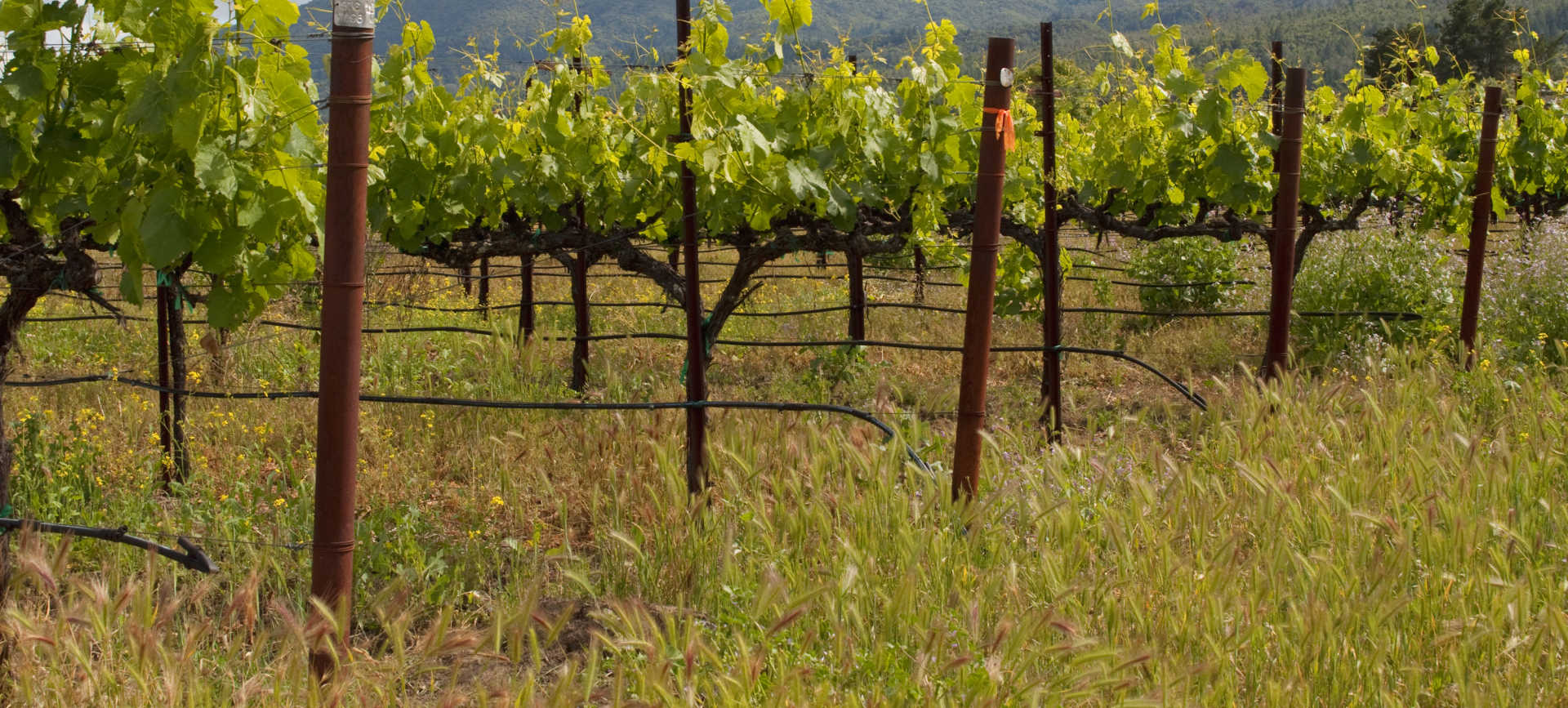
The wine list draws on regional appellations, which in the southern Rhône means a selection that can encompass Châteauneuf-du-Pape, Gigondas, Ventoux, and the Luberon AOC itself. Grenache-dominant blends are the regional default at the serious end of the list; for those who find the weight of a full Châteauneuf difficult across a multi-course lunch in summer heat, the Ventoux and Luberon appellations typically offer lighter, fresher expressions of the same varietals at a lower price point. A wine program described as interesting rather than comprehensive is often better suited to a tasting menu format than a cellar assembled for volume.
At the €€€ price point, the restaurant sits above the casual lunch tier represented by La Balade des Saveurs (Traditional Cuisine) and roughly at parity with Le Petit Henri (Provençal), though the Michelin credential separates it from both in terms of kitchen ambition. Solelh, the town's Modern Cuisine alternative at the €€ bracket, offers a lower entry point into the contemporary register. The distinction between these tiers matters for how you approach the meal: at €€€ with a star, the expectation is a structured service, a kitchen operating with intention, and a bill that reflects that.
Where Le Vivier Sits in the Regional Picture
Starred cooking in rural Provence has a lineage that extends beyond the immediate area. The south of France has produced kitchens at the level of AM par Alexandre Mazzia in Marseille and internationally recognised addresses like Flocons de Sel in Megève and Bras in Laguiole, all of which have built identities rooted in their specific geography rather than in proximity to a major urban dining market. What connects them is the premise that serious cooking does not require a capital city as its context, and that the terroir of a region can do work that a dense restaurant scene cannot replicate.
The restaurant operates on that same premise at a different scale. A single Michelin star in a town of roughly 20,000 is a different proposition from three stars in Paris or the multi-generational institutions like Auberge de l'Ill in Illhaeusern or Troisgros - Le Bois sans Feuilles in Ouches, but the act of Michelin recognising a kitchen in this setting signals that the guide's inspectors found technical consistency worth marking in a context where it is not required by market pressure. That is a different kind of achievement from maintaining a star in a city where the competition demands it.
For travellers moving through the Luberon corridor, the restaurant is a strong reason to stop in the area.
For those making a dedicated detour from further afield, Paul Bocuse - L'Auberge du Pont de Collonges in Collonges-au-Mont-d'Or offers a point of comparison for what French institutional fine dining looks like at its most historically anchored, while Frantzén in Stockholm and FZN by Björn Frantzén in Dubai represent how the same Modern Cuisine classification operates in entirely different market contexts.
Planning Your Visit
The restaurant is located at 800 Cours Fernande Peyre, L'Isle-sur-la-Sorgue, a short walk from the town centre. Service runs Wednesday through Friday for lunch (to 1:00 PM) and dinner (from 7:15 PM to 9:00 PM), with Sunday lunch extended to 1:30 PM. The restaurant is closed Monday, Tuesday, and Saturday. Given the limited weekly sittings and a 4.7 rating across more than 1,000 reviews, booking well ahead is the practical default, particularly for Sunday lunch slots or Friday evenings in summer.
What Should I Order at Le Vivier?
The restaurant's kitchen, operating under Michelin recognition and chef Romain Gandolphe's reported focus on texture and delicacy, works within a Modern Cuisine framework that prioritises composed dishes over simple ingredient presentation. The seasonal sourcing logic of the Vaucluse region suggests that menus shift with the agricultural calendar: stone fruits, courgettes, and herbs in summer; root vegetables and truffle-adjacent preparations in autumn and winter. The wine list draws on southern Rhône appellations, and a server's recommendation between a Luberon or Ventoux white and a fuller Rhône red is worth following as a guide to how the kitchen is thinking about any given dish's acidity and weight. On that basis, deferring to the set menu format, if offered, is one coherent way to experience what the kitchen is building toward on a given service day.
Cuisine Lens
Comparable venues nearby, for context on price, style, and recognition.
| Venue | Cuisine | Price | Awards | Notes |
|---|---|---|---|---|
| Le VivierThis venue — the venue you are viewing | Modern French Fine Dining | $$$ | Michelin 1 Star | Not listed |
| Solelh | Modern French Bistronomic | $$ | Bib Gourmand | L'Isle-sur-la-Sorgue (Antiques District) |
| Le Petit Henri | Bistronomic Provençal | $$$ | Michelin Plate | L'Isle-sur-la-Sorgue |
| La Prévôté | Indo-French Fusion Fine Dining | $$$ | Not listed | L'Isle-sur-la-Sorgue |
| La Balade des Saveurs | Modern French Bistro | $$ | Michelin Plate | L'Isle-sur-la-Sorgue |
| L'Atelier Du Jardin | Traditional Provençal Bistro | $$ | Not listed | L'Isle-sur-la-Sorgue |
Recognition history
Dated appearances from independent guides and award organizations, with the underlying list record or original source where available.
Michelin 1 Star
Michelin
Michelin 1 Star
Michelin
Michelin 1 Star
Michelin
Continue exploring
More in L'Isle-sur-la-Sorgue
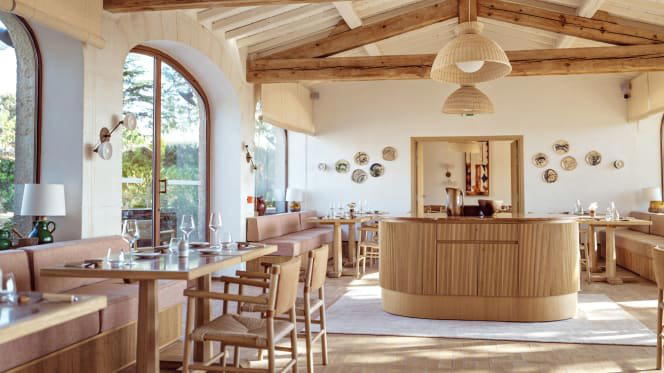
Restaurants in L'Isle-sur-la-Sorgue
Browse all →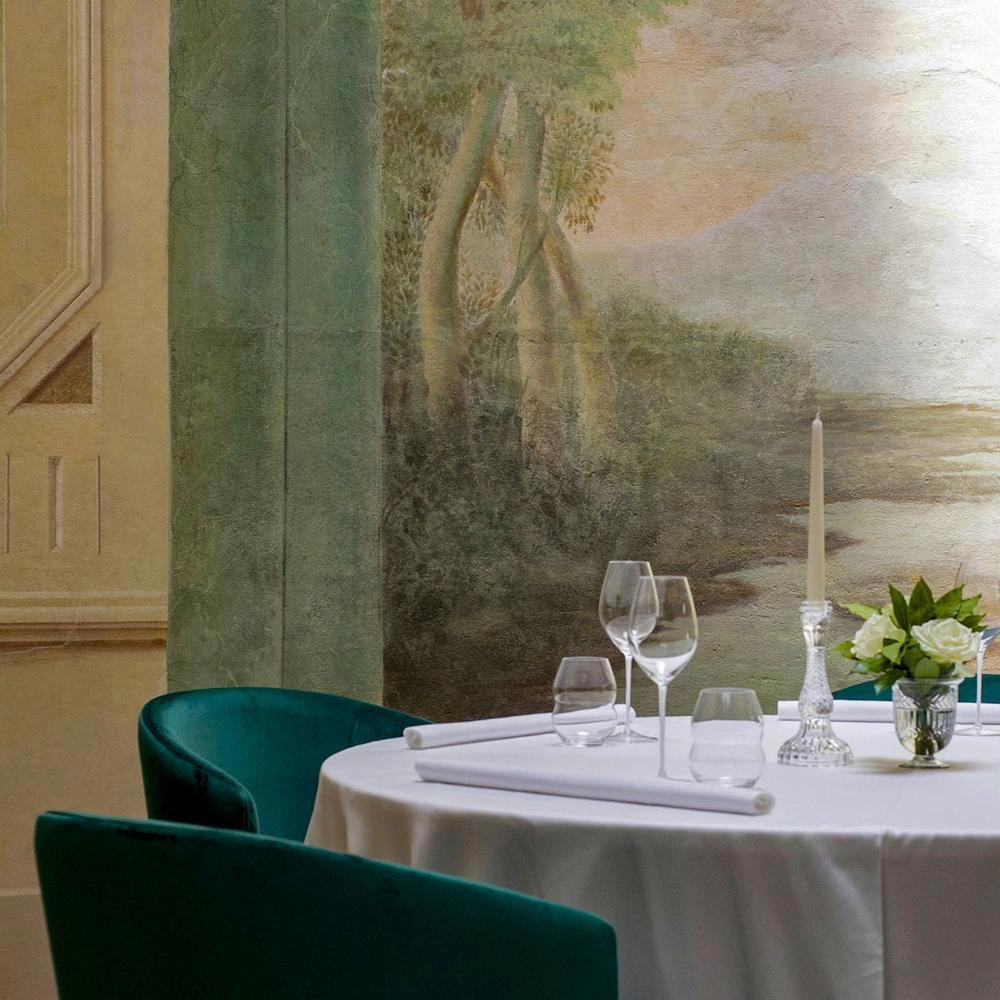
Bars in L'Isle-sur-la-Sorgue
Browse all →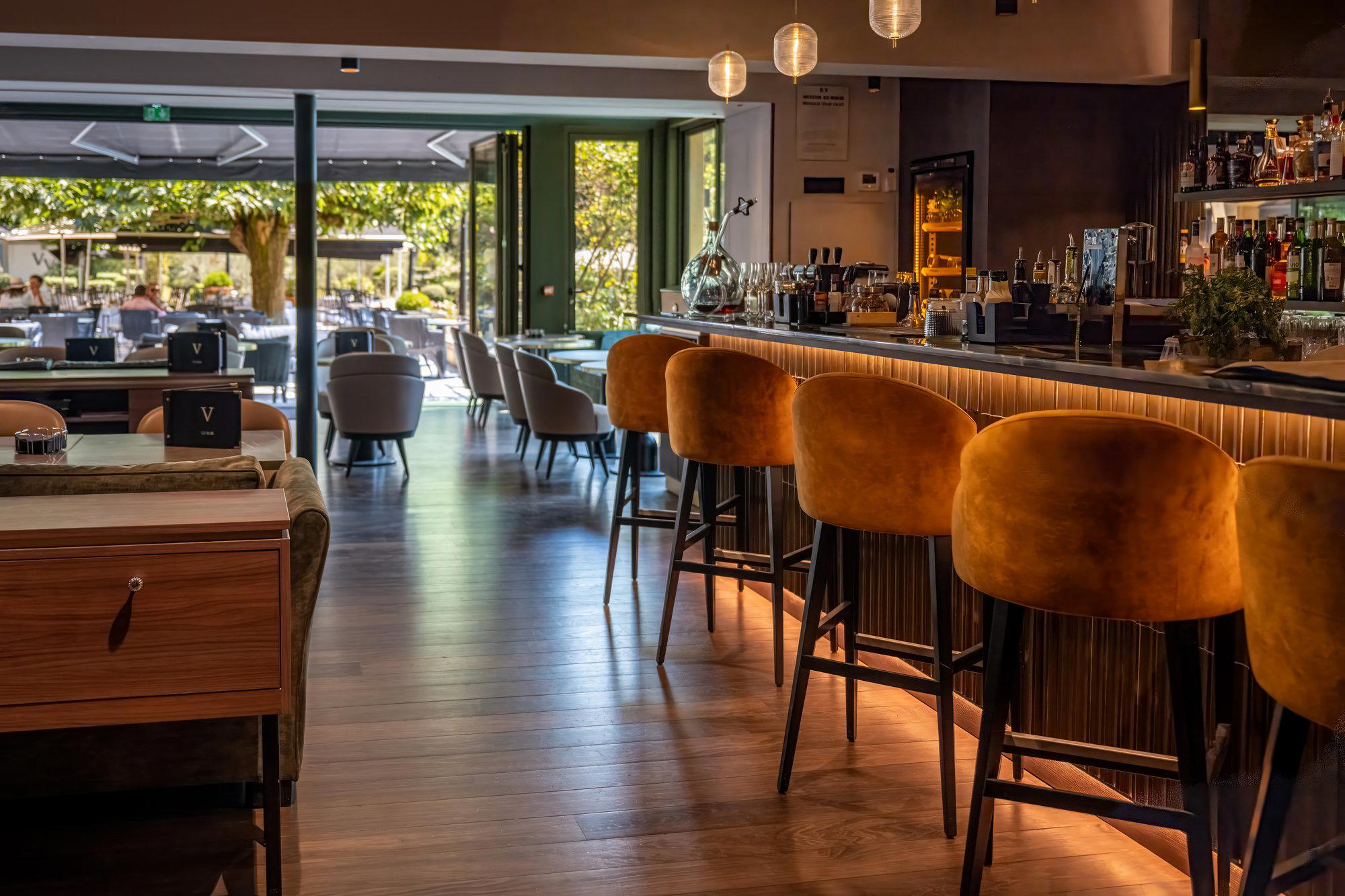
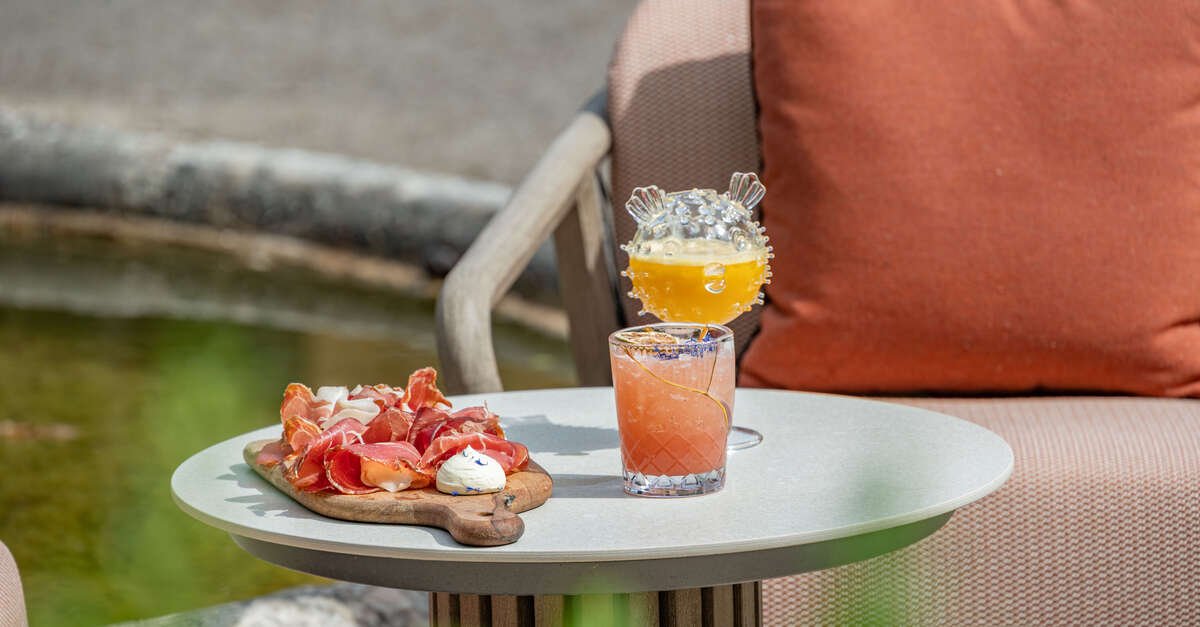
Hotels in L'Isle-sur-la-Sorgue
Browse all →
At a Glance
- Romantic
- Elegant
- Sophisticated
- Scenic
- Date Night
- Special Occasion
- Celebration
- Terrace
- Waterfront
- Panoramic View
- Extensive Wine List
- Sommelier Led
- Local Sourcing
- Waterfront
Current opening hours
- Monday
- Closed
- Tuesday
- Closed
- Wednesday
- Closed
- Thursday
- Closed
- Friday
- Closed
- Saturday
- Closed
- Sunday
- Closed
Hours can change for holidays and private events. Last verified .
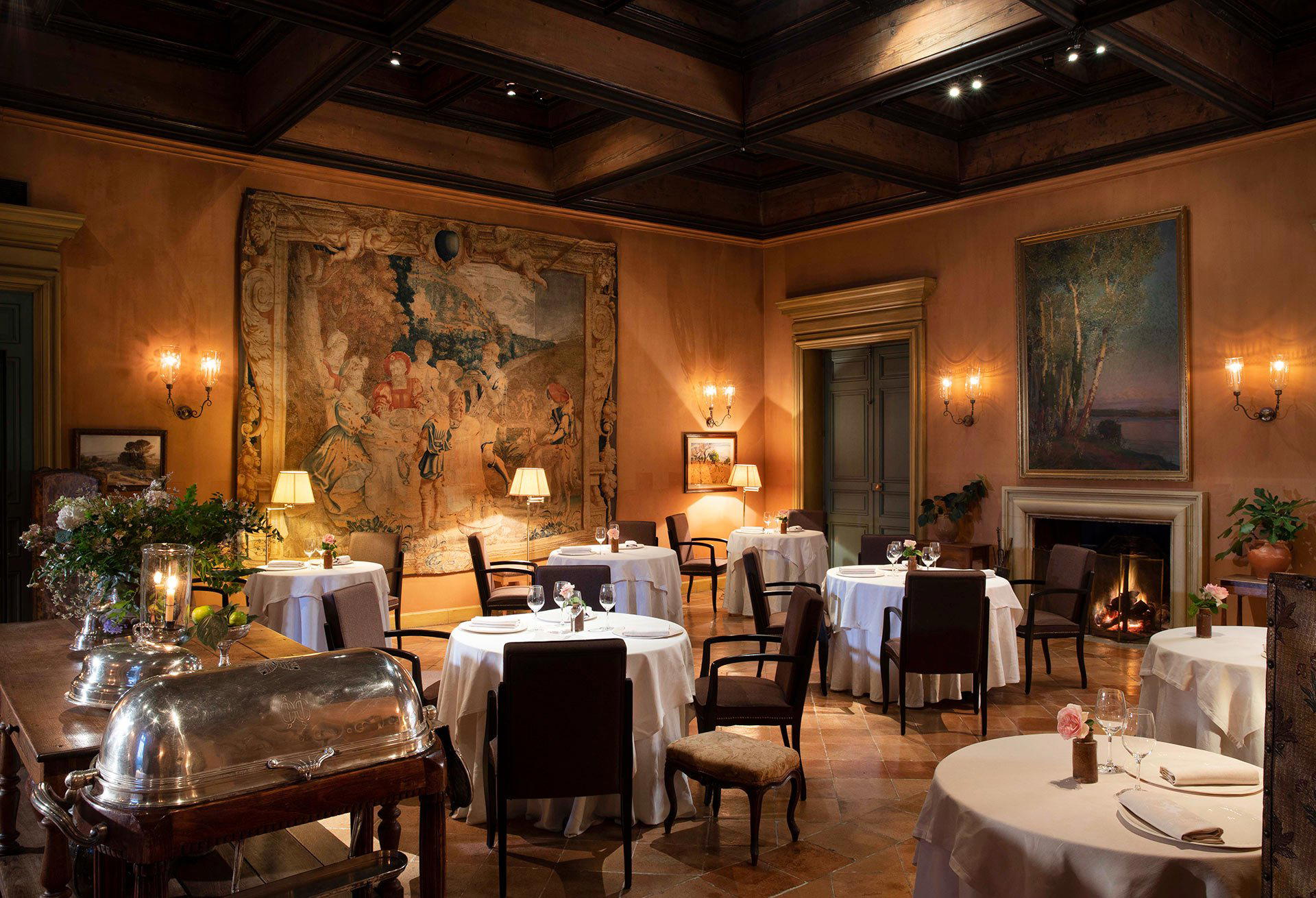
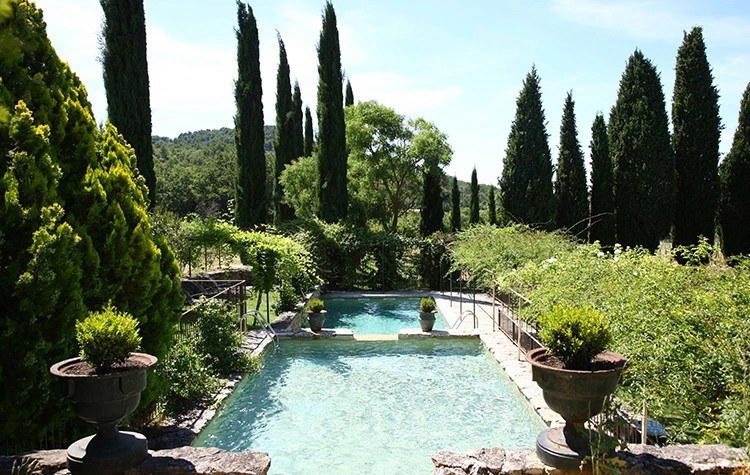
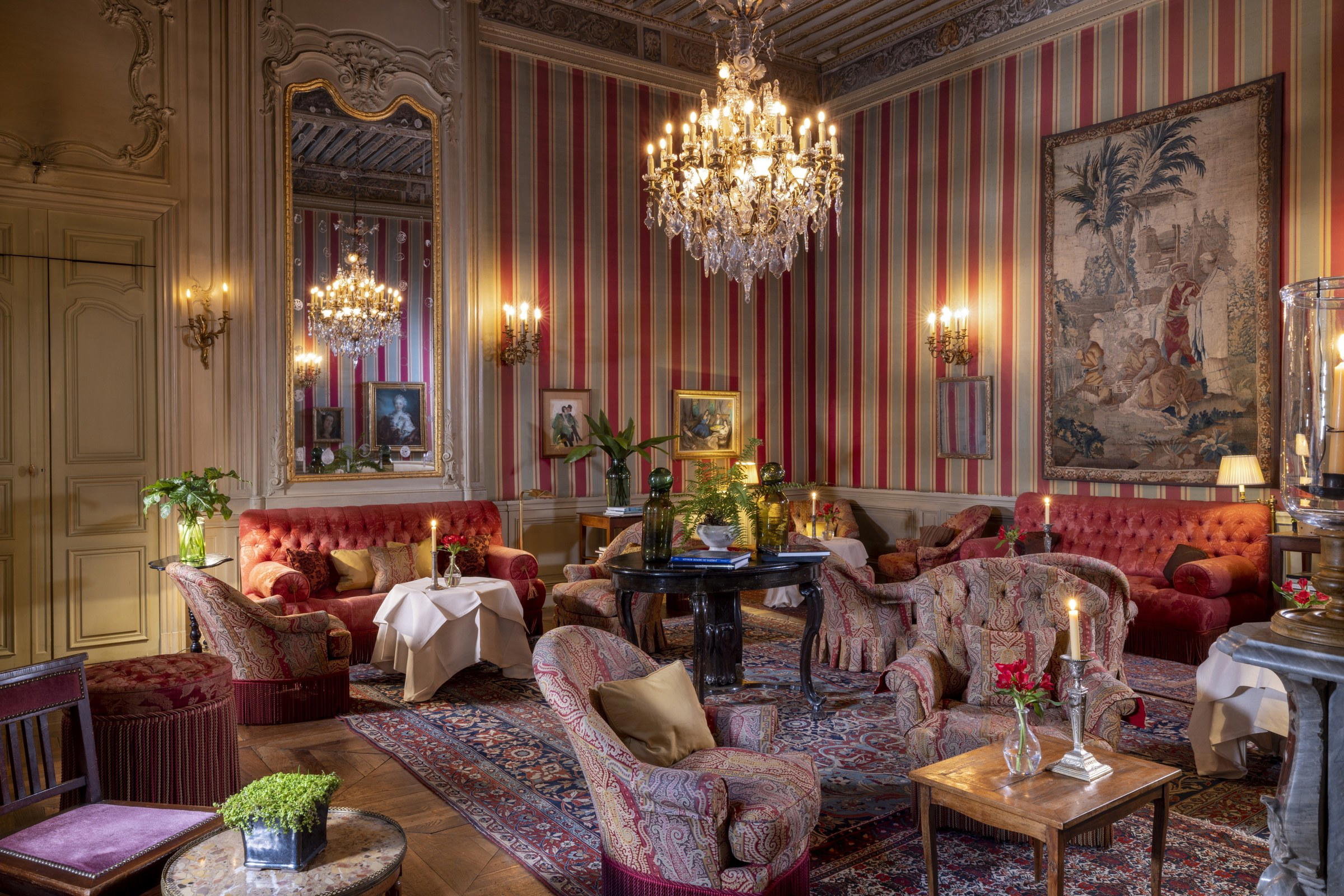
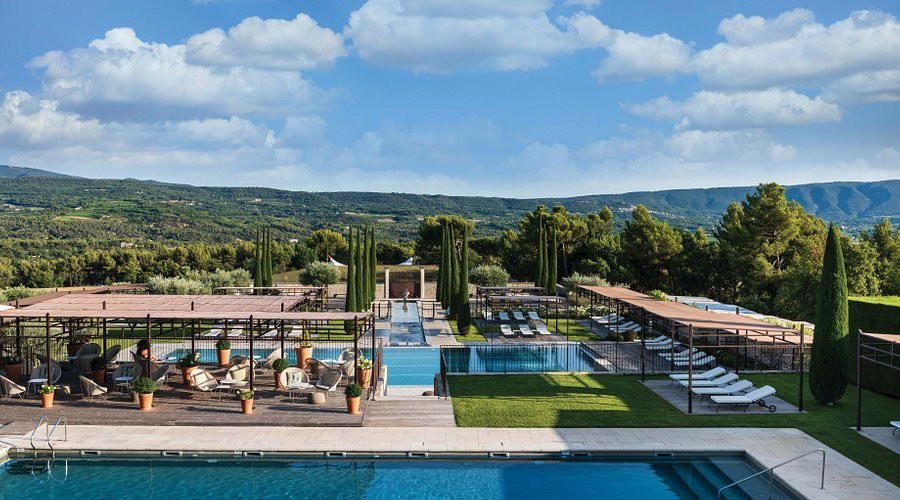
Contemporary and refined interior with warm, inviting decor; light-filled dining room with whimsical touches; tranquil riverside terrace with views of the Sorgue and lush green banks.