Le Poirier
Le Poirier sits in Burgh-Haamstede on the Zeeland coast, a region where proximity to the North Sea and the Oosterschelde estuary shapes what ends up on the plate. The restaurant occupies a quiet residential address on Hogeweg, placing it inside a dining tradition that draws on coastal and agricultural produce rather than urban supply chains. For visitors to Schouwen-Duiveland, it represents a considered local alternative to the island's more casual shoreside options.
Pearl is the En Primeur Club membership app — saves, bookings, and concierge access live there. Same editors, same standards.
- Address
- Hogeweg 59C, 4328 PB Burgh-Haamstede, Netherlands
- Phone
- +31111764799
- Website
- restaurantlepoirier.nl
- Directions
- Get directions
 Saves & bookings on Pearl
Where the Zeeland Coast Sets the Table
Burgh-Haamstede sits at the western edge of Schouwen-Duiveland, the island municipality that forms part of the Zeeland archipelago in the southwestern Netherlands. The area is defined by its exposure: dune landscapes to the west, the Oosterschelde tidal inlet to the south, and agricultural polders threading between them. That geography is not incidental to how restaurants here source and cook. The North Sea and the Oosterschelde together create one of Europe's more distinctive ingredient environments, producing oysters, mussels, crab, and flat fish that move from water to kitchen within distances that most urban restaurants cannot replicate. Le Poirier, addressed at Hogeweg 59C in the village, operates within that context.
The broader Zeeland dining scene has developed quietly relative to the Michelin-concentrated restaurant corridors of Noord-Brabant or the Randstad. Yet it has produced serious cooking, most notably at Inter Scaldes in Kruiningen, which holds two Michelin stars and has long demonstrated that the province's produce can support cooking at any level of ambition. Le Poirier occupies a different position within the same regional supply network, at a village scale and without the formal tasting-menu apparatus that defines Kruiningen's flagship. For visitors working through our full Burgh Haamstede restaurants guide, it represents an accessible point of entry into the island's food character.
The Ingredient Argument for Coastal Zeeland
Understanding why Zeeland matters to serious eaters in the Netherlands requires looking at the Oosterschelde specifically. The estuary's tidal flow and salinity levels produce shellfish with a mineral intensity that differs markedly from farmed product elsewhere in the country. Zeeland oysters, particularly from certified producers along the Oosterschelde, carry protected geographical status and supply some of the Netherlands' most demanding kitchens. Restaurants in this region that source locally are drawing on a supply chain with genuine specificity, not simply proximity.
That sourcing logic extends beyond shellfish. The polders of Schouwen-Duiveland support lamb grazing on salt-marsh grasses, which produces meat with a flavour profile distinct from inland-raised alternatives. The sandy soils of the island yield asparagus and potatoes that retain regional identity. For a restaurant like Le Poirier, working within that agricultural and coastal radius is less a marketing position and more a practical advantage: the ingredients available within a short distance of Hogeweg are, in season, among the stronger raw materials available to any kitchen in the Netherlands.
This connects Le Poirier to a wider Dutch movement toward place-based cooking that has gathered pace over the past decade. Restaurants such as De Nieuwe Winkel in Nijmegen, which holds two Michelin stars and operates with an organic and plant-forward sourcing philosophy, have helped shift the terms of serious Dutch dining away from classical French frameworks toward a conversation about where ingredients originate. At the other end of the ambition scale, village-level restaurants that engage the same local supply logic contribute to a broader ecosystem in which producers have markets and traditions remain legible on the plate.
The Setting on Hogeweg
The physical address on Hogeweg places Le Poirier in the residential fabric of Burgh-Haamstede rather than on a commercial strip or a seafront promenade. That positioning is characteristic of a certain type of Dutch provincial restaurant: quietly located, known primarily by word of mouth and local reputation, without the foot-traffic advantage of a harbour-facing terrace. The approach to such a restaurant is typically unhurried, through tree-lined streets that carry the particular stillness of a Zeeland village outside of summer peak season.
The contrast with the more formally staged dining environments of the urban Netherlands is notable. Restaurants such as Ciel Bleu in Amsterdam or FG in Rotterdam operate within city-centre contexts where the setting is inseparable from the theatrical dimension of the meal. A village restaurant in Zeeland operates on different terms, where the surrounding landscape and the journey to reach it form part of the experience before the door opens.
Placing Le Poirier in the Dutch Restaurant Scene
Netherlands has developed one of Europe's more concentrated fine-dining ecosystems relative to its size, with Michelin recognition spread across provincial cities and rural locations as well as the major urban centres. Among the restaurants that define the upper register of that scene, several share a sourcing seriousness that connects them to their immediate geography. De Bokkedoorns in Overveen works with North Sea fish; De Treeswijkhoeve in Waalre anchors itself in Brabant's agricultural tradition; De Lindehof in Nuenen draws on Eindhoven-area producers. The pattern holds across different price tiers and formats: Dutch kitchens increasingly argue through their sourcing.
The restaurant operates in this broader context, even at a smaller scale than the starred properties. The name itself, French for pear tree, signals a European culinary sensibility applied to a Dutch coastal setting, a combination not uncommon in the Netherlands' restaurant culture, where classical training and local ingredient logic often coexist. Comparable approaches can be seen at Brut172 in Reijmerstok and Tribeca in Heeze, both of which work at the intersection of French-influenced technique and Dutch provincial produce.
For those who have experienced the precision sourcing arguments made by restaurants like Le Bernardin in New York City around seafood, or the ingredient-led intensity of Atomix in New York City, the Zeeland coastal context offers a different but related proposition: produce with traceable geography, a short supply radius, and seasonal specificity that changes the character of the menu between spring and autumn.
Planning Your Visit
Burgh-Haamstede is most accessible by car from Rotterdam or Antwerp, with journey times of roughly 75 to 90 minutes depending on the route across the Delta Works infrastructure. The village sits near the tip of Schouwen-Duiveland, meaning it is effectively the end point of a drive rather than a stop on a route. Summer brings significant visitor numbers to the island's beach at Renesse, so accommodation and table availability across the area tightens from late June through August. Visiting outside peak summer, particularly in May or September, allows access to the Zeeland coast at its least congested, with produce calendars that include asparagus and early-season North Sea fish in spring and salt-marsh lamb in autumn.
How Le Poirier Burgh Haamstede compares with similar nearby venues.
| Venue | Cuisine | Price |
|---|---|---|
| Restaurant Rootsch | Modern French | €€€ |
Continue exploring
More in Burgh Haamstede
Restaurants in Burgh Haamstede
Browse all →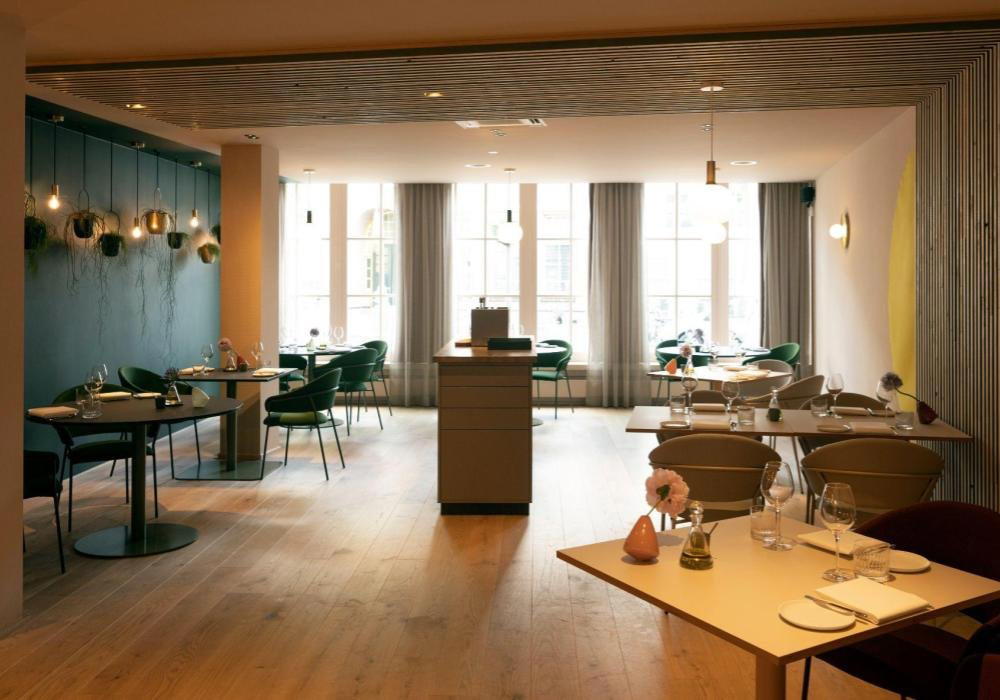
Bars in Burgh Haamstede
Browse all →
At a Glance
- Elegant
- Sophisticated
- Cozy
- Intimate
- Date Night
- Special Occasion
- Celebration
- Hotel Restaurant
- Terrace
- Open Kitchen
- Sommelier Led
- Beer Program
- Local Sourcing
- Farm To Table
- Sustainable Seafood
Current opening hours
- Monday
- Closed
- Tuesday
- 12–10 PM
- Wednesday
- 12–10 PM
- Thursday
- 12–10 PM
- Friday
- 12–10 PM
- Saturday
- 12–10 PM
- Sunday
- Closed
Hours can change for holidays and private events. Last verified .
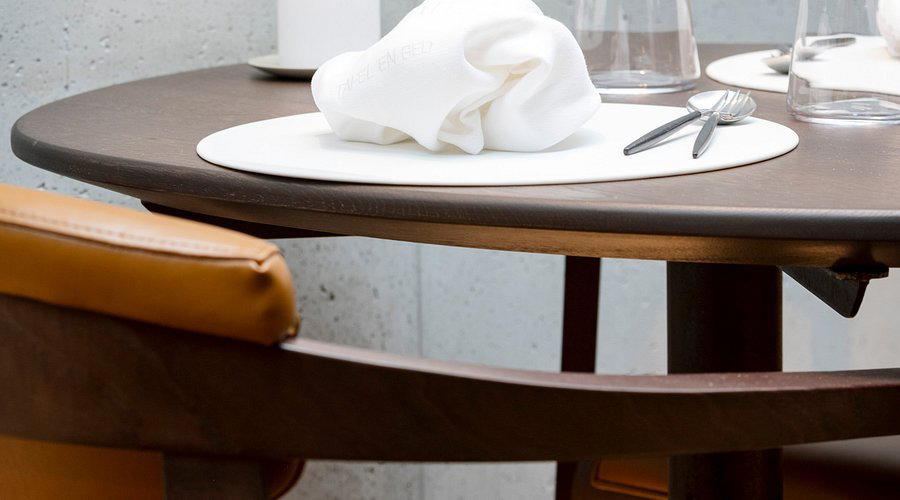
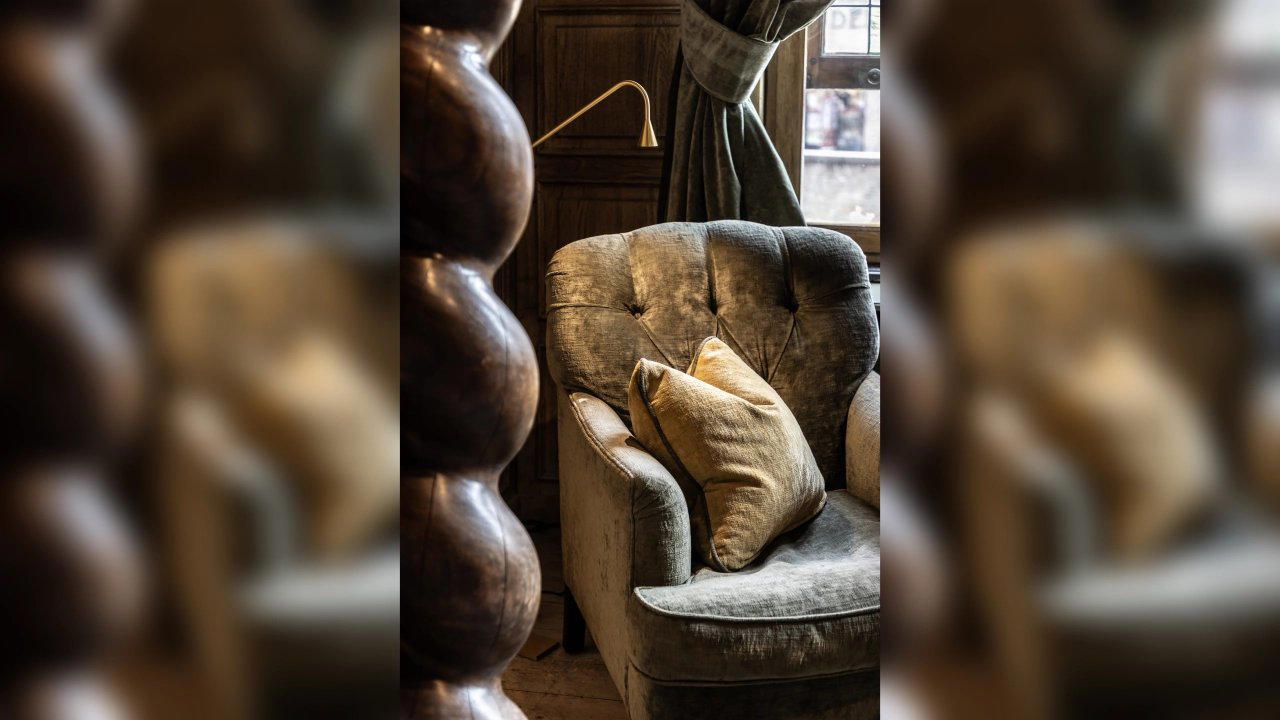
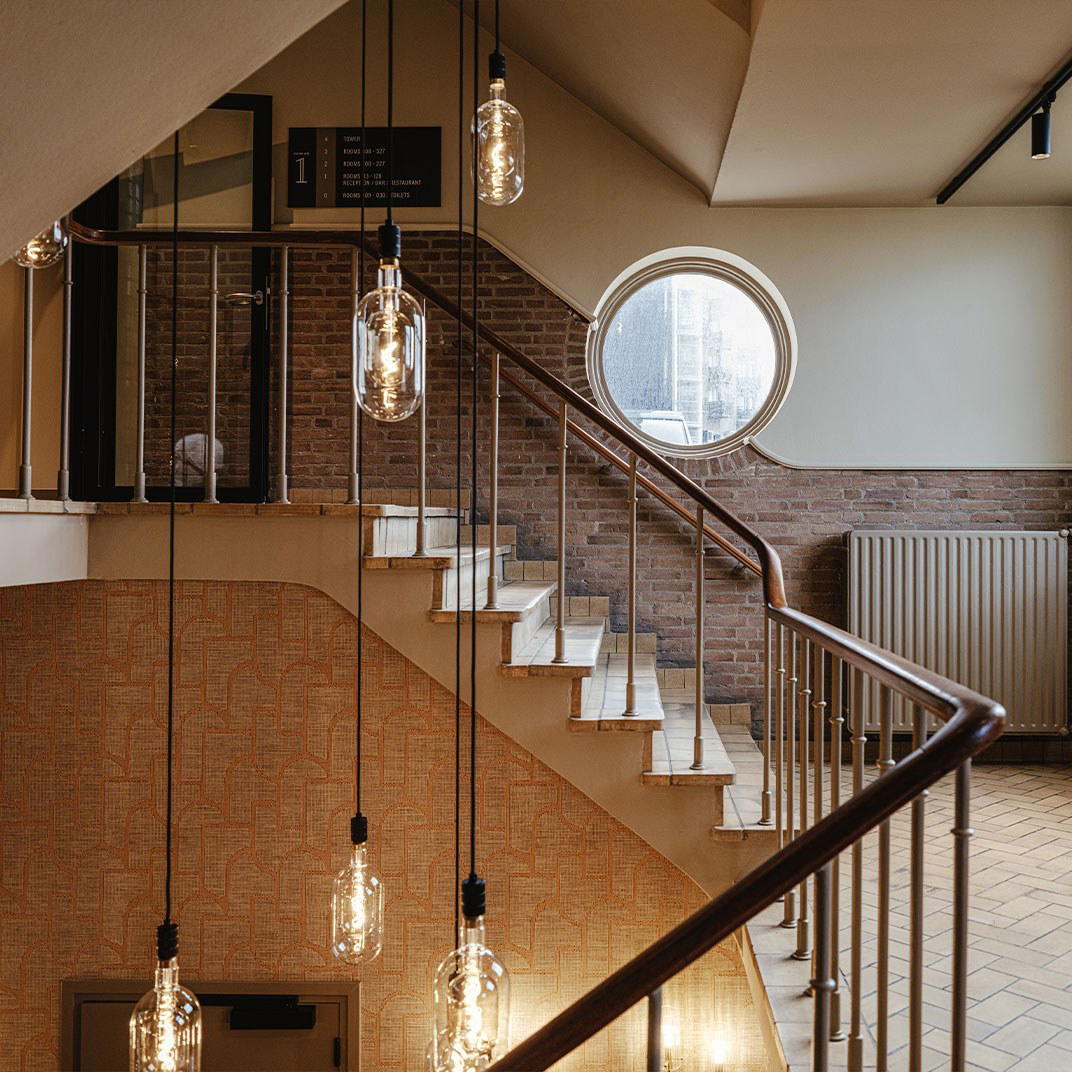
Refined and elegant with stylish decor featuring splashes of green; intimate lighting creates a sophisticated yet welcoming atmosphere for a leisurely culinary experience.