
Le Philippe brings consistent French cooking to Rekem, a quiet corner of the Limburg province near the Dutch border, with back-to-back Michelin Plate recognition in 2024 and 2025 confirming its place among Belgium's mid-tier French houses. The €€ pricing positions it well below the country's starred destination circuit while drawing on the same classical repertoire..
Pearl is the En Primeur Club membership app — saves, bookings, and concierge access live there. Same editors, same standards.
- Address
- Le phelippe, 3621 Lanaken, Belgium
- Phone
- +32 498 34 14 08
- Website
- le-philippe.be
- Directions
- Get directions
 Saves & bookings on Pearl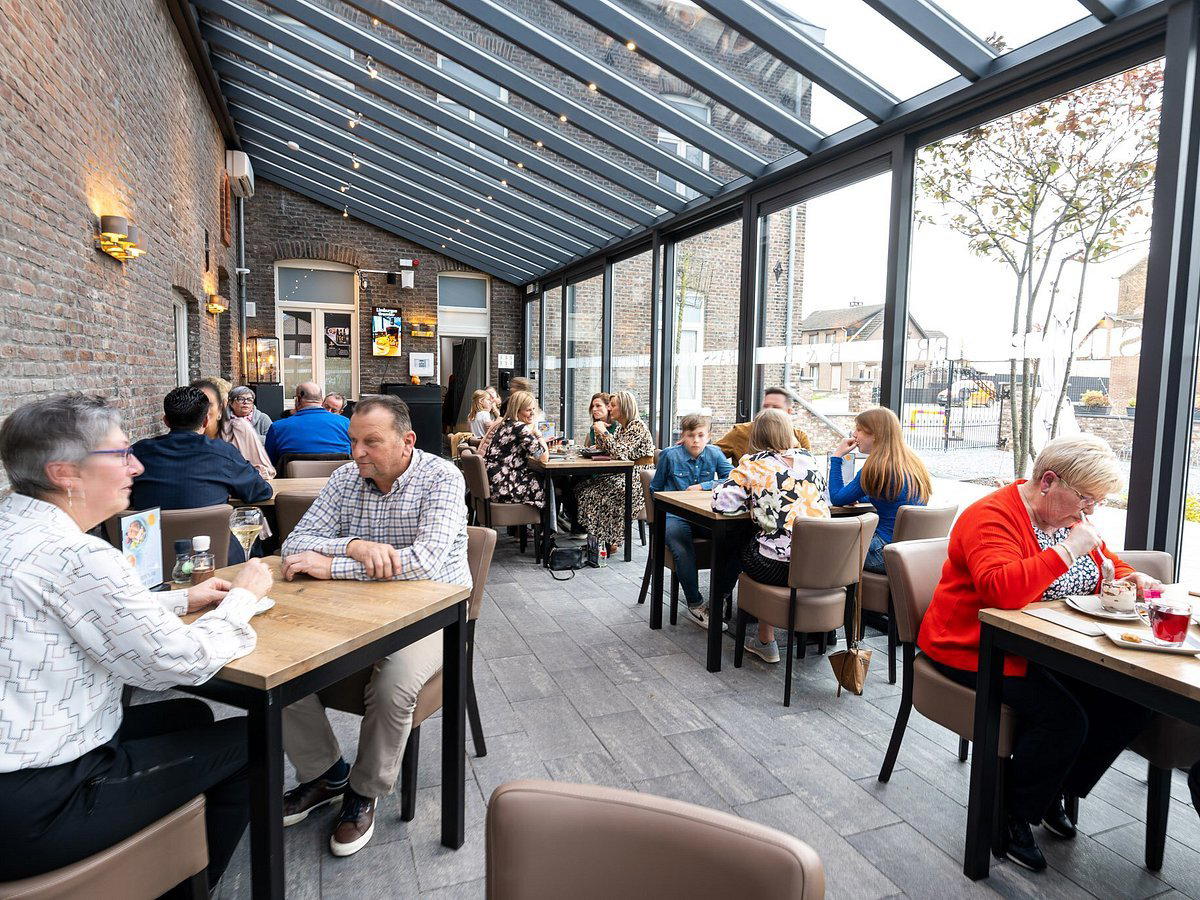
French Cooking at the Edge of Limburg
The Meuse valley corridor that runs through Limburg's eastern tip, where Belgium shades into the Netherlands and Germany sits a few kilometres east, has never been a headline dining destination. That is precisely what makes the French restaurant tradition here worth paying attention to. Away from Antwerp's competitive starred scene and Brussels' formal dining institutions, a handful of mid-register French houses have built steady reputations by delivering classical technique without the price structures that define the country's destination circuit. Le Philippe, in the small municipality of Rekem within greater Lanaken, operates in that register: €€ pricing.
The Michelin Plate, awarded to restaurants that produce cooking of good quality without reaching Bib Gourmand or star level, is a useful calibration tool. It places Le Philippe above the undifferentiated mass of French brasseries while acknowledging it occupies a different tier from Belgium's starred houses. For full context on where that tier sits nationally, consider that properties like Boury in Roeselare or Zilte in Antwerp price at €€€€ and carry multiple stars. Le Philippe is not competing in that space, and the Plate designation confirms it is not trying to.
What the French Tradition Looks Like at This Price Point
Classical French cooking in Belgium has historically occupied two distinct registers. At one end, the grand maisons, many of them in Brussels or the Flemish cities, run formal tasting menus rooted in French technique but increasingly inflected by Flemish and Walloon produce. At the other end, neighbourhood bistro cooking serves the everyday French repertoire, butter-forward and season-conscious, with pricing that keeps the room full midweek. The €€ bracket where the restaurant sits belongs to the second register, where the quality signal is not innovation or provenance storytelling but execution: sauces reduced correctly, proteins rested properly, timing that respects the ingredient.
For readers who follow the Belgian French-language restaurant tradition, there are comparable houses worth mapping against. d'Eugénie à Emilie in Baudour and L'Eau Vive in Arbre both operate in the French register in Wallonia, while La Durée in Izegem brings French-Belgian creative cooking to West Flanders. The restaurant's position in Limburg fills a gap in the eastern province.
The geographic context matters for understanding the cooking's likely character. Limburg sits at the intersection of three countries, and the region's agricultural output, including asparagus from the sandy soils north of Hasselt, chicory from the Meuse plain, and fruit from the Haspengouw, has historically fed a kitchen tradition that leans on seasonal availability rather than year-round product sourcing from distant suppliers. French restaurants in this zone, operating at accessible price points, tend to reflect that pragmatism: the menu follows what is grown close by, and the classical French framework acts as the technical vocabulary rather than a statement of geographic loyalty.
Rekem and the Lanaken Context
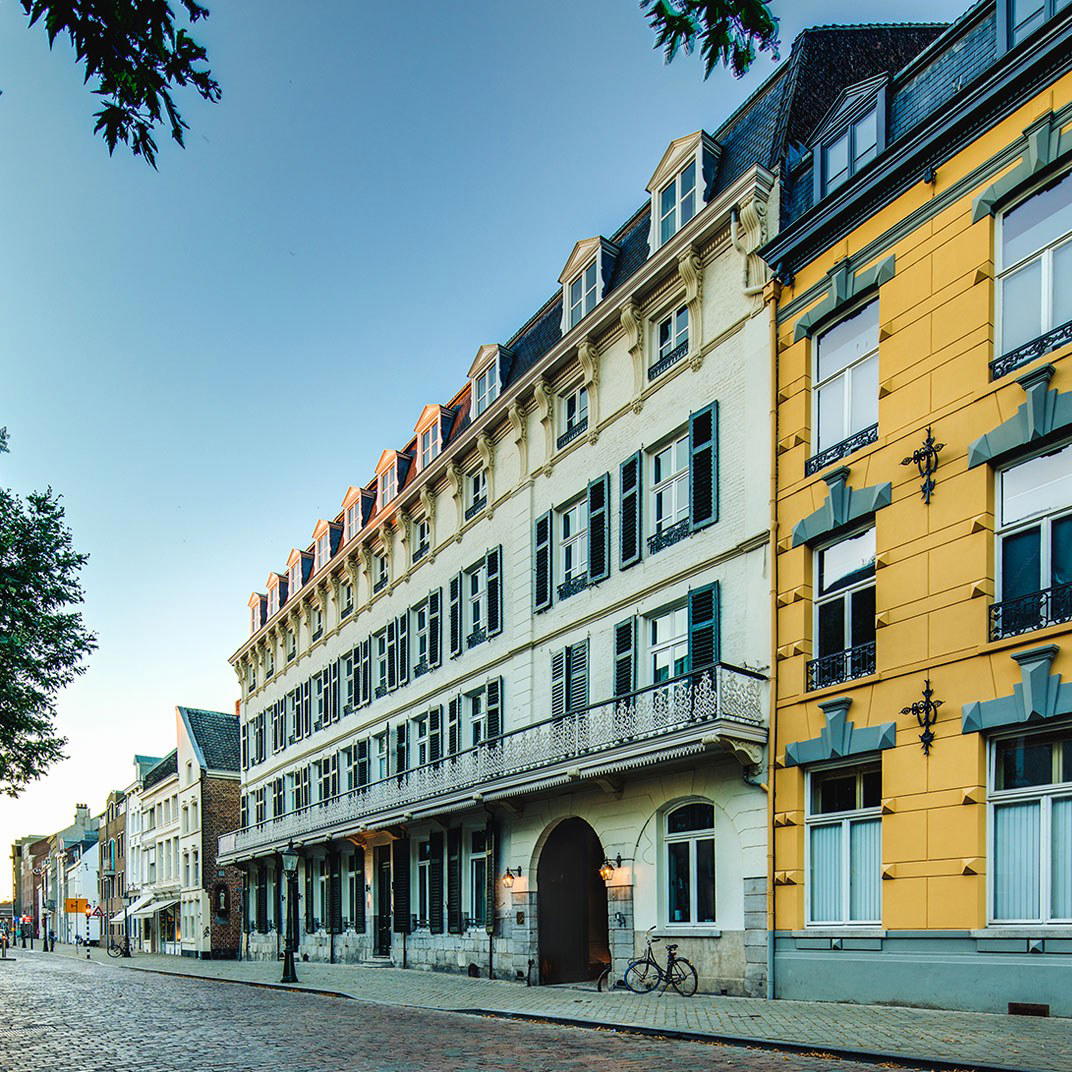
Rekem is a protected heritage village within the Lanaken municipality, its cobbled centre and riverside position on the Albert Canal giving it a quiet formality that most Limburg towns lack. The dining scene here is limited in scale but not in ambition for what it is: a local community with cross-border traffic from Maastricht, roughly 10 kilometres north, and from the Liège axis to the southwest. A French restaurant at the €€ level fits the local economy and the cross-border visitor pattern, where Dutch and German diners cross into Belgium partly for value and partly for a French cooking tradition that does not translate easily into either neighbouring country's restaurant culture.
For visitors building a wider Limburg itinerary, Ralf Berendsen in Neerharen offers a nearby reference point in the same sub-region.
Where Le Philippe Fits in the Belgian French Scene
Belgium's French restaurant tradition is more internally varied than its international reputation suggests. The country's Michelin presence is dense relative to population, and the gap between a Plate-level house and a two-star property is significant in both technique and price. At the national level, Hof van Cleve in Kruishoutem and Willem Hiele in Oudenburg represent the upper boundary of what Belgian cooking reaches for, while Bozar Restaurant in Brussels and Sir Kwinten in Sint-Kwintens-Lennik illustrate the range of creative expression across price tiers. The restaurant sits below all of these in price and recognition, which is not a criticism. The Plate houses carry a different function in the dining ecosystem: they are where the classical tradition is maintained in communities that the starred circuit does not reach.
For readers curious about how French discipline translates across different geographies, the contrast with Sézanne in Tokyo or Hotel de Ville Crissier in Crissier is instructive: both represent what happens when French technique is applied at the summit of its register in non-French settings. The restaurant is the other end of that axis, where the same tradition operates at ground level in its home territory.
Planning a Visit
The restaurant's address places it in Lanaken's broader postal zone at 3621, with Rekem's village centre accessible by car from Maastricht in roughly fifteen minutes and from Hasselt in around twenty-five. The €€ price bracket suggests a main course range consistent with mid-tier French houses in the region, placing a full dinner for two, with wine, comfortably below what the country's starred circuit charges per head. Booking ahead for weekend evenings is advisable.
Quick Comparison
Comparable venues nearby, for context on price, style, and recognition.
| Venue | Cuisine | Price | Awards | Notes |
|---|---|---|---|---|
| Le PhilippeThis venue — the venue you are viewing | Classic French Bistro | $$$ | Michelin Plate | Not listed |
| Klost’r | French with Eastern Influences | $$$ | Michelin Plate | Vlijtingen |
| L'O de Source | Contemporary French | $$$ | Michelin Plate | Sart-lez-Spa |
| Un temps pour Soi | French Market Bistro | $$$ | Michelin Plate | Villers-le-Bouillet |
| Au Moriane | Modern French with Asian and Mediterranean influences | $$$ | Michelin Plate | En Neuvice |
| Maison du Luxembourg | Contemporary French & Seasonal European | $$$ | Michelin Plate | Ixelles |
Recognition history
Dated appearances from independent guides and award organizations, with the underlying list record or original source where available.
Michelin Plate
Michelin
Michelin Plate
Michelin
Continue exploring
More in Rekem
Restaurants in Rekem
Browse all →
Bars in Rekem
Browse all →
Hotels in Rekem
Browse all →

At a Glance
- Cozy
- Romantic
- Classic
- Elegant
- Date Night
- Special Occasion
- Celebration
- Group Dining
- Waterfront
- Historic Building
- Terrace
- Extensive Wine List
- Sommelier Led
- Local Sourcing
- Farm To Table
- Waterfront
Current opening hours
- Monday
- Closed
- Tuesday
- 6 PM–12 AM
- Wednesday
- 6 PM–12 AM
- Thursday
- 6 PM–12 AM
- Friday
- 12 PM–12 AM
- Saturday
- 6 PM–12 AM
- Sunday
- Closed
Hours can change for holidays and private events. Last verified .
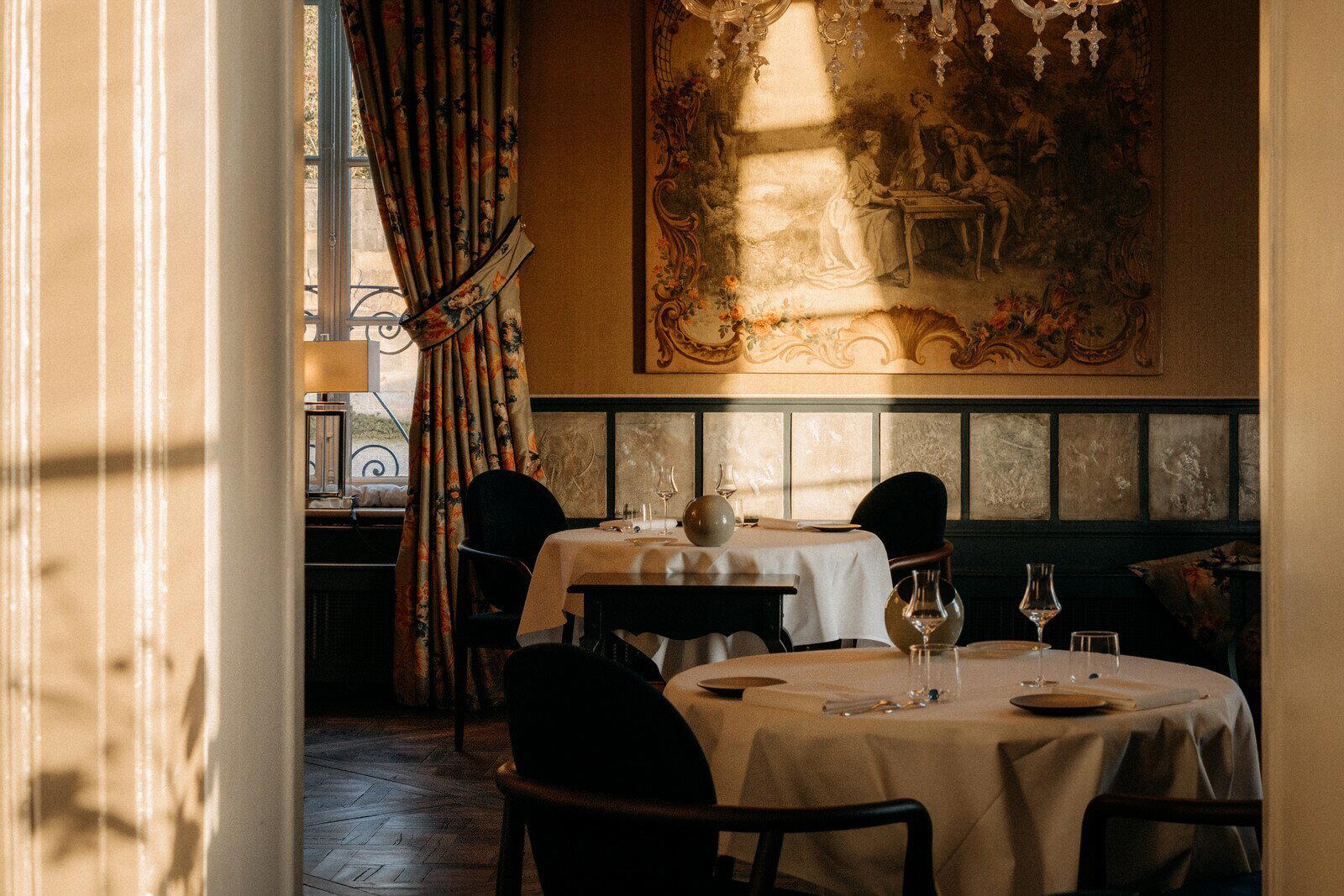
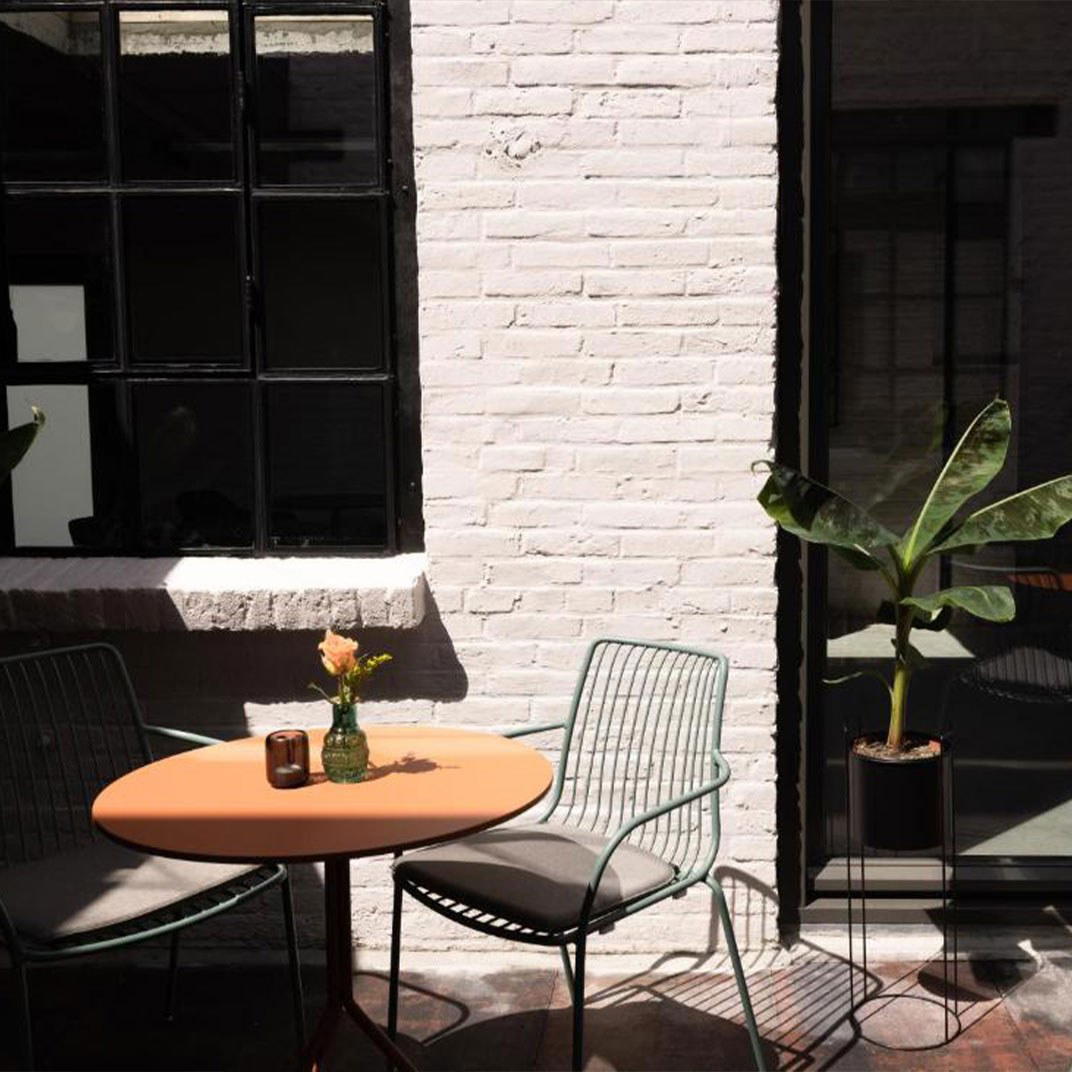
Warm lamplight, brushed wood, soft French chansons, and vintage Parisian décor create a quietly romantic, nostalgic mood that feels like stepping into a French postcard.