
In the Liège Ardennes, L'O de Source brings a farm-to-table approach to Sart's rural station address, earning consecutive Michelin Plates in 2024 and 2025. The cooking draws directly from local producers and the surrounding landscape, keeping price anchored at the €€ tier without sacrificing the sourcing discipline more associated with higher-price Belgian tables. The address has built consistent local trust.
Pearl is the En Primeur Club membership app — saves, bookings, and concierge access live there. Same editors, same standards.
- Address
- Station 32, 4845 Jalhay, Belgium
- Phone
- +32 87 22 11 39
- Website
- lodesource.be
- Directions
- Get directions
 Saves & bookings on Pearl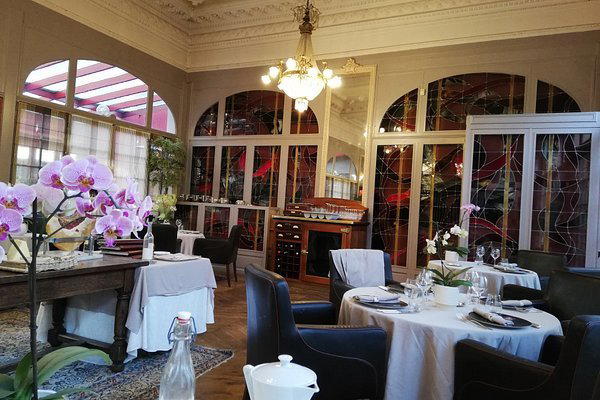
A Railway Village, a Source, and the Argument for Eating Where You Are
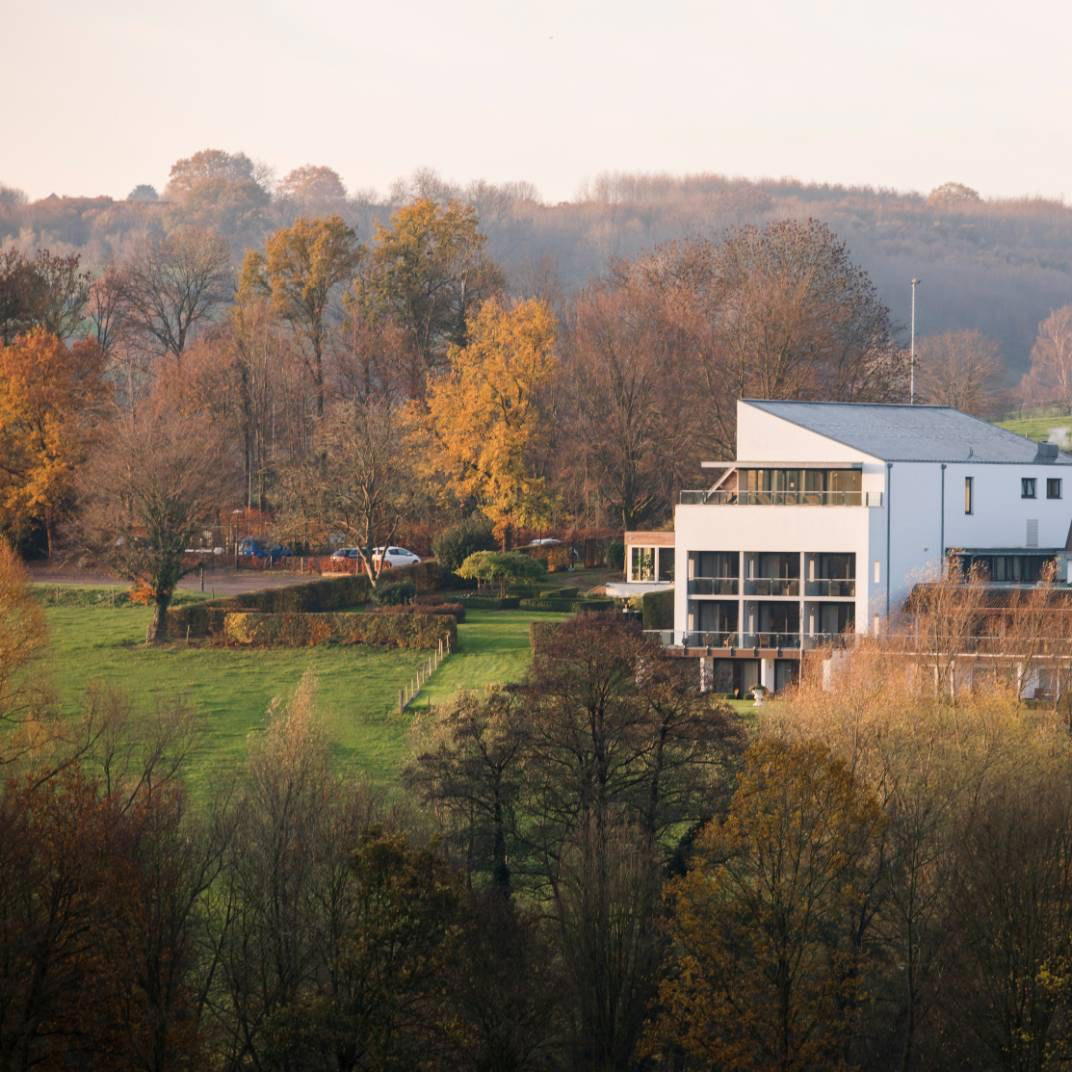
The Belgian Ardennes have long operated as a counterweight to the country's urban fine-dining axis. While Brussels, Antwerp, and Ghent accumulate starred addresses and tasting-menu prestige, the eastern cantons around Liège offer a different proposition: tables rooted in agricultural land rather than city ambition, where the sourcing logic is geographic rather than conceptual. L'O de Source, at Station 32 in Jalhay-Sart, sits inside that tradition. The address is a former railway station village in the Hautes-Fagnes foothills, and the restaurant draws its identity from the productive countryside surrounding it rather than from any metropolitan reference point.
That rurality is not incidental. The farm-to-table framework that L'O de Source operates within has become a structuring idea across Belgian gastronomy over the past decade, appearing at price points from neighbourhood bistros to three-Michelin-star houses. What distinguishes the Ardennes version from its urban counterparts is proximity: the gap between field and plate is measured in minutes of driving rather than in supply-chain logistics. For a €€ restaurant operating outside a major city, that proximity is both a practical advantage and a coherent identity.
Why Sourcing Discipline at This Price Point Matters
Belgium's most discussed farm-to-table practitioners tend to operate at the upper end of the price spectrum. L'air du Temps in Liernu and Au Gré du Vent in Seneffe both frame their sourcing as central to a premium offer. At the €€€€ tier, addresses like Boury in Roeselare and De Jonkman in Sint-Kruis fold ingredient provenance into a tasting-menu architecture that commands corresponding prices. L'O de Source makes a different argument: that rigorous sourcing does not require a €€€€ price structure to be credible.
The consecutive Michelin Plates in 2024 and 2025 are worth reading carefully in that context. A Michelin Plate signals good cooking, assessed against the full range of criteria the guide applies, without the additional layers of service, mise-en-place, and luxury product that typically drive star classifications. For a €€ restaurant in a rural Walloon village, Plate recognition two years running indicates that the cooking holds up to formal scrutiny, not merely to local affection.
Across the broader Belgian restaurant category, the Michelin Plate tier includes tables that often outperform their price positioning. Castor in Beveren and Cuchara in Lommel operate at the €€€€ level with two stars each; the restaurant occupies a markedly different price band while still attracting the same annual guide attention. That compression of value is precisely what makes Ardennes farm-to-table addresses worth tracking separately from the urban fine-dining circuit.
The Ardennes Sourcing Context
The Hautes-Fagnes plateau and the valleys running south towards Stavelot and Spa represent one of Belgium's most productive agricultural microclimates. The region supplies game, dairy, river fish, and seasonal produce that define a distinctly eastern Belgian table. Restaurants anchored here, rather than importing their ingredient identity from elsewhere, have access to a larder that changes with genuine seasonal logic: not the softened version of seasonality that urban restaurants describe when they swap a winter menu for spring, but the hard transition that comes when the land actually changes.
Farm-to-table cooking in this geography is therefore less a philosophical stance than a practical description. The proximity to producers that Ardennes restaurants share by default requires a different kind of menu discipline: dishes must flex as harvests shift, and the kitchen's relationships with nearby farms, dairies, and foragers become structural rather than decorative. At the restaurant, the Station 32 address in Jalhay places the restaurant within easy reach of that supply network, and the €€ pricing suggests the kitchen is working with those local materials directly rather than layering them into luxury product combinations.
Placing L'O de Source in the Belgian Conversation
Belgium's restaurant culture tends to concentrate its international attention on a handful of urban and peri-urban addresses. Zilte in Antwerp, Hof van Cleve in Kruishoutem, and Bozar in Brussels draw the kind of coverage that Michelin stars and 50 Best adjacency generate. The Walloon interior, by contrast, supports a quieter restaurant ecology where the absence of metropolitan competition allows tables to develop a more grounded identity. Bartholomeus in Heist and Willem Hiele in Oudenburg demonstrate how Belgian coastal and provincial restaurants can build sustained critical credibility away from the city axis; the Ardennes version of that argument runs through addresses like L'O de Source.
For travellers using Sart as a base, the village sits within the broader Spa-Francorchamps and Hautes-Fagnes tourism corridor, a region that draws visitors for walking, cycling, and the thermal resort infrastructure at Spa. A restaurant operating at the €€ tier with consistent Michelin recognition represents a practical anchor for that kind of stay: not a special-occasion destination requiring advance planning months out, but a table worth factoring into an itinerary without ceremony.
The d'Eugénie à Emilie in Baudour and BOK Restaurant in Münster offer reference points for the broader cross-border farm-to-table conversation that runs through the Benelux and German border region. The restaurant belongs to that wider network of producers-first tables, even if its scale and price point keep it closer to local institution than regional destination.
Planning a Visit
The restaurant is located at Station 32, 4845 Jalhay, in the village of Sart. Pricing sits at the €€ tier, making it accessible relative to comparable Michelin-recognised Belgian tables. Given its rural setting and consistent review scores, booking ahead is advisable, particularly for weekend visits during the walking and cycling season in the Hautes-Fagnes.
Comparable Venues
Comparable venues nearby, for context on price, style, and recognition.
| Venue | Cuisine | Price | Awards | Notes |
|---|---|---|---|---|
| L'O de SourceThis venue — the venue you are viewing | Contemporary French | $$$ | Michelin Plate | Not listed |
| L'Atelier Cuisine | French and Italian Classics with Mediterranean Influences | $$$ | Michelin Plate | Beaufays |
| Le Philippe | Classic French Bistro | $$$ | Michelin Plate | Oud-Rekem |
| Un temps pour Soi | French Market Bistro | $$$ | Michelin Plate | Villers-le-Bouillet |
| La Cour de la Reine | Creative Bistronomic French | $$$ | Michelin Plate | Spa |
| Antoine | Modern French Fine Dining | $$$ | Michelin Plate | Eupen |
Recognition history
Dated appearances from independent guides and award organizations, with the underlying list record or original source where available.
Michelin Plate
Michelin
Michelin Plate
Michelin
Continue exploring
More in Sart
Restaurants in Sart
Browse all →
Bars in Sart
Browse all →
Hotels in Sart
Browse all →

At a Glance
- Romantic
- Quiet
- Elegant
- Intimate
- Scenic
- Classic
- Date Night
- Special Occasion
- Celebration
- Garden
- Terrace
- Historic Building
- Standalone
- Farm To Table
- Local Sourcing
- Organic
- Garden
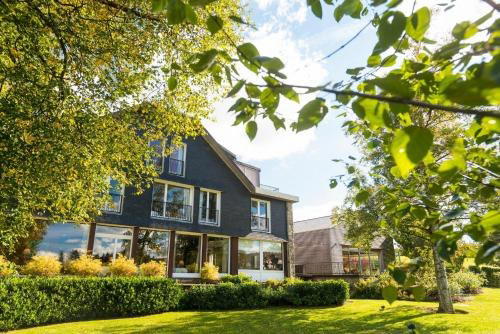
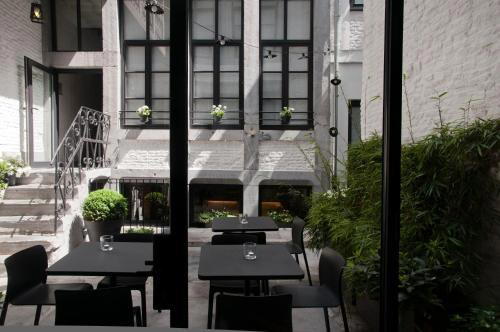
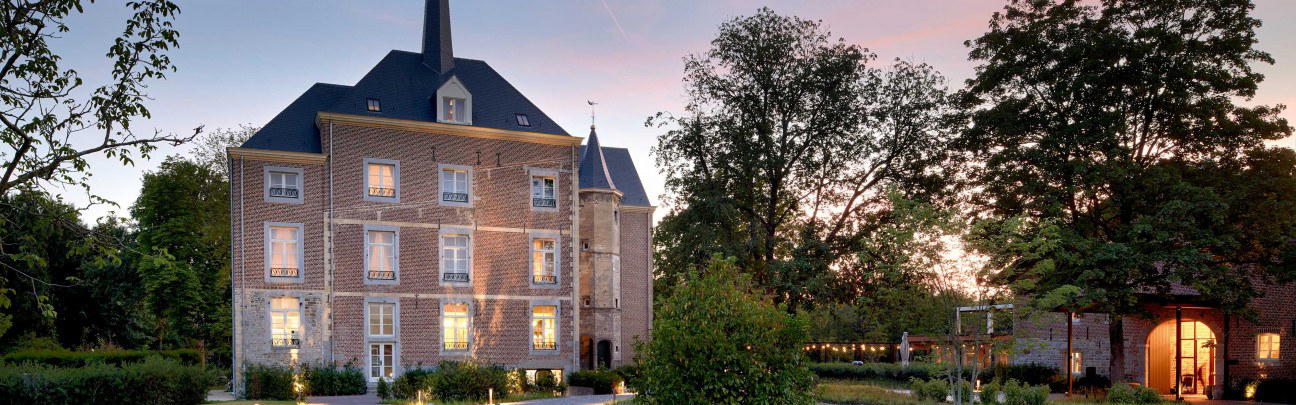
Warm, cozy interior with original stone walls and period windows framing the garden and old rail line; low-lit dining room with intimate table spacing; summer terrace overlooking the former railway tracks.