On the Quai des Célestins in the 4th arrondissement, Le Petit Célestin occupies a stretch of the Seine's right bank where the rhythm of a meal has always mattered as much as its ingredients. The address places it inside one of Paris's most concentrated corridors of classic French dining, where the customs of service and sequence carry as much weight as the plate itself.
Pearl is the En Primeur Club membership app — saves, bookings, and concierge access live there. Same editors, same standards.
- Address
- 12 Quai des Célestins, 75004 Paris, France
- Phone
- +33142722081
- Website
- lepetitcelestin.fr
- Directions
- Get directions
 Saves & bookings on Pearl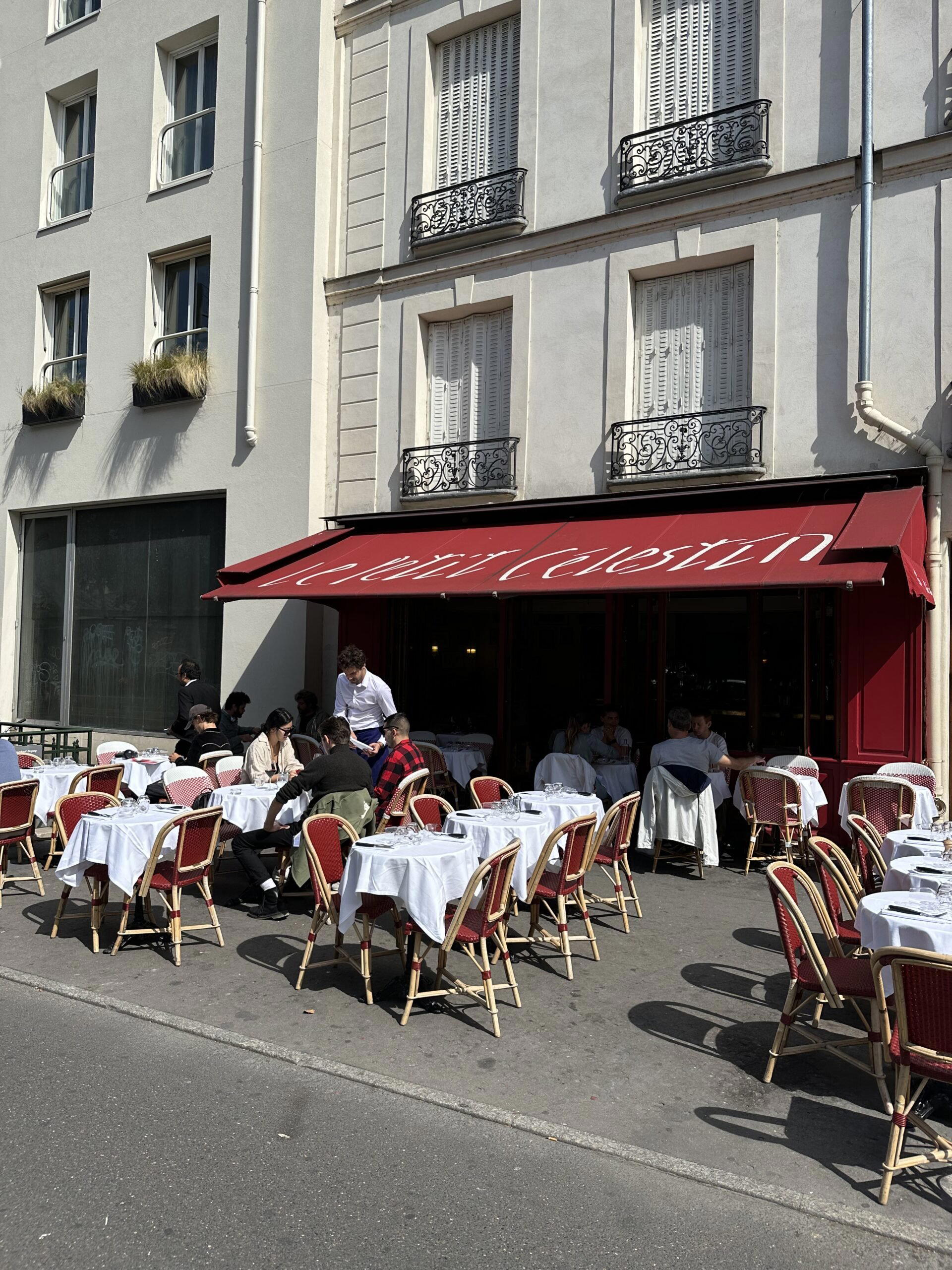
Where the Seine Sets the Pace
The 4th arrondissement's relationship with formal French dining is longer and more layered than most Parisian quartiers. The Marais, which wraps around the Quai des Célestins on its northern edge, spent centuries as the city's aristocratic heart before becoming its creative and culinary one. Restaurants along this stretch of the right bank have always operated within that dual inheritance: tradition as the baseline, with the present allowed to inflect it. Le Petit Célestin, at 12 Quai des Célestins, sits within that context, on a quay that looks directly across the water to the Île Saint-Louis and positions any meal here as something inseparable from the architecture of the city itself.
That geography matters more than it might appear. Dining on or near the Seine carries a particular ritual logic in Paris. The view slows things down. It signals to the diner that the meal ahead operates on its own clock, separate from the press of the surrounding city. It is the same spatial reasoning that makes tables at L'Ambroisie on the Place des Vosges feel like a retreat rather than a destination, or that gives the dining room at Le Cinq at the Four Seasons Hôtel George V its quality of ceremonial pause. Rooms that frame something monumental ask the diner to adjust accordingly.
The Ritual of the French Table
Classic French dining has always been as much about sequence as substance. The meal is a structured event: aperitif, amuse, entrée, plat, fromage, dessert, café. Each stage has its own tempo, its own register of interaction between diner and server. This is not rigidity for its own sake. The pacing is designed to produce a specific kind of attention, one that modern, faster formats have largely abandoned. The resurgence of interest in that structure, visible across a cohort of Paris addresses in the last decade, reflects a broader re-evaluation of what formal French dining actually offers. It offers time, and the organization of time, as a hospitality proposition in itself.
At the premium end of Paris's current restaurant map, that proposition splits into two distinct expressions. On one side, houses like Alléno Paris au Pavillon Ledoyen and Arpège use the classical frame as scaffolding for intensive technical programs, where every course arrives as a discrete argument. On the other, smaller neighbourhood addresses use the same structure to produce something quieter: meals that are memorable for their coherence and comfort rather than their provocation. Le Petit Célestin's address and scale suggest alignment with the latter register, a place where the ritual of the French table is preserved without being theatricalized.
That distinction is worth holding onto when considering where Paris's formal dining culture is heading. Addresses like Kei in the 1st have demonstrated that contemporary French structure can absorb outside influence without losing its internal logic. Others, like L'Ambroisie on the Place des Vosges, have held their position by refusing to adapt, and have been rewarded for it. Le Petit Célestin occupies a quay that has seen both impulses play out over generations.
Reading the Room: Etiquette and Expectation
French dining ritual has an etiquette dimension that visitors from outside the tradition sometimes underestimate. It is not about formality for its own sake, but about a shared understanding between diner and house about how time will be spent. In addresses where that ritual is taken seriously, certain practices hold: courses arrive when the kitchen is ready, not when the diner signals impatience; the cheese course is not optional theatre but a considered pause before the meal's conclusion; wine is chosen in dialogue with the server rather than in isolation. These are not rules so much as the grammar of a particular kind of dining, one that requires a degree of surrender to the house's rhythm.
That surrender is precisely what distinguishes a long lunch on the Quai des Célestins from a quick meal elsewhere in the city. The Seine sets the background tempo; the structure of service does the rest. It is worth noting that Paris's most enduring addresses across all price tiers share this characteristic: they are unapologetic about pacing. The same quality runs through the country's broader fine dining geography, from Flocons de Sel in Megève to Mirazur in Menton, from Troisgros in Ouches to Auberge de l'Ill in Illhaeusern. The meal has a shape, and that shape is respected.
That same logic extends to how France exports its dining culture internationally. Le Bernardin in New York and Atomix both, in different ways, carry the imprint of this structural thinking, one inheriting the French fine dining grammar directly, the other building its own parallel sequence ritual from Korean omakase principles. The conversation between tradition and structure plays out far beyond the Seine.
The 4th Arrondissement in Context
The Quai des Célestins sits at the southern edge of the Marais, a few minutes' walk from the Place des Vosges and directly opposite the Île Saint-Louis. This is not a restaurant quarter in the concentrated sense of the Palais-Royal or Saint-Germain-des-Prés. Dining here is more dispersed, embedded in a neighbourhood that is primarily residential and cultural. That context tends to produce a particular kind of restaurant: one that serves the neighbourhood as much as it serves visitors, where repeat custom from local residents shapes the house character as much as tourist traffic does.
That dynamic is visible across France's most durable provincial addresses too, places like Bras in Laguiole, Paul Bocuse in Collonges-au-Mont-d'Or, AM par Alexandre Mazzia in Marseille, Assiette Champenoise in Reims, Au Crocodile in Strasbourg, and Auberge du Vieux Puits in Fontjoncouse. Each has a rooted local identity that tourist recognition reinforces rather than defines. For restaurants on the Quai des Célestins, the same logic applies: the Seine view brings visitors, but the neighbourhood keeps the house honest.
For practical planning: the 4th arrondissement is accessible from most central Paris hotels without a taxi, and the nearest Métro stops (Pont Marie on Line 7, Sully-Morland on Line 7) put the quay within a short walk. As with most Paris restaurants that operate within the formal French dining register, reservations in advance are the standard approach; walk-in availability at the smaller end of the market depends heavily on the day and season. For a full orientation to the city's restaurant range and how addresses in this quartier compare across price tiers, see our full Paris restaurants guide.
How Le Petit Célestin Paris compares with similar nearby venues.
| Venue | Cuisine | Price |
|---|---|---|
| Thaï Spices | Thai | €€ |
| Soé | Creative | €€ |
Continue exploring
More in Paris
Restaurants in Paris
Browse all →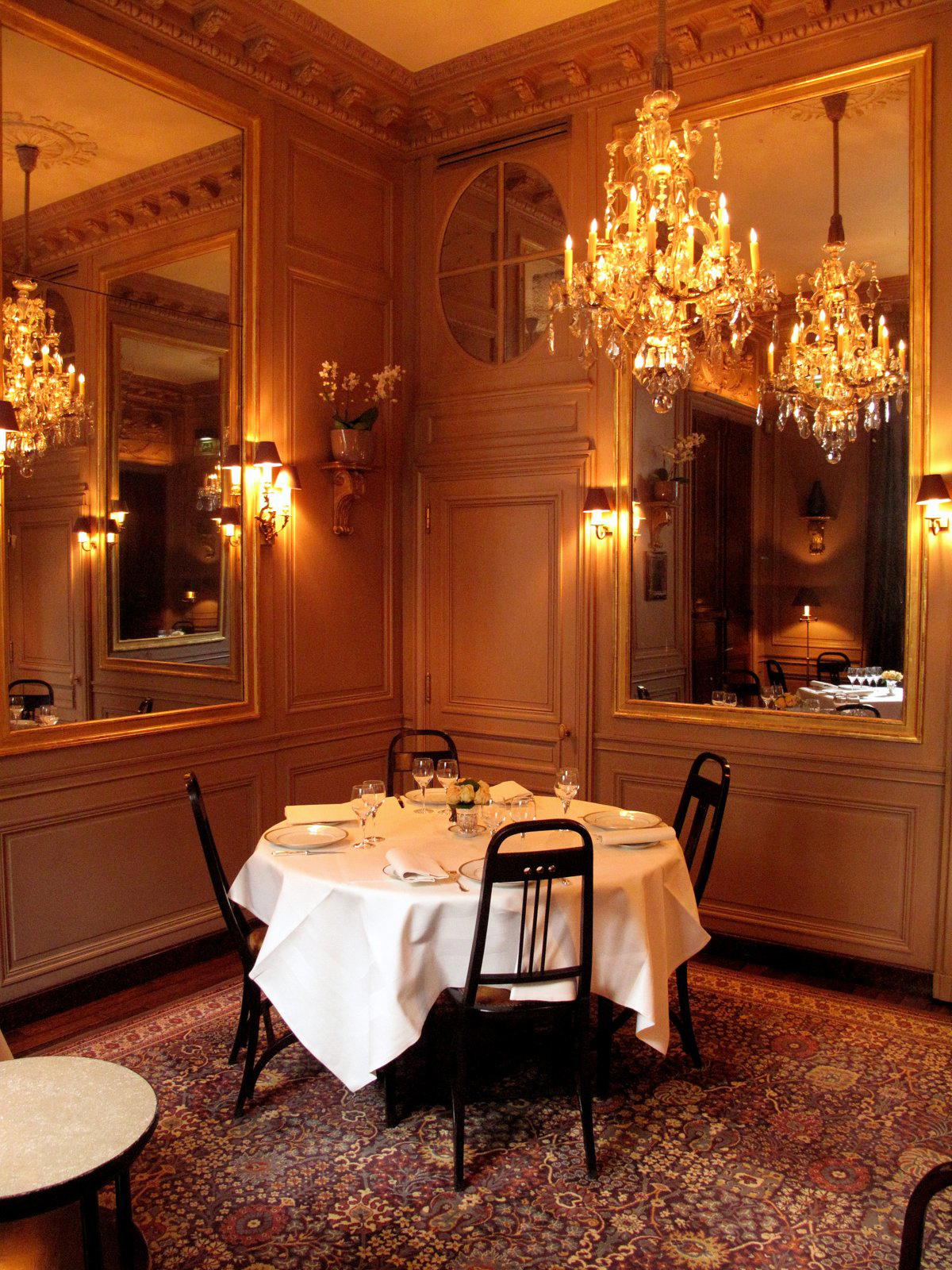
Bars in Paris
Browse all →
Hotels in Paris
Browse all →




At a Glance
- Classic
- Cozy
- Intimate
- Date Night
- Casual Hangout
- Terrace
- Extensive Wine List
- Street Scene
- Waterfront
Current opening hours
- Monday
- Closed
- Tuesday
- Closed
- Wednesday
- 12–3 PM, 7:30–10:30 PM
- Thursday
- 12–3 PM, 7:30–10:30 PM
- Friday
- 12–3 PM, 7:30–10:30 PM
- Saturday
- 12–3 PM, 7:30–10:30 PM
- Sunday
- 12–3 PM, 7:30–10:30 PM
Hours can change for holidays and private events. Last verified .
Quaint interior with wood accents, red tables, and white tablecloths creating a cozy, classic bistro atmosphere.