On Rue de la Ferronnerie in Paris's 1st arrondissement, Maison Rouge occupies a stretch of the city where market culture and fine dining have coexisted for centuries. The address places it within walking distance of Les Halles, the former wholesale market that shaped Parisian cooking more than any single chef. What the kitchen does with that proximity is the question worth asking.
Pearl is the En Primeur Club membership app — saves, bookings, and concierge access live there. Same editors, same standards.
- Address
- 12 Rue de la Ferronnerie, 75001 Paris, France
- Phone
- +33142211933
- Website
- brasserie-maisonrouge.fr
- Directions
- Get directions
 Saves & bookings on Pearl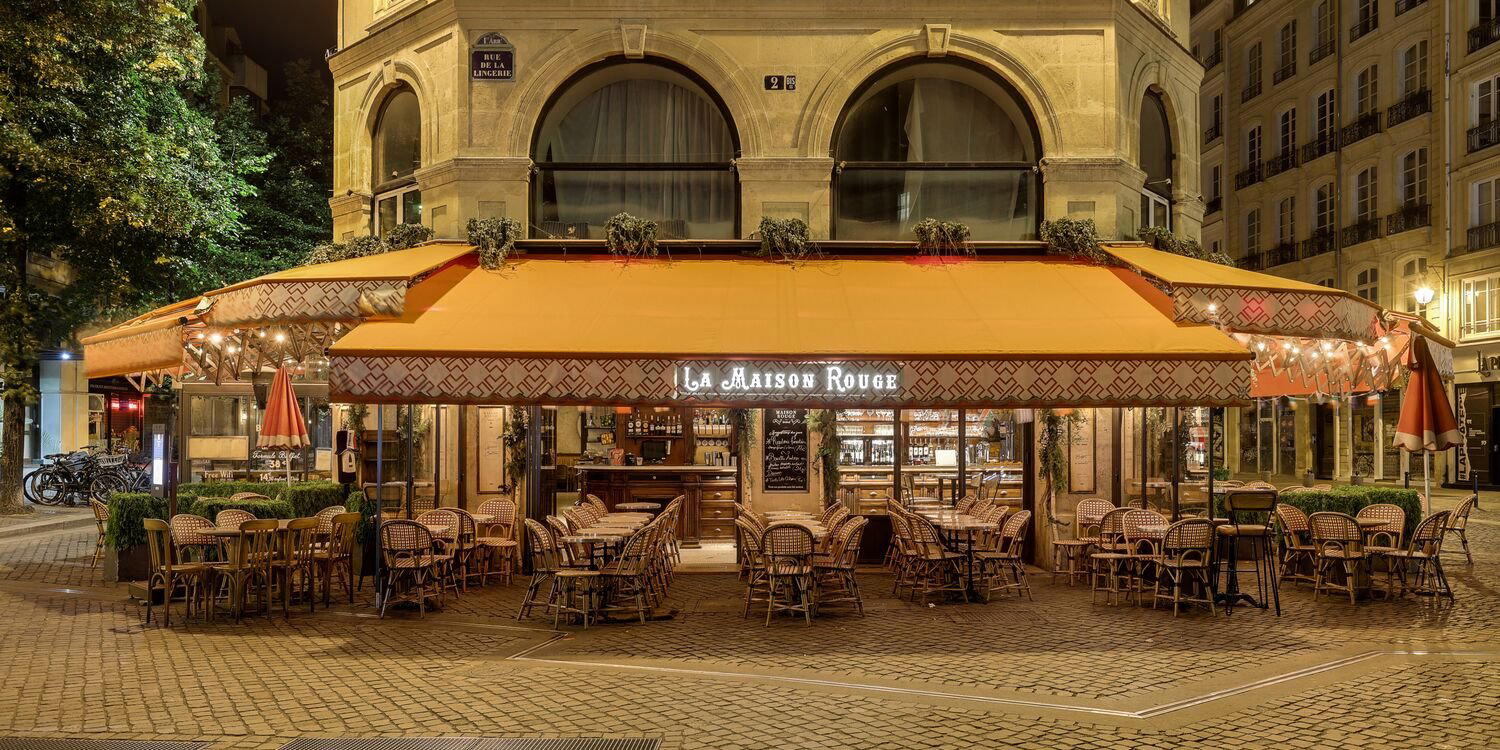
An Address Shaped by the Market
Rue de la Ferronnerie runs through the 1st arrondissement at an angle that most tourists miss entirely, threading between the Forum des Halles and the older fabric of the Marais. The street has iron-working history in its name and market history in its bones: for generations, this corner of Paris was where food entered the city before it went anywhere else. Les Halles, the vast wholesale market that fed Paris from the 12th century until its demolition in 1971, defined the cooking culture of this neighbourhood in ways that persist in the sourcing logic of the restaurants that remain here. For Maison Rouge at 12 Rue de la Ferronnerie, that history is geographic context that still carries meaning.
In Paris's premium dining tier, ingredient sourcing has become a signal of seriousness. When the city's leading tables, from Arpège to L'Ambroisie, began repositioning around named producers and direct farm relationships in the 1990s and 2000s, they were partly responding to a market infrastructure that had already shifted. Rungis, the vast wholesale hub that replaced Les Halles, moved supply chains to the southern suburbs, but the philosophic residue of the old central market stayed in the 1st. Kitchens here have always known where their produce comes from.
The Sourcing Logic of the 1st Arrondissement
Ingredient origin often explains menus more clearly than technique or presentation alone. A kitchen that draws on Brittany's coastal producers for shellfish, the Loire Valley for early-season vegetables, and Normandy for dairy operates within a different creative grammar than one relying on generalist wholesale channels. That distinction, invisible on the plate to most diners, becomes legible in texture, in seasonality, and in the gap between dishes that taste of place and those that taste of category.
In the 1st arrondissement, the density of serious kitchens creates a form of competitive pressure around sourcing. The restaurants in this neighbourhood and the adjacent 4th, including L'Ambroisie on Place des Vosges, a short walk east, operate in a market where producers know they can be selective about who they supply. That selectivity matters. The leading growers and fishers in France do not need volume contracts; they can choose their restaurant partners based on how their product will be treated. Kitchens that earn those relationships tend to show it in the coherence of what arrives at the table, particularly during the autumn and winter months when the sourcing discipline required to produce interesting menus narrows considerably.
Where Maison Rouge Sits in the Paris Dining Conversation
Paris's fine dining sector has consolidated around a recognisable set of tiers over the past decade. The upper bracket, anchored by Michelin recognition and multi-decade reputations, includes addresses like Alléno Paris au Pavillon Ledoyen and Le Cinq at the Four Seasons George V, where price points and ceremony are calibrated for an international clientele as much as a Parisian one. A different cohort, smaller and less theatrical, operates closer to the neighbourhood level, where the dining room is more likely to fill with local regulars than visiting expense accounts. Kei, nearby in the 1st, represents one version of this: a kitchen with serious credentials working within a format that does not require the full apparatus of grand occasion dining.
Maison Rouge, at its Rue de la Ferronnerie address, sits in a city where the comparison set is dense and the standards for what counts as serious cooking have been set by generations of kitchens with long institutional memories. The French regional tradition, which runs from Troisgros in Ouches to Auberge de l'Ill in Illhaeusern and Bras in Laguiole, places enormous emphasis on the relationship between kitchen and terroir. Parisian kitchens are not terroir-rooted in the same way regional ones are, but strong examples among them compensate by sourcing from those terroirs deliberately, making the supply chain visible in what they cook.
Beyond France, the sourcing conversation has global coordinates. Mirazur in Menton, working from a kitchen garden and Ligurian coast producers, made ingredient origin a defining structural element rather than a footnote. That shift in how sourcing functions narratively in a restaurant's identity has influenced how the broader French dining conversation frames itself, including in Paris. Even kitchens that do not grow their own vegetables have had to articulate their supply relationships more precisely as a result.
The Autumn and Winter Case
The seasonal argument for visiting kitchens in this part of Paris is sharpest in autumn. October through December is when French produce at the highest level shifts toward game, aged cheeses, root vegetables, black truffles from Périgord, and the oysters that the northern Atlantic coast begins delivering in earnest. A kitchen with serious sourcing relationships shows most clearly during this period, because the ingredients themselves are less forgiving. A tomato in August is difficult to ruin; a September cep or a November Bresse chicken at full maturity demands more from the cook and reveals more about where the product came from.
Autumn is the key season for Paris's more ingredient-led kitchens. The city's dining calendar accelerates between October and the end of the year, with Paris Fashion Week in late September and early October bringing international visitors who fill the upper-tier tables. Kitchens at the level of Maison Rouge's neighbourhood compete for attention during a period when the city is at its most animated, and the produce they are working with is at its most complex.
France's Wider Fine Dining Coordinates
For visitors using Paris as a base for France's broader restaurant circuit, the country's geography rewards planning. Flocons de Sel in Megève draws on Alpine producers with a specificity that is hard to replicate in a capital city. AM par Alexandre Mazzia in Marseille works from southern Mediterranean supply lines that produce a completely different register of flavour. Assiette Champenoise in Reims and Au Crocodile in Strasbourg represent Alsatian and Champenois traditions with their own producer networks. And the institutional weight of Paul Bocuse's Auberge du Pont de Collonges in Collonges-au-Mont-d'Or remains a reference point for understanding where French haute cuisine's sourcing instincts came from historically.
For readers building a Paris itinerary that extends to the wider French table, or to international comparisons, Le Bernardin in New York is probably the leading reference for how French-trained rigour around sourcing translates into a different urban context, and Atomix shows how a non-French kitchen can apply equally precise supply chain discipline, the Auberge du Vieux Puits in Fontjoncouse offers a southern French counterpoint worth the detour.
Planning a Visit
12 Rue de la Ferronnerie sits in the 1st arrondissement, accessible from the Châtelet and Les Halles metro interchange, which connects to most Paris lines. The neighbourhood is walkable from the Marais and the Seine embankment. Booking is recommended, and the regular hours are Mon: 8:30 AM-12 AM; Tue: 8:30 AM-12 AM; Wed: 8:30 AM-2 AM; Thu: 8:30 AM-2 AM; Fri: 8:30 AM-2 AM; Sat: 8:30 AM-12 AM; Sun: 8:30 AM-12 AM.
Quick reference: 12 Rue de la Ferronnerie, 75001 Paris, 1st arrondissement, nearest metro Châtelet-Les Halles.
Comparable Spots
Comparable venues nearby, for context on price, style, and recognition.
| Venue | Cuisine | Price | Notes |
|---|---|---|---|
| Maison RougeThis venue — the venue you are viewing | Traditional French Brasserie | $$ | Not listed |
| Le Relais Du Vin | Traditional French Bistro | $$ | Les Halles |
| Guiren | Modern French Bistronomic with Ecuadorian Influences | $$ | 2nd arrondissement |
| Brasserie des Arts | Classic French Brasserie | $$ | Saint-Germain-des-Prés |
| Bonnard | Modern Vegetarian French Bistro | $$ | Marais |
| Chez Gladines Saint Germain | Basque Bistro | $$ | Quartier Latin |
Continue exploring
More in Paris
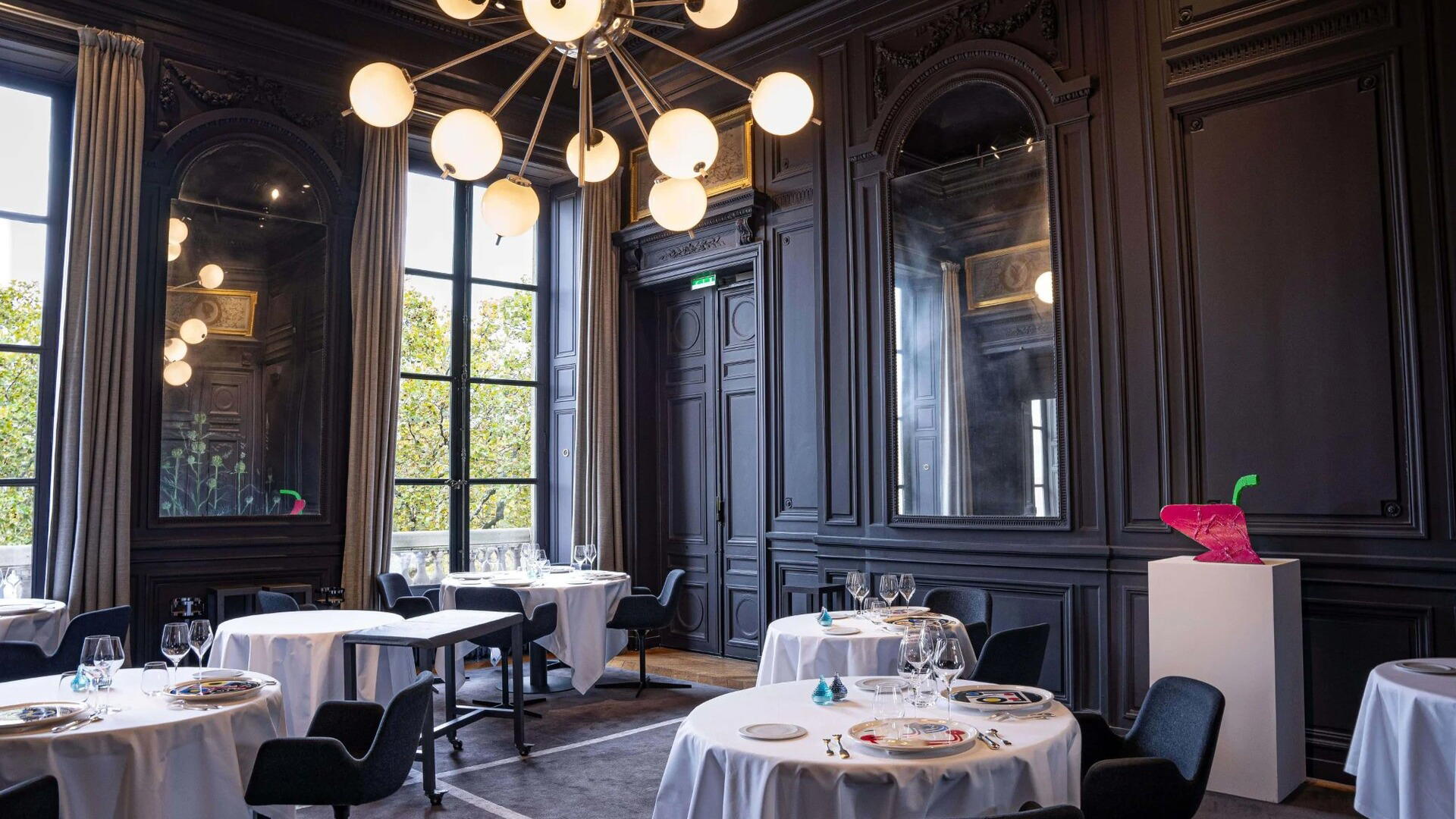
Restaurants in Paris
Browse all →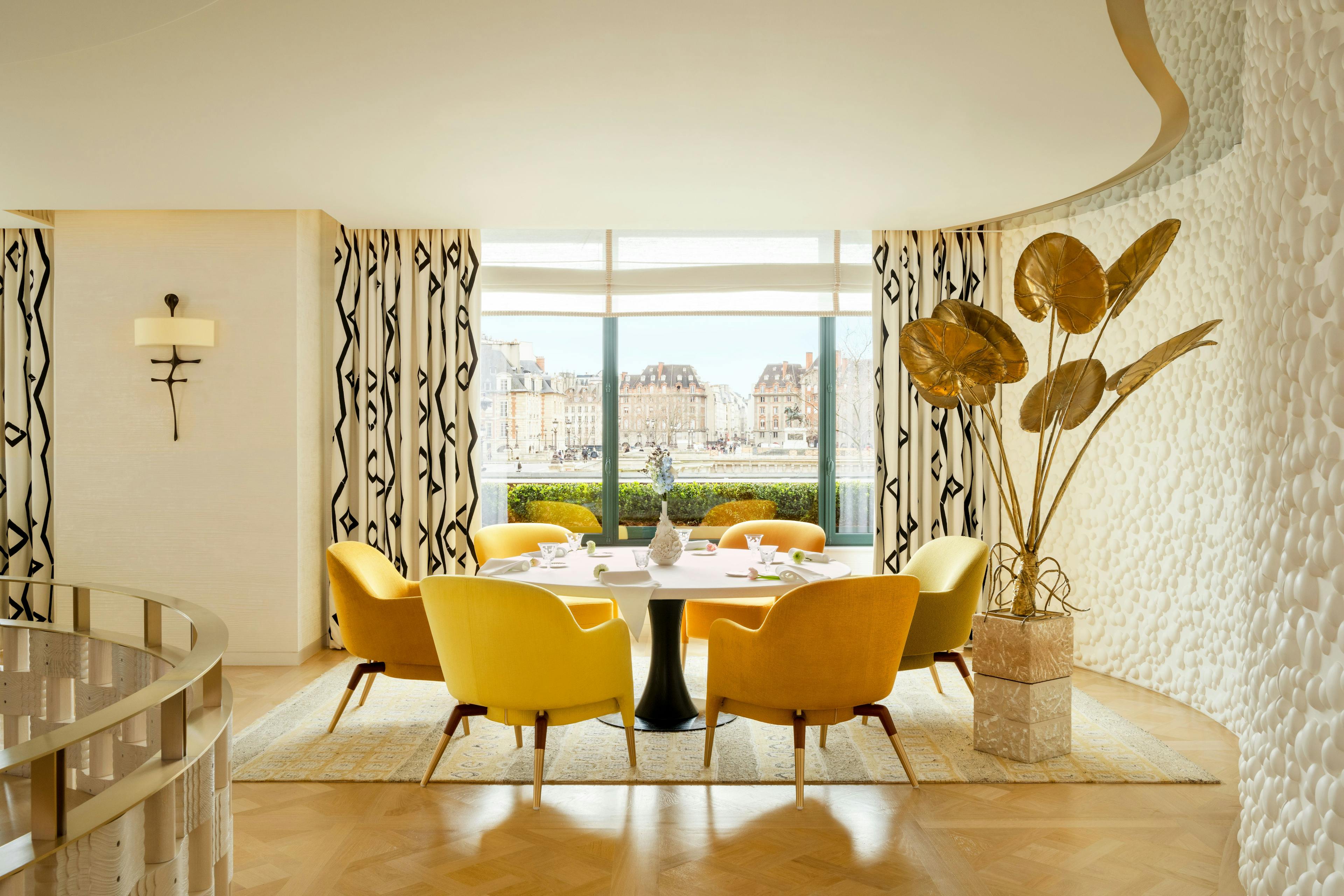
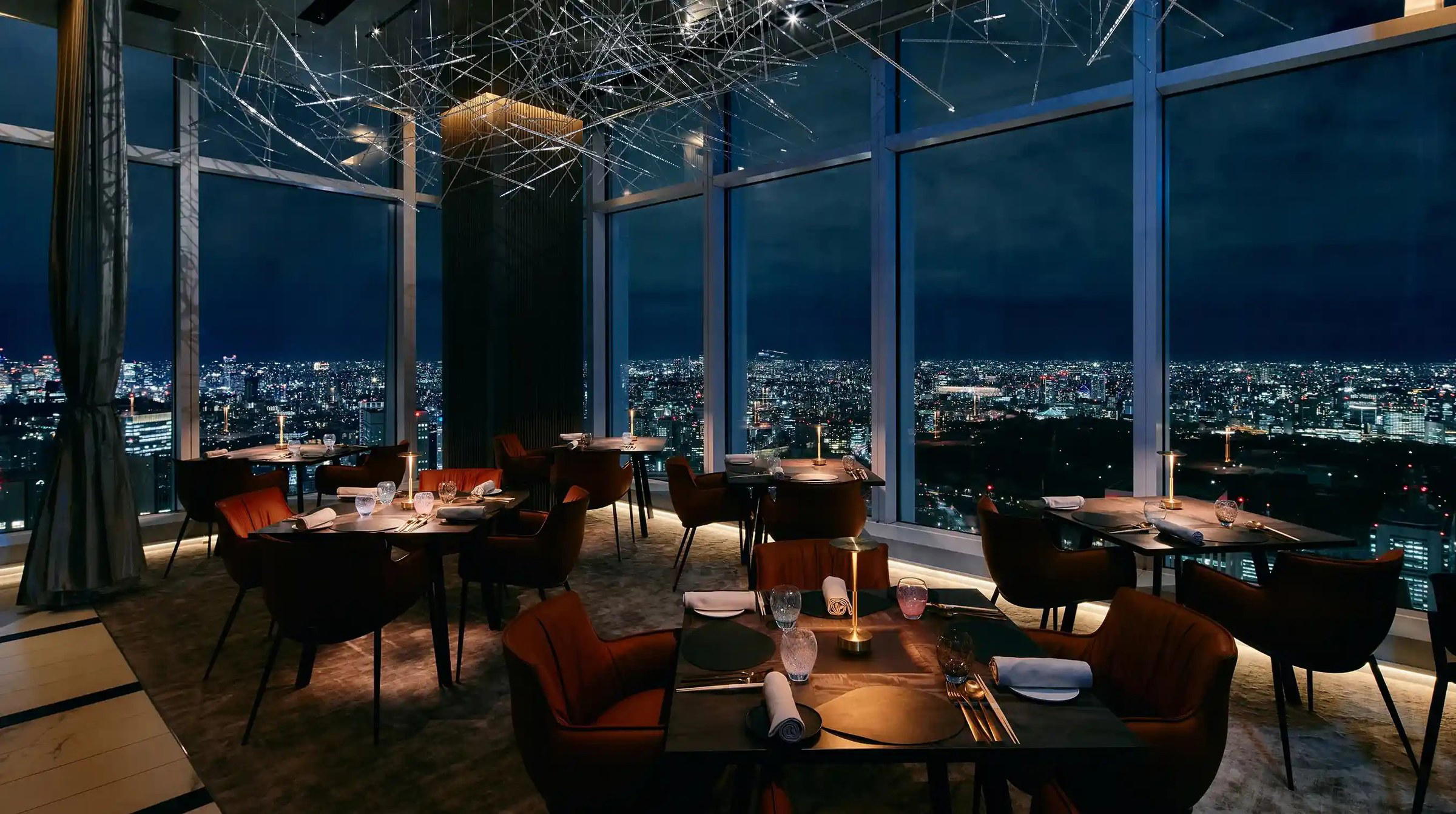
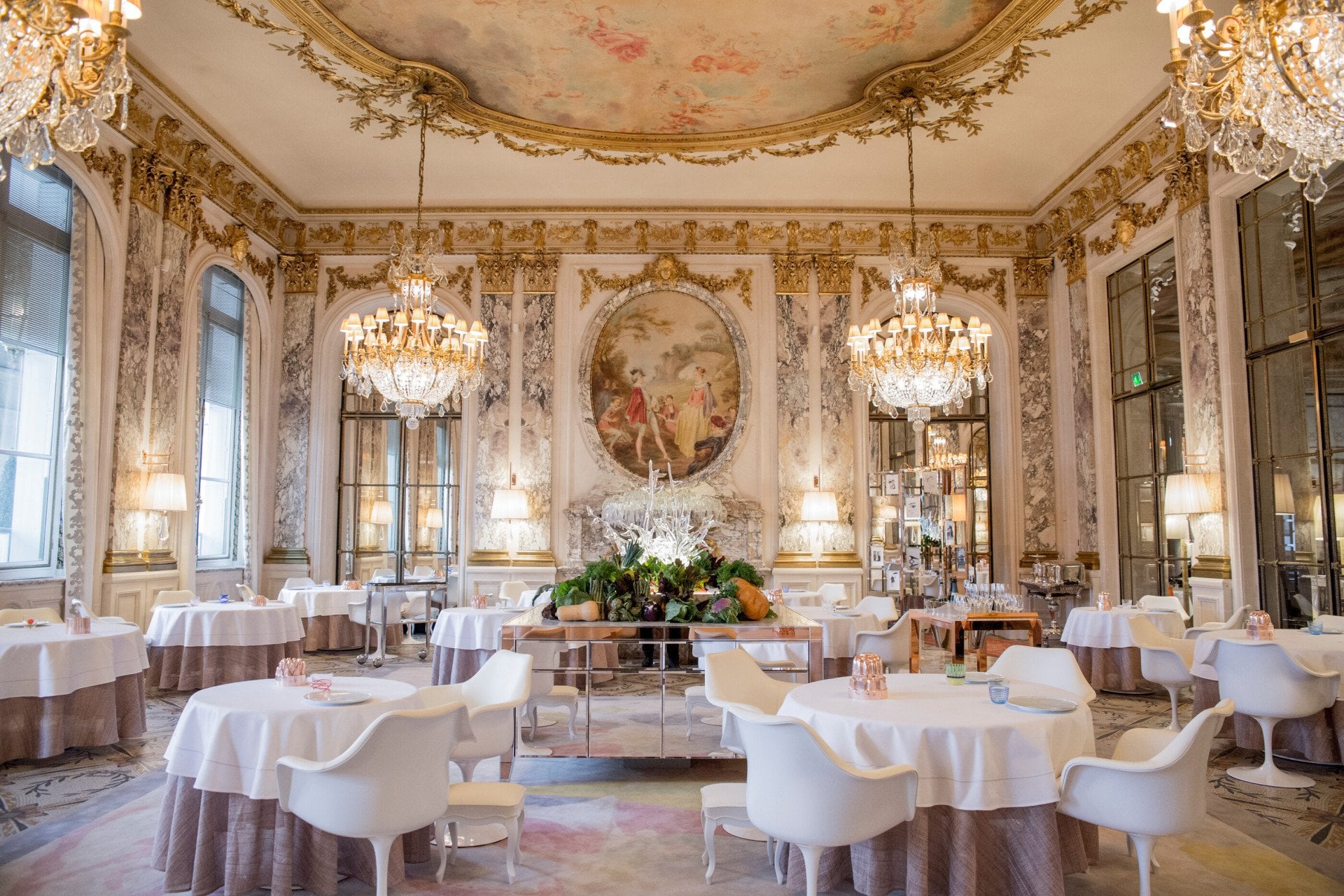
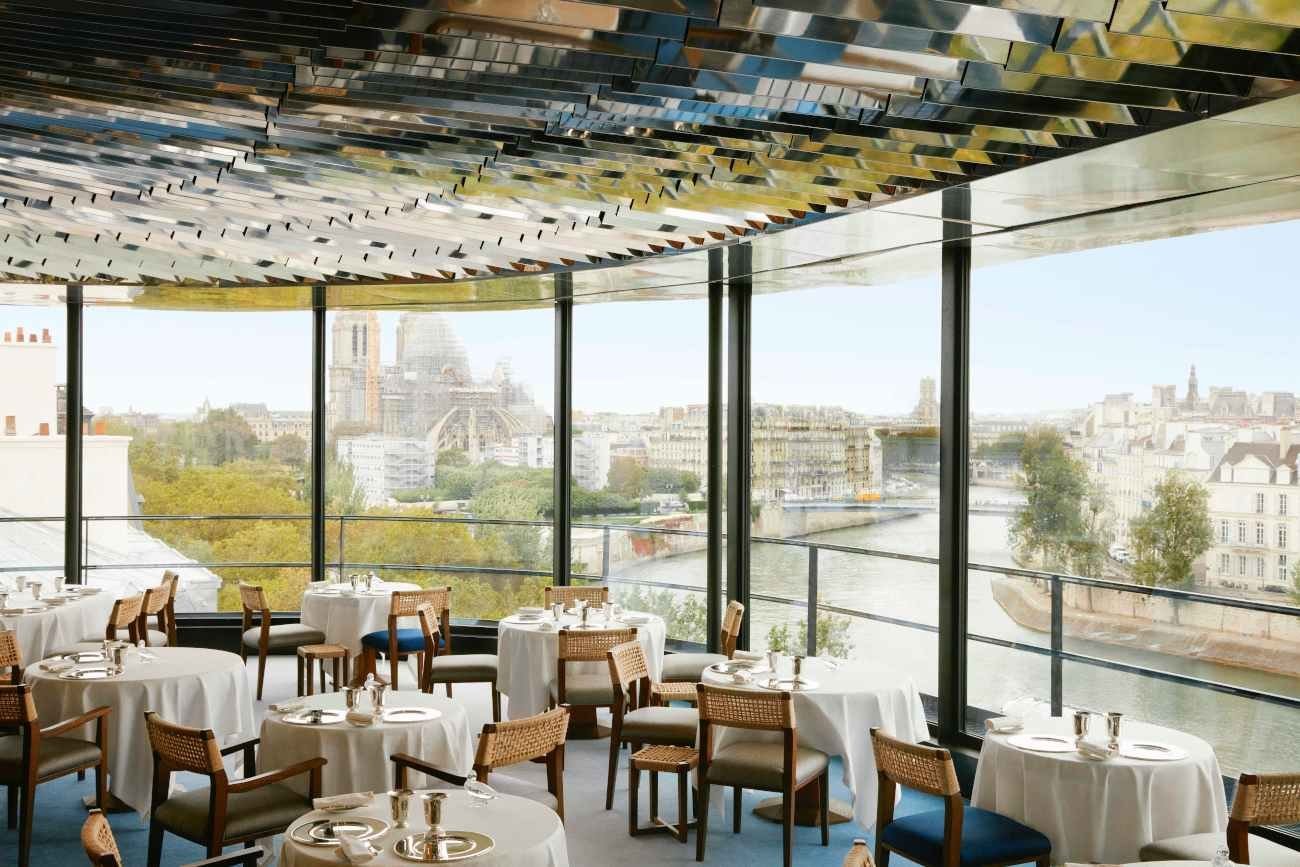
Bars in Paris
Browse all →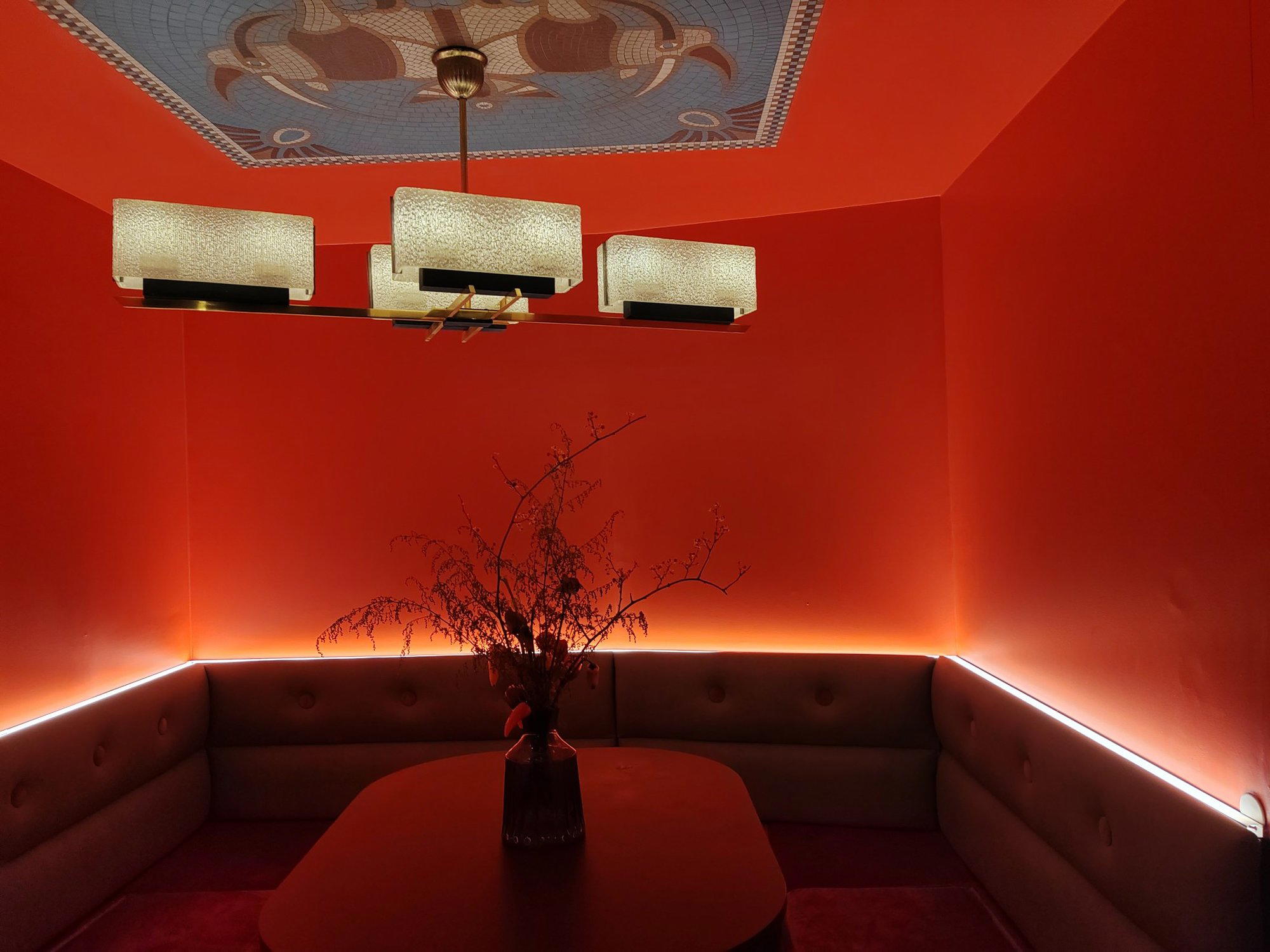
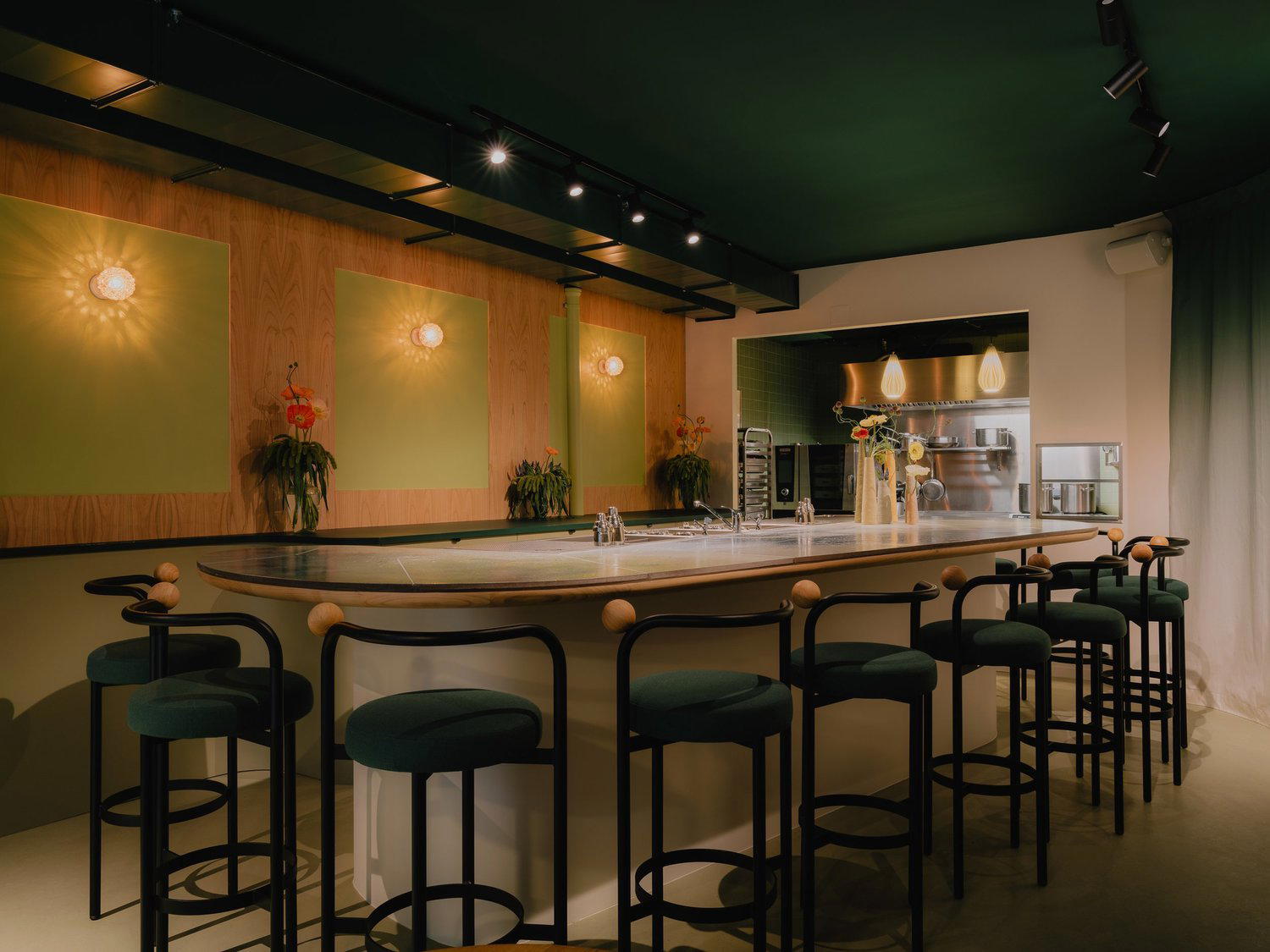
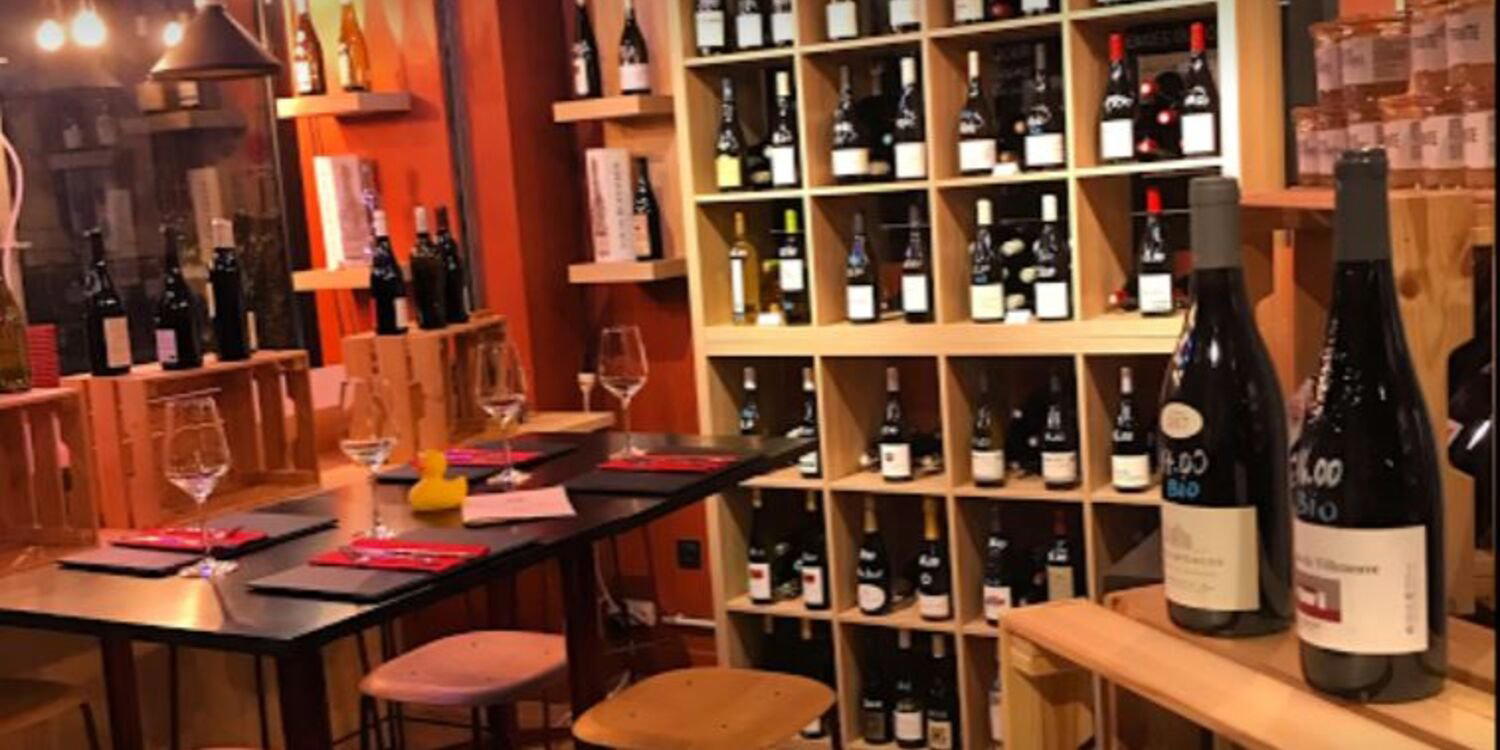
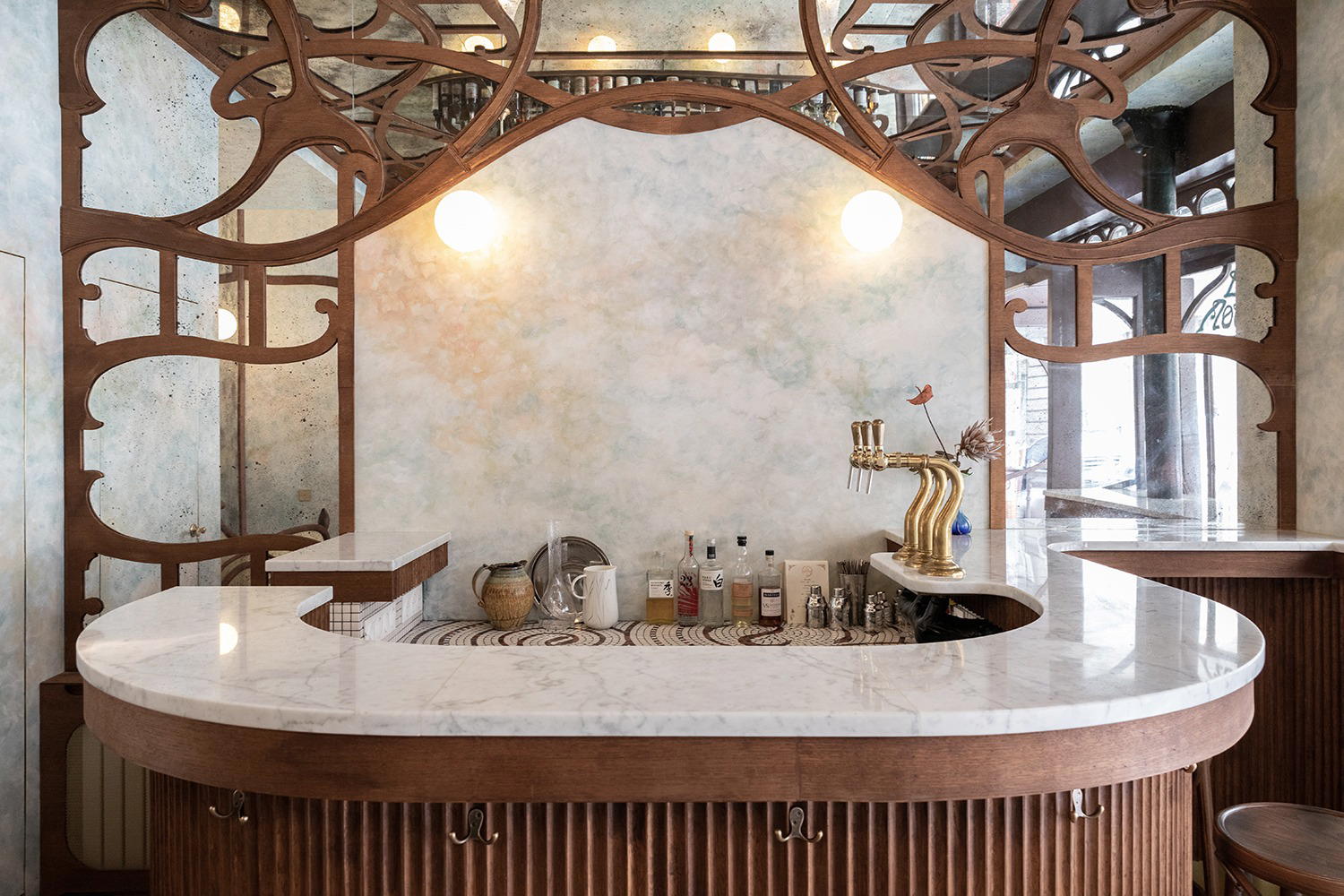
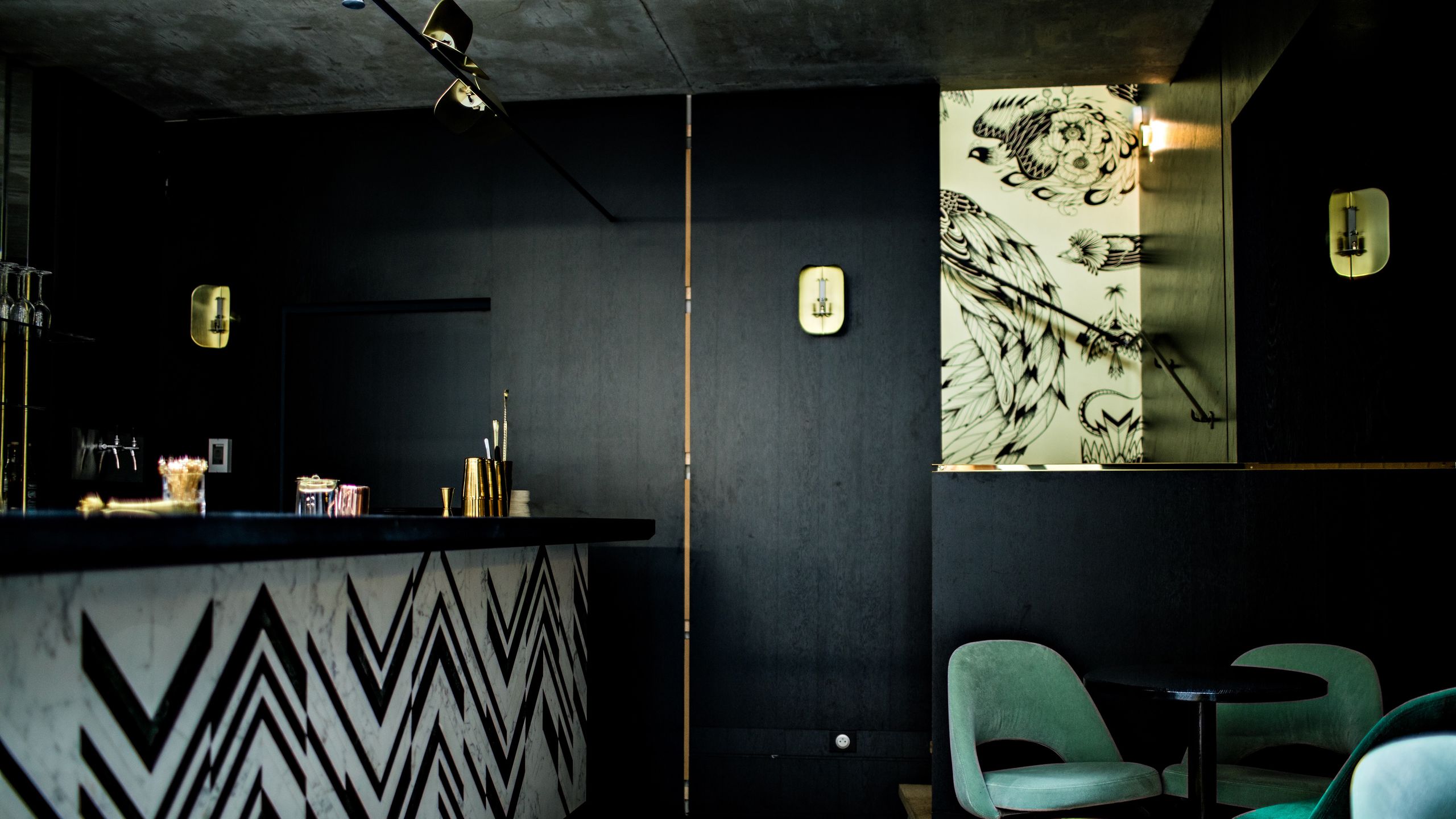
Hotels in Paris
Browse all →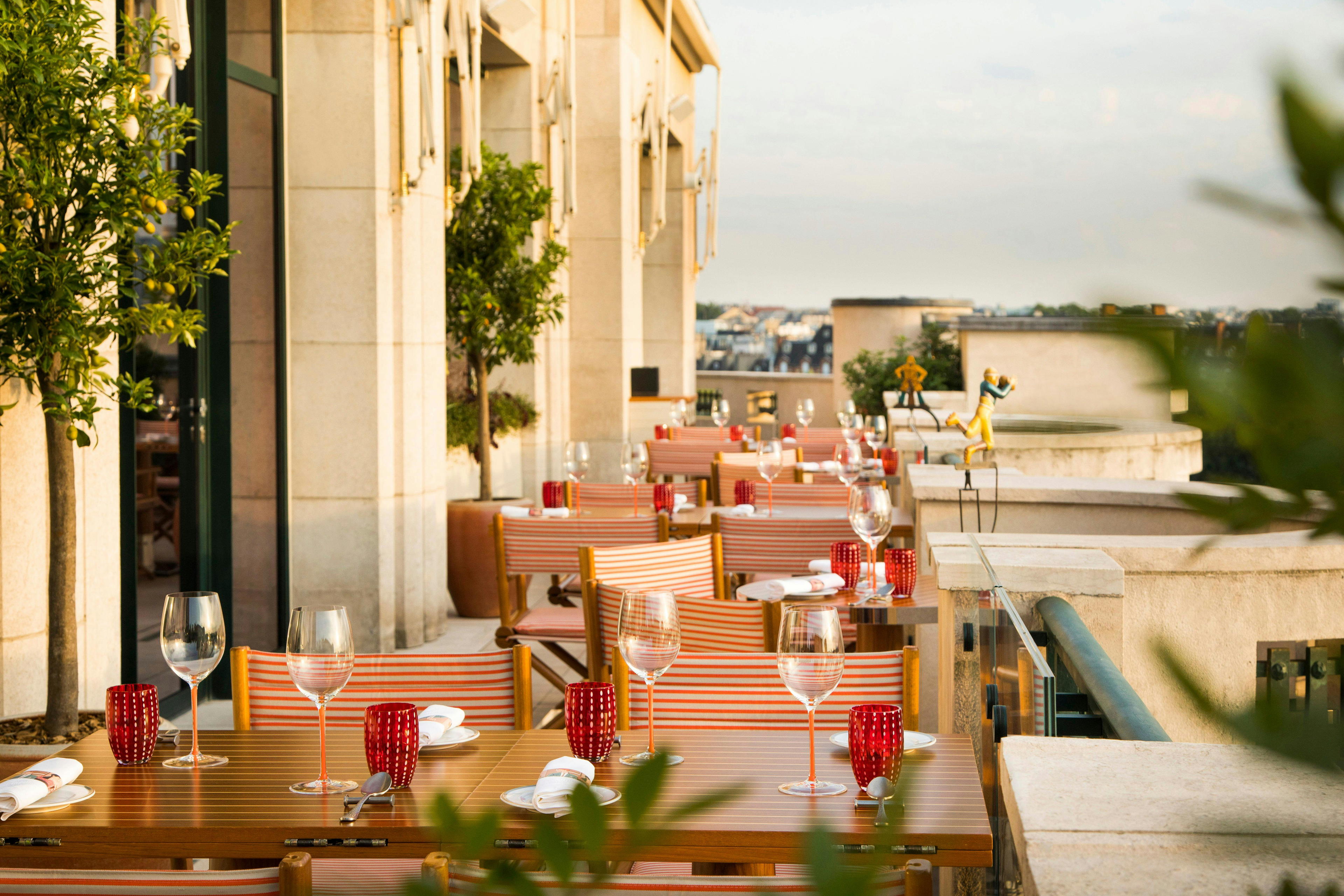
Wineries in Paris
Browse all →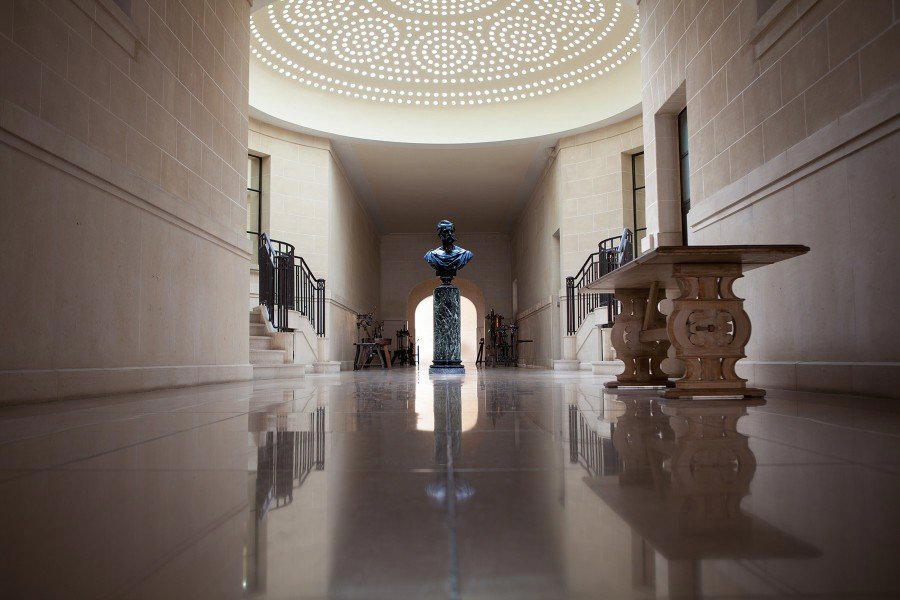
At a Glance
- Cozy
- Classic
- Elegant
- Brunch
- Casual Hangout
- Group Dining
- Terrace
- Extensive Wine List
- Local Sourcing
- Garden
Current opening hours
- Monday
- 8:30 AM–12 AM
- Tuesday
- 8:30 AM–12 AM
- Wednesday
- 8:30 AM–2 AM
- Thursday
- 8:30 AM–2 AM
- Friday
- 8:30 AM–2 AM
- Saturday
- 8:30 AM–12 AM
- Sunday
- 8:30 AM–12 AM
Hours can change for holidays and private events. Last verified .
Chaleureux et authentique with a carefully designed decoration, featuring a bright and airy glass roof (verrière lumineuse) and sunny terraces.