

Star Wine List · Wine Spectator Best of Award of Excellence
Our verdict
Le Palme is a restaurant and hotel in Castiadas, on Sardinia's southeastern coast, recognised by Star Wine List with a White Star designation in November 2023. The property sits in the Localita' Su Cannisoni area, placing it within one of the island's quieter, less-trafficked coastal zones. For visitors seeking wine-focused dining in the Castiadas area, the White Star recognition signals a list worth attention.

Pearl is the En Primeur Club membership app — saves, bookings, and concierge access live there. Same editors, same standards.
- Address
- Localita' Su Cannisoni, Castiadas
- Phone
- +39 070 995905
- Website
- lavilladelre.com
- Directions
- Get directions
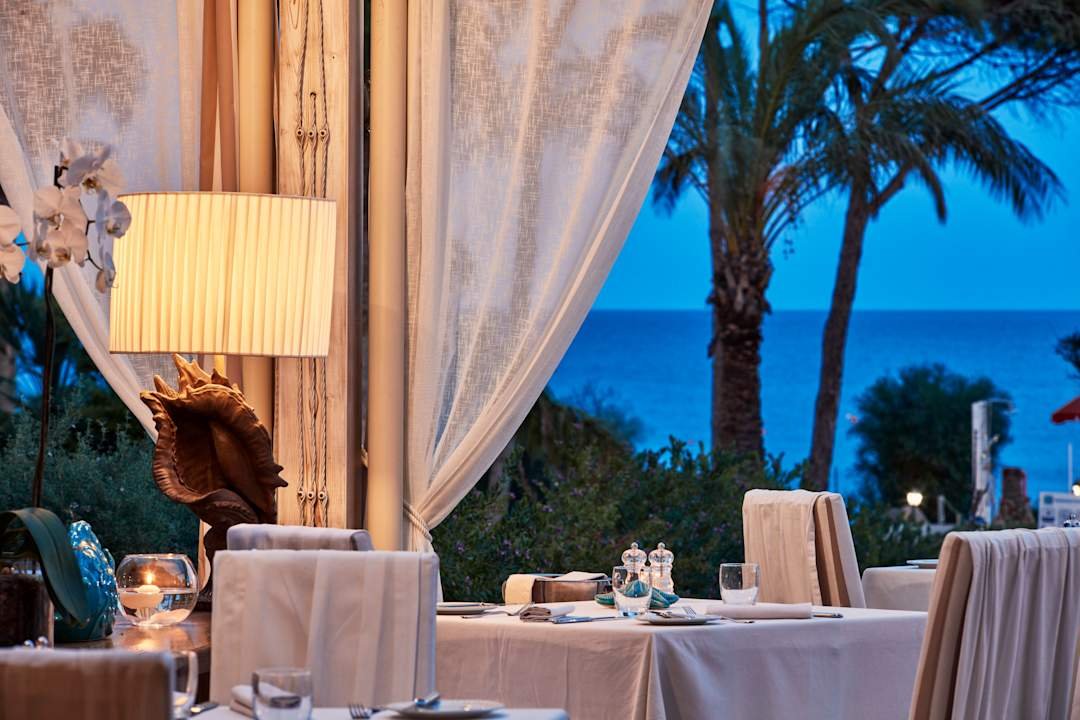
Sardinia's Southeastern Table: Where Wine Culture Meets Coastal Isolation
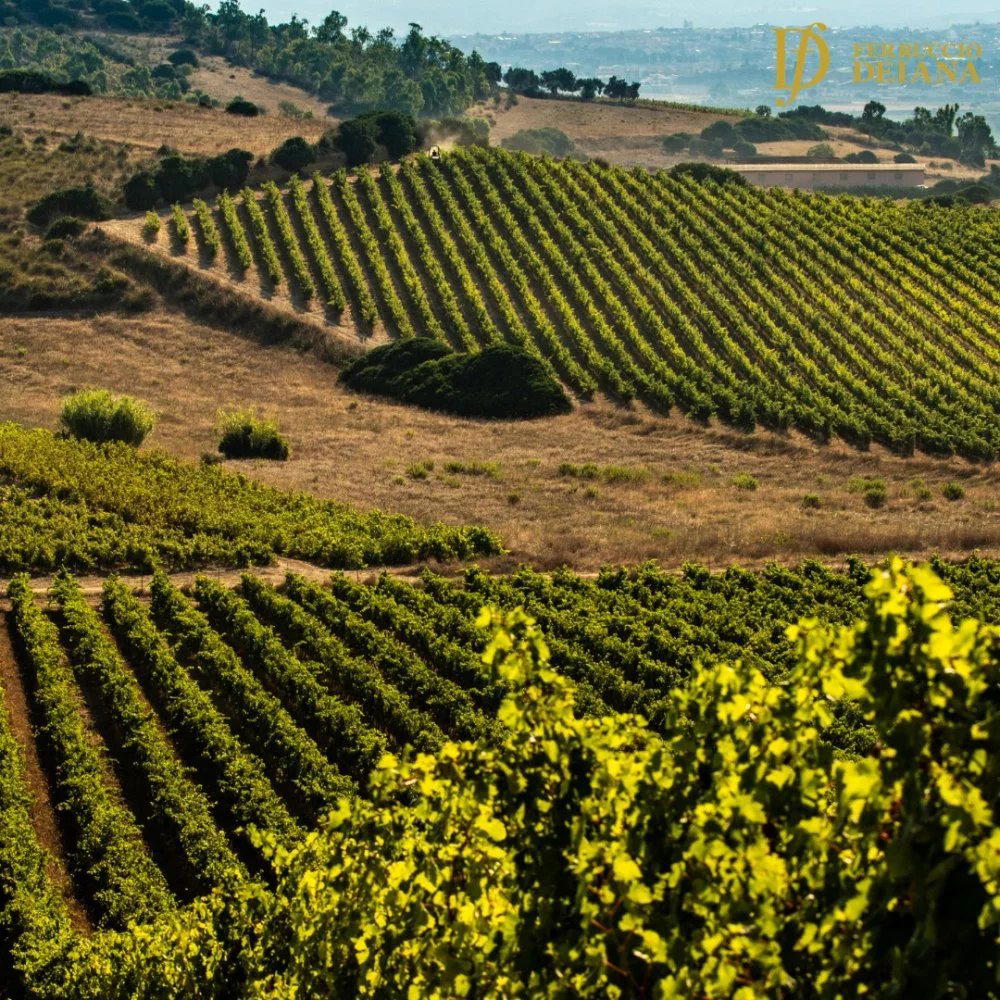
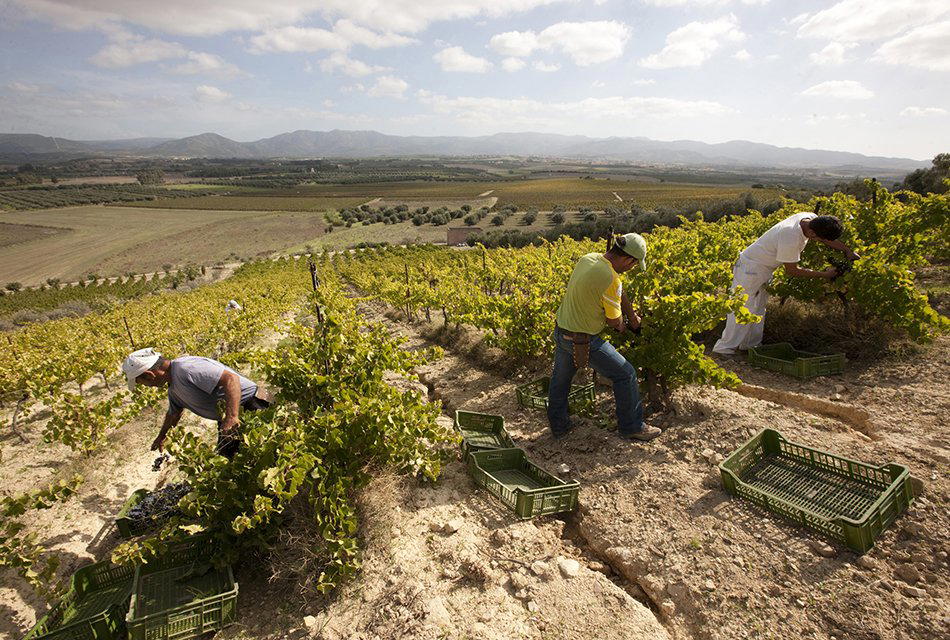
The southeastern corner of Sardinia operates on a different register from the island's better-known resort circuits. Where the Costa Smeralda draws international crowds and Porto Cervo anchors a yacht-and-villa economy, the Castiadas municipality offers something the northwest coast rarely does: genuine quietude. The land here carries a complicated history — the area was once a penal colony in the late nineteenth century, and the agricultural infrastructure built by that labour force shaped the land use patterns that persist today. Vineyards, maquis scrubland, and low-density settlement define the character of the zone, and restaurants that have taken root in this environment tend to reflect that restraint in their own way.
Le Palme sits in this context, at Localita' Su Cannisoni in Castiadas, operating as both restaurant and hotel. Its recognition by Star Wine List with a White Star designation, published in November 2023, places it within a set of Italian venues whose wine programming has been evaluated and acknowledged at the national editorial level. That designation is not incidental to the dining experience; it indicates a wine list with sufficient depth and curation to attract specialist attention, which in a coastal property of this kind is a meaningful signal. In a region where many restaurants treat the wine list as secondary to the sea view, a White Star suggests a different set of priorities.
The Cultural Weight of Sardinian Hospitality
Sardinian cuisine does not behave like mainland Italian cooking, and the southeastern quadrant of the island carries its own internal logic within that. The island's culinary identity is built on pastoral traditions that predate the major mainland influences: roasted meats, aged sheep's milk cheeses, flatbreads like pane carasau, and seafood preparations shaped by proximity to the water rather than by any particular technique imported from elsewhere. The cooking is self-referential in the way that deeply local cuisines tend to be, drawing from what the land and sea supply rather than from what the culinary mainstream demands.
The wine culture of this part of Sardinia reinforces that insularity. Cannonau, the island's red grape identity, dominates production across much of the interior, while coastal zones produce Vermentino with a salinity that reflects the terrain. These are not grapes that have historically attracted the same attention as, say, the Piedmontese varieties that anchor properties like Piazza Duomo in Alba, but they carry a regional specificity that rewards engagement. A wine list earning a White Star designation in this geography likely grapples with how to present Sardinian viticulture alongside broader Italian and international options, a curatorial challenge quite different from what faces the cellar teams at Enoteca Pinchiorri in Florence or Osteria Francescana in Modena, where the wines and the cuisine operate in well-established dialogue.
Placing Le Palme Within Italy's Wider Wine-Dining Conversation
Italy's most discussed restaurant wine programs tend to cluster in the north: Trentino-Alto Adige houses like Atelier Moessmer Norbert Niederkofler in Brunico, Lombardy institutions like Dal Pescatore in Runate, and the Milanese creative end represented by Enrico Bartolini. Even the progressive tier in the south has its reference points, with Quattro Passi in Marina del Cantone or Uliassi in Senigallia holding positions that attract national and international critical attention. The Adriatic seafood tradition, for example, has well-documented reference points and a clearly mapped critical geography.
Sardinian dining earns far less coverage in that conversation, despite the island's distinct culinary and viticultural character. Recognition by Star Wine List of a property in Castiadas is, in that context, an act of cartographic attention: it places a venue in an area that the broader Italian fine dining circuit rarely maps with any precision. For visitors planning itineraries around wine and food rather than beaches and infrastructure, that kind of signal carries weight precisely because it comes from outside the promotional apparatus of the local tourism economy.
At the Italian coastal tier more broadly, properties that combine hotel accommodation with serious wine programming occupy a specific niche. The format requires a different kind of discipline than a standalone restaurant, because the wine list must serve both the destination traveller who has arrived specifically for it and the hotel guest who has not. Some coastal properties at this level, from the Ligurian Riviera to the Sicilian southwest, handle that dual audience by building lists with enough range at the mid-tier to function as both a reference program and an accessible hotel offering. Comparable international coastal properties navigating similar wine-forward positioning, such as Le Bernardin in New York City or Emeril's in New Orleans, demonstrate how wine programming can anchor a dining identity even when geography and cuisine pull the conversation in other directions.
Planning a Visit to Castiadas
Castiadas is not a destination with obvious public transport links, and the Su Cannisoni locality sits outside the small town centre, meaning a car is the practical approach for any visit. The Sardinian interior road network is manageable but not fast, and journey times from Cagliari, the island's capital and main air hub, are typically around an hour depending on the route taken. This geography concentrates Le Palme's audience among those already staying in the southeastern zone rather than day visitors making a specific trip from a distant base, which shapes the kind of hospitality the property likely offers. For those staying on-site, the combination of accommodation and a wine-recognised restaurant removes the transport question entirely.
For the wider Castiadas area, EP Club maintains guides across multiple categories: our full Castiadas restaurants guide maps the dining options across the municipality, while our full Castiadas hotels guide covers accommodation of note. Those interested in drinking and local production specifically can consult our full Castiadas bars guide and our full Castiadas wineries guide. For activity and cultural programming in the area, our full Castiadas experiences guide offers a structured overview. Those looking for alternative luxury dining in the immediate vicinity should consider Hotel La Villa del Re, which operates in the same coastal municipality. For properties at the higher end of Sardinian ambition, Le Calandre in Rubano and Reale in Castel di Sangro offer reference points for how Italian regional cuisine can be pushed into more progressive territory, though both operate in a different culinary geography entirely.
Frequently asked questions
What part of town is Le Palme in?
Le Palme is located at Localita' Su Cannisoni, Castiadas, Castiadas.
What distinctions does Le Palme have?
Le Palme has received recognition including: Le Palme is a restaurant venue.without_translation_and hotel in Castiadas, Italy. It was published on Star Wine List on November 17, 2023 and is a White Star..
What do regulars order at Le Palme?
Given its location at Localita' Su Cannisoni in southeastern Sardinia and its White Star recognition on Star Wine List, the kitchen almost certainly draws on the local coastline and Sardinian interior traditions. Ask staff what is coming in fresh that day and let the wine list shape the decision.
Should I book Le Palme in advance?
Le Palme operates as both a restaurant and hotel in Castiadas, a part of Sardinia that sees concentrated demand during summer months when the southeastern coast draws visitors away from the more commercial resort circuits. Booking ahead, particularly between June and September, is the sensible approach. No online booking link is currently published, so contact should be made directly via the venue's local channels.
What do critics highlight about Le Palme?
Le Palme earned a White Star listing on Star Wine List, a publication focused specifically on wine program quality, following its appearance there in November 2023. That credential places it within a small peer group of Sardinian venues recognised for the seriousness of their cellar rather than purely for kitchen output. It is one of the few wine-accredited addresses in this part of the island.
Can Le Palme handle vegetarian requests?
Sardinian kitchens in this region typically work with both land and sea ingredients, and many dishes are naturally adaptable. Contacting the restaurant directly before arrival is the straightforward way to confirm what the kitchen can accommodate.
What makes Le Palme in Castiadas worth seeking out specifically for wine?
Le Palme holds a White Star on Star Wine List, a credential awarded to venues with wine programs of documented quality — not simply large selections. In the context of Castiadas and the wider Sarrabus coast, recognised wine-focused restaurants are rare, making this one of the few addresses in southeastern Sardinia where the list itself is a reason to visit. For anyone travelling through this corner of the island, that distinction is worth factoring into where you eat.
Cost Snapshot
Comparable venues nearby, for context on price, style, and recognition.
| Venue | Cuisine | Price | Awards | Notes |
|---|---|---|---|---|
| Le PalmeThis venue — the venue you are viewing | Italian Fine Dining | Not listed | Star Wine List · Wine Spectator Best of Award of Excellence | Not listed |
| Hotel La Villa del Re | Mediterranean Sardinian Fine Dining | $100–150 | World's Best Wine Lists Awards WBWL 3-Star | Castiadas, Mediterranean Sardinian Fine Dining |
| Maiori | Modern Neapolitan Pizza | $30–50 | 50 Top Pizza Italy #58 | Palazzo Doglio, Modern Neapolitan Pizza |
| Dal Moro's Fresh Pasta To Go | Fresh Pasta To Go | $10–20 | Not listed | Castello, Fresh Pasta To Go |
| La Casati | Contemporary Venetian | Not listed | Not listed | San Marco, Contemporary Venetian |
| Ristorante da Cherubino | Traditional Venetian Trattoria | $30–50 | Not listed | San Marco, Traditional Venetian Trattoria |
Recognition history
Dated appearances from independent guides and award organizations, with the underlying list record or original source where available.
Star Wine List
Star Wine List
Wine Spectator Best of Award of Excellence
Wine Spectator
Continue exploring
More in Castiadas
Restaurants in Castiadas
Browse all →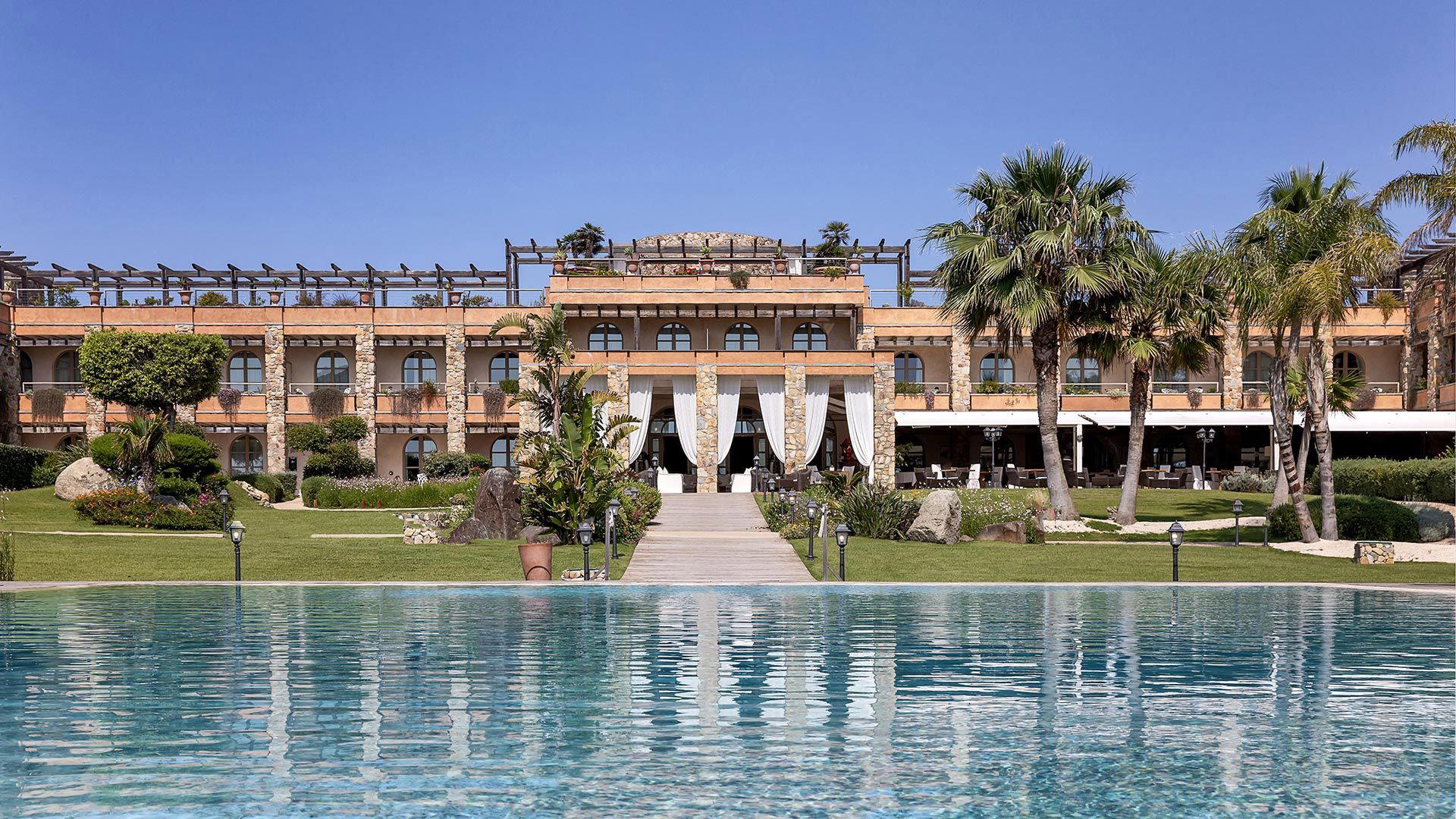
Bars in Castiadas
Browse all →
Hotels in Castiadas
Browse all →


Details
- Romantic
- Elegant
- Scenic
- Sophisticated
- Date Night
- Special Occasion
- Terrace
- Waterfront
- Hotel Restaurant
- Waterfront
- A La Carte
- Vegetarian Friendly
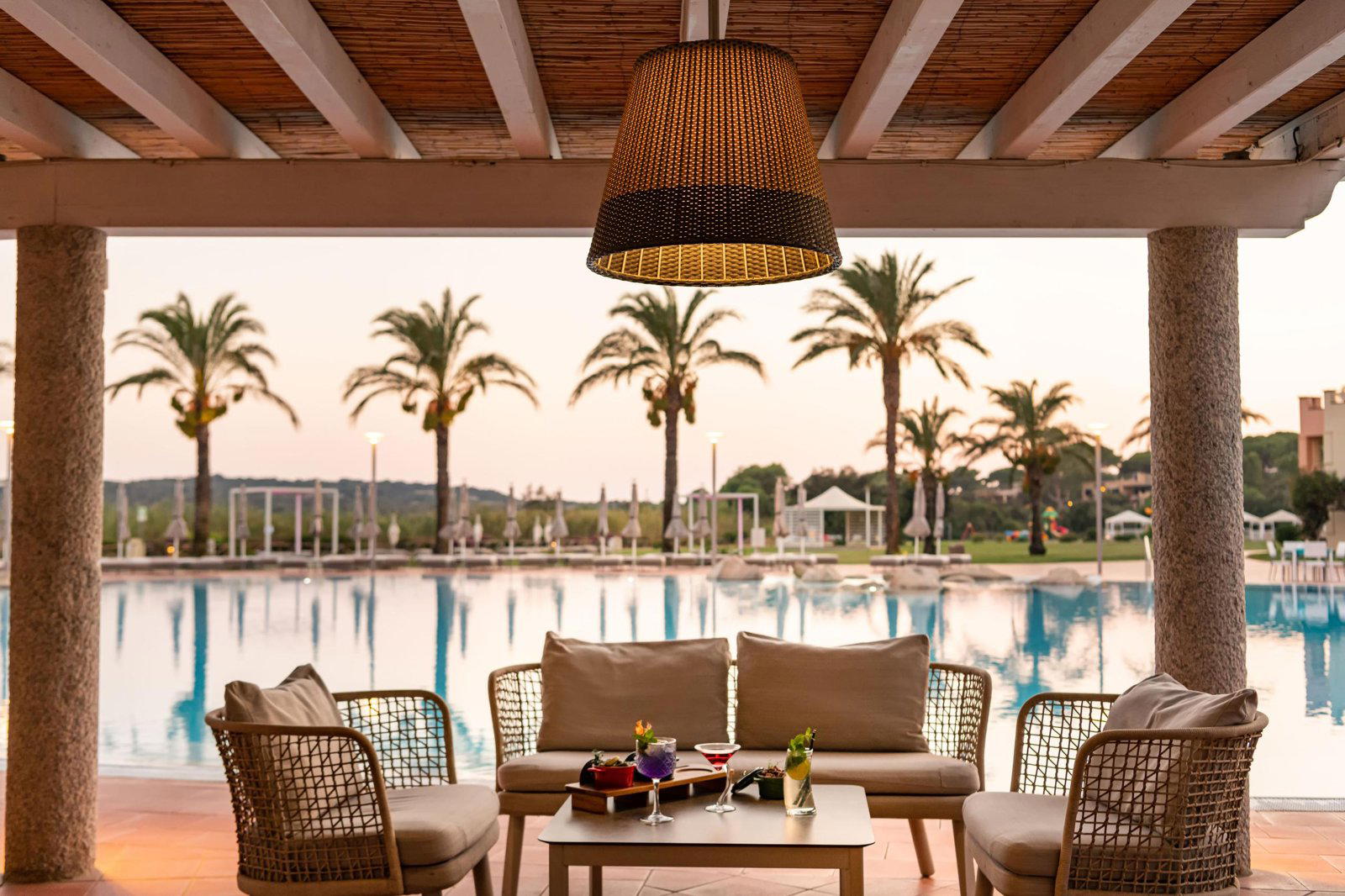
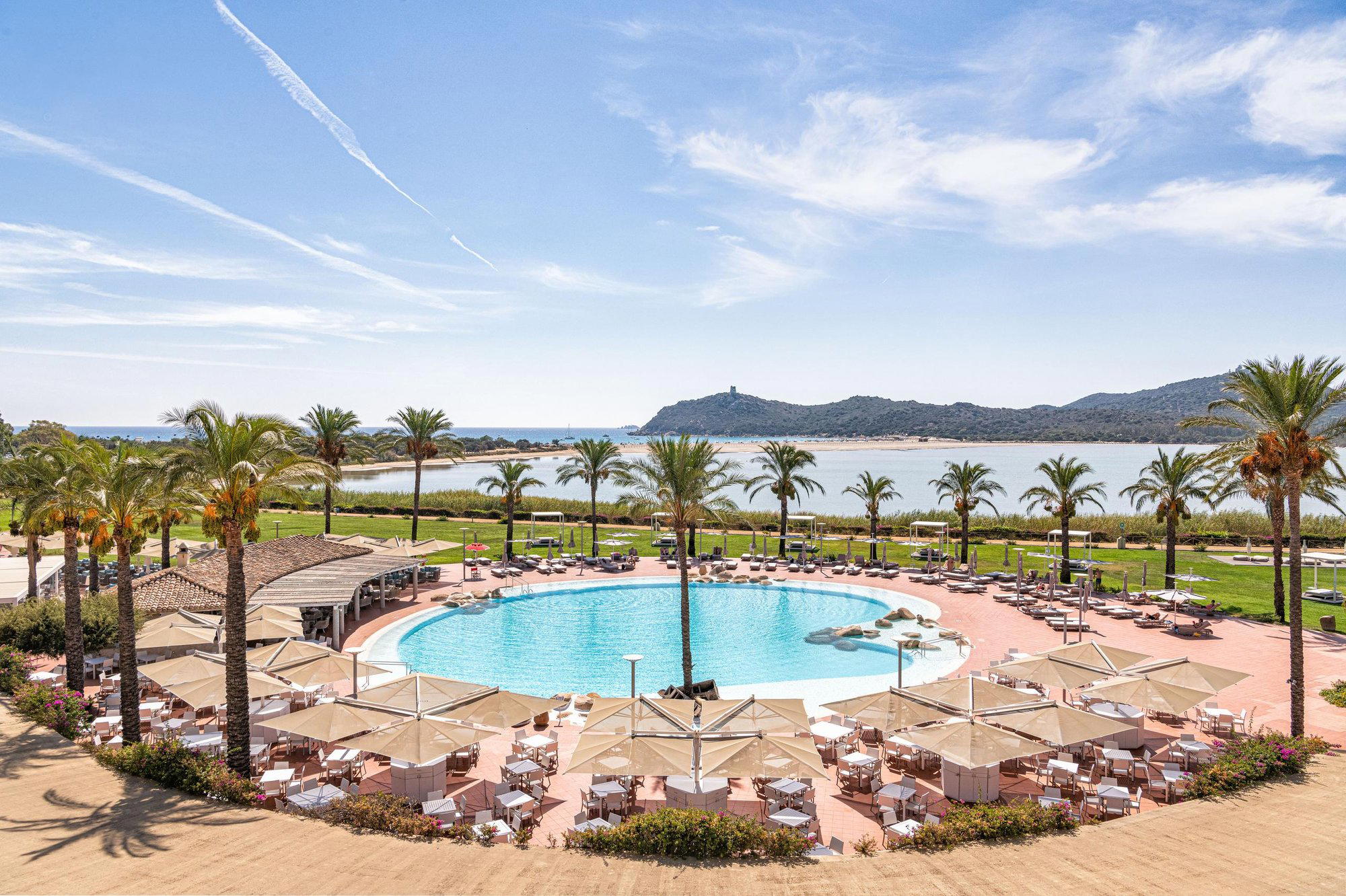
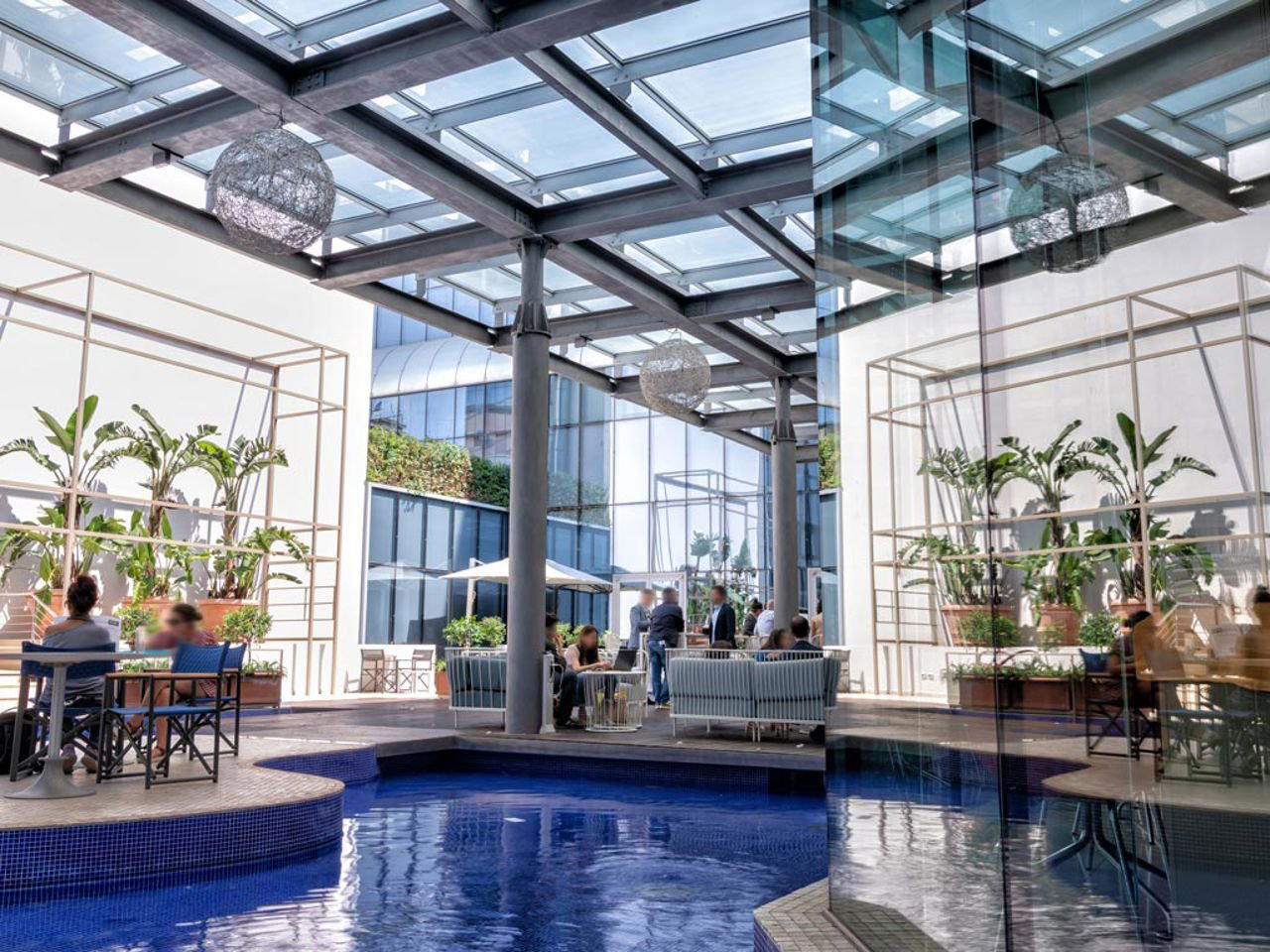
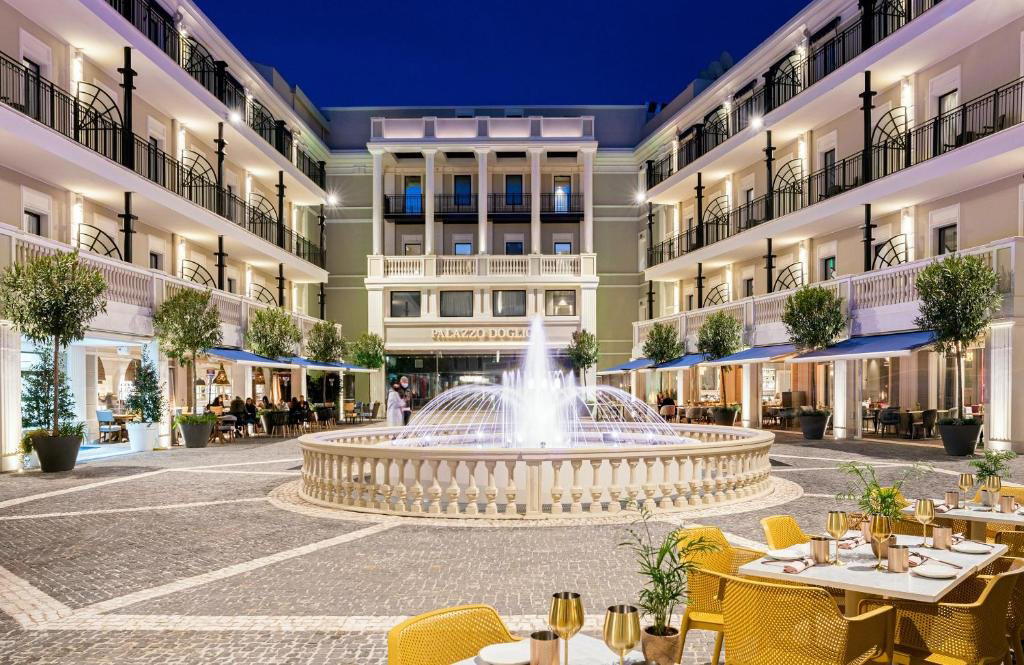
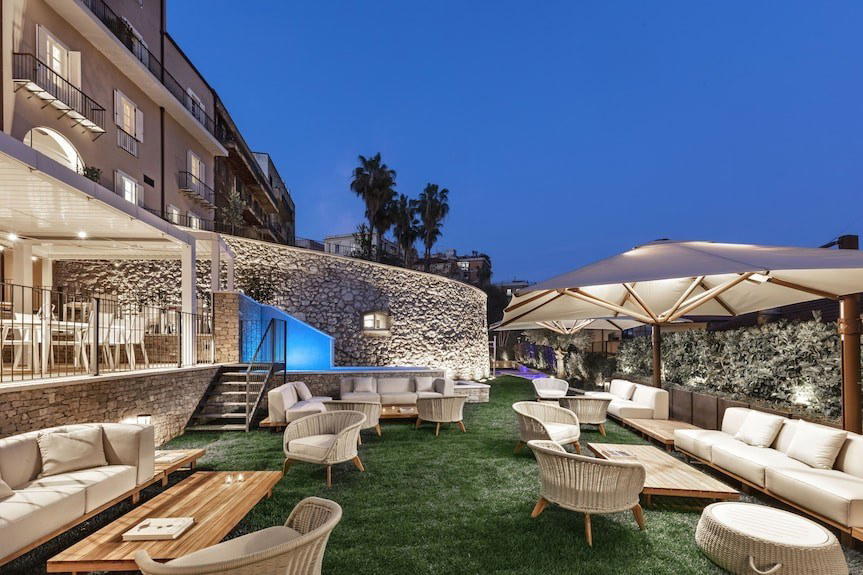
Romantic and elegant with terrace dining under starry skies, relaxed island atmosphere.