

Michelin Selected · Tablet Hotels Best New Hotel Designs (Europe)
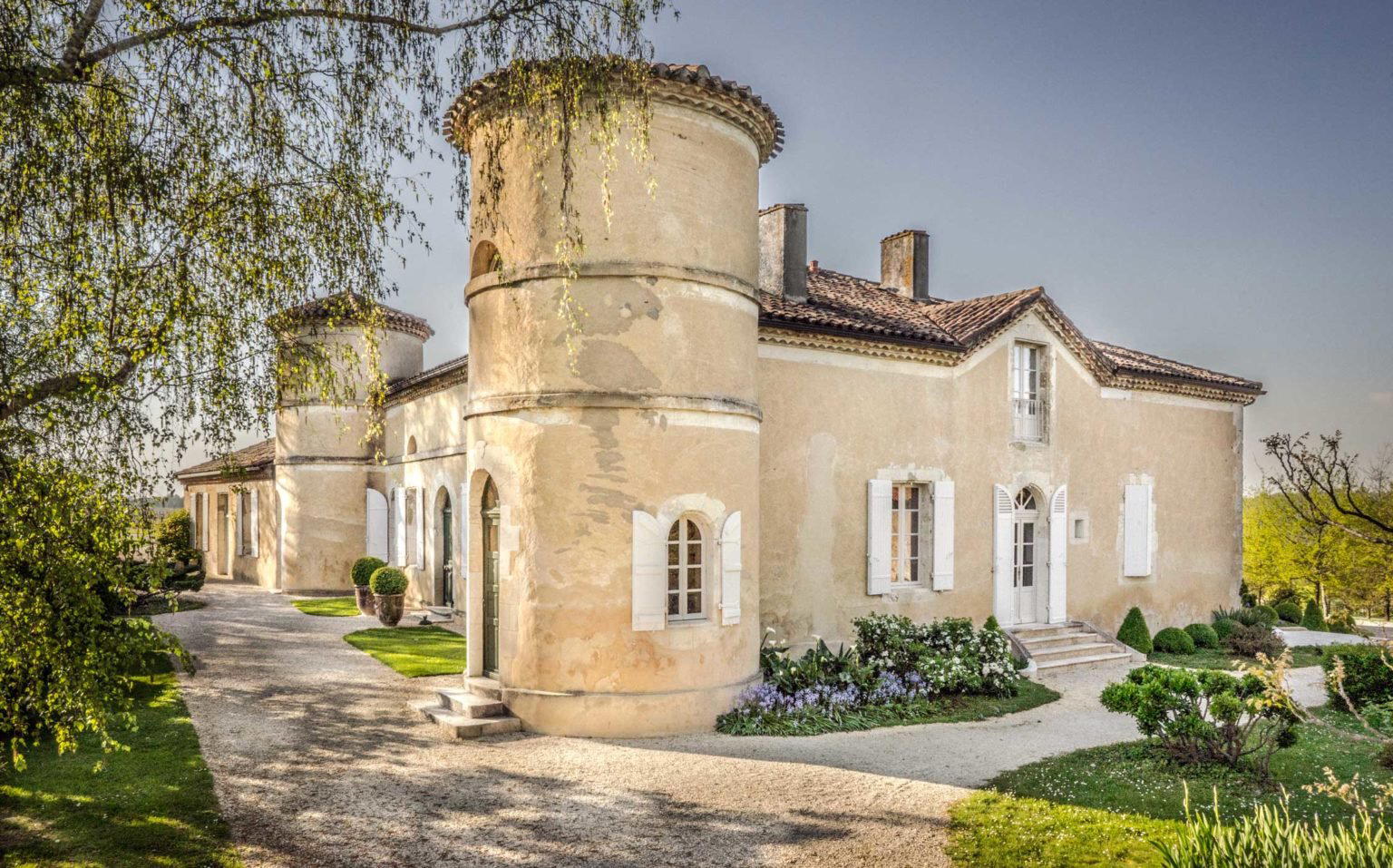
A former royal soap manufactory turned Michelin Selected hotel, La Manufacture Royale de Lectoure occupies one of the Gers département's most architecturally distinctive addresses. The 18th-century industrial heritage of the building sets it apart from the château-and-manor circuit that dominates rural southwest France, placing it in a smaller category of heritage conversions where the original function remains legible in the fabric of the space.

Pearl is the En Primeur Club membership app — saves, bookings, and concierge access live there. Same editors, same standards.
- Address
- 19 Rue Claude Ydron, 32700 Lectoure, France
- Phone
- +33 6 83 51 28 67
- Directions
- Get directions
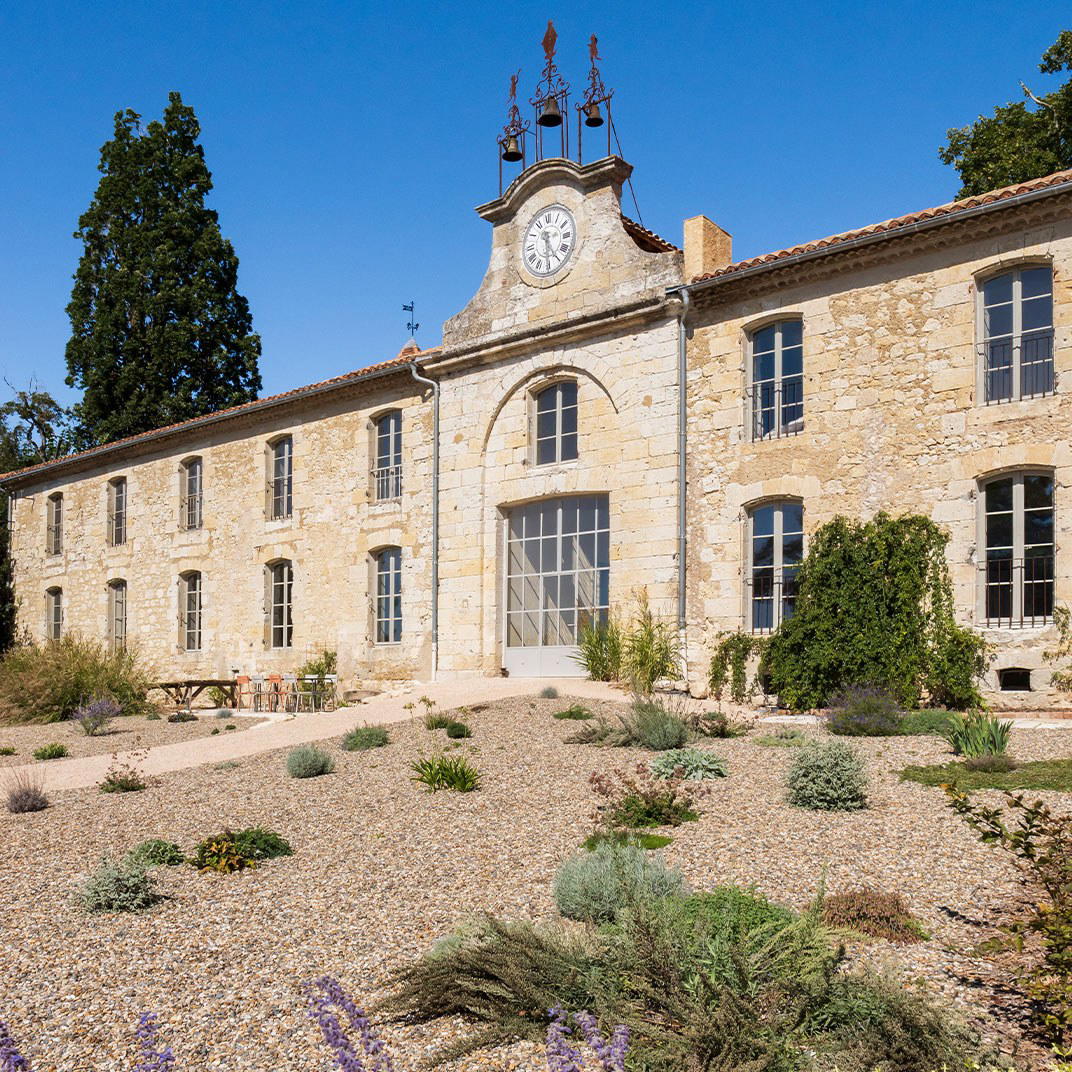
An Industrial Monument in the Heart of Gascony
Southwest France's hotel offer is heavily weighted toward château estates and bastide farmhouses, a format so consistent across the Gers and Lot-et-Garonne that the category has its own predictable grammar: stone towers, walled gardens, pool terraces aligned to a vineyard view. La Manufacture Royale de Lectoure sits outside that grammar. The building at 19 rue Claude Ydron was not a noble residence but a working manufactory, granted royal status in the 18th century for the production of woad-based blue dye, a commodity that once made the Pays de Cocagne, as this corridor of Gascony was known, one of the wealthiest agricultural zones in France. That industrial origin is not incidental to the experience; it is the experience. Where a château hotel asks you to imagine aristocratic ease, this building asks you to read the evidence of commercial scale in its proportions — high ceilings, wide-span walls, volumes that were designed for production rather than habitation.
Lectoure itself reinforces the sense of being somewhere off the main circuit. The town sits on a ridge above the Gers valley, with a profile visible for miles across the flat agricultural plain below. It is a sub-prefecture, not a tourist hub, and its historic centre retains the density of a medieval bastide without the seasonal inflation of Albi or Sarlat. For properties like this one — where the architectural argument depends on context, and context depends on the surrounding fabric remaining intact, that relative obscurity is an asset. For visitors making the journey, see our full Lectoure restaurants guide for how to extend time in the town across multiple meals.
The Architecture of a Royal Manufactory
The conversion of post-industrial or pre-industrial manufacturing buildings into hotel spaces has become a recognisable typology in European hospitality, from former tanneries in Córdoba to textile mills in the English north. What distinguishes the better examples of the form is whether the conversion reads as translation or erasure. At La Manufacture Royale, the premise is translation: the scale of the original building, its relationship to the town grid, and its material presence in the streetscape of Lectoure are retained rather than smoothed into a generic luxury register.
The Hôtel Chais Monnet in Cognac operates on a comparable logic, adapting former Hennessy cognac warehouses into a hotel where the industrial past is held in the architecture. The Royal Champagne Hotel in Champillon takes a different approach, integrating landscape and wine culture rather than manufacturing heritage, but the underlying curatorial intention, that the property should communicate something specific about where and what it is, belongs to the same editorial sensibility in hospitality design.
The Michelin Hotels selection for 2025 places La Manufacture Royale in recognised company without assigning it to the starred-restaurant bracket. Michelin's hotel programme applies different criteria than its restaurant guides, weighting character, setting, and quality of welcome against the more codified metrics of the food programme. Being listed in that selection signals that the property clears a threshold of seriousness and distinctiveness, which in a town the size of Lectoure carries real weight given the competition it faces from larger, better-resourced châteaux in the wider region.
Gascony's Position in the French Rural Luxury Map
The Gers is positioned in a middle tier of French rural tourism, better connected than the Creuse, less trafficked than the Dordogne, with an agricultural identity rooted in foie gras, Armagnac, and heritage grain production. That specific regional character provides a hospitality property like this one with material to work with: the food culture alone, anchored in slow-cooked confits, duck-fat roasted vegetables, and the brandy tradition that predates Cognac's international dominance, offers a distinct alternative to the Provençal and Atlantic Coast circuits that draw larger visitor volumes.
Comparison set for guests weighing southern French rural hotels at a similar level of ambition is worth mapping. Properties such as La Bastide de Gordes in the Luberon and Baumanière Les Baux-de-Provence operate at a higher price point with greater infrastructure, spas, multiple Michelin-starred restaurants, larger room counts, and attract visitors for whom southern France is already a familiar destination. La Manufacture Royale addresses a different reader: one interested in the architectural argument of the building, in a town that has not been fully absorbed into the premium leisure economy, and in a region whose food and spirit traditions have depth without the marketing overlay that arrives with sustained international attention.
For those building a longer circuit through southwest France, the natural trajectory runs through Basque country to the west, where Hôtel du Palais in Biarritz anchors the coast, and toward Bordeaux's wine periphery, where Les Sources de Caudalie brings a different kind of estate logic to the vinotherapy format. Neither of those comparators shares La Manufacture Royale's industrial DNA or its Gascon setting, which is the point: each of these addresses occupies a specific position in the regional offer rather than competing on the same axis.
Planning the Visit
Lectoure is accessible by road from Toulouse, approximately 80 kilometres to the southeast, making it viable as a two-night base for exploring the northern Gers. The nearest commercial airport is Toulouse-Blagnac. The town's market calendar and the Armagnac harvest season, which runs through October and November, are among the stronger seasonal anchors for timing a visit. The Michelin Selected designation implies a standard of welcome and presentation that warrants direct contact with the property for booking, as this category of heritage hotel typically offers more nuanced guidance on room selection and arrival logistics than can be extracted from a third-party platform. Phone and website details for La Manufacture Royale are best confirmed directly through current listings, given the property's independent operating structure.
For those whose itinerary extends beyond southwest France into the broader French luxury hotel circuit, EP Club covers the full range from Le Bristol in Paris to Hotel Du Cap-Eden-Roc on the Cap d'Antibes, The Maybourne Riviera in Roquebrune-Cap-Martin, La Réserve Ramatuelle, Villa La Coste in the Aix hinterland, Château de la Gaude in Aix-en-Provence, Domaine Les Crayères in Reims, Le K2 Palace in Courchevel, Four Seasons Megève, Hôtel du Castellet, Casadelmar in Porto-Vecchio, La Ferme Saint-Siméon in Honfleur, Château du Grand-Lucé, Le Negresco in Nice, Château de la Chèvre d'Or in Èze, and further afield, Hôtel de Paris Monte-Carlo, Badrutt's Palace in St. Moritz, and The Fifth Avenue Hotel in New York.
Comparable Spots, Quickly
Comparable venues nearby, for context on price, style, and recognition.
| Venue | Cuisine | Price | Awards | Notes |
|---|---|---|---|---|
| La Manufacture Royale de LectoureThis venue — the venue you are viewing | Restored 18th-century royal tannery transformed into elegant bed and breakfast with event spaces | Not listed | Michelin Selected · Tablet Hotels Best New Hotel Designs (Europe) | Not listed |
| Le Bois des Chambres | Restored old farmhouse with contemporary lodges on chateau grounds | $100–200 | Michelin Selected | Chaumont-sur-Loire |
| Banke Opéra Paris – A Radisson Collection Hotel | Luxury lifestyle heritage hotel in a converted early-20th-century bank building near Opéra Garnier. | Not listed | Not listed | 9th arrondissement (Opéra/La Fayette) |
| Cyprès Si Haut | luxurious treehouse cabin blending design and nature | $200–300 | Michelin Selected | Saint Mexant |
| Château Diter | Renaissance-style luxury estate with award-winning gardens | $300–500 | Not listed | hills of Grasse |
| Maison Kervarrec | Contemporary guest house attached to a Michelin-starred restaurant | $200–300 | Michelin Selected | Saint-Grégoire |
Recognition history
Dated appearances from independent guides and award organizations, with the underlying list record or original source where available.
Michelin Selected
Michelin
Tablet Hotels Best New Hotel Designs (Europe)
Tablet Hotels · Tablet Hotels Design Awards 2026: Best New Hotel Designs (Europe)
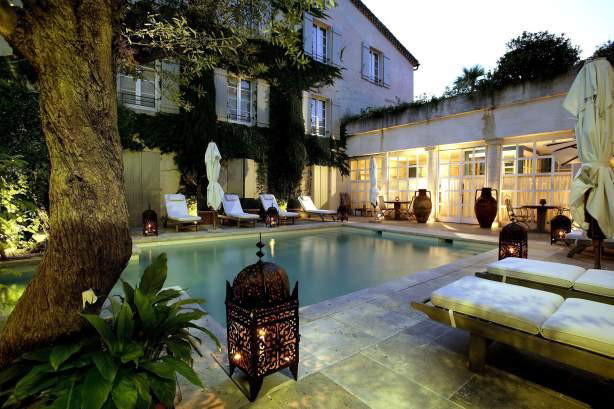
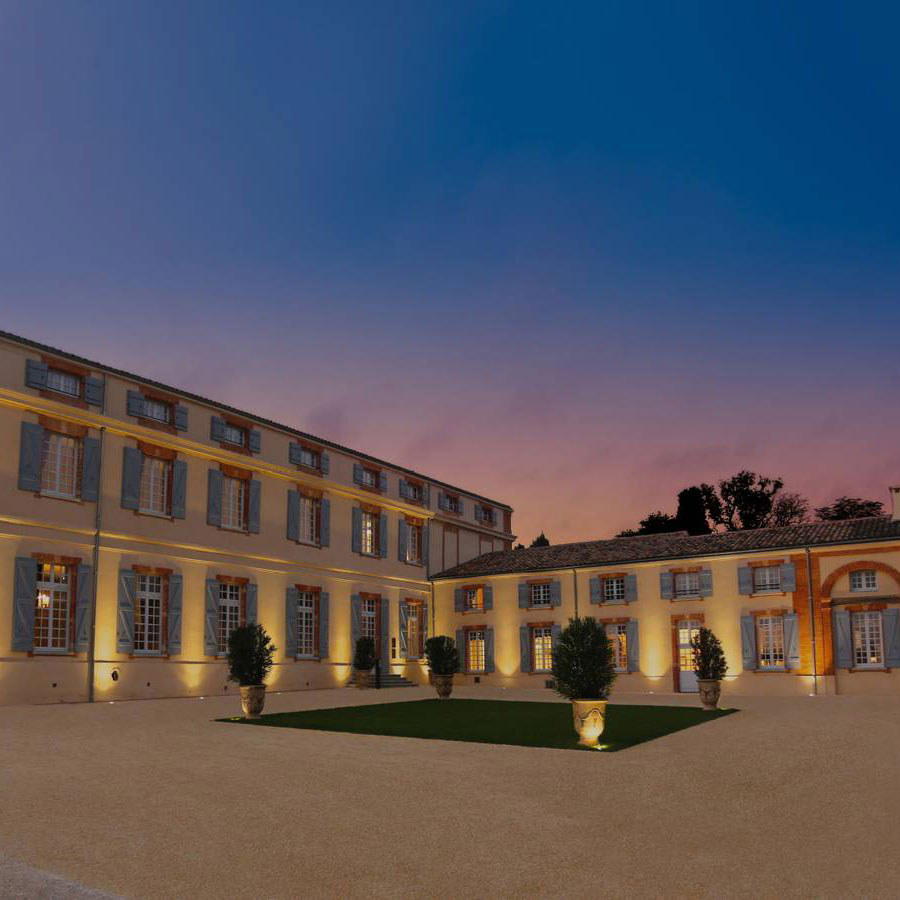

Details
- Romantic
- Elegant
- Quiet
- Sophisticated
- Historic
- Romantic Getaway
- Anniversary
- Weekend Escape
- Historic Building
- Garden
- Terrace
- Panoramic View
- Wi Fi
- Garden
- Mountain
- Step Free Entrance
Peaceful and calming with soft, gentle shades, natural materials, and calm tones creating a relaxing, welcoming atmosphere.