Le Grand Bistro occupies Place de Breteuil in the 7th arrondissement, a corner of Paris where the bistro tradition runs deep and reinvention tends to be slow and deliberate. Positioned at the serious end of the bistro tier, it sits in a neighbourhood defined by ministerial addresses and Eiffel Tower sightlines, making it a useful reference point for understanding how classic Parisian dining formats adapt over time.
Pearl is the En Primeur Club membership app — saves, bookings, and concierge access live there. Same editors, same standards.
- Address
- 3 Pl. de Breteuil, 75007 Paris, France
- Phone
- +33143700210
- Website
- legrandbistro.fr
- Directions
- Get directions
 Saves & bookings on Pearl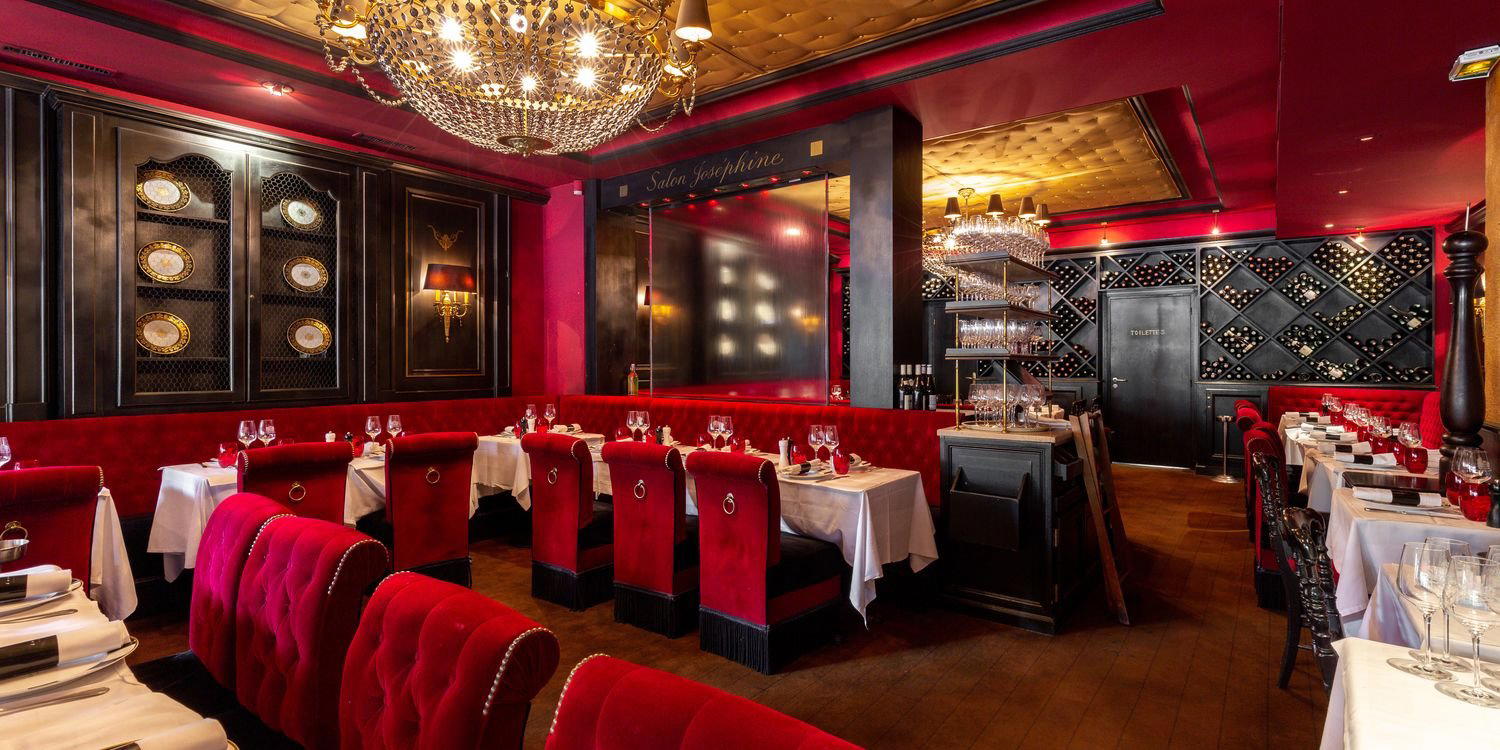
Place de Breteuil and the Bistro That Holds Its Ground
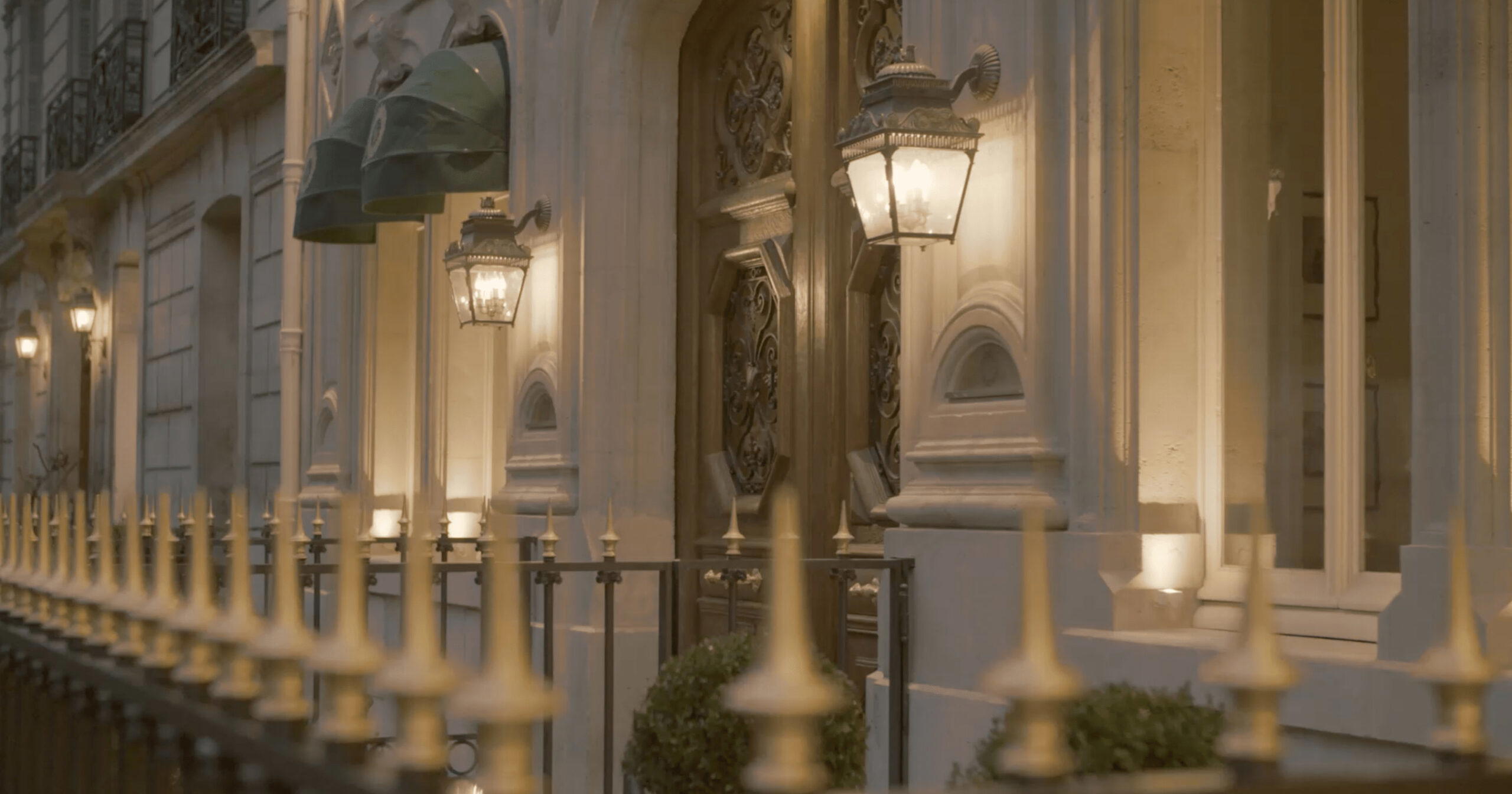
Place de Breteuil is one of those Parisian addresses that requires no ambient mythology. The broad circular plaza anchors the southern end of the 7th arrondissement, framed by Haussmann-era facades and the distant silhouette of the Eiffel Tower. This is a neighbourhood of embassies, ministries, and the kind of residents who prefer their restaurants to have a track record rather than a press launch. Bistros in this part of Paris are not trend-driven operations. They earn their place through consistency, and the dining culture here reflects that expectation: long lunches, wine served by carafe as readily as by bottle, and menus that shift with the market rather than the season's dominant food media narrative.
Le Grand Bistro is a restaurant serving Modern French Fine Dining at 3 Pl. de Breteuil, 75007 Paris, France. Understanding what it represents requires understanding what the bistro format means in Paris right now, and how that format has been under quiet pressure for the better part of two decades.
How the Parisian Bistro Has Changed Around It
The Parisian bistro has spent the last twenty years in a state of managed identity crisis. At the summit end of the city's dining spectrum, three-Michelin-star addresses such as Arpège, L'Ambroisie, and Alléno Paris au Pavillon Ledoyen occupy a category defined by tasting menus, formalized service, and price points that place them closer to haute cuisine pilgrimage than casual dining. Below that tier, the neo-bistro movement of the 2010s introduced a generation of younger chefs working with natural wines, shorter menus, and a studied informality that positioned itself against both the grand brasserie and the traditional bistro. Venues like Kei and the more technical end of Le Cinq represent a third current: the formal French dining room that absorbs international influence while retaining classical structure.
That leaves the traditional bistro in an awkward middle position. Too established to claim the energy of neo-bistro, too unpretentious to compete with grand dining rooms, the classic format survives in pockets of Paris where the clientele has not shifted and the neighbourhood has not gentrified in ways that demand reinvention. The 7th is one of those pockets. The pressure here is not to become something new but to remain something reliable, which is a harder proposition than it sounds when ingredient costs have risen steadily and a younger restaurant media has little editorial interest in the format.
The Evolution Question: What Changes and What Doesn't
Tracking how a bistro evolves is less dramatic than tracking a chef-led tasting menu restaurant pivoting toward a new concept, but it is more instructive about how French dining culture actually operates. The pressure points are specific: the wine list either remains comfortably Bordeaux-heavy or adapts toward more Loire and Rhône, the menu either holds its classic dishes or quietly introduces market-driven plates alongside them, and the dining room either maintains its traditional register or softens toward a more contemporary feel without fully committing to either direction.
Across France, the bistro format has demonstrated more resilience than critics predicted when the neo-bistro wave crested around 2015. Houses like Auberge de l'Ill in Alsace and Troisgros in Ouches have shown that French culinary institutions can absorb reinvention without losing their essential character, though both operate at a scale and reputation level that insulates them from the pressures facing a neighbourhood bistro. Further down the register, places like Bras in Laguiole and Auberge du Vieux Puits in Fontjoncouse have evolved by deepening their regional identity rather than broadening their format.
For a Paris bistro at the Place de Breteuil address, the evolutionary path is narrower. The neighbourhood's residential character limits the walk-in trade that sustains a more casual format, while the address itself carries enough weight to attract visitors who expect a certain register of experience.
Positioning Within the Paris Dining Tier
Paris at the serious dining level divides into a few legible tiers. The Michelin-starred tier anchors at addresses covered elsewhere in our full Paris restaurants guide, including the haute cuisine rooms where a meal runs well above €150 per person before wine. The neo-bistro and natural wine tier concentrates in the 10th, 11th, and parts of the 18th, where bookings are competitive and the format is explicitly chef-driven. The traditional bistro tier, operating in residential neighbourhoods like the 7th, holds a different kind of value: it is the format that Parisian daily life actually uses, not the format that wins international awards or generates feature coverage in food media.
That is not a criticism. It is a description of function. The comparison set for Le Grand Bistro is not Mirazur in Menton or Flocons de Sel in Megève or even, across the Atlantic, Le Bernardin in New York. The comparison set is the other serious bistros within the 7th, and within that set, the Place de Breteuil address carries locational weight that most of its peers cannot match.
Internationally, the French bistro format has been transplanted with varying success. Atomix in New York represents one end of the spectrum where Korean fine dining has absorbed French structural discipline entirely. AM par Alexandre Mazzia in Marseille and Assiette Champenoise in Reims demonstrate how French regional dining has developed its own confident identity outside Paris. Au Crocodile in Strasbourg and Paul Bocuse's Auberge du Pont de Collonges near Lyon sit in the category of French institutions where the name carries more weight than the current format. None of these are direct comparators, but they illustrate the range of ways French dining tradition handles the question of evolution versus preservation.
Planning Your Visit
Le Grand Bistro is located at 3 Place de Breteuil in the 7th arrondissement. The nearest Metro stop is Duroc or Ségur on line 10, placing it within easy reach of Saint-Germain-des-Prés and Invalides. Dress: The 7th arrondissement standard applies: smart casual is the floor, and the neighbourhood skews toward the more considered end of that range. Timing: Lunch on a weekday typically offers one characteristically Parisian experience in this format; the 7th empties toward the weekend as its residential population disperses.
Quick Comparison
Comparable venues nearby, for context on price, style, and recognition.
| Venue | Cuisine | Price | Notes |
|---|---|---|---|
| Le Grand BistroThis venue — the venue you are viewing | Modern French Fine Dining | $$$$ | Not listed |
| La Cour Jardin | Seasonal French Courtyard Bistro | $$$$ | 8th Arr. - Élysée |
| Le Georges | Modern French Fusion with Rooftop Views | $$$$ | 4th arrondissement |
| Peninsula | French Hotel Bistro | $$$$ | Avenue Kléber |
| Sphère | Modern French Gastronomy with Japanese Influences | $$$$ | 8ème arrondissement |
| L'Atelier | Modern French Fine Dining | $$$$ | Saint-Germain |
Continue exploring
More in Paris
Restaurants in Paris
Browse all →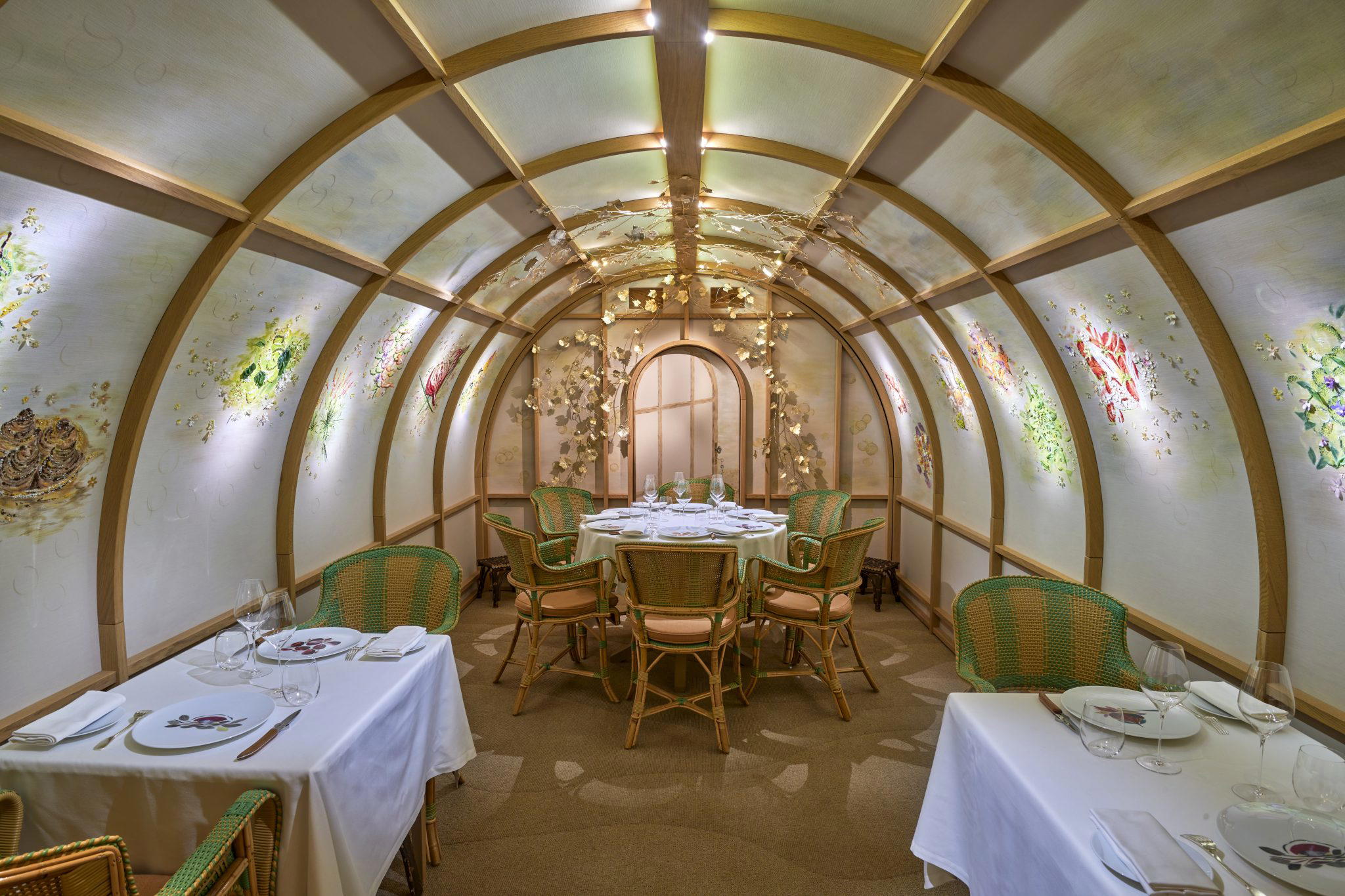
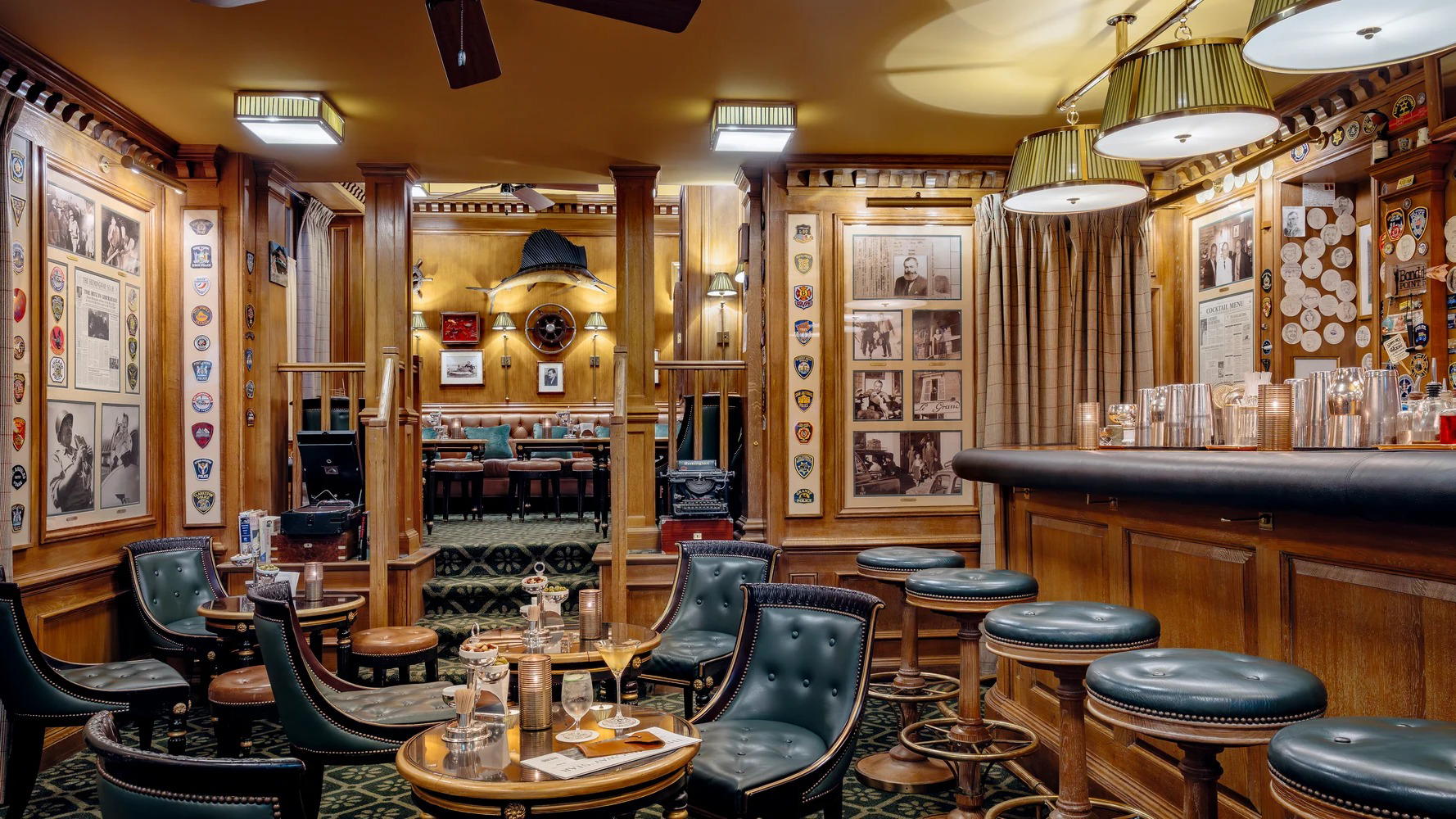
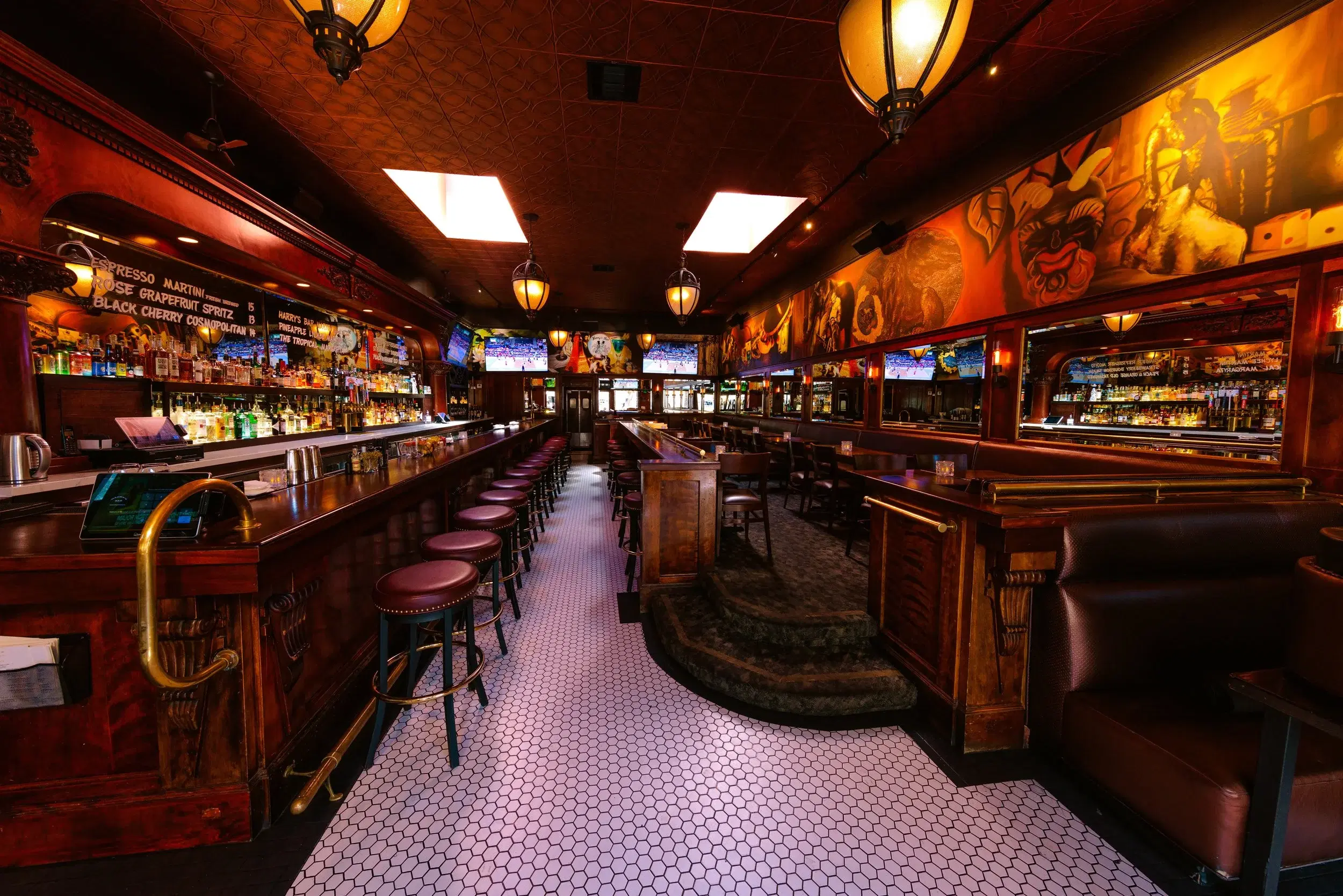
Bars in Paris
Browse all →
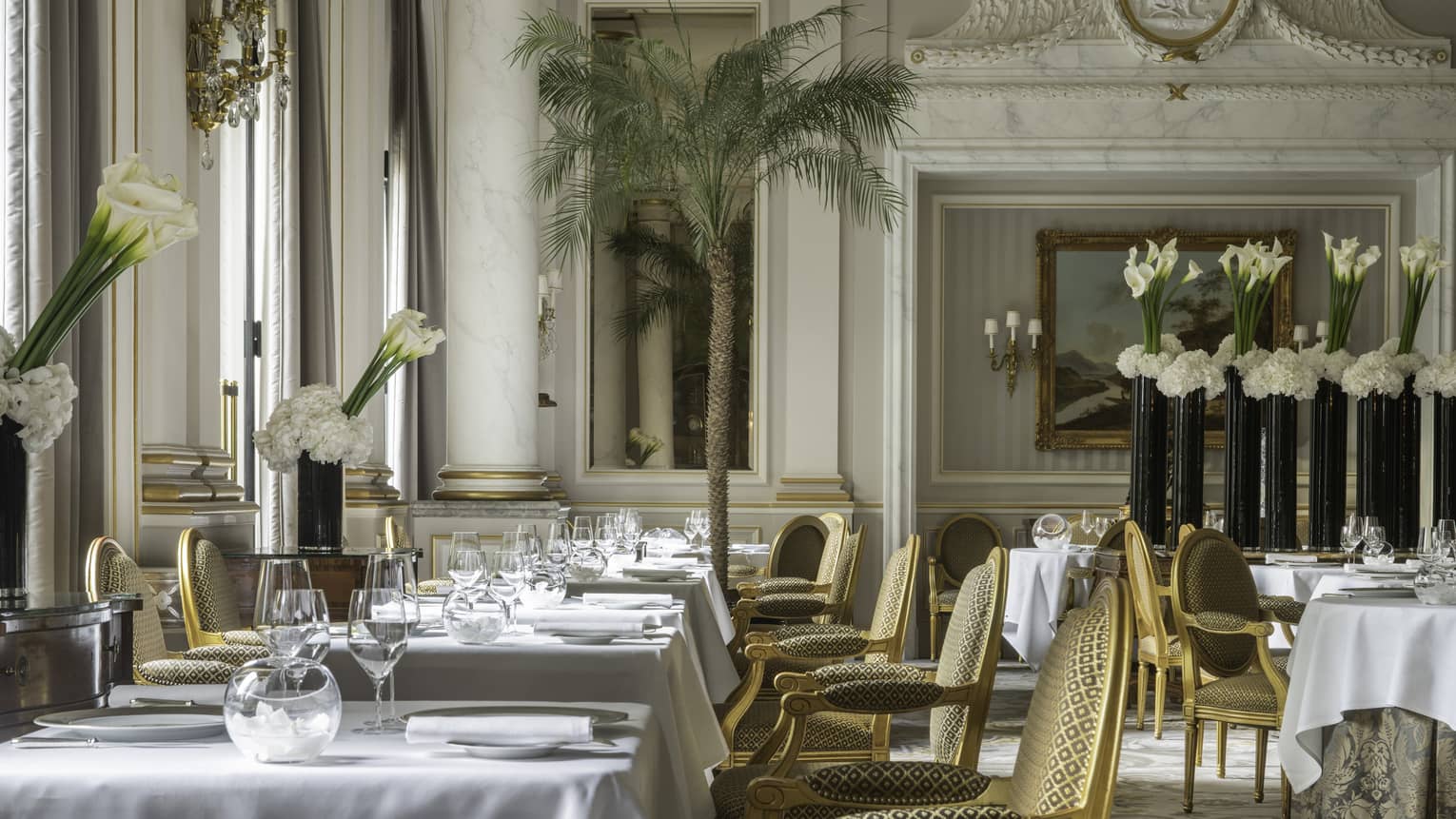
Hotels in Paris
Browse all →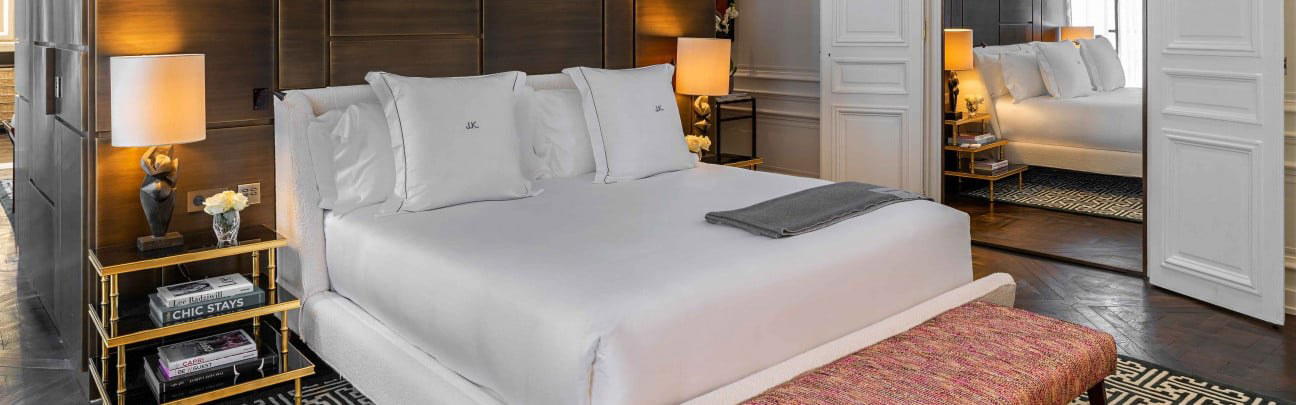



At a Glance
- Intimate
- Elegant
- Sophisticated
- Special Occasion
- Date Night
- Open Kitchen
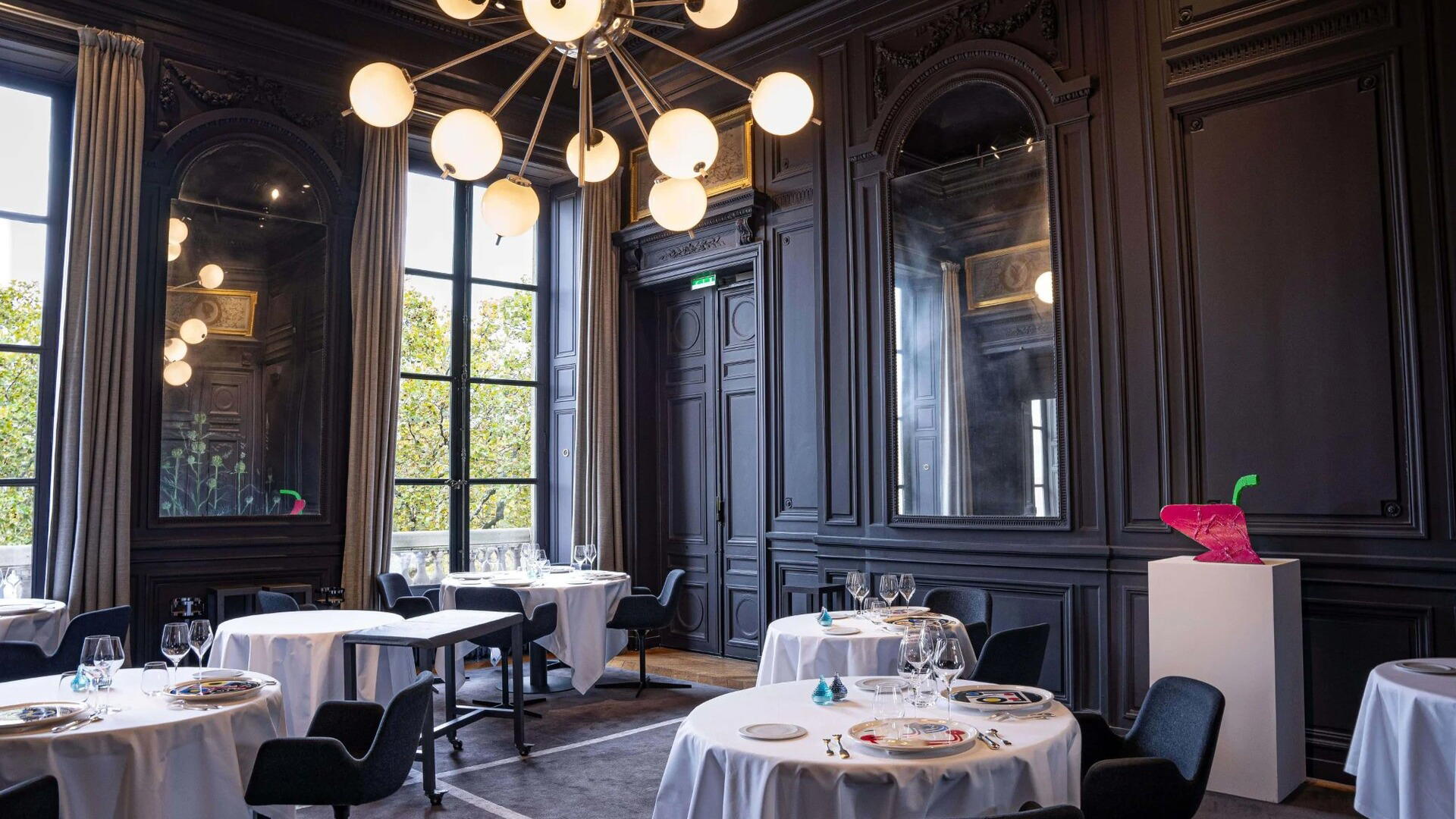
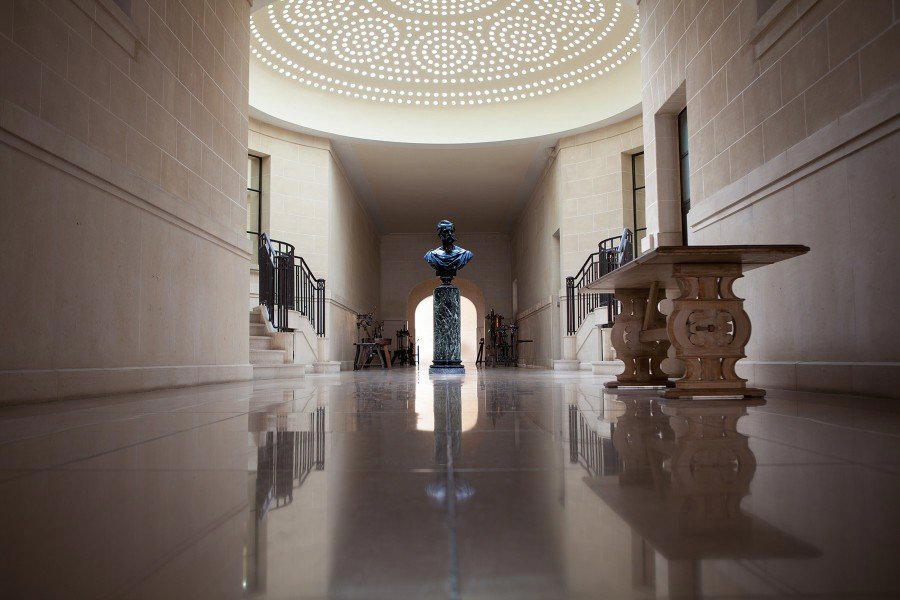
Intimate and cozy with dim lighting, a dramatic sculptural glass ceiling reflecting light, and thoughtful antique touches.