On the Boulevard du Montparnasse in Paris's 6th arrondissement, L'Atelier occupies a corner of the Left Bank long associated with serious dining and intellectual life. The address sits within a competitive tier of Paris restaurants defined by formal French technique and considered sourcing. Booking ahead is advised; walk-in availability varies by service.
Pearl is the En Primeur Club membership app — saves, bookings, and concierge access live there. Same editors, same standards.
- Address
- 95 Bd du Montparnasse, 75006 Paris, France
- Phone
- +33954456515
- Website
- privateaser.com
- Directions
- Get directions
 Saves & bookings on Pearl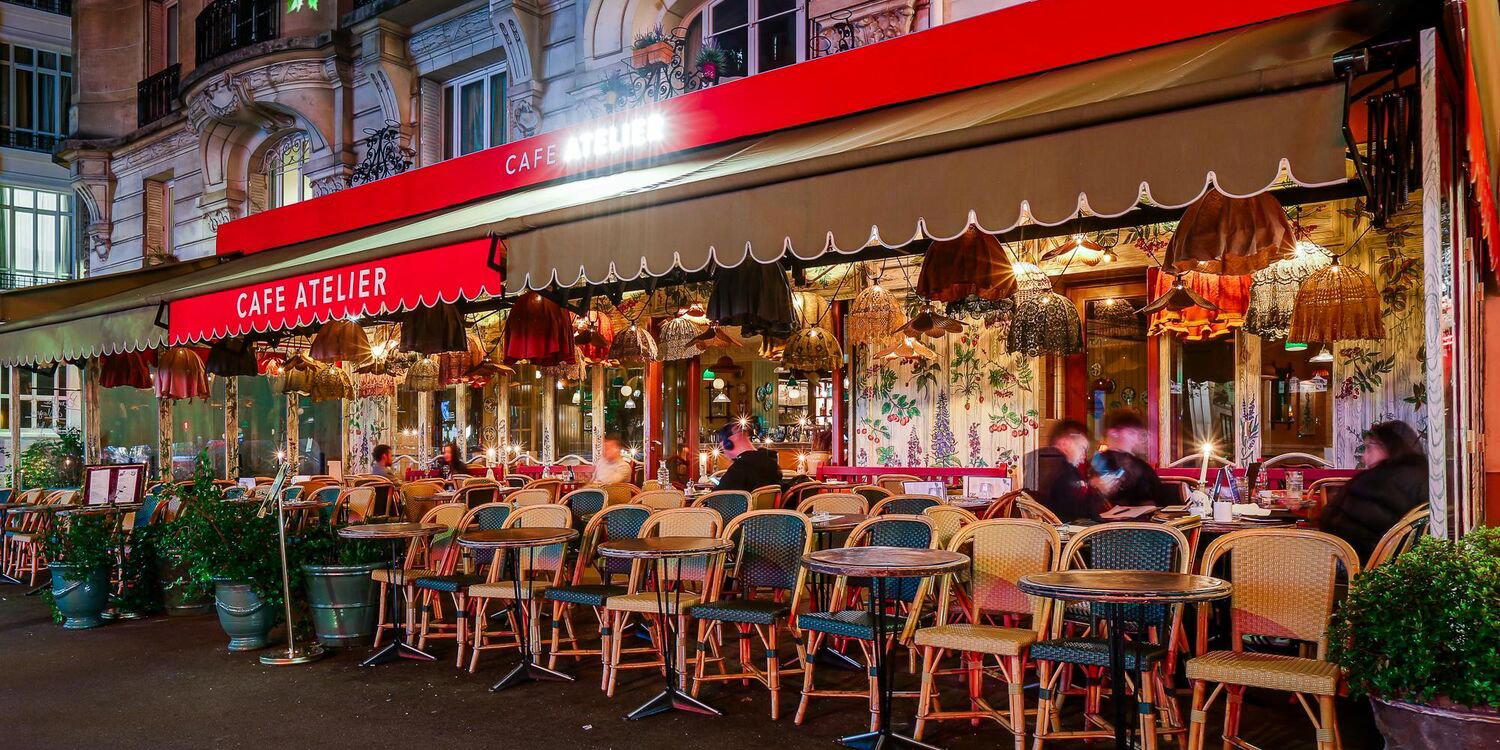
Montparnasse and the Grammar of the Parisian Left Bank
The Boulevard du Montparnasse has a longer memory than most Parisian dining corridors. The cafés and brasseries that line it were, for much of the twentieth century, meeting points for artists, writers, and the kind of sustained conversation that required good wine and reliable food. That cultural gravity has not entirely dissipated. The 6th arrondissement still draws a crowd that treats dining as an extension of intellectual life rather than a performance of status, and restaurants in this pocket of Paris tend to carry that expectation whether they invite it or not. L'Atelier, at 95 Bd du Montparnasse, 75006 Paris, France, is a restaurant serving Modern French Fine Dining.
The Left Bank's dining character differs materially from the 8th arrondissement's grand-avenue formality or the Marais's more recent wave of natural-wine bistros. Here, the expectation is French technique rendered with enough restraint to suggest confidence rather than effort. The room at 95 Boulevard du Montparnasse sits within a neighbourhood where the competition is set less by proximity than by category: the formal French restaurant in Paris's middle-to-upper tier, where the reference points range from the classic bourgeois table to the contemporary tasting-menu format.
Where L'Atelier Sits in Paris's Formal Dining Tier
Paris's formal restaurant market has stratified considerably over the past decade. At the ceiling sit the city's three-Michelin-star addresses: L'Ambroisie on the Place des Vosges, with its sustained classicism, and Alléno Paris au Pavillon Ledoyen, where the creative register runs considerably higher. A tier below, kitchens like Kei and Le Cinq at the Four Seasons Hôtel George V operate within recognisably French frameworks but with distinct inflections, Japanese minimalism in Kei's case, grand-hotel pageantry in Le Cinq's. Each of these addresses prices against a comparable set defined more by prestige signals than by geography.
L'Atelier at this address in the 6th occupies a position worth understanding in that context. The name itself, atelier, or workshop, signals an orientation toward craft and process rather than ceremony. In the vocabulary of Parisian dining, this is a meaningful choice. The workshop framing has been used across the city to suggest a kitchen in dialogue with its ingredients rather than one performing a fixed canon. How literally or loosely that promise is kept distinguishes one atelier from another. For diners approaching from outside France, the category comparison that matters most is the contrast with analogous addresses in other cities: the technically serious French restaurant that does not require a grand hotel lobby or a decades-long reservation queue to access. Le Bernardin in New York occupies a comparable tier in American terms, defined by serious classical technique and reliable consistency rather than avant-garde spectacle.
French Culinary Tradition and the Left Bank Table
French haute cuisine has always carried a geographic dimension that goes beyond the plate. The traditions that define serious Parisian restaurants have roots in the provinces as much as in Paris itself. Troisgros in the Loire, Auberge de l'Ill in Alsace, Bras on the Aubrac plateau, these are the kitchens that shaped the technical and philosophical vocabulary that Paris's leading restaurants now deploy. Paul Bocuse's Auberge du Pont de Collonges near Lyon remains a fixed point in that lineage. When a Paris restaurant positions itself in the formal French tradition, it is implicitly entering a conversation that spans generations and geography.
The contemporary Paris table also reflects cross-currents from outside France. Mirazur in Menton, operating on the Franco-Italian border, represents one model: a kitchen that draws on French technique while refusing strict national categorisation. AM par Alexandre Mazzia in Marseille pushes further into a register that is formally French but conceptually autonomous. Paris's own dining scene absorbs these influences at different speeds, with the Left Bank tending to favour evolution over rupture. Arpège, two kilometres away in the 7th, demonstrates how far that evolution can go while remaining anchored in French culinary grammar.
For diners coming from outside Europe, the value of a restaurant like L'Atelier on the Boulevard du Montparnasse lies partly in its address and partly in what that address implies. A meal on this stretch of the Left Bank is not simply a dining transaction; it is a form of access to a specific cultural register, the serious Parisian table that operates outside the tourist circuit without being deliberately obscure. The distinction matters. Compare it to Atomix in New York, a kitchen that has built its reputation on rigorous cultural specificity and a deliberately limited guest list. Paris's equivalent addresses tend to achieve the same effect through historical weight rather than enforced scarcity.
Dining at L'Atelier: What to Consider Before You Book
French restaurant vocabulary rewards some preparation. A menu that describes itself as a dégustation or a menu découverte signals a structured tasting sequence; à la carte service signals more autonomy. The difference matters for pacing, for wine pairing decisions, and for what the kitchen is actually trying to say. Across Paris's formal tier, the trend over the past decade has moved decisively toward tasting menus, with à la carte becoming a signal of either high confidence or deliberate classicism. Restaurants beyond Paris that have held their format through this shift, Flocons de Sel in Megève or Assiette Champenoise in Reims, do so because their identity is inseparable from a particular structure. The format at any Parisian restaurant is worth checking before arrival.
Practically: 95 Boulevard du Montparnasse is served by the Montparnasse-Bienvenüe metro hub, one of the largest interchange stations in Paris, making it direct to reach from most parts of the city. Lunch service at this category of restaurant in Paris is consistently better value than dinner, the same kitchen, often the same menu framework, at a materially lower price point. Regional comparisons, from Au Crocodile in Strasbourg to Auberge du Vieux Puits in Fontjoncouse, help calibrate expectations for what France's formal dining tier delivers outside the capital.
Price and Positioning
Comparable venues nearby, for context on price, style, and recognition.
| Venue | Cuisine | Price | Notes |
|---|---|---|---|
| L'AtelierThis venue — the venue you are viewing | Saint-Germain, Modern French Fine Dining | $$$$ | Not listed |
| Restaurant Cuisine l'E7 | Gaillon, Modern French Bistro | $$$$ | Not listed |
| Cravan | Not listed | $$$$ | Saint-Germain-des-Prés, Modern French Cocktail Bar |
| ONYX | Not listed | $$$$ | 9th arrondissement, Refined French Bistronomy |
| Sur Mesure | Not listed | $$$$ | Louvre / Palais-Royal, Modern French-Japanese Molecular Cuisine |
| La Pagode de Cos | Not listed | $$$$ | Madeleine, Modern French with Global Influences |
Continue exploring
More in Paris
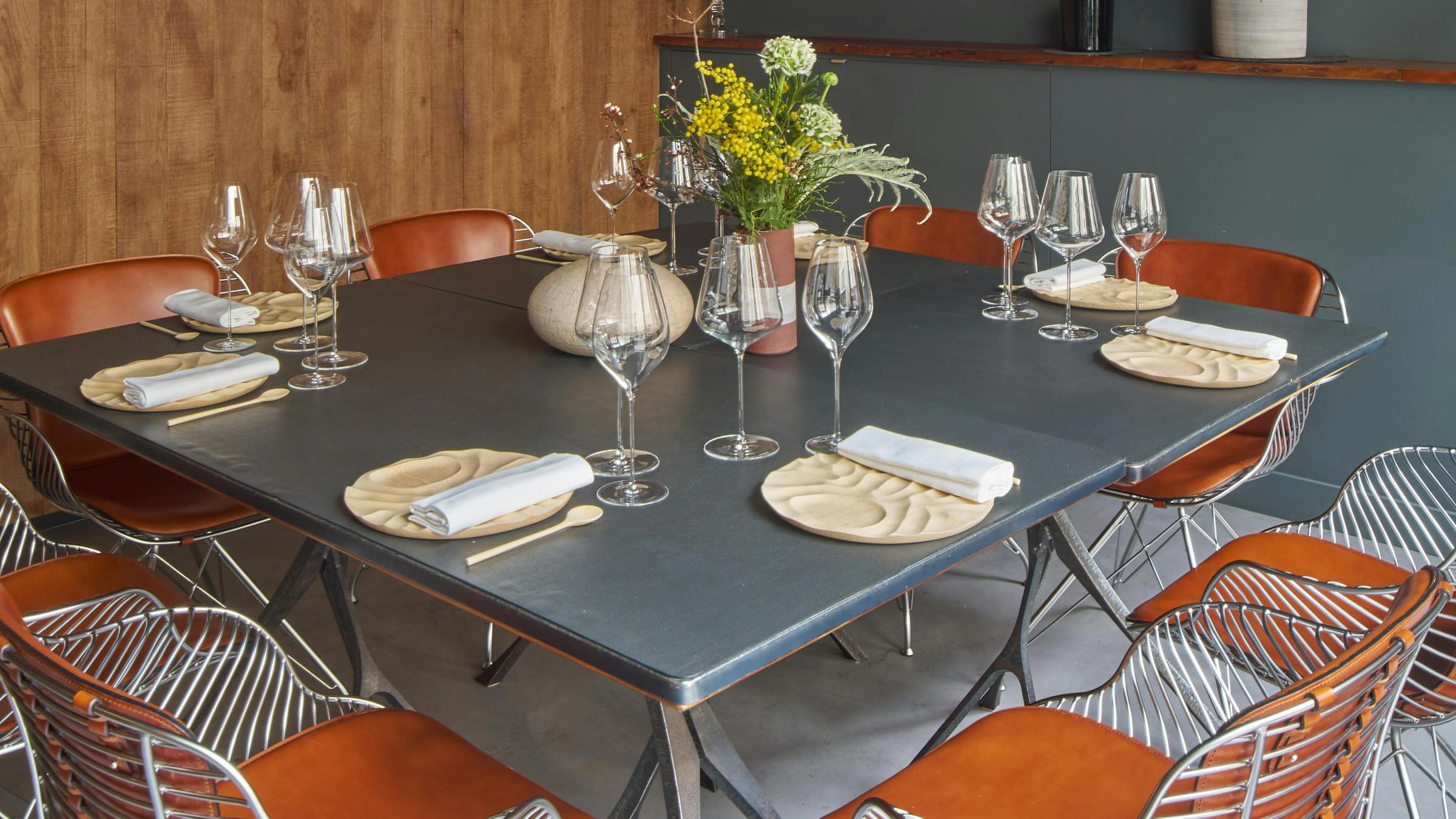
Restaurants in Paris
Browse all →
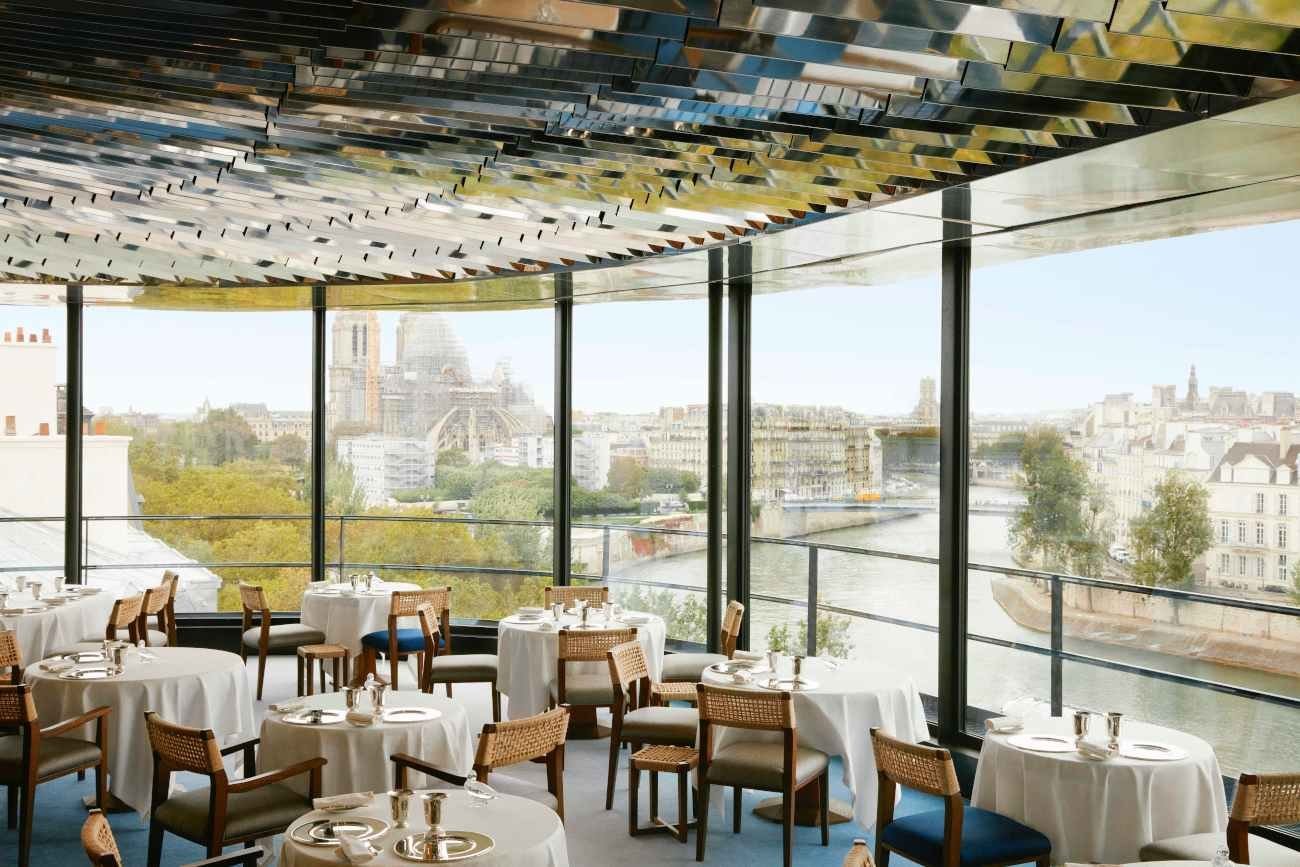
Bars in Paris
Browse all →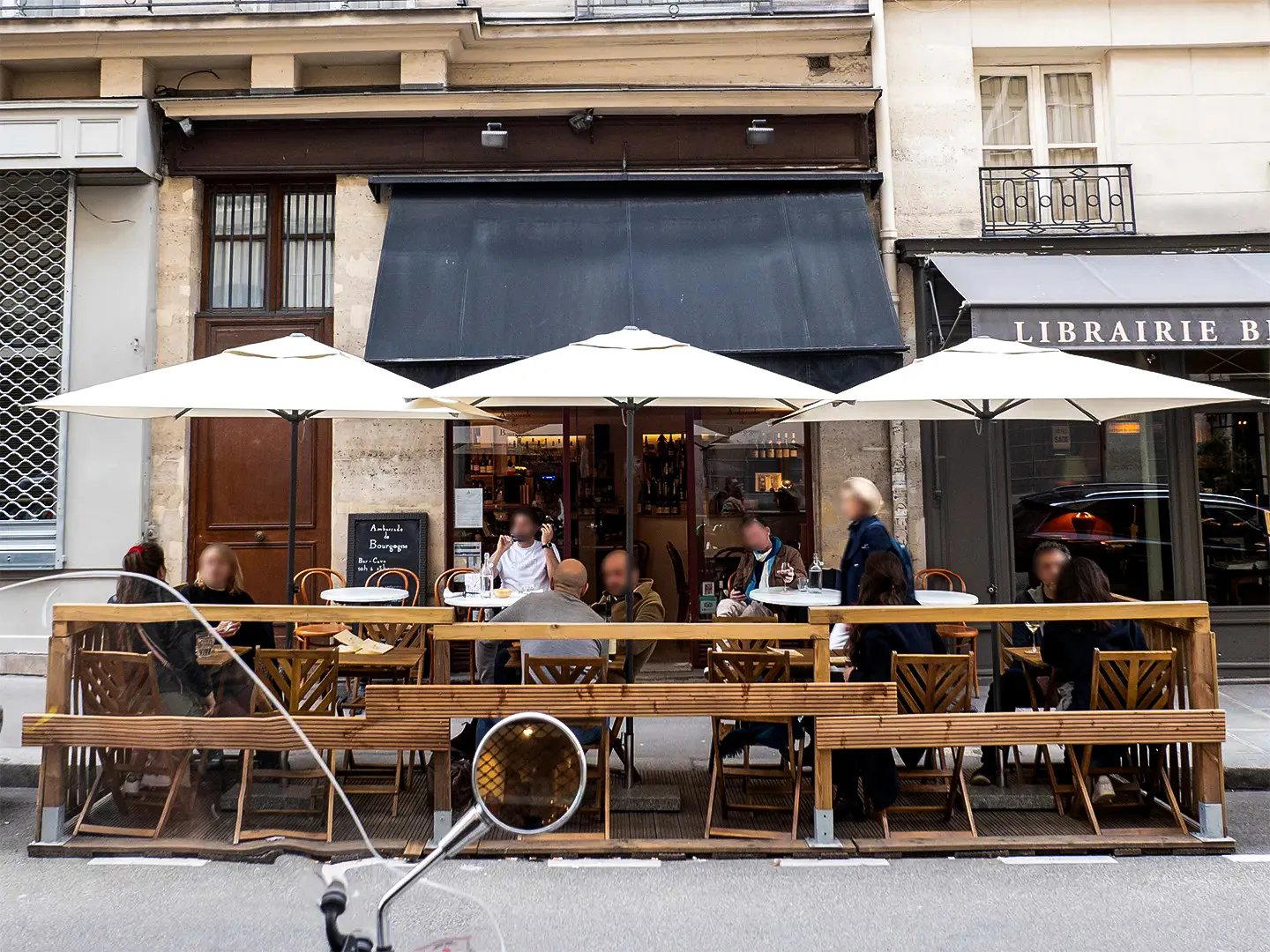
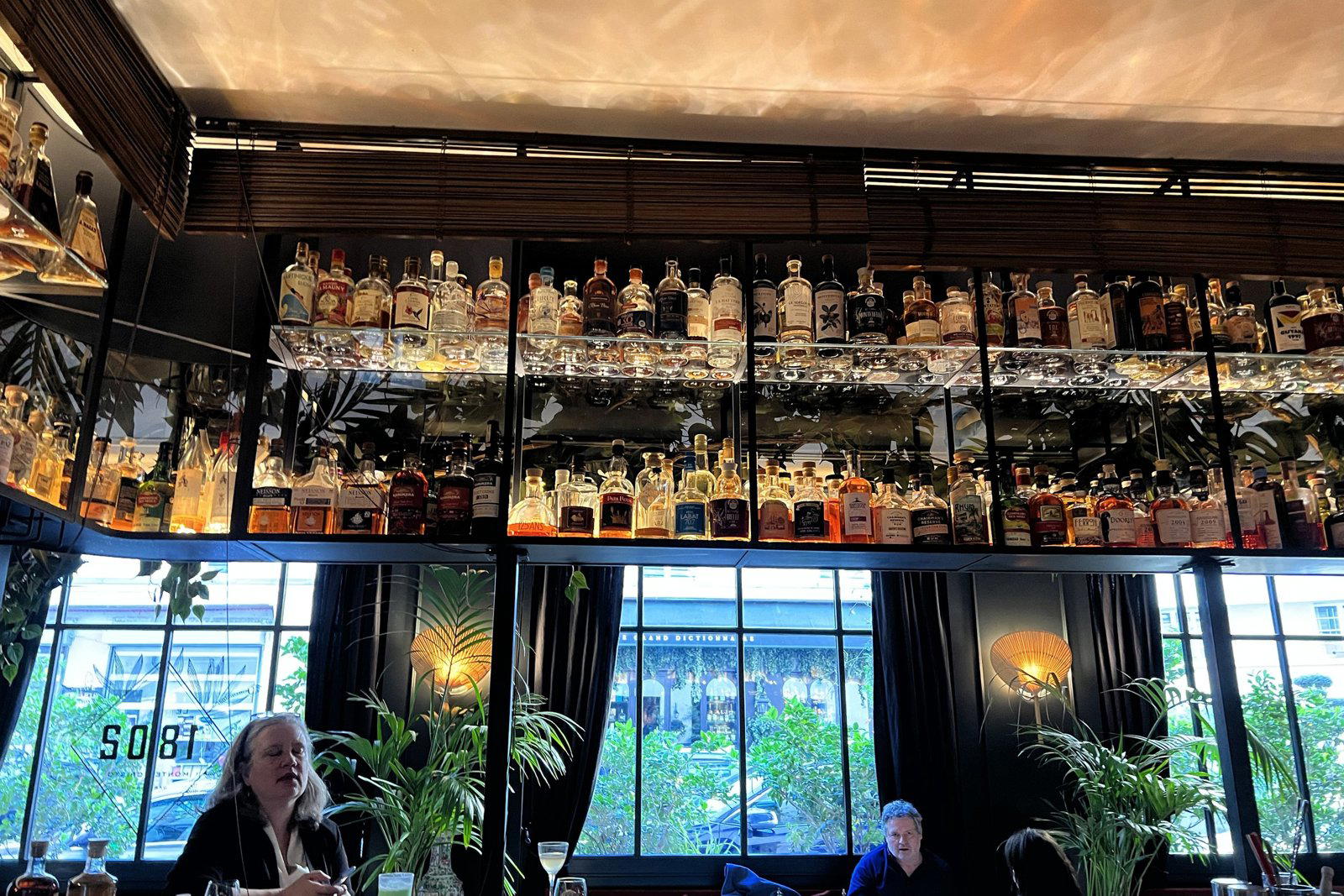
Hotels in Paris
Browse all →



At a Glance
- Elegant
- Sophisticated
- Modern
- Intimate
- Date Night
- Special Occasion
- Solo
- Chefs Counter
- Open Kitchen
- Extensive Wine List
Current opening hours
- Monday
- 7 AM–5 AM
- Tuesday
- 7 AM–5 AM
- Wednesday
- 7 AM–5 AM
- Thursday
- 7 AM–5 AM
- Friday
- 7 AM–5 AM
- Saturday
- 7 AM–5 AM
- Sunday
- 7 AM–5 AM
Hours can change for holidays and private events. Last verified .
Semi-dark with red and black decor, intimate clubby atmosphere featuring high stools at bars facing the central kitchen.