A. Noste serves Basque tapas at 6 bis Rue du 4 septembre in Paris, with Smoked Chicken and Chipirons Frites among the named dishes.
Pearl is the En Primeur Club membership app — saves, bookings, and concierge access live there. Same editors, same standards.
- Address
- 6 bis Rue du 4 septembre, 75002 Paris, France
- Phone
- +33147039191
- Website
- a-noste.com
- Directions
- Get directions
 Saves & bookings on Pearl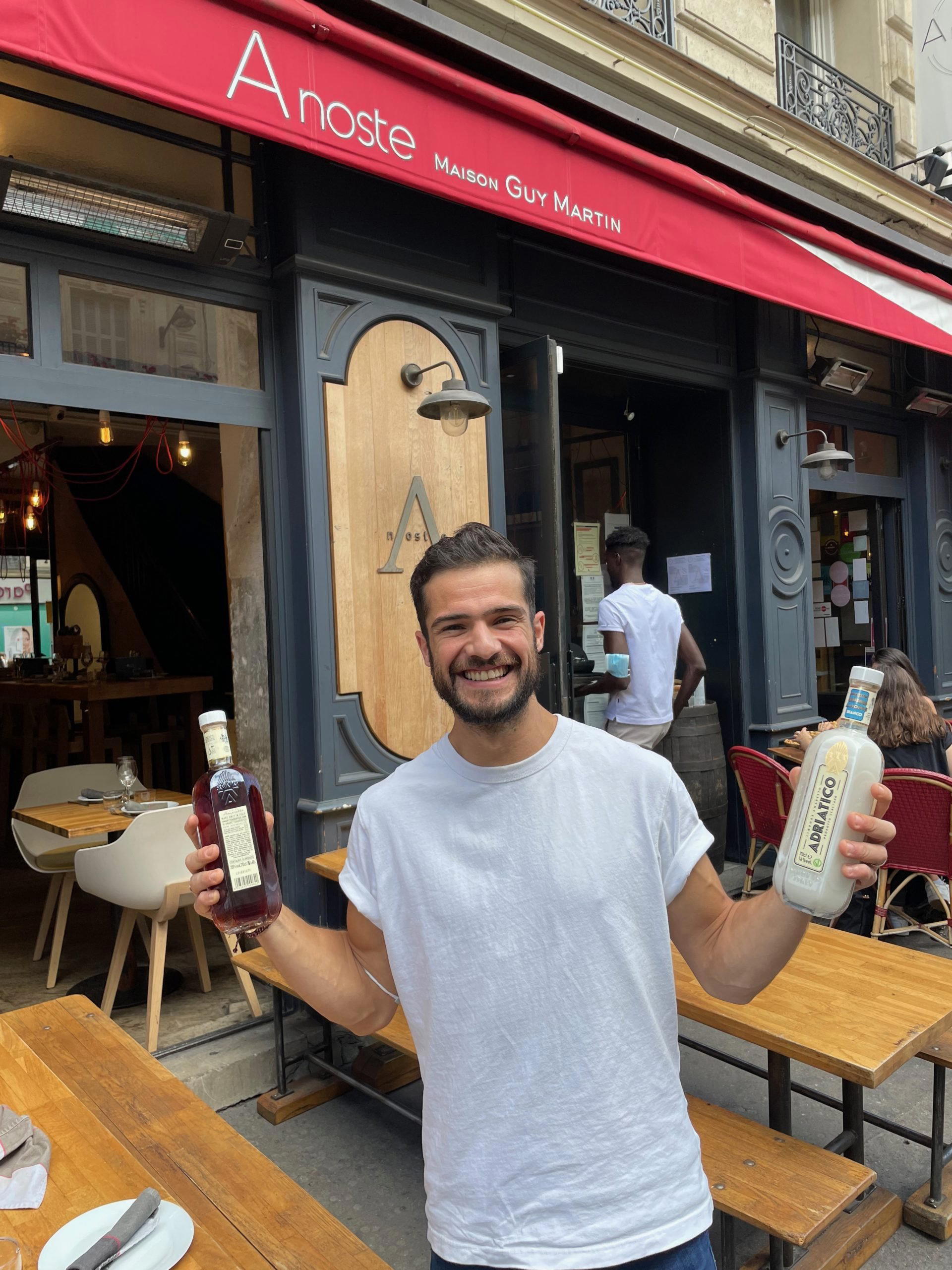
Rue du 4 Septembre and the Case for Basque Cooking in Paris's Second Arrondissement
The 2nd arrondissement has long been a commercial district first, a dining destination second. Its streets run between the grands boulevards and the Bourse, and the restaurants that take root here tend to serve the lunch-and-back crowd rather than destination diners. A. Noste, at 6 bis Rue du 4 Septembre, operates against that grain. The address sits close enough to the Opéra quarter to catch theatre-goers and office workers, yet the kitchen's orientation is firmly southwestern: the Basque Country and its cooking traditions, brought into a room that was designed to make that argument spatially as well as on the plate.
Paris's Basque restaurant scene occupies a specific position in the city's dining order. It is not the Michelin-weighted top tier occupied by houses like Alléno Paris au Pavillon Ledoyen, Arpège, or L'Ambroisie, and it is not the Franco-Asian fusion space staked out by Kei. Instead, Basque-focused addresses in Paris perform a different cultural function: they argue for regionalism at a moment when the capital's dining conversation is increasingly cosmopolitan. The Basque Country has its own benchmark institutions further south, including Mirazur in Menton and properties like Flocons de Sel in Megève that anchor French regional cooking at the highest level. Paris addresses that carry that tradition into the capital carry a particular representational weight.
The Space as Argument: How the Room Frames the Food
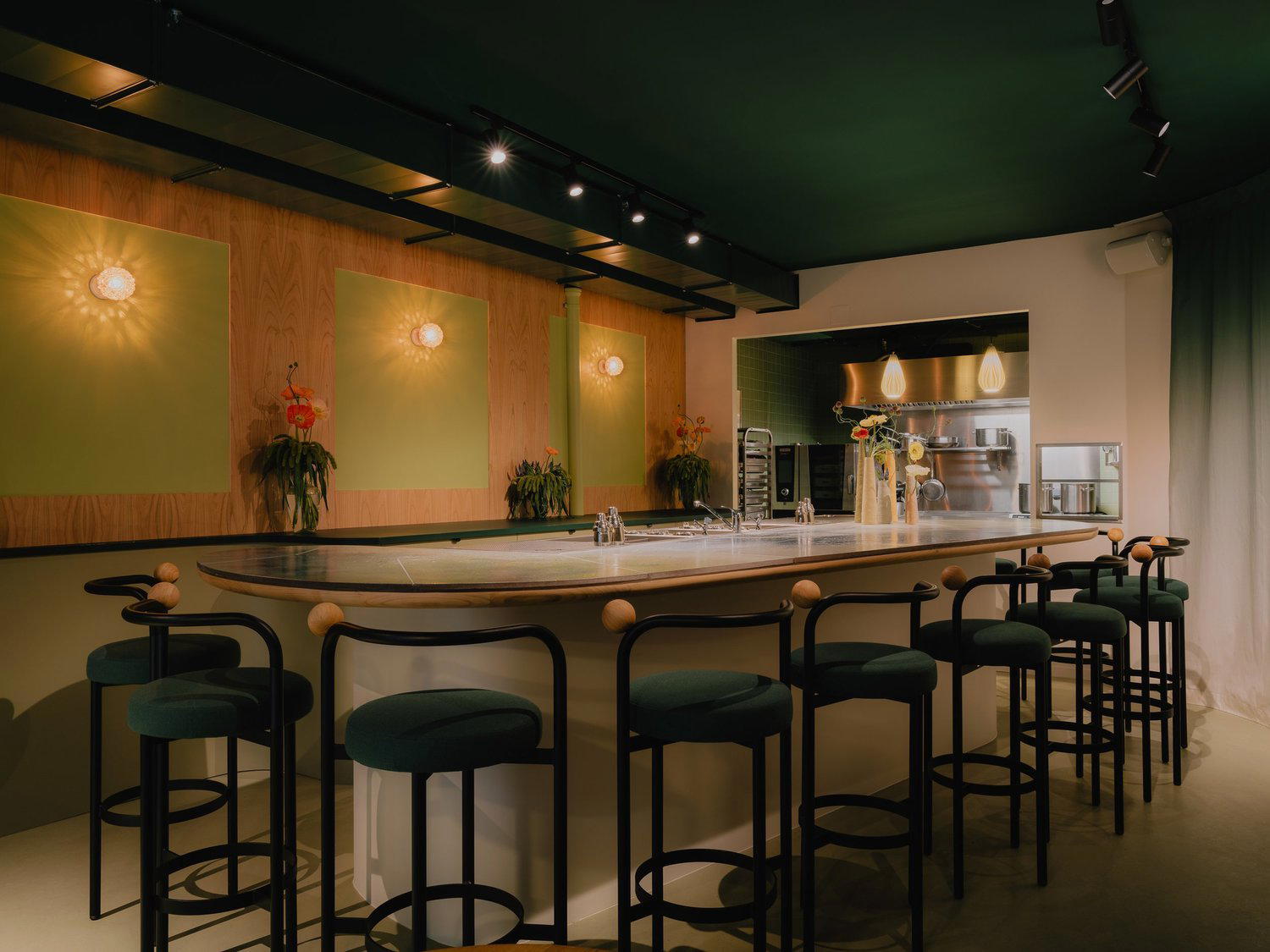
The most immediate editorial fact about A. Noste is the room itself. In a city where bistro design defaults to zinc counters and bentwood chairs, and where high-end modern French rooms tend toward neutral luxury, the interior here stakes a visual claim. The name, in Gascon dialect, translates roughly as "our home," and the design follows that proposition structurally rather than sentimentally.
Basque and southwestern French interiors traditionally work with warm timber, terracotta tones, and materials that reference agricultural and maritime economies rather than urban refinement. Whether A. Noste works within that register or departs from it, the fact that the room on Rue du 4 Septembre is a deliberate design object rather than an inherited shell matters. In Paris's 2nd arrondissement, where spaces are often carved out of Haussmann-era commercial buildings, creating a coherent interior argument requires intervention. The physical container shapes expectations before a dish arrives, and in a regional cuisine context, it either reinforces or undercuts the kitchen's credibility. Restaurants that get this alignment right, where the room and the food share the same grammar, tend to hold their audience more consistently than those where the aesthetic is neutral.
For comparison, consider how the grand rooms of Le Cinq at the Four Seasons Hôtel George V make their own spatial argument for classical French luxury, or how Troisgros in Ouches uses its rural setting as integral context for the cooking. Regional restaurants in Paris do not have landscape on their side; the room has to do more work.
Southwestern French Cooking in a Paris Context
The Basque and Gascon culinary tradition is one of France's most coherent regional identities. It spans pintxos culture from the Spanish border, the duck and foie gras preparations of the Landes, the fish cookery of the Atlantic coast, and the pepper-inflected spice vocabulary that sets it apart from the butter-and-cream registers of the north. Transporting that tradition to a Paris address involves choices: how much to adapt for a Paris audience, how much to preserve the regional logic, and how to source ingredients that give the cooking authenticity.
France's most durable regional restaurants, from Auberge de l'Ill in Illhaeusern to Bras in Laguiole and Auberge du Vieux Puits in Fontjoncouse, hold their authority in part because they are embedded in the landscape that produces their ingredients. The Paul Bocuse house in Collonges-au-Mont-d'Or built its identity around a specific Lyonnaise tradition. Assiette Champenoise in Reims and Au Crocodile in Strasbourg each anchor Alsatian and Champenois cooking to their respective regions. AM par Alexandre Mazzia in Marseille draws from Mediterranean proximity. Paris addresses representing regional traditions work without those geographic cues, which makes the interior design and sourcing decisions more consequential.
The 2nd Arrondissement Dining Map
The neighbourhood around Rue du 4 Septembre is experiencing a quiet densification of interesting food addresses. The 2nd arrondissement sits between the covered passages of the 9th, the Marais to the east, and Les Halles to the south. It is not a destination neighbourhood in the way that the 6th or the 8th anchor tourist itineraries, but that relative anonymity is part of its appeal for restaurants building a local following. Foot traffic comes from offices and from the Opéra Garnier a few blocks north, and evening trade increasingly draws diners who make a specific reservation rather than walk past and stop.
For anyone planning a broader Paris dining programme, the full Paris restaurants guide maps the city's key addresses by neighbourhood and category. Internationally, the Basque influence extends well beyond France: Le Bernardin in New York was founded by a Breton family but positioned its seafood cooking within a tradition that has parallels with Atlantic French regionalism, and Atomix in New York demonstrates how diaspora cooking can maintain rigorous regional identity in a major capital, a challenge A. Noste navigates in its own terms.
Planning a Visit
A. Noste is at 6 bis Rue du 4 Septembre in the 2nd arrondissement, a short walk from the Opéra and Quatre-Septembre metro stations. Given the address's positioning as a Basque-focused room in a commercial district with limited comparable alternatives, booking ahead is sensible for dinner sittings, particularly later in the week. Lunch may offer more availability for spontaneous visits, in keeping with the neighbourhood's working-week rhythm. Pricing and hours are best confirmed directly with the restaurant, as these details were not available at time of publication.
How A. Noste Paris compares with similar nearby venues.
| Venue | Cuisine | Price |
|---|---|---|
| Aux Lyonnais | Lyonnaise | €€ |
Continue exploring
More in Paris
Restaurants in Paris
Browse all →
Bars in Paris
Browse all →
Hotels in Paris
Browse all →
At a Glance
- Lively
- Trendy
- Cozy
- Group Dining
- Casual Hangout
- Late Night
- Open Kitchen
Current opening hours
- Monday
- 12–2:30 PM, 7–10:30 PM
- Tuesday
- 12–2:30 PM, 7–10:30 PM
- Wednesday
- 12–2:30 PM, 7–10:30 PM
- Thursday
- 12–2:30 PM, 7–10:30 PM
- Friday
- 12–3 PM, 7–11 PM
- Saturday
- 12–3 PM, 7–11 PM
- Sunday
- Closed
Hours can change for holidays and private events. Last verified .
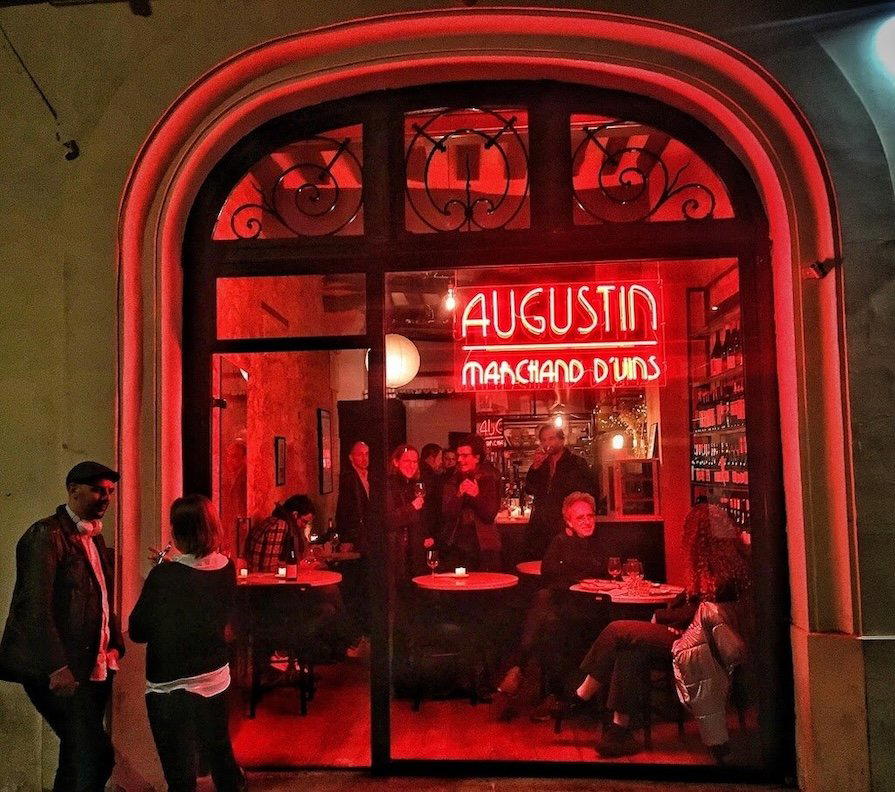
Cheerful and lively atmosphere with simple decor, high communal tables, and a lively tapas bar vibe.