Le Comptoir du Maris sits on the Chaussée de Tervuren in Waterloo, positioning itself within a town whose dining scene runs from classic Belgian brasserie cooking to more ingredient-focused neighbourhood tables. The name — evoking the market stall or comptoir format — signals a sourcing-led approach that places it in a different tier from the area's casual trattorias and traditional brasseries. For Waterloo, that matters.
Pearl is the En Primeur Club membership app — saves, bookings, and concierge access live there. Same editors, same standards.
- Address
- Chau. de Tervuren 211, 1410 Waterloo, Belgium
- Phone
- +3223511537
- Website
- lecomptoirdumaris.be
- Directions
- Get directions
 Saves & bookings on Pearl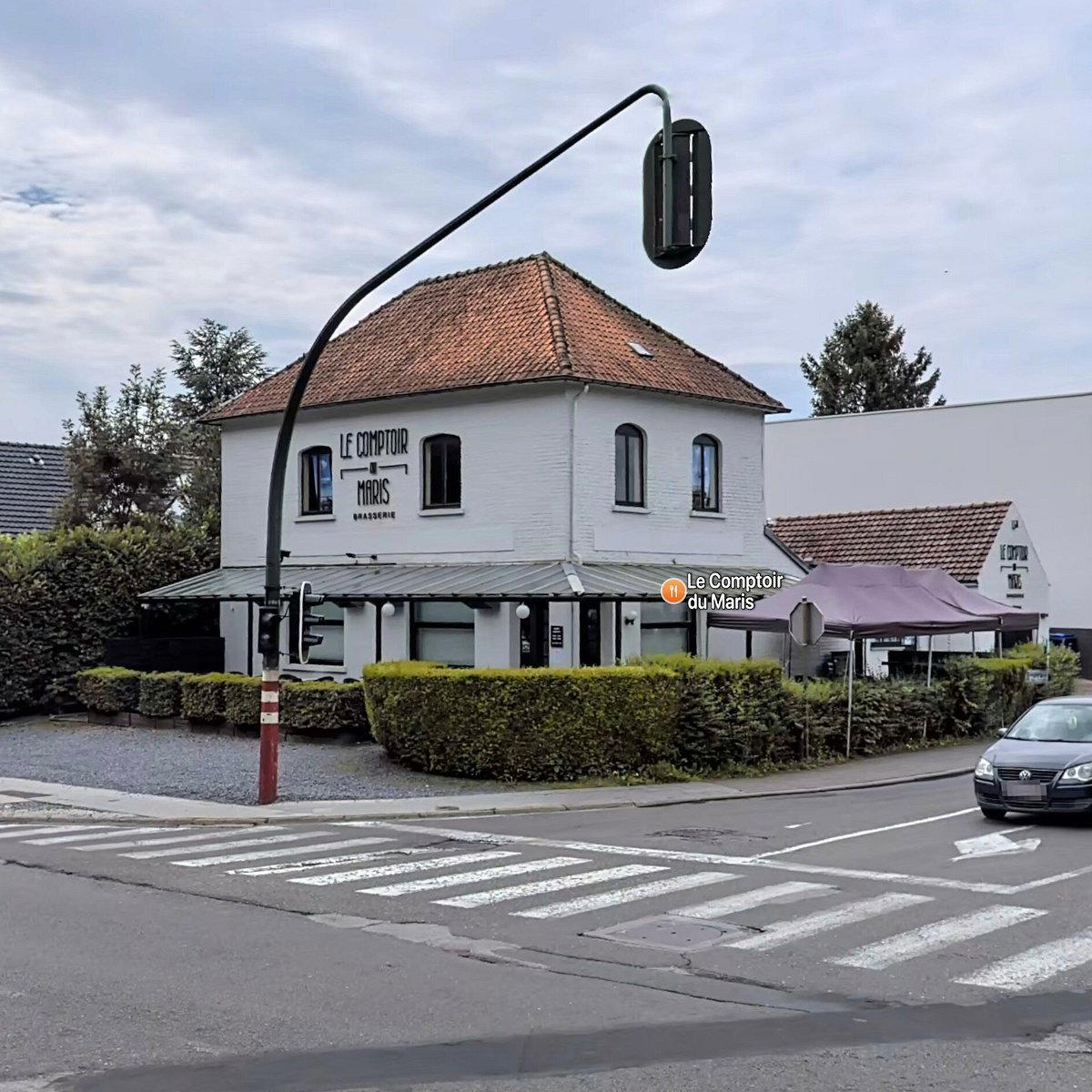
Where Waterloo Eats Close to the Source
The Chaussée de Tervuren is one of those long arterial roads that connects Brussels to its southern suburbs without quite becoming either. By the time it reaches Waterloo, the street has shed most of its urban urgency and settled into the rhythms of a prosperous Belgian commuter town: pharmacies, a patisserie or two, the occasional wine shop. Le Comptoir du Maris occupies a stretch of that road at number 211, and the name alone positions it within a specific tradition. A comptoir in the French and Belgian culinary vocabulary has always implied directness — a counter, a stall, a point of exchange between producer and plate. It signals intent before you have ordered anything.
That framing matters in Waterloo's context. The town's dining options span a fairly wide register: Brasserie de Waterloo anchors the traditional end, while La Scarpetta and Emilia cover Italian-leaning territory. La Cuisine du Côté Vert sits at the classic French-Belgian end, priced at €€ and representative of the town's dominant culinary sensibility.
The Sourcing Logic Behind the Name
In Belgian dining, the distinction between kitchens that source opportunistically and those that source deliberately has become one of the more reliable quality signals in recent years. The country's leading tables — from Hof van Cleve in Kruishoutem to Boury in Roeselare, have built their reputations partly on long relationships with specific producers, farmers, and fishermen. The gap between that top tier and the competent neighbourhood restaurant is often most visible in the rawness and specificity of the ingredient, not the elaborateness of the preparation.
The maris element of the name leans maritime, a pointer toward seafood as a central preoccupation. Belgium's relationship with the North Sea, and with the fishing ports of Zeebrugge and Ostend, gives even inland restaurants like this one a credible supply chain for fresh catch. The coastal sourcing tradition runs deep: houses like Bartholomeus in Heist and Willem Hiele in Oudenburg have demonstrated that Belgian seafood cooking, when grounded in direct sourcing, can stand in the same conversation as much better-known European fish traditions. A Waterloo address doesn't change that supply chain geography, Brussels and its southern suburbs are close enough to the coast that daily delivery is standard practice for kitchens that prioritize it.
That matters because ingredient quality at this level is not principally about rarity or prestige; it is about handling, timing, and the decision not to over-process. Fish that reaches a kitchen twelve hours after landing behaves differently than fish that has been in transit for three days. The menu at a comptoir-format restaurant committed to seafood sourcing is shaped, in practice, by what arrived that morning, a format that constrains the kitchen's options while simultaneously raising the floor on what the kitchen can produce.
Waterloo in a Wider Belgian Context
Belgium's restaurant culture is dense with serious tables relative to its population, and the country's Michelin coverage reflects that density. Within the Brussels corridor, the concentration of recognized restaurants, from Bozar Restaurant in the capital itself to smaller destinations in Walloon Brabant and Flanders, means that any neighbourhood restaurant operating at a genuine quality tier is competing against options that a thirty-minute drive can produce. L'air du Temps in Liernu and d'Eugénie à Emilie in Baudour represent what the Walloon region has built in terms of destination-worthy tables. Waterloo sits in that geographic matrix, close enough to Brussels to draw a discerning weeknight crowd and far enough to function as a local anchor for the town's own residents.
That dual role, neighbourhood restaurant and credible option for those coming from the capital, defines the positioning of any serious table in towns like Waterloo. ENISHI by TOSHIRO is another example of a Waterloo address working at a level that exceeds local expectation. Le Comptoir du Maris, with its maritime sourcing emphasis, occupies a comparable niche: a restaurant whose logic is not bounded by the town's scale.
For comparison beyond Belgium, the sourcing-led seafood format has a well-documented international track record. Le Bernardin in New York built four decades of authority on the principle that the fish itself should remain the primary event. Atomix, also in New York, demonstrates how a product-led philosophy translates across cuisines. Closer to home, Zilte in Antwerp and Castor in Beveren show the range of formats through which Belgian kitchens express a product-first stance. De Jonkman in Sint-Kruis adds another data point in the Flemish tradition of letting sourcing drive the menu structure. Le Comptoir du Maris, on the evidence of its name and positioning, belongs to the same school of thinking applied to the Brabant context.
Planning Your Visit
Le Comptoir du Maris is located at Chaussée de Tervuren 211 in Waterloo, a direct address on a well-served arterial route between the town centre and the capital. Given the sourcing-led format and the maritime emphasis implied by the name, the menu is likely to shift with availability, a reason to approach this as a table where the kitchen's current priorities, rather than a fixed signature dish, should guide your order. For the broader Waterloo dining context, including peer tables across cuisine types and price tiers, the full Waterloo restaurants guide provides a mapped overview of the town's options.
- Croquettes aux Crevettes
- Croquettes au Fromage
- Tomate aux Crevettes Grises
- Solettes Meunières
- Américain
- Vol-au-Vent
How Le Comptoir du Maris Waterloo compares with similar nearby venues.
| Venue | Cuisine | Price |
|---|---|---|
| La Scarpetta | Italian | €€ |
| La Cuisine du Côté Vert | Classic Cuisine | €€ |
Continue exploring
More in Waterloo
Restaurants in Waterloo
Browse all →
Bars in Waterloo
Browse all →
Hotels in Waterloo
Browse all →
Wineries in Waterloo
Browse all →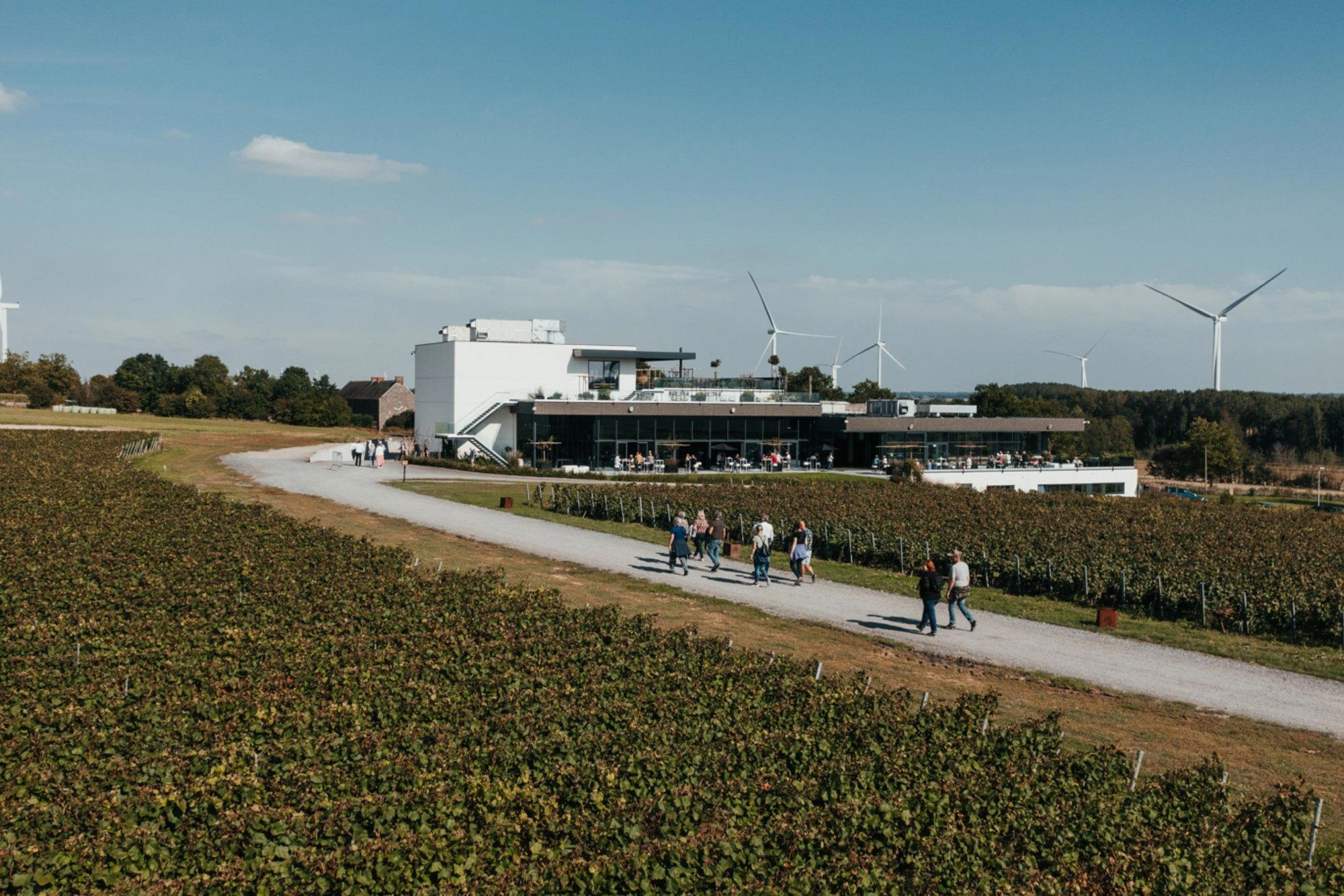
At a Glance
- Classic
- Cozy
- Elegant
- Business Dinner
- Group Dining
- Casual Hangout
- After Work
- Terrace
- Beer Program
- Local Sourcing
- Sustainable Seafood
Current opening hours
- Monday
- 12–2:30 PM, 7–10 PM
- Tuesday
- 12–2:30 PM, 7–10 PM
- Wednesday
- 12–2:30 PM, 7–10 PM
- Thursday
- 12–2:30 PM, 7–10 PM
- Friday
- 12–2:30 PM, 7–10 PM
- Saturday
- 12–2:30 PM, 7–10 PM
- Sunday
- 12–2:30 PM, 7–10 PM
Hours can change for holidays and private events. Last verified .
Comfortable and contemporary with warm, welcoming atmosphere; charming decor with pleasant ambient lighting suitable for both casual and semi-formal dining.
Know Before You Go
- Getting there
- Chau. de Tervuren 211, 1410 Waterloo, Belgium