Brasserie de Waterloo sits on the Chaussée de Charleroi in the heart of a town that carries more than its share of European history. The brasserie format here belongs to a Belgian tradition that prizes sourced produce and seasonal rotation above kitchen theatrics. For the Waterloo dining scene, it represents a reliable mid-register option with the kind of grounded cooking that rewards repeat visits.
Pearl is the En Primeur Club membership app — saves, bookings, and concierge access live there. Same editors, same standards.
- Address
- Chau. de Charleroi 591, 1410 Waterloo, Belgium
- Phone
- +3226556262
- Website
- brasseriedewaterloo.be
- Directions
- Get directions
 Saves & bookings on Pearl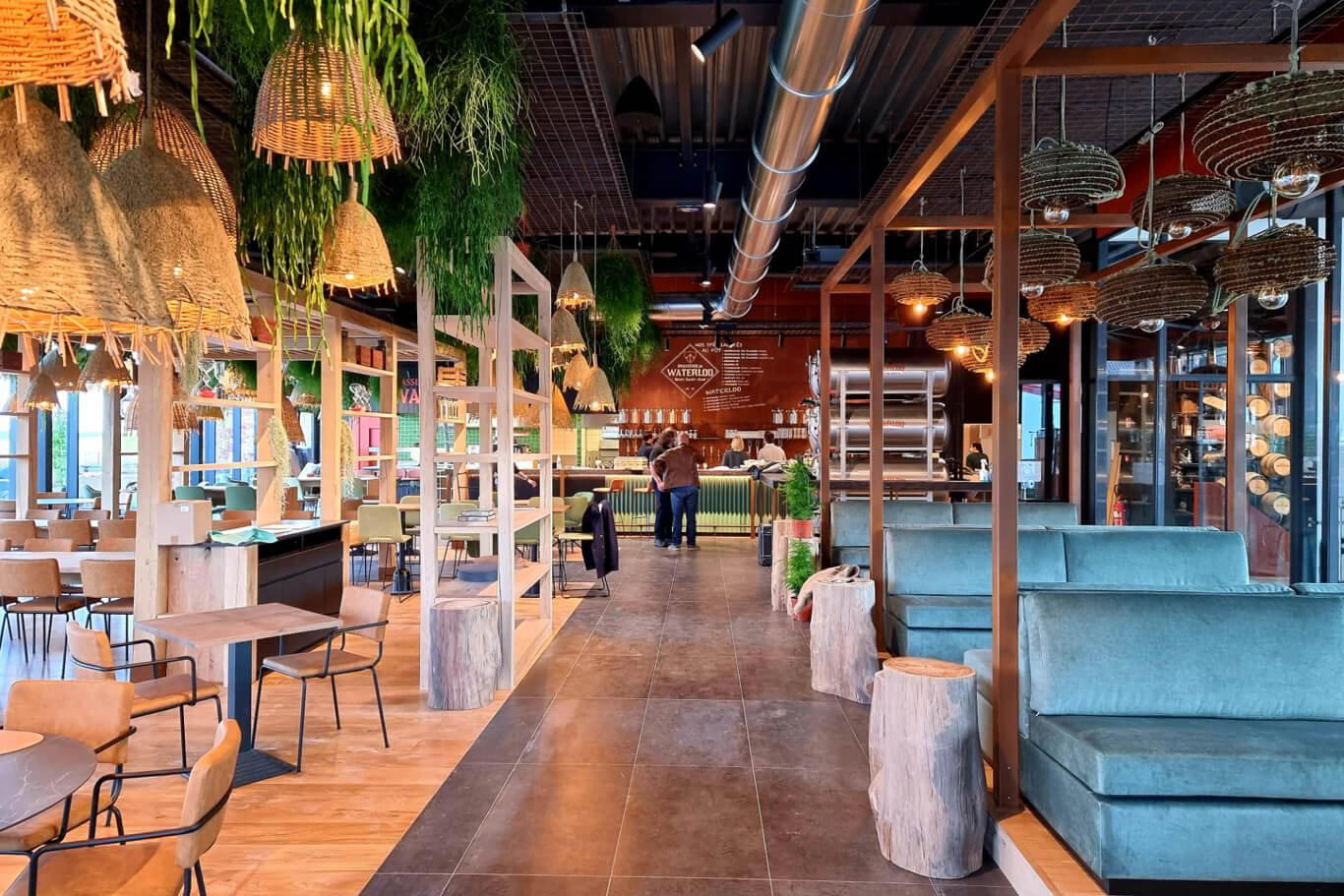
The Chaussée de Charleroi runs south from Brussels like a spine through the Walloon Brabant countryside, threading through towns that exist in productive tension between French and Flemish culinary cultures. Waterloo sits along this axis, and the brasserie on that road at number 591 belongs to a category of Belgian dining that tends to be underestimated by visitors focused on the country's Michelin-decorated upper tier. The Belgian brasserie is not a lesser thing. It is a distinct format, defined less by tasting-menu ambition than by an older set of commitments: sourced produce, seasonal rotation, and the kind of cooking that does not require a long booking window to access.
A Town with a Dining Scene Worth Reading Carefully
Waterloo's restaurant offering is more varied than its heritage-tourism reputation suggests. Within a short radius of the battlefield monuments, the town supports a range of formats from Franco-Belgian classics to Italian and Japanese-influenced tables. La Cuisine du Côté Vert (Classic Cuisine) anchors the traditional French end of the local spectrum at the €€ tier, while La Scarpetta (Italian) and Emilia extend the offer into southern European territory. ENISHI by TOSHIRO and Le Comptoir du Maris round out a lineup that gives the town more range than its size might lead you to expect. Brasserie de Waterloo occupies the brasserie register within this set, which in the Belgian context means a specific set of expectations around format, sourcing, and pace.
What the Brasserie Format Means Here
In Belgium, the brasserie sits between the casual café and the restaurant proper, and it has its own sourcing logic. The better examples draw from regional supply chains that reflect the agricultural character of Walloon Brabant: dairy from the plateau farms south of Brussels, seasonal vegetables from kitchen gardens that shift week to week, freshwater fish from Ardennes rivers, and the occasional Wallonian lamb that carries the flavour of chalk-heavy pasture. This is not farm-to-table as a marketing posture. It is closer to how Belgian cooking worked before the phrase existed. The produce arrives because the geography dictates it, not because a chef's notes require a seasonal narrative.
Belgium's broader dining culture sits in an interesting position relative to its neighbours. The country has more Michelin stars per capita than France, a fact that tends to surprise visitors who arrive expecting direct bistro cooking. The Michelin-decorated end of that spectrum is well represented elsewhere in the country. Hof van Cleve - Floris Van Der Veken in Kruishoutem and Zilte in Antwerp occupy the decorated upper bracket. Boury in Roeselare and Willem Hiele in Oudenburg represent the produce-led, mid-to-high tier that has become one of the country's defining modern signatures. The brasserie level, where Brasserie de Waterloo operates, is where that same sourcing culture filters through into accessible, daily-frequency cooking.
The Sourcing Argument at the Brasserie Level
The editorial angle worth pressing on here is what happens to ingredient sourcing when you move down from the starred tier. In the less celebrated but equally important brasserie register, the supply chain question becomes more telling. A kitchen at this level either buys from the same regional producers that starred kitchens use, or it defaults to wholesale. The difference shows in the plate. Belgian brasseries with a genuine sourcing commitment tend to run shorter menus that change with supply rather than with the calendar. The menu length is itself a signal: a brasserie running forty covers with fifteen starters is probably not rotating on seasonal produce; one running eight starters with a handwritten daily addition probably is.
This matters for a visitor deciding where to eat in Waterloo. The question is not simply which restaurant costs particularly or carries many awards. It is whether the kitchen is cooking with what the region is actually producing at the moment you sit down. For the wider Belgian context, you can trace this sourcing logic through the country at tables like Vrijmoed in Gent, La Durée in Izegem, or d'Eugénie à Emilie in Baudour, each at a different price point but sharing a commitment to regional supply. Cuchara in Lommel and Ralf Berendsen in Neerharen extend the pattern to the Flemish side. The through-line is the same: Belgian kitchens, at multiple price registers, treat sourcing as a structural decision, not a garnish for the menu description.
How Waterloo Compares to Brussels
Waterloo sits roughly eighteen kilometres south of the capital, far enough to operate outside the Brussels restaurant market but close enough to benefit from the same produce networks and the same informed diner base. Brussels itself supports a dense upper tier, anchored by tables like Bozar Restaurant in Brussels. The Waterloo version of dining is lower in volume and lower in pressure. Bookings are generally easier to secure, the room dynamic tends toward the local and familiar rather than the destination-tourist, and the price range reflects a market where the competition is strong but the spend expectation is calibrated for a residential rather than a capital audience.
For international visitors arriving with the kind of reference points calibrated to places like Le Bernardin in New York City or Lazy Bear in San Francisco, the Waterloo brasserie scene will read as firmly mid-register. That is not a criticism. It is a category with its own rewards, and in Belgium those rewards are often more substantial than the format's apparent modesty suggests.
Planning Your Visit
Brasserie de Waterloo is located at Chaussée de Charleroi 591, 1410 Waterloo, Belgium, accessible by road from Brussels in under half an hour, and reachable by train to Waterloo station with a short onward journey.
Comparison Snapshot
Comparable venues nearby, for context on price, style, and recognition.
| Venue | Cuisine | Price | Awards | Notes |
|---|---|---|---|---|
| Brasserie de WaterlooThis venue — the venue you are viewing | Belgian Brasserie | $$$ | Not listed | Not listed |
| ENISHI by TOSHIRO | Modern Japanese-French Fusion Fine Dining | $$$$ | Not listed | Waterloo |
| Momo la Crevette | French-Belgian Seafood | $$ | Not listed | Waterloo |
| Le Comptoir du Maris | Belgian-French Brasserie | $$ | Not listed | Waterloo |
| La Cuisine du Côté Vert | French & Belgian Bistro | $$ | Michelin Plate | Waterloo Centre |
| Parf’Inde epices | Authentic Traditional Indian | $$$ | Not listed | Waterloo |
At a Glance
- Classic
- Elegant
- Cozy
- Family
- Group Dining
- Brunch
- Historic Building
- Beer Program
Current opening hours
- Monday
- Closed
- Tuesday
- Closed
- Wednesday
- 11 AM–11 PM
- Thursday
- 11:30 AM–11 PM
- Friday
- 11:30 AM–11 PM
- Saturday
- 11:30 AM–11 PM
- Sunday
- 10:30 AM–7 PM
Hours can change for holidays and private events. Last verified .
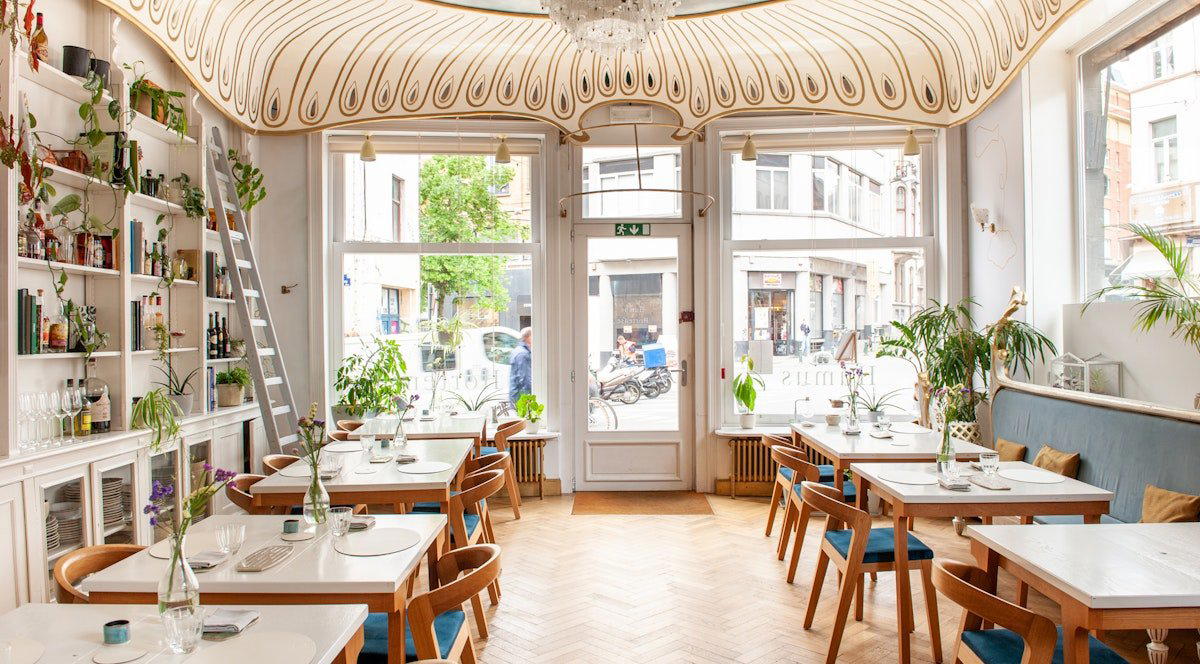
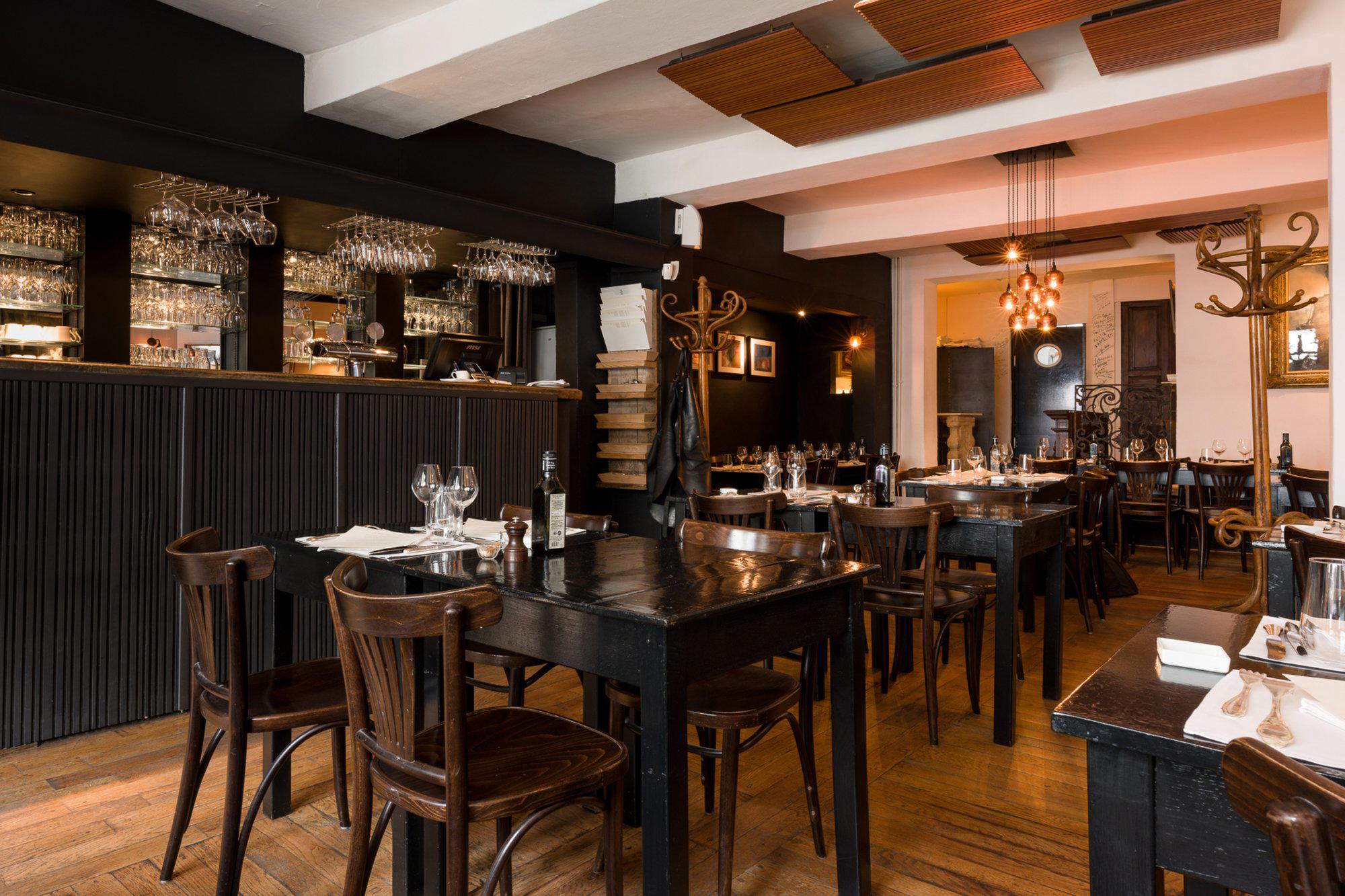
Light and airy modern interior with steel and glass construction, warm wood tones, natural palette, and lively green hanging plants in an elegant and friendly setting.