Emilia brings Italian-accented cooking to Rue de la Station in Waterloo, a town better known for its historical associations than its restaurant scene. The address sits within a compact local dining circuit that spans Brasserie de Waterloo and La Scarpetta, offering a mid-range alternative to the classic French formats that dominate the area.
Pearl is the En Primeur Club membership app — saves, bookings, and concierge access live there. Same editors, same standards.
- Address
- Rue de la Station 29, 1410 Waterloo, Belgium
- Phone
- +3223544954
- Website
- emiliarestaurant.be
- Directions
- Get directions
 Saves & bookings on Pearl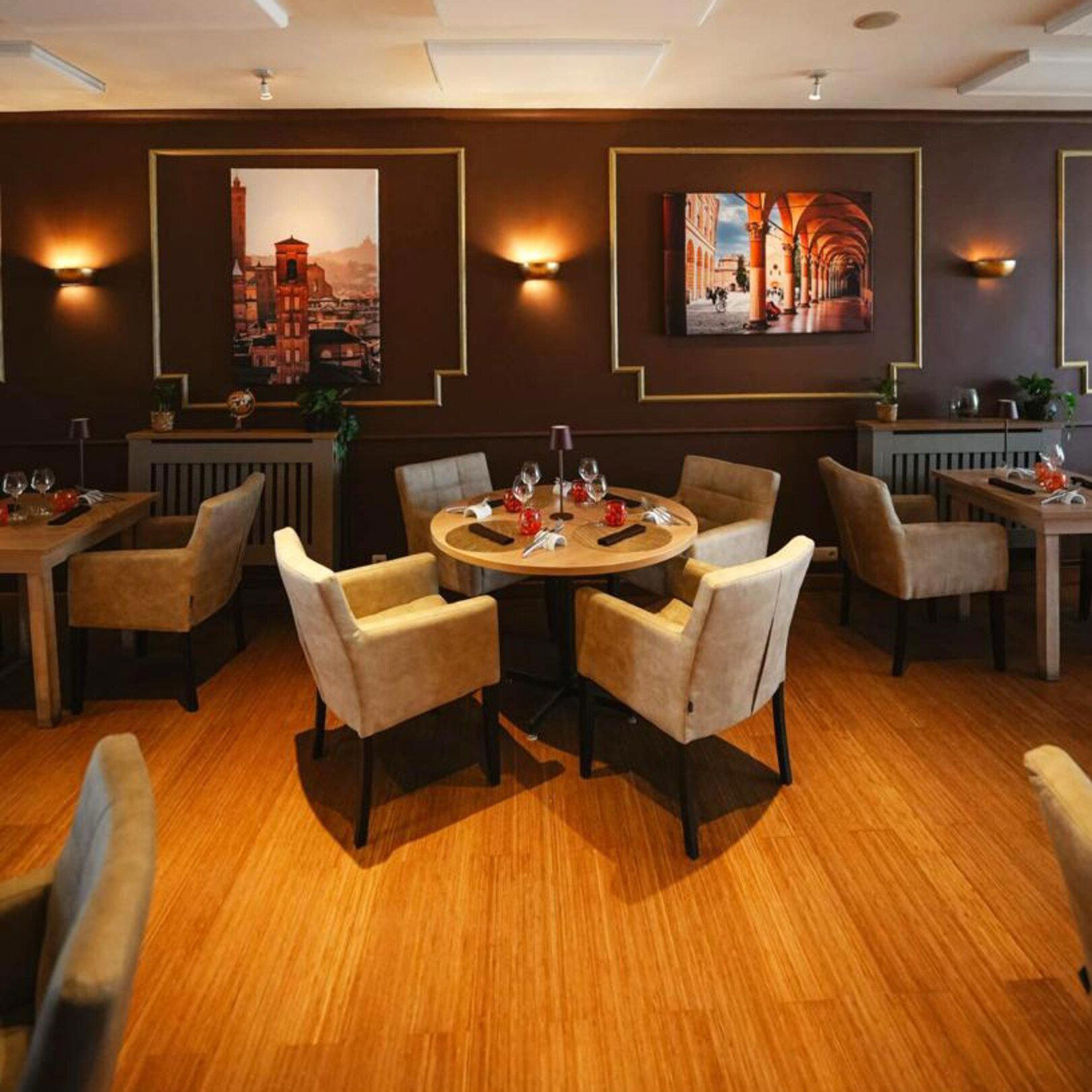
Italian Cooking in a Belgian Market Town
Emilia is an Italian restaurant in Waterloo, Belgium, on Rue de la Station 29. The Brussels commuter belt town, about 18 kilometres south of the capital, has a dining scene shaped more by neighbourhood loyalty than culinary destination-seeking. Rue de la Station, where Emilia operates, runs close to the town's rail connection and carries the functional character of that proximity: local businesses, day-to-day commerce, and a handful of restaurants that serve the surrounding residential population rather than tourists circling the battlefield site to the north. That context matters when reading any address here. A restaurant in this location is not competing with the fine-dining density of the Brussels centre; it is serving a community that has specific expectations around familiarity, value, and consistency.
Italian cuisine occupies a particular position within Belgian dining culture. It is especially naturalized among the imported culinary traditions, present across every price tier from neighbourhood pizza operations to addresses with serious cellar lists and handmade pasta programs. Belgium's Italian community, historically concentrated in Wallonia and Hainaut following mid-twentieth century labour migration, seeded a generation of Italian-run restaurants that shaped local taste over decades. What followed was a secondary generation of Italian-influenced cooking, where Belgian chefs absorbed the idiom and reproduced it with varying degrees of fidelity. The result is a category where the distinction between the genuine and the approximate matters considerably, and where an address like Emilia on Rue de la Station exists somewhere in that spectrum alongside comparable operations like La Scarpetta in the same town.
The Rue de la Station Address
Approaching from the station, the street presents the low-scale commercial architecture typical of Walloon Brabant's smaller towns: two-storey facades, modest shopfronts, an absence of the glass-and-steel renovation that has reshaped parts of central Brussels. An Italian restaurant in this setting is almost certainly operating on a neighbourhood model: a fixed local clientele, a menu built around recognisable dishes, and a room that functions as much as a local social space as a formal dining destination. That format has its own integrity. The Belgian appetite for Italian cooking at this scale is durable and largely recession-resistant, which explains why addresses in this format persist and stabilise in towns like Waterloo while higher-risk concept restaurants cycle more rapidly.
For readers coming from Brussels, the comparison set is instructive. The capital's Italian offer runs from casual pizza and aperitivo bars in Ixelles to more structured trattoria formats in Etterbeek and Uccle. Waterloo's version of that offer is concentrated and locally inflected, with La Scarpetta and Emilia representing the town's Italian offer at different points on a scale that runs from casual to moderately formal. For Belgian fine dining at a national level, the reference points shift entirely: Hof van Cleve in Kruishoutem and Zilte in Antwerp set the standard at the summit of the national category, while Boury in Roeselare and Vrijmoed in Gent represent the serious mid-tier ambition. Emilia operates well below that register, which is not a criticism: neighbourhood Italian dining serves a different function and should be evaluated on different terms.
Reading Waterloo's Dining Circuit
The town's restaurant offer is more varied than the population size might suggest. Brasserie de Waterloo anchors the French brasserie tradition that remains the default casual-formal format across Wallonia. La Cuisine du Côté Vert represents the classic cuisine tier at a similar price point. ENISHI by TOSHIRO introduces a Japanese format that speaks to the broader internationalisation of Belgian suburban dining over the past decade. Le Comptoir du Maris fills a different register. Within this circuit, Emilia's Italian positioning is coherent: it fills a slot that most Belgian towns of similar scale now expect to have covered, and the name itself signals the Emilian tradition, the culinary region centred on Bologna, Parma, and Modena that has given the world Parmigiano-Reggiano, prosciutto di Parma, mortadella, and fresh egg pasta. Whether the kitchen leans into that specific regional identity or uses it loosely as a naming reference is a distinction that would require direct verification.
Emilia-Romagna as a culinary reference point carries specific associations. It is the region that produces Italy's most intensively documented food products, many carrying Protected Designation of Origin status. Restaurants that draw on this tradition at their leading are anchoring their menus in a particular set of techniques: fresh pasta rolled thin, ragu cooked long, cured meats from specific breeds and curing methods. At their most casual, restaurants using the regional name are simply signalling Italian comfort food with a northern Italian lean. The gap between those two interpretations is substantial, and it shapes what a diner should expect to find at any address carrying this kind of name signal.
For context on how Italian-influenced cooking sits within broader Belgian and international dining, Le Bernardin in New York and Lazy Bear in San Francisco illustrate how structured tasting formats and ingredient-led programs operate at the upper end of the market globally. Closer to home, Willem Hiele in Oudenburg and Ralf Berendsen in Neerharen show what serious Belgian addresses outside the major cities look like when ambition is the organising principle. La Durée in Izegem and Cuchara in Lommel demonstrate how smaller Belgian towns can sustain focused cooking when the format is clearly defined. d'Eugénie à Emilie in Baudour is an interesting parallel: a Walloon address carrying a similar name signal, worth cross-referencing for readers mapping this corner of Belgian dining. Bozar Restaurant in Brussels and La Durée represent how Belgian restaurant culture at the more considered end operates in contrast to the neighbourhood model Emilia likely represents.
Planning a Visit
Emilia is located at Rue de la Station 29, 1410 Waterloo, within walking distance of Waterloo railway station, which connects to Brussels-Midi in under 30 minutes on regular service. For visitors combining a meal here with the Waterloo battlefield site or the Memorial 1815 museum, the station address places Emilia in a logical pre- or post-visit position. Given the neighbourhood format and the Waterloo dining scale, booking ahead is advisable for weekend evenings, when local demand from the residential catchment area concentrates. Emilia is open Tuesday from 6:30 to 11 PM, Wednesday to Saturday from 12 to 2 PM and 6:30 to 11 PM, and is closed Monday and Sunday. Reservations are recommended.
Booking and Cost Snapshot
Comparable venues nearby, for context on price, style, and recognition.
| Venue | Cuisine | Price | Awards | Notes |
|---|---|---|---|---|
| EmiliaThis venue — the venue you are viewing | Not listed | $$$ | Not listed | Not listed |
| Parf’Inde epices | Waterloo, Authentic Traditional Indian | $$$ | Not listed | Not listed |
| La Scarpetta | Waterloo, Authentic Italian from Marche | $$ | Michelin Plate | Not listed |
| ENISHI by TOSHIRO | Not listed | $$$$ | Not listed | Waterloo, Modern Japanese-French Fusion Fine Dining |
| Le Comptoir du Maris | Waterloo, Belgian-French Brasserie | $$ | Not listed | Not listed |
| Poncho | Waterloo, Mexican-Peruvian Fusion | $$ | Not listed | Not listed |
At a Glance
- Elegant
- Cozy
- Date Night
- Business Dinner
- Family
- Terrace
Current opening hours
- Monday
- Closed
- Tuesday
- 6:30–11 PM
- Wednesday
- 12–2 PM, 6:30–11 PM
- Thursday
- 12–2 PM, 6:30–11 PM
- Friday
- 12–2 PM, 6:30–11 PM
- Saturday
- 12–2 PM, 6:30–11 PM
- Sunday
- Closed
Hours can change for holidays and private events. Last verified .
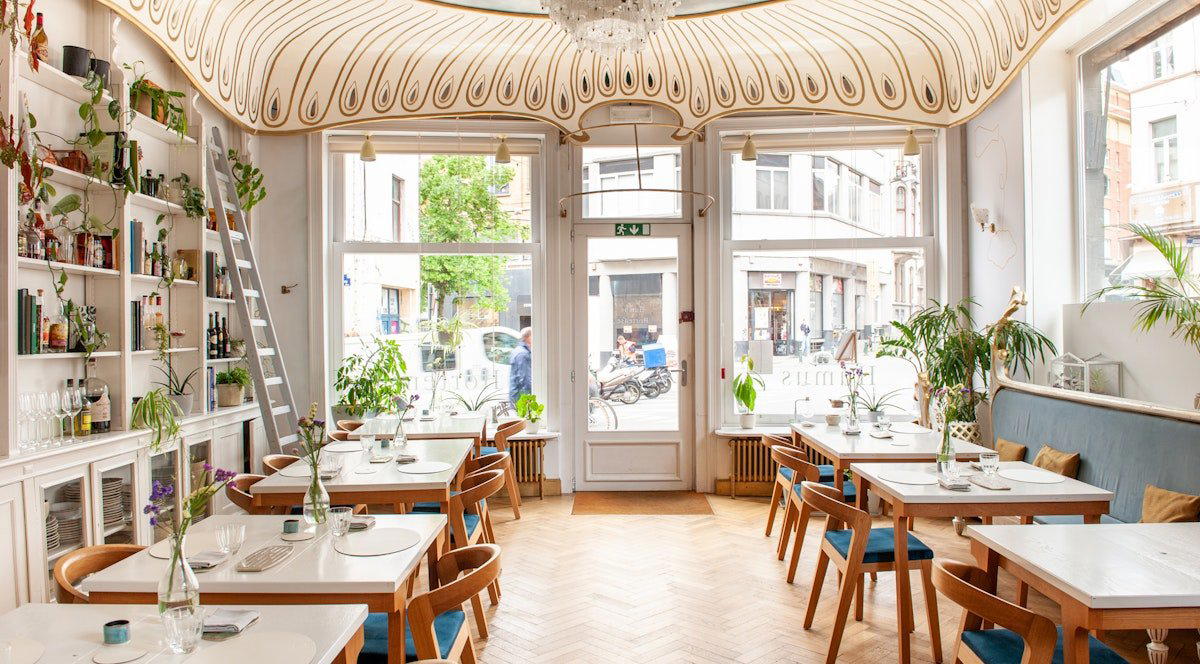
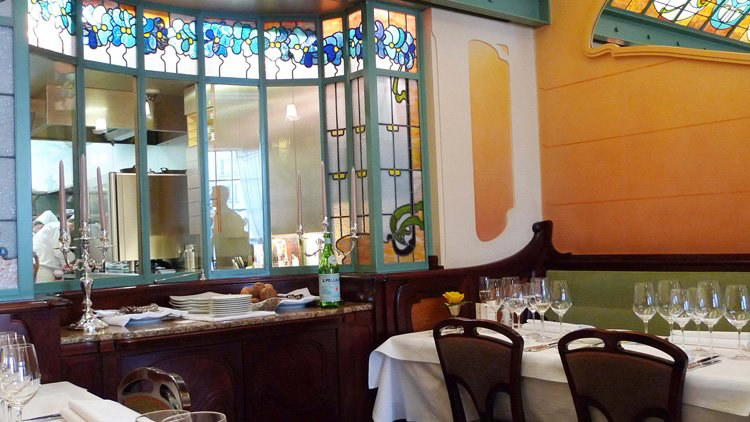
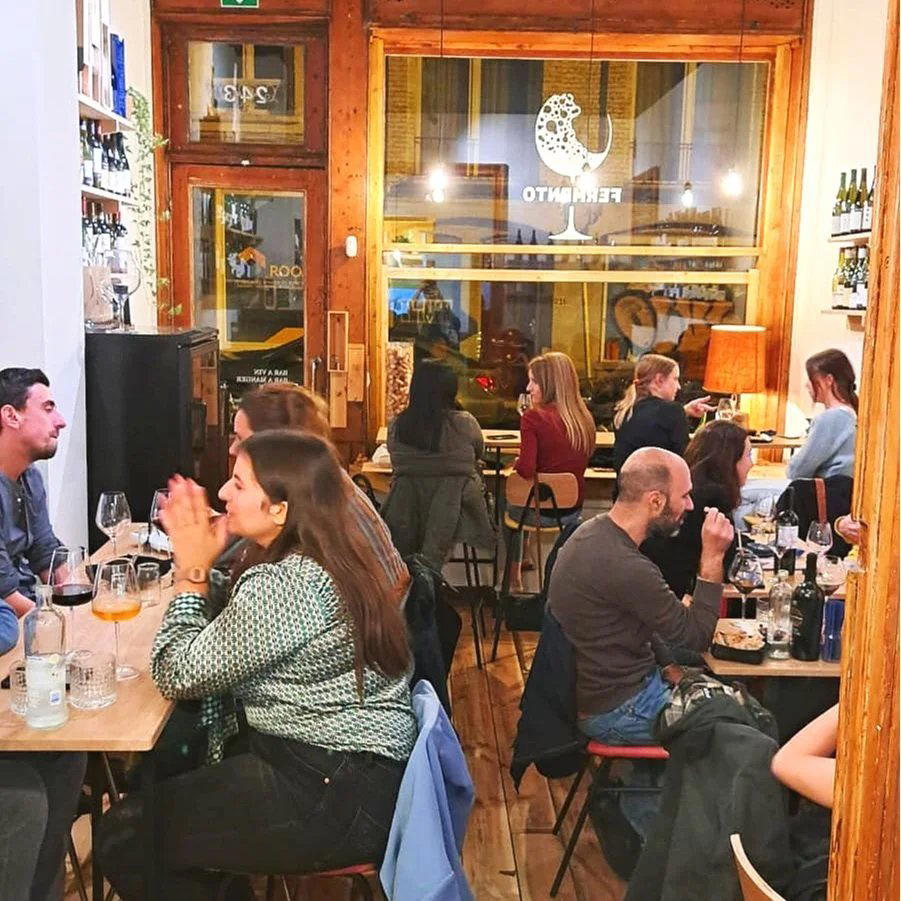
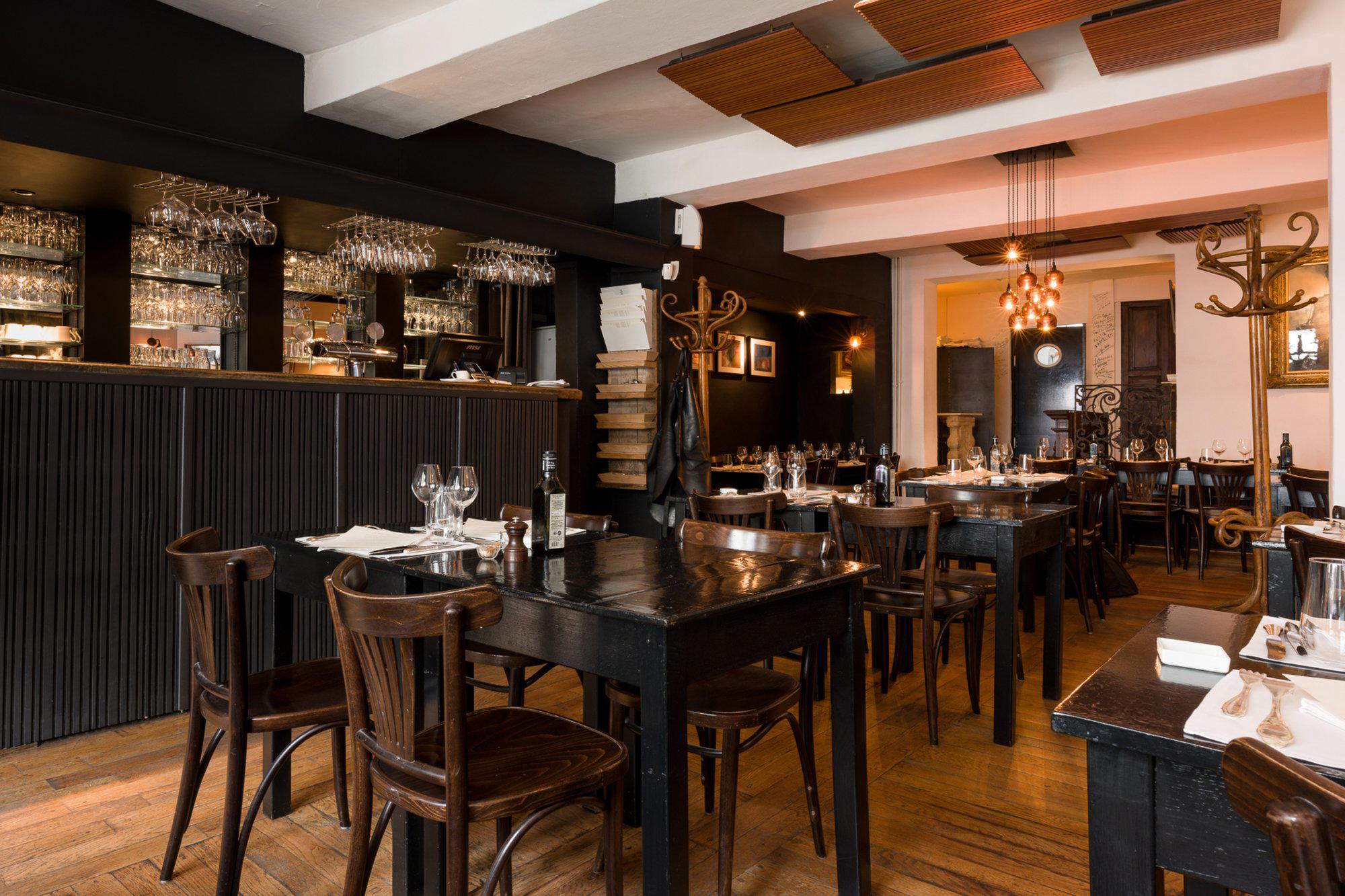
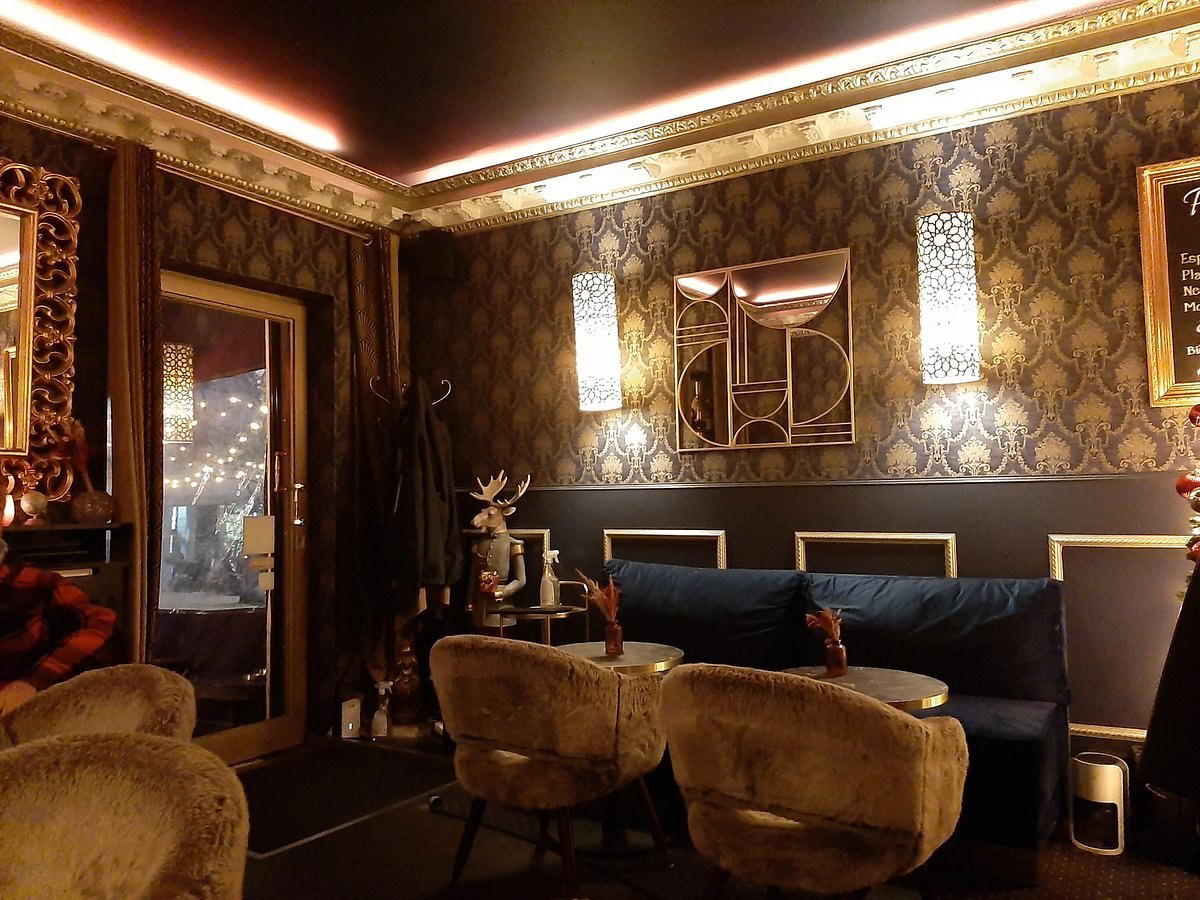
Elegant and refined interior with warm, welcoming atmosphere and comfortable seating.