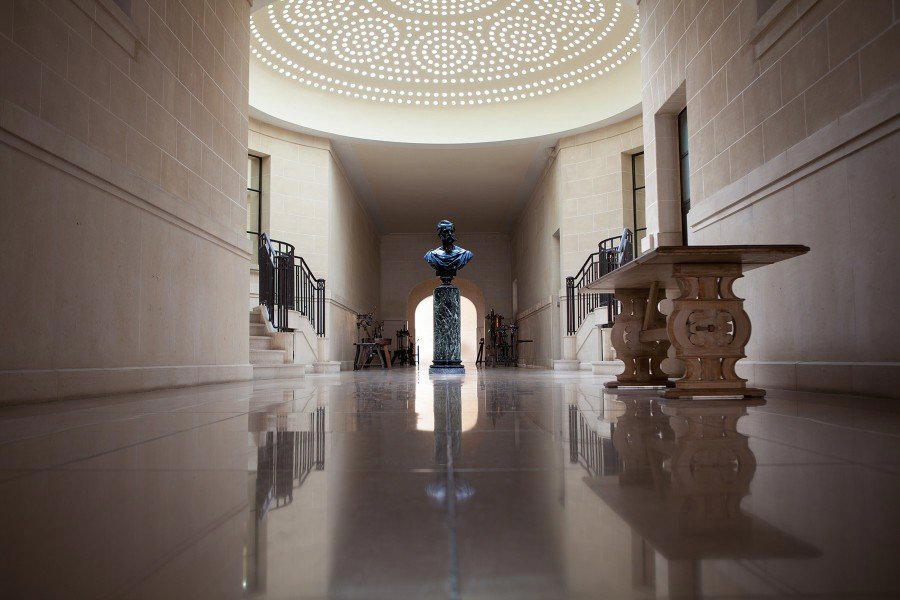
On Boulevard Saint-Germain, the Maison de l'Amérique latine occupies an 18th-century hôtel particulier whose garden terrace is among the quieter open-air tables in the 7th arrondissement. The dining room draws a steady cohort of diplomats, publishers, and Left Bank regulars who return for the setting as much as the plate. For visitors to Paris seeking an alternative to the circuit of heavily publicised Michelin addresses, it represents a different kind of engagement with the city's table culture.
Pearl is the En Primeur Club membership app — saves, bookings, and concierge access live there. Same editors, same standards.
- Address
- Maison de l'Amérique latine, 217 Bd Saint-Germain, 75007 Paris, France
- Phone
- +33149547510
- Directions
- Get directions
 Saves & bookings on Pearl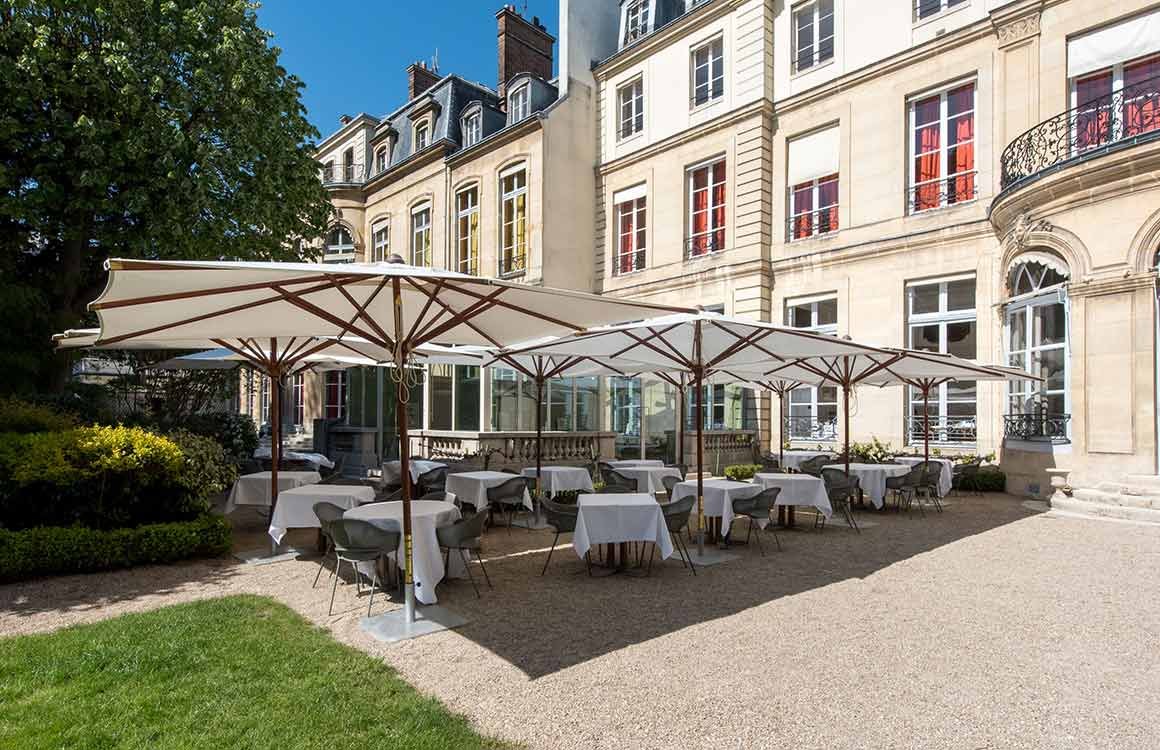
A Boulevard Saint-Germain Address That Belongs to Its Regulars
Walk the length of Boulevard Saint-Germain on a Tuesday afternoon and the rhythm shifts around the 200s. The café terraces thin out, the tourist foot traffic recedes, and the addresses become more institutional: embassies, foundations, cultural missions. At number 217, a pair of heavy doors opens onto an 18th-century hôtel particulier that most people passing on the pavement would not identify as a restaurant at all. That near-invisibility is partly the point. The Maison de l'Amérique latine functions as a cultural institution with a dining room, and that ordering of priorities shapes everything about the experience inside.
The 7th arrondissement has its own logic when it comes to restaurants. Unlike the concentrated Michelin density of the 8th, where addresses like Alléno Paris au Pavillon Ledoyen and Le Cinq at the Four Seasons George V compete on the same register of international prestige, the 7th tilts toward a quieter, more residential form of dining loyalty. The regulars here are not collectors of starred experiences. They are, more often, people for whom the room itself, the proportions, the courtyard, the light at a particular hour, constitutes the reason to return.
The Garden Terrace as the Real Dining Room
Paris has relatively few garden terraces that function as genuine outdoor dining spaces rather than glorified pavements. The Maison de l'Amérique latine's rear garden, which opens during warmer months, belongs to the smaller category of tables that actually justify eating outside. The garden backs onto the quiet interior of the block, shielded from the boulevard's noise, with the kind of green containment that turns lunch into an event with a different pace than a standard city meal. For regulars, the terrace is not a seasonal amenity but the primary reason the reservation is made in spring rather than delayed to autumn.
That seasonal calculus is worth noting for first-time visitors. Paris restaurant gardens of this type have narrow windows: too early in April and the light is still cold; too late into September and the evenings contract. The terrace here rewards the specific visit, not the spontaneous one. It operates within the broader pattern of Parisian dining, where outdoor tables of genuine quality fill weeks ahead during the narrow window of reliable warmth.
Where the Maison Sits in Paris's Dining Register
The table at Maison de l'Amérique latine does not position itself against the heavily awarded creative addresses that dominate international conversation about Paris dining. It is not competing with Arpège on conceptual ambition, or with L'Ambroisie on the weight of classical tradition, or with Kei on the kind of Franco-Japanese precision that earns column inches in international food press. Its competitive set is narrower and more specific: institutions that offer a full dining experience inside a historically significant building, where the architecture and the cultural context are doing as much work as the kitchen.
That is a smaller category in Paris than it might appear. The city has many historic buildings and many good restaurants, but the overlap, where both are operating at a level that justifies the visit on each count, is genuinely limited. The Maison's position in that overlap explains why its regulars are loyal in a way that differs from loyalty to a starred kitchen. They are not returning to track seasonal menu changes. They are returning to a room, a garden, and a social context that the building provides regardless of what is on the plate that afternoon.
For comparison, France's most celebrated regional institutions, from Mirazur in Menton to Troisgros in Ouches and Bras in Laguiole, earn loyalty through the totality of an experience that extends beyond the plate to landscape and architectural setting. The Maison operates on a related principle, compressed into a Paris arrondissement rather than a regional terrain.
The Unwritten Rules of the Room
Regulars at this kind of Paris address develop a specific fluency. They know which tables catch the afternoon light, which months the garden is reliably open, how early a reservation needs to be made during the compressed spring-summer terrace season. That institutional knowledge, passed laterally between the diplomatic and cultural communities the Maison serves, functions as the real concierge service. It is not the kind of intelligence that surfaces in travel roundups or the dining sections of general-interest magazines, which tend to direct readers toward addresses with clearer award signals.
The Maison's relative absence from those roundups is a feature. Addresses at this end of Paris's social spectrum, where the institution's primary identity is cultural rather than gastronomic, tend not to compete for the same kind of visibility as the city's starred kitchens. The result is a dining room that has not been reshaped by the pressure of external recognition, and a clientele whose loyalty is correspondingly durable. This dynamic appears across France's most embedded dining institutions, from Auberge de l'Ill in Illhaeusern to Paul Bocuse's Auberge du Pont de Collonges: longevity and institutional identity hold a room's character in ways that annual award cycles cannot replicate.
The Maison's register is distinct from all of them: institutional, culturally embedded, and neighbourhood-specific. The Maison's register is distinct from all of them: institutional, culturally embedded, neighbourhood-specific in a way that makes it more comparable to certain New York addresses like Le Bernardin or Atomix, where the room's social character is as legible as the food program.
The Minimal Set
Comparable venues nearby, for context on price, style, and recognition.
| Venue | Cuisine | Price | Notes |
|---|---|---|---|
| Maison de l'Amerique LatineThis venue — the venue you are viewing | Saint-Germain-des-Prés, French Seafood | $$$$ | Not listed |
| hotel costes | Not listed | $$$$ | Louvre / Palais-Royal, Modern French Fusion |
| Au 41 penthièvre | Not listed | $$$$ | Faubourg Saint-Honoré, Refined French Bistro |
| Restaurant Monsieur Lancaster | Not listed | $$$$ | 8th Arr., Modern French Regional Fine Dining |
| L'Avenue | Élysée, Modern French Brasserie | $$$$ | Not listed |
| La Truffière | Not listed | $$$$ | Latin Quarter, Truffle-Focused Mediterranean Fine Dining |
Continue exploring
More in Paris
Restaurants in Paris
Browse all →
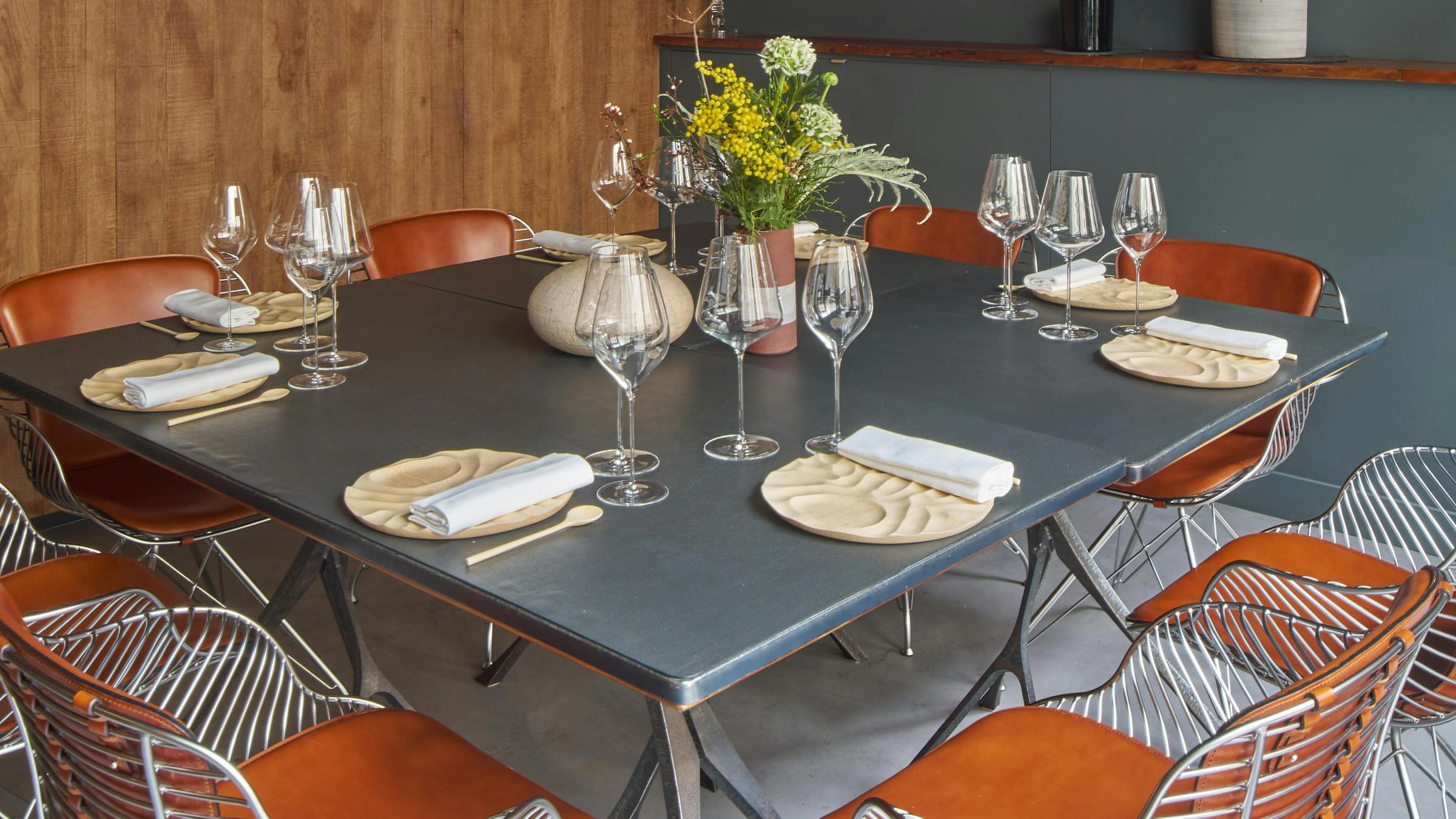
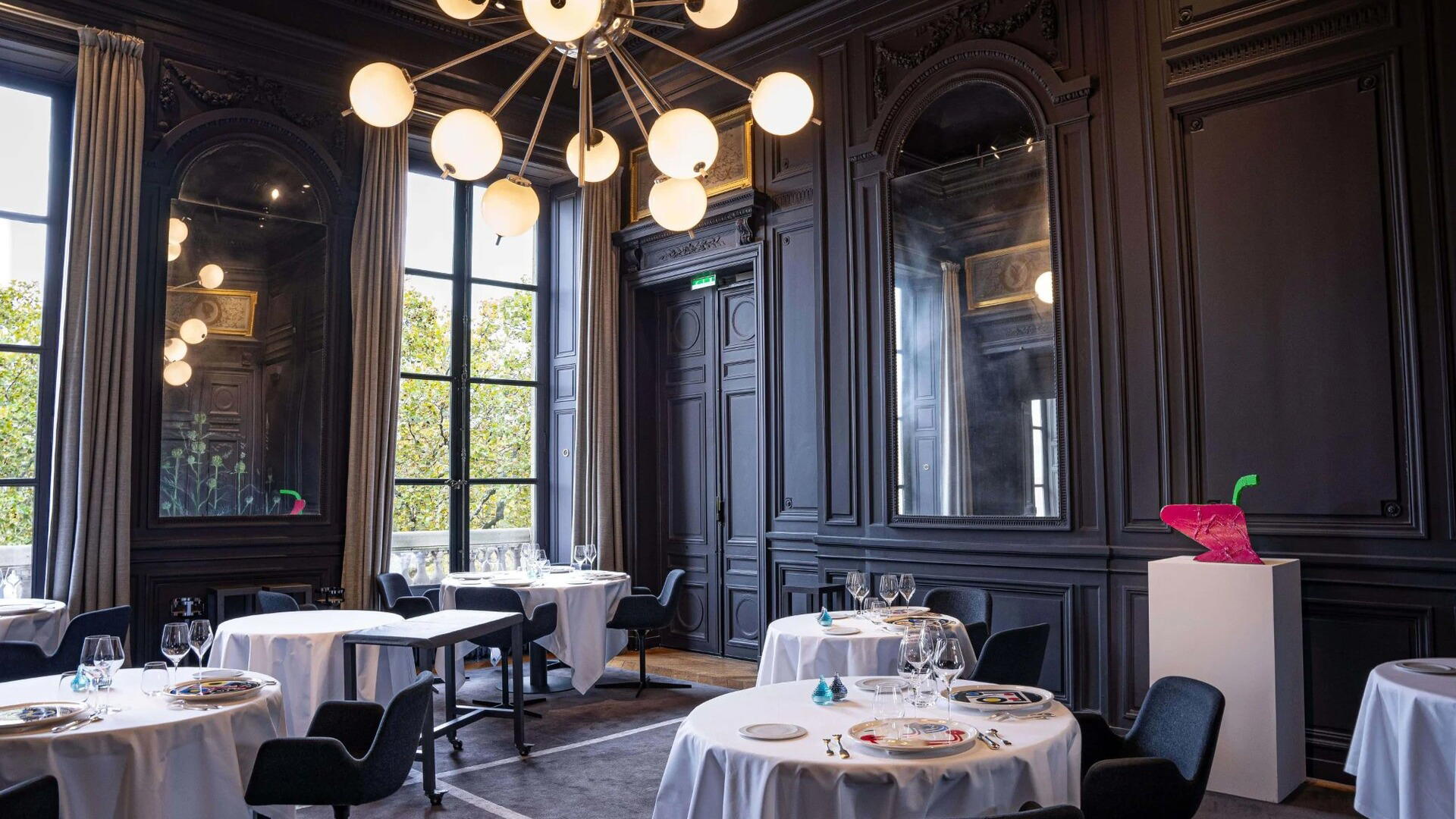
Bars in Paris
Browse all →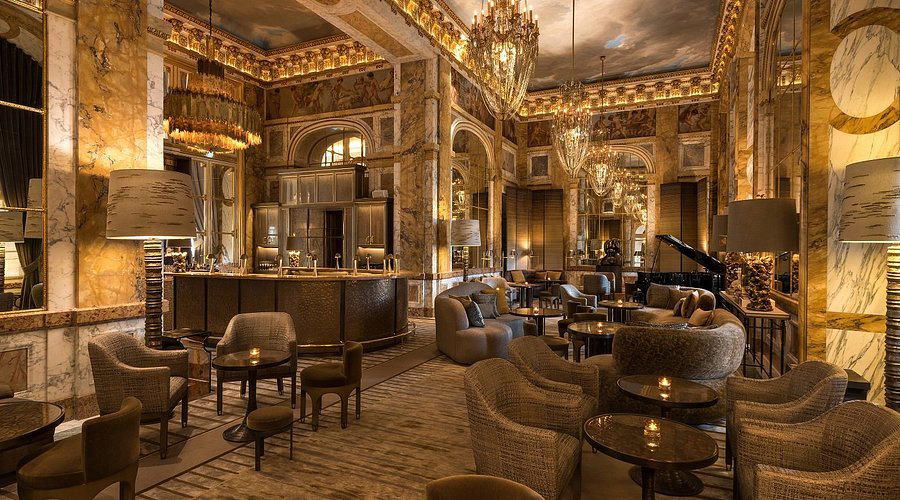
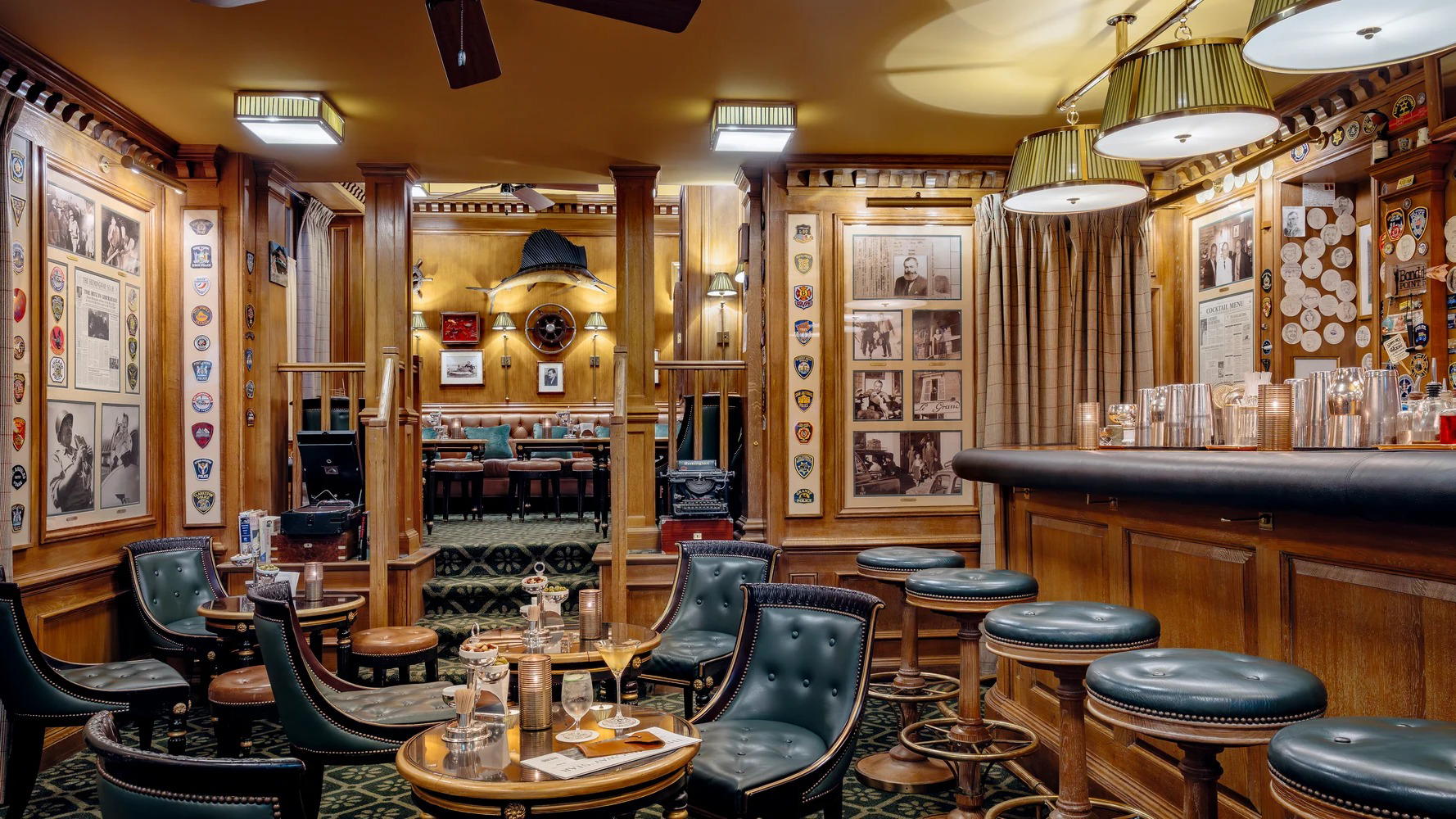
Hotels in Paris
Browse all →



At a Glance
- Elegant
- Sophisticated
- Scenic
- Date Night
- Special Occasion
- Garden
- Terrace
- Historic Building
- Extensive Wine List
- Garden
Current opening hours
- Monday
- 12–2:15 PM, 7–9:15 PM
- Tuesday
- 12–2:15 PM, 7–9:15 PM
- Wednesday
- 12–2:15 PM, 7–9:15 PM
- Thursday
- 12–2:15 PM, 7–9:15 PM
- Friday
- 12–2:15 PM, 7–9:15 PM
- Saturday
- Closed
- Sunday
- Closed
Hours can change for holidays and private events. Last verified .
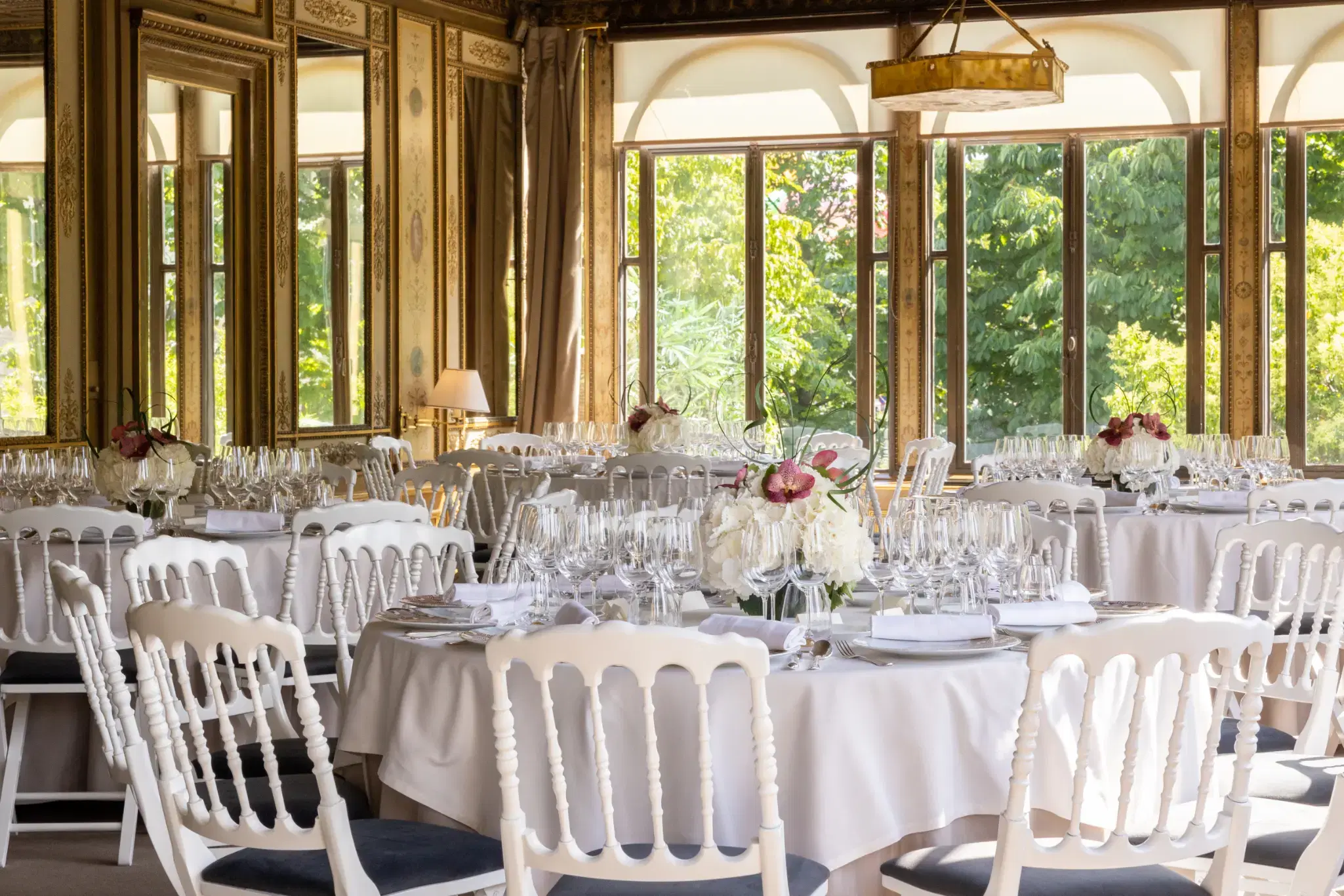
Light-filled conservatory opening onto magnificent French gardens, creating a serene and elegant summer terrace atmosphere.