
A Michelin Plate-recognised creative restaurant on Belle-Île-en-Mer's rugged southern coast, Le 180° sits where Atlantic exposure shapes what lands on the plate. At €€€ pricing, it occupies a distinct position in a region where serious cooking is rare and the surrounding seascape sets the terms of the kitchen. For diners making the crossing to Belle-Île, it is one credentialled table on the island.
Pearl is the En Primeur Club membership app — saves, bookings, and concierge access live there. Same editors, same standards.
- Address
- Port Goulphar, 56360 Bangor, France
- Phone
- +33 2 97 31 84 21
- Website
- castel-clara.com
- Directions
- Get directions
 Saves & bookings on Pearl
Where the Atlantic Sets the Kitchen's Agenda
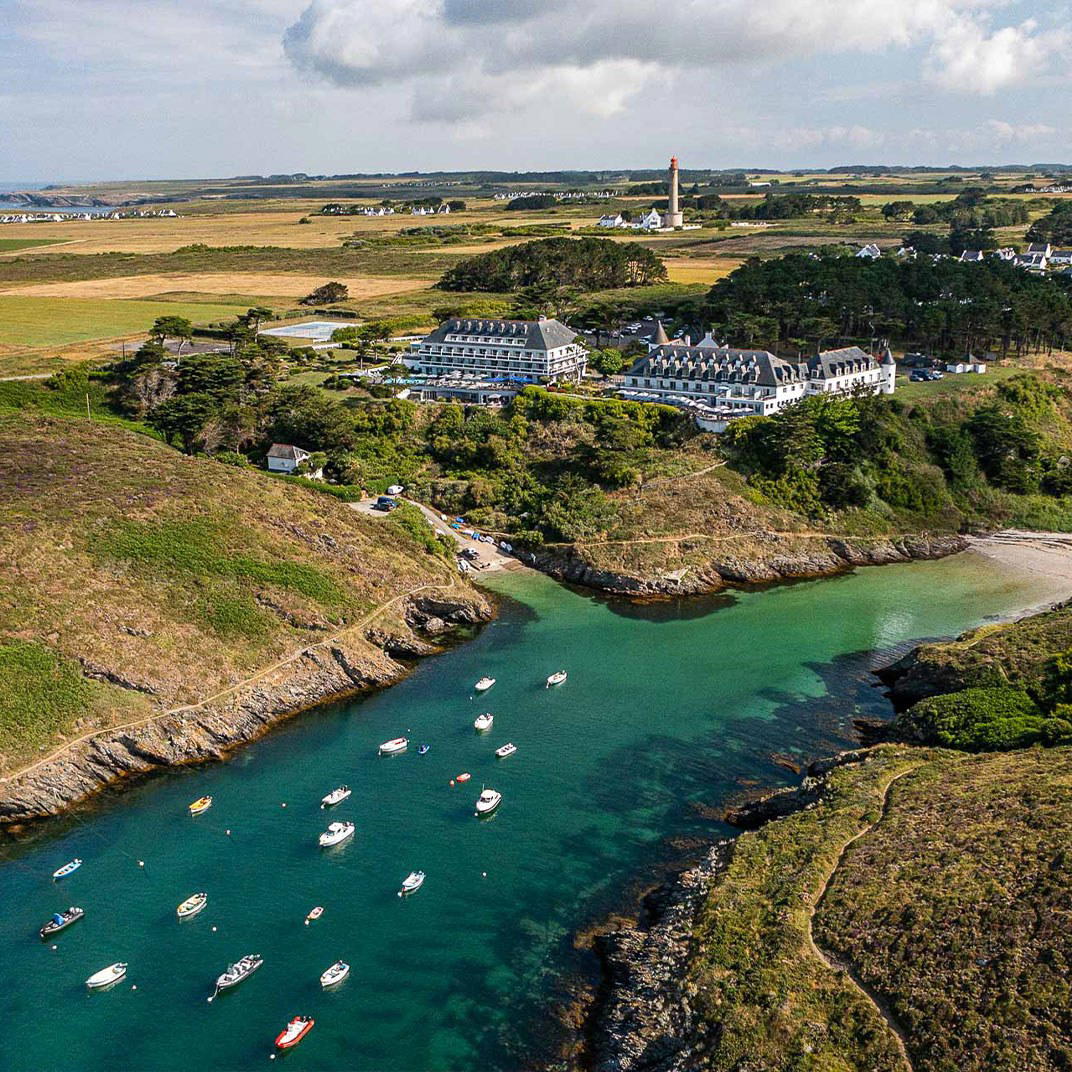
The southern tip of Belle-Île-en-Mer operates on its own terms. Port-Goulphar, cut into the island's basalt cliffs near the Aiguilles de Port-Coton, is the kind of place that reminds you how far the Breton coast still sits from the comforts of the mainland. The wind comes in without apology. The light changes fast. And any kitchen serious about sourcing here has no choice but to reckon with what the sea and the island's interior actually produce, day to day, season to season. Le 180° takes that constraint as its foundation, and its recognition in 2024 and 2025 suggests it is doing something worth the detour.
Creative cooking in France exists along a wide spectrum. At one end sit the multi-starred urban flagships, Alléno Paris au Pavillon Ledoyen in Paris, or Mirazur in Menton, where resource and reputation allow for almost unlimited technical ambition. At the other end are the places where geography does the editing: smaller, more remote, more dependent on what arrives that morning. Le 180° belongs firmly in that second category, and that is not a limitation so much as a different kind of discipline. The island imposes a short supply chain, and the kitchen works within it.
Island Produce and the Logic of Short Supply Chains
Belle-Île sits roughly 15 kilometres off the Quiberon peninsula, and everything that does not come from the island itself must be ferried across. That logistics reality tends to push island kitchens in one of two directions: toward imported convenience, or toward a more committed relationship with what the immediate territory provides. Its recognition in both 2024 and 2025 signals that Le 180° has taken the second path seriously enough to earn institutional recognition for it.
The Atlantic waters around Belle-Île are among the more productive in France's maritime west. The island sits at a confluence of currents that keeps the water cold and oxygen-rich, conditions that favour shellfish, line-caught fish, and crustaceans of genuine quality. A creative kitchen in this position has direct access to ingredients that restaurants in Paris or Lyon must source at considerable remove and cost. That proximity, when a kitchen chooses to honour it rather than override it with imported luxury product, produces cooking that reads as local in the deepest sense: not as a marketing claim, but as an expression of place.
France has a strong tradition of this kind of rooted creativity. Bras in Laguiole built its entire identity around Aubrac plateau foraging and terroir. Flocons de Sel in Megève works through an alpine lens. Le 180°, at its leading, belongs to that same tradition of letting geography dictate creative direction rather than fighting it. The comparison is not one of scale or star count, but of approach: cooking that takes its immediate surroundings as the primary creative brief.
The Setting as Part of the Experience
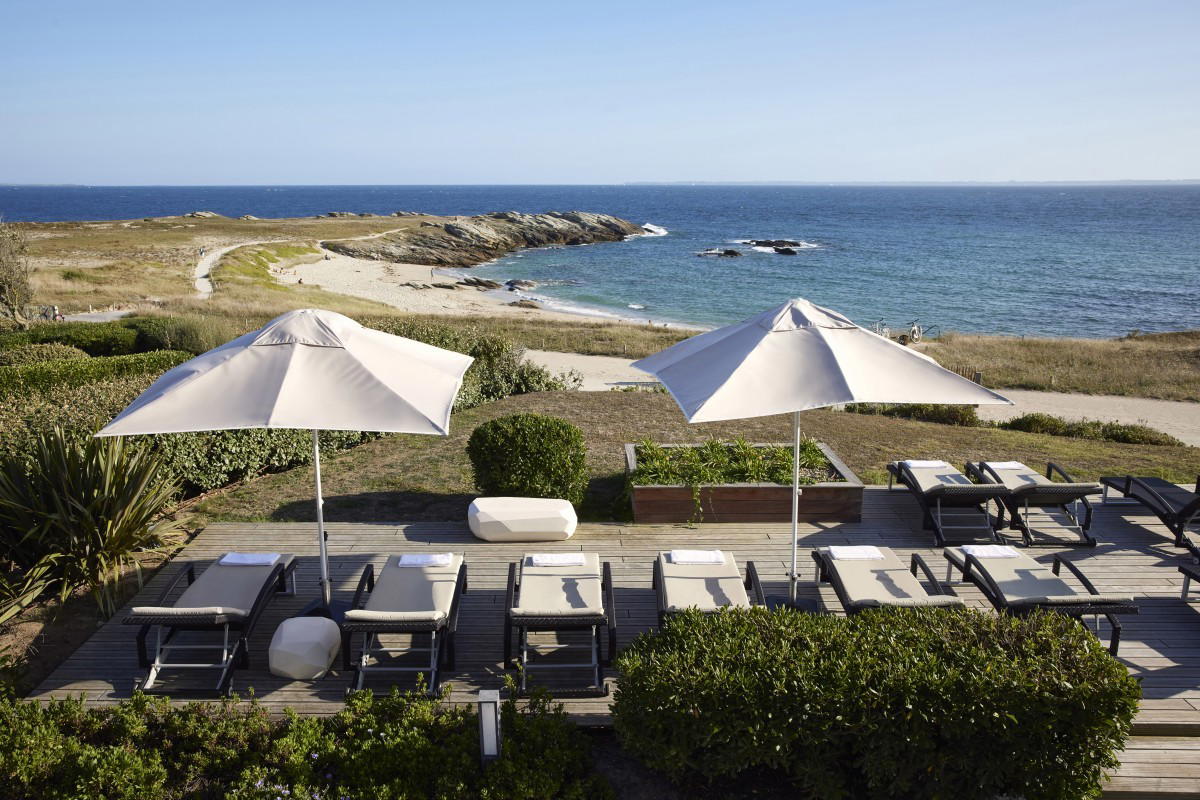
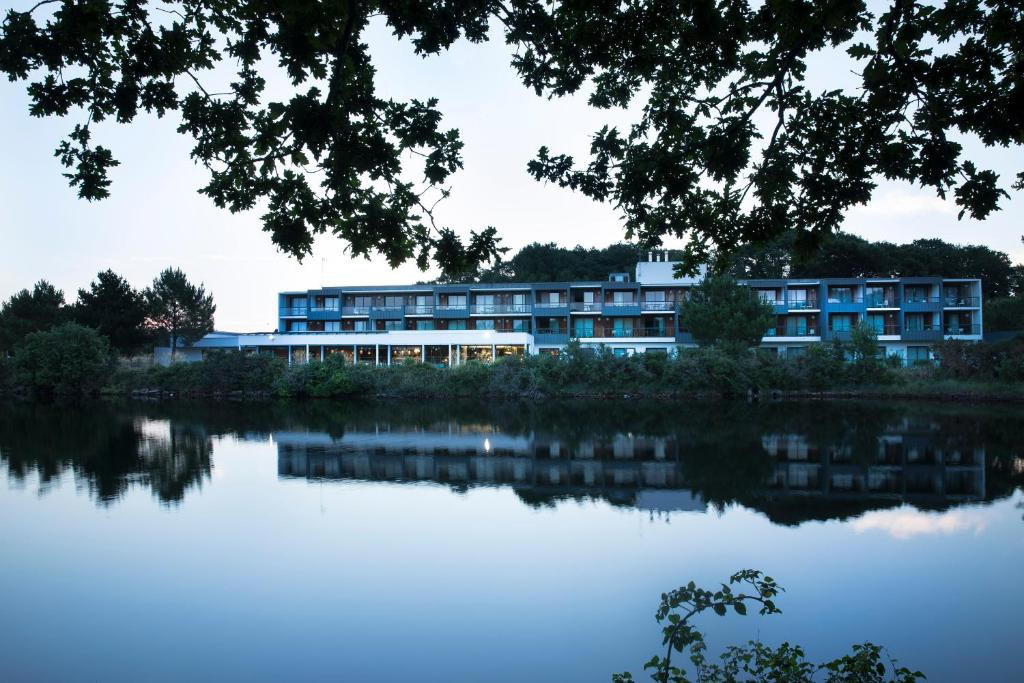
Port-Goulphar is among the more recognisable spots on Belle-Île, partly because Monet painted the Aiguilles de Port-Coton here seventeen times in 1886. The visual drama has not changed much since. Arriving at Le 180°, you are already in a landscape that has been considered seriously for well over a century. The restaurant's name references that panoramic view, and the Atlantic exposure from this position is immediate: the horizon is wide, the air carries salt, and the scale of the coastline puts the dining room in perspective. That physical context is not incidental to the meal. It is the frame within which sourcing decisions, plate compositions, and the rhythm of service all operate.
For the broader context of where this fits within France's creative dining scene, it is worth noting that regional creative cooking, when done with conviction, consistently produces results that reward travel. Auberge du Vieux Puits in Fontjoncouse operates in similarly remote terrain in the Corbières, and its three Michelin stars demonstrate that institutional recognition follows genuine sourcing commitment regardless of postcode. AM par Alexandre Mazzia in Marseille makes a different kind of argument for the French south. Le 180° is at an earlier point on that curve, but the consecutive Plate recognitions suggest a kitchen with consistent standards and clear direction.
Positioning Within the Island's Dining Scene
Belle-Île does not have a deep bench of serious restaurant options. The island's visitor economy tilts seasonal and holiday-focused, which means the majority of dining on the island operates at a casual register. That context makes Le 180°'s €€€ pricing and Michelin recognition more significant than the same credentials would be in a city with ten comparable options. It is one formally recognised table on the island, and it sits in a price tier that reflects both ambition and the genuine cost of operating a creative kitchen in a location where supply logistics add complexity and expense.
For visitors planning a trip to Belle-Île, logistics require some advance thought. The ferry from Quiberon takes approximately 45 minutes and runs regularly in summer, with reduced frequency in shoulder and off-season months. The island's accommodation options are limited relative to its summer visitor numbers, so combining a dinner at Le 180° with an overnight stay on the island requires advance planning.
Within the broader creative category in France, it is also worth knowing the comparison set. The €€€€ tier, Troisgros in Ouches, Assiette Champenoise in Reims, Auberge de l'Ill in Illhaeusern, or Paul Bocuse in Collonges-au-Mont-d'Or, operates at a different scale of investment, both for the kitchen and for the diner. Le 180°'s €€€ pricing puts it in a tier where serious cooking is accessible without the full financial commitment of France's multi-starred flagships. For creative cooking outside France, Enrico Bartolini in Milan and JAN in Munich offer useful reference points for what the creative category produces at a European level. Au Crocodile in Strasbourg represents the Alsatian tradition within French creative cooking, a different regional logic but the same underlying commitment to place. Le 180° sits comfortably in this broader creative conversation, distinguished by its coastal Atlantic identity and its consecutive Michelin acknowledgment.
In Context: Similar Options
Comparable venues nearby, for context on price, style, and recognition.
| Venue | Cuisine | Price | Awards | Notes |
|---|---|---|---|---|
| Le 180°This venue — the venue you are viewing | Creative French Seafood | $$$$ | Michelin Plate | Not listed |
| L'Étier | French Seafood Gastronomy | $$$ | Michelin Plate | L'Épine |
| Les Jardins Sauvages - La Grée des Landes | Bio & Locavore French Gastronomic | $$$$ | Michelin Plate | La Gacilly |
| Domaine de Rochevilaine | Modern French Seafood | $$$$ | Michelin Plate | Billiers |
| Grand Largue | Gastronomic Seafood | $$$$ | Michelin Plate | Port-Navalo |
| La Cigale Égarée | Seasonal French Market Bistro | $$$ | Michelin Plate | Villeneuve-Braouic |
Recognition history
Dated appearances from independent guides and award organizations, with the underlying list record or original source where available.
Michelin Plate
Michelin
Michelin Plate
Michelin
Michelin Plate
Michelin
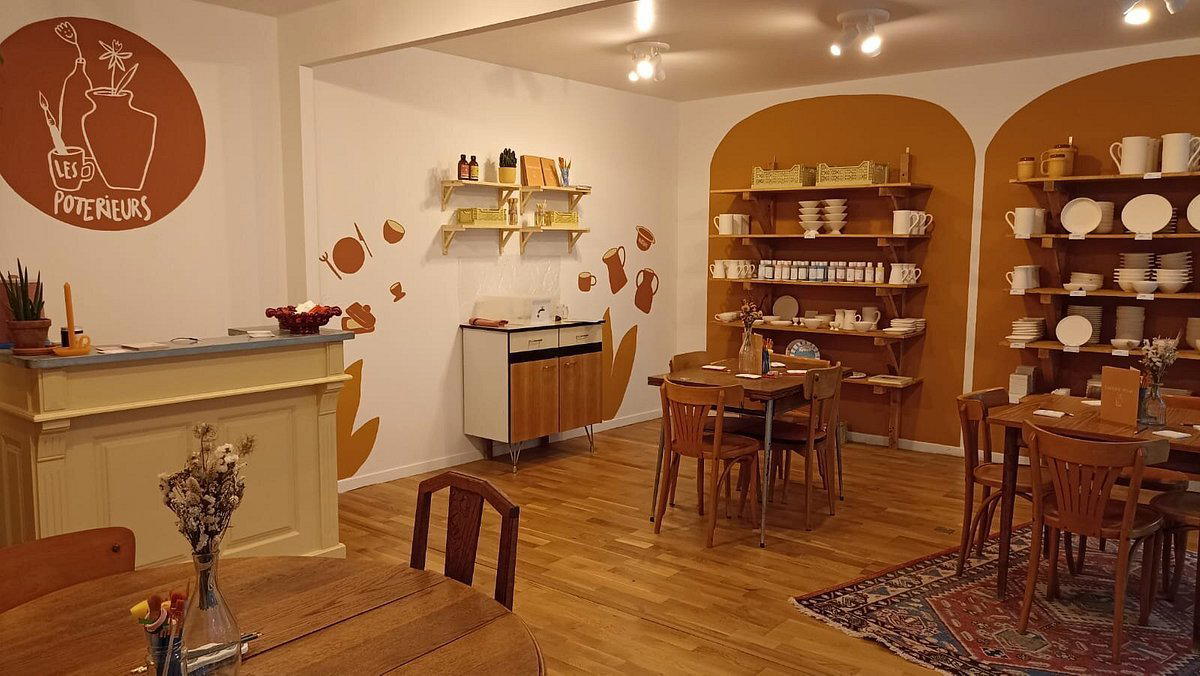
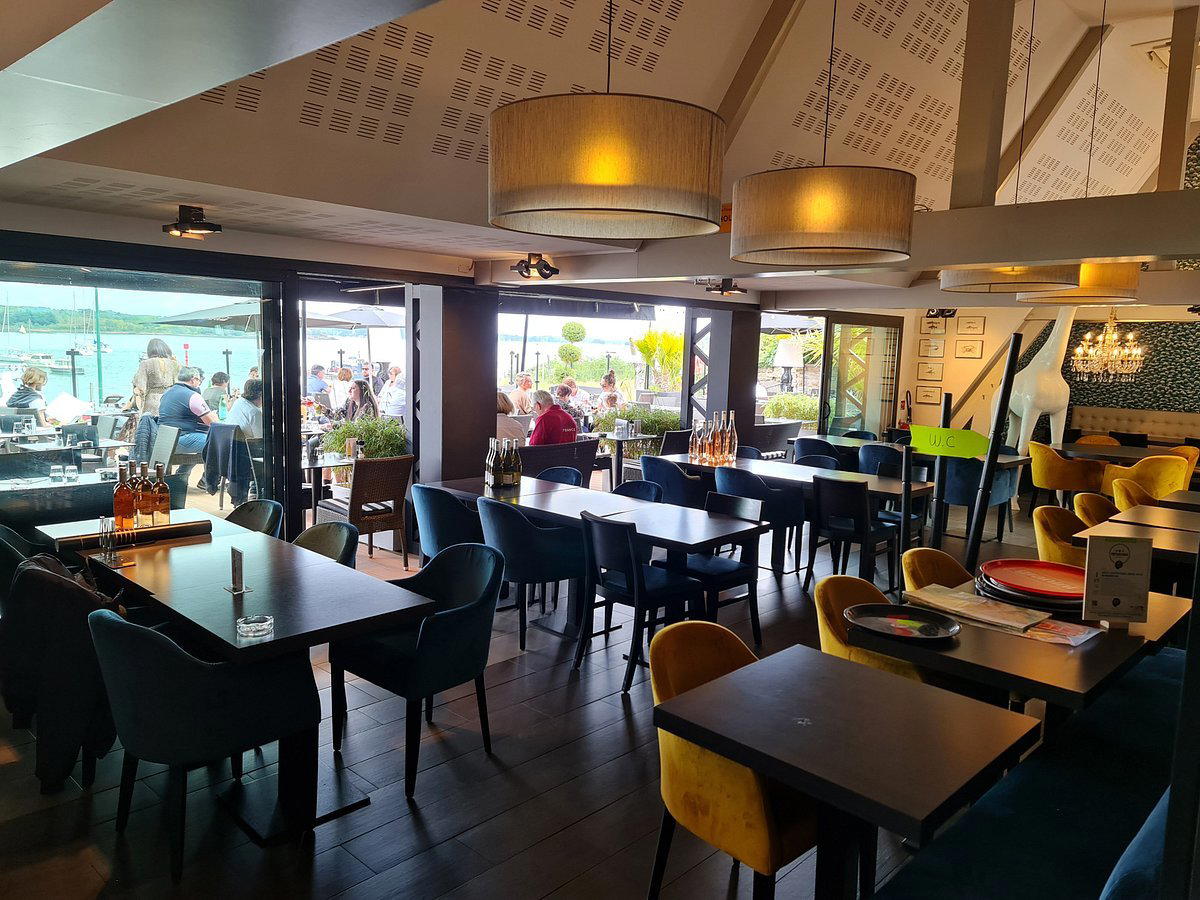
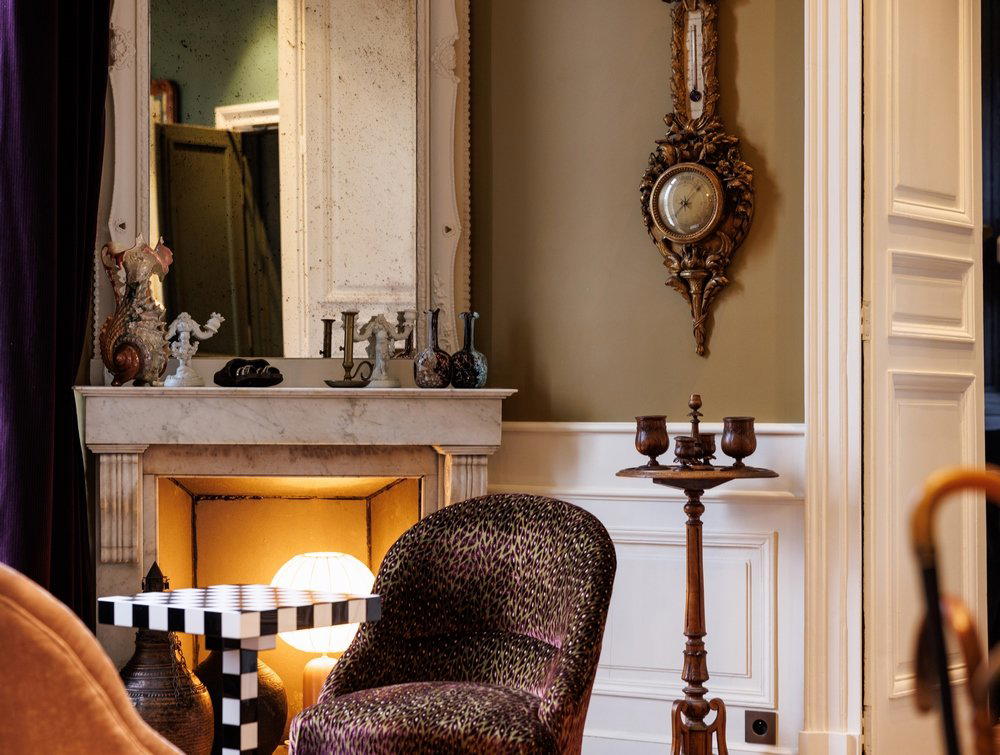
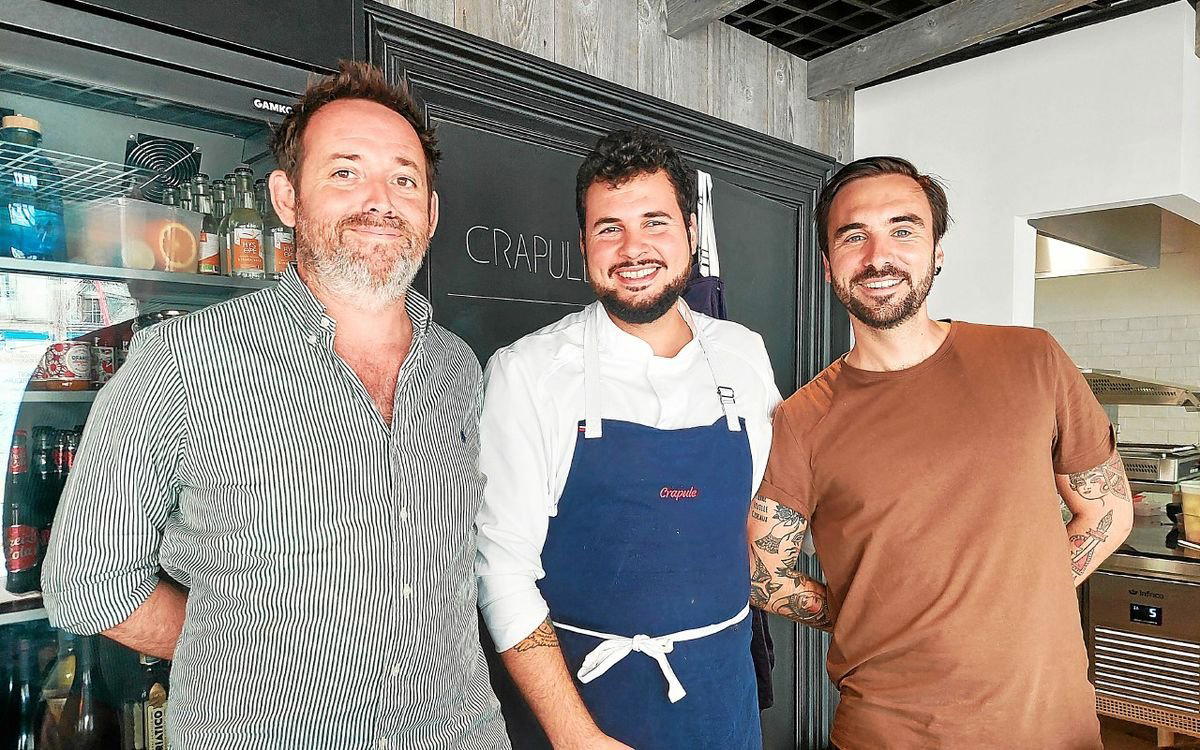
At a Glance
- Romantic
- Elegant
- Scenic
- Sophisticated
- Date Night
- Special Occasion
- Celebration
- Waterfront
- Panoramic View
- Terrace
- Hotel Restaurant
- Extensive Wine List
- Sommelier Led
- Local Sourcing
- Sustainable Seafood
- Waterfront
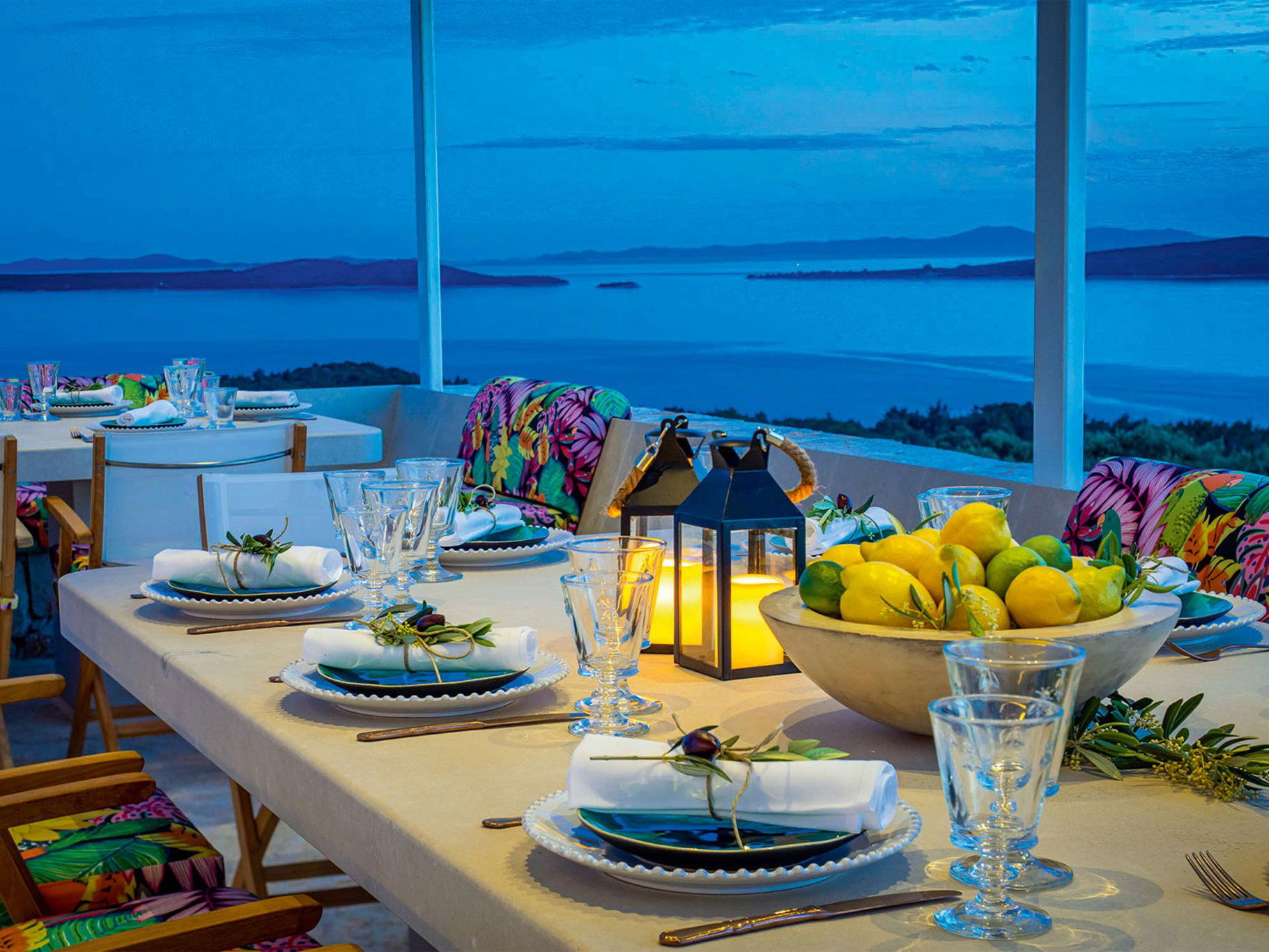
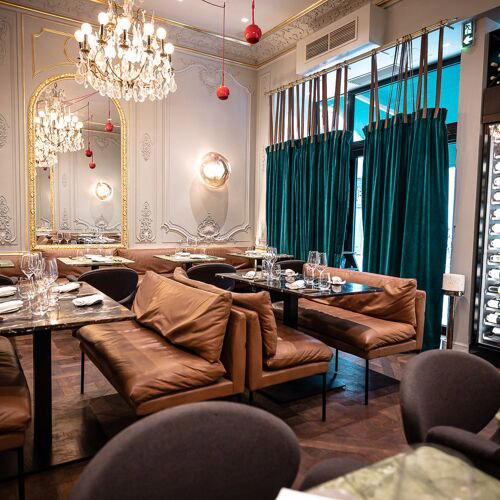
Warm, refined setting with far-reaching waterfront views; elegant and sophisticated atmosphere suitable for special occasions.