
Michelin Bib Gourmand
Our verdict
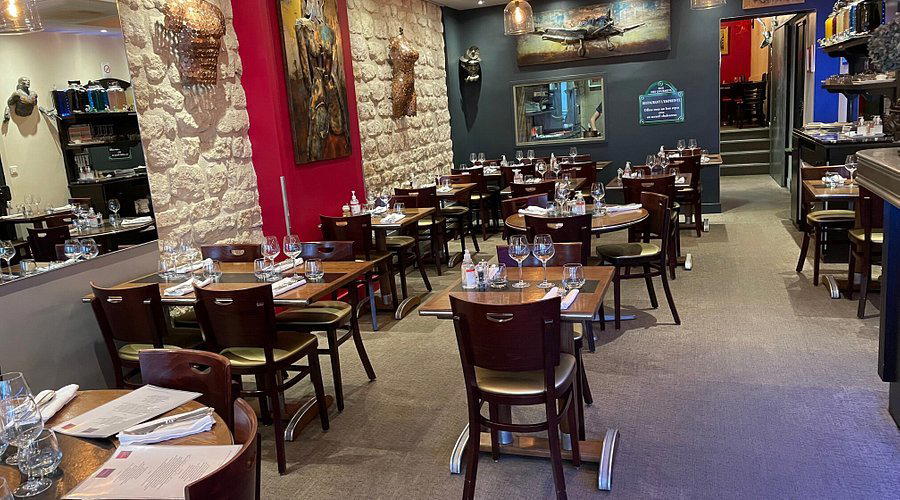
At Ryoko – Comptoir à ramen, the reverence of Tokyo’s ramen culture converges with the finesse of French terroir in a compact, striking bistro dressed in red, white, and black. Here, masterfully rendered broths—silky, marrow-rich tonkotsu or crystalline, aromatic tori chintan—anchor bowls crafted from first-class local ingredients, including flax-fed pork of remarkable depth and purity. The result is an elevated, soulful experience: supple noodles swathed in savory steam, precise garnishes, and a counter-side theater of discipline and grace. Though they don’t accept reservations and the room fills swiftly, the anticipation heightens the pleasure; this is one of Paris’s most coveted ramen experiences, where patience is rewarded with quiet perfection.

Pearl is the En Primeur Club membership app, where members save venues, book tables and use the concierge.
The menu
What to order
- Ramen with pork broth
- Ramen with coconut broth
Rue de la Fontaine and the Ramen That Belongs There
There is a particular kind of street-level confidence that a small bistro projects when it knows exactly what it is. On Rue de la Fontaine in the old quarter of Vannes, Ryoko - Comptoir à ramen announces itself through a red, white, and black façade that reads less like branding and more like a declaration of intent. The narrow storefront fits the street's domestic scale: this is not a destination restaurant in the airport-transfer sense, but something closer to a neighbourhood fixture, the sort of place whose regulars arrive knowing the queue is part of the arrangement.
Vannes sits at the edge of Brittany's Gulf of Morbihan, a city whose food identity has historically run through Atlantic seafood, crêperies, and a handful of ambitious French tables. The appearance of a serious ramen counter in this context is less surprising than it might seem. Across provincial French cities over the past decade, Japanese broth culture has moved from novelty to normalcy, with the Michelin Guide itself noting that the flavour codes of Japanese cuisine are now integrated into French dining habits at a structural level. Ryoko is one of the more direct expressions of that shift: a single-cuisine specialist operating at the compact, high-volume format that characterises the most credible ramen counters, whether in Lyon, Paris, or their originating context in Japan.
The Broth, the Format, and the Sourcing Logic
The menu centres on two broth styles. The tonkotsu is built from pork; the tori chintan from chicken. Both styles represent opposite ends of ramen's flavour spectrum: tonkotsu is opaque, collagen-rich, and slow-cooked to a point where the broth carries structural weight; tori chintan is clear, lighter, and technically demanding in its own way, requiring precision to extract depth without cloudiness. The choice between them is not a question of which is better but of what kind of eating you are in the mood for.
The sourcing behind the pork broth is worth noting specifically. The pigs are fed on linseed, a detail that affects fat composition and flavour in ways that distinguish the result from commodity-pork tonkotsu. This is the kind of supply-chain specificity that farm-to-table French restaurants such as Empreinte have built their identity around, applied here to a Japanese broth tradition. It positions Ryoko within a broader pattern in French provincial dining, where ingredient provenance has become a baseline expectation rather than a premium signal.
Michelin Plate awarded in 2025 confirms that the kitchen meets the Guide's threshold for culinary quality. The Plate, sitting below the star tier, typically identifies places where the cooking is technically sound and worth the visit, without claiming the ambition or complexity that stars require. For a single-format ramen counter in a Breton city, the recognition is meaningful context: it places Ryoko in a different conversation from the casual noodle bar, while keeping it honest about what it is.
Where Ryoko Sits in Vannes's Dining Picture
Vannes has a small but considered restaurant scene relative to its size. The higher end runs through creative and modern-cuisine tables: La Tête en l'air operates in the creative bracket at the €€€ tier, while Agora, Boma, and Inspirations represent the modern-cuisine mid-range. Ryoko occupies a different position entirely: the single-euro price tier, which in France usually signals bistro simplicity, but here accompanies a focused technical format that most restaurants at that price point do not attempt.
You are not choosing between Ryoko and a gastronomic table; you are choosing between Ryoko and a crêperie or a seafood brasserie for a lunch or casual dinner slot.
For reference on what serious ramen looks like at the counter-culture end of the spectrum, Afuri in Tokyo and its Portland outpost Afuri Ramen represent the kind of lineage-conscious, technique-first approach that has raised expectations for ramen internationally. Ryoko operates at a different scale and context, but the underlying premise, that broth quality and sourcing honesty matter at every price point, belongs to the same conversation.
France's broader fine-dining tradition, running through institutions like Paul Bocuse, Mirazur, or Troisgros, has long placed sourcing at the centre of cooking identity. The fact that a ramen counter in Vannes has absorbed that logic, specifying linseed-fed pork rather than leaving the supply chain vague, suggests something about how deeply ingredient culture has penetrated French food thinking across formats and price tiers.
Planning a Visit: What to Know Before You Go
Ryoko does not take reservations. The restaurant is frequently at capacity, and the format, a small room with limited covers, means that queuing at the door is a real possibility, particularly at lunch and early evening. The practical advice is to arrive before peak service if you are visiting on a schedule, or to treat the wait as part of the Rue de la Fontaine experience rather than an obstacle to it. The address is 14 Rue de la Fontaine, 56000 Vannes, set within walking distance of the medieval walled centre.
The price tier places this within reach for most budgets: a bowl of ramen at the single-euro bracket in a French provincial city represents the kind of value that is increasingly difficult to find paired with any quality signal at all, let alone a Michelin Plate. For visitors building a Vannes itinerary, the full picture of the city's food and hospitality options is covered across the EP Club Vannes restaurants guide, the hotels guide, the bars guide, the wineries guide, and the experiences guide.
Frequently asked questions
Would Ryoko - Comptoir à ramen be comfortable with kids?
The format is a small room that frequently fills to capacity, and Ryoko does not take reservations, which means waiting is common. For families with younger children who need predictable timing and space, that combination can be difficult. Older children comfortable with a brief queue and a compact dining room should have no issue with the straightforward bowl-focused menu.
What kind of setting is Ryoko - Comptoir à ramen?
Ryoko is a pocket-sized bistro on Rue de la Fontaine in Vannes's old town, identified by a red, white and black façade. The format is counter-style and tightly covered, the Michelin Plate recognition describes it as a 'pocket handkerchief bistro' that is often packed. Walk-ins only, so expect a queue at peak times.
What distinctions does Ryoko - Comptoir à ramen have?
Ryoko - Comptoir à ramen has received recognition including: Michelin Plate (2025); The flavoursome codes of Japanese cuisine are now part and parcel of French dining habits. This pocket handkerchief bistro embodies this trend, depicted by a red, white and black façade. You will taste one of the best….
What dish is Ryoko - Comptoir à ramen famous for?
Ryoko earned its 2025 Michelin Plate on the strength of two broths: a tonkotsu built from pork and a tori chintan made from chicken. The tonkotsu uses pigs raised on flaxseed, which Michelin specifically called out as first-class local sourcing. Both styles represent the core of the menu and the reason the room fills daily.
A Tight Comparison
| Venue | Cuisine | Price | Awards | Notes |
|---|---|---|---|---|
| Ryoko - Comptoir à ramenThis venue (the venue you are viewing) | Japanese Ramen | $10–20 | Michelin Bib Gourmand | Not listed |
| La Tête en l'air | Creative French Gastronomic Blind Tasting | $100–150 | 1 Michelin Star | Creative |
| La Table du Liziec | Michelin-Starred Breton Fine Dining | $100–150 | 1 Michelin Star · Gault & Millau Remarkable Restaurant | French | Gastronomic |
| Nomad | Modern French Bistro | $50–100 | Michelin Plate · Wine Spectator Best of Award of Excellence | Modern Cuisine |
| Empreinte | Modern French Locavore | $50–100 | Michelin Plate | Farm to table |
| Iodé | Creative French Seafood | $50–100 | Michelin Plate · Gault & Millau Remarkable Restaurant | Creative |
Recognition history
Dated appearances from independent guides and award organizations, with the underlying list record or original source where available.
Michelin Bib Gourmand
Michelin
Full recognition history (3 entries)
Michelin Plate
Michelin
Michelin Plate
Michelin
Continue exploring
More in Vannes
Restaurants in Vannes
All restaurants in Vannes →
Bars in Vannes
All bars in Vannes →

Details
- Cozy
- Casual
- Casual Hangout
- Solo
- Open Kitchen
- Counter Dining
- A La Carte
Current opening hours
- Monday
- Closed
- Tuesday
- 11:45 AM–2 PM, 6:45–10 PM
- Wednesday
- 11:45 AM–2 PM, 6:45–10 PM
- Thursday
- 11:45 AM–2 PM, 6:45–10 PM
- Friday
- 11:45 AM–2 PM, 6:45–10:30 PM
- Saturday
- 11:45 AM–2 PM, 6:45–10:30 PM
- Sunday
- Closed
Hours can change for holidays and private events. Hours as of .
Intimate and welcoming bistro atmosphere that blends Japanese culinary traditions with French dining culture, with a focus on the ramen counter experience.