Hotel les Rives du Ter

Michelin Selected
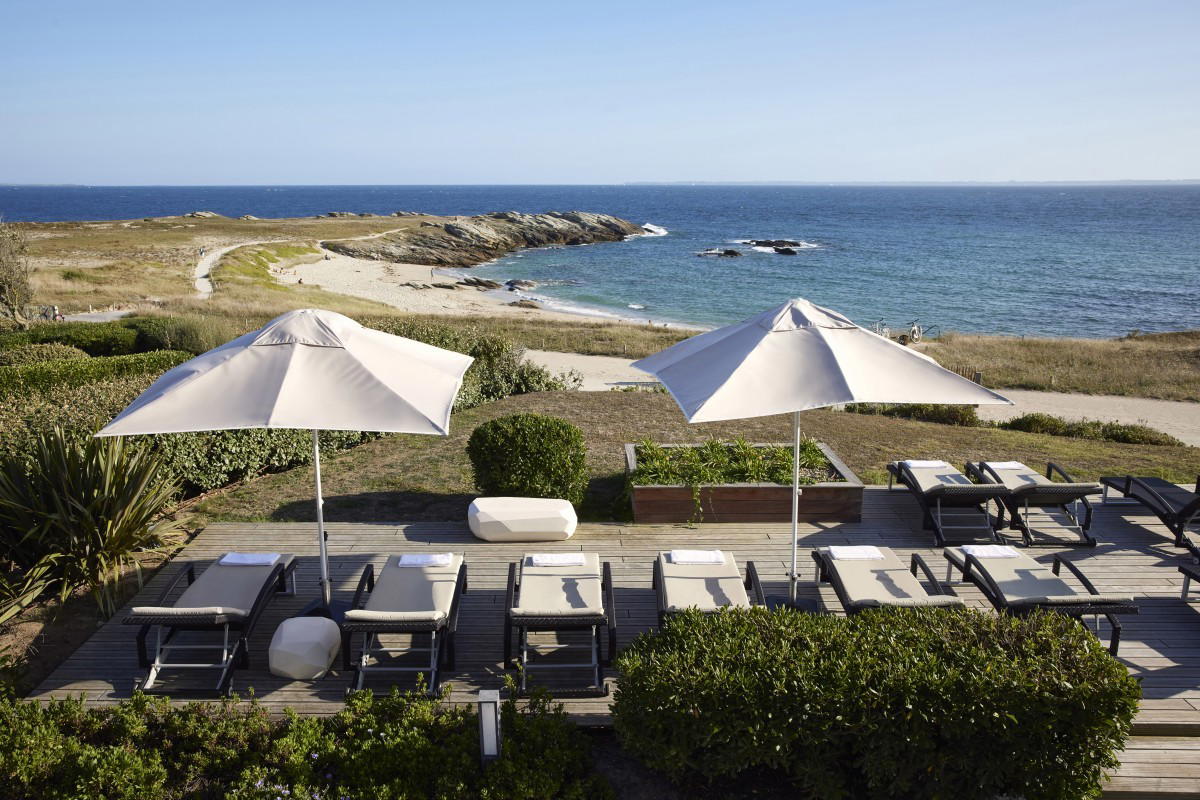
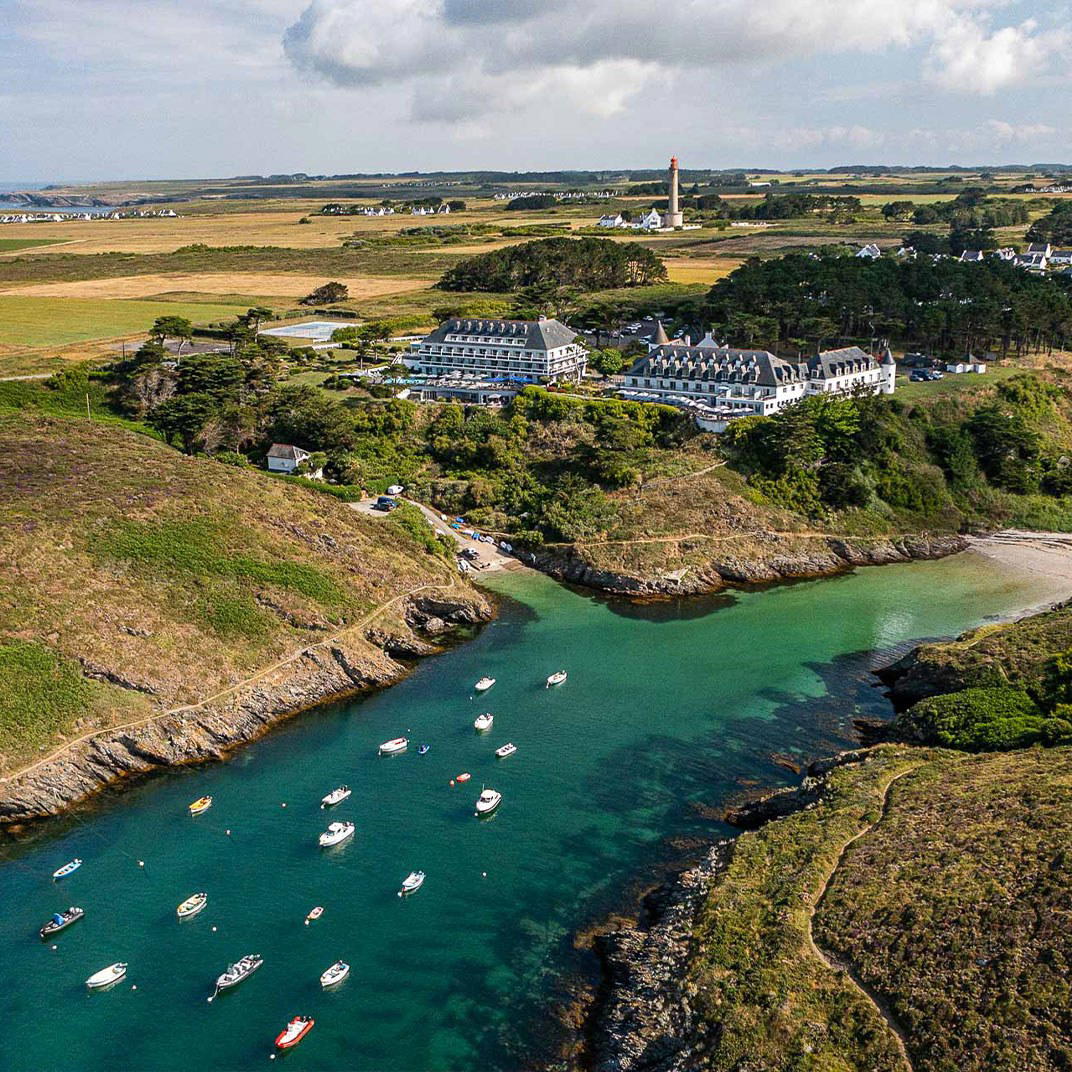
On the southern shore of the Ter estuary in Larmor-Plage, Hotel les Rives du Ter occupies a position that few Breton coastal properties can match: direct waterfront access in a commune that remains largely off the radar of international travel. Selected by the Michelin hotel guide 2025, it represents a considered alternative to the busier resort circuits of southern Brittany.

Pearl is the En Primeur Club membership app — saves, bookings, and concierge access live there. Same editors, same standards.
- Address
- 15 Bd Jean Monnet, 56260 Larmor-Plage, France
- Phone
- +33 2 97 35 33 50
- Website
- lesrivesduter.com
- Directions
- Get directions
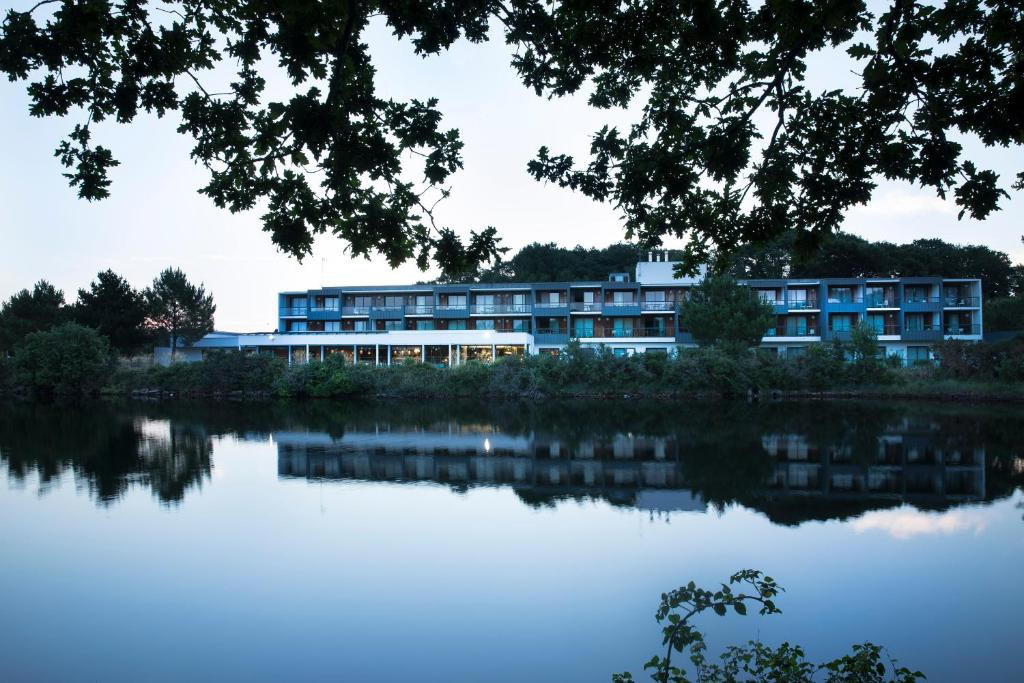
Where the Ter Meets the Atlantic: Reading the Rives du Ter in Context
Larmor-Plage sits at the mouth of the Ter river on Brittany's Morbihan coast, a few kilometres south of Lorient across the harbour channel. It is a town that French domestic travellers know well — the beaches are long, the ferry crossings to the Île de Groix leave from a short walk away — but one that rarely appears in the international hotel conversation dominated by Saint-Malo, Quiberon, or La Baule. That relative quietness is part of the architectural logic of properties like Hotel les Rives du Ter, which position themselves not through grand lobby statements but through relationship to site. Waterfront hotels in Brittany tend to divide between large thalassotherapy complexes oriented inward toward their treatment facilities and smaller, character-led properties that treat the water as the primary amenity. The Rives du Ter belongs to the latter category, located at 15 boulevard Jean Monnet where the estuary opens toward the sea. For wider context on what the Michelin hotel selection means as a curatorial signal in France's provincial hotel market, see our full Larmor Plage restaurants guide.
The Architectural Proposition: Estuary Address, Coastal Restraint
Brittany's premium coastal accommodation has historically leaned on either grand belle-époque volume or contemporary minimalism that references the grey-granite palette of the region. Properties that earn Michelin hotel selection in this part of France tend to share a quality of physical positioning over decorative ambition: the view, the water access, and the proportional relationship between building and landscape do more editorial work than interior appointments. Hotel les Rives du Ter sits on a boulevard that runs along the waterfront, giving the property a front-row relationship with the Ter estuary that is legible even from the approach on foot.
The Michelin selected distinction, current for 2025, places it within a curatorial tier that the guide reserves for properties offering reliable quality and a clear sense of place, criteria that in coastal Brittany typically reward properties with genuine water proximity and a calibration toward the landscape rather than against it. This is a different competitive conversation from the one taking place at, say, Le Bristol Paris or Hôtel du Palais in Biarritz, where historic grandeur and formal service architecture define the offer. Larmor-Plage's scale demands something more grounded: a hotel that reads as part of the town rather than apart from it.
Larmor-Plage as a Setting: What the Town Contributes
Understanding the Rives du Ter requires understanding what Larmor-Plage itself provides as a frame. The commune has three beaches, Toulhars, Kerguelen, and the town beach, within walking distance, and the ferry service to Groix runs frequently enough in season that the island becomes a practical day extension rather than a separate logistical undertaking. Groix, with its distinctive convex beaches of grainy golden sand, is one of the Morbihan coast's more distinctive geographical features and adds considerable value to any stay on this stretch of the shoreline.
Lorient, across the water, has a covered market at the Halles de Merville that draws serious cooks from across the region and provides access to the Atlantic catch, langoustines from the Guilvinec boats, oysters from the nearby Étel river, that defines Breton coastal cooking. The ferry crossing from Larmor-Plage to Lorient takes minutes. This proximity to a working port city, rather than the more polished resort infrastructure of somewhere like La Baule or Dinard, gives Larmor-Plage a texture that suits travellers who want genuine coastal character alongside reasonable amenity. For comparison with how other French coastal properties position themselves in relation to their landscapes, La Réserve Ramatuelle and Casadelmar in Porto-Vecchio offer useful reference points for the design-led, site-responsive approach that characterises French coastal hospitality at its most considered.
Michelin's hotel selection programme, expanded significantly in recent years, operates as a quality floor rather than a ceiling indicator. In Brittany, where the hotel stock ranges from basic logis to ambitious contemporary retreats, selection signals that a property has cleared a baseline across comfort, service consistency, and sense of place. It does not imply the same tier as Michelin's Palaces designation or the upper bracket of French luxury represented by Royal Champagne Hotel & Spa or Domaine Les Crayères in Reims. What it does imply, in a town of Larmor-Plage's scale, is that the Rives du Ter is the considered choice rather than the default one.
Properties in the Michelin-selected tier in smaller French coastal communes occupy a position that rewards a particular kind of traveller: one who is not seeking the full-service architecture of a Four Seasons Megève or the design spectacle of Villa La Coste, but who expects consistent quality, a legible relationship to location, and enough character that the property doesn't disappear into the background of the trip. On the Morbihan coast, that calibration is precisely what earns selection. For reference to how this tier sits within the broader French luxury hotel spectrum, compare with La Bastide de Gordes, Château de la Gaude in Aix-en-Provence, or La Ferme Saint-Siméon in Honfleur, each of which operates within a similar logic of place-first hospitality in French regional contexts.
Planning a Stay: Practical Considerations
The Morbihan coast runs warmest and busiest from late June through August, when ferry services to Groix operate at full frequency and Lorient's summer festival calendar, most notably the Festival Interceltique in early August, one of the largest Celtic cultural gatherings in Europe, brings significant visitor volume to the area. Shoulder season visits in May, early June, or September offer the same water access and ferry connections with considerably less pressure on accommodation. Larmor-Plage itself is small enough to cover on foot or by bicycle, and the coastal path along the Atlantic-facing shore is walkable in either direction. Reaching Larmor-Plage by rail means arriving at Lorient station and taking local transport across the harbour; the TGV from Paris Montparnasse to Lorient runs in approximately three and a half hours. The hotel's address at 15 boulevard Jean Monnet places it on the main waterfront boulevard, making orientation from the ferry terminal direct.
Travellers comparing this part of Brittany with other French coastal stays involving Michelin-selected properties should note that the Morbihan offers a distinctly different environmental register from the Mediterranean-facing south: cooler, greener, more maritime in the full Breton sense. Properties like Hotel Du Cap-Eden-Roc or The Maybourne Riviera operate in a completely different climatic and architectural idiom. That contrast is not a weakness of the Brittany proposition, it is, for many travellers, the entire point.
Comparison Snapshot
| Venue | Price | Awards |
|---|---|---|
| Hotel les Rives du TerThis venue — the venue you are viewing | Not listed | Michelin Selected |
| Cheval Blanc Paris | $2,500+ | 3 Michelin Keys · World's 50 Best #20 |
| Le Meurice | $1,000–1,500 | 3 Michelin Keys · La Liste Top Hotels |
| Cheval Blanc Courchevel | $1,500–2,500 | 3 Michelin Keys · La Liste Top Hotels |
| The Peninsula Paris | $1,000–1,500 | 2 Michelin Keys · La Liste Top Hotels |
| Aman Le Mélézin | $2,500+ | 2 Michelin Keys · La Liste Top Hotels |
Recognition history
Dated appearances from independent guides and award organizations, with the underlying list record or original source where available.
Michelin Selected
Michelin
Continue exploring
More in Larmor Plage
Hotels in Larmor Plage
Browse all →
Bars in Larmor Plage
Browse all →
Details
- Scenic
- Quiet
- Modern
- Cozy
- Romantic Getaway
- Weekend Escape
- Business Trip
- Waterfront
- Panoramic View
- Terrace
- Wi Fi
- Pool
- Sauna
- Fitness Center
- Restaurant
- Room Service
- Concierge
- Parking
- Waterfront
- Wheelchair Accessible
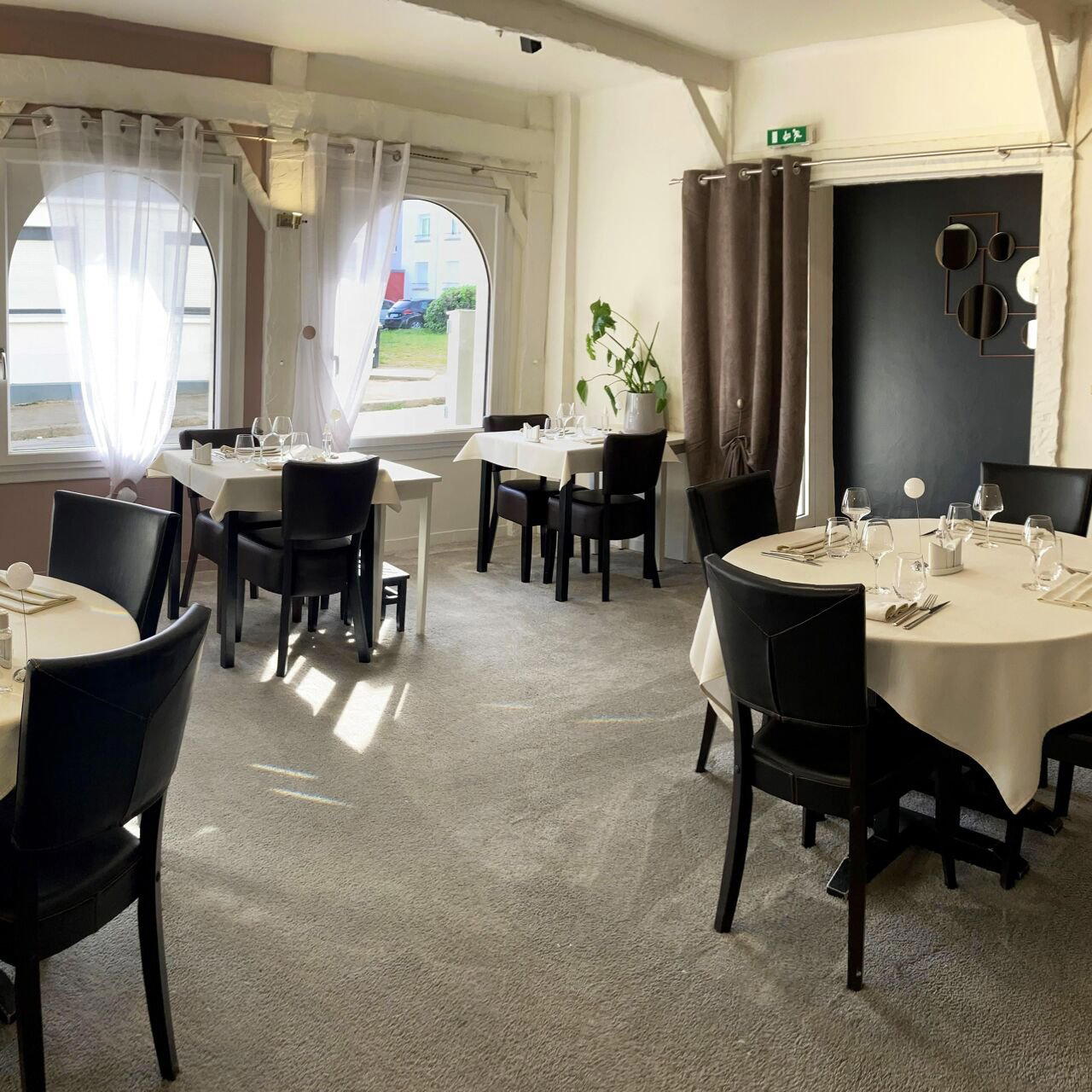
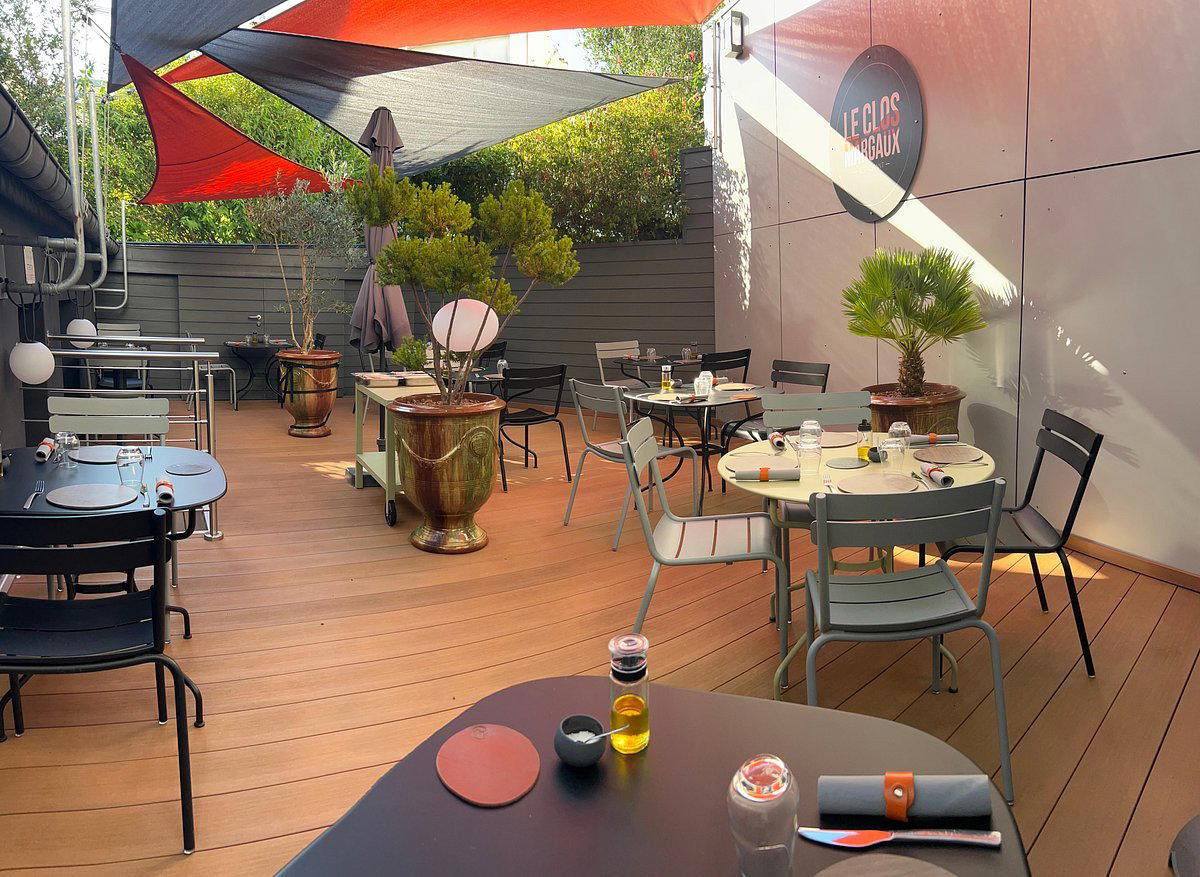
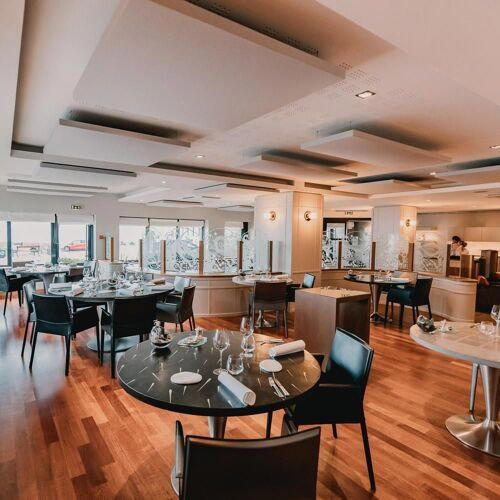
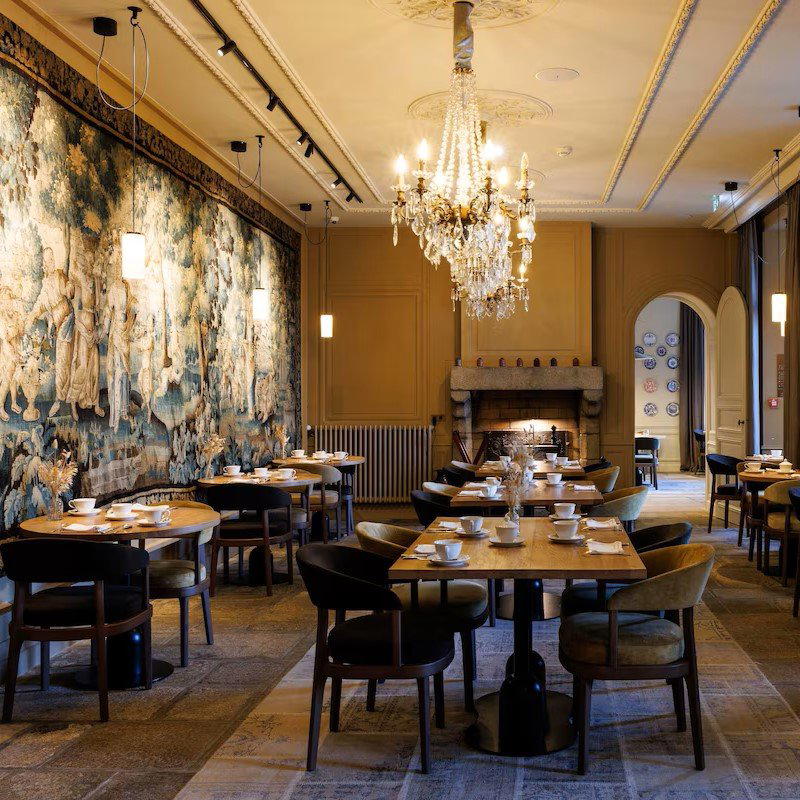
Peaceful and relaxing atmosphere with natural light in contemporary rooms and verdant surroundings.