
1 Michelin Star
Our verdict
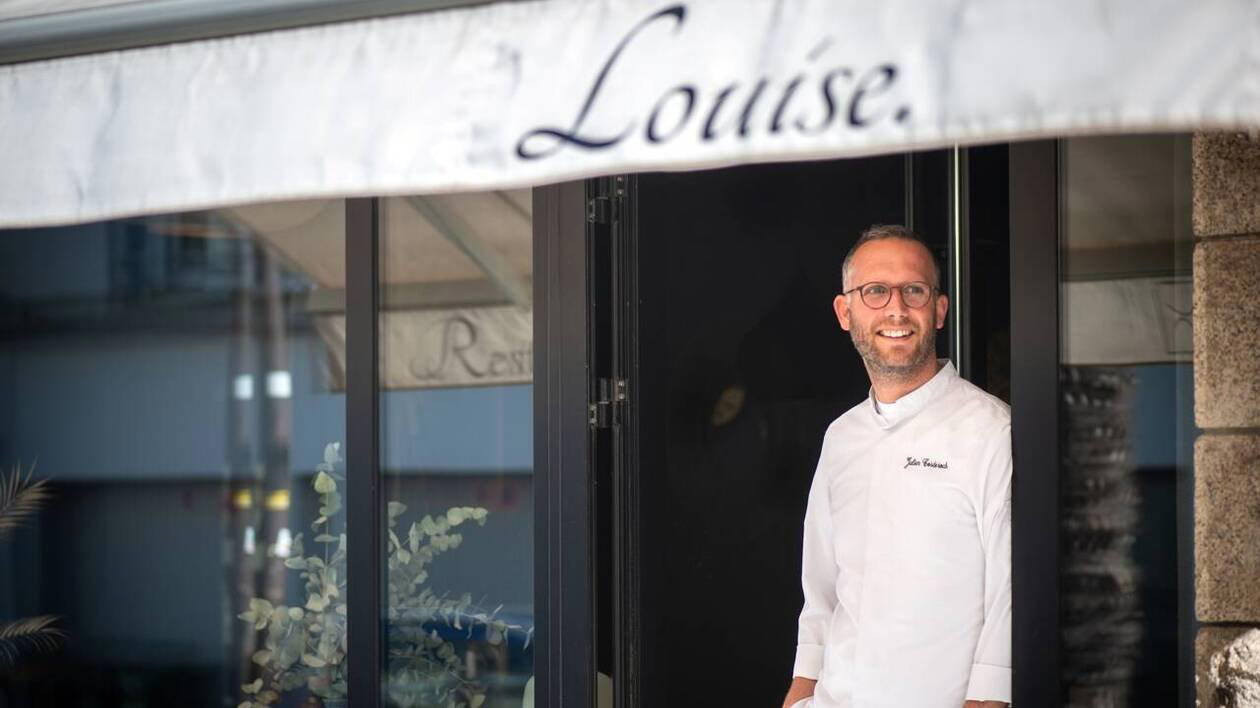
At 4 rue Léo-le-Bourgo, Louise runs surprise menus built around sustainably caught fish from line and small-boat fishermen, with plant-based dishes and a clear command of the maturing process. Chef Julien Corderoch's kitchen puts Brittany's coastal produce through a quietly precise, technique-led lens. The lunchtime menu offers strong value for the quality on the plate.

Pearl is the En Primeur Club membership app — saves, bookings, and concierge access live there. Same editors, same standards.
- Address
- 4 rue Léo-le-Bourgo
- Phone
- +33 2 97 84 72 12
- Hours
- Mon–Tue ClosedWed–Sat 12–1:30 PM, 7:30–9 PMSun Closed
- Website
- restaurantlouise.fr
- Directions
- Get directions
- Booking
- Book on Zenchef
The menu
What to order
- Brittany Seafood Platter
- Duck Breast with Honey Glaze
- Gilthead Sea Bream Sashimi
- Raw Scallops with Brown Shrimp Broth
- Steamed Pollack with Cauliflower
- Mullet with Coconut Milk and Ginger
Lorient sits at the mouth of the Blavet and Scorff rivers, a port city with a working relationship to the Atlantic that shapes what ends up on its restaurant tables. The fish that arrive here come off small boats rather than industrial trawlers, and the leading kitchens in the city treat that supply chain as a starting point rather than a marketing claim. At Louise, on rue Léo-le-Bourgo, the sourcing argument is structural: the menu is built around sustainably caught fish — line-caught and small-boat — and changes according to what that method actually yields, not what a fixed menu requires.
A Kitchen Shaped by What the Sea Gives
Across French coastal dining, the tension between sustainability rhetoric and kitchen reality is well documented. Many restaurants list provenance on the menu and then proceed to serve the same species every season. The approach at Louise runs in the opposite direction. Line fishing and small-boat fishing are methods that produce smaller, more variable catches, and a kitchen that commits to those sources has to be flexible enough to follow the supply. That operational constraint is also, paradoxically, a quality signal: fish caught this way arrive with better flesh texture and shorter time from sea to kitchen.
The commitment to sustainable sourcing at Louise extends to how the kitchen handles the fish it receives. Chef Julien Corderoch's documented interest in the maturing process, the controlled aging of fish in the way that meat is dry-aged, represents a less common technique in French coastal restaurants, where freshness is usually treated as synonymous with cooking fish immediately. Maturation allows the proteins to relax and the flavour to concentrate, and in the right hands it produces a different result than the straight-to-pan approach. Dishes in the archive include gilthead sea bream sashimi with wild herb pesto and wild carrot, raw scallops in a warm brown shrimp broth with coriander and ponzu sauce, and gently steamed pollack with creamy cauliflower and shiitake roasted in miso butter. These are not reconstructions of Breton tradition; they draw on Japanese technique and ingredient logic, applied to a local Atlantic catch.
Where Louise Sits in Lorient's Dining Scene
Lorient's restaurant scene at the mid-price tier contains a handful of addresses working in the contemporary idiom. Gare aux Goûts operates in the contemporary bracket, as does Le 26-28 in the modern cuisine category. Le Tire Bouchon anchors the traditional end, while Le Yachtman works the seafood-specialist lane. Louise occupies a slightly different position: a surprise-menu format with a documented sourcing discipline and a cross-cultural technique vocabulary that sits outside both the traditional brasserie model and the purely local seafood house.
The surprise menu format, common at this level of French restaurant cooking, shifts the decision-making to the kitchen. What you eat depends on what the boats brought in and what the kitchen judges to be ready. For diners accustomed to choosing from a printed carte, this requires a degree of trust. The evidence on the plate, the Asian-influenced broth work, the miso butter applications, the sashimi preparation of a local bream, suggests a kitchen confident enough in its technique to justify that trust.
For a broader sense of what Lorient's dining and hospitality offer, see our full Lorient restaurants guide, our full Lorient hotels guide, our full Lorient bars guide, our full Lorient wineries guide, and our full Lorient experiences guide.
The Lunchtime Equation
French restaurant economics at this level often involve a lunchtime menu priced considerably below the evening tasting format, and Louise is no exception. The lunchtime menu is documented as a genuine value proposition relative to what the kitchen produces. For a first visit, particularly for anyone uncertain about committing to a full surprise menu in the evening, lunch offers a lower-stakes entry point to the same kitchen. Wines are described as reasonably priced, which at a restaurant of this type in a mid-sized French city suggests a list selected for value rather than margin.
Technique, Tradition, and the Bigger Picture
The cross-cultural approach visible in Louise's documented dishes connects to a broader current in French coastal cooking. Chefs working with premium Atlantic fish increasingly look to Japanese technique, sashimi cuts, ponzu-based broths, miso applications, because those methods handle delicate white fish with more precision than the classical French canon often allows. The same influence is visible at significant distances: Le Bernardin in New York City built its entire identity around the French treatment of fish as the principal event, while Mirazur in Menton demonstrates how coastal produce and garden sourcing can operate as a unified supply logic at the very leading of French fine dining.
Elsewhere in France, the relationship between regional identity and sourcing integrity has defined the country's most enduring tables. Bras in Laguiole built a reputation on Aubrac terroir and plant-based rigour decades before those terms became fashionable. Auberge de l'Ill in Illhaeusern and Troisgros in Ouches represent the longer arc of French cooking that took regional produce seriously before it was industry orthodoxy. At the more formal end, Alléno Paris au Pavillon Ledoyen and Flocons de Sel in Megève show how the same sourcing seriousness operates at the starred level. Paul Bocuse in Collonges-au-Mont-d'Or remains the historical reference point for the entire tradition of placing French regional product at the centre of serious cooking. And across the Atlantic, Emeril's in New Orleans illustrates how a coastal city's fishing culture can become the backbone of a restaurant's identity over decades.
Louise is not operating at the starred level of those references, but it shares the same foundational logic: the sourcing decision precedes the menu decision, and the kitchen's job is to honour the supply rather than override it.
Planning a Visit
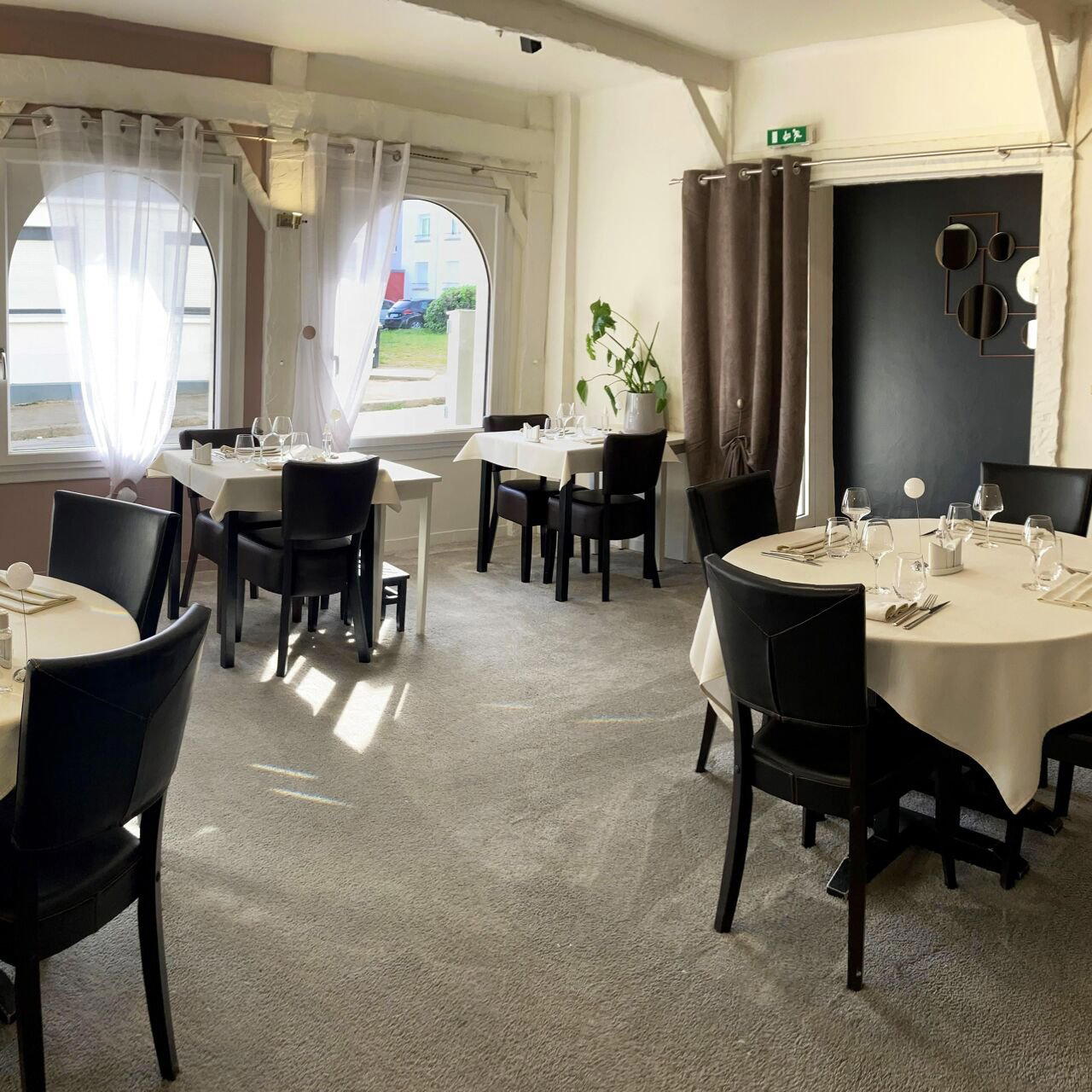
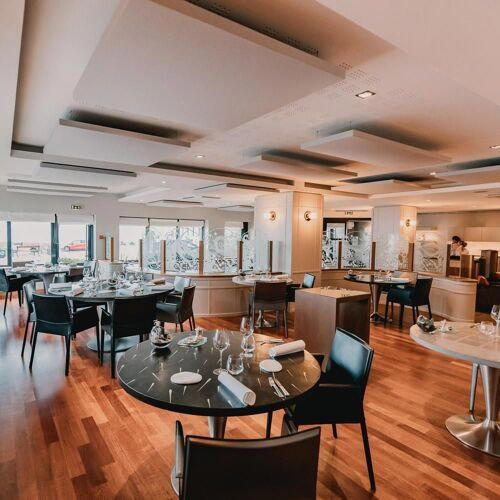
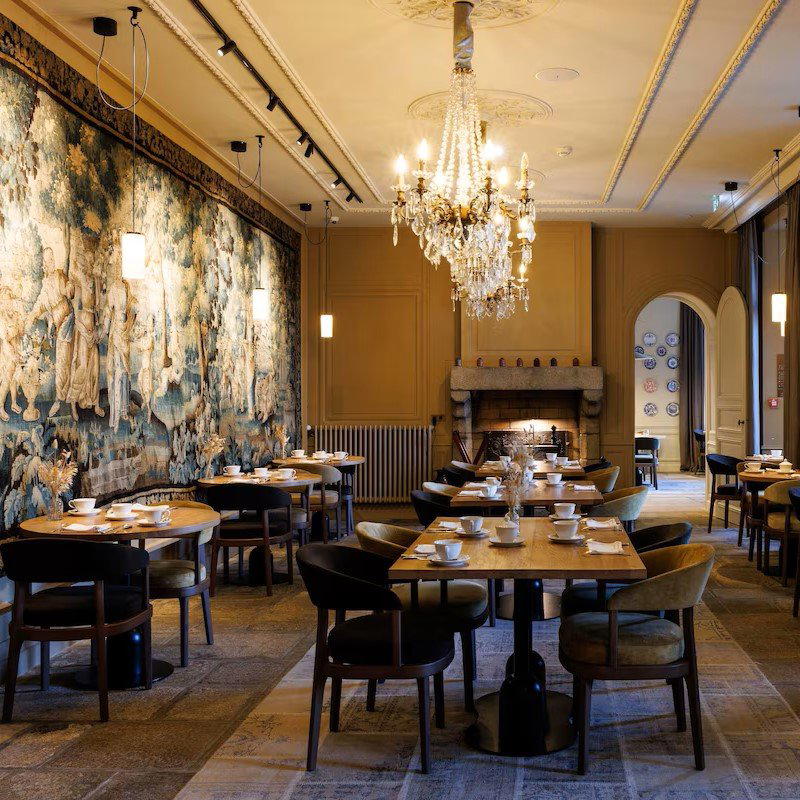
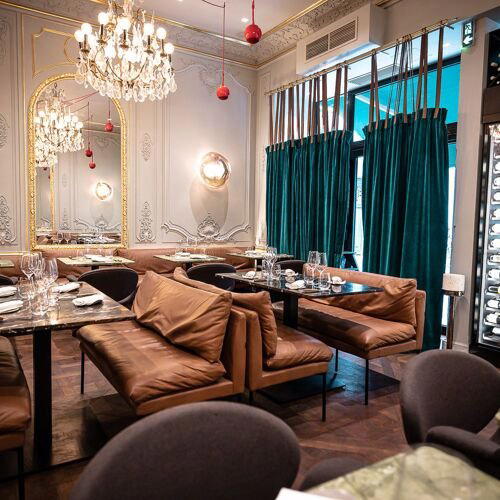
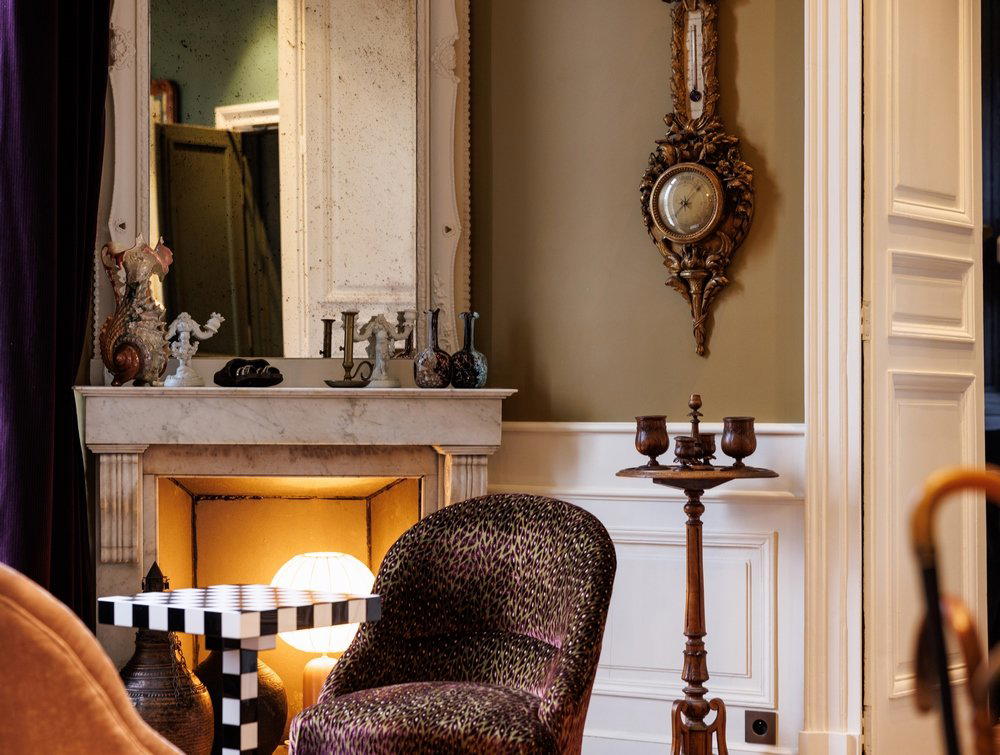
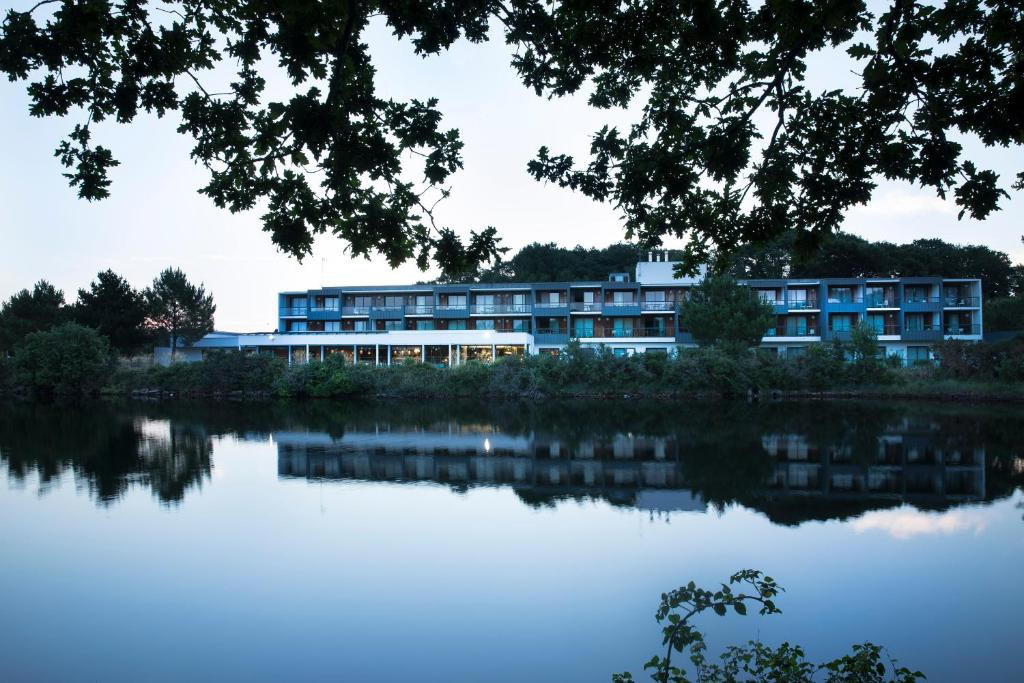
Louise is at 4 rue Léo-le-Bourgo in central Lorient, within walking distance of the city's main commercial streets. The surprise menu format makes advance booking advisable; the kitchen builds the menu around a known number of covers and does not improvise for walk-ins at that level of preparation. Lunchtime service offers the same kitchen at a price point described as a genuine bargain, which for Lorient at this quality tier is a practical consideration worth acting on. The interior is described as warm and contemporary, which places it in the casual-to-relaxed register rather than formal dining.
Frequently Asked Questions
Does Louise work for a family meal?
It works well for adults who eat without restrictions, but the surprise menu format and the kitchen's sourcing-led approach mean it is less suited to groups with multiple dietary requirements or children who want menu choice.
Is Louise formal or casual?
If you are comfortable at a contemporary Lorient restaurant with a surprise menu format and mid-range pricing, Louise reads as relaxed rather than formal. The awards data and documented technique suggest a serious kitchen, but the contemporary interior and the absence of rigid dress conventions place it firmly in the smart-casual register.
What dish is Louise famous for?
No single signature dish defines the kitchen, because the surprise menu changes with the catch. Documented preparations, gilthead sea bream sashimi, raw scallops in warm brown shrimp broth, and steamed pollack with miso-roasted shiitake, give the clearest picture of what Corderoch's kitchen does with Brittany's Atlantic supply.
Frequently asked questions
Does Louise work for a family meal?
Louise's surprise menu format means the kitchen sets the pace and direction, which works best when the whole table commits to the same experience. Families with open-minded eaters will find the seafood and plant-based focus accommodating, and the lunchtime menu at 4 rue Léo-le-Bourgo is notably well-priced for a shared occasion. Very young children or guests with fixed preferences may find the no-choice format less comfortable.
Is Louise formal or casual?
The interior is described as warm and contemporary, which in Lorient's mid-tier dining scene places Louise closer to relaxed than ceremonial. The surprise menu structure gives the meal a considered, intentional rhythm without the stiffness of a grand table. Come as you would for a serious neighbourhood restaurant, not a three-star occasion.
Does Louise have a Michelin star or similar recognition?
Louise has received recognition including: Louise was chef Julien Corderoch's great-grandmother, and it was she who sparked his love of food and, indeed, his culinary vocation. In a warm, contemporary interior, he proposes surprise menus made up of tasty seafood and plant-based dish….
What dish is Louise famous for?
No single dish defines the menu, since Louise operates on a rotating surprise format tied to what the sea and season provide. The documented cooking shows a consistent signature approach: raw or gently handled fish, like gilthead sea bream sashimi with wild herb pesto or raw scallops in a brown shrimp and ponzu broth, paired with techniques from the maturing and fermentation tradition. That cross-cultural precision with sustainably caught local fish is the through-line.
Where do I go for Louise?
Louise is located at 4 rue Léo-le-Bourgo, Lorient.
Side-by-Side Snapshot
| Venue | Cuisine | Price | Awards | Notes |
|---|---|---|---|---|
| LouiseThis venue — the venue you are viewing | Modern French Seafood | $50–100 | 1 Michelin Star | Not listed |
| Gare aux Goûts | Modern French Bistro | $30–50 | Michelin Bib Gourmand | Contemporary |
| Le Tire Bouchon | Refined Traditional French Seafood | $50–100 | Michelin Bib Gourmand | Traditional Cuisine |
| Le 26-28 | Modern French Bistronomique | $30–50 | Michelin Plate | Modern Cuisine |
| Le Yachtman | Traditional Breton Seafood | $30–50 | Michelin Plate | Seafood |
Recognition history
Dated appearances from independent guides and award organizations, with the underlying list record or original source where available.
Michelin 1 Star
Michelin
Details
- Elegant
- Intimate
- Sophisticated
- Cozy
- Date Night
- Special Occasion
- Celebration
- Open Kitchen
- Wine Cellar
- Natural Wine
- Sommelier Led
- Local Sourcing
- Sustainable Seafood
- Farm To Table
- Tasting Menu
- Prix Fixe
- Wine
- Organic Wines
- Vegetarian Friendly
- Gluten Free Options
- Pescatarian Friendly
- Allergy Accommodating
Current opening hours
- Monday
- Closed
- Tuesday
- Closed
- Wednesday
- 12–1:30 PM, 7:30–9 PM
- Thursday
- 12–1:30 PM, 7:30–9 PM
- Friday
- 12–1:30 PM, 7:30–9 PM
- Saturday
- 12–1:30 PM, 7:30–9 PM
- Sunday
- Closed
Hours can change for holidays and private events. Last verified .
Warm, contemporary interior with soft lighting, sober and chic décor, intimate setting with an open kitchen that remains discreetly quiet; guests describe it as cozy yet refined.