

Michelin Plate · Gault & Millau Remarkable Restaurant
Our verdict
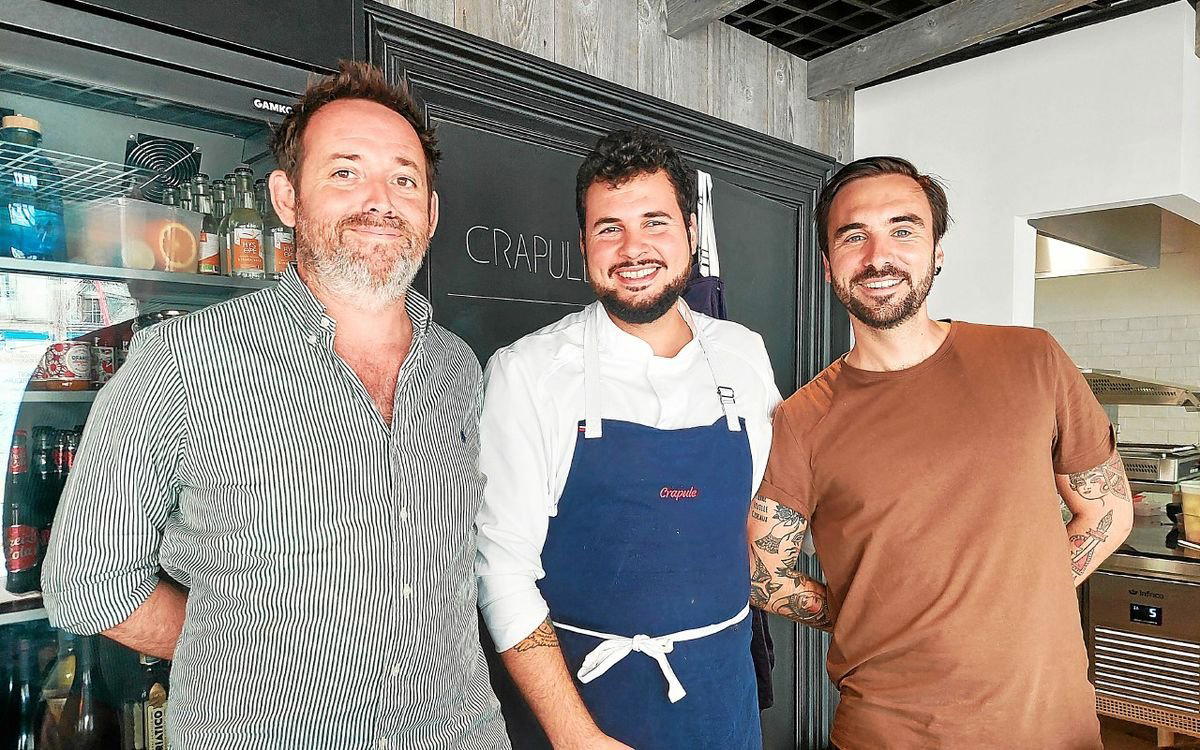
Les Jardins de Kerstéphanie brings modern cuisine to the Rhuys Peninsula in southern Brittany, where chef Arthur Peta works within a regional cooking tradition shaped by Atlantic seafood and inland produce.

Pearl is the En Primeur Club membership app — saves, bookings, and concierge access live there. Same editors, same standards.
- Address
- Lieu-dit Kerstéphanie, 56370 Sarzeau, France
- Phone
- +33 2 97 41 72 41
- Hours
- Mon 12:15–1:15 PM, 7:15–8:15 PMTue–Wed ClosedThu–Sun 12:15–1:15 PM, 7:15–8:30 PM
- Website
- lesjardinsdekerstephanie.com
- Directions
- Get directions
- Booking
- Book on Zenchef
The menu
What to order
- Lisette seared with carrot reduction and nasturtium
- Monkfish with courgette caviar and shellfish marinière
- Asparagus with paloise sauce
- Scallops from Baie de Quiberon
Where the Rhuys Peninsula Sets the Table
The Rhuys Peninsula, that narrow strip of land curling between the Gulf of Morbihan and the Atlantic, has long operated as a quiet counterpoint to the better-publicised dining circuits of Brittany. Tourists arrive for the coastline, the oyster beds, and the dolmens; they do not typically arrive for ambitious modern cooking. That the peninsula now holds a venue with back-to-back Michelin Plate recognition is a useful reminder that France's culinary ambition distributes itself across the countryside as readily as it concentrates in city centres.
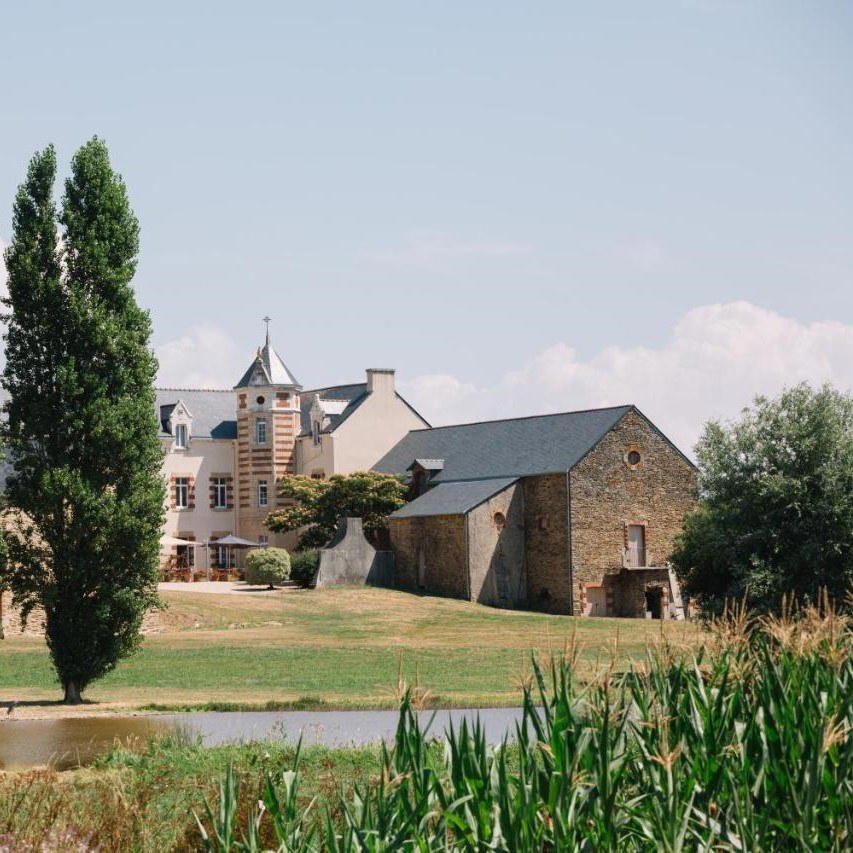
Les Jardins de Kerstéphanie sits in this broader Breton pattern. The lieu-dit address on the outskirts of Sarzeau places it in the kind of setting that defines a certain strand of French regional dining: the approach is rural, the surroundings are green, and the distance from the nearest motorway encourages the sort of deliberate, destination-oriented visit that formats the meal before a dish has arrived. This physical remove is not incidental. It shapes expectations in the same way that comparable rural addresses across France do, from Bras in Laguiole to Auberge de l'Ill in Illhaeusern, where the journey itself becomes part of the dining logic.
Modern Cuisine in a Breton Frame
Brittany's culinary identity has historically been anchored in the raw materials: Cancale oysters, langoustines from the Guilvinec fleet, butter from the Charentes border, buckwheat grown on the inland plateaus. What modern cuisine does with those materials is the question that a restaurant like Les Jardins de Kerstéphanie answers each service. The classification of chef Arthur Peta's cooking as modern cuisine indicates a kitchen operating within the contemporary French framework: seasonal sourcing, technique-forward preparation, and menus that shift with what the region provides rather than what a fixed house style demands.
That approach places Kerstéphanie in a different register from the traditional-cuisine addresses on the peninsula. Sarzeau itself has established dining options including Le Kermer and Le Manoir de Kerbot, both anchored in a more classical regional idiom. Kerstéphanie operates as the area's more progressive option, a venue where Breton produce meets a kitchen vocabulary shaped by contemporary French technique. The €€€ price point positions it above the peninsula's casual bistro circuit but below the €€€€ tier occupied by Paris-centric houses such as Alléno Paris au Pavillon Ledoyen. It sits, in other words, exactly where serious regional modern cuisine tends to price: ambitious enough to signal intent, accessible enough to draw local and visiting guests alike.
What Michelin's Plate Signal Actually Means Here
The Michelin Plate, awarded consecutively in 2024 and 2025, is a category worth contextualising. It identifies kitchens producing good-quality cooking that inspires the inspectors without yet reaching the starred tier. In the French regional context, consecutive Plate recognition is a meaningful consistency signal: the kitchen is not a one-season discovery but a venue that has maintained inspectors' interest across at least two annual cycles. For a restaurant in Sarzeau, a town that does not feature heavily in Michelin's starred geography for the Morbihan, the Plate awards position Kerstéphanie as the area's reference point for quality modern cooking.
This mirrors a pattern visible elsewhere in provincial France, where the pre-star tier functions as an active, credible dining category rather than a consolation bracket. The restaurants in this band nationally include addresses that operate with the same kitchen seriousness as starred venues in less competitive territories. In Brittany specifically, the Michelin map has long recognised scattered talent across the region's fishing ports and rural communes, and Kerstéphanie participates in that tradition of quality distributed outside the obvious centres.
For further context on what France's broader modern cuisine spectrum looks like, the range runs from mountain-situated addresses like Flocons de Sel in Megève to coastal projects like Mirazur in Menton. The starred tier also includes long-established family houses such as Troisgros in Ouches and the legacy of Paul Bocuse in Collonges-au-Mont-d'Or. Kerstéphanie operates at a different scale and price point, but it draws on the same underlying French tradition of regional kitchen ambition rooted in local supply.
The Gulf of Morbihan as Culinary Geography
Sarzeau's position at the mouth of the Gulf of Morbihan shapes what arrives in any serious kitchen on the peninsula. The Gulf is one of Brittany's most productive micro-territories: its sheltered waters support shellfish cultivation at a density few other French estuaries match, and the surrounding land transitions between salt marshes, market gardens, and bocage farmland within a short radius. For a kitchen working within the modern cuisine framework, this geography offers both constraint and generosity: the produce supply is distinctive and plentiful, but cooking it well requires a clear understanding of what the Atlantic and the salt-marsh terroir actually produce.
This is the cultural context that grounds Kerstéphanie's cooking. Modern French cuisine, wherever it practises, depends on an argument between technique and territory. In Paris, that argument tends toward technique; in the provinces, especially in coastal Brittany, the territory has enough force to win the argument at least half the time. Restaurants in comparable provincial positions internationally, such as AM par Alexandre Mazzia in Marseille or Assiette Champenoise in Reims, demonstrate that regional identity and technical sophistication are not competing propositions in contemporary French dining. Kerstéphanie participates in the same conversation from its peninsula position.
Planning a Visit
Sarzeau is most directly reached by car from Vannes, approximately 25 kilometres to the north, making it a natural extension of a Morbihan itinerary. The nearest TGV connection is Vannes station, which sits on the Paris-Quimper axis and provides service from Paris Montparnasse in under three hours. Given the lieu-dit address outside the town centre, a car or taxi transfer from Vannes is the practical approach.
Seasonal timing is worth considering. Brittany's Gulf coast reaches its most productive phase between late spring and early autumn, when the full range of local shellfish, crustaceans, and market-garden produce aligns. Summer weekends on the Rhuys Peninsula attract significant visitor traffic, making early booking advisable for those travelling in July or August. For a fuller picture of dining and stay options across the area, see our full Sarzeau restaurants guide, our Sarzeau hotels guide, our Sarzeau bars guide, our Sarzeau wineries guide, and our Sarzeau experiences guide.
Frequently asked questions
What's the address for Les Jardins de Kerstéphanie?
Les Jardins de Kerstéphanie is located at Lieu-dit Kerstéphanie, 56370 Sarzeau, France, Sarzeau.
Category Peers
| Venue | Cuisine | Price | Awards |
|---|---|---|---|
| Les Jardins de KerstéphanieThis venue — the venue you are viewing | Modern French Seafood | $100–150 | Michelin Plate · Gault & Millau Remarkable Restaurant |
| Alléno Paris au Pavillon Ledoyen | Creative | Not listed | Michelin 3 Star |
| Kei | Contemporary French, Modern Cuisine | Not listed | Michelin 3 Star |
| L'Ambroisie | French, Classic Cuisine | Not listed | Michelin 3 Star |
| Le Cinq - Four Seasons Hôtel George V | French, Modern Cuisine | Not listed | Michelin 3 Star |
| Plénitude | Contemporary French | Not listed | Michelin 3 Star |
Recognition history
Dated appearances from independent guides and award organizations, with the underlying list record or original source where available.
Michelin Plate
Michelin
Gault & Millau Remarkable Restaurant
Gault & Millau
Full recognition history (4 entries)
Michelin Plate
Michelin
Michelin Plate
Michelin
Continue exploring
More in Sarzeau
Restaurants in Sarzeau
Browse all →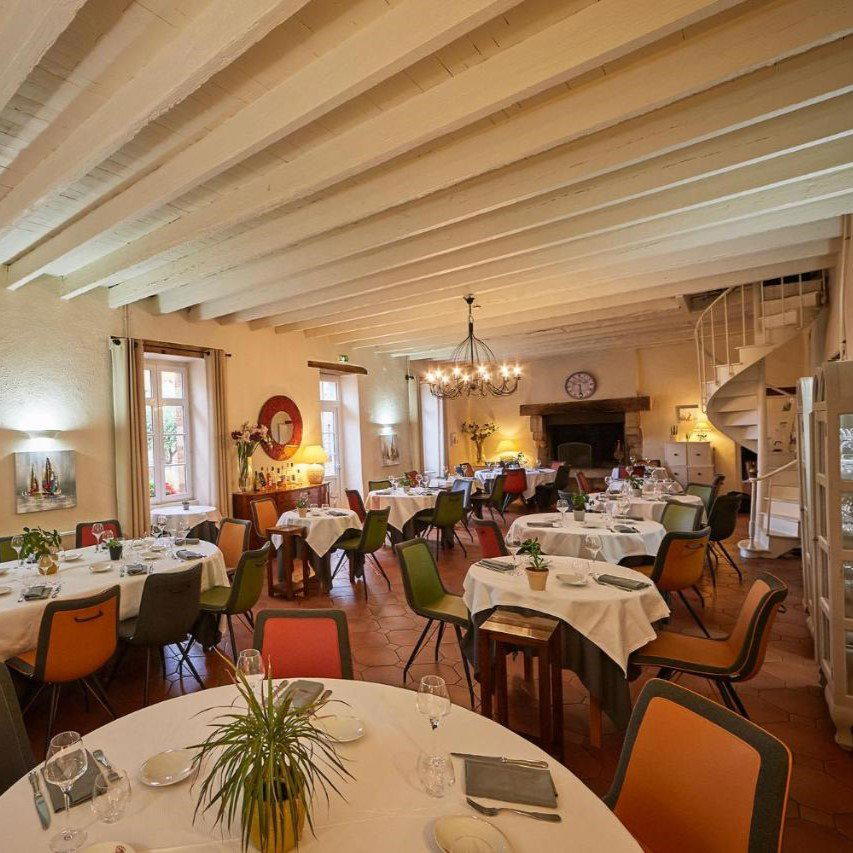
Les Jardins de Kerstéphanie
The wine
- Wine program
- Curated wine list
- Sommelier-led
- Natural wine
Details
- Romantic
- Quiet
- Elegant
- Scenic
- Sophisticated
- Date Night
- Celebration
- Special Occasion
- Group Dining
- Terrace
- Garden
- Private Dining
- Standalone
- Natural Wine
- Sommelier Led
- Farm To Table
- Local Sourcing
- Sustainable Seafood
- Biodynamic
- Garden
- Tasting Menu
- Prix Fixe
- Loire Wines
- Biodynamic Wines
- Local Rhuys Vineyard Selections
- Vegetarian Friendly
- Vegan Options
- Allergy Accommodating
Current opening hours
- Monday
- 12:15–1:15 PM, 7:15–8:15 PM
- Tuesday
- Closed
- Wednesday
- Closed
- Thursday
- 12:15–1:15 PM, 7:15–8:30 PM
- Friday
- 12:15–1:15 PM, 7:15–8:30 PM
- Saturday
- 12:15–1:15 PM, 7:15–8:30 PM
- Sunday
- 12:15–1:15 PM, 7:15–8:30 PM
Hours can change for holidays and private events. Last verified .
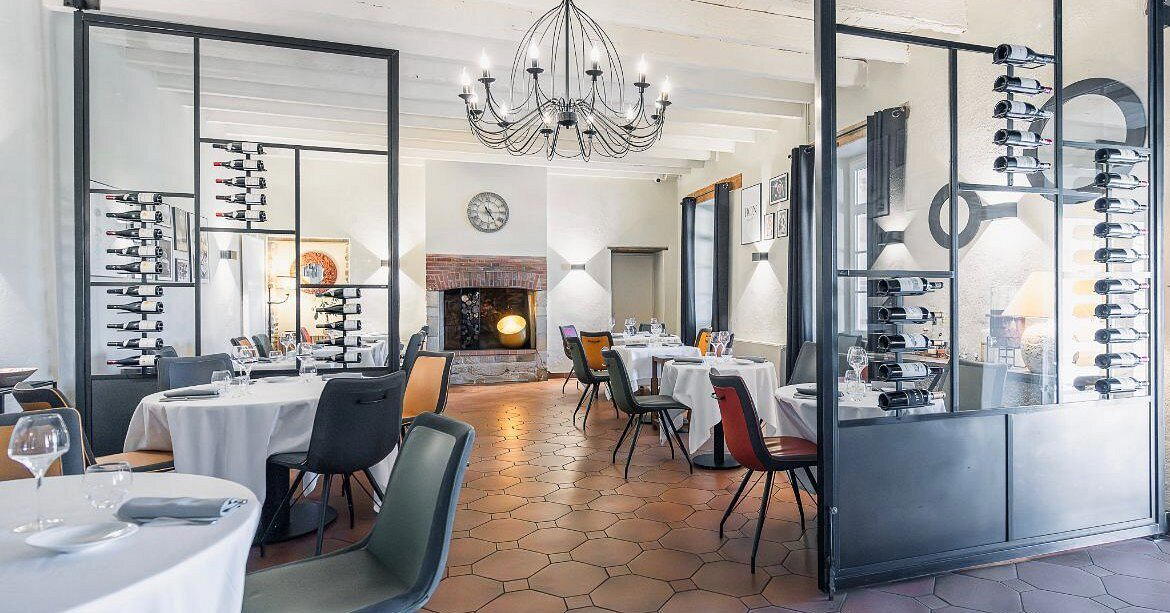
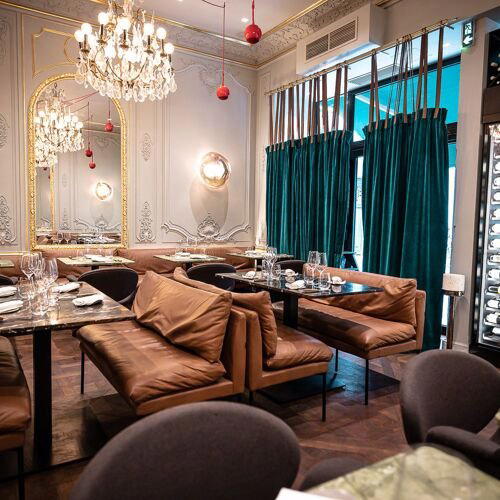
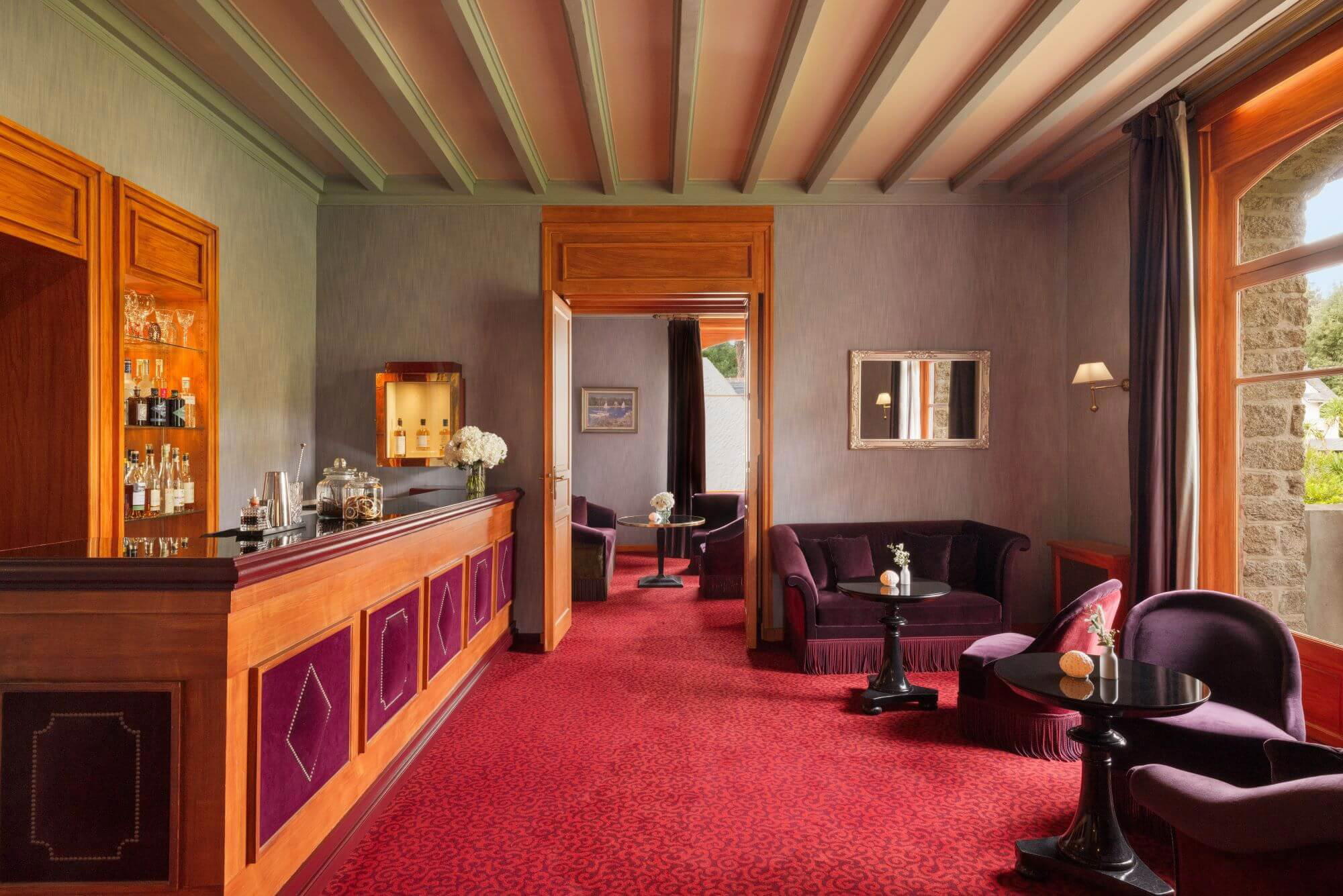
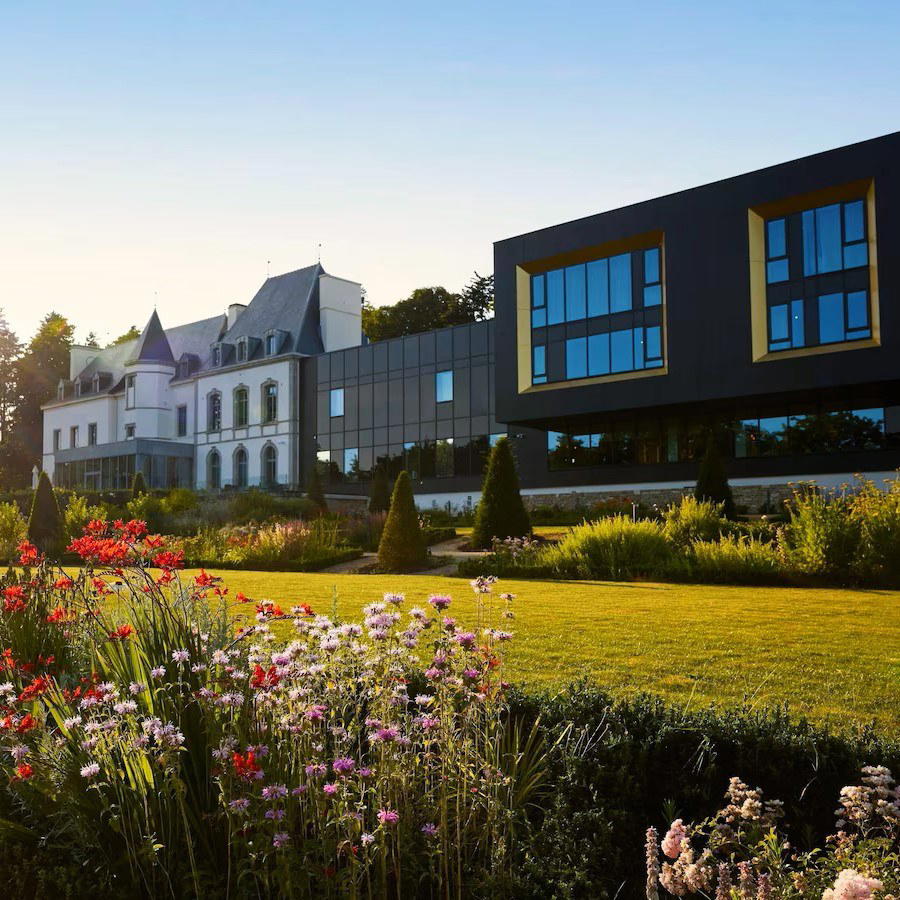
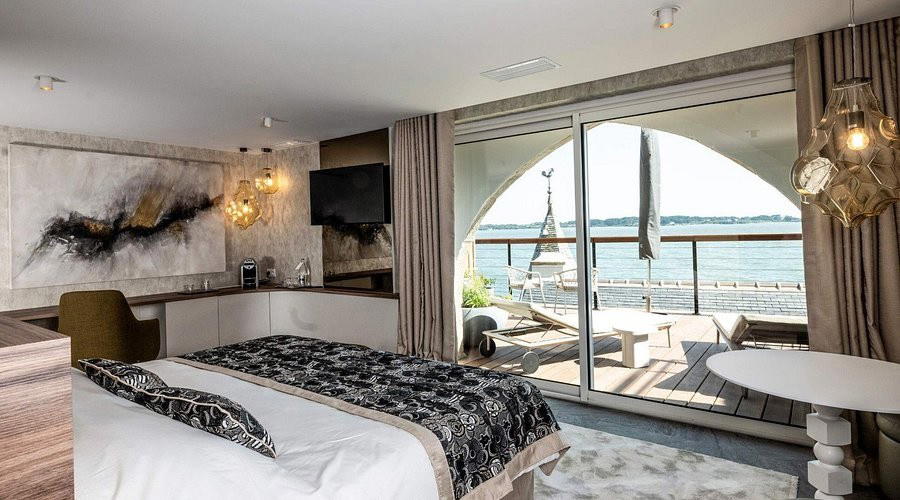
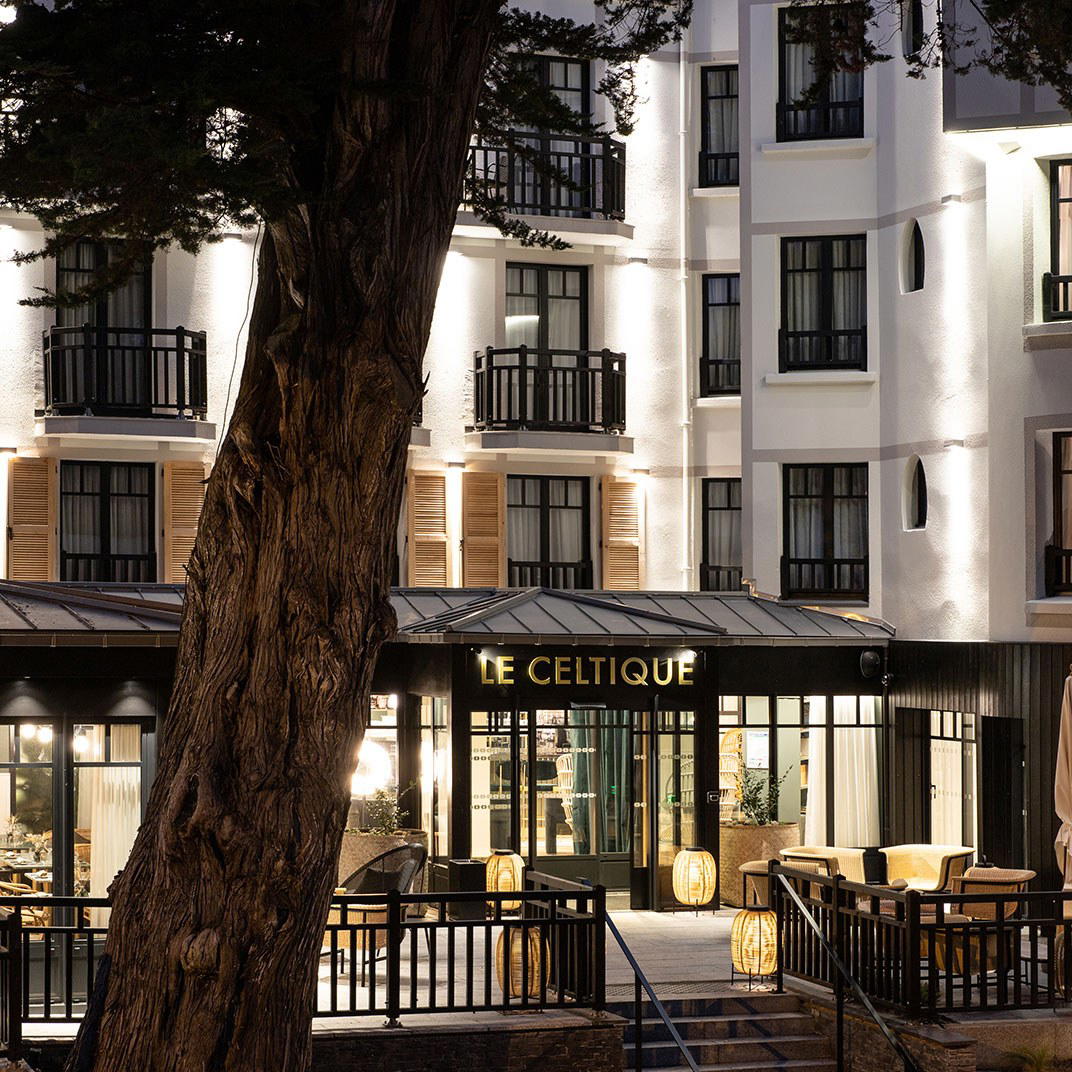
Warm and peaceful countryside atmosphere with stone walls, fireplace, and shaded terrace overlooking gardens; refined yet unpretentious lighting and decor that emphasizes natural beauty and culinary artistry.