Le B-W
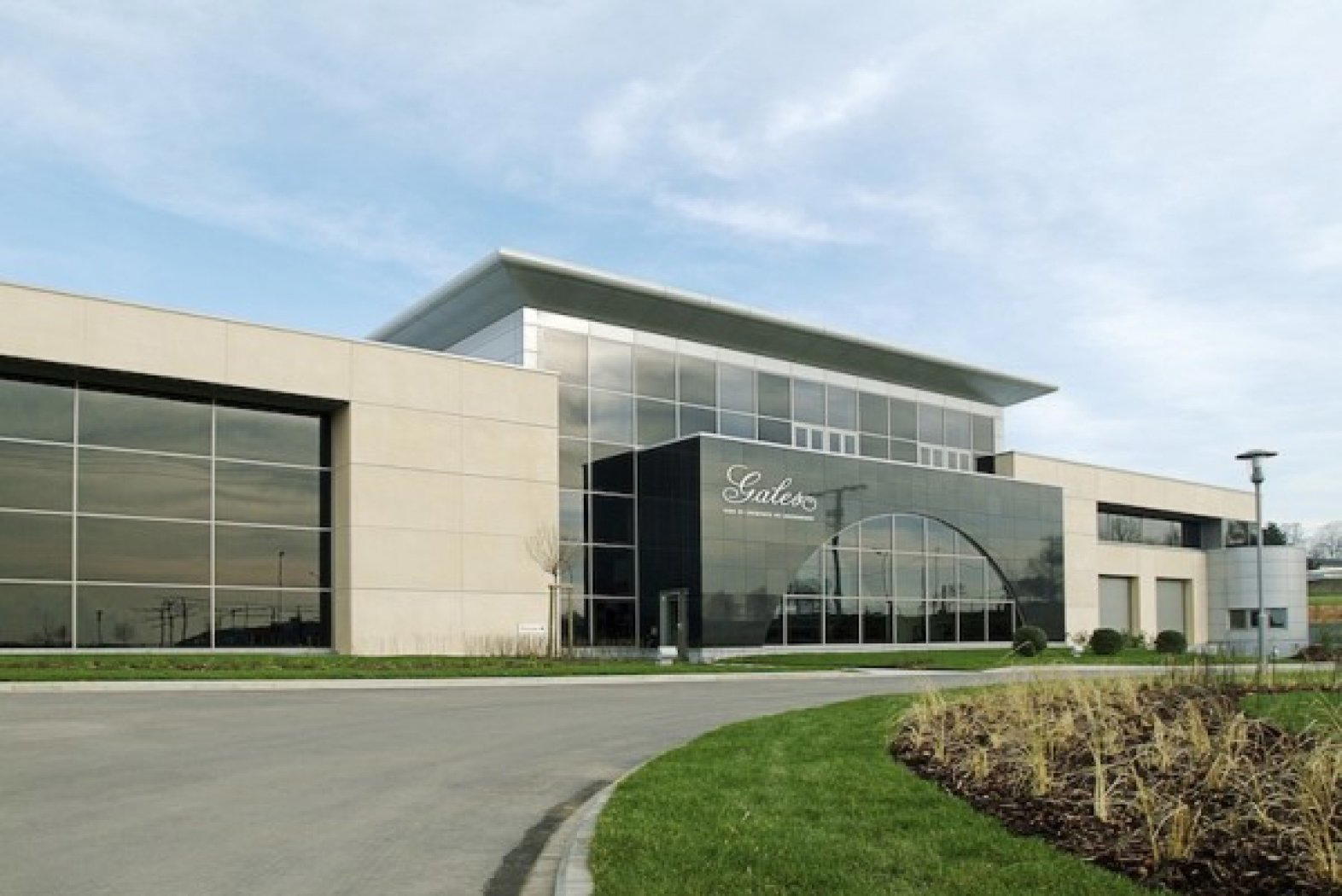
Le B-W occupies a quiet address on Rue du Luxembourg in Thionville, a city whose dining scene sits at the intersection of French culinary tradition and cross-border Lorraine influence. Without the noise of a major metropolitan circuit, the restaurant draws a local and regional following that rewards those who seek out substance over spectacle. Visit for a grounded meal in one of northeastern France's more overlooked dining towns.
Pearl is the En Primeur Club membership app — saves, bookings, and concierge access live there. Same editors, same standards.
- Address
- 23 Rue du Luxembourg, 57100 Thionville, France
- Phone
- +33382536296
- Website
- black-white-restaurant.fr
- Directions
- Get directions
 Saves & bookings on Pearl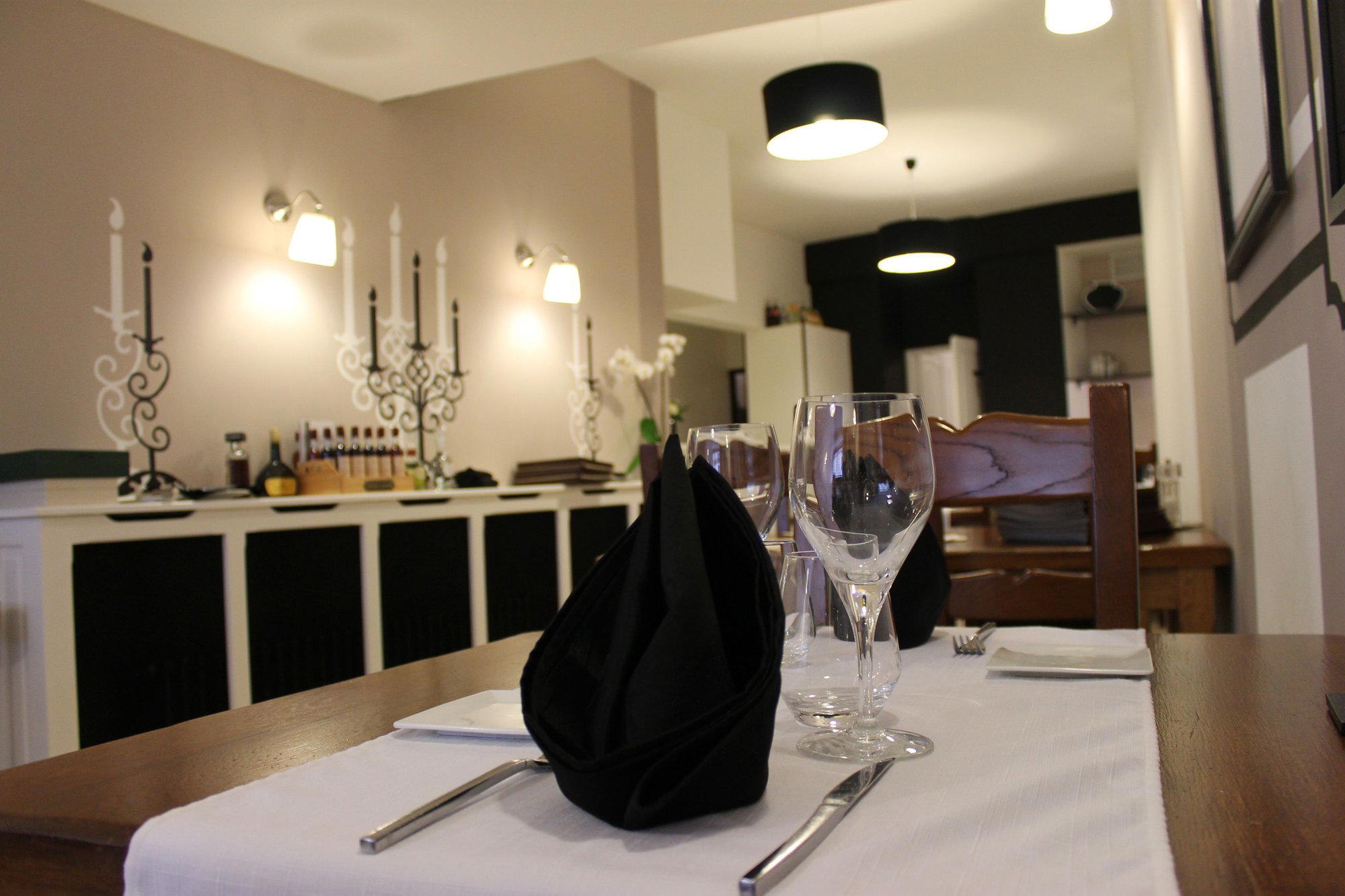
Where Lorraine's Table Meets the Border
Thionville sits roughly 30 kilometres north of Metz and a short drive from Luxembourg City, a geographic position that has shaped the city's dining habits in ways that larger French cities rarely experience. The cross-border flow of workers, residents, and trade has long pressed local restaurants to hold their own against both French classical tradition and the more international references that Luxembourg's capital brings within easy reach. On Rue du Luxembourg, Le B-W occupies this in-between space in a literal and culinary sense, positioned on a street whose name signals the corridor between two national food cultures.
Northeastern France is not a region that generates the same editorial heat as Lyon, Bordeaux, or the Côte d'Azur. The Michelin geography here favours the Alsatian corridor, houses like Au Crocodile in Strasbourg and Auberge de l'Ill in Illhaeusern anchor the recognised tier, while Lorraine proper operates with less critical infrastructure and less pressure. Restaurants here tend to build followings through consistency and sourcing rather than through award cycles or tasting-menu theatre.
The Lorraine Sourcing Tradition
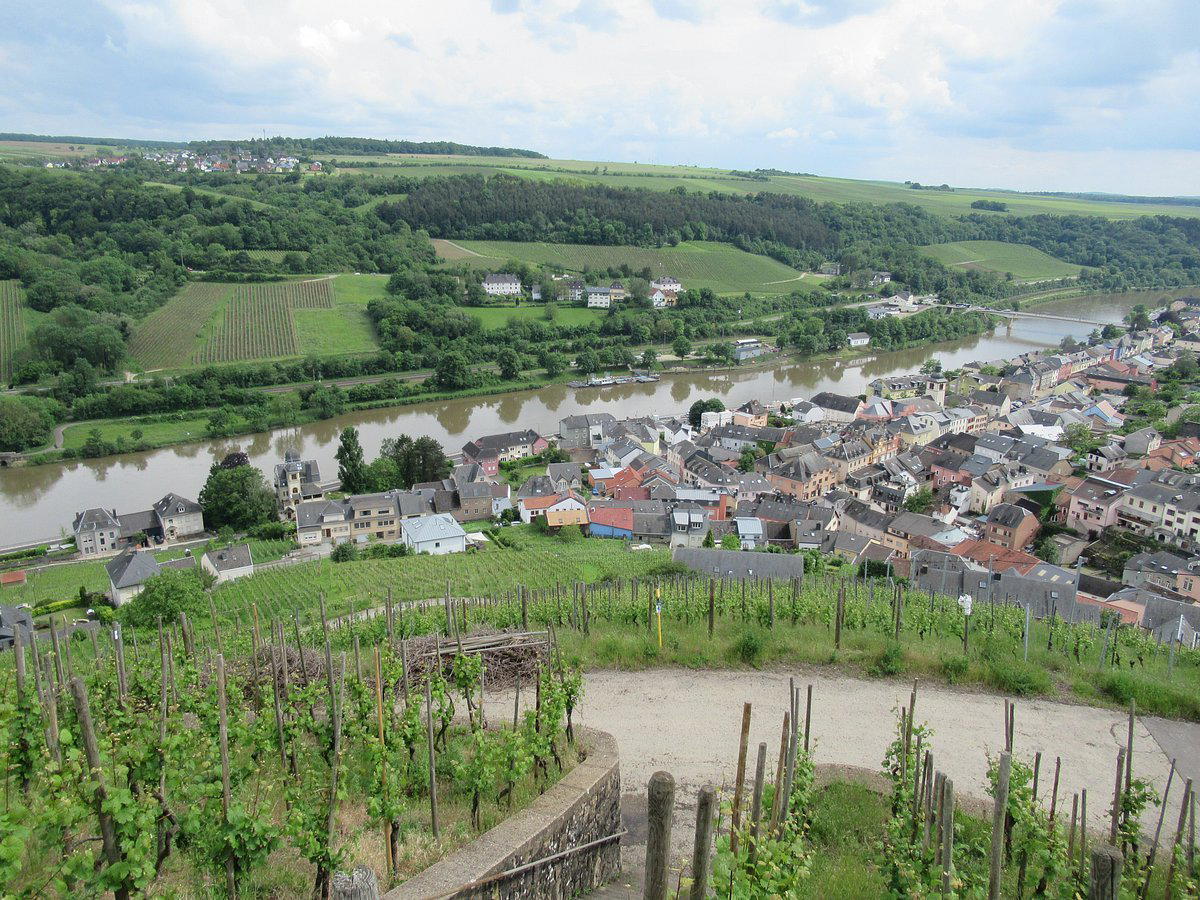
Lorraine's culinary identity is rooted in land-to-table practicality. The region's agricultural output, mirabelle plums, quiche fillings built around local dairy and pork, river fish from the Moselle, defined a cuisine of careful assembly rather than technique-led spectacle. The leading regional kitchens, whatever their price point, tend to maintain close relationships with local producers: cheese dairies in the Moselle valley, small-scale charcuterie houses, and market gardeners who supply whatever the season allows. This sourcing discipline is the foundation on which Lorraine's serious restaurants distinguish themselves, not through architectural plating, but through the quality and provenance of what arrives at the table.
That emphasis on provenance connects Le B-W's address to a broader regional pattern. A restaurant at 23 Rue du Luxembourg is operating in a city where the supply chain runs through local markets and Moselle-area producers rather than through the Rungis network that feeds Parisian kitchens. For diners accustomed to France's more celebrated addresses, the precision sourcing of Mirazur in Menton or the terroir-rooted cooking at Bras in Laguiole, the Lorraine approach offers a quieter, less theatrical version of the same underlying principle: that the ingredient's origin matters as much as what the kitchen does to it.
Thionville's Position in the Northeast France Dining Circuit
In the context of northeastern France, Thionville functions as a secondary dining city. It does not carry the critical mass of Metz or the cross-regional prestige of Strasbourg, but its position on the Luxembourg border gives it an economic base that supports mid-to-upper-tier restaurants at a local scale. The dining circuit here is compact: a handful of addresses worth seeking out, a wider base of brasseries and neighbourhood restaurants, and a working population with disposable income shaped by cross-border employment patterns.
This is a different environment from the destination-restaurant cities that dominate France's food coverage. Houses like Troisgros in Ouches, Paul Bocuse in Collonges-au-Mont-d'Or, or Flocons de Sel in Megève draw diners who travel specifically for the meal. Thionville's serious restaurants, by contrast, build their core clientele from the city itself and from the Luxembourg commuter belt. That local dependency tends to produce more grounded, less performative cooking, menus that change with the season because the kitchen is buying what the local market offers, not engineering a menu around a fixed concept.
For those exploring the broader Thionville table, Aux Poulbots Gourmets represents the classic cuisine strand of the city's dining options.
France's Wider Sourcing Conversation
The question of where ingredients come from has become one of French gastronomy's defining discussions over the past decade. At the summit tier, houses like Alléno Paris au Pavillon Ledoyen and AM par Alexandre Mazzia in Marseille have built their identities in part around sourcing specificity, named producers, seasonal calendars, regional terroir as a storytelling device. At the neighbourhood and regional level, the same principle operates without the editorial apparatus: chefs buy locally because it is practical and because the ingredients are better, not because a communications team will turn it into a press release.
Lorraine sits in that latter category. The region's produce, its mirabelles, its river fish, its dairy, doesn't generate the glamour of Normandy butter or Brittany seafood in the national food press, but it sustains serious cooking at the local level. Restaurants in Thionville that work with this material are participating in a sourcing tradition that France's most recognised kitchens, from Christopher Coutanceau in La Rochelle to L'Oustau de Baumanière in Les Baux, have each interpreted through the lens of their own region.
Internationally, the sourcing conversation extends further still. Le Bernardin in New York City built its reputation on supplier relationships as much as technique, while Atomix in New York City and Assiette Champenoise in Reims represent different national interpretations of the same underlying commitment. Similarly, Auberge du Vieux Puits in Fontjoncouse and Georges Blanc in Vonnas illustrate how deep regional rootedness can anchor a restaurant's identity across decades.
Planning a Visit
Le B-W is located at 23 Rue du Luxembourg in Thionville, accessible from Luxembourg City by road in under 40 minutes and from Metz in approximately 30 minutes. Thionville's SNCF station connects to Metz and Luxemburg on regular rail services, making the city reachable without a car for those based in either city. The address places the restaurant in a central part of the city, walkable from Thionville's main commercial streets.
Comparable Spots, Quickly
Comparable venues nearby, for context on price, style, and recognition.
| Venue | Cuisine | Price | Awards | Notes |
|---|---|---|---|---|
| Le B-WThis venue — the venue you are viewing | French Bistro Gastronomique | $$$ | Not listed | Not listed |
| Aux Poulbots Gourmets | Classic French Gastronomic | $$$ | Michelin Plate | Place aux Fleurs |
| le mess des epicuriens | Modern French with Italian Influences | $$$ | Not listed | centre-ville |
| V Four | French Bistro | $$$ | Not listed | vieille ville |
| Au Caveau - Bruley | French Farm-to-Table Bistro | $$$ | Not listed | Bruley |
| Momento | Modern French-Mexican Fusion | $$$ | Not listed | Bué |
Continue exploring
More in Thionville
Restaurants in Thionville
Browse all →
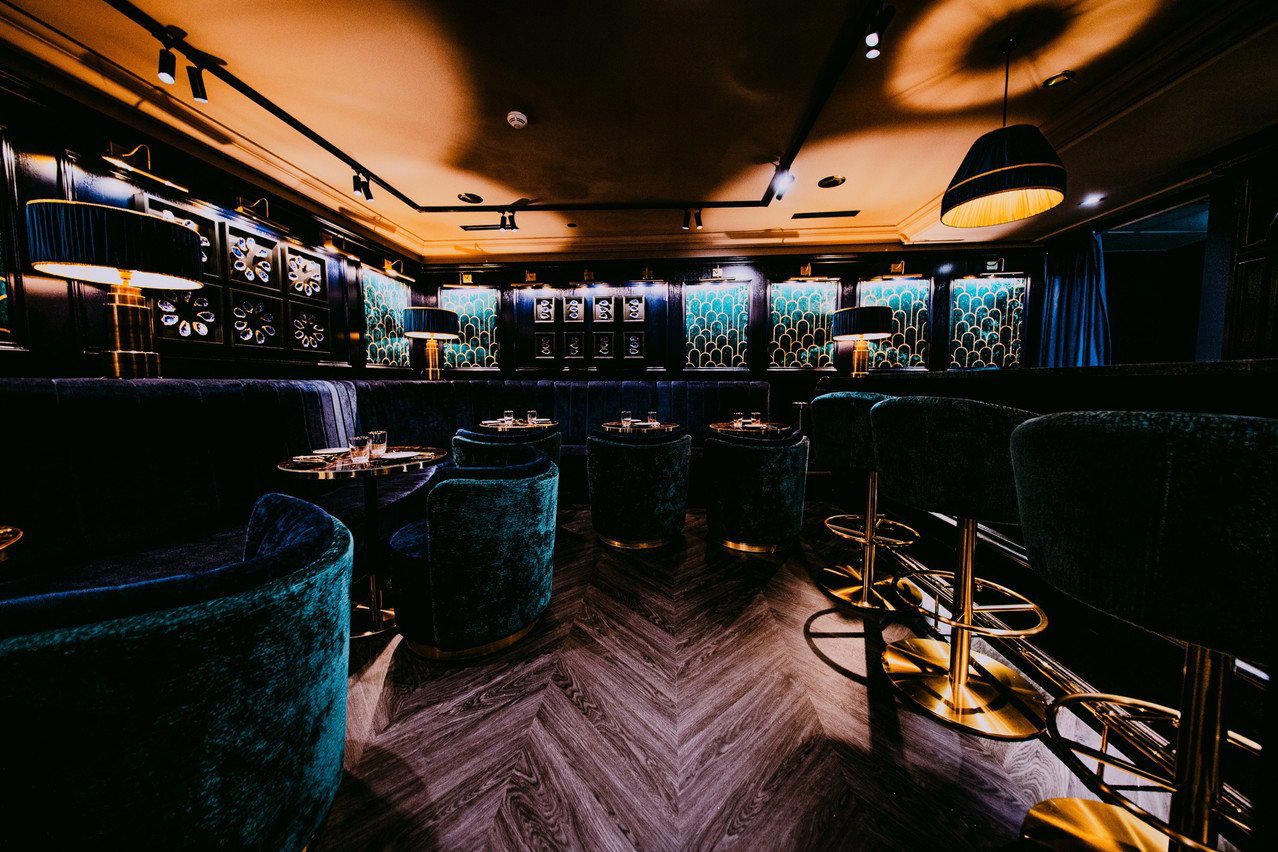
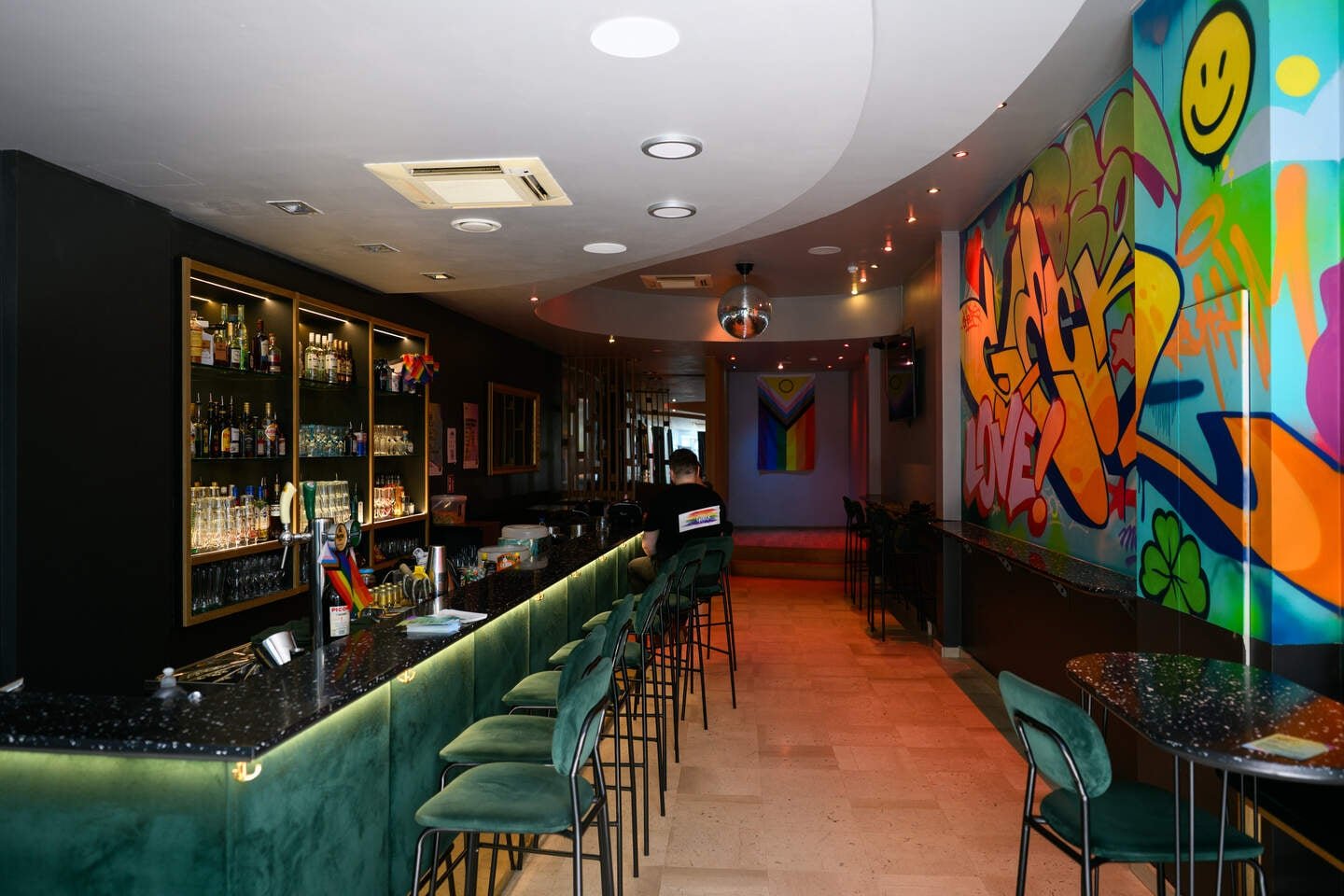
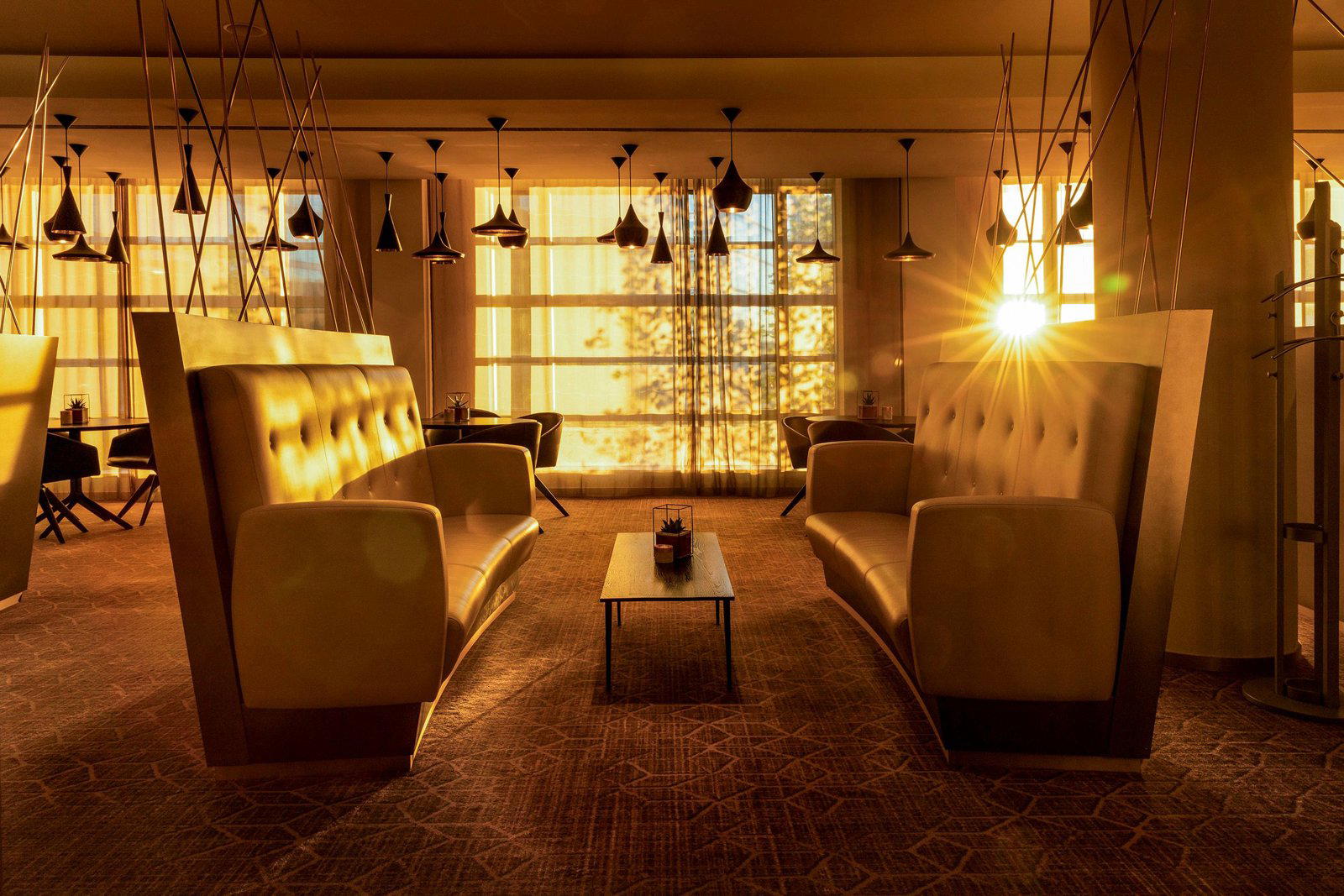
Bars in Thionville
Browse all →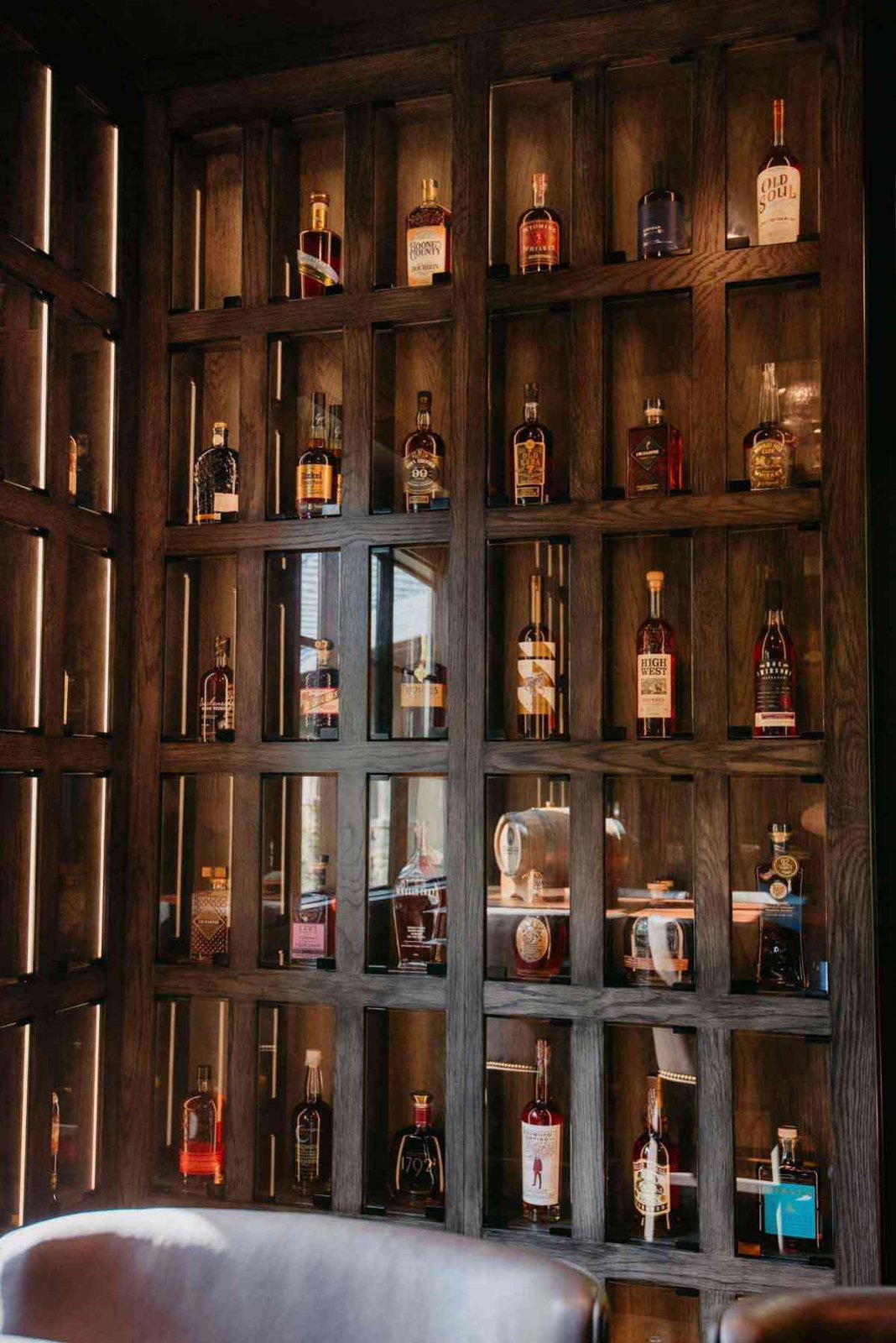

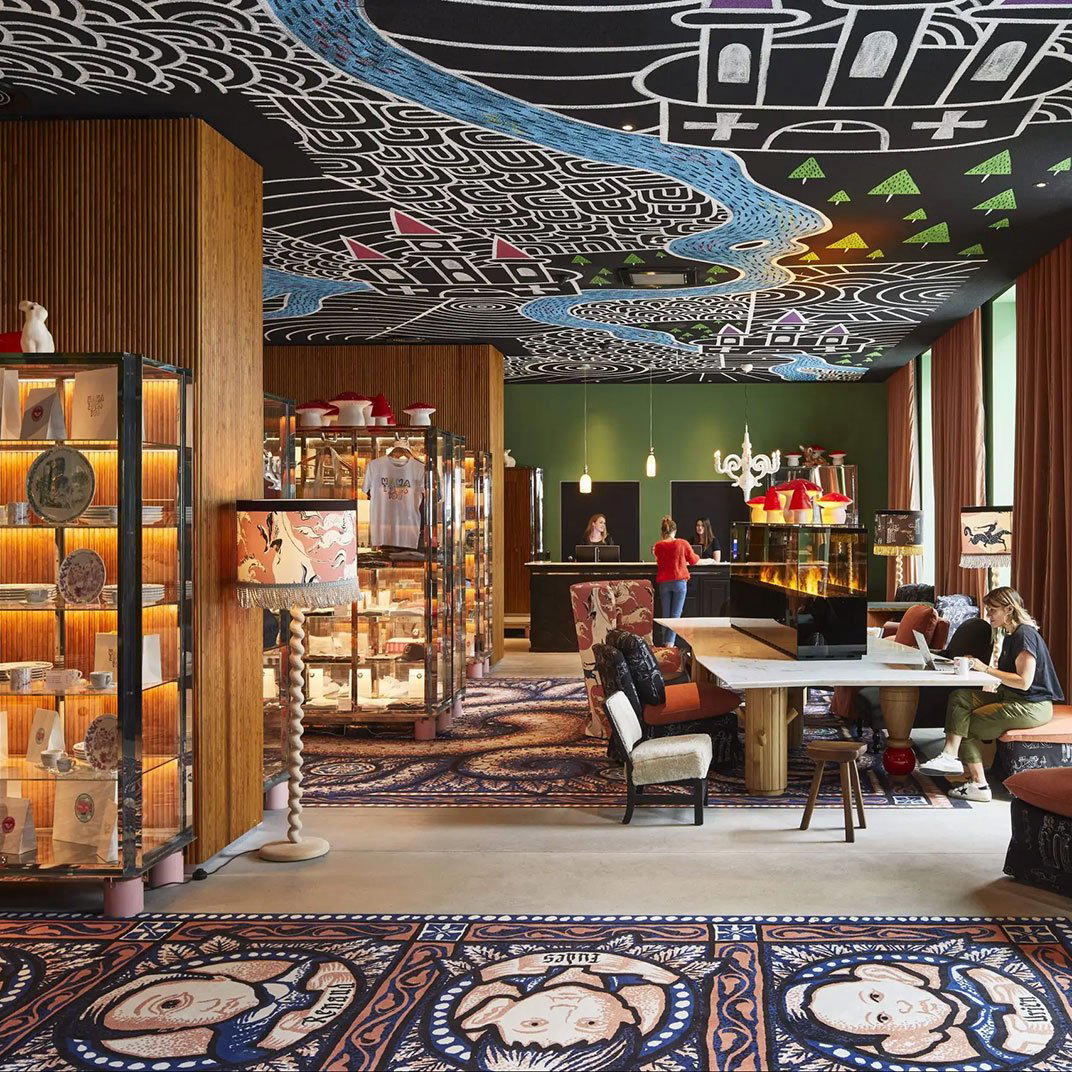
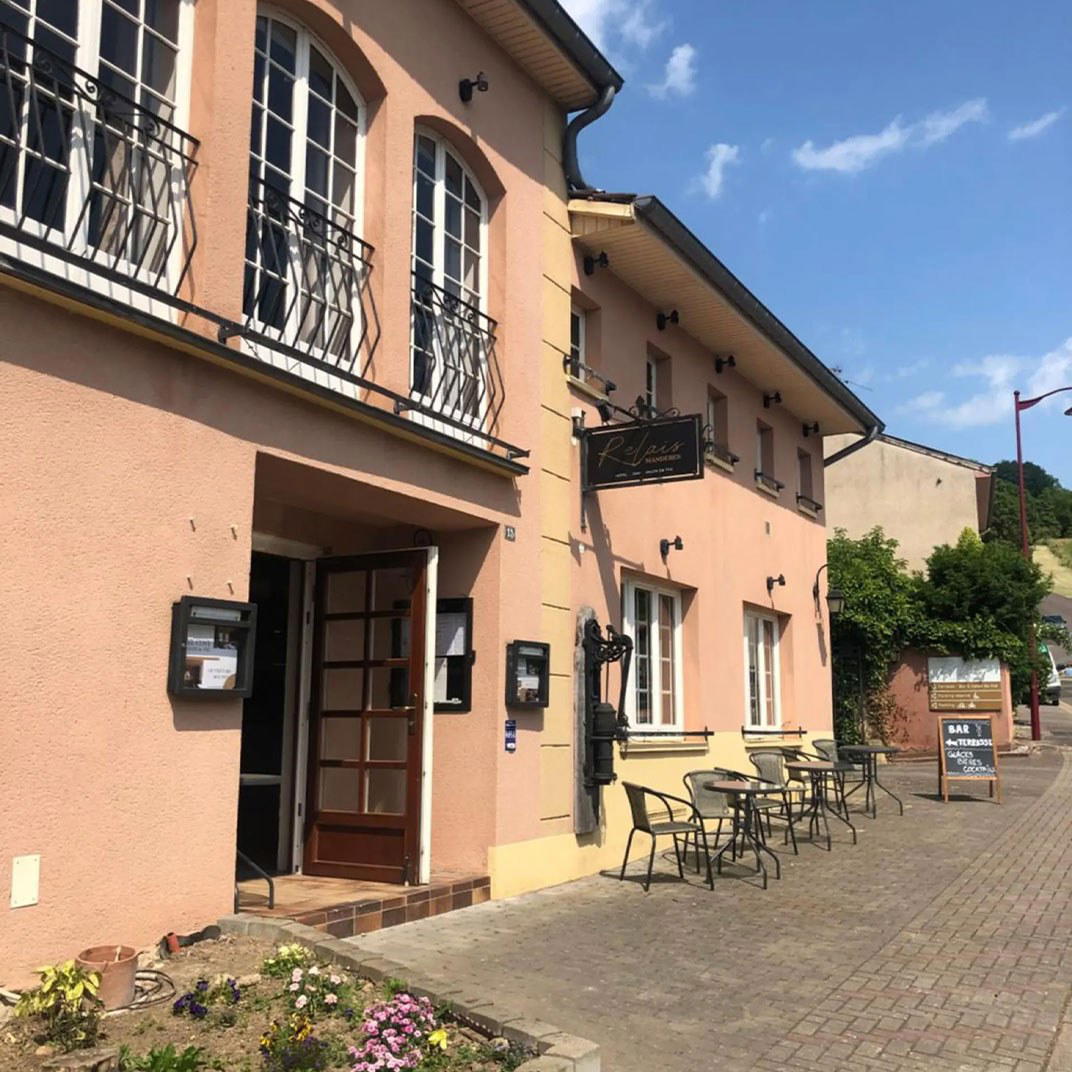
Hotels in Thionville
Browse all →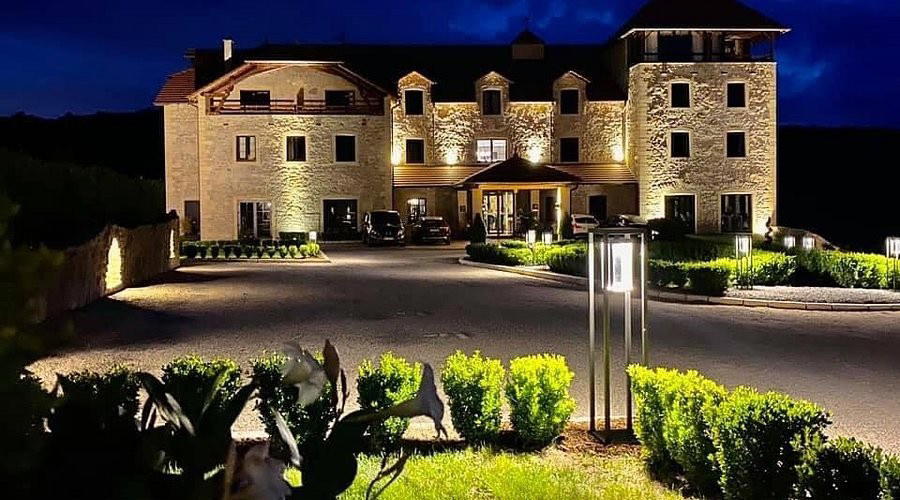
At a Glance
- Elegant
- Cozy
- Modern
- Sophisticated
- Date Night
- Business Dinner
- Special Occasion
- Standalone
- Extensive Wine List
- Local Sourcing
Current opening hours
- Monday
- Closed
- Tuesday
- 12–1:30 PM
- Wednesday
- 12–1:30 PM
- Thursday
- 12–1:30 PM, 7–9:30 PM
- Friday
- 12–1:30 PM, 7–9:30 PM
- Saturday
- 12–1:30 PM, 7–9:30 PM
- Sunday
- 12–2 PM
Hours can change for holidays and private events. Last verified .
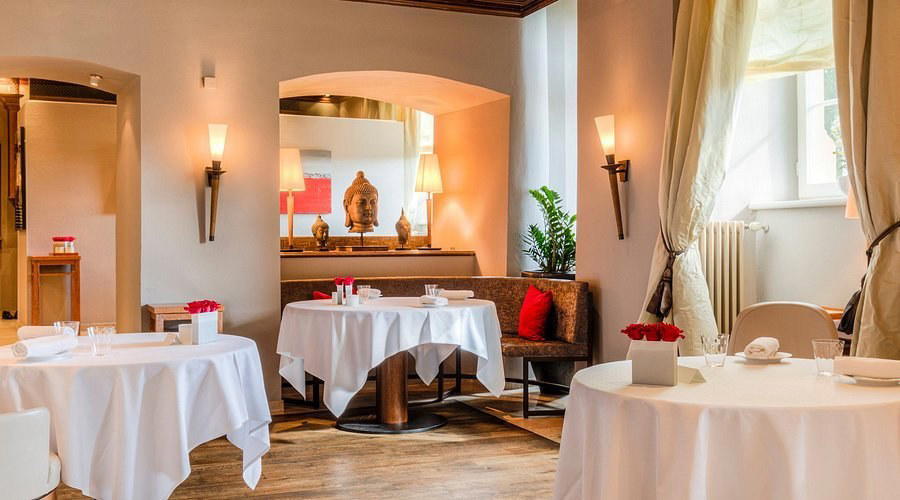
Neat and elegant setting with modern decoration, warm welcome, and calm atmosphere ideal for both everyday and special meals.