


1 Michelin Star · Relais Chateaux Award
Our verdict
Le K holds a Michelin star and a place on the Opinionated About Dining ranking, operating from the village of Montenach in the Moselle department of northeastern France. Chef Kaito Ogura runs a modern cuisine format at €€€€ pricing, drawing a cross-border clientele from the French-German-Luxembourg tri-border region..

Pearl is the En Primeur Club membership app — saves, bookings, and concierge access live there. Same editors, same standards.
- Address
- 2 Imp. du Klaussberg, 57480 Montenach, France
- Phone
- +33 3 82 83 19 75
- Hours
- Mon–Sat 7–9 PMSun Closed
- Website
- domainedelaklauss.com
- Directions
- Get directions
- Booking
- Book on the venue's website
The menu
What to order
- Crab legs and claws with Calamansi vinaigrette and caviar
- Roast scallops with Jerusalem artichoke and Moselle whisky jus
- Gin-flavoured loin of venison with juniper gravy
A Village Address in the French-German Borderlands
The northeastern corner of France, where Moselle meets the Saarland and Luxembourg within a few kilometres, does not advertise itself loudly as a fine dining region. That relative obscurity is precisely what makes the culinary ambition concentrated here so legible. Montenach is a small commune, the kind of place that appears on a map only when you are already looking for it, and yet the cooking coming out of Le K operates at a register that competes with starred kitchens in Strasbourg, Reims, or Lyon. For a reference point on what Alsace and the greater northeastern corridor have historically produced, the multi-generational tradition at Auberge de l'Ill in Illhaeusern or the technical ambition at Au Crocodile in Strasbourg offers useful framing. Le K sits in a different mode: a single-star destination that has earned placement on both the Michelin France guide and the Opinionated About Dining ranking, the latter being a critic-driven list that tends to surface technically serious kitchens before the broader market catches up.
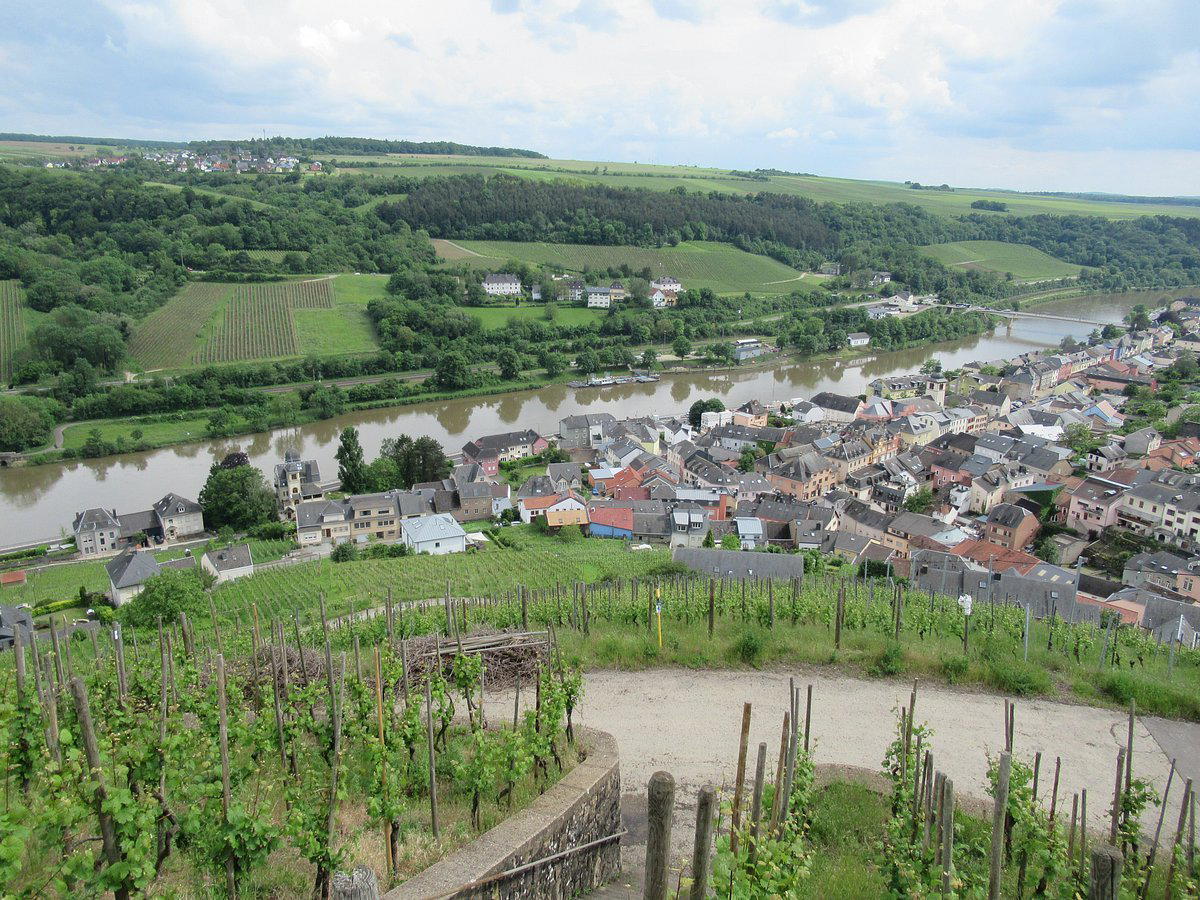
The address, 2 Impasse du Klaussberg, places the restaurant on a quiet lane in Montenach itself. Approaching the village from the Moselle valley, the terrain is agricultural and unhurried, with the kind of bordered-field landscape that has historically supplied the region's tables with produce rather than drawing diners to them. Arriving here requires a car and a decision, which means the room fills with guests who have made an explicit choice to be present. That selectivity shapes the atmosphere before a single dish arrives.
Where the Ingredients Begin
Modern cuisine at this price tier in northeastern France operates within a sourcing logic that the broader French fine dining tradition helped establish and that chefs like those at Bras in Laguiole or Flocons de Sel in Megève have refined across different regional contexts. The kitchen's proximity to German Saarland and Luxembourg means the sourcing radius is genuinely cross-border: Moselle valley market gardens, Lorraine dairy traditions, and the possibility of German or Luxembourgish artisan suppliers all sit within a tight geographic circle. This tri-border positioning is not a marketing point; it is a practical supply advantage that larger city restaurants at the same price point cannot replicate with the same ease.
Chef Kaito Ogura's presence introduces a second sourcing dimension that is worth understanding on its own terms. The Opinionated About Dining ranking, which placed Le K at number 129 in its Japan-adjacent rankings in 2023 before adjusting to 222 in 2024 and 249 in 2025, signals a kitchen that a Japan-literate critical audience considers seriously. That ranking category reflects the lens through which certain evaluators read the food, not necessarily the food's nationality. In practical terms, it suggests a kitchen attentive to produce quality, technical precision, and the kind of ingredient-first discipline that Japanese culinary culture has exported into European fine dining contexts over the past two decades. Where sourcing philosophy is concerned, the result tends to be a menu where individual products are neither buried in sauce nor over-engineered into conceptual abstraction, but allowed to carry weight on their own terms.
The northeastern French terroir provides specific materials: Moselle river fish, locally foraged herbs in season, and agricultural produce from the Lorraine plateau. The interaction between that regional supply and a chef with a critical reception that reads partly through a Japanese evaluative framework produces a kitchen logic worth paying attention to. It is a combination that counterparts in Paris, such as Alléno Paris au Pavillon Ledoyen, pursue at a larger and more visible scale, but which can be pursued with different rigour in a smaller room far from the capital.
The Format and the Room
Le K operates at €€€€ pricing, which in northeastern France represents a genuine commitment from the guest. The tri-border region draws a cross-cultural clientele, and restaurants at this level are booked by French, German, and Luxembourgish guests who regard the journey from Saarbrücken, Metz, or Luxembourg City as a reasonable proposition for a serious meal. That geographic spread of demand, combined with a village location, means availability is worth checking well ahead of any planned trip to the region. Practical planning for the Montenach area more broadly is covered in our full Montenach restaurants guide; for accommodation options nearby, our Montenach hotels guide covers the local inventory, with Le Domaine de la Klauss forming a natural pairing as the anchor property in the immediate village. Those visiting the region for the first time can supplement with bars, wineries, and experiences guides to build a fuller itinerary.
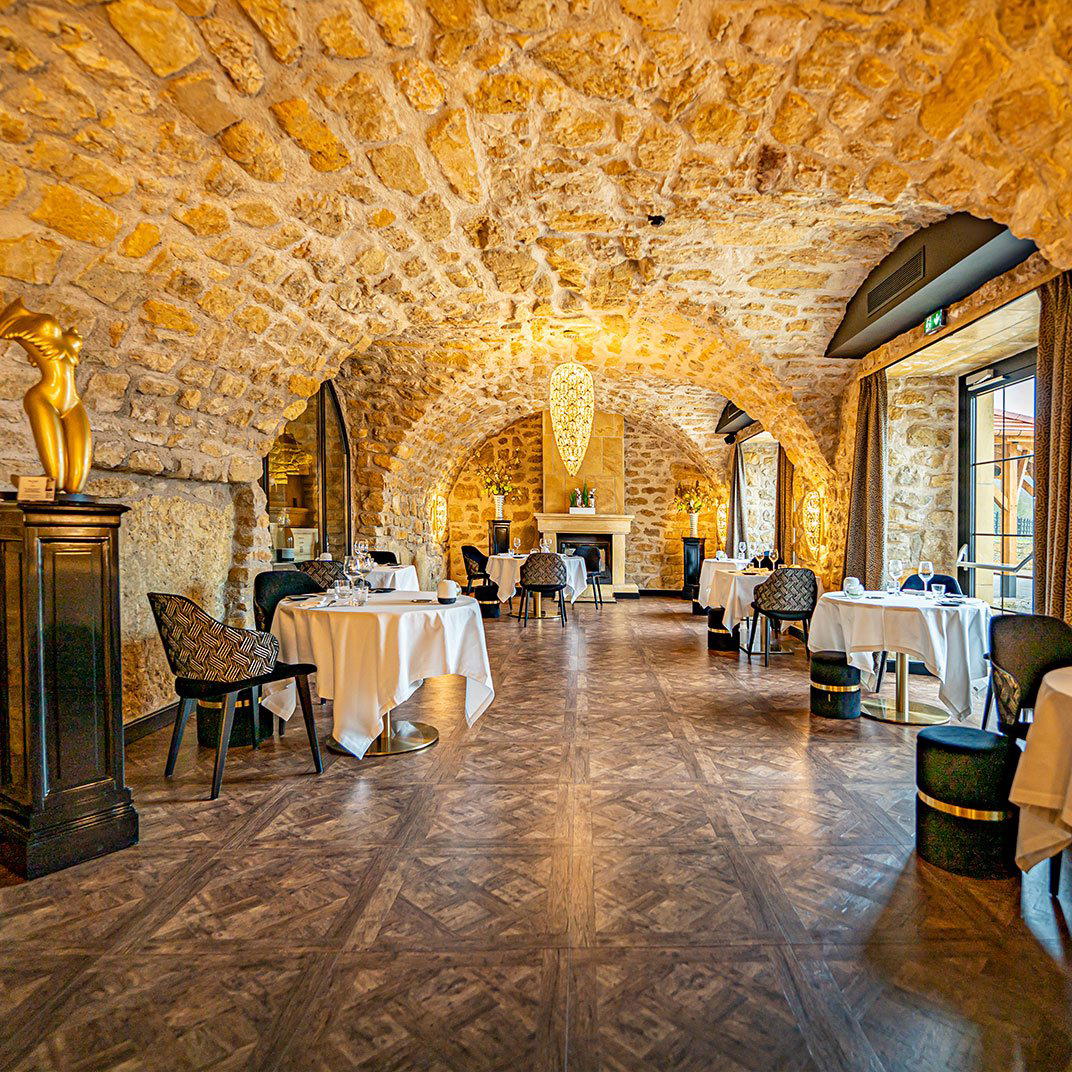
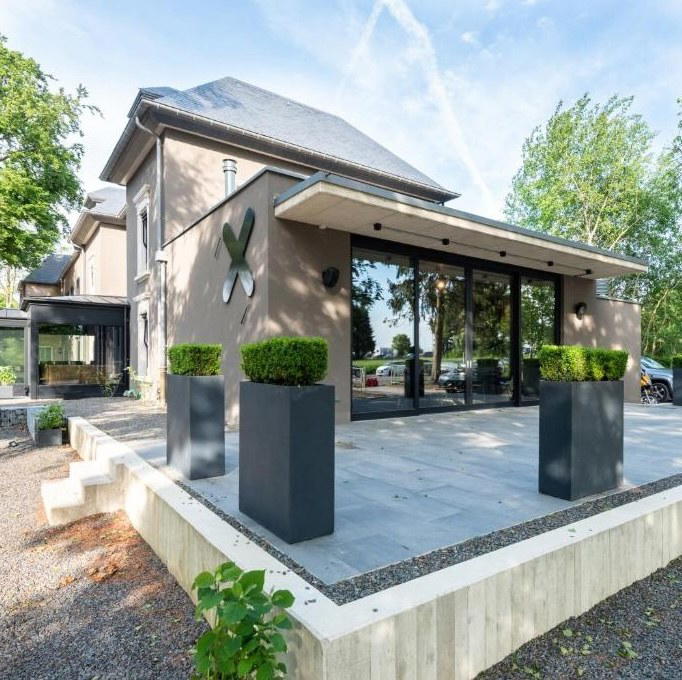
The physical environment in a village property of this type typically means a space that reads more intimate than a city flagship.
Le K in Its Competitive Context
Placing Le K within French fine dining more broadly requires some geographic calibration. The northeastern corridor is not Burgundy or the Riviera in terms of international dining tourism volume. Restaurants like Mirazur in Menton or Troisgros - Le Bois sans Feuilles in Ouches draw a global audience partly because their locations are already on established travel itineraries. Le K draws a regional audience from a tight cross-border catchment and an international audience of diners specifically seeking the combination of Michelin recognition and genuine remoteness. That combination is a distinct product.
Among kitchens where Japanese culinary influence intersects with French fine dining structure, the reference points are increasingly well-mapped. At the three-star level, AM par Alexandre Mazzia in Marseille and Assiette Champenoise in Reims represent different expressions of the same underlying tension between French ingredient tradition and international technical vocabulary. Le K operates at a single-star level in a village setting, which makes it a different proposition: lower volume, tighter focus, and a guest experience shaped by the silence and deliberateness that a rural Moselle address enforces. For those drawn to Nordic-influenced modern cuisine operating in analogous formats elsewhere in Europe, Frantzén in Stockholm offers a useful point of comparison at higher price and recognition levels; FZN by Björn Frantzén in Dubai shows how the same culinary language exports into urban luxury formats. Le K is neither of those things. It is the quieter, more grounded version of that same ingredient-driven, technique-precise sensibility, operating in a context that removes the spectacle and leaves the cooking to carry the experience on its own.
Planning a Visit
Montenach is most practically reached by car from Metz (roughly 45 minutes), Saarbrücken (under 30 minutes across the border), or Luxembourg City (under an hour). There is no meaningful public transport to the village. Given the €€€€ price positioning and the consistent Michelin recognition, reservations should be treated as a priority step rather than an afterthought; the kitchen's ongoing critical traction through the OAD ranking makes availability tighter than the village setting might suggest. Hours and booking contact are best confirmed directly, as operational details at properties of this scale and format can change seasonally. The experience at Le K makes most sense as an anchor for a wider stay in the Moselle-Saarland borderlands, a region with enough agricultural and viticultural interest to reward two or three days of deliberate exploration.
Frequently asked questions
What price level is Le K?
Pricing at Le K is listed as €€€€.
Booking and Cost Snapshot
| Venue | Cuisine | Price | Awards |
|---|---|---|---|
| Le KThis venue — the venue you are viewing | Modern French Gastronomique | $150–200 | 1 Michelin Star · Relais Chateaux Award |
| Alléno Paris au Pavillon Ledoyen | Creative | Not listed | Michelin 3 Star |
| Kei | Contemporary French, Modern Cuisine | Not listed | Michelin 3 Star |
| L'Ambroisie | French, Classic Cuisine | Not listed | Michelin 3 Star |
| Le Cinq - Four Seasons Hôtel George V | French, Modern Cuisine | Not listed | Michelin 3 Star |
| Plénitude | Contemporary French | Not listed | Michelin 3 Star |
Recognition history
Dated appearances from independent guides and award organizations, with the underlying list record or original source where available.
Michelin 1 Star
Michelin
Relais Chateaux Award
Relais Chateaux
Opinionated About Dining Top Restaurants in Japan Ranked #249
Opinionated About Dining
Full recognition history (8 entries)
Michelin 1 Star
Michelin
Relais Chateaux Award
Relais Chateaux
Michelin 1 Star
Michelin
Opinionated About Dining Top Restaurants in Japan Ranked #222
Opinionated About Dining
Opinionated About Dining Top Restaurants in Japan Ranked #129
Opinionated About Dining
Continue exploring
More in Montenach
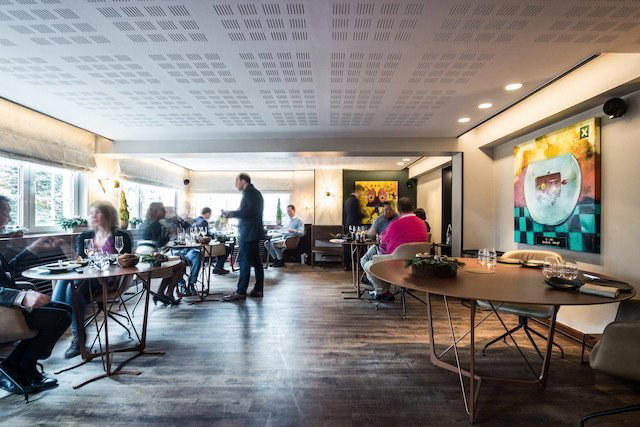
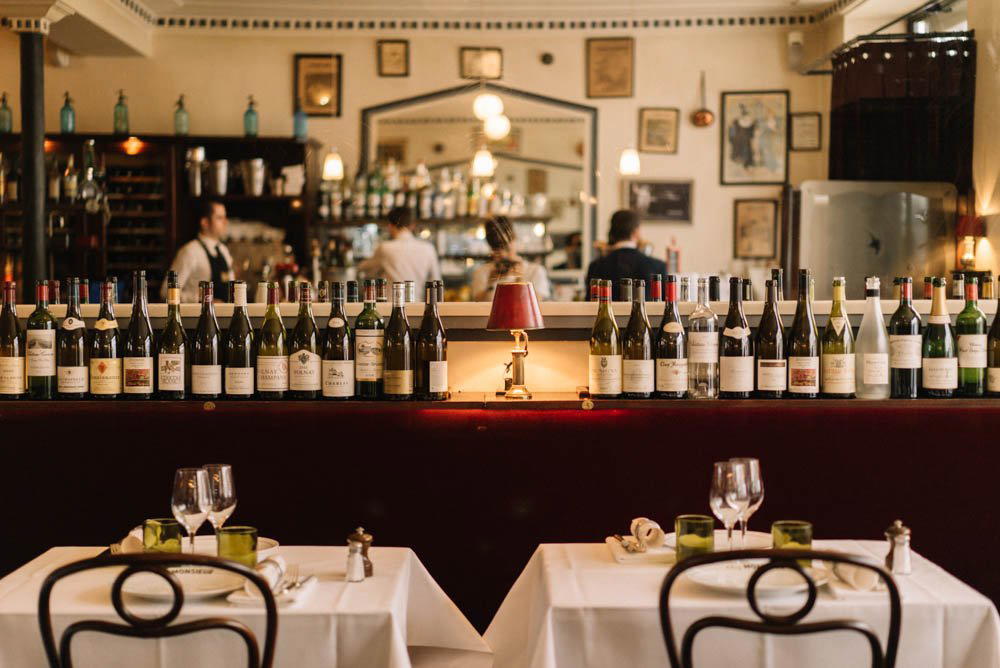
Restaurants in Montenach
Browse all →
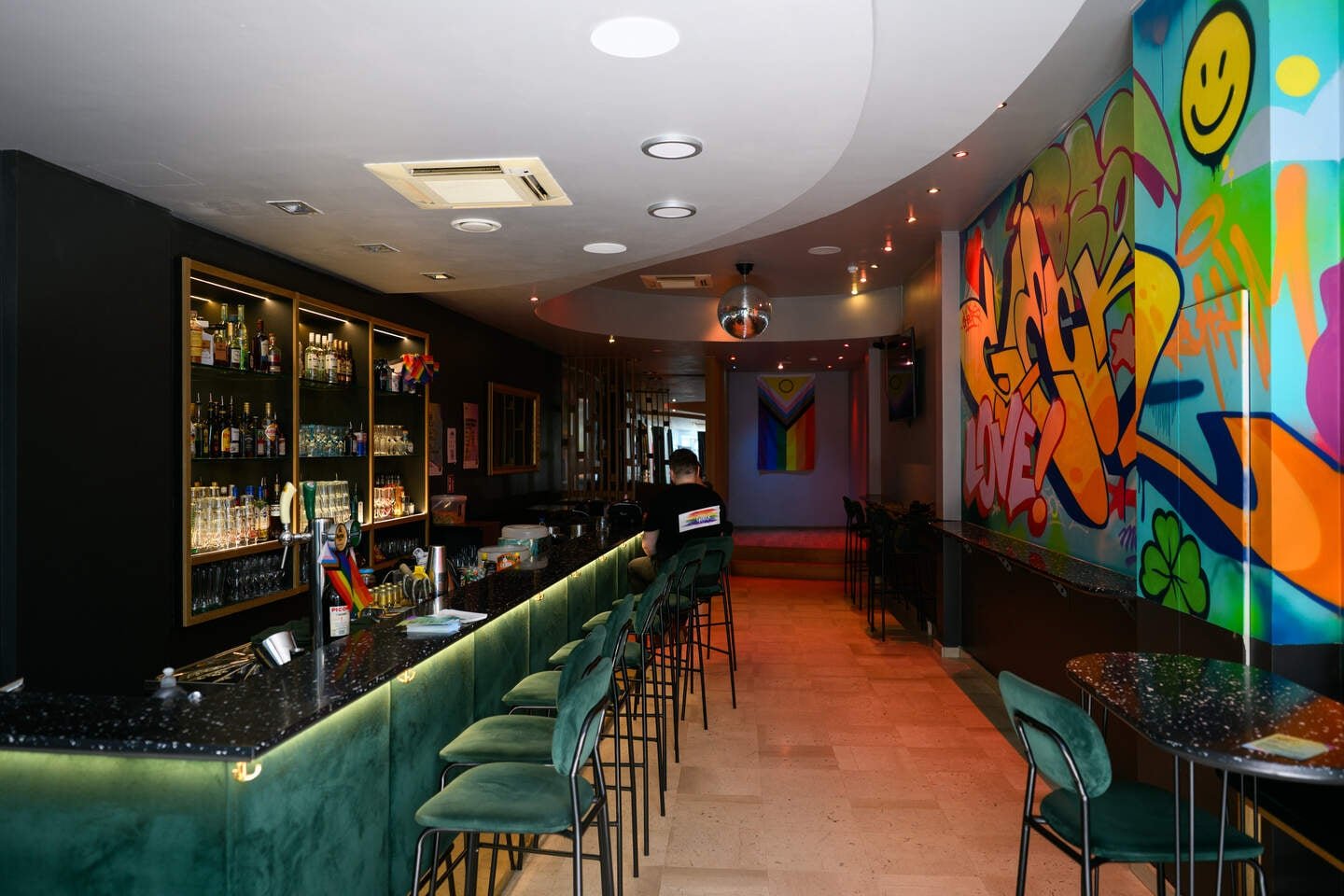
Bars in Montenach
Browse all →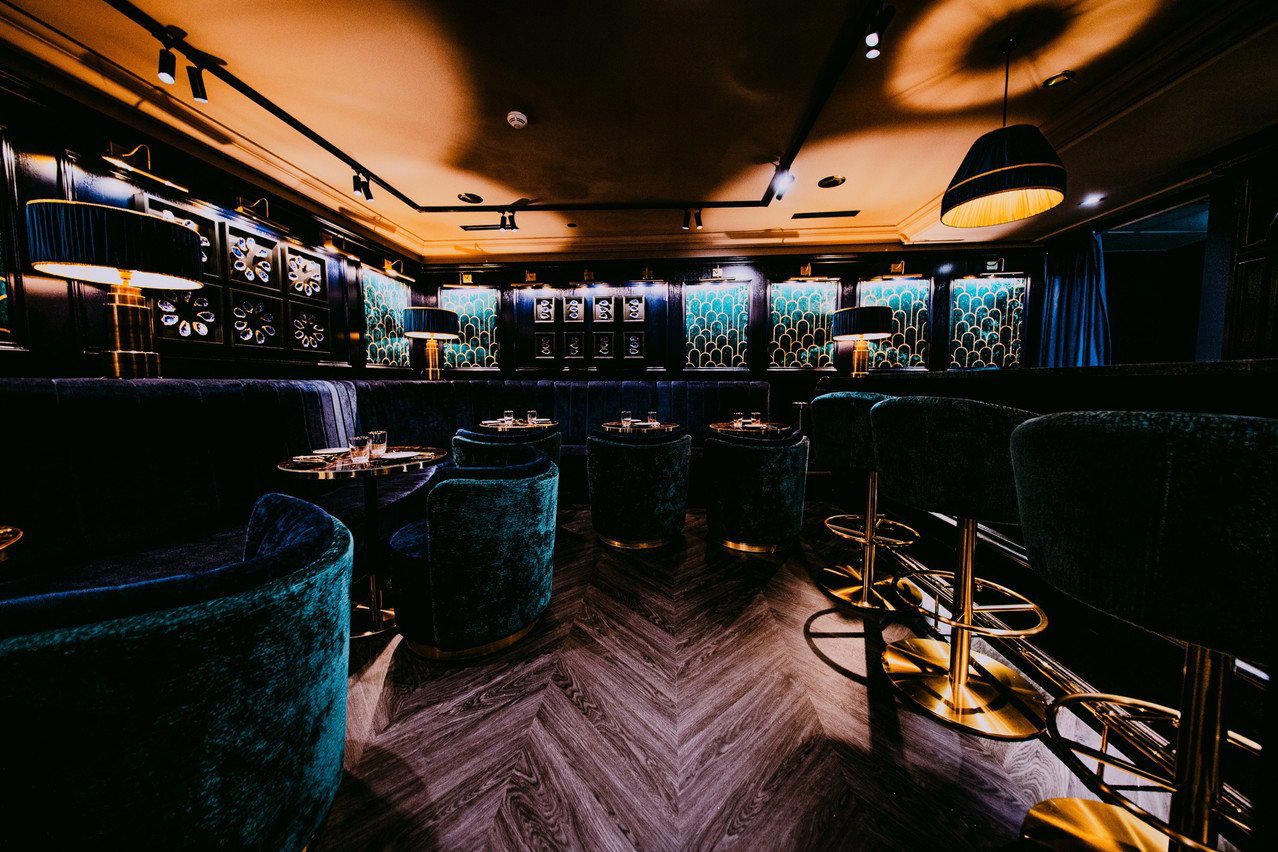
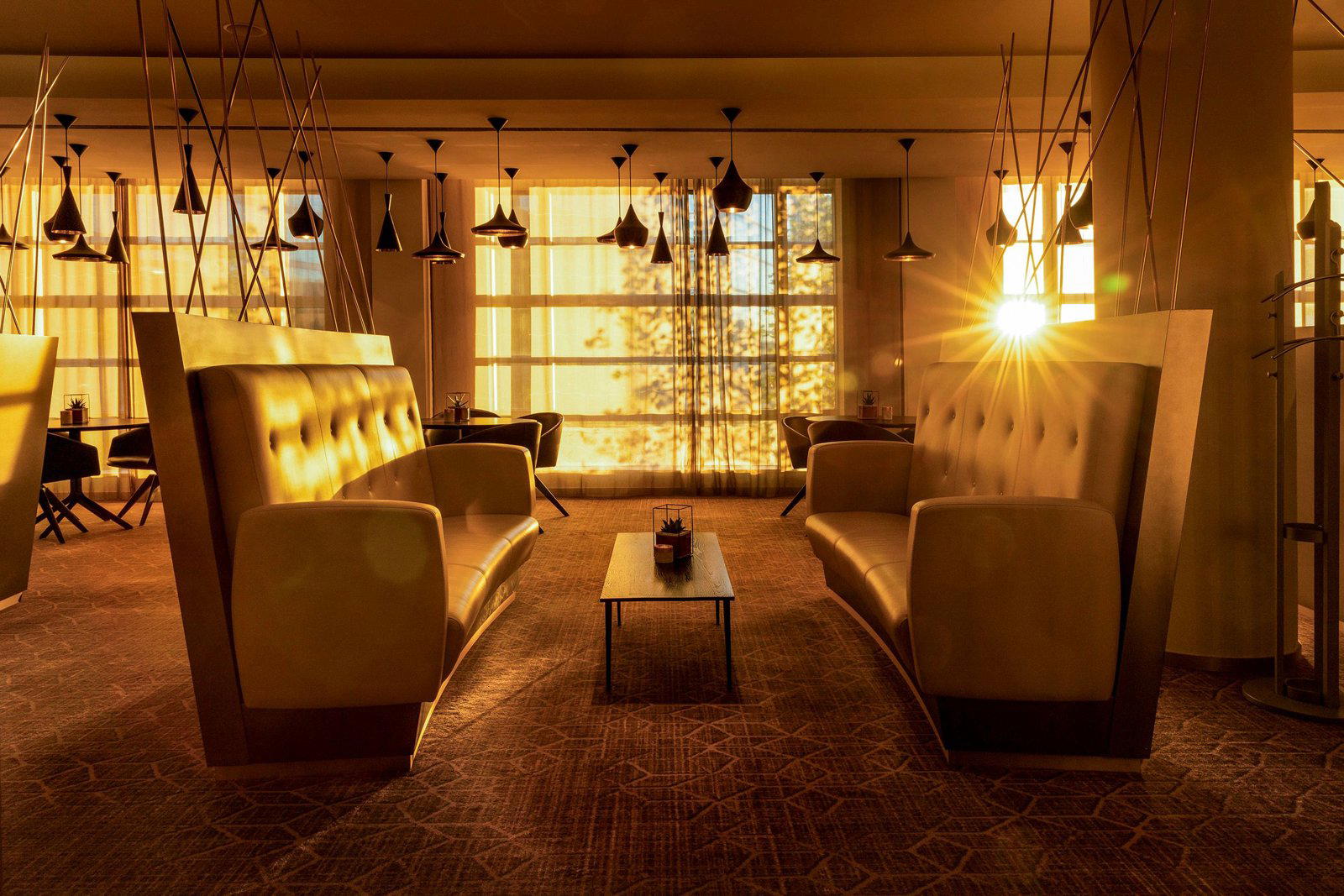

Hotels in Montenach
Browse all →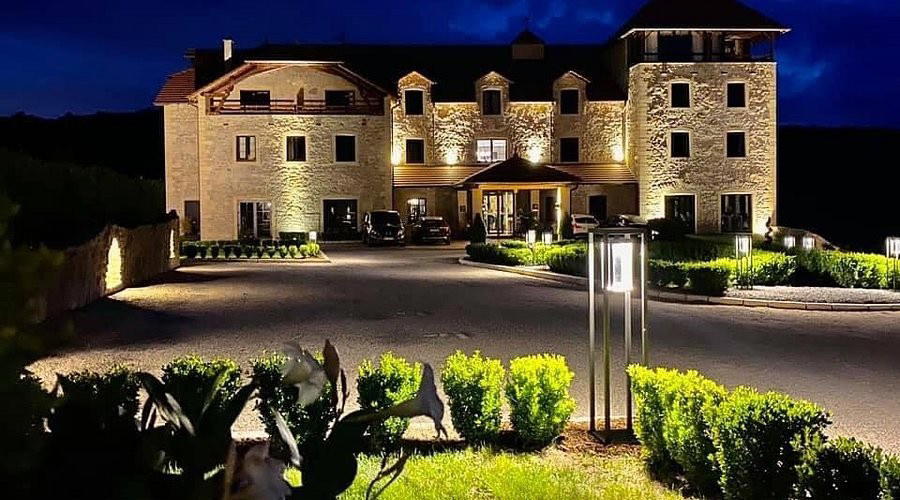
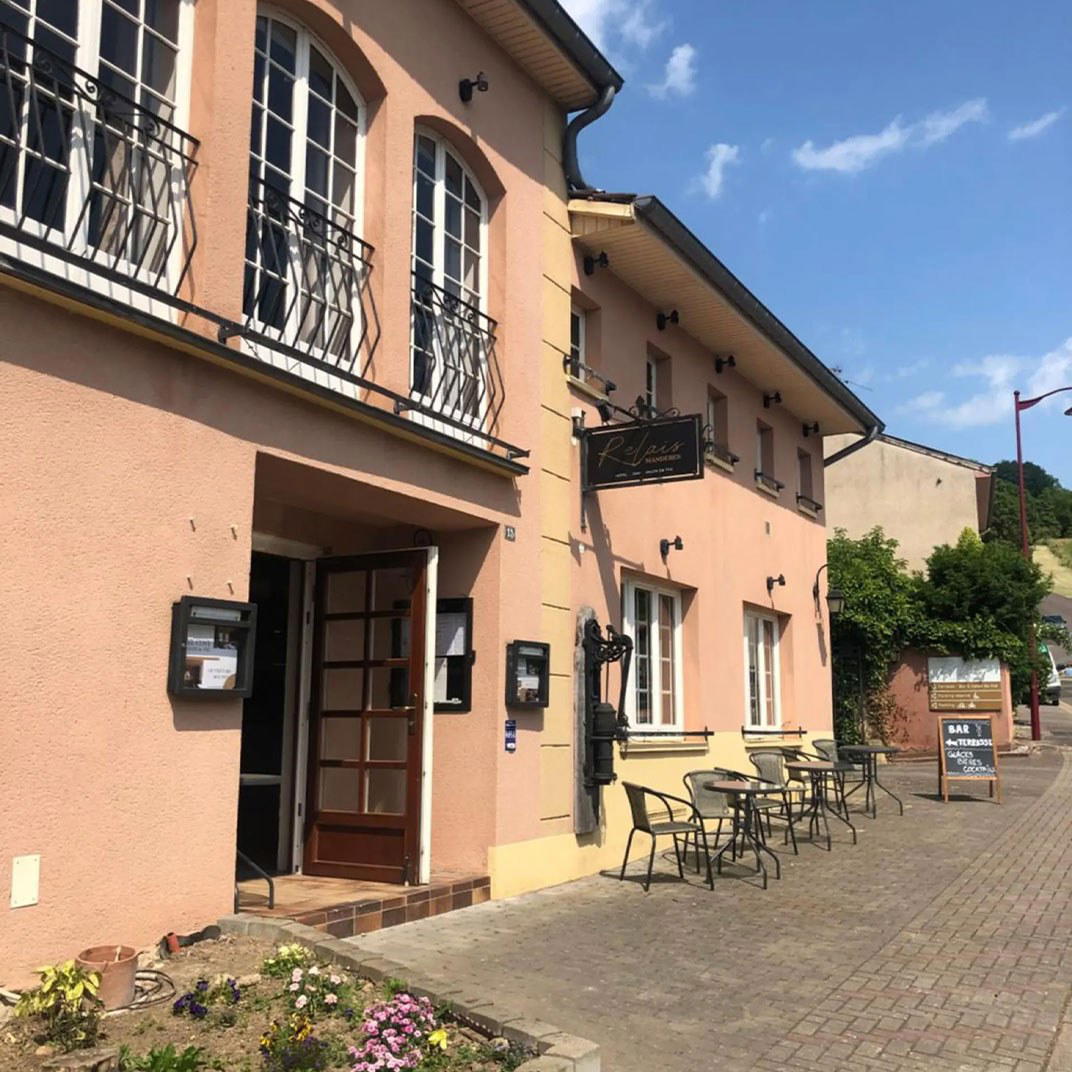

Details
- Elegant
- Sophisticated
- Modern
- Romantic
- Special Occasion
- Celebration
- Date Night
- Business Dinner
- Open Kitchen
- Private Dining
- Terrace
- Historic Building
- Design Destination
- Hotel Restaurant
- Extensive Wine List
- Sommelier Led
- Farm To Table
- Local Sourcing
- Tasting Menu
- Set Menu
- Prix Fixe
- Wine Pairing
- Regional Wines
- Vegetarian Friendly
- Vegan Options
- Gluten Free Options
Current opening hours
- Monday
- 7–9 PM
- Tuesday
- 7–9 PM
- Wednesday
- 7–9 PM
- Thursday
- 7–9 PM
- Friday
- 7–9 PM
- Saturday
- 7–9 PM
- Sunday
- Closed
Hours can change for holidays and private events. Last verified .
Sophisticated and refined with heavy timber rafters, Treviso crystal chandeliers, and warm lighting; guests describe it as majestic and beautifully designed with a calm, focused atmosphere centered on the food experience.