
In the village of Bruley, on the wine-producing edge of Lorraine, Au Caveau has earned recognition from the We're Smart Green Guide for Chef Elodie Favaro's vegetable-forward cooking. The menu follows seasonal market availability closely, with produce forming the structural core of each dish rather than a secondary note. It occupies a distinct position in a region better known for its vineyards than its restaurant tables.
Pearl is the En Primeur Club membership app — saves, bookings, and concierge access live there. Same editors, same standards.
- Address
- Rue Victor Hugo, 54200 Bruley, France
- Phone
- +33 6 59 82 39 89
- Website
- facebook.com
- Directions
- Get directions
 Saves & bookings on Pearl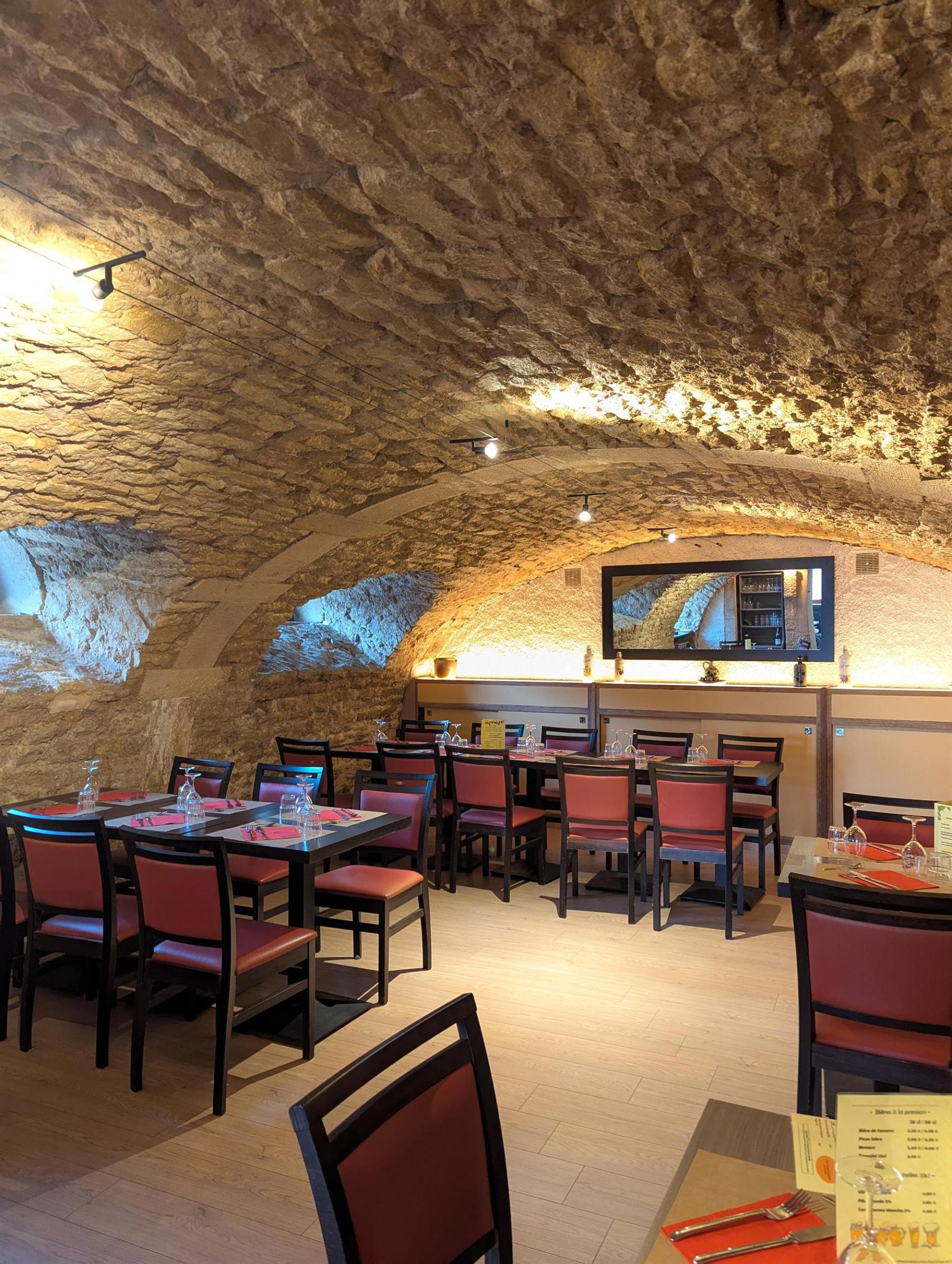
Where Lorraine's Market Gardens Meet the Table
Bruley sits on a limestone ridge above the Moselle valley, a village whose identity has long been tied to the vines that produce Côtes de Toul, one of France's smallest and least-heralded appellations. The restaurant scene here is thin by the standards of nearby Nancy, which means that when a kitchen earns external recognition, it carries more weight than the same accolade might in a larger city. Au Caveau has earned that recognition: the We're Smart Green Guide, which evaluates restaurants specifically on their relationship with vegetables and produce sourcing, has placed the kitchen among those it recommends to readers who take ingredient provenance seriously.
That context matters. The We're Smart Green Guide operates on a scoring system that rewards kitchens for integrating vegetables as a primary element of the plate, not as garnish or afterthought. Being listed in it places Au Caveau in a peer group defined less by geography and more by sourcing philosophy. In Lorraine, a region whose culinary heritage runs toward quiche, choucroute, and charcuterie, a kitchen organised around what the seasonal market offers represents a deliberate counter-position.
The Logic of Seasonal Sourcing in a Small Appellation Village
The Moselle department and the broader Lorraine basin have a vegetable-growing tradition that rarely surfaces in food media. Market gardens in the flat valley floor produce a range of seasonal leaves, roots, and brassicas that urban chefs in Nancy and Metz draw on, but the short supply chain from field to village restaurant is shorter still in a commune the size of Bruley. Kitchens that commit to working with what the seasonal market offers in this part of northeastern France are genuinely constrained: the growing season is continental rather than Mediterranean, which means the menu turns sharply between spring abundance and winter restraint.
That constraint, in the hands of a kitchen that has made it a design principle rather than a limitation, tends to produce cooking with higher internal logic than menus assembled from year-round imports. The succession of vegetable preparations that the We're Smart recognition specifically cites at Au Caveau reflects an approach common to the more produce-focused French regional kitchens, the kind of thinking visible at a different scale and price point at Mirazur in Menton, where the kitchen garden sits directly above the dining room, or at Bras in Laguiole, where Michel Bras built a decades-long reputation on the gargouillou and the intelligence of vegetable composition. Au Caveau operates at a local rather than destination level, but the underlying sourcing logic connects it to that tradition.
Color and flavor calibration in vegetable-forward cooking are harder to execute consistently than they appear from the outside. The visual element, the burst of color that the We're Smart citation specifically mentions, depends on sourcing at the right moment in the growing cycle and on preparation timing. A root vegetable brought in a week too late, or a leaf green handled incorrectly in the kitchen, loses the visual precision that distinguishes this kind of cooking from ordinary vegetarian fare. The recognition suggests that the kitchen is executing this with some reliability.
Bruley in the Context of Lorraine Dining
For visitors already in the region, the calculus is clear. Nancy, thirty minutes to the northeast, carries the architectural and cultural weight of the trip, with Place Stanislas anchoring among the more coherent baroque city centers in France. But the dining options in smaller Moselle and Meurthe-et-Moselle villages are precisely the kind of locally rooted tables that don't appear in the broader French restaurant conversation dominated by Paris addresses like Alléno Paris au Pavillon Ledoyen or Alsace institutions like Auberge de l'Ill in Illhaeusern and Au Crocodile in Strasbourg. The relative scarcity of external attention to Lorraine's smaller restaurants makes the We're Smart listing a more useful signal than it might be in a more crowded field.
The Côtes de Toul wines produced in and around Bruley add a practical pairing dimension. The appellation is known particularly for its vin gris, a pale, dry rosé made predominantly from Pinot Noir grown on the limestone and clay soils of the ridge, and for a light Pinot Noir red that suits vegetable-forward cooking better than heavier Burgundian examples. Drinking the local appellation with a menu built from local seasonal produce is exactly the kind of short-chain coherence that the We're Smart framework values, and it gives the meal a regional integrity that more eclectic wine lists at city restaurants don't achieve. For those interested in how that approach plays out at other French addresses, including Troisgros in Ouches and Auberge du Vieux Puits in Fontjoncouse.
Planning a Visit
Au Caveau is located on Rue Victor Hugo in Bruley, a village reached most directly by road from Nancy or Toul. The restaurant's address places it within the compact village center.
Comparable Venues
Comparable venues nearby, for context on price, style, and recognition.
| Venue | Cuisine | Price | Notes |
|---|---|---|---|
| Au Caveau - BruleyThis venue — the venue you are viewing | French Farm-to-Table Bistro | $$$ | Not listed |
| Comptoir De Vie | Modern French Tasting Counter-Bar | $$$ | 2nd Arrondissement |
| L'Assiette du Coq à l'Âne | Traditional Vosges Regional French | $$$ | Place du Tilleul |
| V Four | French Bistro | $$$ | vieille ville |
| Les Terrasses | Alsatian Bistronomic French | $$$ | Guebwiller |
| La Palette | French-Alsatian Bistro | $$$ | Wettolsheim |
Recognition history
Dated appearances from independent guides and award organizations, with the underlying list record or original source where available.
We're Smart World 3 Radishes
We're Smart World
Continue exploring
More in Bruley
Restaurants in Bruley
Browse all →

At a Glance
- Cozy
- Rustic
- Intimate
- Scenic
- Special Occasion
- Celebration
- Date Night
- Wine Cellar
- Historic Building
- Standalone
- Farm To Table
- Local Sourcing
- Organic
- Vineyard
Current opening hours
- Monday
- Closed
- Tuesday
- 10 AM–7 PM
- Wednesday
- 10 AM–7 PM
- Thursday
- 10 AM–7 PM
- Friday
- 10 AM–10 PM
- Saturday
- 10 AM–2 PM
- Sunday
- Closed
Hours can change for holidays and private events. Last verified .
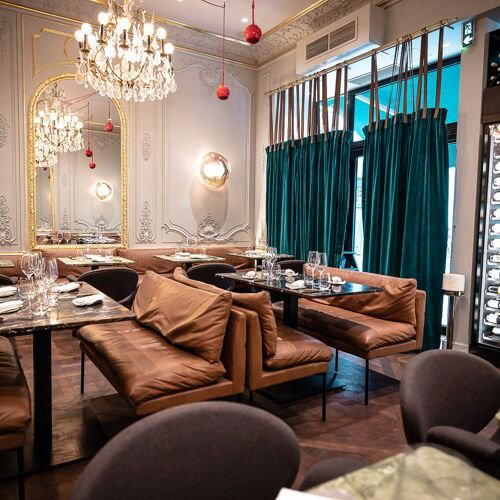
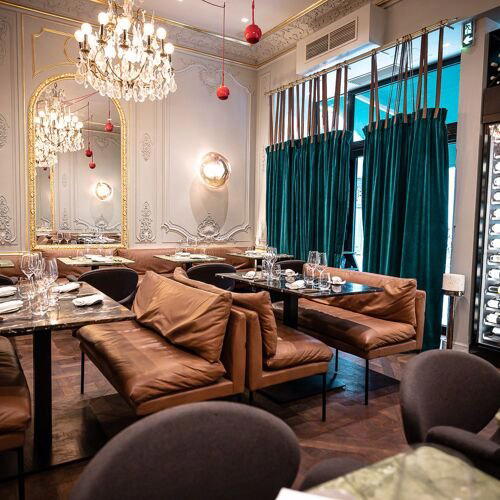
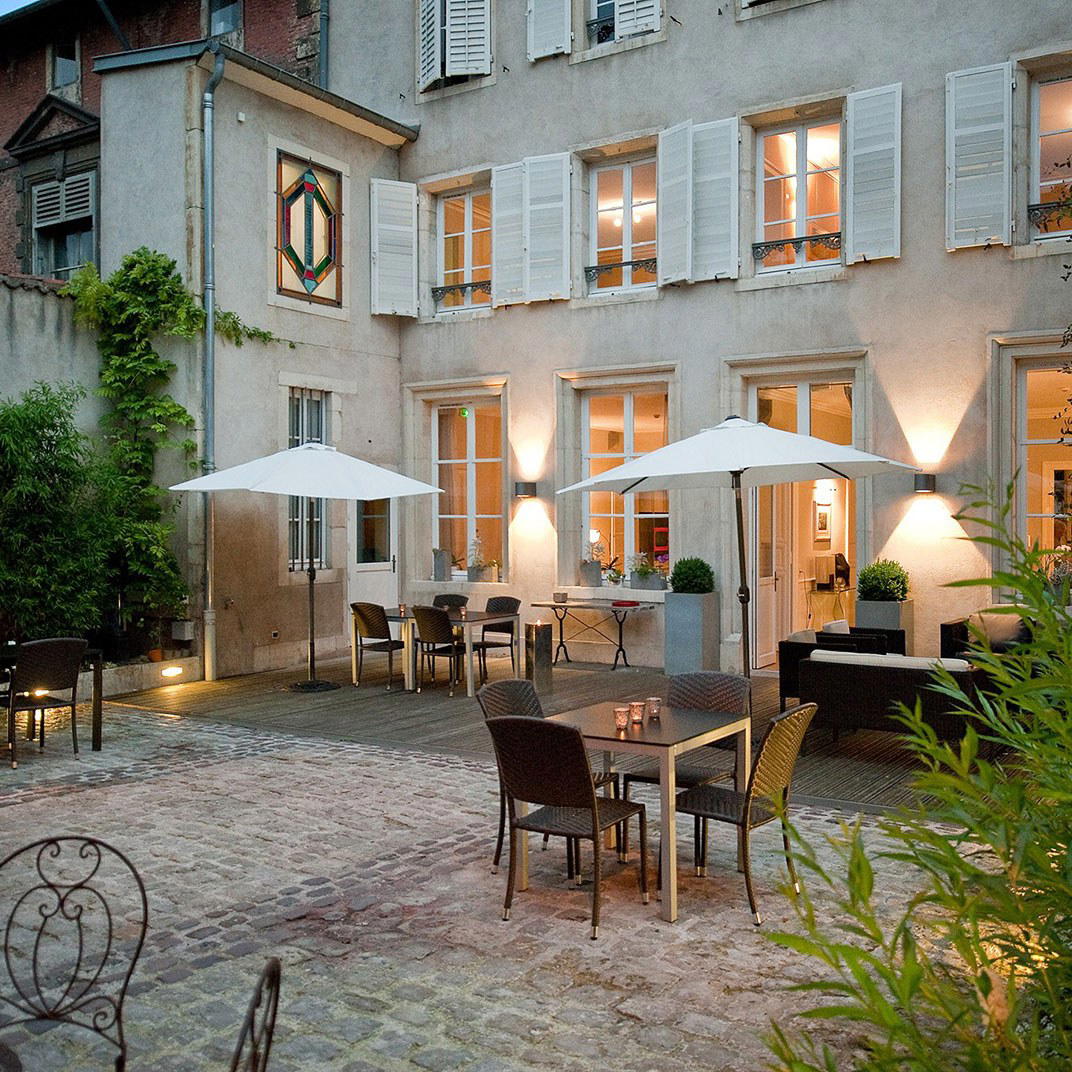
Charming cellar atmosphere with warm, personalized hospitality; guests describe the space as pleasant and comfortably warm with neat presentation and thoughtful explanations from the chef and her husband.