On the Île Saint-Louis, Le Bossu occupies a position that sits apart from the grand-boulevard dining circuit dominating Paris's fourth arrondissement. Where the Right Bank's premium tables lean toward formal ceremony, this address trades in the kind of neighbourhood-rooted cooking that the Marais and its surrounding islands have long sustained, specific in sourcing, restrained in presentation, and readable without a prix-fixe glossary.
Pearl is the En Primeur Club membership app — saves, bookings, and concierge access live there. Same editors, same standards.
- Address
- 17 Rue des Deux Ponts, 75004 Paris, France
- Phone
- +33142392402
- Website
- lebossu.com
- Directions
- Get directions
 Saves & bookings on Pearl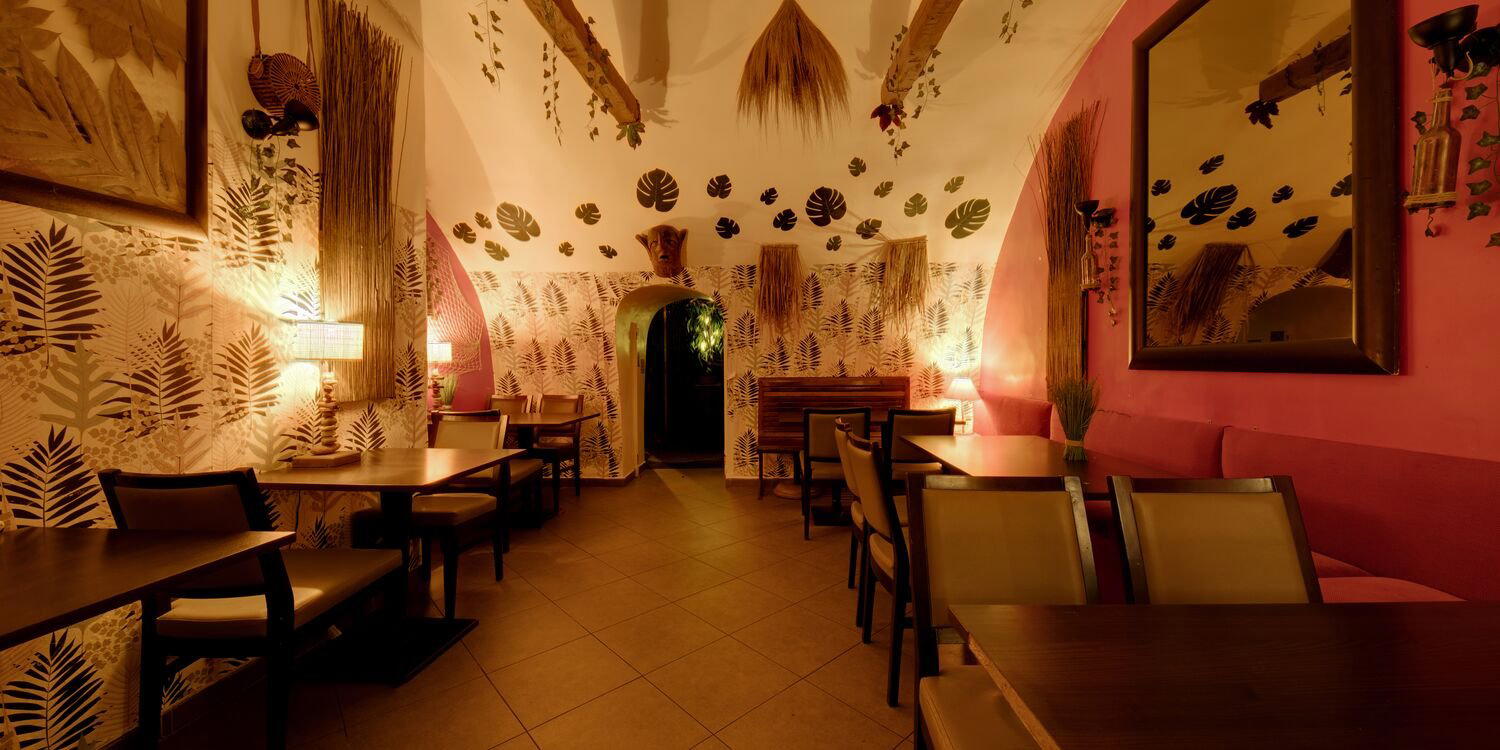
The Île Saint-Louis Table and What It Tells You About Paris's Quieter Dining Register
The Île Saint-Louis has always occupied an odd position in Paris's dining geography. It sits at the geographic centre of the city yet operates at a remove from the competitive pressure that drives table-racing on the Right Bank. The address at 17 Rue des Deux Ponts places Le Bossu on one of the island's main through-streets, a narrow corridor where the buildings lean close and foot traffic is neighbourhood-scale rather than tourist-wave. That physical context shapes what a restaurant here can be: something closer to a quartier anchor than a destination counter, a place sustained by return visits rather than first-timer spectacle.
That distinction matters when reading the Paris dining map. The city's headline tier, tables like Alléno Paris au Pavillon Ledoyen, Arpège, and Le Cinq at Four Seasons Hôtel George V, operates at price points and formal registers that position them as occasions rather than habits. Below that tier sits a broader category of Paris restaurants where sourcing discipline and culinary seriousness coexist with a less ceremonial atmosphere. It is in this register that the Île Saint-Louis tends to produce its more interesting tables.
Sourcing as the Central Argument
French cooking at the serious end of the mid-market has increasingly made ingredient provenance the primary editorial statement on the plate. This shift, visible at houses as different as Bras in Laguiole and Mirazur in Menton, reflects a broader reorientation in French gastronomy away from technique as spectacle and toward the ingredient as the point of interest. The kitchen's job becomes less about transformation and more about selection: knowing which producer, which season, which field or coastline yields something worth cooking with minimal interference.
In Paris specifically, that sourcing logic has to work against the city's structural distance from agricultural land. The restaurants that do it well, at any price point, tend to maintain direct supplier relationships that bypass the Rungis wholesale market's averaging effect. What arrives at the kitchen is then specific rather than generic: a particular variety of radish from a named farm rather than the category item. The cook's first decision is already made upstream, in the field.
This is the framework through which Le Bossu's address and position become legible. A neighbourhood table on the Île Saint-Louis, removed from the grand-hotel dining circuit and the Michelin-pressure theatrics of the 8th arrondissement, can focus on that upstream relationship without the overhead that forces a larger table to fill every seat every night. The menu follows the sourcing, not the other way around.
How the Île Saint-Louis Compares to the Broader Paris Scene
For context, the Paris tables that command most international attention, L'Ambroisie on the nearby Place des Vosges or Kei in the 1st arrondissement, operate at the summit of their category with multi-star recognition and price structures that reflect it. Further afield, the French regions have produced tables that redefine what sourcing-focused cooking looks like: Flocons de Sel in Megève works within a specific Alpine larder, while Auberge de l'Ill in Illhaeusern and Troisgros in Ouches have spent generations building supplier relationships into something close to institutional memory. Even internationally, French-trained sourcing discipline surfaces in places like Le Bernardin in New York, where the ingredient-first philosophy has translated without dilution across the Atlantic.
Le Bossu operates in none of those rarefied tiers. But the Île Saint-Louis address and its neighbourhood character suggest a table that answers a different question: what does careful, produce-led cooking look like without the formal apparatus that surrounds it at the starred level? That is a question the 4th arrondissement's quieter addresses have historically been well-placed to answer.
Positioning Within French Culinary Tradition
French cuisine's canonical narrative runs through houses like Paul Bocuse's Auberge du Pont de Collonges and Assiette Champenoise in Reims at one end and the newer southern wave, AM par Alexandre Mazzia in Marseille, Auberge du Vieux Puits in Fontjoncouse, at the other. Between these poles, Paris sustains a less visible but numerically larger category of restaurants committed to classical technique and seasonal rhythm without seeking to reinvent either. This is the tradition the restaurant's location suggests: cooking that respects the French repertoire's structural logic while allowing the market and the season to determine what actually appears on the plate.
That tradition connects to what Au Crocodile in Strasbourg and Atomix in New York (from a different angle) both demonstrate: that culinary seriousness does not require scale or spectacle to be legible. A table can operate at neighbourhood scale and still make a coherent argument about where food comes from and why that matters.
Planning Your Visit
The restaurant is located at 17 Rue des Deux Ponts, 75004 Paris, on the Île Saint-Louis. The nearest Métro stations are Pont Marie (line 7) and Sully-Morland (line 7), both a short walk across the island's bridges. Budget: Expect roughly $45 per person.
A Lean Comparison
Comparable venues nearby, for context on price, style, and recognition.
| Venue | Cuisine | Price | Notes |
|---|---|---|---|
| Le BossuThis venue — the venue you are viewing | Not listed | $$ | Not listed |
| Café de l'Industrie | Not listed | $$ | Bastille, 11th arrondissement, Classic French Brasserie |
| LE SINGE A PARIS | Bastille, Modern French Bistronomy | $$ | Not listed |
| Lulu la nantaise | Not listed | $$ | 10th Arr. - Entrepôt, Breton Creperie |
| Canard et Champagne | Not listed | $$ | 2nd arrondissement, Classic French Duck & Champagne Bistro |
| Le Cellier | Not listed | $$ | 9e arrondissement, Modern French Bistro with Breton Influences |
Continue exploring
More in Paris
Restaurants in Paris
Browse all →
Bars in Paris
Browse all →
Hotels in Paris
Browse all →

At a Glance
- Cozy
- Classic
- Romantic
- Elegant
- Date Night
- Business Dinner
- Group Dining
- Special Occasion
- Private Dining
- Historic Building
- Extensive Wine List
- Beer Program
- Craft Cocktails
- Local Sourcing
Current opening hours
- Monday
- Closed
- Tuesday
- 12–3 PM, 6:30–10 PM
- Wednesday
- 12–3 PM, 6:30–10 PM
- Thursday
- 12–3 PM, 6:30–10 PM
- Friday
- 12–3 PM, 6:30–10 PM
- Saturday
- 12–3 PM, 6:30–10 PM
- Sunday
- 12–3 PM
Hours can change for holidays and private events. Last verified .
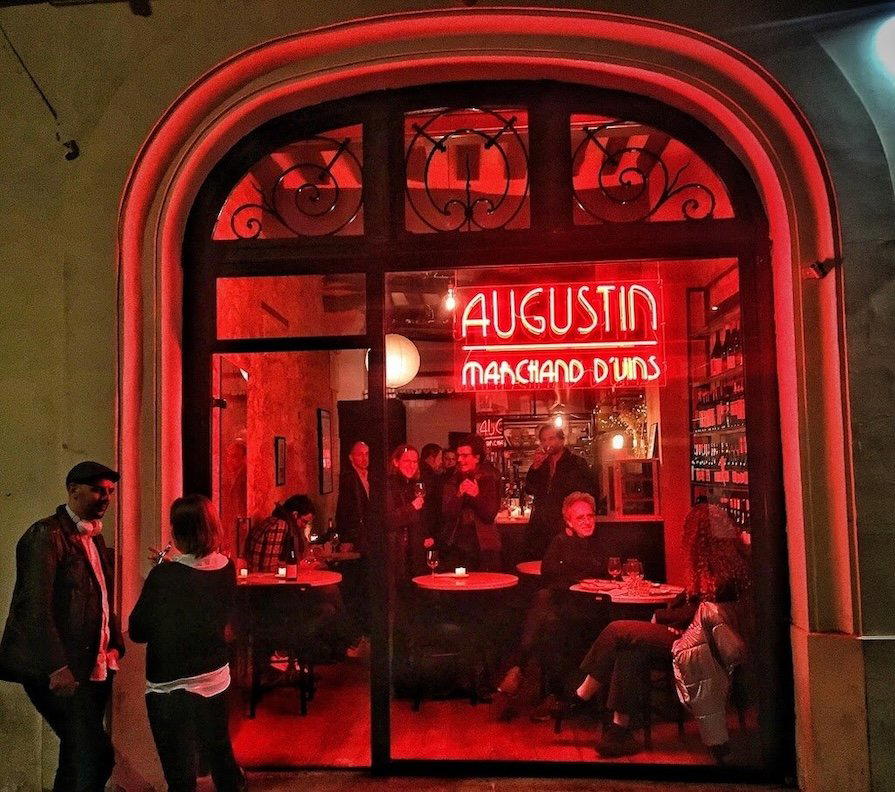
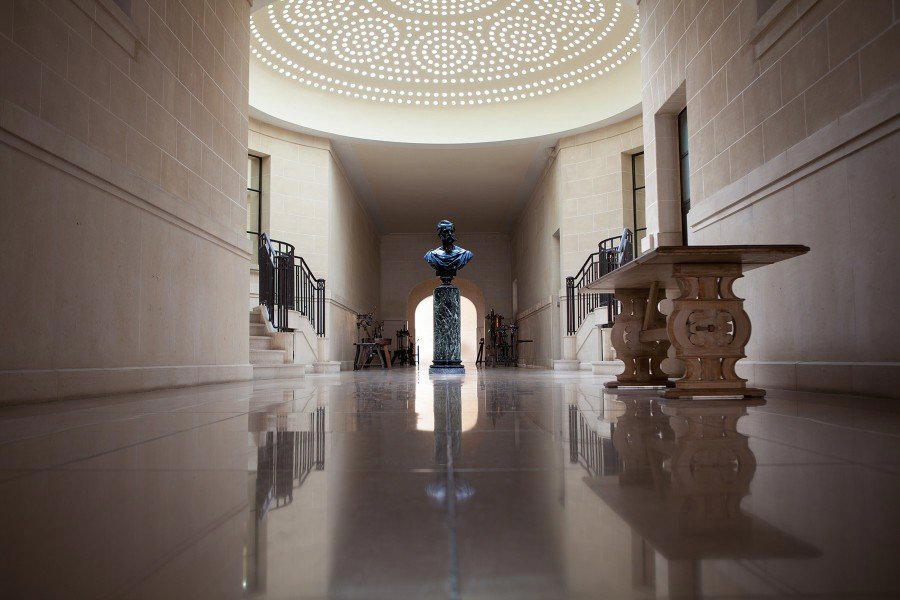
Warm and elegant atmosphere with a cozy, harmonious setting featuring a vaulted cellar room and ground floor dining space.