La Bottega occupies a quietly considered address on Rue de Pétérinck in central Lille, where the city's appetite for Italian-inflected cooking meets northern French produce and technique. The room draws a neighbourhood crowd that returns with regularity, a reliable indicator of consistent kitchen work in a city whose dining scene has grown considerably more ambitious over the past decade.
Pearl is the En Primeur Club membership app — saves, bookings, and concierge access live there. Same editors, same standards.
- Address
- 8 bis Rue de Pétérinck, 59000 Lille, France
- Phone
- +33320743312
- Website
- la-bottega.com
- Directions
- Get directions
 Saves & bookings on Pearl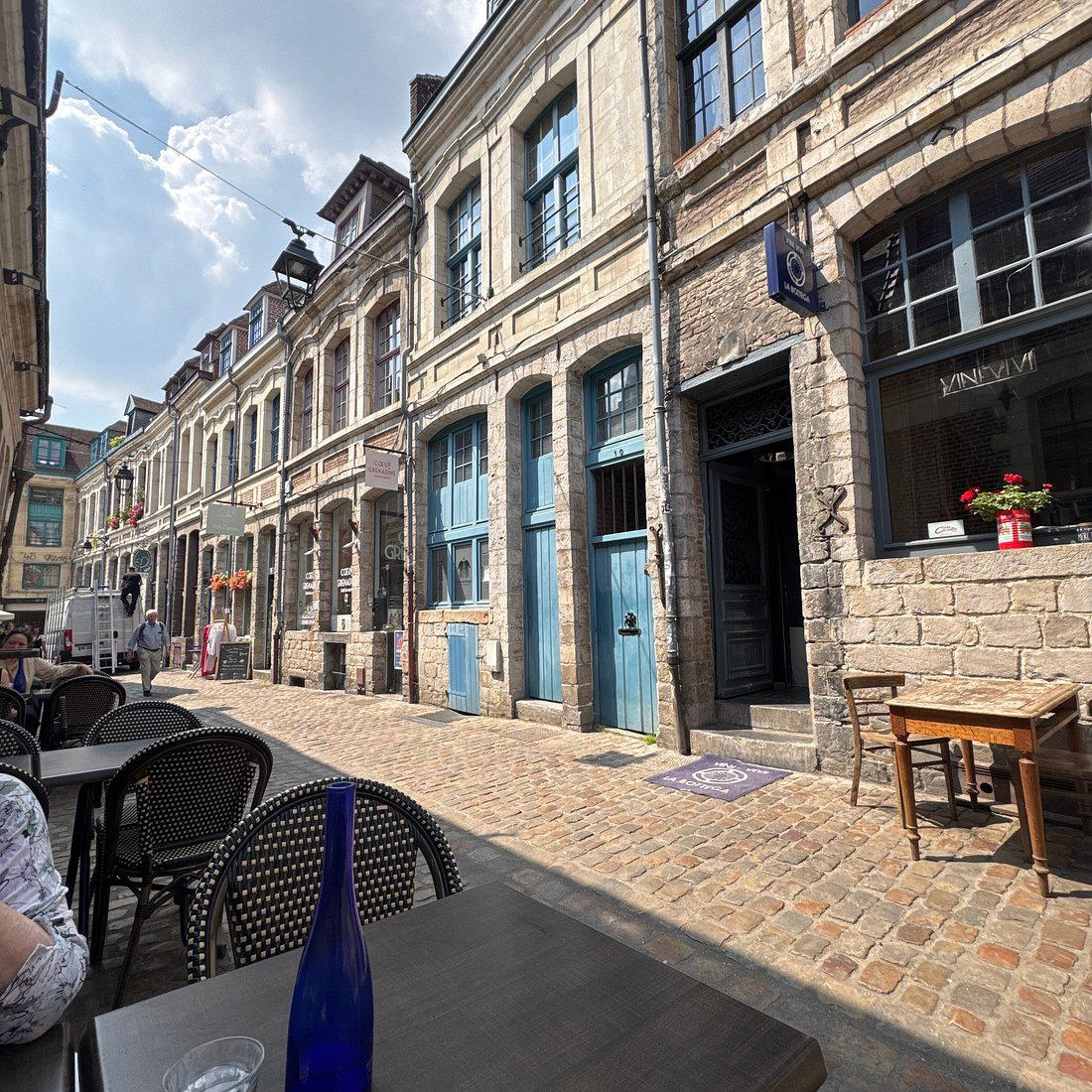
Lille's Italian Thread, Pulled Through a Northern French Kitchen
Rue de Pétérinck sits in the dense residential grain of central Lille, a street where most foot traffic belongs to residents rather than tourists. Arriving at La Bottega, you find the kind of address that operates on local loyalty rather than destination-restaurant theatre: a room pitched to a neighbourhood that eats out with frequency and knows when a kitchen is performing well. In a city where modern French dining is increasingly well represented, Ginko and Pureté both push contemporary technique, while La Table at Hôtel Clarance anchors the upper end of the €€€€ bracket, La Bottega occupies a different register, one grounded in Italian culinary tradition rather than codified Gallic form.
That distinction matters more in Lille than it might elsewhere. The city's eating culture has long favoured deep-rooted tradition: the estaminets of the Vieux-Lille, dishes like carbonnade flamande and welsh at places such as Au Vieux de la Vieille, and the textiles-era tavern culture preserved by restaurants like Au Soyeux. Against that backdrop, an Italian-rooted address signals something specific about how Lille's appetite has broadened: imported methods and reference points applied to a city that increasingly knows what it wants from both traditions.
Where Italian Technique Meets Northern Produce
The editorial angle that makes La Bottega worth understanding is not the Italian name or the aesthetic shorthand it implies, but the tension between method and materials that defines this corner of northern France. Producers in the Nord-Pas-de-Calais region supply ingredients shaped by a maritime and agricultural climate far removed from the Mediterranean: endives from the Pévèle plateau, maroilles and Mimolette cheeses, North Sea fish landed at Boulogne-sur-Mer, one of France's highest-volume fishing ports, and cold-weather brassicas and root vegetables that run through autumn and winter menus across the region.
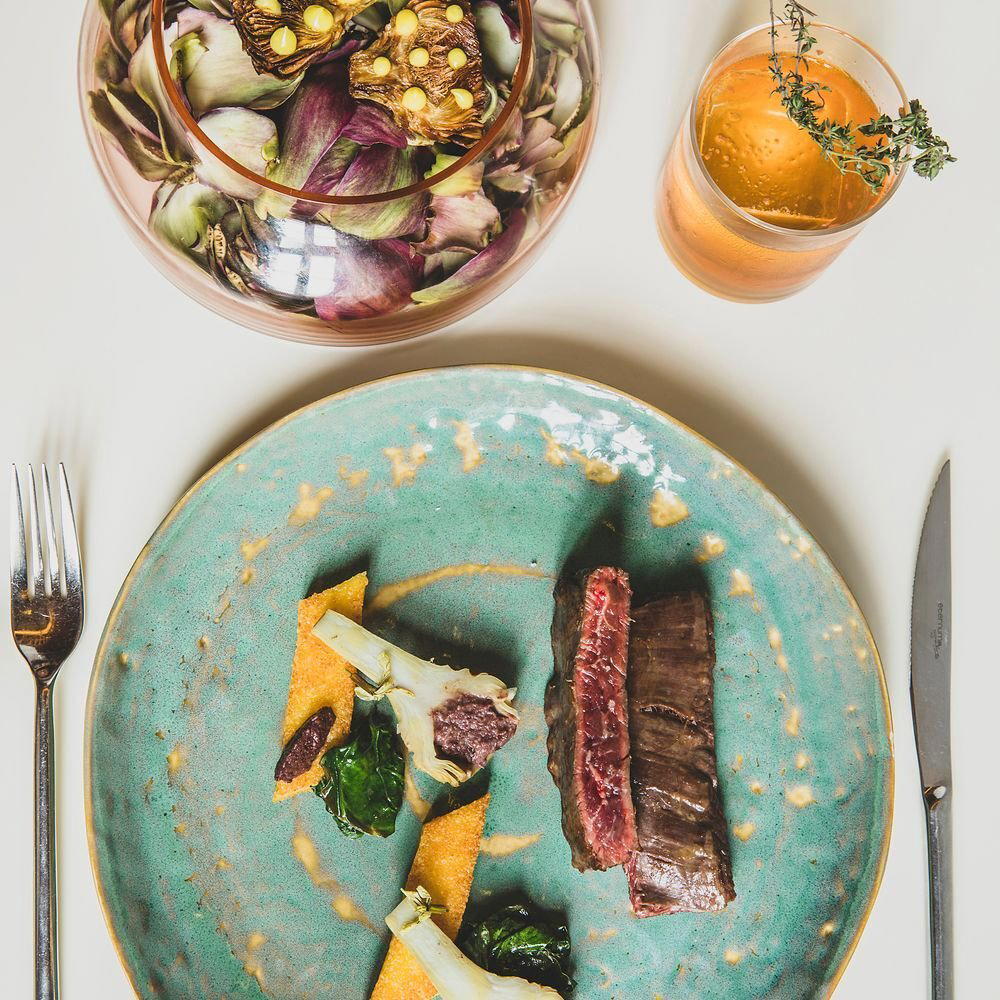
When Italian culinary sensibility, with its emphasis on pasta form, acidity balance, and ingredient economy, engages that northern pantry, the results tend to be more interesting than either tradition produces in isolation. This is a dynamic that recurs across French regional cooking at its most alert: Bras in Laguiole built an entire identity around terroir specificity, while Flocons de Sel in Megève draws on Alpine materials through a technically precise French lens. The underlying logic, local product, imported discipline, is consistent even when the traditions in dialogue differ. At La Bottega, that logic runs through the lens of an Italian kitchen vocabulary applied to what grows, swims, and ages in the Nord.
Reading the Room: Where La Bottega Sits in Lille's Dining Spread
Lille's restaurant scene has matured considerably over the past decade. The city's position as a high-speed rail hub connecting Paris, Brussels, and London in under ninety minutes has compressed the peer pressure it faces: diners here compare notes across borders and make regular day trips to eat elsewhere in northern Europe. That context has raised the floor for what neighbourhood restaurants need to deliver.
Within Lille's Italian-influenced category, the field is not large. French cities of comparable size tend to support a handful of addresses where Italian form is taken seriously rather than reduced to the lowest-common-denominator trattoria model that franchised across European cities through the 1990s. The restaurant's address on Rue de Pétérinck places it within the central city rather than the tourist-heavy Vieux-Lille quarter, which is a reasonable indicator of where its primary audience sits: residents who return by choice, not visitors checking a box on a weekend itinerary.
For visitors whose frame of reference runs toward the upper end of French fine dining, Lille now offers a credible circuit. The city sits in the same gastronomic corridor that stretches toward Assiette Champenoise in Reims and eastward toward Au Crocodile in Strasbourg. At a national scale, the ambition markers are set by addresses like Alléno Paris au Pavillon Ledoyen, Mirazur in Menton, Troisgros in Ouches, Auberge de l'Ill in Illhaeusern, and Paul Bocuse outside Lyon. The restaurant operates at a different tier entirely, but knowing those reference points matters for calibrating where neighbourhood-level Italian cooking fits inside France's larger dining conversation.
Beyond France, the comparison that sharpens the point is what neighbourhood-anchored Italian kitchens have achieved in cities like New York, where Le Bernardin and Atomix represent entirely different approaches to the question of how imported culinary tradition takes root in a local context. The through-line is that technique travels; what changes is the ingredient vocabulary it meets on arrival.
Seasonal Timing and Practical Planning
Lille's restaurant calendar follows northern French rhythm closely. Autumn and winter are the seasons when the regional larder is most expressive: game from the Ardennes, root vegetables at their densest, and the cheeses of the Nord at full maturity. For a kitchen working in an Italian register with northern French materials, that October-to-March window is when the dialogue between tradition and ingredient tends to be most legible on the plate. Spring and summer bring lighter produce but also busier tourist traffic through the city, particularly around the Braderie de Lille in early September, when the city's largest flea market draws visitors from across northern Europe.
The restaurant is located at 8 bis Rue de Pétérinck, in the 59000 postal district of central Lille. The restaurant recommends booking ahead. For visitors combining a meal here with the broader city, Lille offers a range of options across price tiers and styles, from the traditional estaminet circuit to the modern technique addresses in the city's dining scene.
For those whose Lille visit extends to a wider regional sweep, the Nord's position at the intersection of French, Belgian, and Flemish food traditions makes it one of the more intellectually interesting dining regions in northern Europe. The restaurant, operating through an Italian lens inside that context, represents one more productive complication in a city that has always absorbed outside influence into its own culinary character. That is, ultimately, what makes it worth noting: not the Italian label, but what that label does when it lands in northern France and has to negotiate with the place it finds itself in.
Nearby-ish Comparables
Comparable venues nearby, for context on price, style, and recognition.
| Venue | Cuisine | Price | Notes |
|---|---|---|---|
| La BottegaThis venue — the venue you are viewing | Italian Pizza | $$ | Not listed |
| La Bellezza | Authentic Italian Trattoria | $$ | Vieux Lille 4 |
| Quai 38 | Modern French Seafood | $$ | Vieux Lille 1 |
| In Bocca Al Lupo | Authentic Italian Trattoria | $$ | Vieux Lille 3 |
| Laksøn | Scandinavian Seafood | $$$ | Vieux Lille 3 |
| Los 3 compadres | Authentic Mexican | $$ | Lille Centre 18 |
Continue exploring
More in Lille
Restaurants in Lille
Browse all →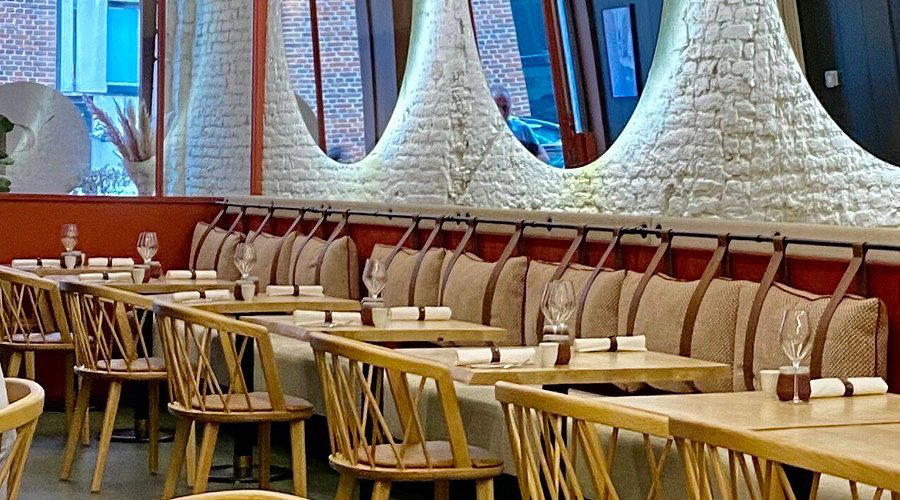
At a Glance
- Cozy
- Intimate
- Rustic
- Casual Hangout
- Date Night
- Terrace
- Natural Wine
- Organic
- Local Sourcing
Current opening hours
- Monday
- Closed
- Tuesday
- 12–2 PM, 6:30–10 PM
- Wednesday
- 12–2 PM, 6:30–10 PM
- Thursday
- 12–2 PM, 6:30–10 PM
- Friday
- 12–2:30 PM, 6:30–10:30 PM
- Saturday
- 12–10:30 PM
- Sunday
- 12–3 PM
Hours can change for holidays and private events. Last verified .
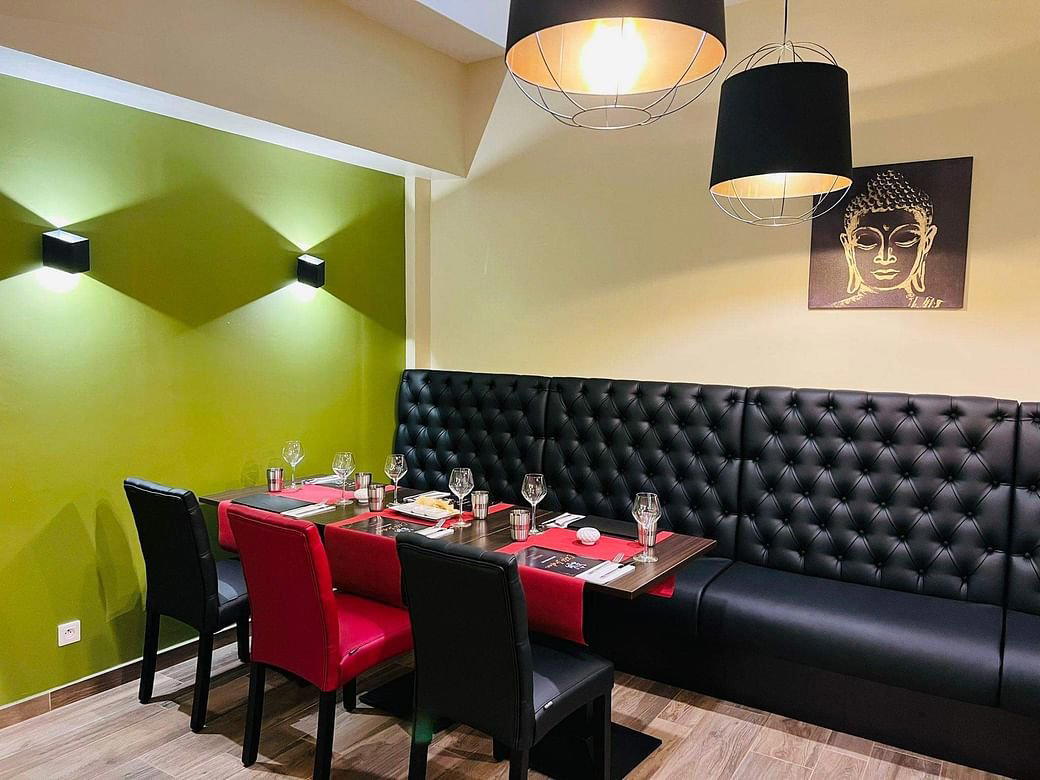
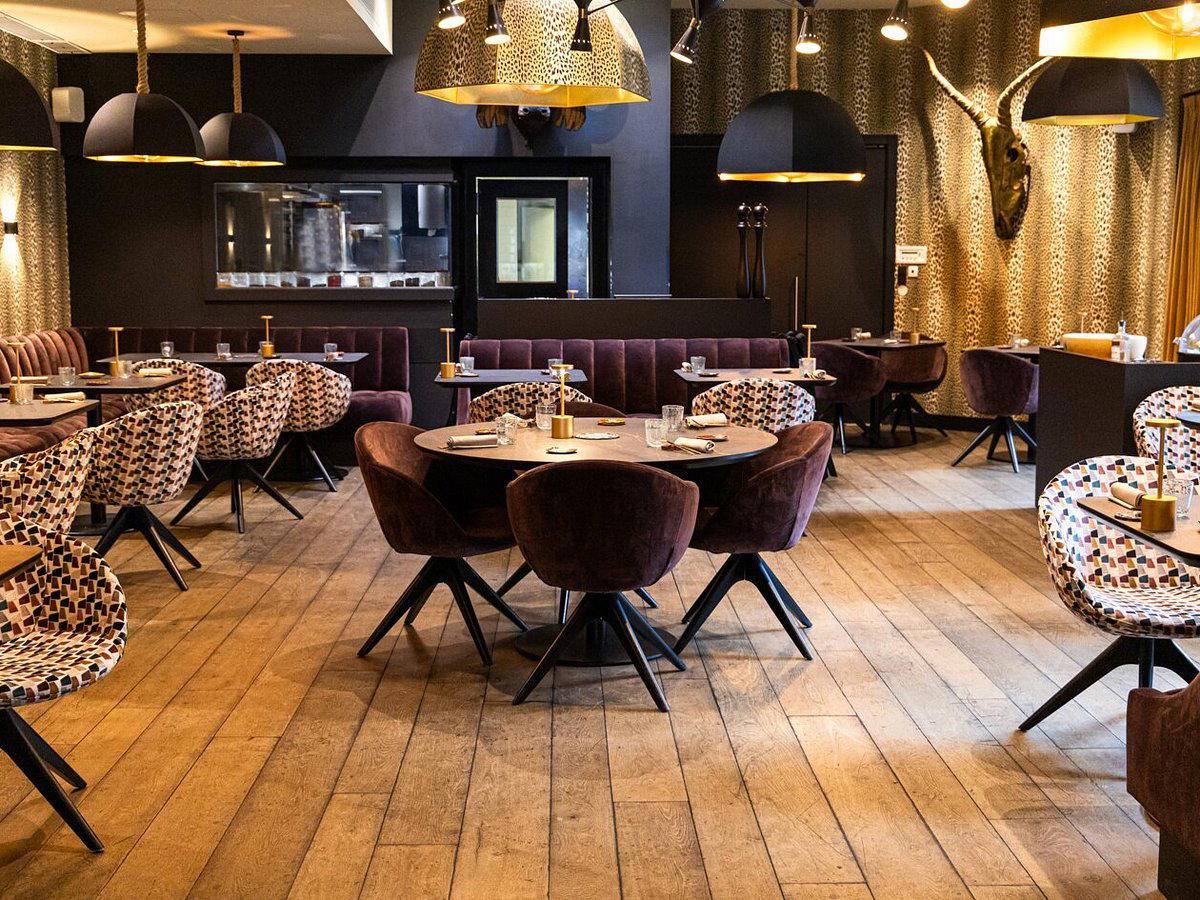
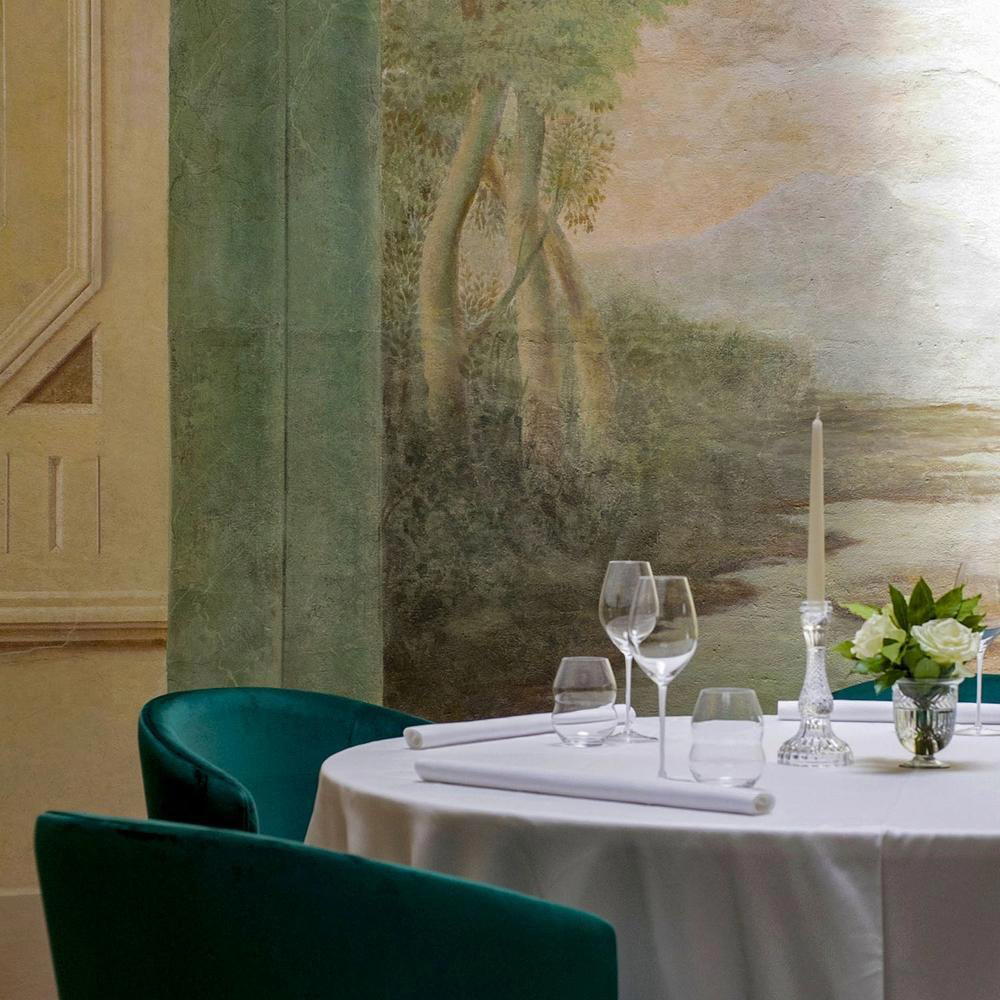
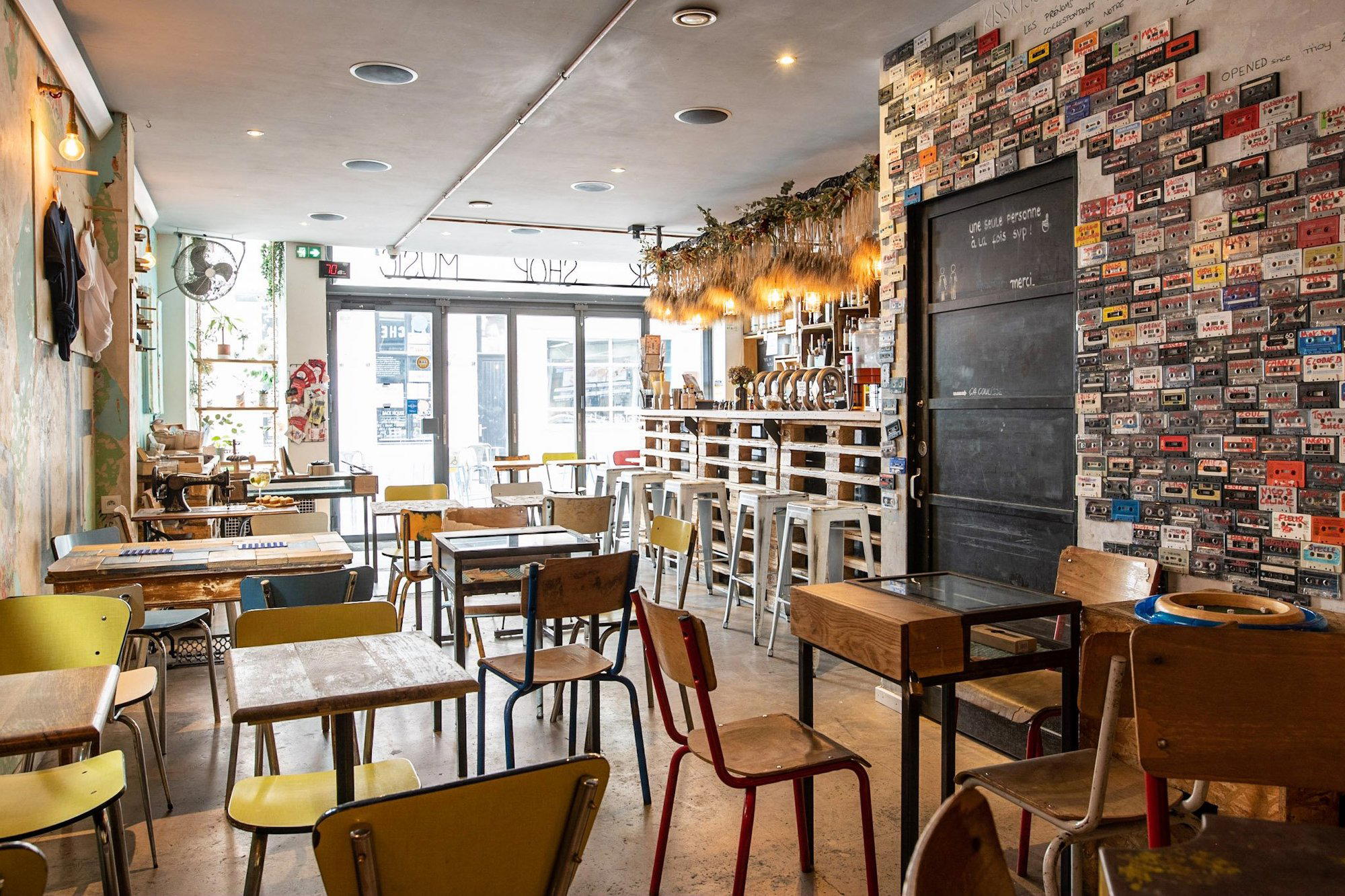
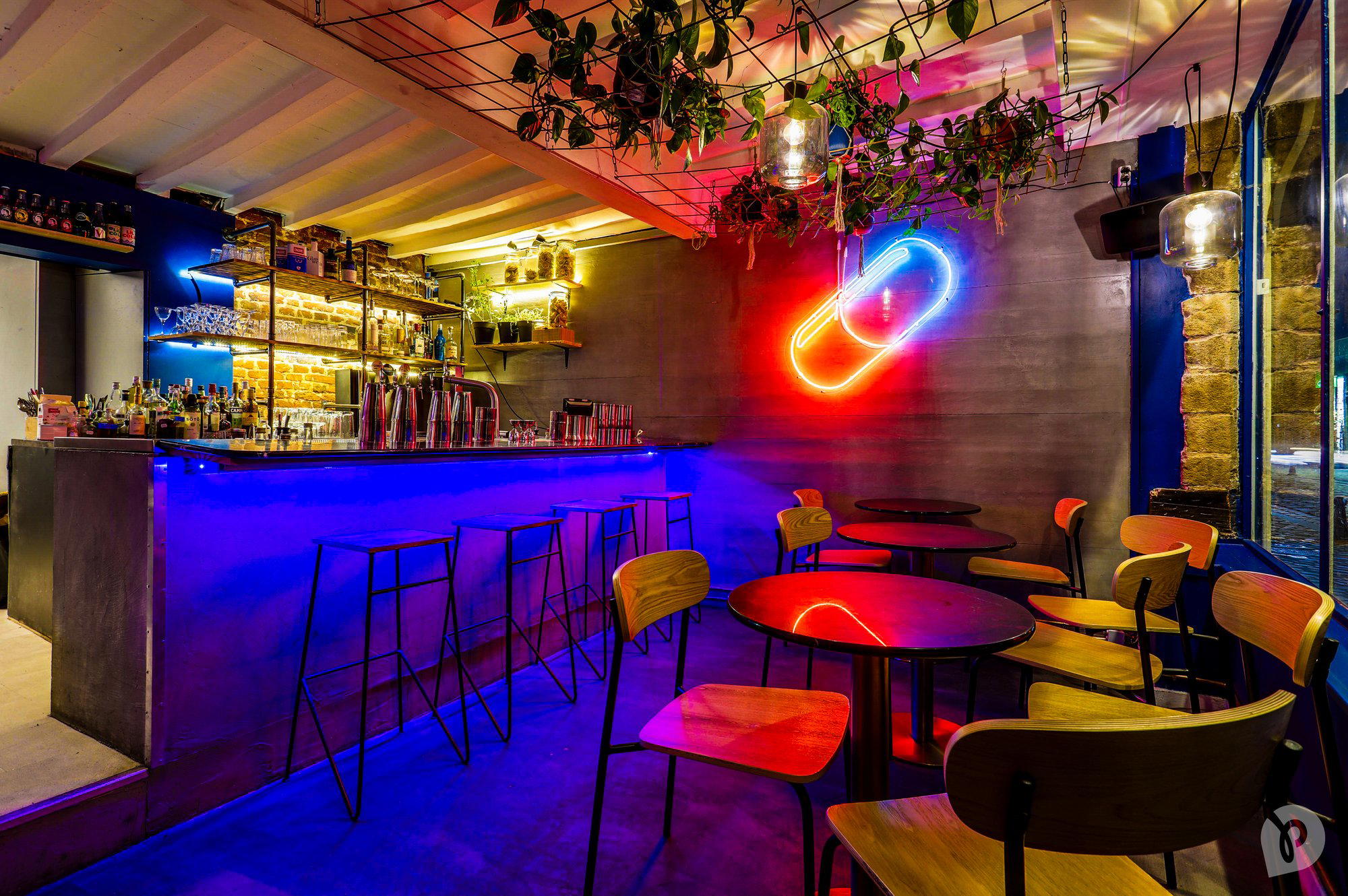
Cozy and relaxed atmosphere in charming old town streets, with warm welcoming service and a low-key, intimate setting.