Le Bocal sits on Rue de Mars in central Reims, placing it within easy reach of the city's cathedral quarter and its constellation of Champagne houses. Reims has built a serious dining identity alongside its sparkling wine reputation, and Le Bocal occupies a position in that mid-range scene where locality and informality tend to define the offer more than grand-format tasting menus.
Pearl is the En Primeur Club membership app — saves, bookings, and concierge access live there. Same editors, same standards.
- Address
- 27 Rue de Mars, 51100 Reims, France
- Phone
- +33326470251
- Website
- restaurantlebocal.fr
- Directions
- Get directions
 Saves & bookings on Pearl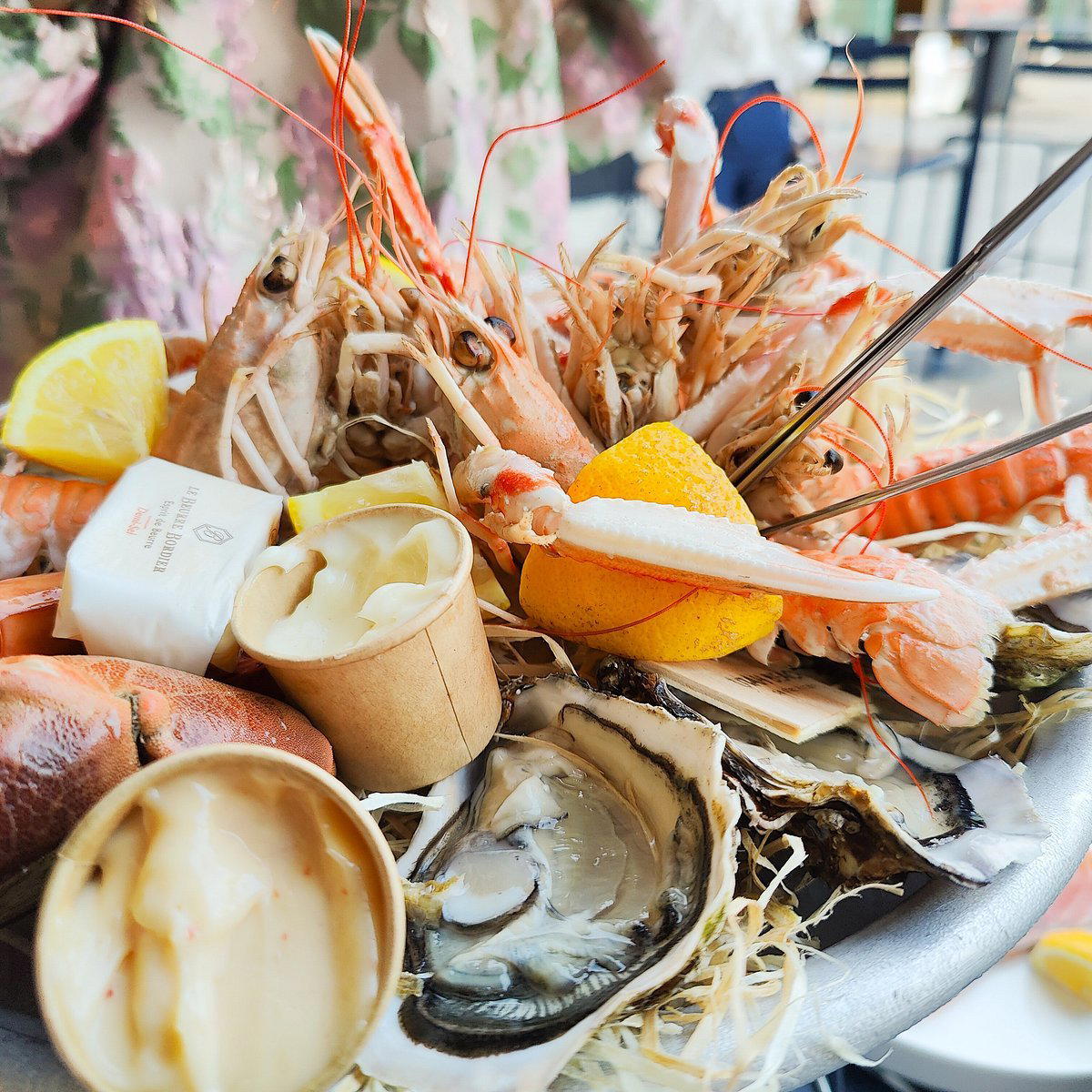
A Street in Reims, and What It Tells You About the City's Dining Character
Rue de Mars runs through a part of central Reims that sits between the monumental and the everyday. The cathedral and its tourist orbit are close enough to pull foot traffic, but the street itself operates at a more grounded register, the kind where a neighbourhood address functions as a restaurant rather than a statement. Le Bocal, at number 27, belongs to this quieter tier of the city's eating scene, which in Reims is a more crowded and more interesting tier than visitors often expect.
Reims is, first and foremost, a Champagne city. The great houses, their chalk cellars running for miles beneath the urban grid, have defined the city's international identity for two centuries. But the dining culture that has grown around them is no longer simply a support act. Assiette Champenoise and Le Parc Les Crayères anchor stronger examples from the bracket, both operating at the €€€€ level with the kind of formal ambition that treats every service as a production. Below that, a second tier of creative and modern tables, including Racine and Arbane, has established Reims as a city where serious cooking happens at more than one price point. Le Bocal sits within this broader pattern, at an address that signals local intent over destination theatre.
The Cultural Logic of the French Bistrot and Why It Matters Here
France's most durable contribution to global dining culture is not its three-star temples but its neighbourhood restaurants, the bistrot and the brasserie tradition that makes eating well a daily practice rather than an occasion. The vocabulary is familiar everywhere, from the zinc bar to the chalkboard menu, from the carafe of house wine to the plat du jour rotating with the market week. But the authenticity of that format varies enormously, and in cities with a strong gastronomic identity like Reims, the pressure on smaller, unpretentious addresses is real: they are compared not just to each other but to a cultural ideal that the French take seriously.
Champagne as a region adds a particular local inflection to this tradition. The cuisine of the Marne valley has its own registers, richer and more cold-weather in orientation than the Mediterranean south, with ham, andouillette, potée champenoise, and local cheeses forming a backbone that has fed workers and vignerons alike for generations. A restaurant like Au Petit Comptoir operates explicitly within that regional tradition. The question for any Reims table operating in a similar register is how it positions itself relative to both local culinary heritage and the city's more ambitious dining tier.
Across France, the bistrot model has fragmented in recent decades. At one end, the neo-bistrot, chef-driven and technically accomplished, has become a legitimate format in its own right, as recognisable in Paris as in Lyon or Bordeaux. At the other, the traditional neighbourhood address, family-run and market-led, persists in cities where food culture is embedded in daily life rather than imported as a tourist offer. Reims, with its mixture of local population, business visitors tied to the Champagne industry, and a growing stream of gastro-tourists, supports both versions. The city's full restaurant picture reflects that range.
Where Le Bocal Sits in the Reims Competitive Set
The restaurant is a French Seafood & Oyster Bar at a casual, mid-priced address in central Reims. What the address itself suggests, Rue de Mars in central Reims, is a location that skews toward local and accessible rather than destination-driven. The name, the restaurant meaning the jar in French, carries the kind of self-aware simplicity that tends to signal a deliberate step away from formality. That naming logic is common across the French restaurant scene at a particular register: informal, product-led, often wine-focused in an unpretentious way.
In the context of a Champagne city, wine-forward informality carries its own weight. Reims diners are, almost by necessity, a wine-literate crowd. The Champagne houses employ thousands, and the broader hospitality and agriculture economy of the Marne turns on an understanding of what good wine looks and tastes like. A restaurant that leans into that without ceremony is speaking a language the city understands.
For comparison, the formal end of Reims dining, represented by Le Parc Les Crayères at the €€€€ bracket, operates with all the infrastructure of destination fine dining: sommelier teams, grand cellars, tasting menus that run to several hours. Nationally, the French restaurant tradition at its most ambitious is visible in houses like Troisgros in Ouches, Auberge de l'Ill in Illhaeusern, and Bras in Laguiole. The restaurant sits in a more relaxed register. Its relevance is to a different tradition, one that prizes directness and locality over spectacle, and which across France has produced particularly consistent everyday eating anywhere in the world.
That mid-range, market-connected format has international reference points too. The technical ambition of AM par Alexandre Mazzia in Marseille or the precision of Le Bernardin in New York represent different poles of the same culture, but the French bistrot tradition that restaurant appears to inhabit is, in its own way, just as demanding of its practitioners. Getting a plat du jour right, sourcing locally, and serving a room of regulars who know what good food looks like is not a lesser challenge than running a tasting menu kitchen. It is a different one.
Planning a Visit
The restaurant is located at 27 Rue de Mars, 51100 Reims, in the central city. Reims is approximately 45 minutes from Paris by TGV from Gare de l'Est, making it a viable day trip for visitors based in the capital, though the city rewards an overnight stay that allows time for cellar visits alongside eating. Reservations are recommended, especially on weekends and during the busier Champagne season. Nearby, the cathedral quarter provides context for a pre-dinner walk, and the concentration of Champagne houses in Reims means that any serious visit to the city will involve decisions about how to balance cellar visits with table time.
- Gillardeau oysters
- Veules-les-Roses oysters
- Saint-Vaast oysters
- Red mullet fillet in escabeche
- Grilled octopus
- Cod tartare
Cost and Credentials
Comparable venues nearby, for context on price, style, and recognition.
| Venue | Cuisine | Price | Awards | Notes |
|---|---|---|---|---|
| Le BocalThis venue — the venue you are viewing | Not listed | $$ | Not listed | Not listed |
| Brasserie le Boulingrin | Boulingrin, Classic French Brasserie | $$ | Not listed | Not listed |
| La Table Saint Thomas | Not listed | $$ | Michelin Plate | Saint Thomas district, Contemporary French Seasonal Cuisine |
| Bistro des anges | Not listed | $$ | Not listed | Chanzy, French Bistro with Champagne Focus |
| Koboon | Not listed | $$ | Not listed | Centre Erlon-Ouest, Refined Thai Street Food |
| Sacré Brunch | center, French Brunch | $$$ | Not listed | Not listed |
Continue exploring
More in Reims
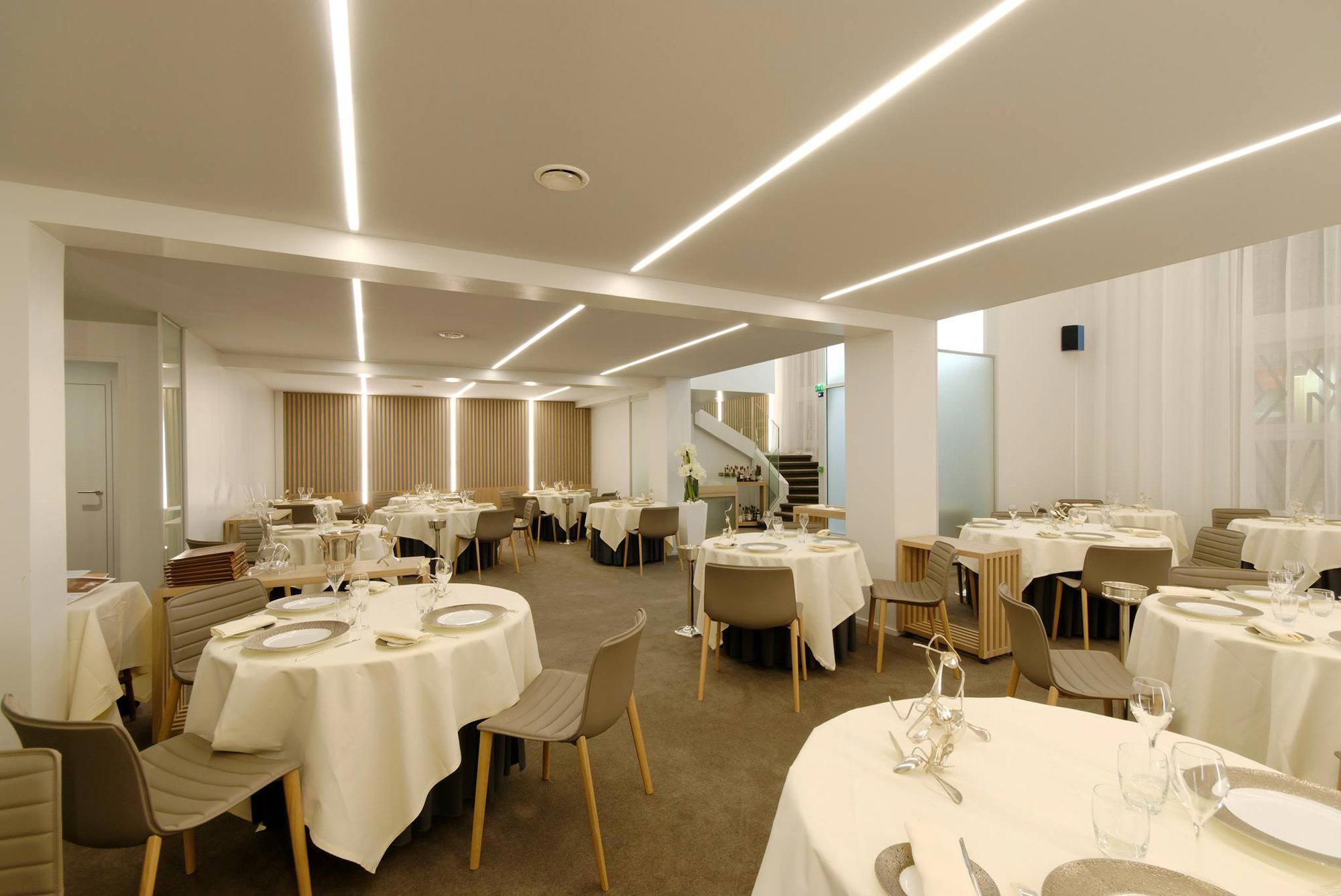
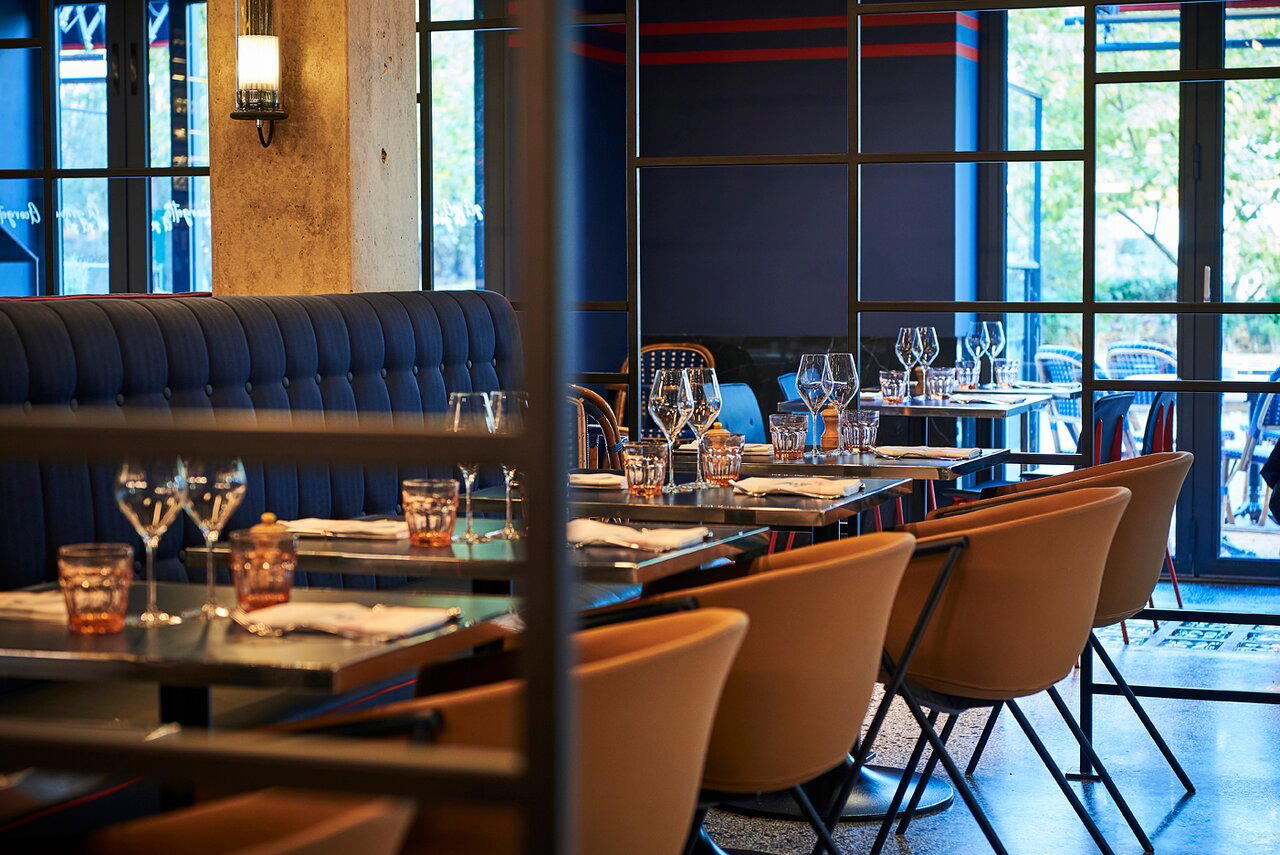
Restaurants in Reims
Browse all →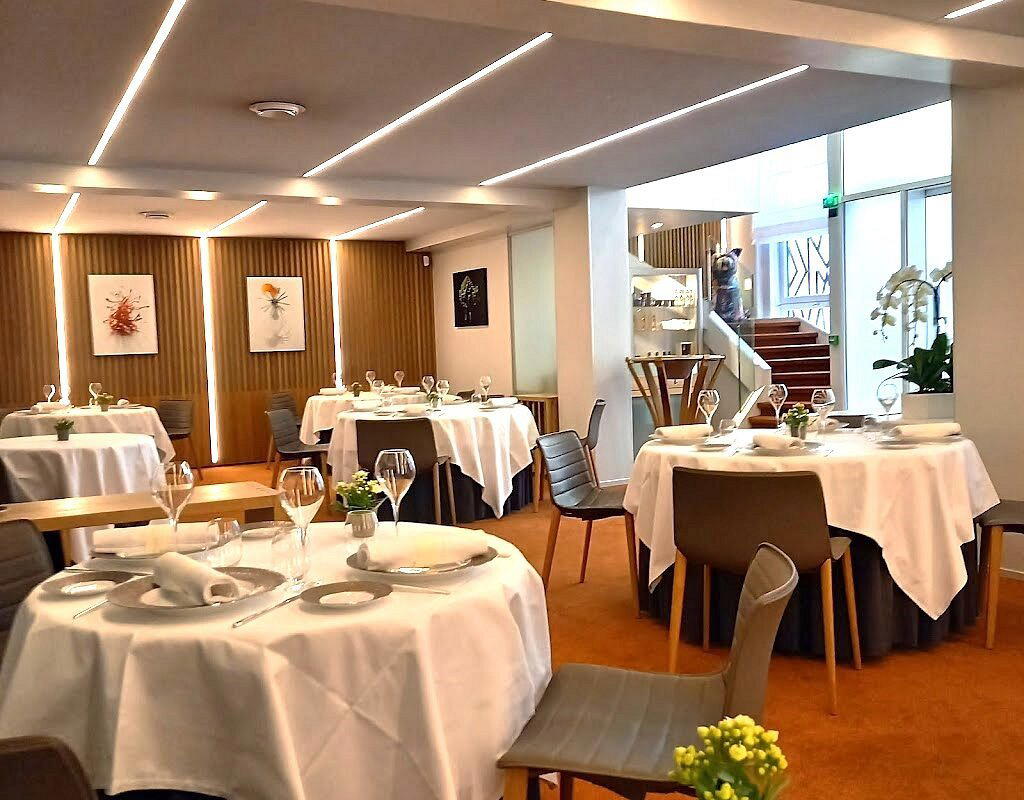
Bars in Reims
Browse all →
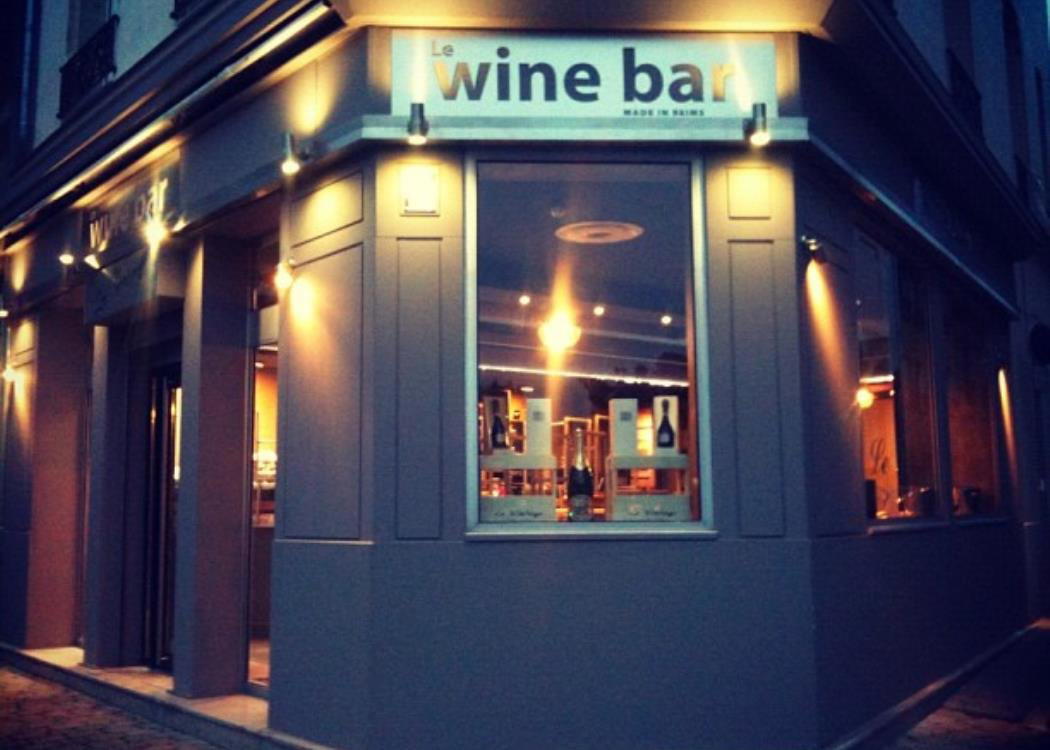
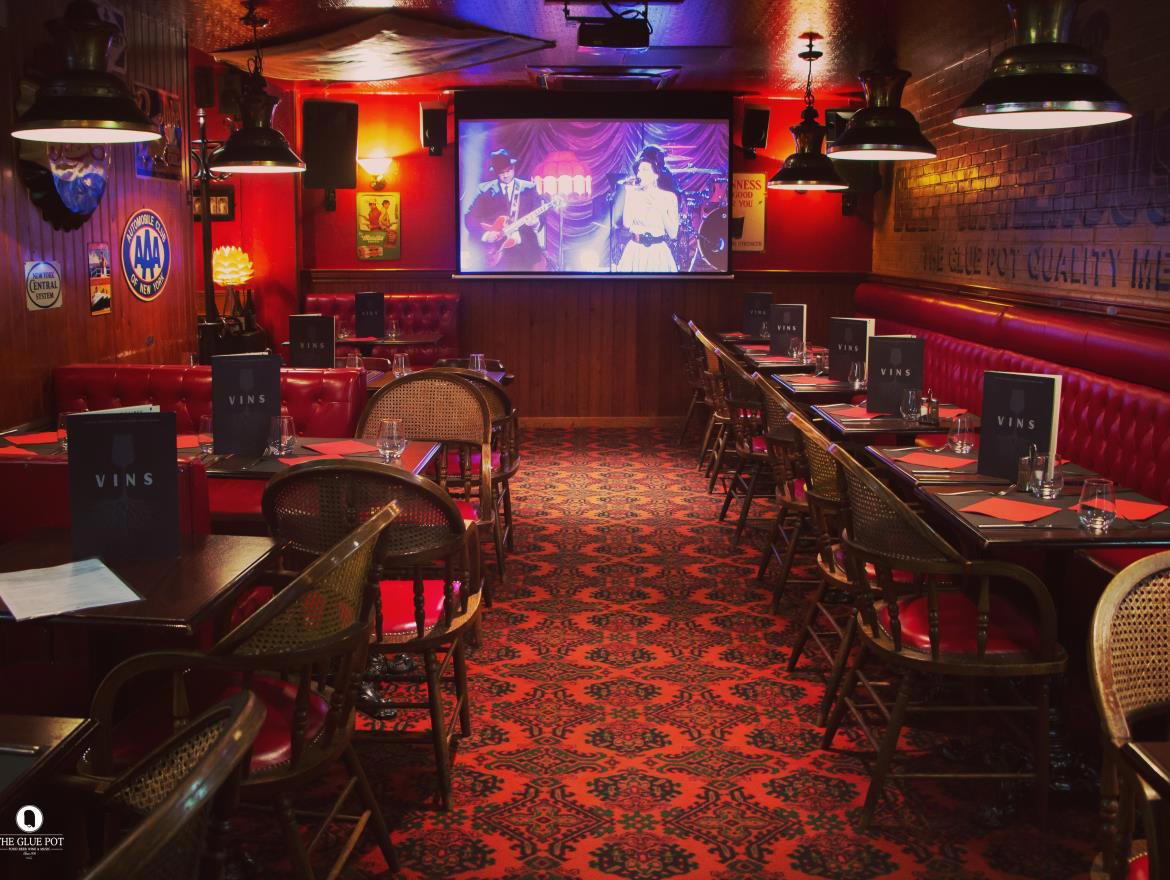
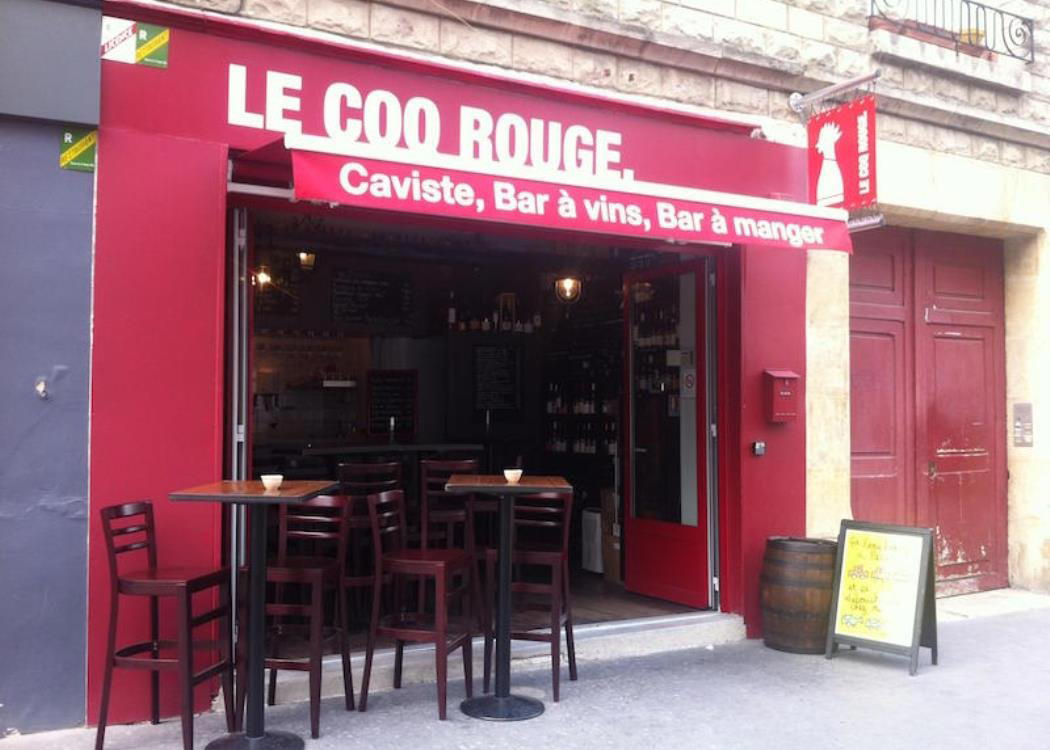
Hotels in Reims
Browse all →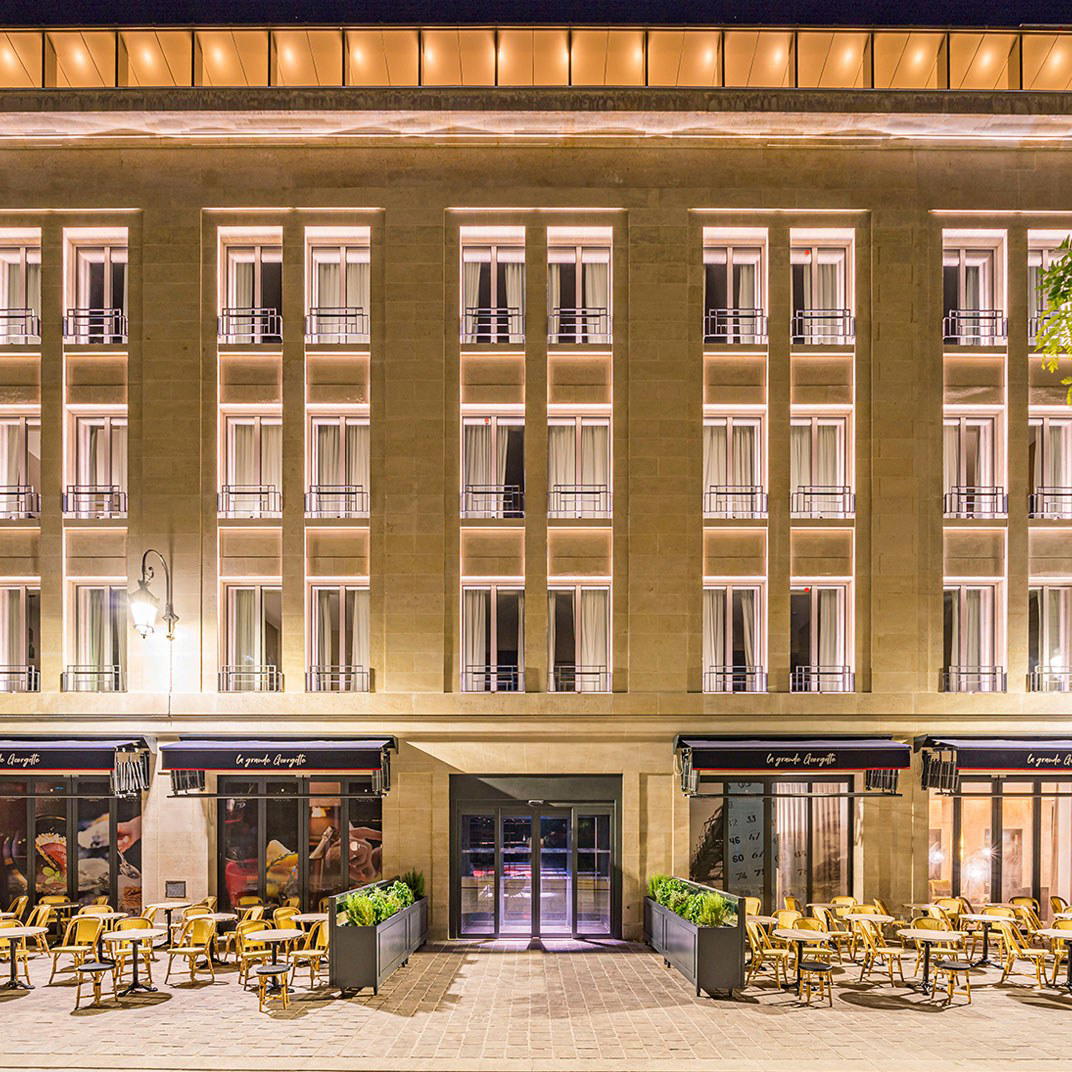
At a Glance
- Intimate
- Classic
- Cozy
- Date Night
- Special Occasion
- Casual Hangout
- Standalone
- Terrace
- Extensive Wine List
- Sustainable Seafood
- Local Sourcing
Current opening hours
- Monday
- Closed
- Tuesday
- 12–1:15 PM, 7–9 PM
- Wednesday
- 12–1:15 PM, 7–9 PM
- Thursday
- 12–1:15 PM, 7–9 PM
- Friday
- 12–1:30 PM, 7–9:30 PM
- Saturday
- 12–1:30 PM, 7–9:30 PM
- Sunday
- Closed
Hours can change for holidays and private events. Last verified .
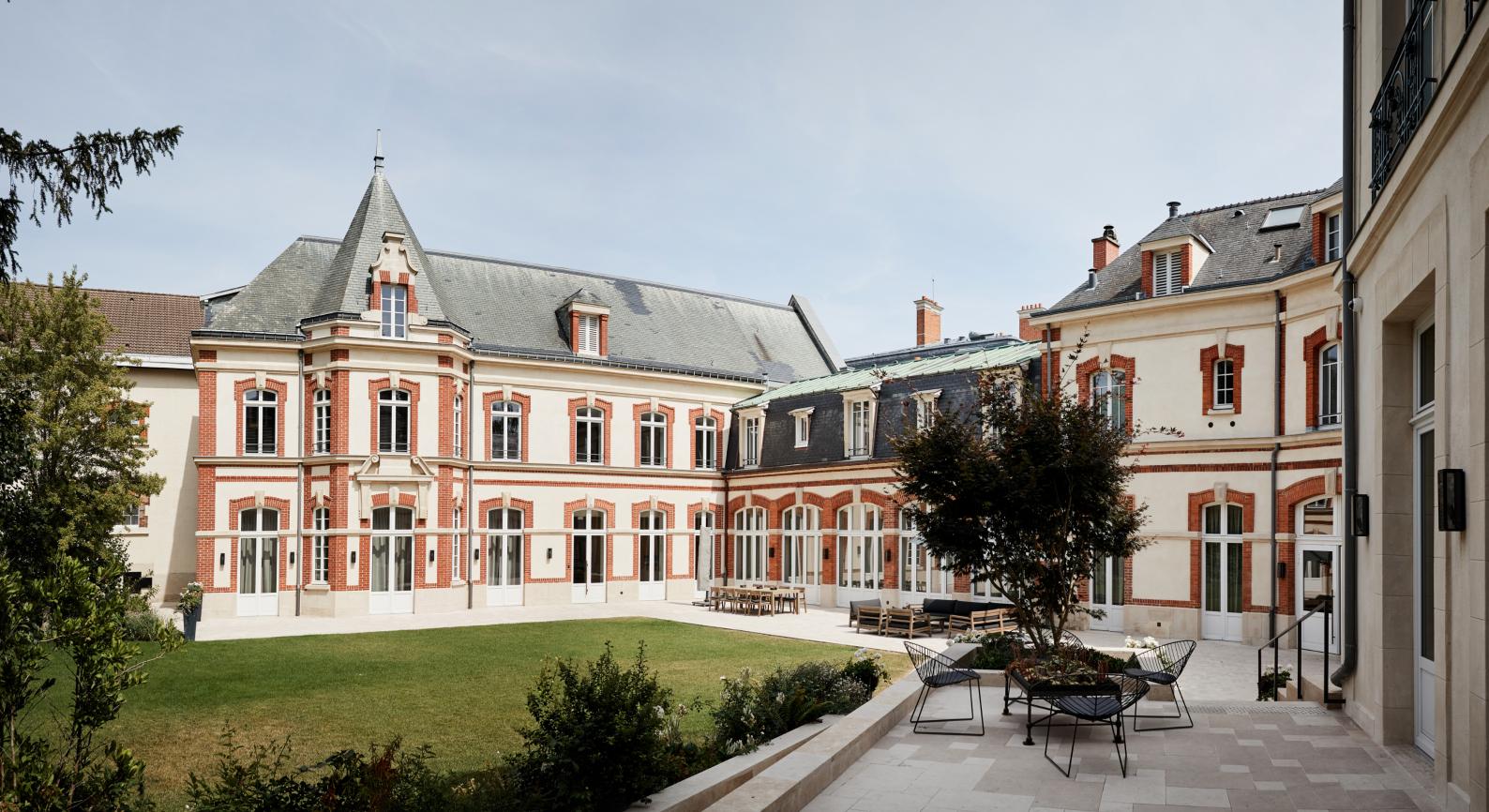
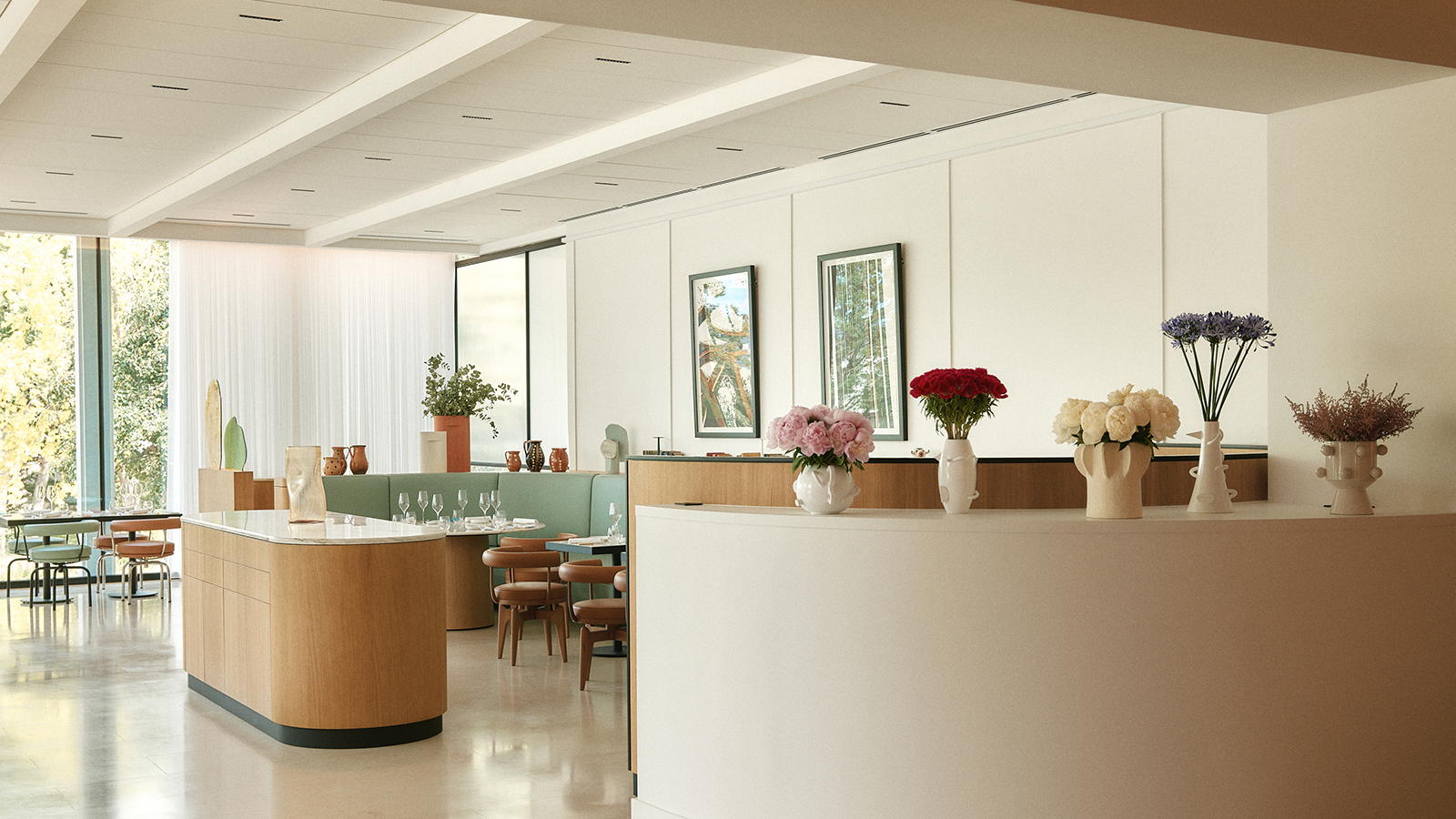
Light-flooded dove-grey tea room with marble-topped tables, industrial stairway access, brightly decorated with amusing posters, intimate and warm atmosphere.