On Fécamp's working harbour front, Allouvi occupies a position that says everything about the Norman coast's relationship with its own produce. The Channel sets the larder here, and the kitchen works close to that source. For a port town that rarely appears on French fine-dining itineraries, Allouvi is the address that changes that calculation.
Pearl is the En Primeur Club membership app — saves, bookings, and concierge access live there. Same editors, same standards.
- Address
- 23 Quai de la Vicomte, 76400 Fécamp, France
- Phone
- +33235281594
- Website
- facebook.com
- Directions
- Get directions
 Saves & bookings on Pearl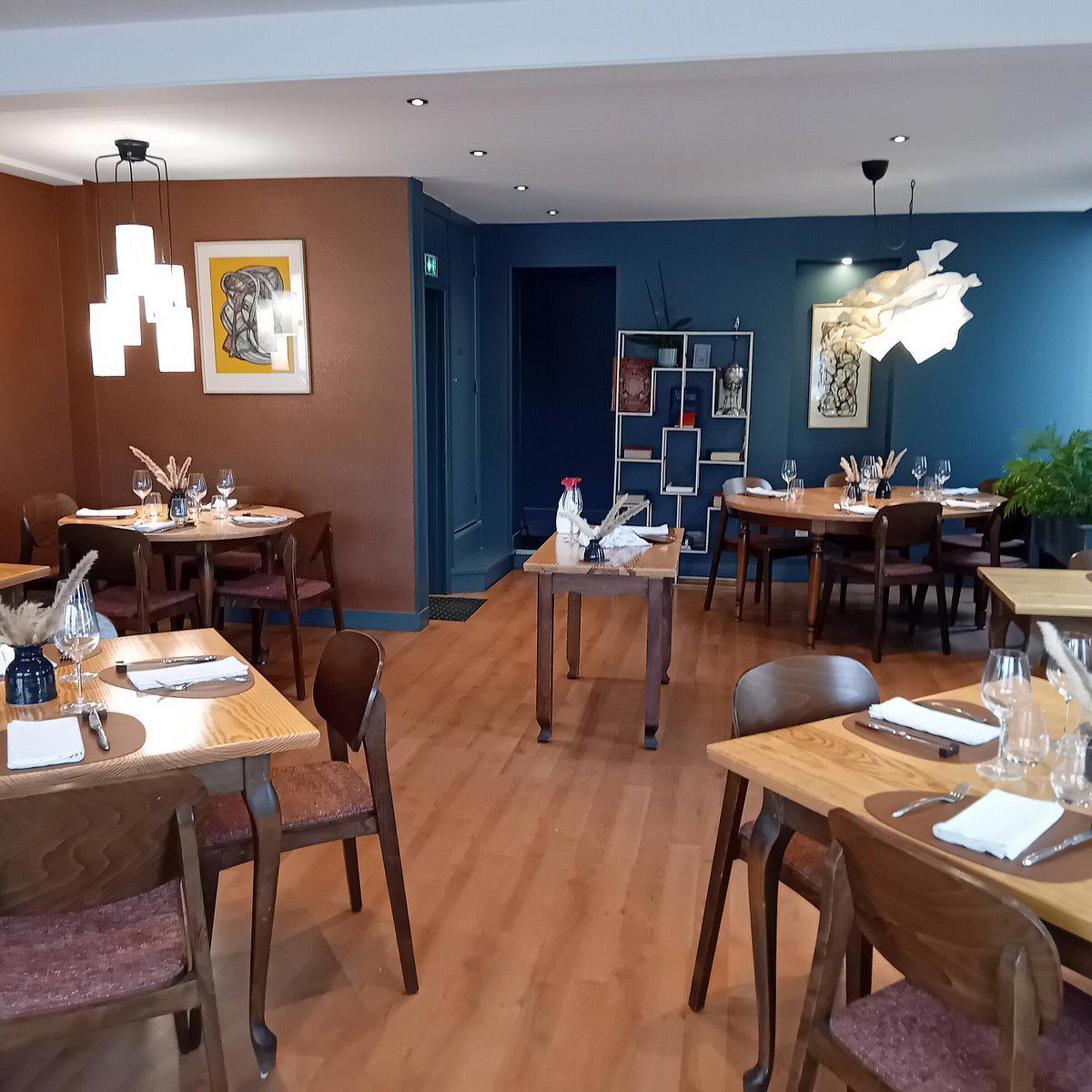
Where the Quayside Becomes the Kitchen
The Quai de la Vicomte runs along Fécamp's inner harbour, and the view from that address is not picturesque in any curated sense: fishing trawlers, salt air, ropes and rigging, the low industrial hum of a port that still earns its living from the sea. Allouvi sits directly within that environment at number 23. The Norman coast does not dress itself up for visitors, and a restaurant that places itself on this particular quayside is making a deliberate statement about where its priorities lie. The building faces the water that supplies it. That proximity is not incidental, it is the premise.
Fécamp sits roughly halfway between Le Havre and Dieppe on the Alabaster Coast, a stretch of Normandy defined by dramatic white chalk cliffs and a fishing tradition that runs centuries deep. The town was historically among the more significant cod-fishing ports in France, sending fleets as far as Newfoundland's Grand Banks from the fifteenth century onward. That history has not disappeared. The harbour remains active, and the catch that moves through it reflects the particular character of the Channel: scallops, sole, turbot, herring, and the shellfish beds that line the Norman littoral. For a kitchen committed to ingredient provenance, there is no better address in the region than a building that looks directly onto the source.
The Channel as Larder: Sourcing on the Norman Coast
French coastal gastronomy has always operated on a spectrum between two philosophies. At one end, kitchens with serious technical ambitions, places like Christopher Coutanceau in La Rochelle, which holds two Michelin stars and has built its reputation on Atlantic seafood handled with surgical precision, demonstrate that proximity to source and fine-dining ambition are entirely compatible. At the other, simpler harbour-side bistros treat the catch with minimum intervention, letting the product carry the plate. The interesting creative territory, and where the more compelling Norman addresses tend to operate, sits between those poles: sourcing with the rigour of the former, cooking with the directness of the latter.
Normandy's ingredient map is specific enough to support an entire kitchen philosophy without looking further than the surrounding department. The region produces some of France's most distinguished dairy, the butter and cream that define Norman cooking are not interchangeable with other French equivalents, alongside apple orchards whose fruit feeds both the cider tradition and the calvados distilleries that Fécamp knows well, given that the Bénédictine distillery is among the town's most recognised institutions. Add the Channel's cold-water seafood, with its firmer texture and more pronounced mineral character compared to Mediterranean equivalents, and the sourcing argument for cooking Norman cuisine in Normandy is essentially self-contained.
This is what separates coastal Norman kitchens from, say, the three-star ambitions of an operation like Mirazur in Menton, which gardens its own produce on Mediterranean terraces, or Bras in Laguiole, which built its identity around the flora of the Aubrac plateau. Those are kitchens where the sourcing philosophy is the publicly stated architecture of the menu. For a harbour-side address in Fécamp, the sourcing argument is more structural than philosophical, it is simply the reality of what arrives fresh, what the local economy produces, and what the local tradition knows how to handle.
Fécamp's Place in the French Restaurant Conversation
France's fine-dining geography is heavily centred on Paris and the major gastronomic cities. The addresses that dominate the national conversation, Alléno Paris au Pavillon Ledoyen, Troisgros in Ouches, Auberge de l'Ill in Illhaeusern, Paul Bocuse in Collonges-au-Mont-d'Or, are either in major urban centres or in regions with established gastronomic identities: Lyon, Alsace, the Alps, the Languedoc. Normandy has serious entries in that national map, but they are not clustered in the coastal fishing towns. They tend to sit further inland or in the larger regional centres.
Fécamp, as a result, sits at an interesting position: a town with genuine culinary raw material, some of the leading seafood supply in northern France, a strong dairy tradition, a calvados heritage, but without the infrastructure of gastro-tourism that surrounds, say, the Périgord or the Loire Valley. For a restaurant committed to working with what the harbour and the surrounding Norman countryside provide, that relative quiet is an advantage. There is no pressure to perform for a pre-existing audience of food tourists. The cooking can answer to the place rather than to expectation.
For those already touring the Alabaster Coast, Fécamp is the natural anchor point. The town warrants an overnight stay if the harbour, the cliffs, and the Bénédictine museum are on the itinerary alongside dinner.
Placing Allouvi in its Neighbourhood Context
The Quai de la Vicomte address puts Allouvi in direct conversation with the working port rather than the tourist-facing parts of Fécamp. That distinction matters for what to expect atmospherically. This is not a room designed around scenography or a chef's personal brand, it is a harbour-side address in a working Norman port, and the room should be read accordingly. The comparison set is not the destination restaurant circuit of houses that require advance planning months out. It is closer to the serious regional addresses that France has always sustained quietly: places where the cooking is grounded in local product, the format is approachable, and the value proposition relative to comparable urban establishments tends to be considerably more favourable.
For context on what serious coastal cooking can look like at the upper tier of French ambition, Christopher Coutanceau and the Atlantic seafood tradition he represents offer a useful reference point. For the broader conversation about French regional cooking and ingredient-led philosophy, addresses like Auberge du Vieux Puits in Fontjoncouse and AM par Alexandre Mazzia in Marseille show how French regional kitchens can operate with singular focus on local material. Fécamp's entry in that conversation is quieter, but the raw material it sits beside is no less serious. Also worth noting nearby: Le Barbican offers another anchor point in Fécamp's dining scene.
Planning a Visit
Reservations are recommended, and the restaurant serves lunch and dinner Monday, Tuesday, Friday, Saturday, and Sunday; it is closed Wednesday and Thursday. Given the town's relative distance from major transport hubs and the limited dining options at this level in Fécamp, planning the visit around a confirmed reservation makes sense. Winter visits are possible but require more logistical consideration for travel along the coastal roads.
Comparable Spots, Quickly
Comparable venues nearby, for context on price, style, and recognition.
| Venue | Cuisine | Price | Notes |
|---|---|---|---|
| AllouviThis venue — the venue you are viewing | Modern French Seasonal | $$$ | Not listed |
| Le Barbican | Traditional French Coastal Bistro with Fish & Chips | $$ | port |
| La Droguerie 1904 | Modern French Fusion Bistro | $$$ | Vieux Bassin |
| 1899 | Seasonal Bistronomic Normandy | $$$ | Tourgéville |
| Le Petit Canard | Traditional French Duck Bistro | $$$ | 9th arrondissement |
| L'Estampille | French Gastropub with Norman Specialties | $$$ | Place de Paris |
Continue exploring
More in Fécamp
Restaurants in Fécamp
Browse all →
Bars in Fécamp
Browse all →
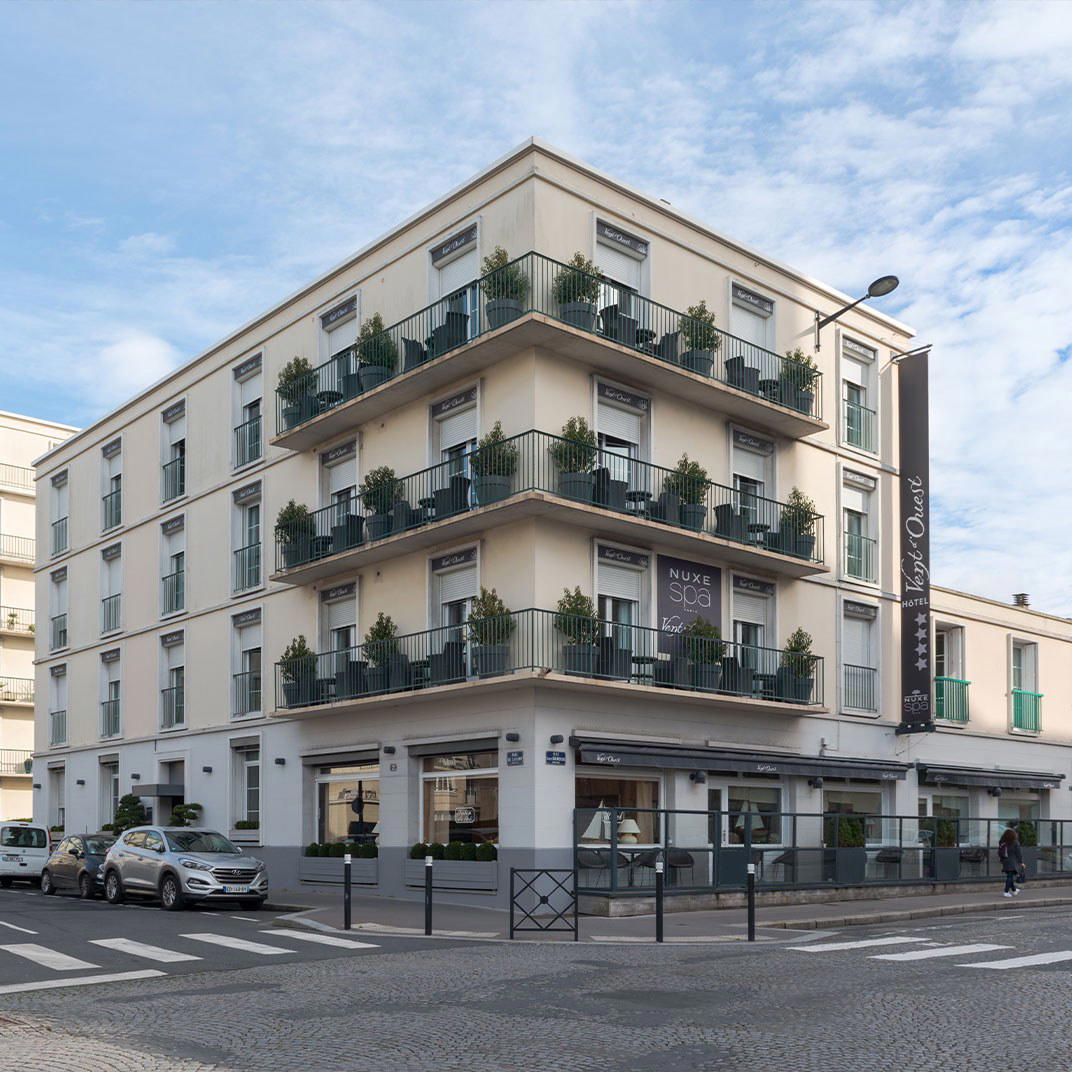
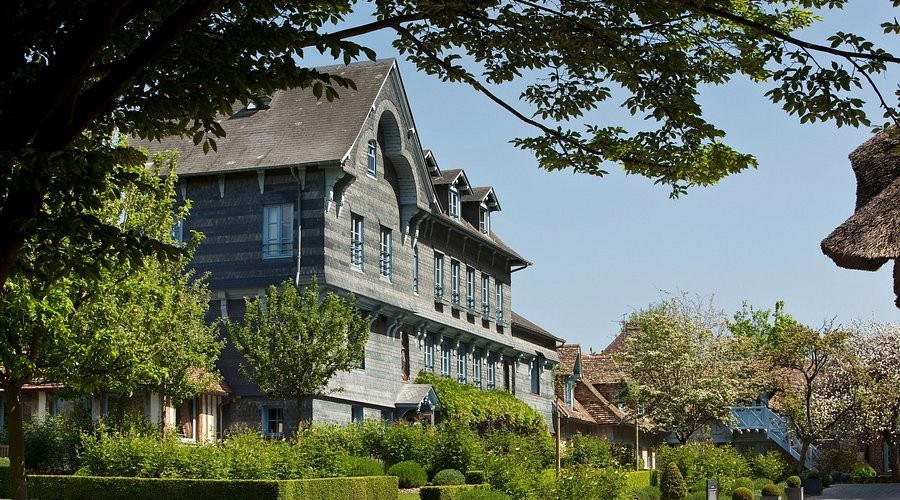
Hotels in Fécamp
Browse all →
Wineries in Fécamp
Browse all →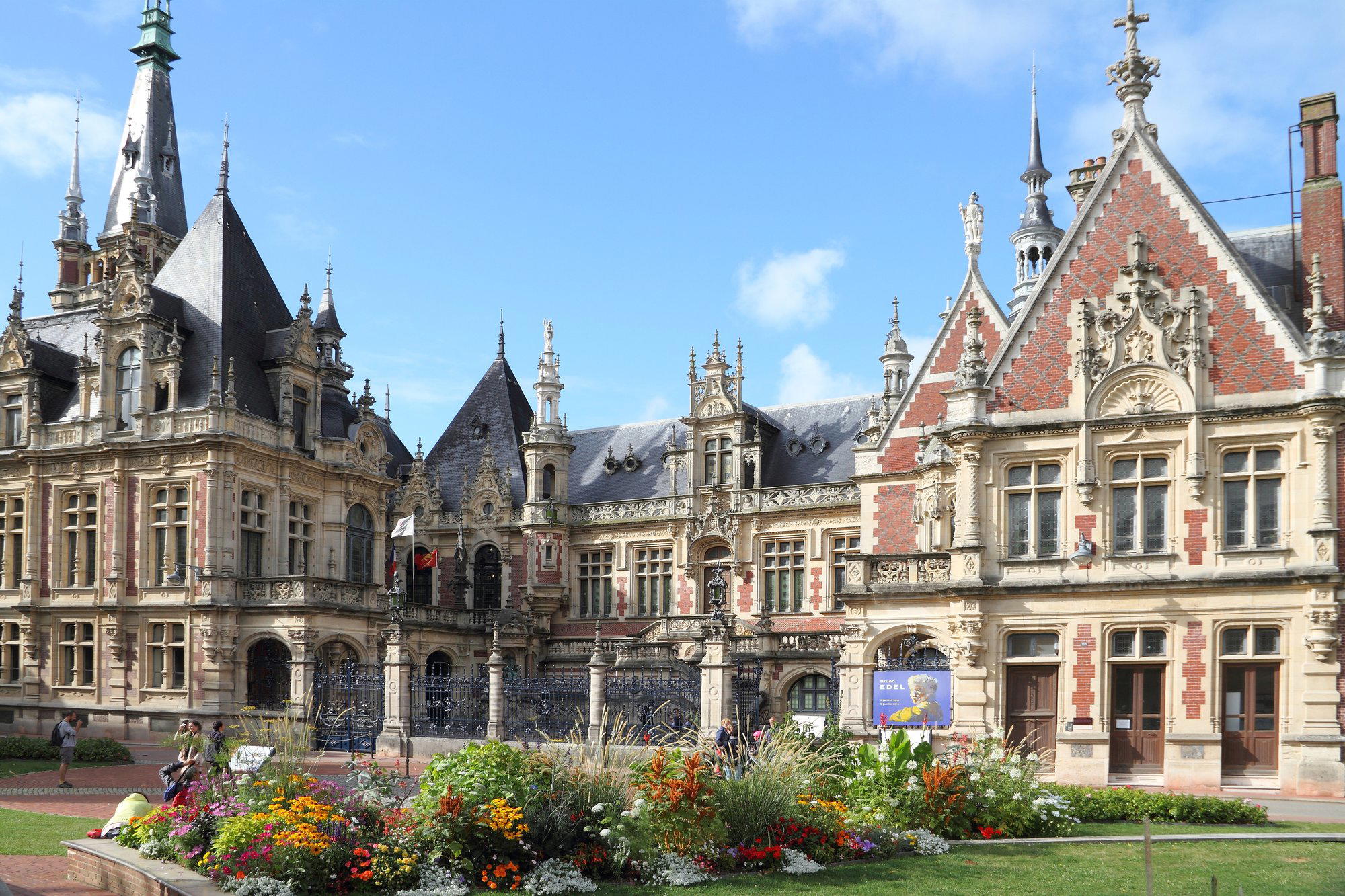
At a Glance
- Romantic
- Scenic
- Elegant
- Modern
- Date Night
- Family
- Celebration
- Special Occasion
- Waterfront
- Private Dining
- Terrace
- Beer Program
- Farm To Table
- Local Sourcing
- Organic
- Waterfront
Current opening hours
- Monday
- 12:15–1:30 PM, 7:30–9 PM
- Tuesday
- 12:15–1:30 PM, 7:30–9 PM
- Wednesday
- Closed
- Thursday
- Closed
- Friday
- 12:15–1:30 PM, 7:30–9 PM
- Saturday
- 12:15–1:30 PM, 7:30–9 PM
- Sunday
- 12:15–1:30 PM, 7:15–9 PM
Hours can change for holidays and private events. Last verified .
Elegant yet unpretentious with careful, minimalist décor; luminous and refined with attention to table presentation; located at the crossroads of port and beach offering lively coastal views.