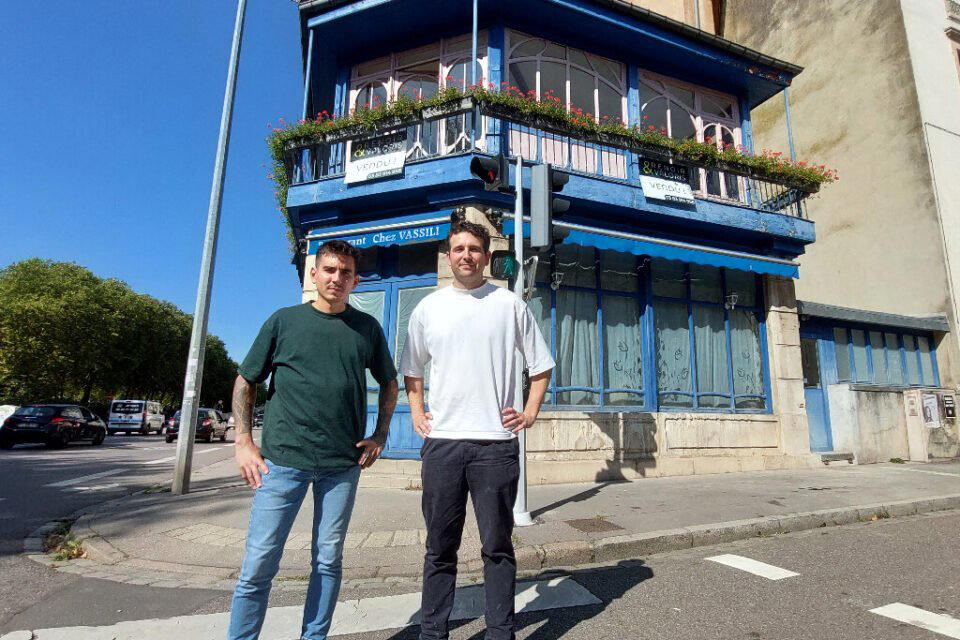
On a quiet street in Lunéville, Le Banaudon represents the kind of address that sustains a provincial French town's dining identity long after the guidebook circuit moves on. The kitchen draws on the produce traditions of Lorraine, a region whose forests, rivers, and market gardens have fed serious cooks for centuries. For visitors to the Château de Lunéville corridor, it sits alongside Château d'Adoménil as a reason to stay the night rather than pass through.
Pearl is the En Primeur Club membership app — saves, bookings, and concierge access live there. Same editors, same standards.
- Address
- 16 Rue Banaudon, 54300 Lunéville, France
- Phone
- +33383779121
- Website
- lebanaudon.com
- Directions
- Get directions
 Saves & bookings on Pearl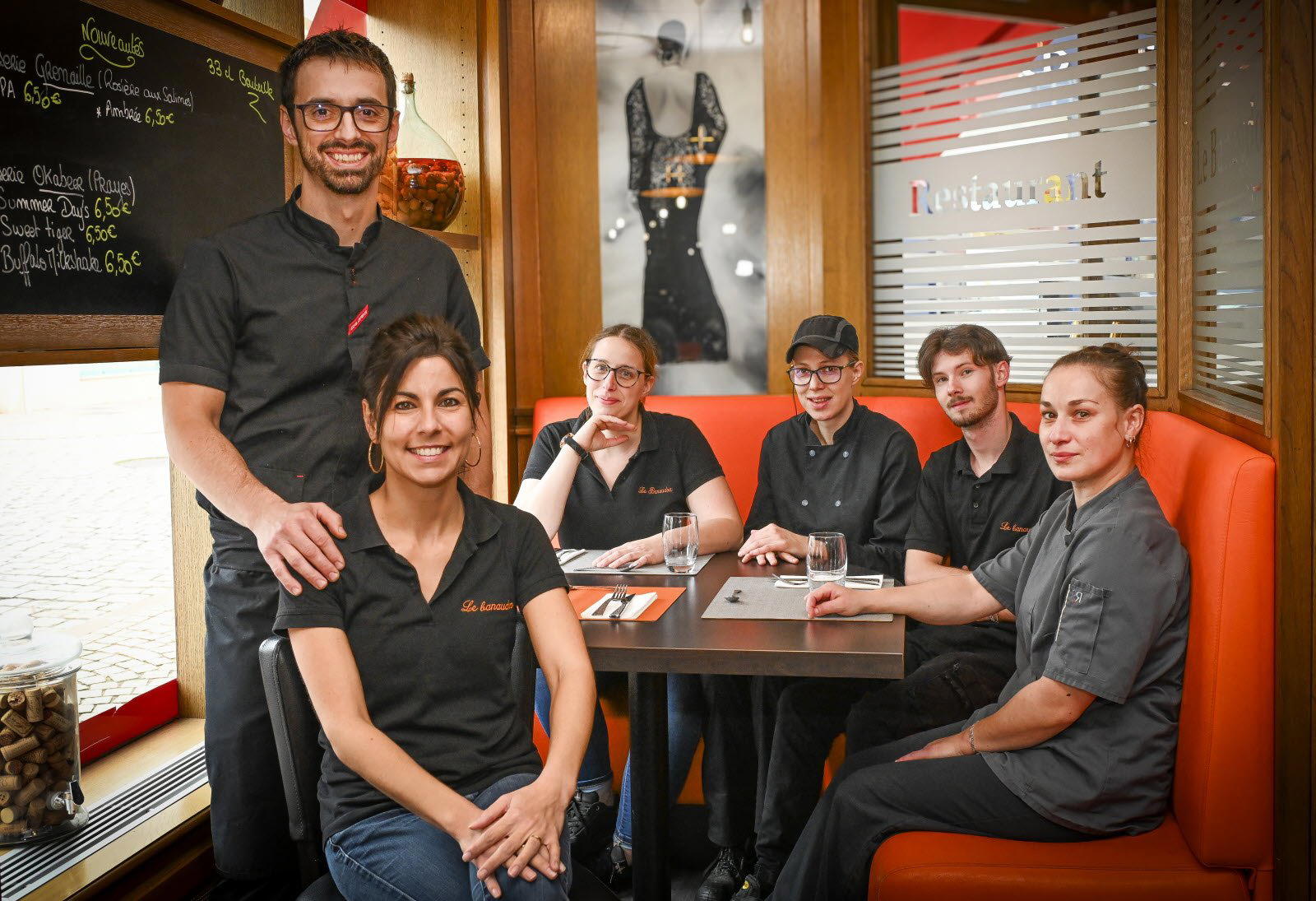
Lunéville and the Lorraine Produce Tradition
Provincial France maintains a category of restaurant that Paris rarely replicates: the neighbourhood address rooted so completely in its local supply chain that the menu is, in effect, a seasonal map of the surrounding countryside. Lorraine, more than most French regions, has the raw materials to sustain this kind of cooking. The Moselle valley delivers freshwater fish. The forests north and east of Nancy yield game through autumn and winter. Market gardeners around Lunéville itself have supplied the town's kitchens for generations, producing the mirabelle plums, potatoes, and brassicas that appear as constants across the regional table.
Le Banaudon sits at 16 Rue Banaudon in Lunéville, a few minutes from the Château de Lunéville, the so-called Versailles of Lorraine. That proximity matters for context: Lunéville is not a passing stop on the way to somewhere else. It is a town with its own architectural and culinary gravity, and the restaurants that anchor it tend to reflect the regional larder rather than chasing trends arriving late from Paris or Lyon. For a broader picture of where Le Banaudon fits within the town's dining options,
The Case for Ingredient-Led Cooking in Lorraine
The strongest argument for eating in Lorraine rather than in a major French city is also the simplest one: proximity to source compresses the gap between harvest and plate in ways that urban supply chains cannot match. This is the logic that underpins the appeal of addresses like Bras in Laguiole, where the Aubrac plateau functions as a living larder, or Flocons de Sel in Megève, where Alpine producers shape the menu from one season to the next. In each case, the region's geography is the kitchen's primary collaborator.
Lorraine brings its own version of this logic. The mirabelle plum, protected by a regional geographic indication, is one cited example: it grows commercially almost nowhere else in the world at the volumes Lorraine produces, and its late-summer window is brief enough that restaurants working with it operate on a schedule dictated by the orchards, not the dining room. Beyond mirabelles, the region's Munster cheese crosses from Alsace but finds its Lorraine expressions in border-country kitchens; quiche Lorraine, now a global shorthand, was originally a vehicle for local lard, eggs, and cream rather than a recipe transferred from a cookbook. Ingredient-led cooking here is not a positioning statement but a structural feature of how the regional table has always worked.
This context positions Le Banaudon within a French tradition that predates the farm-to-table branding of the past two decades. The question worth asking of any Lorraine kitchen is not whether it sources locally but how transparently it lets those sources dictate the menu. Particularly credible provincial French addresses tend to wear their supply chain lightly: the dish arrives, the produce speaks, and the technique stays in the background.
Where Le Banaudon Sits in the Local comparable set
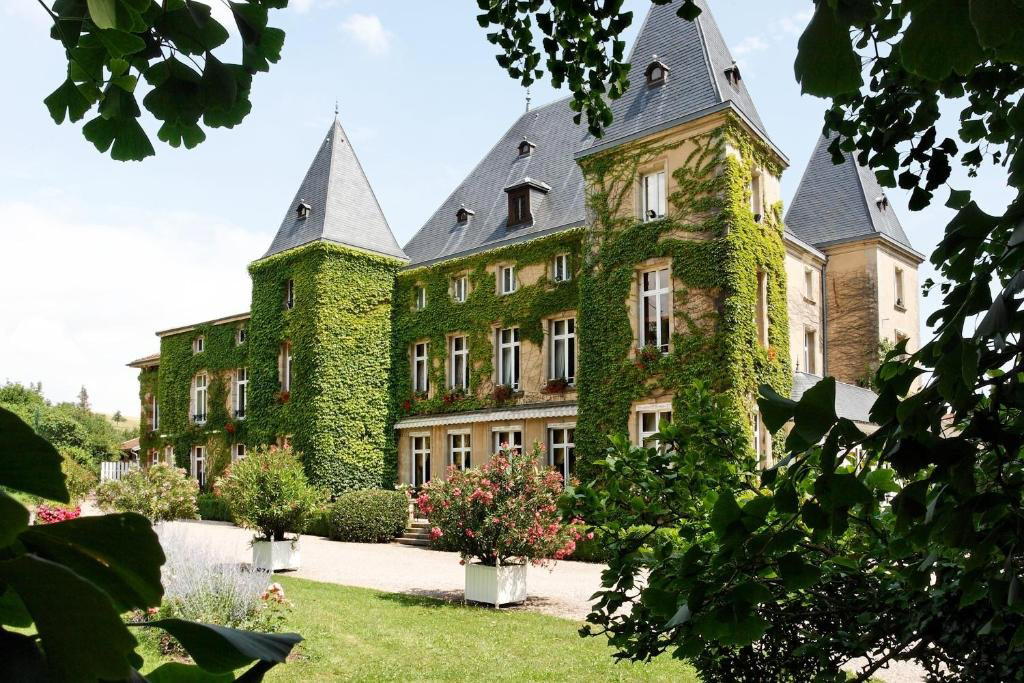
Lunéville's most decorated kitchen is currently Château d'Adoménil, a Michelin-starred property that operates in a different price tier and format, offering a full country-house dining experience rather than a neighbourhood address. The restaurant occupies a complementary position in the town's dining structure: accessible where Château d'Adoménil is occasion-specific, embedded in the street fabric of Lunéville rather than set apart on a domain. Le Floréal rounds out the local set, giving visitors arriving in Lunéville a genuine choice of register and price point without leaving the town.
The wider Alsace-Lorraine dining corridor puts these local addresses in regional context. Auberge de l'Ill in Illhaeusern remains the region's most historically significant kitchen, holding three Michelin stars across multiple generations of the Haeberlin family. Au Crocodile in Strasbourg represents the urban expression of Alsatian fine dining. The restaurant operates at a different scale from both, serving a local clientele and occasional visitors rather than a destination-dining circuit. That distinction is worth holding: not every address in a region needs to compete at the same level to justify the trip.
The Broader French Provincial Model
France's most compelling restaurant argument, made repeatedly over the past century, is that the provinces contain as much culinary intelligence as the capital, distributed differently. Troisgros in Ouches, Paul Bocuse in Collonges-au-Mont-d'Or, and Georges Blanc in Vonnas all built their reputations outside Paris, drawing on regional identity rather than metropolitan density. The same logic applies, at a smaller scale, to what survives and functions in a town like Lunéville: restaurants that would not exist without a community willing to eat in them regularly, using produce that would not be worth cultivating without a local market to absorb it.
Addresses like Mirazur in Menton and Auberge du Vieux Puits in Fontjoncouse have made the case internationally for French regional kitchens rooted in their immediate geography. Assiette Champenoise in Reims does it within driving distance of Paris. The restaurant does it in a smaller arena, for a smaller audience, which is precisely what provincial France needs its neighbourhood restaurants to do.
For those curious about how French technique travels across scales and geographies, the contrast between a Lunéville neighbourhood address and destination kitchens like Alléno Paris au Pavillon Ledoyen or AM par Alexandre Mazzia in Marseille is itself instructive. Ambition concentrates differently at each scale. International benchmarks like Le Bernardin in New York City and Atomix in New York City and Christopher Coutanceau in La Rochelle remind us that ingredient rigour is not a provincial virtue alone, but it often finds its clearest expression in places where the supply chain is short enough to be walked rather than managed.
Planning Your Visit
The restaurant is located at 16 Rue Banaudon in Lunéville, roughly 30 kilometres southeast of Nancy along the N4 corridor, making it reachable as a day trip from the regional capital or as part of a longer loop through Lorraine. Lunéville itself warrants time: the Château de Lunéville, partially restored after a devastating fire in 2003, remains among the more architecturally significant baroque complexes in eastern France. Visitors combining the château with a meal in town will find the positioning of the restaurant practical rather than incidental.
The restaurant is recommended for reservations, and it opens Monday to Saturday for lunch, with dinner service on Friday and Saturday.
Side-by-Side Snapshot
Comparable venues nearby, for context on price, style, and recognition.
| Venue | Cuisine | Price | Awards | Notes |
|---|---|---|---|---|
| Le BanaudonThis venue — the venue you are viewing | Traditional French Brasserie | $$ | Not listed | Not listed |
| Le Floréal | Traditional French Bistro | $$$ | Not listed | Place Léopold |
| Château d'Adoménil | Contemporary French Fine Dining | $$$$ | Michelin 1 Star | Réhainviller |
| Le Dizneuf | French Brasserie | $$ | Not listed | Place Charles-III |
| La Cantoche | French Contemporary Brasserie | $$ | Not listed | central Metz |
| L’aventure | French Mountain Grill | $$ | Not listed | Oz en Oisans |
Continue exploring
More in Lunéville
Restaurants in Lunéville
Browse all →
At a Glance
- Classic
- Cozy
- Business Dinner
- Special Occasion
- Private Dining
- Local Sourcing
- Street Scene
Current opening hours
- Monday
- 12–1:30 PM
- Tuesday
- 12–1:30 PM
- Wednesday
- 12–1:30 PM
- Thursday
- 12–1:30 PM
- Friday
- 12–1:30 PM, 7–9 PM
- Saturday
- 12–1:30 PM, 7–9 PM
- Sunday
- Closed
Hours can change for holidays and private events. Last verified .
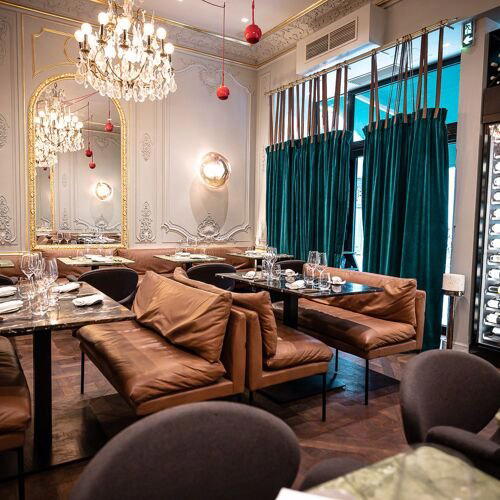
Pleasant and friendly atmosphere with nice, efficient service.