On Place Henri Mengin, Le Dizneuf occupies one of Nancy's quieter squares at a remove from the tourist circuit around Place Stanislas. The address places it within a city that takes its table seriously, with a dining scene that spans classic Lorraine cooking and a newer wave of modern French technique. For wine-focused visitors, the cellar is the starting point for any serious conversation about the restaurant.
Pearl is the En Primeur Club membership app — saves, bookings, and concierge access live there. Same editors, same standards.
- Address
- 19 Pl. Henri Mengin, 54000 Nancy, France
- Phone
- +33383231556
- Directions
- Get directions
 Saves & bookings on Pearl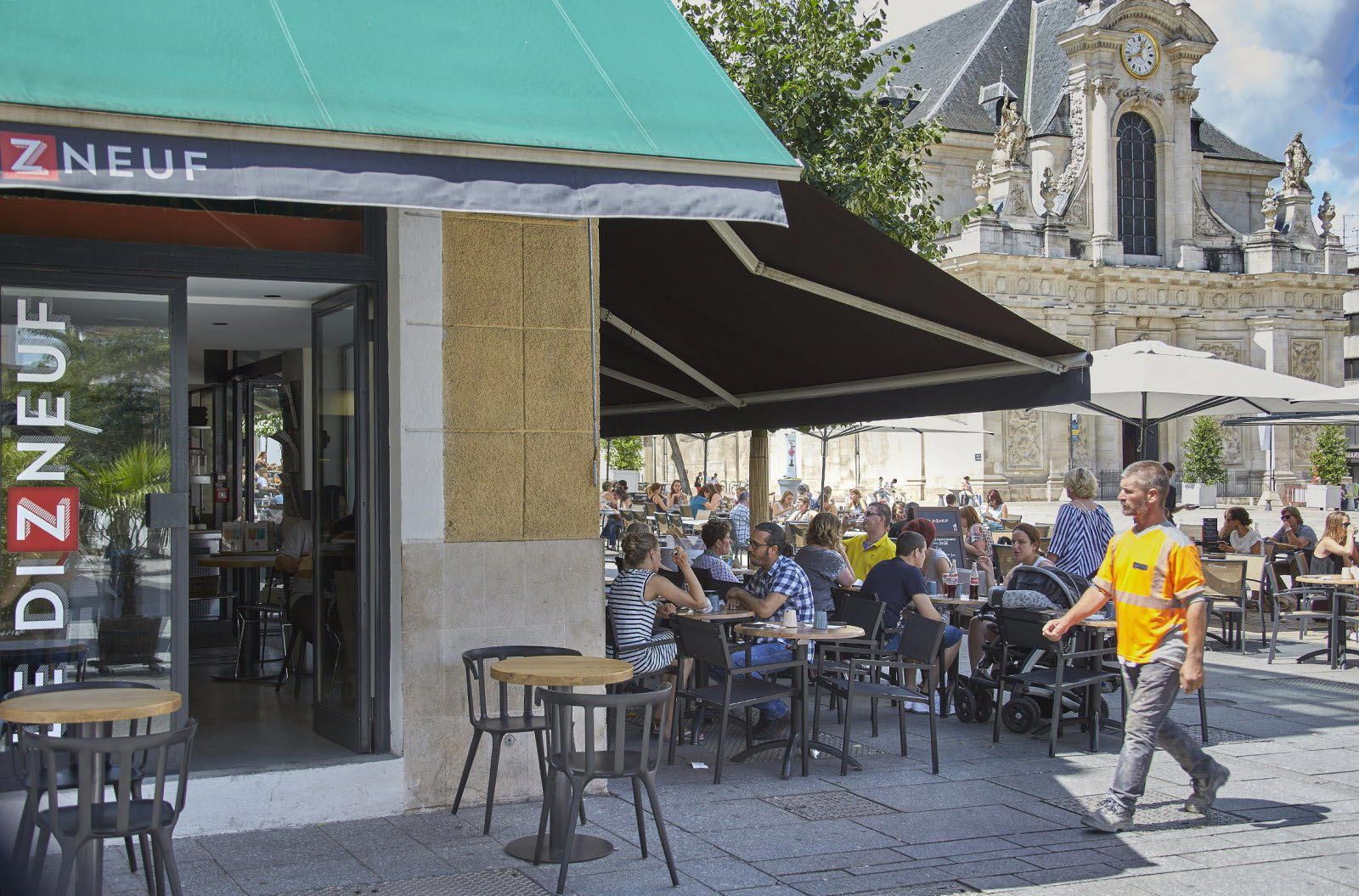
Nancy's Dining Scene and Where Le Dizneuf Sits Within It
The northeast of France tends to be underread as a dining destination. Alsace absorbs most of the attention, with Au Crocodile in Strasbourg and the long-established reputation of Auberge de l'Ill in Illhaeusern commanding the regional narrative. Nancy, the former capital of the Duchy of Lorraine, operates in that shadow despite a table culture that stretches back centuries. The city's dining rooms range from classic Lorraine cooking, quiche, mirabelle preparations, pike-perch from the Moselle, to a younger wave of modern French technique with the same ambitions you'd find in Lyon or Bordeaux. Le Dizneuf fits neatly into that range, offering a direct French brasserie address in the city center.
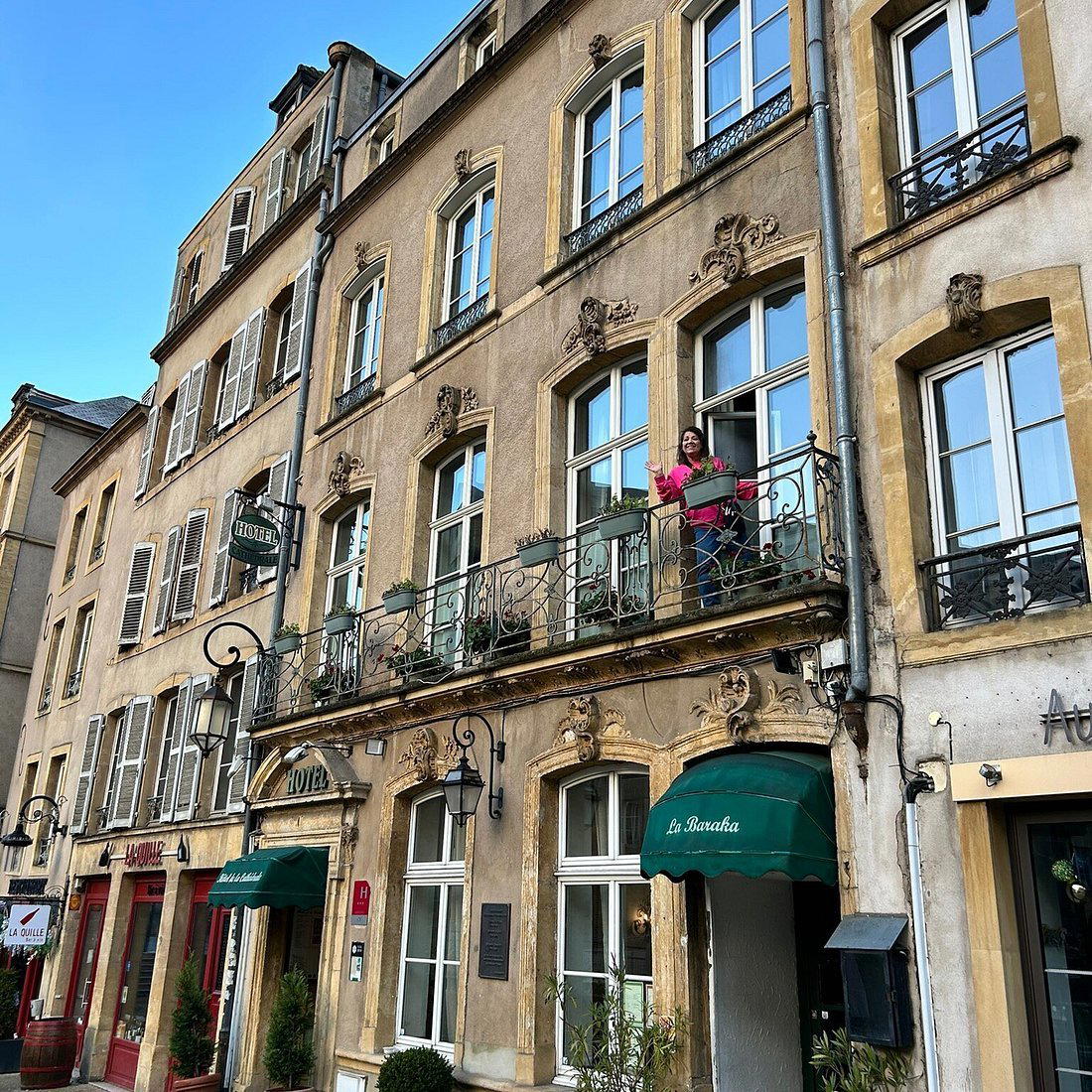
Place Henri Mengin sits at a distance from the heavily photographed baroque geometry of Place Stanislas, which means the immediate surroundings are quieter and more residential in character. That address at number 19, dix-neuf in French, hence the name, positions the restaurant away from the tourist-facing cluster while remaining inside the historic core. In French regional dining, that kind of placement often correlates with a more local, repeat clientele, which in turn shapes the depth of a wine program: rooms that depend on international visitors tend toward accessible, legible lists; rooms that serve the same faces week after week tend to invest in depth and producer range.
The Wine Argument: Why Cellars Define Regional Ambition
Across France's second-tier cities, the wine list has become one of the clearest signals of a restaurant's actual ambitions. A kitchen can signal modernity through plating and technique, but a cellar requires investment, patience, and a point of view that compounds over years. The distinction between a list assembled for margin and one curated for coherence is immediately legible to anyone who has spent time in serious French dining rooms.
In Lorraine specifically, proximity to Alsace and Champagne creates a natural context for wine programs that reach beyond Burgundy and Bordeaux, the two default gravitational centers of French restaurant lists. A restaurant in Nancy with genuine cellar ambition might pull from Champagne's grower-producer tier, compare the depth available at Assiette Champenoise in Reims, or from the Vosges-adjacent Alsatian producers that rarely appear on Paris lists. The Loire, the Jura, and the wines of the emerging Moselle AOC are all plausible directions for a list that wants to say something specific about its geography.
Nationally, the conversation about restaurant wine programs has shifted considerably. Houses like Alléno Paris au Pavillon Ledoyen and Mirazur in Menton have helped establish that a wine program at the highest level requires the same conceptual rigor as the kitchen. Further afield, the comparison extends to Bras in Laguiole and Flocons de Sel in Megève, both of which have cellars that reflect the terrain and producer relationships of their specific regions rather than defaulting to prestige appellations. In Nancy, the ceiling for wine ambition is higher than the city's relative obscurity might suggest.
Placing Le Dizneuf in Nancy's Competitive Set
Nancy's serious dining addresses cluster across a few distinct tiers. At the upper end, La Maison dans le Parc operates in the modern cuisine category at the €€€ price point, setting the benchmark for formal dining in the city. Au Grand Sérieux and Bastion represent further options in the considered dining tier. At a more accessible price, Bistrot Gros and Cadet offer modern cuisine at the €€ level, which is where much of the creative energy in French regional cities has migrated over the past decade.
Le Dizneuf's precise position within that hierarchy remains unlisted. Frequently discussed Nancy addresses tend to collect recognition relatively quickly given the city's manageable scale. An address that operates without that paper trail may be newer to serious dining or serving a local audience.
What the Address Signals
The physical address on Place Henri Mengin is the clearest piece of available information, and in French dining culture, addresses carry meaning. The square itself is a modest, functional space without the baroque grandeur of Place Stanislas a short distance away. Restaurants that choose such addresses tend to invest in the room and the plate rather than in location premium. In Paris, comparable logic applies to the difference between a table on a well-trafficked boulevard and one on a narrow street in the 11th or 10th: the latter often delivers more for the money precisely because rent doesn't dictate margin calculations.
For visitors arriving from elsewhere in France, Nancy is accessible by TGV from Paris Gare de l'Est in approximately 90 minutes, which places the city within reach for a focused dining trip. The station is roughly a 15-minute walk from Place Henri Mengin, making the restaurant practical to reach without a car. Anyone building a northeast France itinerary around serious tables might pair Nancy with a visit to Strasbourg, where Au Crocodile provides a formal benchmark, or combine it with a broader Lorraine-Alsace circuit.
Internationally, the comparison context is useful for calibrating expectations. The level of cooking that France's regional cities sustain at mid-market price points tends to sit above what comparable addresses deliver in most other dining cultures. A €€ address in Nancy is operating in a tradition that produced Paul Bocuse's Auberge du Pont de Collonges and the sustained innovation of Troisgros in Ouches. The floor of technical competence in French provincial cooking is high. Visitors accustomed to the more polarized quality curves of American dining, where Le Bernardin and Atomix occupy a tier far above the median, may find French regional mid-market tables more consistently rewarding than the price point suggests. The same applies in Marseille, where AM par Alexandre Mazzia has redefined the ceiling without rendering the broader market obsolete.
Planning a Visit
The restaurant is located at 19 Place Henri Mengin in Nancy's historic centre, placing it within walking distance of the city's main sights and hotels. The restaurant is open Monday through Saturday from 8 AM to 7 PM and is closed on Sunday. Reservations are recommended. The historic core keeps the restaurant within easy reach of nearby sights and hotels.
At-a-Glance Comparison
Comparable venues nearby, for context on price, style, and recognition.
| Venue | Cuisine | Price | Notes |
|---|---|---|---|
| Le DizneufThis venue — the venue you are viewing | French Brasserie | $$ | Not listed |
| Grand Café Foy | Traditional French Brasserie | $$ | Place Stanislas |
| Les Pissenlits | Traditional French Regional Bistro | $$ | Centre-ville (Downtown Nancy) |
| Les Frères Marchand | Traditional French Lorraine & Alsatian Brasserie | $$ | vieille ville |
| Excelsior | Classic French Brasserie | $$$ | near Gare de Nancy |
| Vins et Tartines | French Tartine Bistro & Wine Cave | $$ | centre-ville |
Continue exploring
More in Nancy
Restaurants in Nancy
Browse all →

At a Glance
- Cozy
- Elegant
- Classic
- Casual Hangout
- Terrace
- Local Sourcing
- Street Scene
Current opening hours
- Monday
- 8 AM–7 PM
- Tuesday
- 8 AM–7 PM
- Wednesday
- 8 AM–7 PM
- Thursday
- 8 AM–7 PM
- Friday
- 8 AM–7 PM
- Saturday
- 8 AM–7 PM
- Sunday
- Closed
Hours can change for holidays and private events. Last verified .
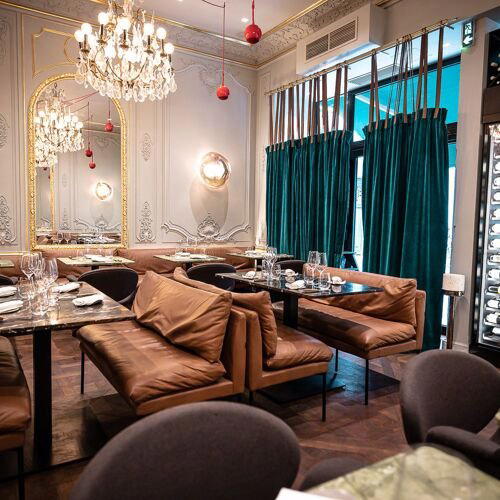
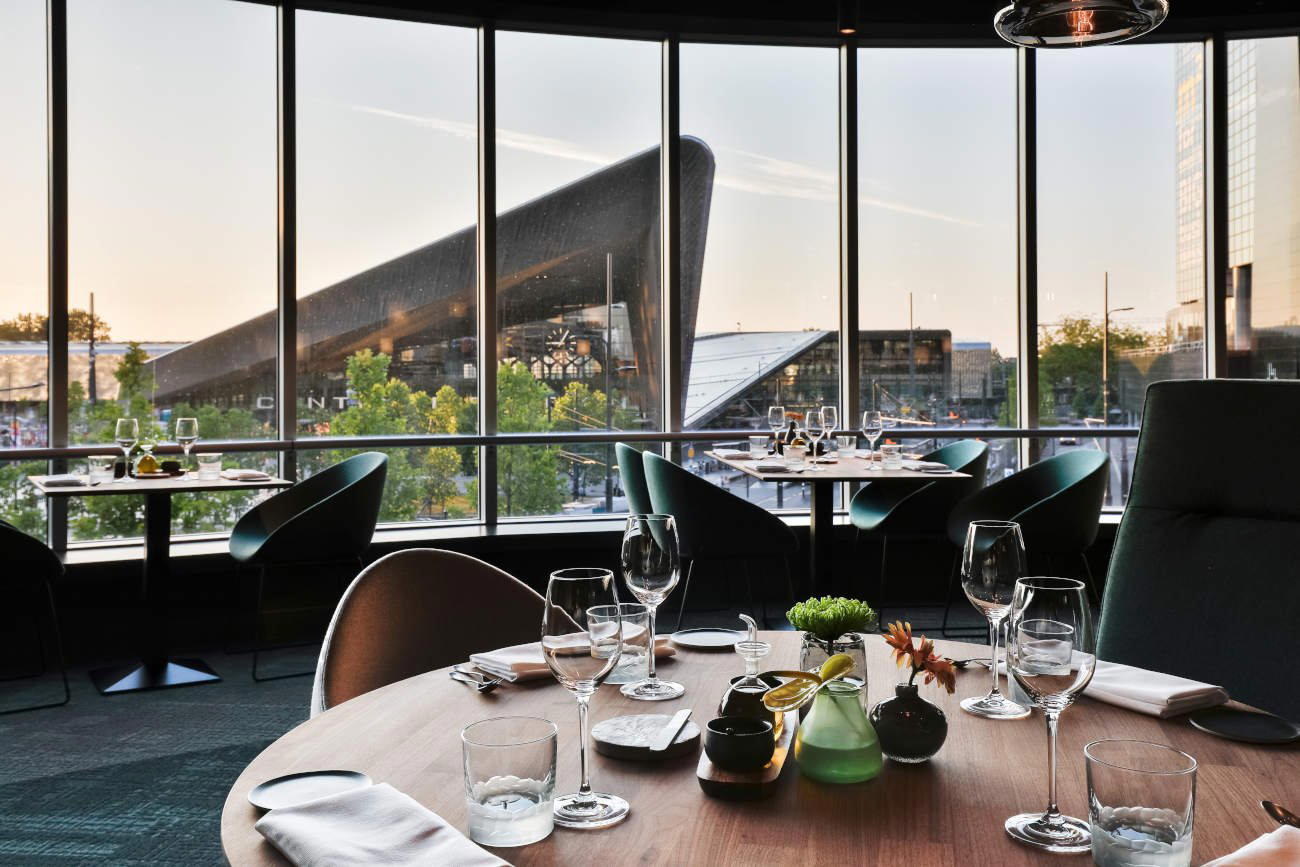
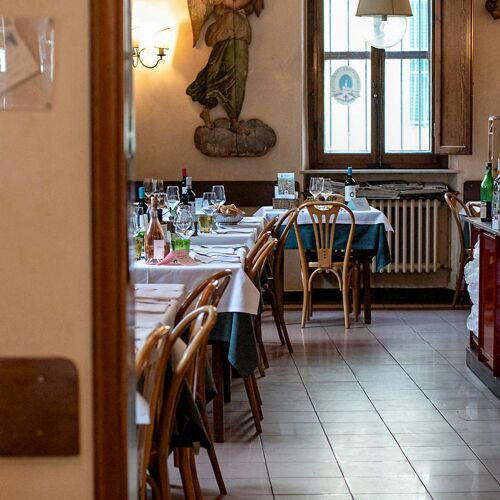
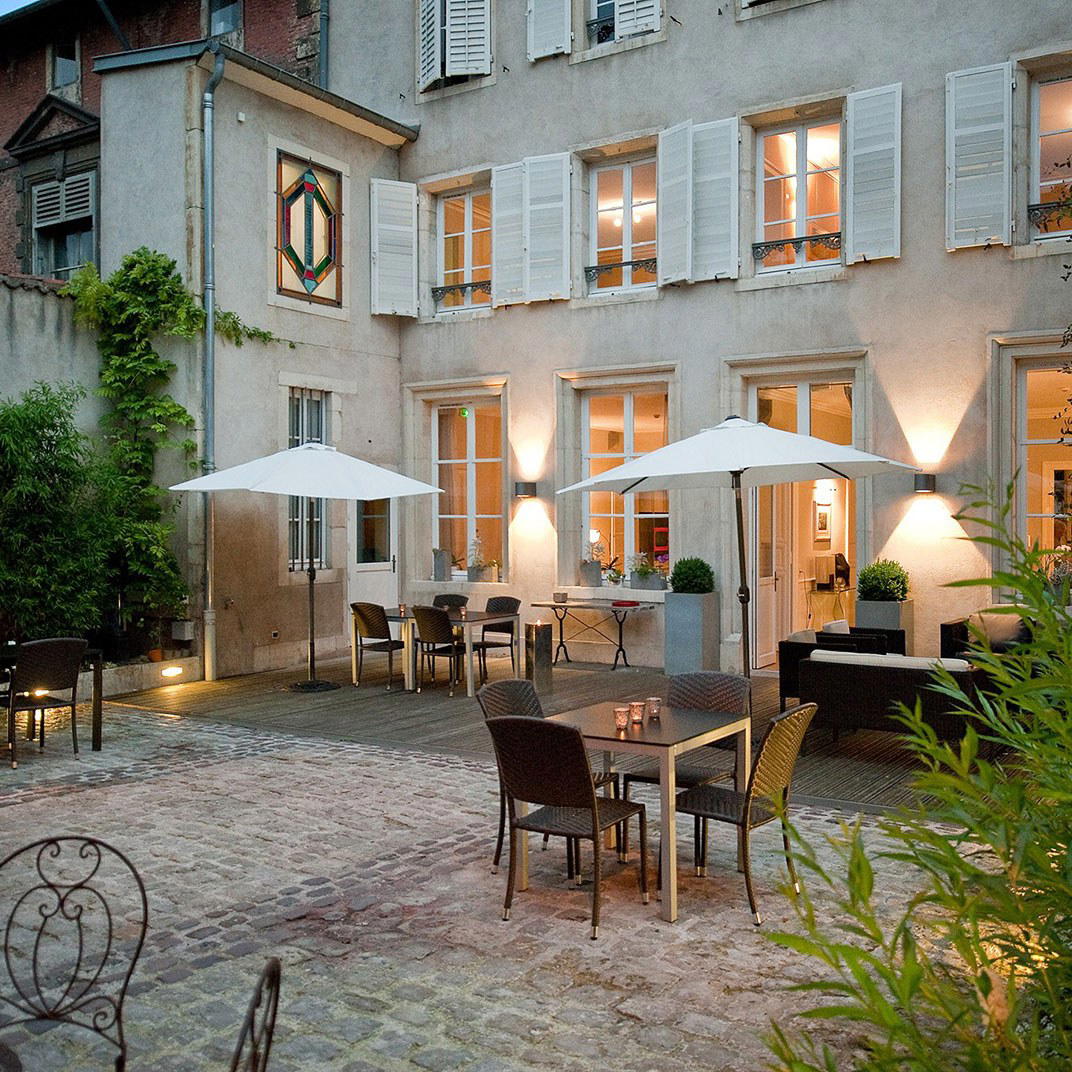
Chaleureuse et conviviale atmosphere in an elegant and modern setting with terrace seating on a pleasant square.