



A Michelin-starred table in a classical château outside Lunéville, Château d'Adoménil places Lorraine's premium produce at the centre of a menu shaped by traditional French technique and modern restraint. Chef Cyril Leclerc's pastry background shows in the precision of flavour and texture across each course, while a carefully curated wine list completes a dining experience that earns its place among France's serious regional destinations.
Pearl is the En Primeur Club membership app — saves, bookings, and concierge access live there. Same editors, same standards.
- Address
- 54300 Rehainviller, France
- Phone
- +33 3 83 74 04 81
- Website
- adomenil.com
- Directions
- Get directions
 Saves & bookings on Pearl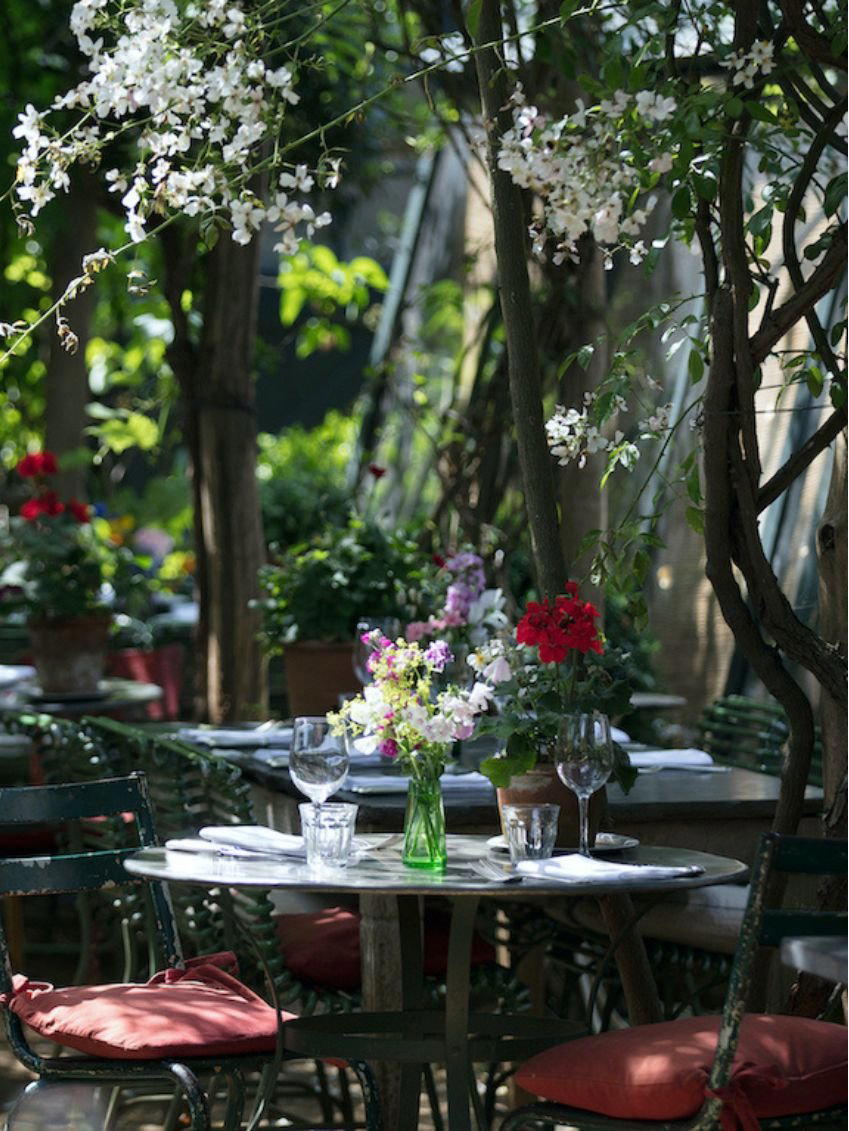
A Château Table in the Lorraine Countryside
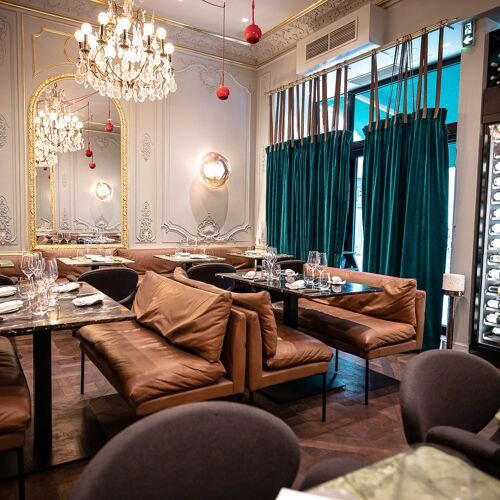
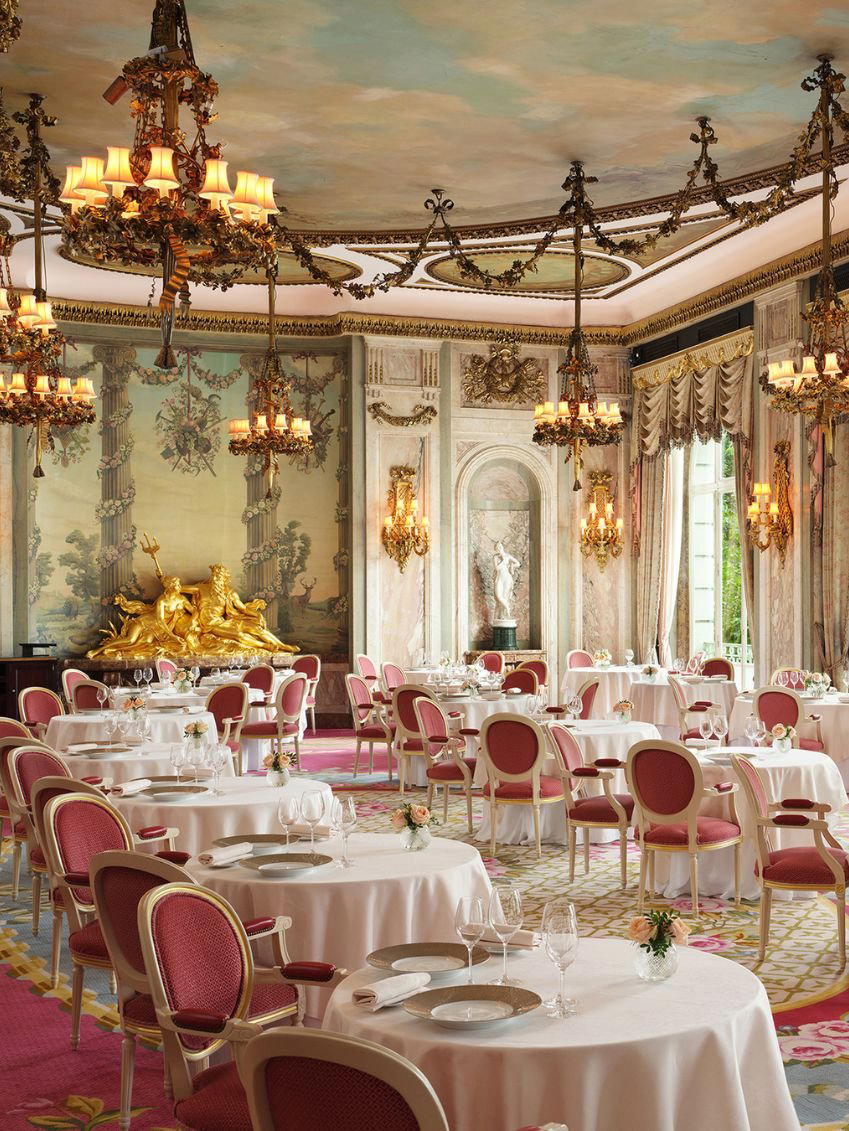
The approach to Château d'Adoménil already sets a register. A classical country house in the commune of Rehainviller, a few kilometres from Lunéville, the building sits within wooded grounds that keep the outside world at a sufficient distance. Inside, the progression through a series of period rooms, parquet floors, wainscoting, open fireplaces intact, is a deliberate act of framing, one that positions the dining room as a destination rather than a backdrop. The room overlooks the grounds, with baroque and contemporary touches woven into the classical interior without overwriting it. This is the kind of setting where the architecture does real work, and where a kitchen that fails to meet it would feel acutely mismatched.
That mismatch does not occur here. The Michelin star reflects a table that has found its register and holds it: traditional French cooking with modern technique applied in proportion, not for spectacle.
Lorraine on the Plate: Terroir as Method
Eastern France's relationship with its land is different from the produce narratives that drive kitchens in Provence or Brittany. Lorraine's culinary identity is built on depth of flavour and seasonal discipline, shaped by a climate that defines what grows well and when. Mirabelle plums, freshwater fish from the Moselle, game from the Vosges forests, cream-led preparations that mirror the pastoral character of the region, these are the raw materials that define what a serious Lorraine kitchen can do when it commits to its own geography rather than imitating Paris or Lyon.
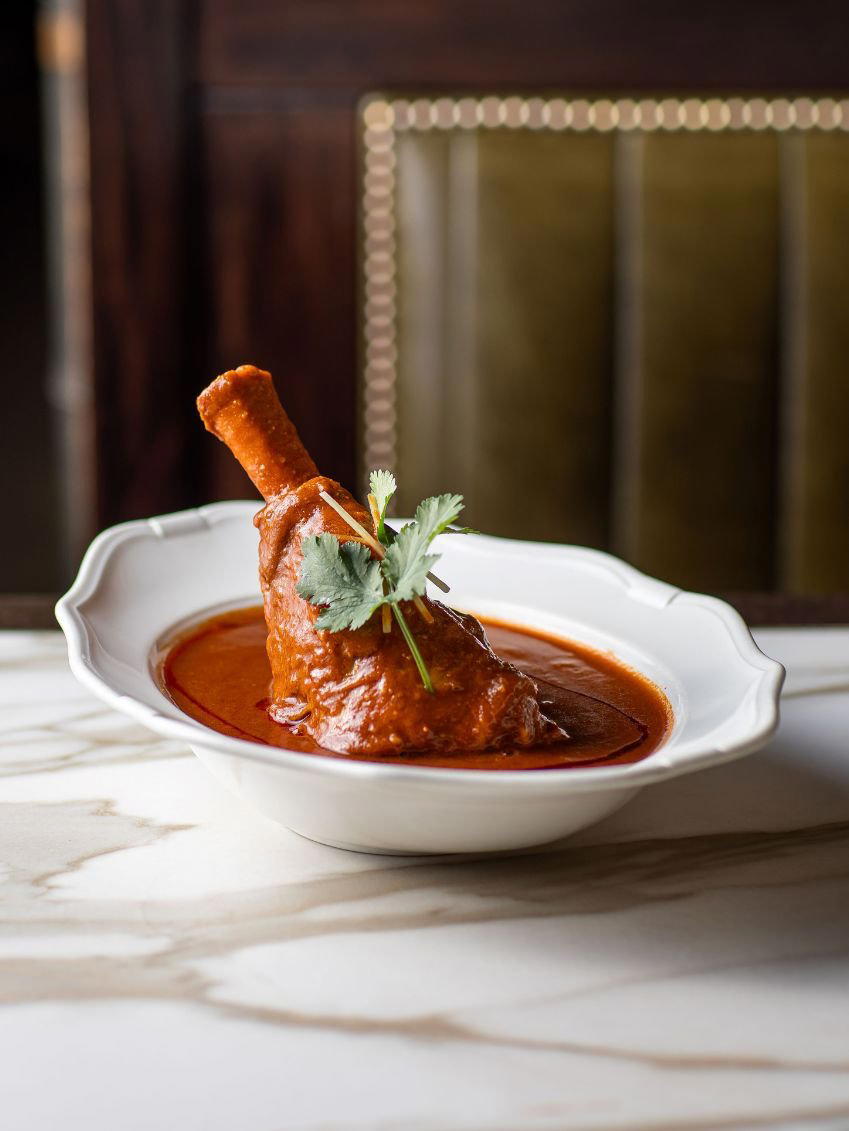
Chef Cyril Leclerc, who trained as a pastry chef before moving to broader kitchen work, brings a particular precision to premium produce. The hallmark of a pastry background applied to savoury cooking is accuracy: in seasoning, in texture, in timing. These are disciplines that lend themselves well to an approach centred on produce quality rather than elaboration. Where other kitchens layer sauces and contrasts to generate interest, the technique here is one of precision with restraint, each element made to perform at its level without the distraction of unnecessary complexity.
This alignment between regional identity and kitchen method is what separates a genuinely terroir-driven table from one that simply mentions local suppliers on the menu. The produce here carries the Lorraine character into the cooking rather than being processed into something geographically neutral. Bras in Laguiole and Auberge du Vieux Puits in Fontjoncouse represent two other deeply rooted regional traditions at the starred level.
Where This Table Sits in the French Fine Dining Map
France's Michelin-starred restaurant count is large enough that a single star in a provincial setting requires context to read properly. In Paris, a starred table at the €€€€ tier competes in a dense market, consider Le Cinq at the Four Seasons George V or Guy Savoy, both operating at three stars in a capital city where visibility and volume sustain the economics of high-end dining. In regional France, the calculus is different: a €€€€ starred address in a small town in Lorraine operates with a narrower local audience and draws significantly from destination diners willing to travel for a specific experience.
Auberge de l'Ill in Illhaeusern in Alsace, a short drive west, represents the long-established Alsatian model: deep family tradition, an anchored regional identity, and sustained recognition over decades. Assiette Champenoise in Reims and Au Crocodile in Strasbourg both operate in the same northeastern French corridor, each connecting regional character to serious kitchen ambition. Château d'Adoménil occupies a distinct position within this geography: it is the only fine dining address at this level in the Lunéville area, and its château setting makes the format read as much as a destination retreat as a local restaurant.
Alléno Paris au Pavillon Ledoyen, Mirazur in Menton, Troisgros in Ouches, Flocons de Sel in Megève, Paul Bocuse in Collonges-au-Mont-d'Or, and AM par Alexandre Mazzia in Marseille, are operating in a different register entirely, built for a global dining audience and priced to match. A single-star château table in provincial Lorraine is serving a different purpose: it is the serious regional option for an area that would otherwise have none at this level.
The Wine List as a Second Kitchen
A recurring feature of the leading provincial French tables is a wine program that matches kitchen ambition without simply deferring to fashionable Paris imports. At Château d'Adoménil, the wine list is curated by Leclerc's wife, who also manages the restaurant floor, a dual role that creates genuine integration between service and selection. A sommelier who is also responsible for the room's hospitality rhythm tends to pour differently from one operating in isolation, and the guest experience reflects that coherence.
Lorraine itself is not a wine region in the way Alsace or Burgundy is, which means the list is necessarily built outward from local identity rather than anchored in it. The editorial judgment required is consequently sharper: what complements a cuisine defined by precision and regional produce without competing with it, and how do you build a list that serves both the serious wine drinker and the guest focused primarily on the food? The Michelin recognition implicitly validates the outcome, though the specifics of the selection remain something the dining room rewards in person.
Planning Your Visit
The restaurant is located in Rehainviller, roughly three kilometres from the centre of Lunéville and approximately fifty kilometres southeast of Nancy, which is the nearest major city with rail connections to Paris. The setting makes a car the practical mode of arrival, and the wooded grounds mean the journey itself has a degree of transition built in. This is a restaurant that rewards the kind of deliberate evening where the travel and the setting are part of the event.
At the €€€€ price point, this is one of the higher-spend tables in the Lorraine region, and given the destination character of the address, advance booking is the expected approach. The combination of Michelin recognition, OAD ranking, and high-volume guest satisfaction across a sustained period makes this an address where the investment is well-supported by evidence.
How It Stacks Up
Comparable venues nearby, for context on price, style, and recognition.
| Venue | Cuisine | Price | Awards | Notes |
|---|---|---|---|---|
| Château d'AdoménilThis venue — the venue you are viewing | Contemporary French Fine Dining | $$$$ | Michelin 1 Star | Not listed |
| Le Floréal | Traditional French Bistro | $$$ | Not listed | Place Léopold |
| Le Banaudon | Traditional French Brasserie | $$ | Not listed | centre-ville |
| Bulle d'Osier | Modern French Fine Dining | $$$$ | Michelin 1 Star | Clos Vauban |
| La Table du Gourmet | Modern French Fine Dining | $$$$ | Michelin 1 Star | Riquewihr |
| Toya | Creative French Fine Dining | $$$$ | Michelin 1 Star | Faulquemont |
Recognition history
Dated appearances from independent guides and award organizations, with the underlying list record or original source where available.
Michelin 1 Star
Michelin
Relais Chateaux Award
Relais Chateaux
Gault & Millau Remarkable Restaurant
Gault & Millau
Michelin 1 Star
Michelin
Relais Chateaux Award
Relais Chateaux
Michelin 1 Star
Michelin
Opinionated About Dining Classical in Europe Ranked #326
Opinionated About Dining
Opinionated About Dining Classical in Europe Recommended
Opinionated About Dining
Continue exploring
More in Lunéville
Restaurants in Lunéville
Browse all →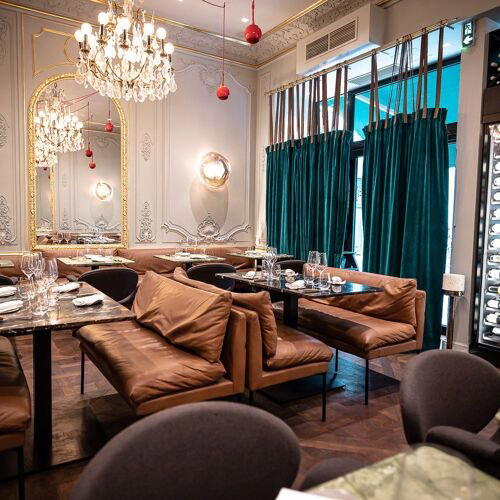
Hotels in Lunéville
Browse all →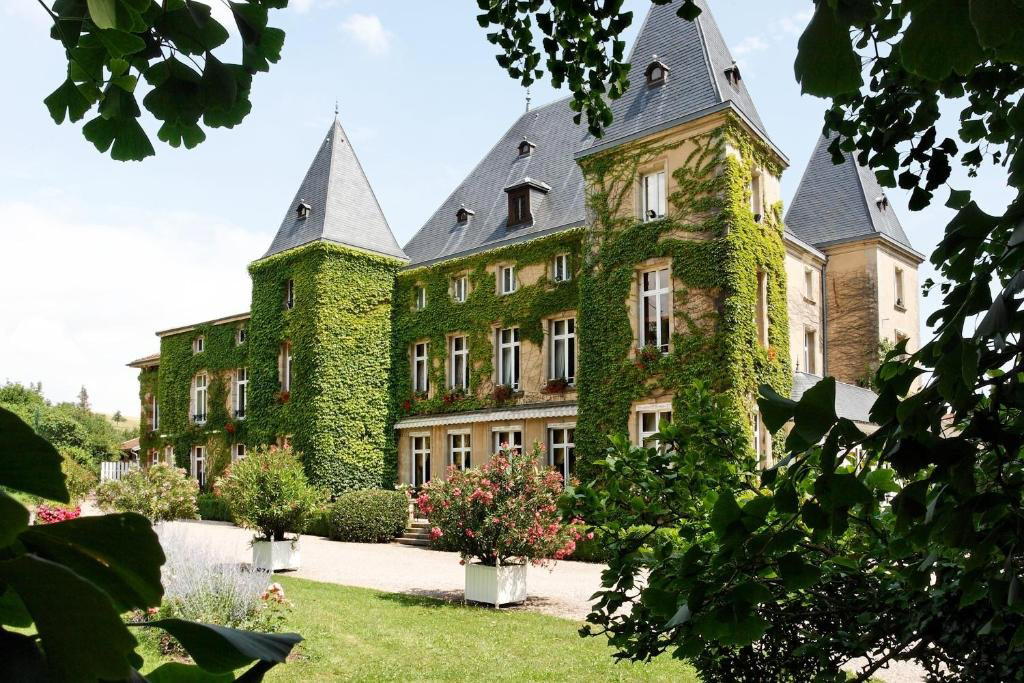
At a Glance
- Romantic
- Classic
- Elegant
- Sophisticated
- Intimate
- Date Night
- Special Occasion
- Celebration
- Business Dinner
- Private Dining
- Terrace
- Garden
- Historic Building
- Hotel Restaurant
- Extensive Wine List
- Sommelier Led
- Local Sourcing
- Farm To Table
- Garden
Romantic and classical with period details including wainscoting, parquet floors, and open fireplaces; contemporary touches brighten the glamorous interior; dining room overlooks manicured grounds with warm, attentive service from owner Sophie Leclerc.