
Occupying a compact Art Nouveau building opposite the Parc de la Pépinière, Bastion is among Nancy's most purposeful lunch addresses. The kitchen works directly with local producers to counter the industrialisation of French food culture, and the results arrive with genuine flavour rather than technique for its own sake. Lunch here offers some of the city's most convincing value at its price point.
Pearl is the En Primeur Club membership app — saves, bookings, and concierge access live there. Same editors, same standards.
- Address
- 46 boulevard du 26ème-R.I.
- Phone
- +33 3 83 47 21 49
- Website
- bastion-nancy.fr
- Directions
- Get directions
 Saves & bookings on Pearl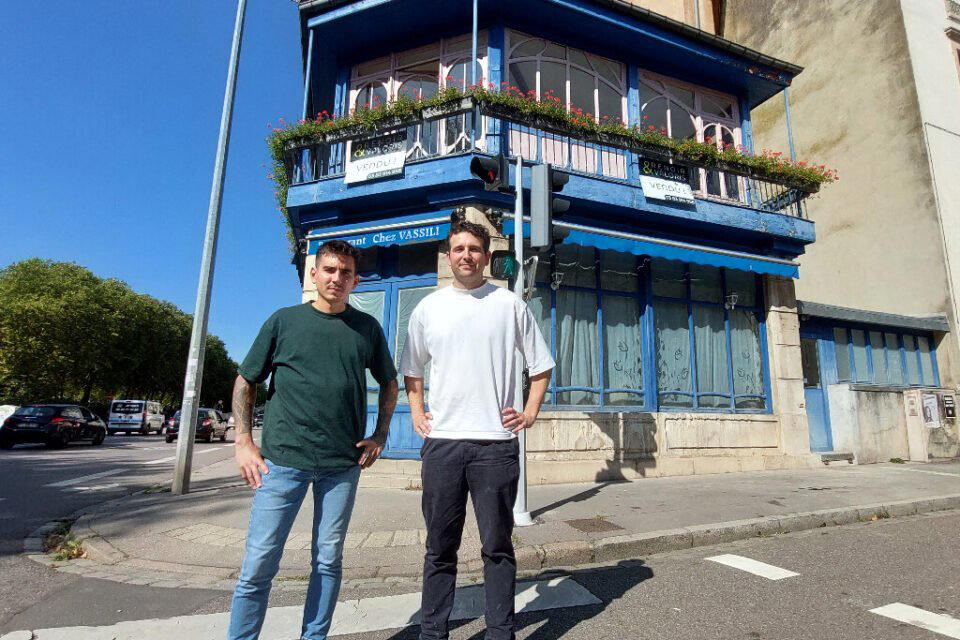
A Building with a Position, Literal and Ideological
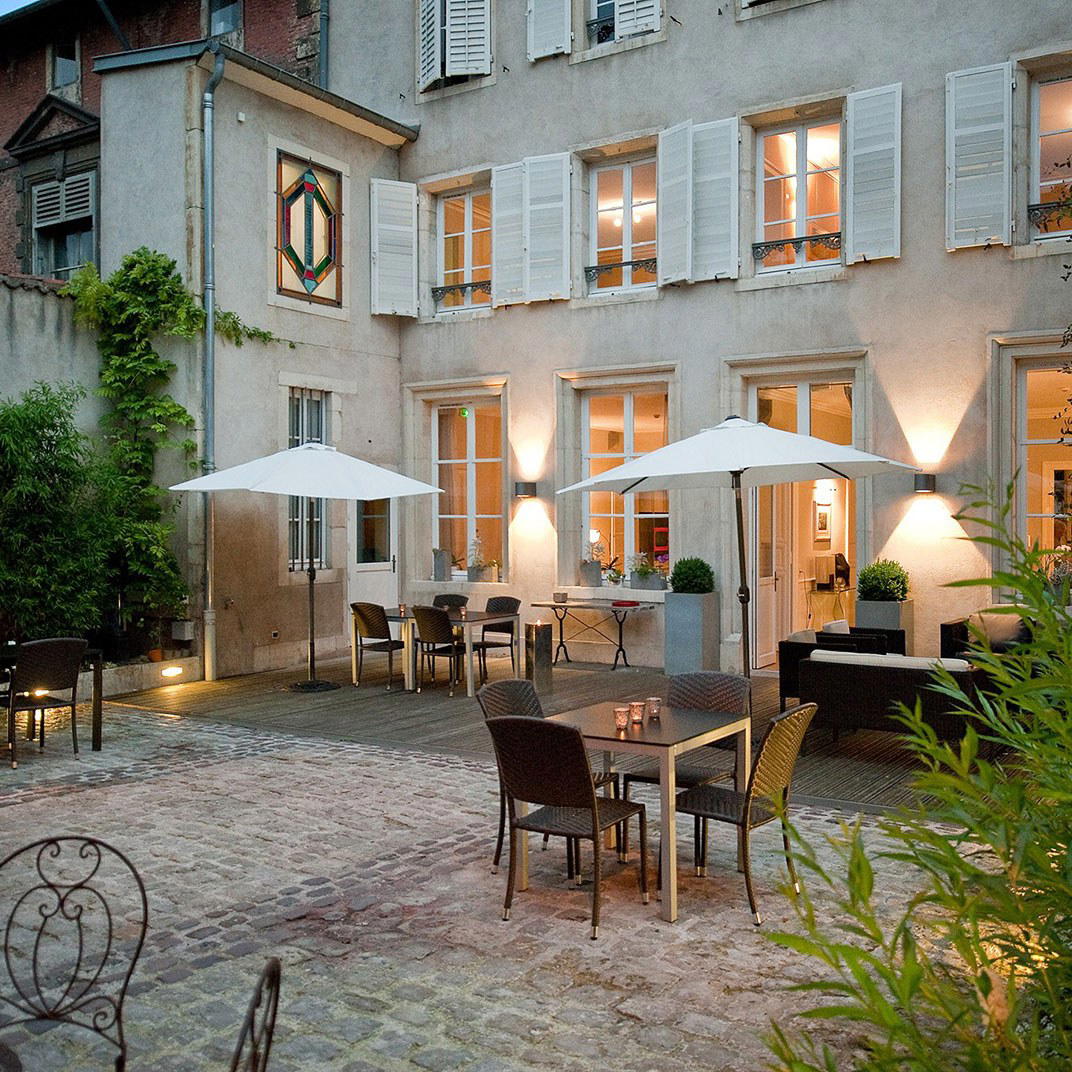
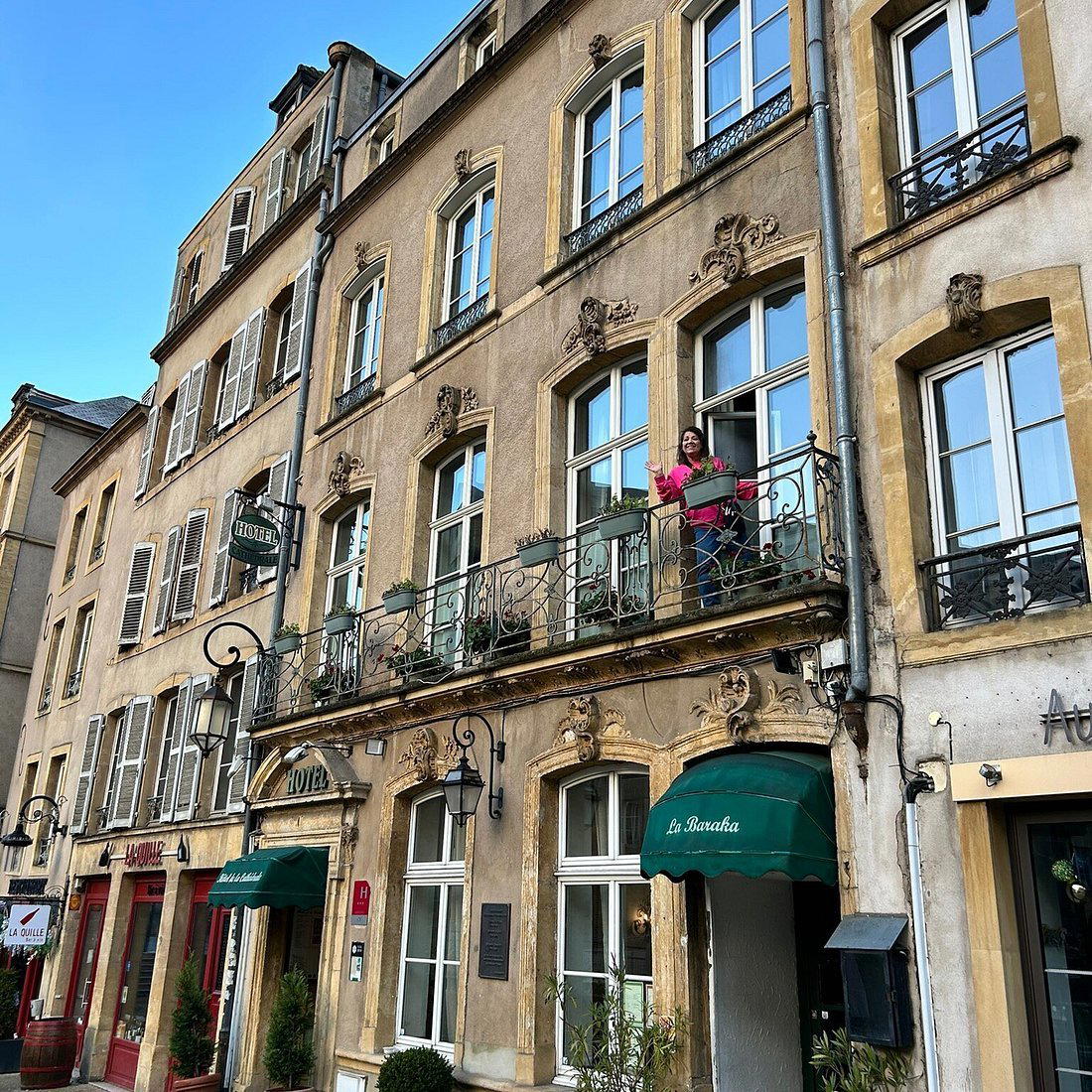
The boulevard du 26ème-R.I. runs along the southern edge of the Parc de la Pépinière, one of Nancy's most considered public spaces, and the Art Nouveau façade of number 46 reads clearly against that green backdrop. Before you step inside, the architecture does some editorial work: this is a city that built elaborate decorative programmes into its everyday streets, and the building Bastion occupies belongs to that tradition. The choice to site a producer-driven, anti-industrialisation restaurant inside it feels less accidental than it might appear.
Nancy's dining scene has broadened considerably over the past decade. At the upper end, La Maison dans le Parc holds the city's fine-dining anchor position. In the middle tier, places like Cadet and Bistrot Gros work the modern bistro register, and La Toq' keeps the classic Lorraine repertoire accessible at comparable prices. Bastion sits in that same approachable tier but with a more explicit sourcing agenda than most of its peers. The mission statement, framed around resistance to junk food and the industrialisation of what we eat, is not merely positioning; it shapes how the kitchen is provisioned and what ends up on the plate.
The Sourcing Argument, Made Through Food
Across France, the conversation about where ingredients come from has moved from niche preoccupation to mainstream expectation. Restaurants from Mirazur in Menton to Bras in Laguiole have long framed their identity around the land that surrounds them; the difference at that level is the budget to build relationships with dozens of specialist growers over decades. At the neighbourhood bistro scale, the same commitment requires a different kind of discipline: fewer suppliers, more direct contact, and a menu that moves with what those producers actually have rather than what a central distribution catalogue offers.
Bastion operates in that second mode. The chef works directly with local agriculture in the Lorraine region, a decision that connects the restaurant to a food-producing area with real character: the plateau landscapes of Meuse and Meurthe-et-Moselle, market gardens around the Moselle valley, and a dairy and charcuterie tradition that predates the industrial models the kitchen is pushing against. The cuisine that results is described as lively and, above all, packed with flavour, which is a more useful credential than technical complexity at this price point. A dish that tastes of its ingredients is harder to achieve with industrially produced raw material; the sourcing is not decoration but the mechanism through which the food works.
For context on how this approach scales further up the price register in France, the farm-to-table rigour at Flocons de Sel in Megève or the hyper-regional sourcing at Troisgros in Ouches demonstrates what the same philosophy looks like with a much larger infrastructure behind it. Bastion is working from a different scale and a different budget, but the underlying argument about ingredient integrity is shared across those price tiers.
Where Bastion Sits in the Nancy Picture
Nancy is not a city that generates heavy international dining traffic. It draws visitors for Place Stanislas and the Art Nouveau heritage, and its restaurant ecosystem reflects a primarily local clientele with occasional regional visitors from Metz, Strasbourg, and across the border from Luxembourg. That reality shapes what restaurants here can sustain commercially. Le 27 Gambetta operates at the accessible end of the modern register; Bastion sits in a broadly similar price bracket but with a more defined identity around sourcing and anti-industrial values.
The lunch offer is where Bastion makes its clearest case. The assessment of strong value for money at lunchtime positions it as a practical midweek choice for city workers and a rewarding stop for visitors who want cooking with real conviction without the formality or the price commitment of a longer tasting menu. That lunch-led value model is common across French provincial cities: the kitchen runs its most ambitious cooking at midday when occupancy is easier to manage and ingredient waste lower, and the dinner service often carries a slightly different cost structure.
The Parc de la Pépinière location is its own practical asset. The park is Nancy's primary green space, large enough to walk off a meal, and the surrounding boulevard has a civic weight that the more tucked-away streets of the old town lack. Arriving from Place Stanislas on foot takes under ten minutes, which makes Bastion a logical post-monument lunch rather than a detour.
How to Plan a Visit
Bastion operates at a price point where advance planning is less fraught than at destination restaurants further up the French dining hierarchy, such as Alléno Paris au Pavillon Ledoyen or Auberge de l'Ill in Illhaeusern, where tables are allocated weeks or months ahead. At a neighbourhood bistro in a mid-sized French city, same-week bookings are typically achievable, though popular lunch slots on Friday or the day before a public holiday can fill faster than the format suggests. Checking availability a few days out is sensible without being urgent.
The address is 46 boulevard du 26ème-R.I. directly opposite the Parc de la Pépinière. Nancy's central train station is around fifteen minutes on foot, or a short tram ride on the T1 line which stops close to the park perimeter. Those driving in from the A31 corridor have standard city-centre parking options on the boulevard or in the Pépinière underground car park nearby.
Side-by-Side Snapshot
Comparable venues nearby, for context on price, style, and recognition.
| Venue | Cuisine | Price | Awards | Notes |
|---|---|---|---|---|
| BastionThis venue — the venue you are viewing | Modern French Farm-to-Table | $$$$ | Michelin Plate | Not listed |
| Patern | Modern French Fine Dining | $$$$ | Michelin Plate | Place Stanislas |
| TT Histoire | Modern French-Armenian Fusion Bistronomie | $$$ | Not listed | Place Stanislas |
| La Table du Bon Roi Stanislas | Historical French-Polish Lorraine Cuisine | $$$$ | Not listed | Saint-Leon |
| Cadet | Modern French Seasonal Tasting Menu | $$$ | Michelin Plate | Between Villa Majorelle and Musée de l'École de Nancy |
| Bistrot Gros | Creative French Bistro | $$ | Michelin Plate | Old Town (near Basilique St Epvre) |
Recognition history
Dated appearances from independent guides and award organizations, with the underlying list record or original source where available.
Michelin Plate
Michelin
Continue exploring
More in Nancy
Restaurants in Nancy
Browse all →
At a Glance
- Elegant
- Cozy
- Modern
- Intimate
- Date Night
- Family
- Special Occasion
- Open Kitchen
- Historic Building
- Extensive Wine List
- Local Sourcing
- Street Scene
Current opening hours
- Monday
- Closed
- Tuesday
- 12–1:30 PM
- Wednesday
- 12–1:30 PM, 7–9 PM
- Thursday
- 12–1:30 PM, 7–9 PM
- Friday
- 12–1:30 PM, 7–9 PM
- Saturday
- 7–9 PM
- Sunday
- Closed
Hours can change for holidays and private events. Last verified .
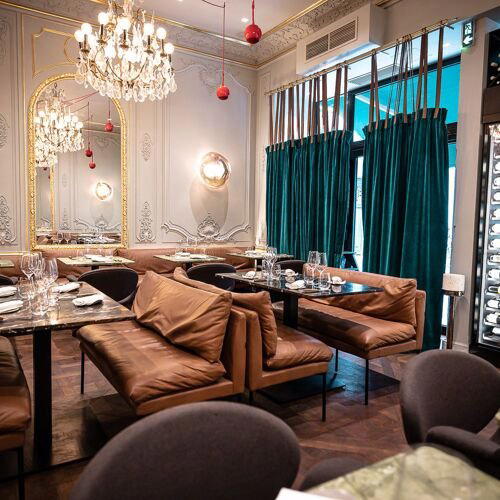
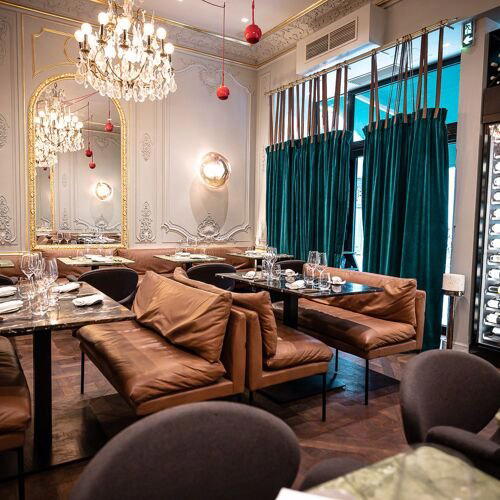
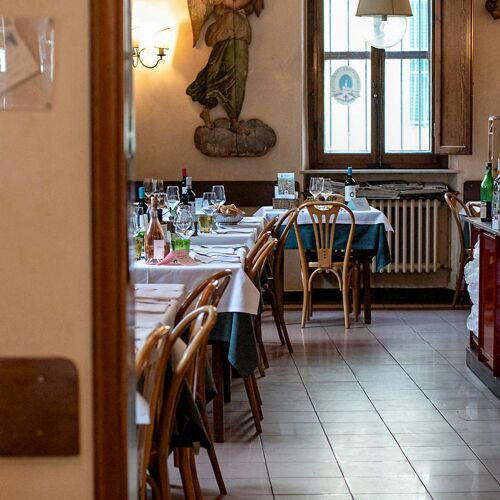
Warm mood in tastefully restored Art Nouveau space with open kitchen, wooden tables, concrete walls, and cozy yet sometimes lively atmosphere.