Latitude & Longitude
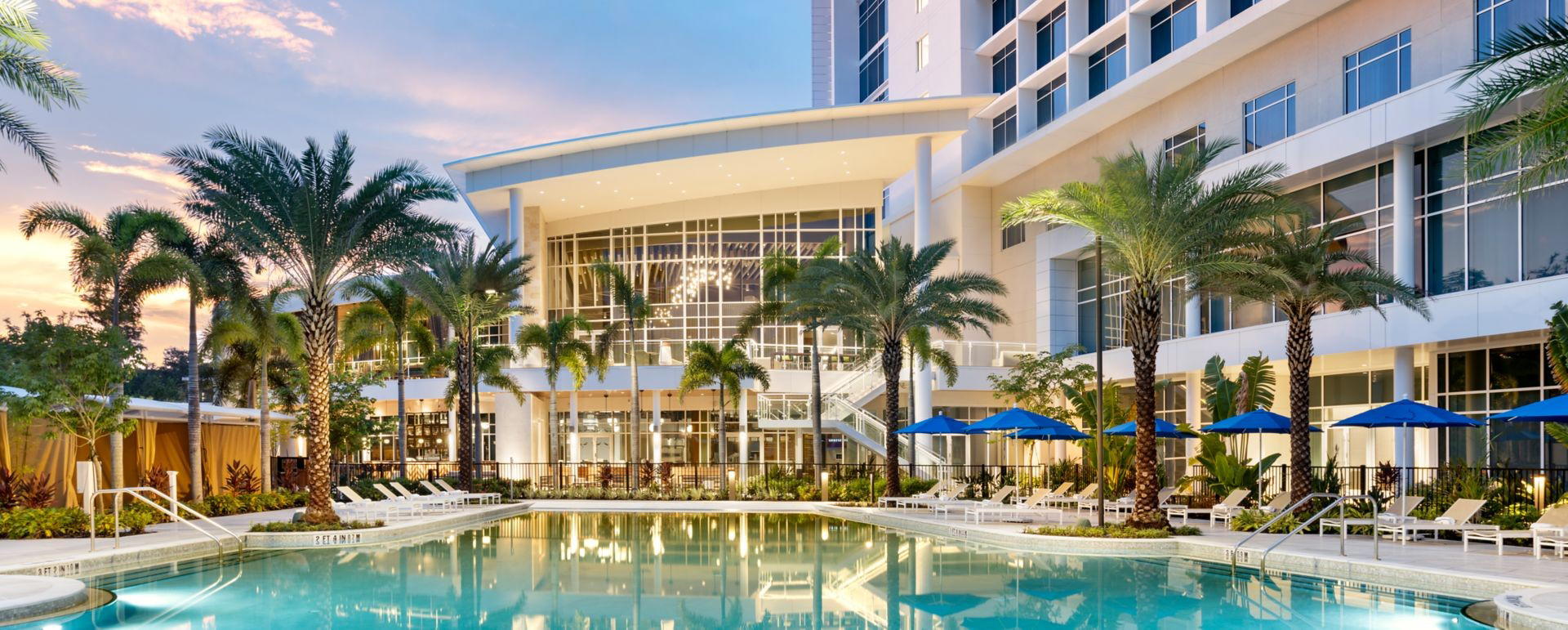
Situated at 8701 World Center Drive in Orlando's resort corridor, Latitude & Longitude occupies a dining position where large-scale hospitality and considered cooking intersect. The address places it squarely within Florida's most concentrated hotel district, where restaurants face the challenge of serving volume without sacrificing intention. For visitors staying in the area, it represents a convenient entry point into the broader Orlando dining conversation.
 Discover on Pearl
Pearl is the En Primeur Club membership app — saves, bookings, and concierge access live there. Same editors, same standards.
- Address
- 8701 World Center Dr, Orlando, FL 32821
- Phone
- +14072388528
- Website
- opentable.com
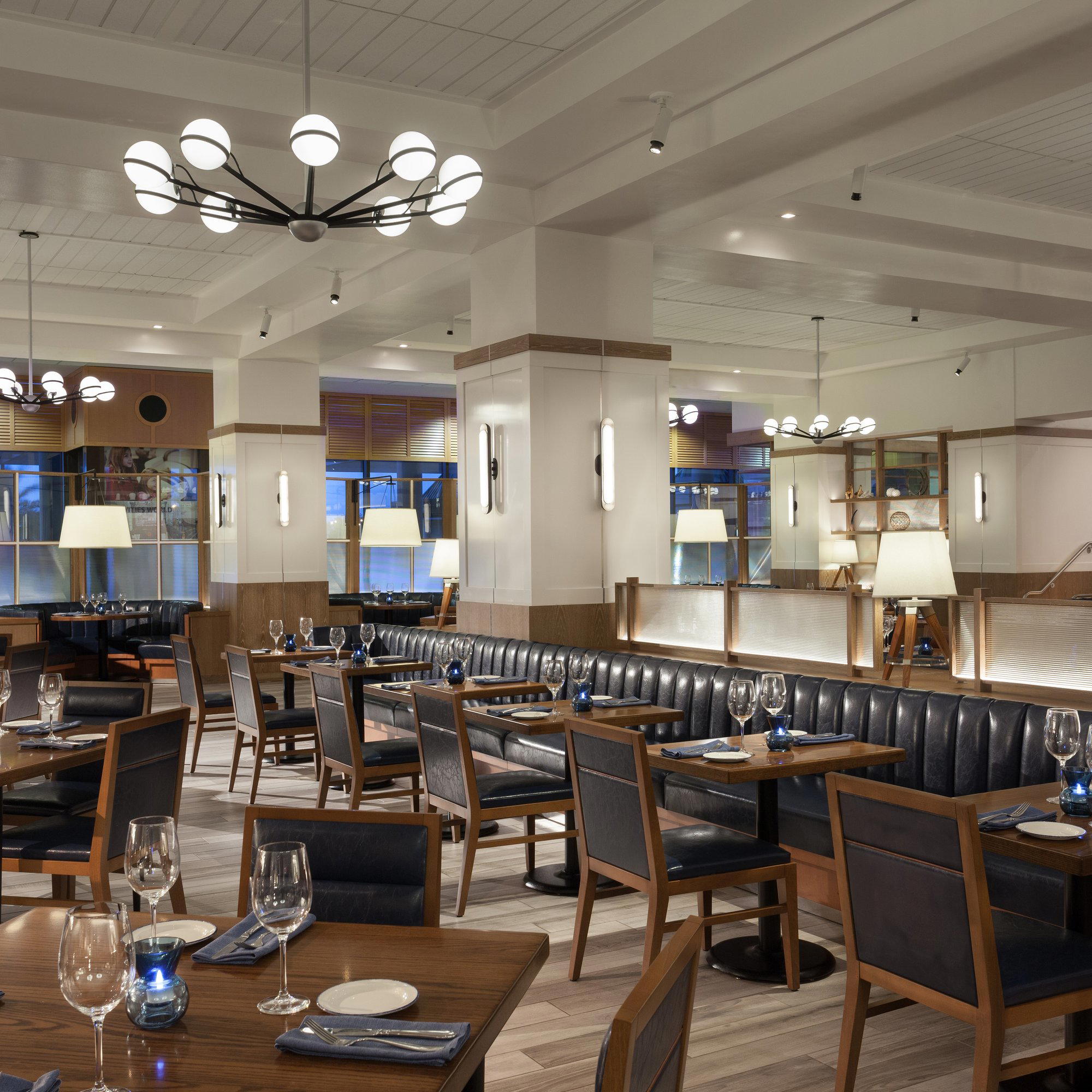
Where Resort Scale Meets Sourcing Conscience
The stretch of World Center Drive that cuts through Orlando's resort district is not where most food critics go looking for a story. The corridor is built for volume: thousands of hotel rooms, convention center traffic, and the particular hunger of travellers who have spent a day at a theme park and want to eat without much deliberation. Against that backdrop, a restaurant at 8701 World Center Drive faces structural pressures that a standalone urban dining room never has to consider. The kitchen serves a captive audience, yet the more serious properties along this strip have increasingly treated that constraint as a reason to build something more considered, not less.
Latitude & Longitude sits inside that tension. Latitude & Longitude is a restaurant in Orlando serving Southern American with Florida Flair at a casual price tier, with an average Google rating of 4.3 from 121 reviews. Whether that framing is fully realised in the execution is a question worth holding as context for any visit.
The Sustainability Turn in Resort Dining
American resort restaurants have historically operated on procurement logic driven by contract volume: consistent supply at scale, sourced from distributors rather than farms. That model is shifting, slowly but measurably, as properties in competitive tourism markets recognise that food provenance has become a meaningful differentiator for a subset of travellers who hold both environmental expectations and high spending power.
The most instructive comparisons exist outside Florida. Single Thread Farm in Healdsburg built its entire identity around a working farm connected directly to the restaurant, creating a closed loop between cultivation and service that has made it a reference point for the farm-to-table model done at serious depth. Blue Hill at Stone Barns in Tarrytown operates in a similar register, where the agricultural mission shapes the menu rather than decorating it. These are not resort restaurants, but they have set expectations that increasingly filter down into how travellers assess any property that uses sourcing language in its positioning.
In the high-volume resort context, the challenge is different: how do you maintain ethical sourcing commitments when covers run into the hundreds on a single evening? Florida's agricultural geography offers real opportunity here. The state produces citrus, tomatoes, strawberries, and seafood in quantities that can support high-volume kitchens, and partnerships with Gulf Coast fishers or Central Florida growers are operationally viable in ways they might not be for a property in a more landlocked corridor.
Orlando's Dining Tier and Where This Address Sits
Orlando's restaurant scene has matured considerably in the past decade, though the transformation has been uneven. The city's most ambitious cooking happens away from the resort belt: Kadence operates a tightly controlled omakase format that has earned the kind of recognition usually reserved for coastal cities, while Sorekara and Natsu extend the Japanese dining conversation across different price points and formats. Camille has put Vietnamese cooking into the $$$$ bracket with a seriousness that would register in any American city, and Capa holds the steakhouse position in the Four Seasons Orlando with the production values that address demands.
The World Center Drive address places Latitude & Longitude in a different competitive conversation. Its peers are not the independent restaurants driving Orlando's critical reputation but the in-hotel dining rooms serving a guest population that may not be actively seeking out the city's food scene. That is not a criticism of the restaurant; it is a structural fact about how resort dining is evaluated. The relevant question is whether the kitchen uses that position to push the category or simply to satisfy it.
The Wider Context: Sustainability at Serious American Restaurants
The restaurants that have done sustainability most credibly in the American dining context have done so through specificity rather than general claims. Providence in Los Angeles built its seafood sourcing around documented relationships with specific fishers and a commitment to species not typically seen on American menus, creating a program that functions as genuine conservation advocacy. Le Bernardin in New York City has embedded ocean health into its identity at an institutional level. Addison in San Diego works within California's agricultural richness to construct a tasting menu where provenance is a primary structural element, not an afterthought in the menu copy.
At a different register, Lazy Bear in San Francisco and Alinea in Chicago represent the technically ambitious end of American fine dining, where waste reduction manifests as a philosophical stance toward every component on the plate. The French Laundry in Napa maintains an on-site garden that functions as more than a marketing gesture, supplying specific produce for specific preparations in a way that shapes the menu calendar. The Inn at Little Washington in Virginia has built an identity around regional sourcing that reflects the agricultural character of the Shenandoah Valley. Emeril's in New Orleans and Atomix in New York City take different approaches to ingredient philosophy, but both demonstrate that a restaurant's sourcing position can be a form of editorial voice. 8 1/2 Otto e Mezzo Bombana in Hong Kong shows that this conversation extends well beyond American borders, with provenance transparency becoming a global expectation at the fine dining tier.
These references matter because they set the standard against which any restaurant invoking geographic or environmental consciousness will be measured by a certain class of traveller.
Know Before You Go
Planning Notes
- Address: 8701 World Center Drive, Orlando, FL 32821
- Location context: World Center Drive resort corridor, adjacent to major Orlando hotel properties and convention facilities
- Getting there: The address is most easily reached by car or rideshare; the resort strip is not pedestrian-friendly and sits outside the reach of Orlando's limited public transit
- Timing: Resort restaurants in this corridor tend to peak during theme park-adjacent periods: school holidays, spring break, and the December holiday window. Shoulder periods (September to early November, late January to February) typically mean shorter waits and calmer service conditions
- Booking: Reservations are recommended.
How It Stacks Up
Comparable venues nearby, for context on price, style, and recognition.
| Venue | Cuisine | Price | Awards | Notes |
|---|---|---|---|---|
| Latitude & LongitudeThis venue — the venue you are viewing | Southern American with Florida Flair | $$ | , | |
| The Fountain Eats and Sweets | Classic American Diner | $$ | , | Epcot Resort Area |
| Pirates Dinner Adventure | Pirate Dinner Show | $$ | , | Convention Center |
| Burntwood Tavern | Chef-Driven American Tavern | $$ | , | Metro West |
| Flame Tree Barbecue | American Barbecue | $$ | , | Discovery Island |
| Chef Mickey's | American Buffet with Character Dining | $$ | , | Contemporary Resort |
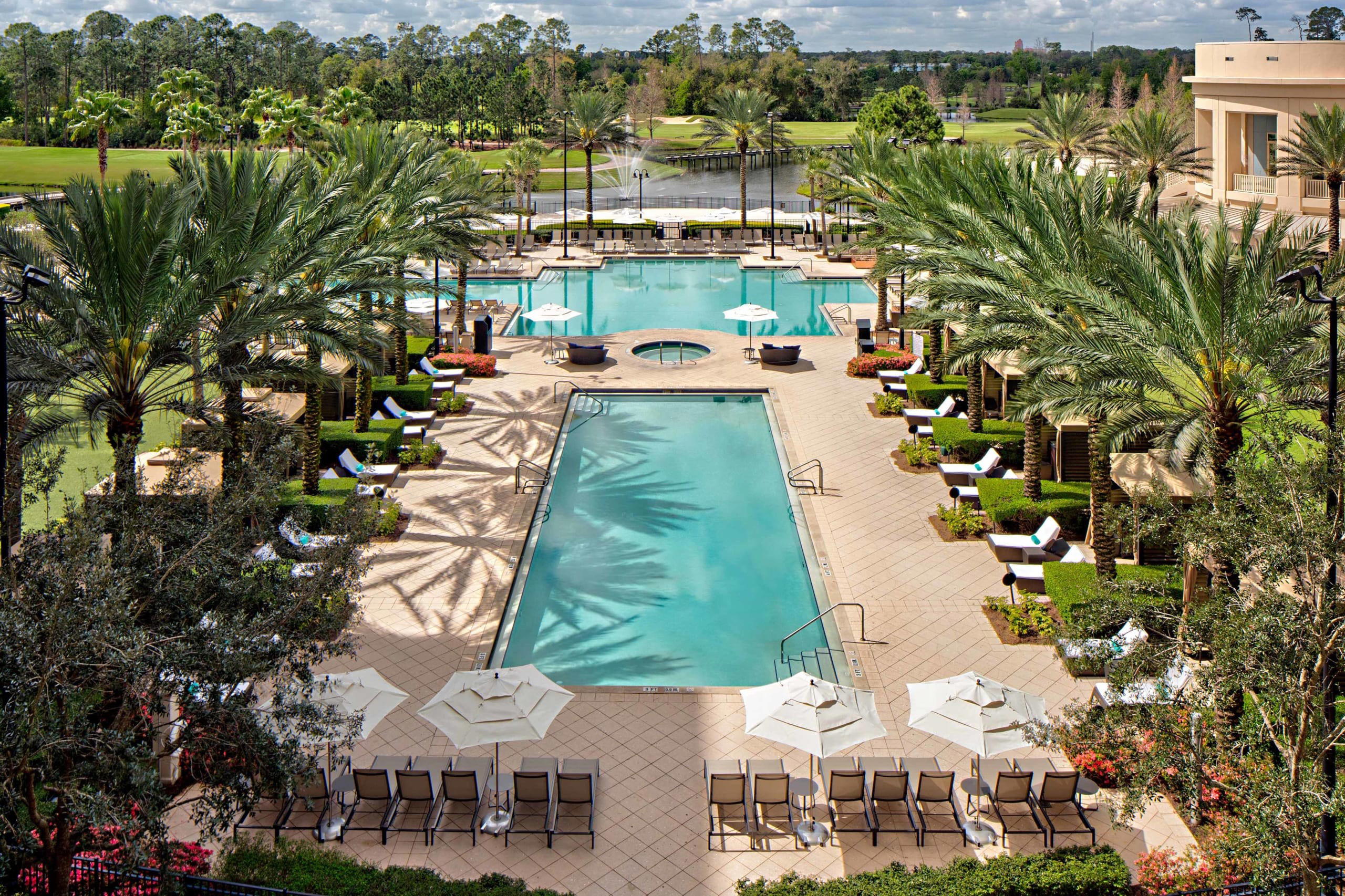
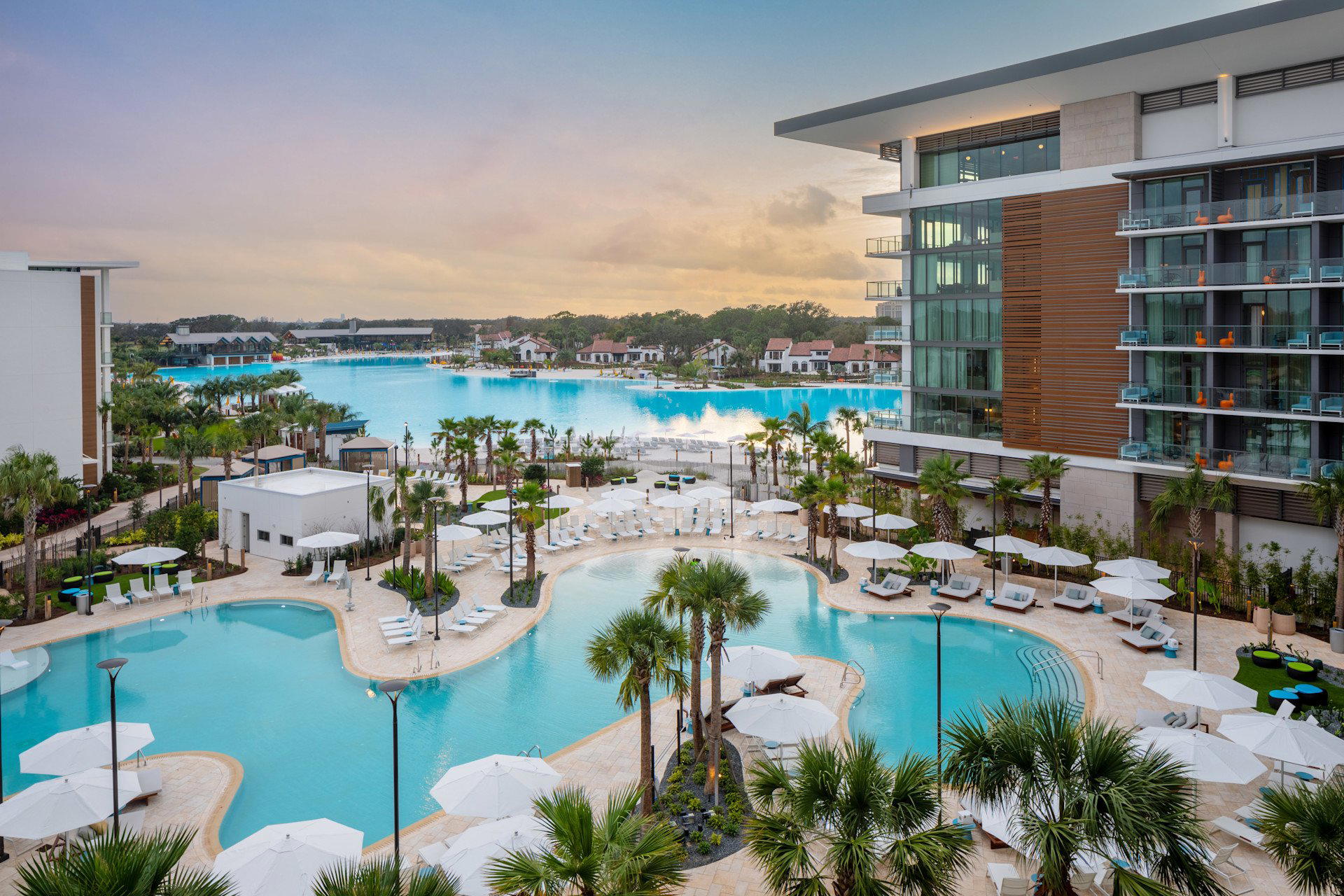
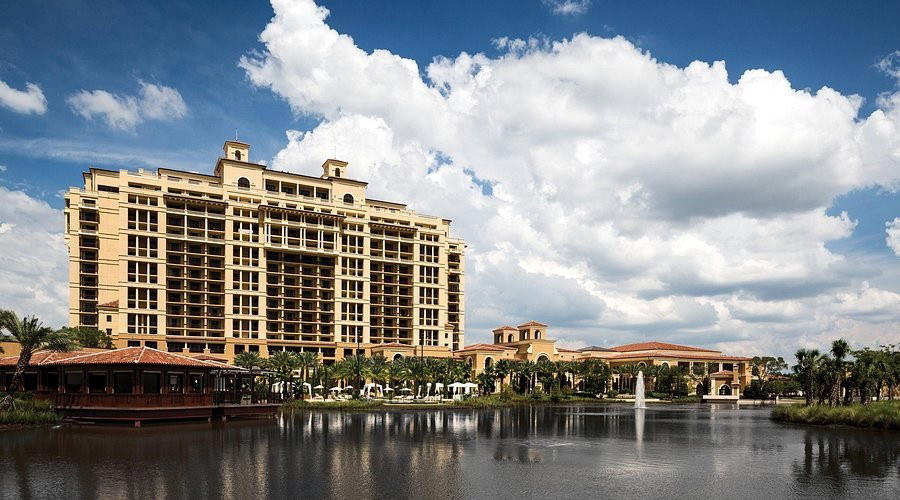
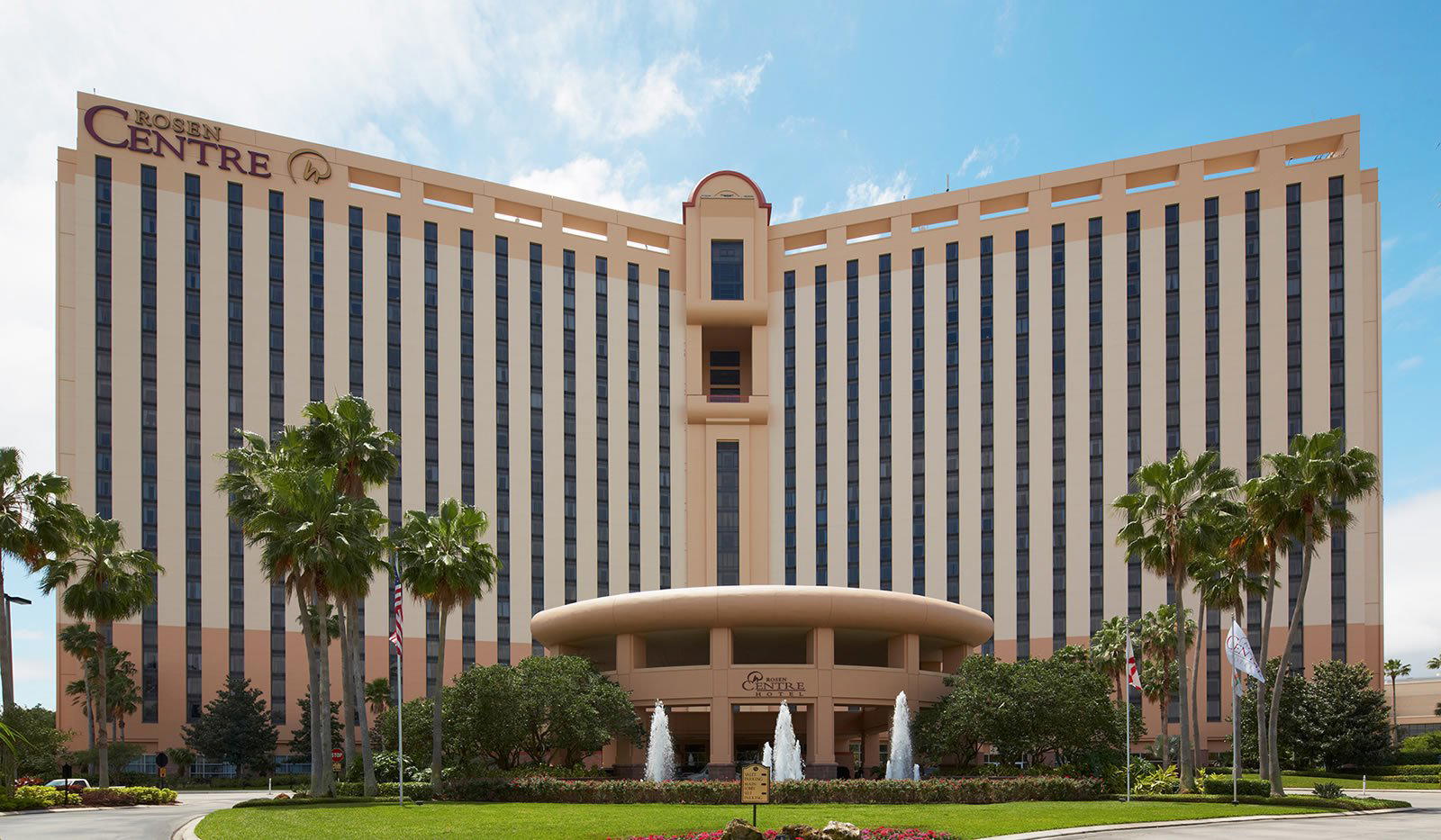
At a Glance
- Casual
- Modern
- Brunch
- Casual Hangout
- Family
- Hotel Restaurant
- Open Kitchen
- Beer Program
- Corkage Allowed
- Local Sourcing
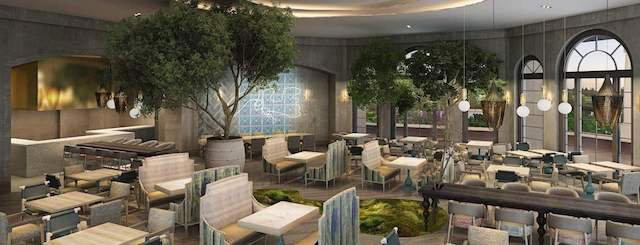
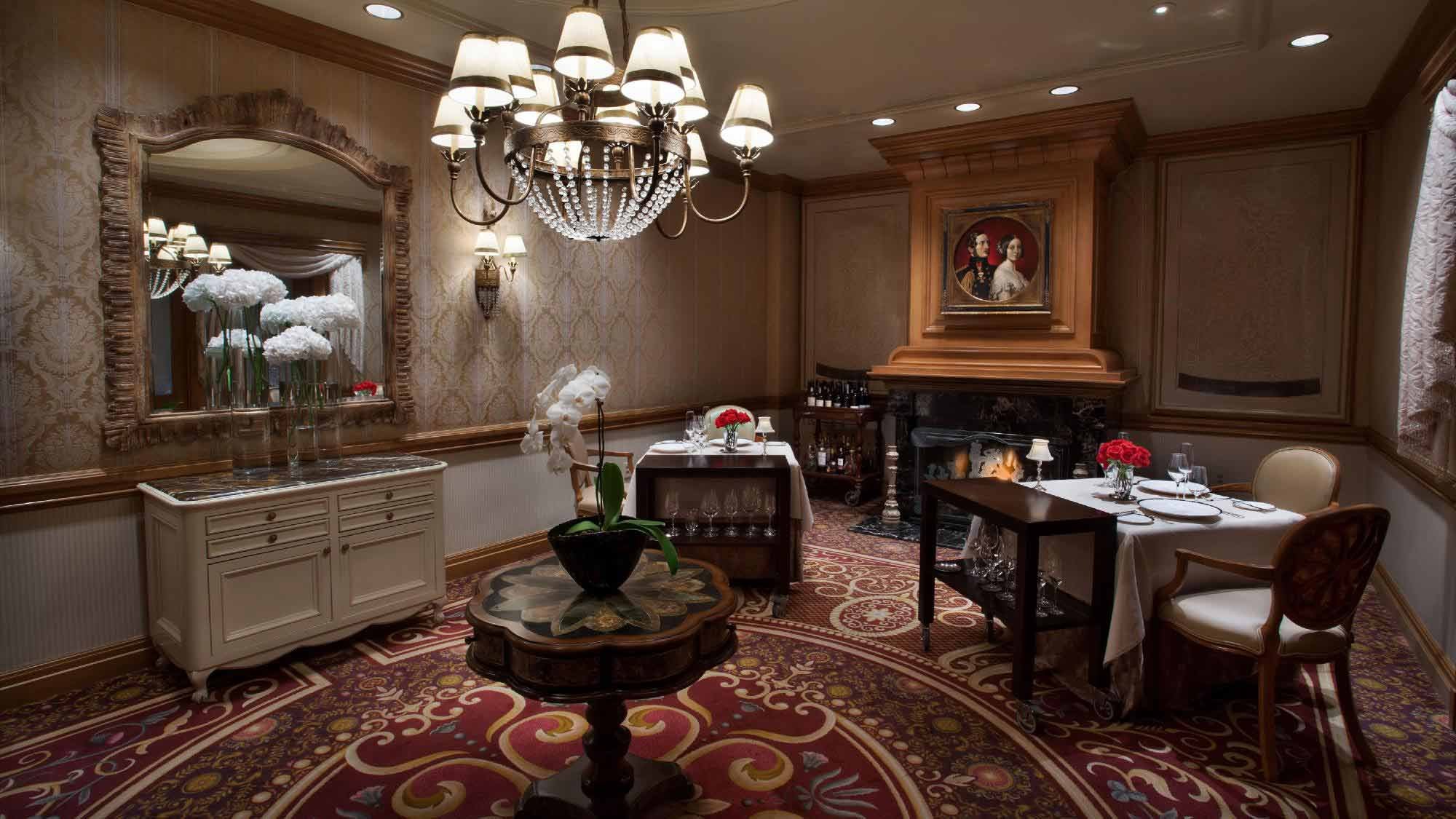
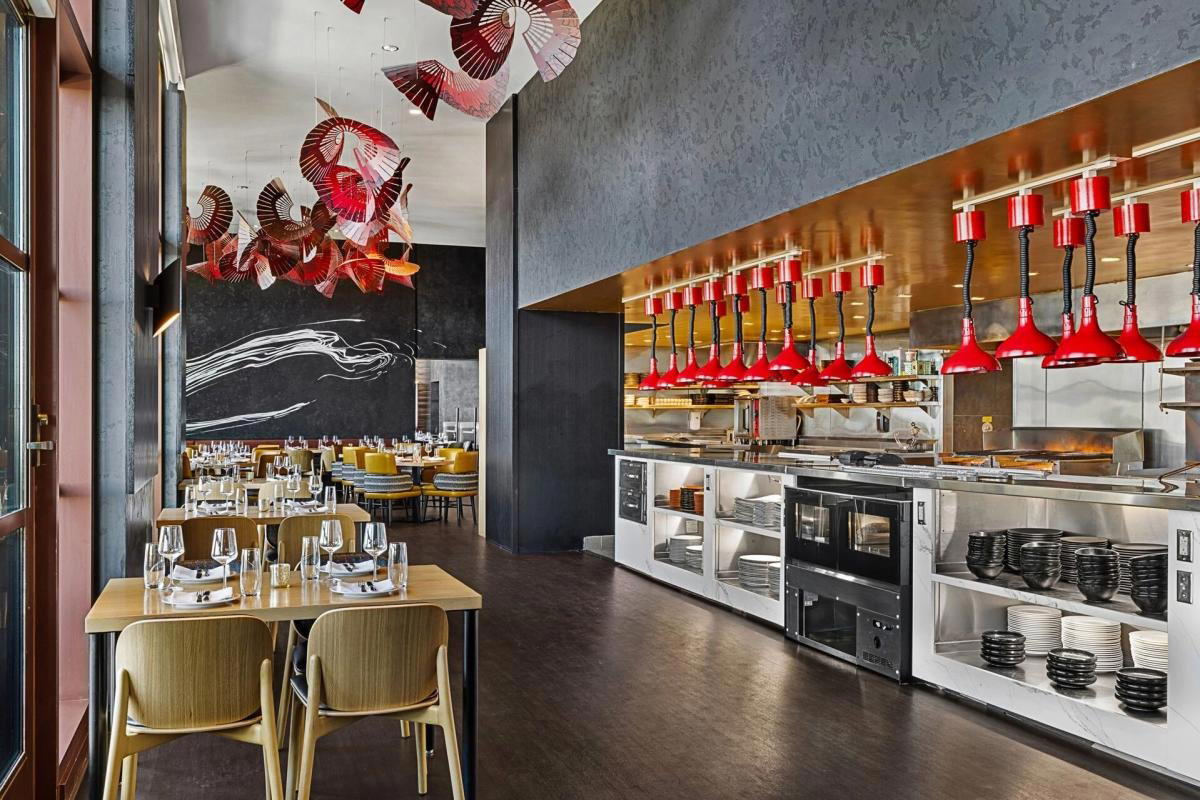
Casual, contemporary dining environment with a vibrant atmosphere catering to both hotel guests and local visitors.