Bouillon De La Paix occupies Place Rihour at the civic heart of Lille, bringing the bouillon tradition, the working-class Parisian brasserie format built on affordable, classically executed French dishes, to a city already well-served by serious dining. For visitors arriving in the cooler months, the format rewards immediate, no-fuss eating at the centre of one of northern France's most food-serious cities.
Pearl is the En Primeur Club membership app — saves, bookings, and concierge access live there. Same editors, same standards.
- Address
- 25 Pl. Rihour, 59000 Lille, France
- Phone
- +33320547041
- Website
- brasserie-delapaix.fr
- Directions
- Get directions
 Saves & bookings on Pearl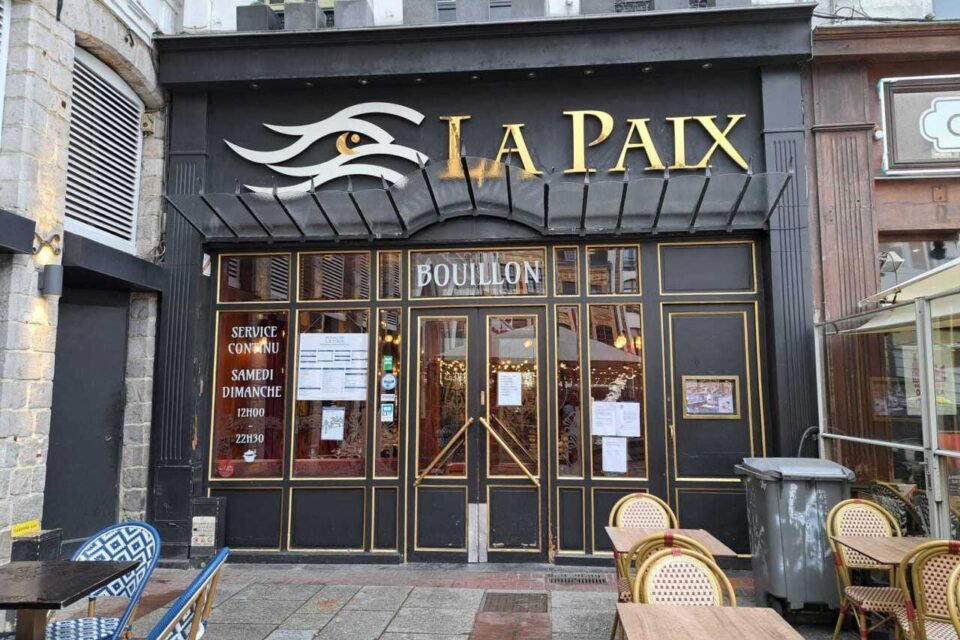
The Bouillon Format in a Northern French Context
The bouillon concept has its roots in nineteenth-century Paris, where restaurants like Bouillon Chartier and Bouillon Racine served labourers and shopkeepers the kind of food that required real kitchen skill but no white-tablecloth ceremony. The format nearly disappeared under the weight of modern brasserie culture, then returned with force in the 2010s as diners in Paris and beyond rediscovered the appeal of uncomplicated French cooking at prices that didn't require forward planning or a special occasion. The resurgence has since spread beyond the capital: Lille, with its pronounced appetite for communal, unfussy eating rooted in Flemish and northern French tradition, is a natural fit for the format.
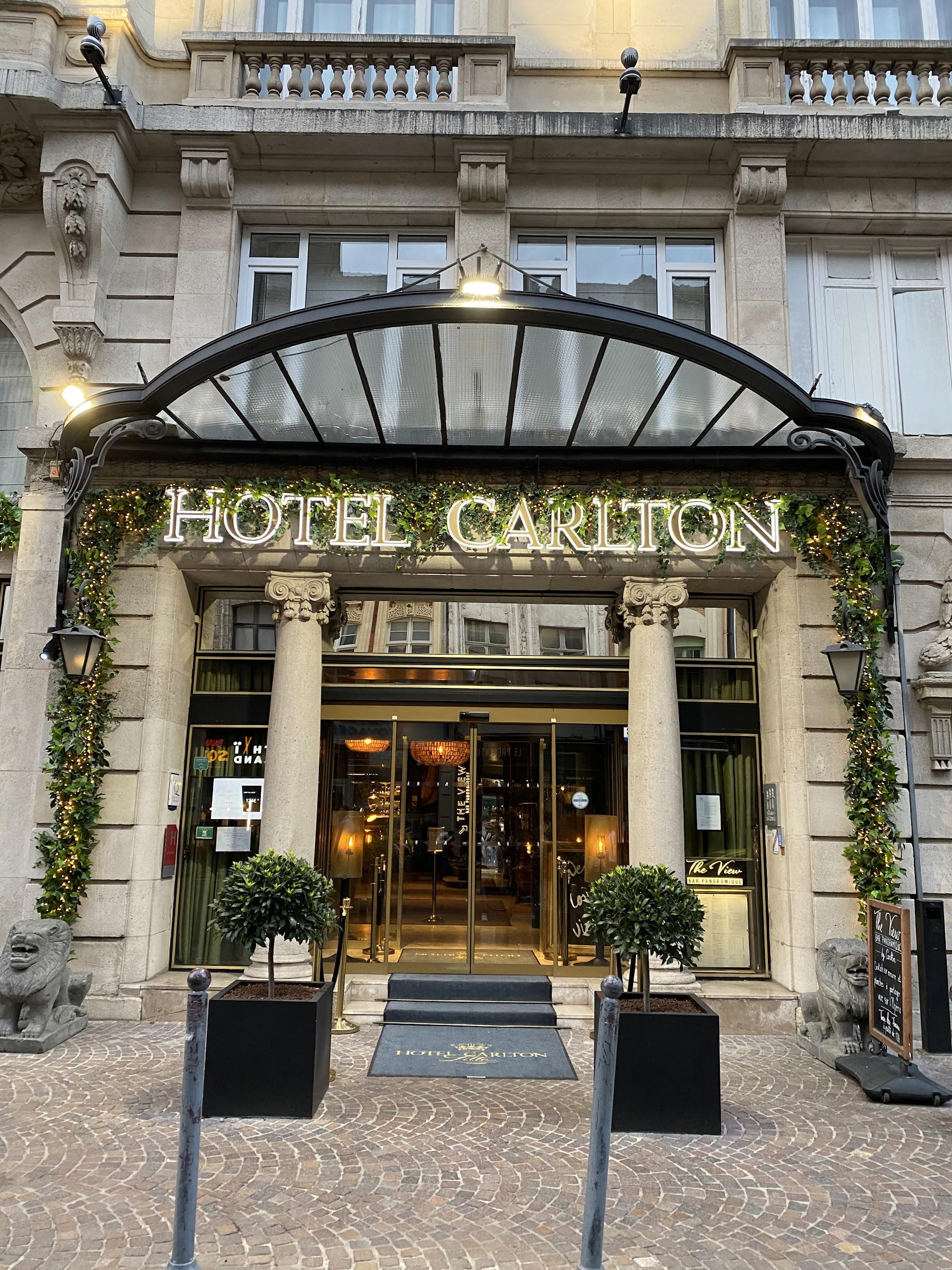
Place Rihour sits at the transition point between Lille's commercial core and its older, more textured Vieux-Lille quarter. The square itself anchors an area that draws a broad cross-section of the city, office workers at lunch, families on weekend afternoons, visitors stepping off the Eurostar connection from London or Brussels. A bouillon planted here isn't making a boutique gamble; it's positioning itself at the point of maximum civic traffic, which is exactly where the format has always worked. For comparison, some of Lille's more considered modern tables, Ginko and Pureté at the contemporary end, La Table at Hôtel Clarance at the fine-dining tier, occupy quieter corners and require a degree of intent to seek out. Bouillon De La Paix operates on a different logic entirely.
What the Room Signals Before a Plate Arrives
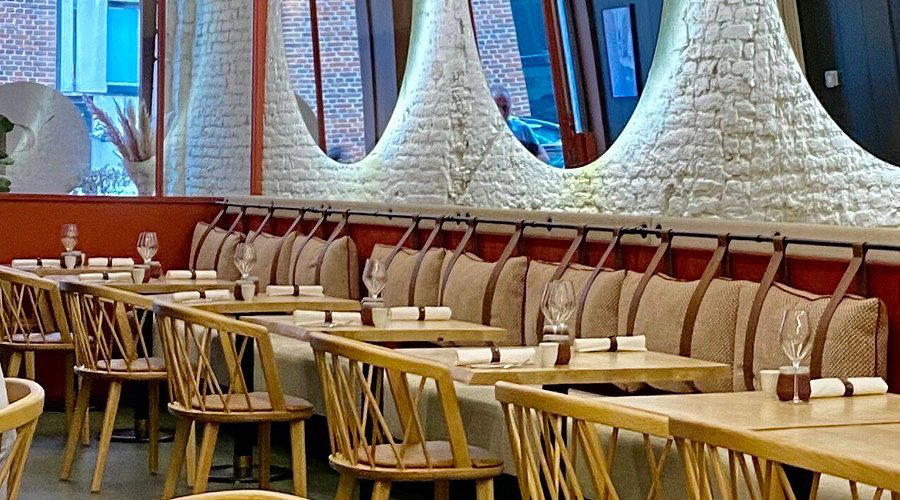
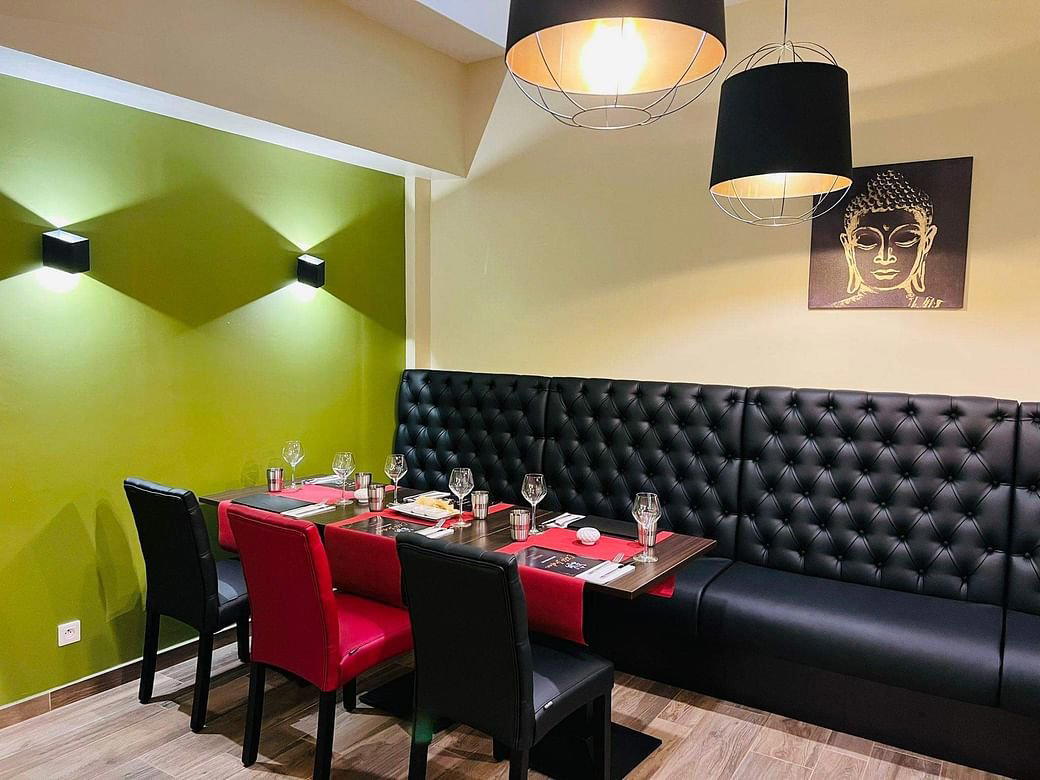
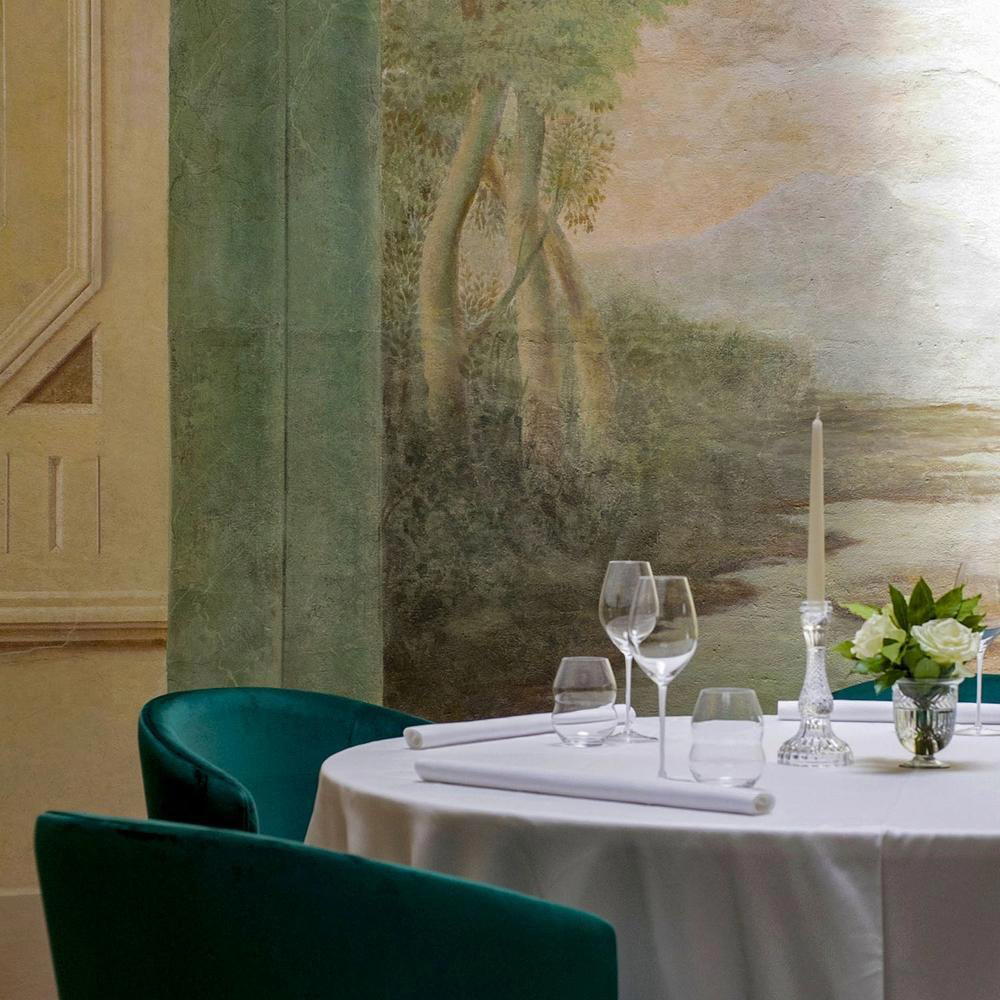
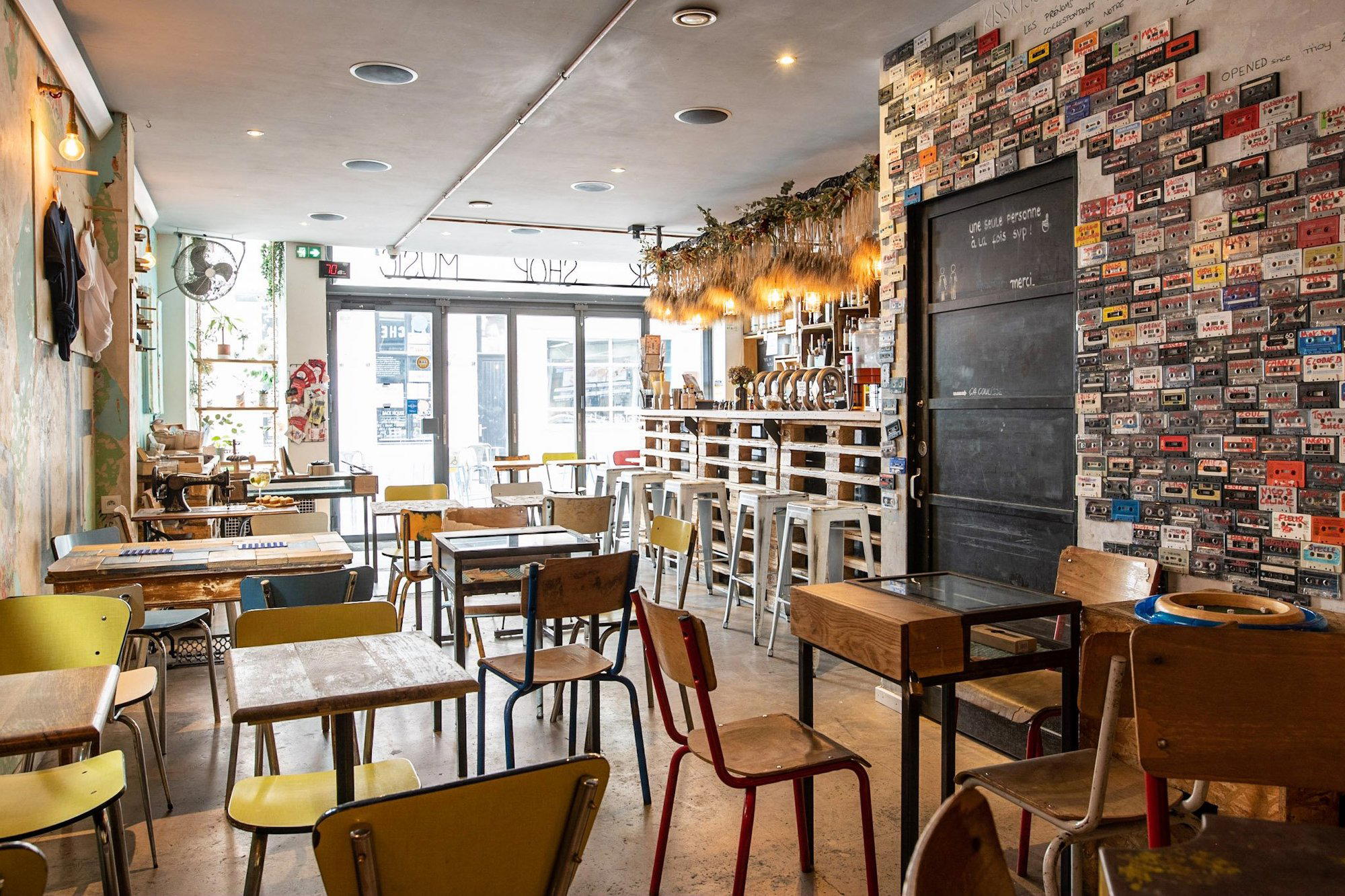
The sensory architecture of a bouillon is part of the contract. Across the format, whether in Paris or here in Lille, the design language tends toward the same set of cues: zinc counters or zinc-adjacent bar surfaces, bentwood chairs, tiled floors that carry the clatter of a full dining room without apology, and large mirrors that multiply the sense of movement and crowd. The room is meant to feel occupied. The noise of a working bouillon, the overlapping conversations, the clink of affordable house wine poured into simple glasses, is not an accident of poor acoustics but a deliberate atmospheric inheritance. You are supposed to feel that you are somewhere that other people also want to be, at that moment.
The smell arriving at a traditional bouillon is specific: hot stock, roasting meat, something that has been cooking for hours rather than minutes. This is the olfactory argument for the format's continued relevance. In an era of deconstructed sauces and fermentation programs, formats on full display at places like AM par Alexandre Mazzia in Marseille or Atomix in New York City, the bouillon smell is a counterpoint: an argument that depth of flavour belongs to the long braise as much as to the technical intervention.
Northern France's Eating Culture and Where the Bouillon Fits
Lille's dining identity has never been monolithic. The city carries a strong Ch'ti food culture, carbonnade flamande, welsh rarebit in its northern French iteration, maroilles cheese in various states of application, alongside a newer generation of modern French tables that read more like their Paris counterparts than any regional tradition. Venues like Au Vieux de la Vieille and Au Soyeux occupy the traditional end of that spectrum. The bouillon format sits in an interesting intermediate position: classically French in technique and menu structure, but without the regional specificity of a true estaminet and without the ambition of the city's fine-dining tier.
That intermediate positioning is both a strength and a limitation. A bouillon succeeds when its classics are executed with enough precision to justify the trip, and when the room has enough life to carry the experience beyond mere sustenance. The format does not hide behind complexity. There is no tasting menu to provide narrative cover, no wine pairing to anchor the occasion. The food is either good enough on its own terms or it isn't. This is why the bouillon revival in Paris attracted sustained attention from critics, and why Assiette Champenoise in Reims and Au Crocodile in Strasbourg represent such a different tier of ambition within the same northern and eastern French culinary geography, those kitchens are working at the opposite end of the resource and technique spectrum.
Planning a Visit: Timing and Approach
The bouillon format rewards seasonal timing in a specific way. In autumn and winter, the months when northern France earns its grey reputation, the warmth of a lit, full dining room and a bowl of something slow-cooked carries a weight it doesn't in July. Lille in October or November, when the Grand Place and the Vieux-Lille quarter are alive with the first cold, is when the bouillon proposition makes intuitive sense. Place Rihour is reachable on foot from Lille-Flandres station within a few minutes, and the Rihour metro stop is directly adjacent, making the logistics direct for visitors arriving by Eurostar or TGV.
Walk-in dining is historically the bouillon's natural mode, the format was always designed for the unplanned visit, the impulse decision made at the corner of a square at noon. The broader Lille dining scene at this price tier and format type does not typically operate on the months-ahead reservation system that applies to the city's leading modern tables.
Bouillon De La Paix in the Broader French Dining Picture
Placed against the ambition and scale of France's most celebrated kitchens, Mirazur in Menton, Troisgros in Ouches, Bras in Laguiole, or Alléno Paris au Pavillon Ledoyen, the bouillon sits at the other end of the intention spectrum, and that is entirely the point. The bouillon's value is comparative in a city-texture sense: what does a place tell you about where you are and how the people who live there eat when they aren't performing occasion dining? On that measure, a well-run bouillon in a civic square tells you a great deal. Those seeking the upper tier of Lille's contemporary tables will find more formal ambition at La Table at Hôtel Clarance or Ginko. But the bouillon's argument is older and, in its own way, harder to replicate than a tasting menu: it is the argument that French cooking at its most legible is still worth the journey.
France's Michelin-starred institutions, from Paul Bocuse in Collonges-au-Mont-d'Or to Auberge de l'Ill in Illhaeusern to Flocons de Sel in Megève, have always occupied one end of the country's dining range. The bouillon occupies the other. Both are expressions of the same underlying seriousness about what French food is supposed to do, which is to say: feed people well, without apology and without waste.
City Peers
Comparable venues nearby, for context on price, style, and recognition.
| Venue | Cuisine | Price | Notes |
|---|---|---|---|
| Bouillon De La PaixThis venue — the venue you are viewing | Traditional French Brasserie | $$ | Not listed |
| Bistrot Brigand | Modern French Bistro | $$ | Lille Centre 8 |
| Friterie Mestré | French Friterie | $$ | Franklin |
| Estaminet LA COUR de la ch'tite brigitte | Northern French Estaminet | $$ | Vieux Lille 3 |
| Les Oiseaux | Modern French Bistro | $$$ | Lille Centre 1 |
| La Fleur de Lille | Creative French Bistro | $$$ | Vieux Lille 2 |
Continue exploring
More in Lille
Restaurants in Lille
Browse all →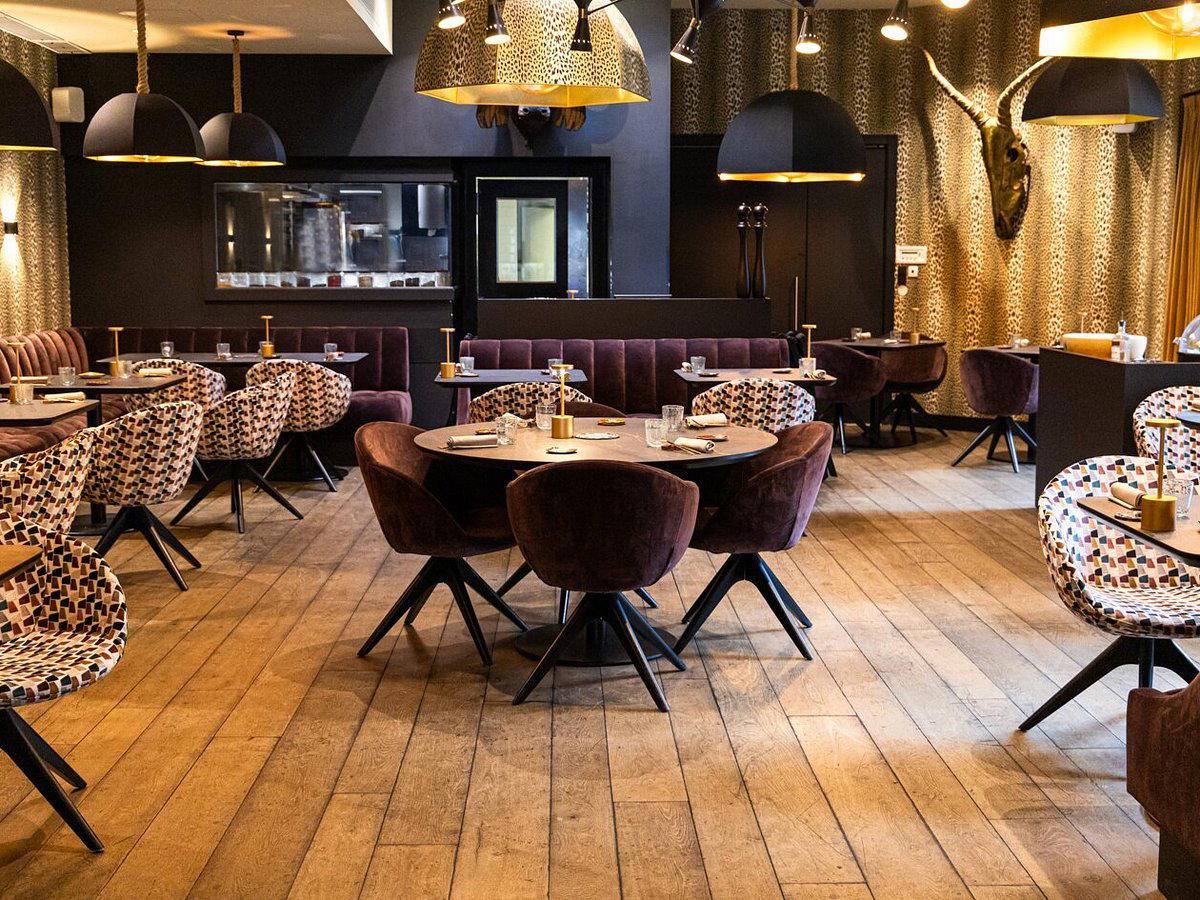
At a Glance
- Classic
- Elegant
- Group Dining
- Family
- Business Dinner
- Terrace
- Private Dining
- Historic Building
- Local Sourcing
- Street Scene
Current opening hours
- Monday
- 12–2:30 PM, 7–10:30 PM
- Tuesday
- 12–2:30 PM, 7–10:30 PM
- Wednesday
- 12–2:30 PM, 7–10:30 PM
- Thursday
- 12–2:30 PM, 7–10:30 PM
- Friday
- 12–2:30 PM, 7–10:30 PM
- Saturday
- 12–3 PM, 7–10:30 PM
- Sunday
- 12–3 PM, 7–10 PM
Hours can change for holidays and private events. Last verified .
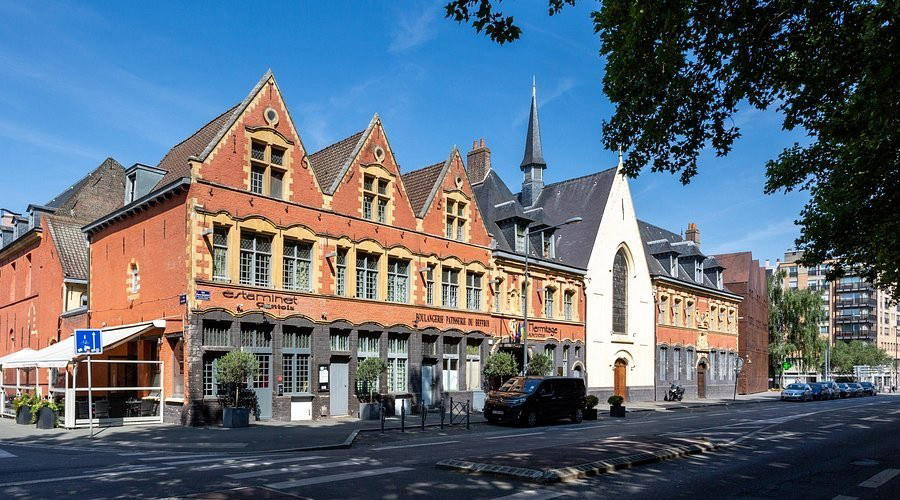
Art Deco interior with period tiling, red velvet seating, white cotton tablecloths, and a classic Parisian brasserie atmosphere.