Landgoed Den Oker occupies a country estate address in Lievegem, a municipality in the East Flemish hinterland where rural scale and proximity to Ghent have made room for serious destination dining. The venue sits within a broader local scene that includes BARR and Fou du Goût, two restaurants that together signal Lievegem's quiet emergence as a dining address worth the drive.
Pearl is the En Primeur Club membership app — saves, bookings, and concierge access live there. Same editors, same standards.
- Address
- Stoktevijver 36, 9932 Lievegem, Belgium
- Phone
- +3293724076
- Website
- landgoeddenoker.be
- Directions
- Get directions
 Saves & bookings on Pearl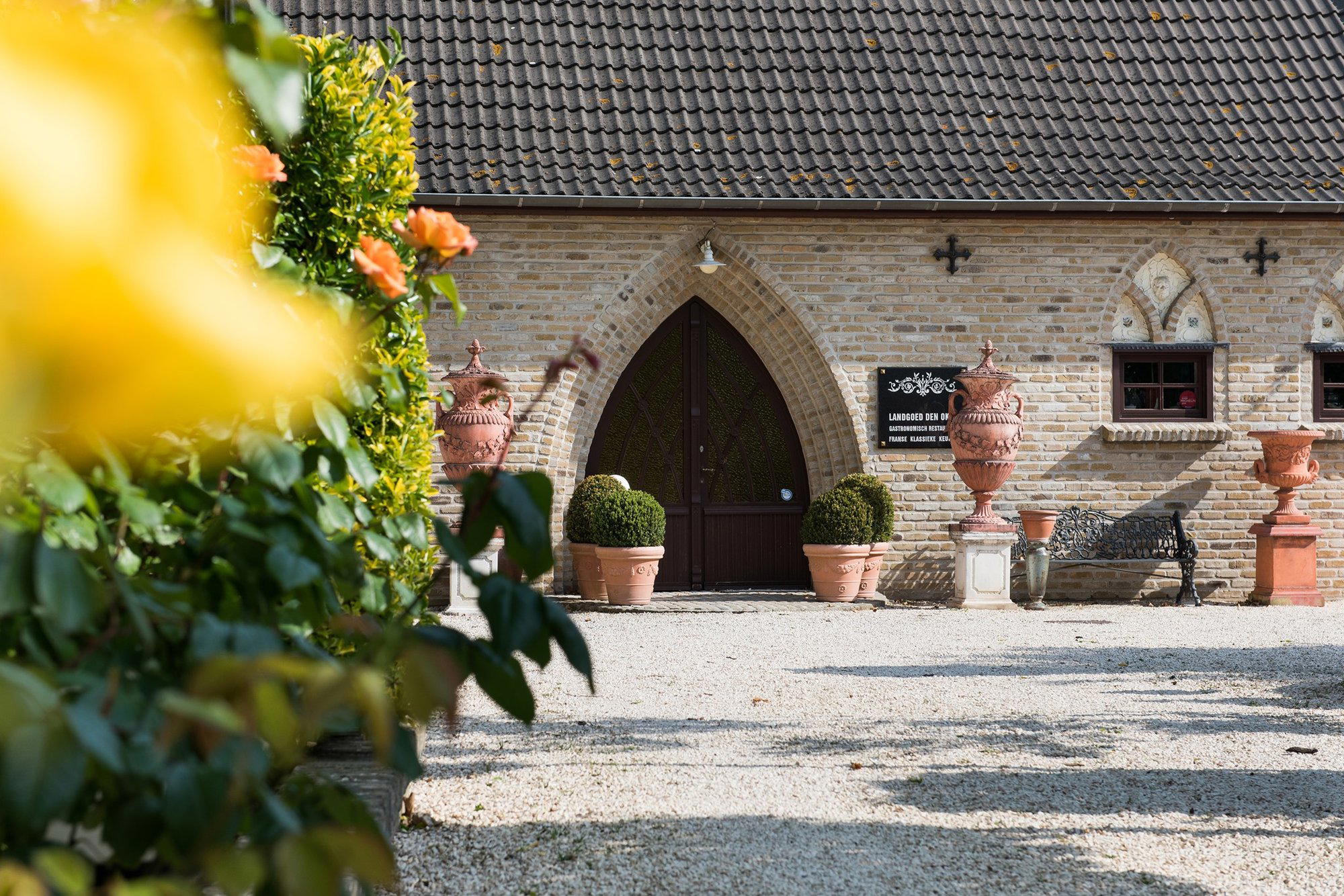
Estate Dining in the East Flemish Countryside
Belgium's fine-dining geography has always been more distributed than its neighbours. Where France concentrates prestige in Paris and a handful of regional anchors, Flanders has long sustained serious kitchens in modest municipalities, a pattern visible in the rural coordinates of restaurants like Hof van Cleve in Kruishoutem and Willem Hiele in Oudenburg, both of which draw destination diners to addresses most visitors would not otherwise find on a map. Lievegem, a merged municipality east of Ghent, fits that tradition. The approach to Landgoed Den Oker, an estate property at Stoktevijver 36, signals something different from the urban restaurant: grounds, space, and a physical remove from city rhythm that sets expectations before any meal begins.
That physical context matters more in Flemish estate dining than it might elsewhere. The landgoed format, roughly translated as a country estate or domain, carries its own cultural weight in this part of Belgium. These are not repurposed farmhouses in the French auberge mould, nor are they British-style country house hotels inflated by heritage marketing. The Flemish landgoed tends toward a more restrained relationship with its setting, the landscape as backdrop rather than spectacle, the building as a frame rather than a statement. Arriving at Den Oker positions the visitor inside that tradition before a single course arrives.
Where Lievegem Sits in the Regional Picture
The East Flemish dining scene operates in productive proximity to Ghent, a city that has developed genuine culinary depth over the past two decades. That proximity creates a particular dynamic for restaurants in surrounding municipalities: they need to offer something a Ghent restaurant cannot, whether that is scale, setting, or a format that rewards the additional travel. Particularly successful examples in this broader region have tended to anchor themselves to a specific identity, product-driven tasting menus, estate-grown ingredients, or a format that simply requires more space than a city address allows.
Within Lievegem itself, the dining options include BARR, Fou du Goût, and Julien, a small cluster that collectively suggests the municipality has accumulated enough serious cooking to function as a destination rather than a detour. Den Oker's estate address places it in a distinct tier within that local picture, one defined by setting as much as by the kitchen.
The Cultural Logic of Belgian Country-Estate Cooking
Belgian cuisine at its most considered level has historically been built around a French technical foundation applied to Flemish and broader Belgian ingredients. The result, at its most coherent, is a kitchen that handles classical structure with genuine product literacy, game from the Ardennes, North Sea fish, local vegetables, and cheeses from producers who have supplied serious kitchens across Flanders for generations. Restaurants such as Boury in Roeselare, Zilte in Antwerp, and Bartholomeus in Heist each express versions of this framework, differing principally in geography and the product lines that geography makes available.
An estate property adds another dimension to that cultural inheritance. The landgoed kitchen can, in principle, draw on grounds, gardens, or regional suppliers at a scale and proximity that an urban address cannot replicate. That possibility, whether or not it is fully realised in any given season, shapes how diners approach the meal. The expectation at a country estate is not urban speed or spectacle; it is a slower, more situated encounter with ingredients that have a demonstrable relationship to the surrounding land. That expectation is itself culturally specific to this part of northern Europe, distinct from the way French or Italian country cooking frames its relationship to place.
For context on how Belgian fine dining reads against international reference points, Le Bernardin in New York City represents the kind of classical rigour that Belgian kitchens have often been measured against, while Atomix in New York City offers a useful counterpoint, a non-European tasting-menu format built around equally deep product and technique commitments. Belgium's contribution to that global conversation sits in a different register: less overtly experimental, more rooted in the logic of place and season.
Positioning Within Belgium's Broader Fine-Dining Tier
Belgium's Michelin-recognised restaurants are more geographically spread than any comparable European country of its size. Properties like Castor in Beveren, De Jonkman in Sint-Kruis, La Durée in Izegem, and d'Eugénie à Emilie in Baudour confirm that pattern: serious kitchens operating in addresses that carry no metropolitan gravity, sustained by a regional dining culture that will drive for the right meal. L'air du Temps in Liernu and La Table de Maxime in Our extend the same argument into Wallonia, demonstrating that the distributed model is a national characteristic rather than a Flemish quirk.
At the urban end of the Belgian spectrum, Bozar Restaurant in Brussels represents the capital's contribution to the conversation, a kitchen operating within a cultural institution, with all the curatorial pressure that implies. Den Oker occupies a position as far from that model as the country allows: a rural estate, a specific postal address, a setting that asks the diner to come to it rather than slotting into a city itinerary.
Planning a Visit
Lievegem is accessible from Ghent by car in under twenty minutes, and from Brussels the drive runs roughly an hour depending on route. The estate address at Stoktevijver 36 is not a walk-in proposition in the way a city bistro might be; the nature of the setting and the format suggest advance planning is the sensible approach. Reaching the property directly, via the address or local booking channels, is the practical first step. Combining a visit to Den Oker with an evening in Ghent or a broader East Flemish itinerary makes geographic sense.
Budget Reality Check
Comparable venues nearby, for context on price, style, and recognition.
| Venue | Cuisine | Price | Notes |
|---|---|---|---|
| Landgoed Den OkerThis venue — the venue you are viewing | Ronsele, Classic French Gastronomy | $$$$ | Not listed |
| Fou du Goût | Not listed | $$$ | Lovendegem, Classic French with Exotic Twists |
| Julien | Lotenhulle, Modern French Fine Dining | $$$$ | Not listed |
| BARR | Lievegem, Belgian Brasserie | $$ | Not listed |
| 't Parksken | Balegem, French-Belgian Gastronomic | $$$$ | Not listed |
| Dunas | Not listed | $$$$ | Duinbergen, Modern French Coastal Fine Dining |

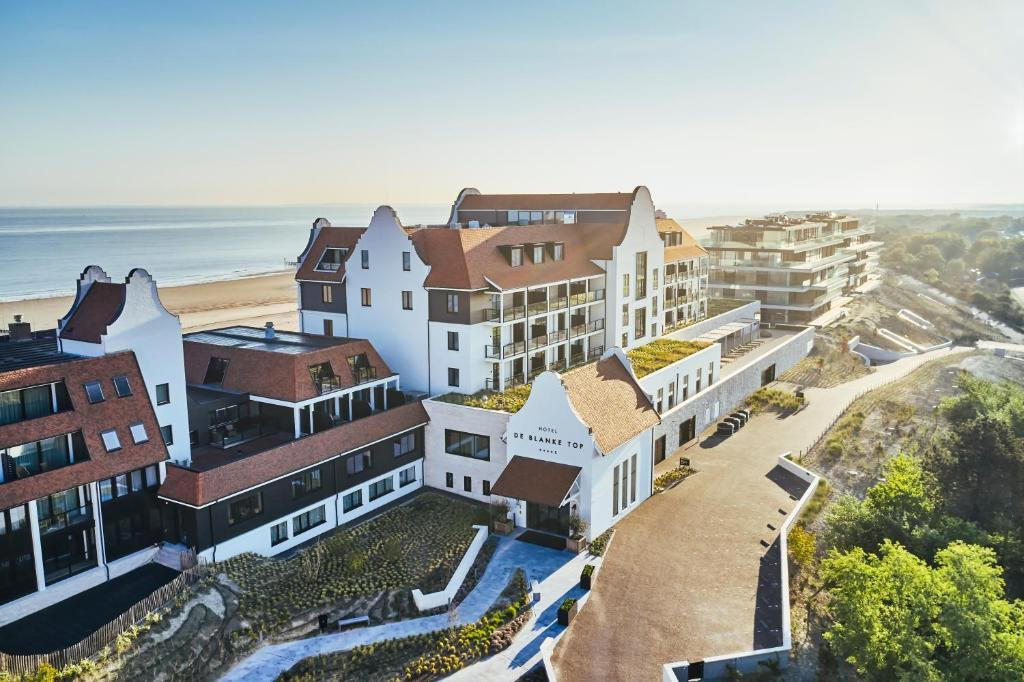
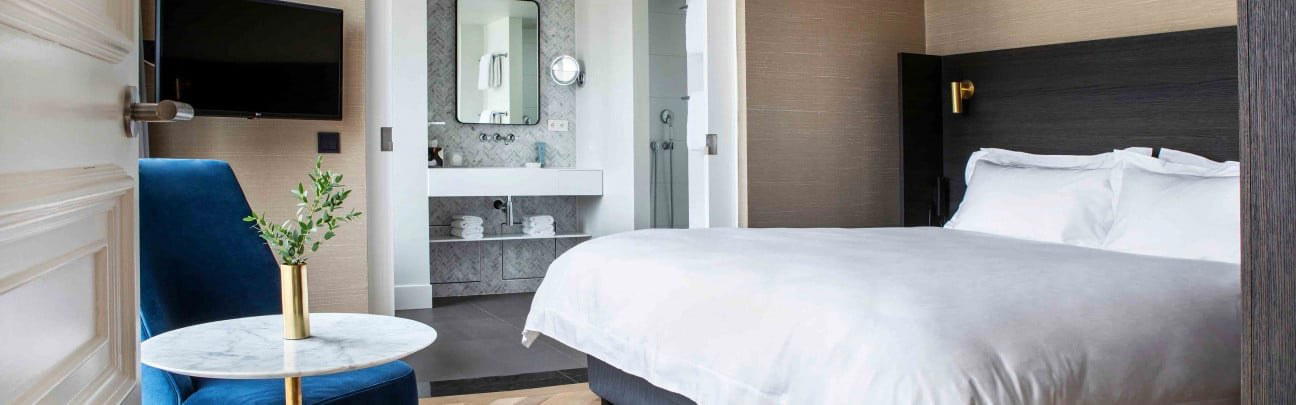
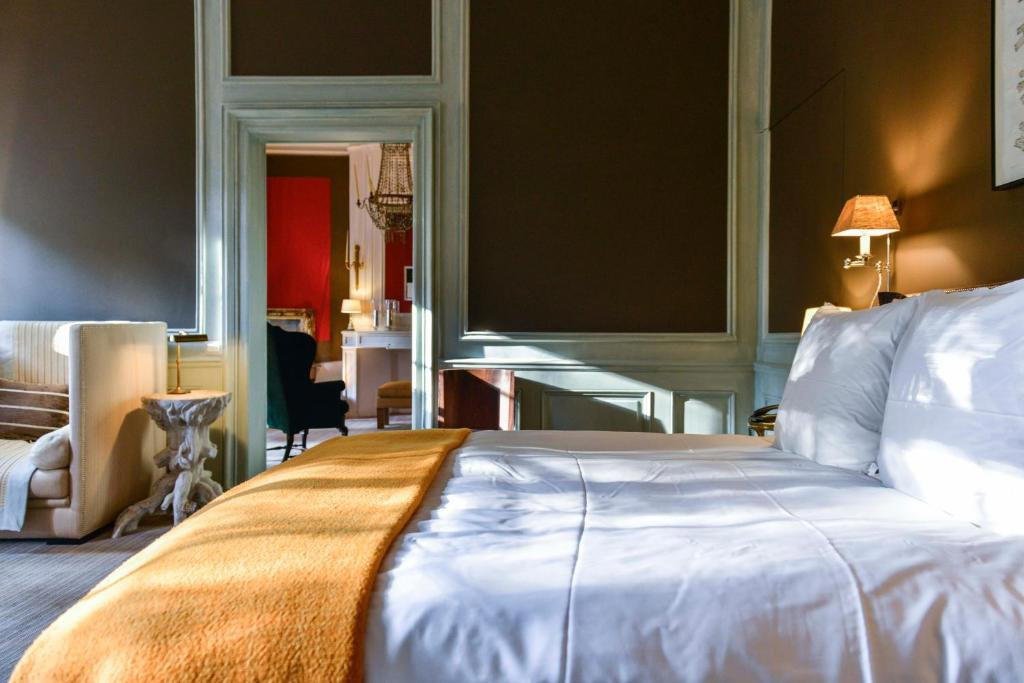
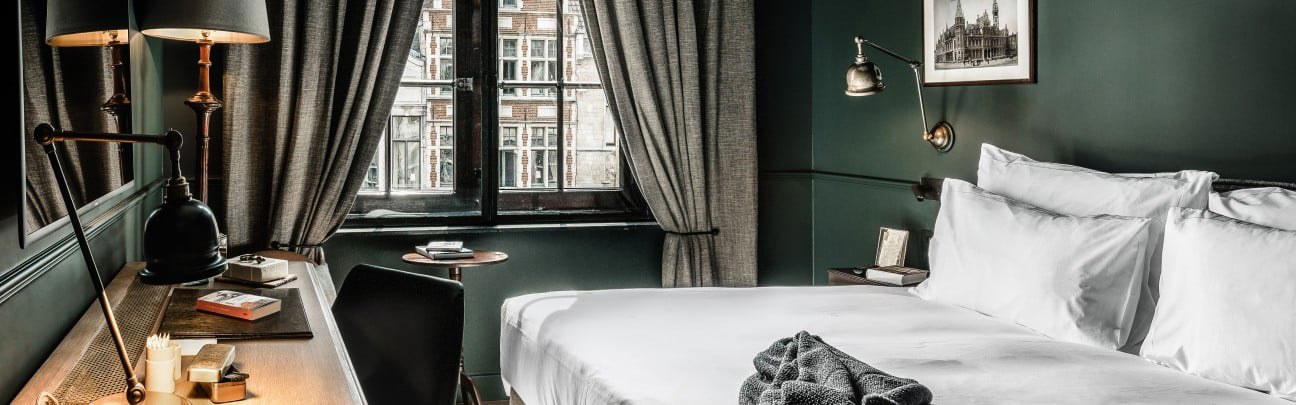
At a Glance
- Romantic
- Cozy
- Elegant
- Rustic
- Scenic
- Date Night
- Special Occasion
- Celebration
- Garden
- Historic Building
- Extensive Wine List
- Local Sourcing
- Garden
Current opening hours
- Monday
- Closed
- Tuesday
- 12:15–5:15 PM
- Wednesday
- Closed
- Thursday
- 12:15–5:15 PM
- Friday
- 12:15–1:30 PM, 7:15–8:15 PM
- Saturday
- 12:15–1:30 PM, 7:15–8:15 PM
- Sunday
- 12:15–5:15 PM
Hours can change for holidays and private events. Last verified .
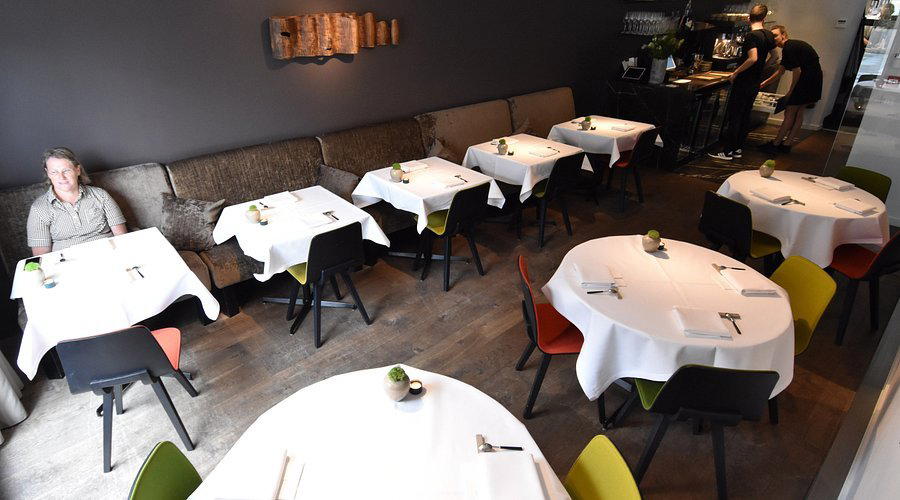
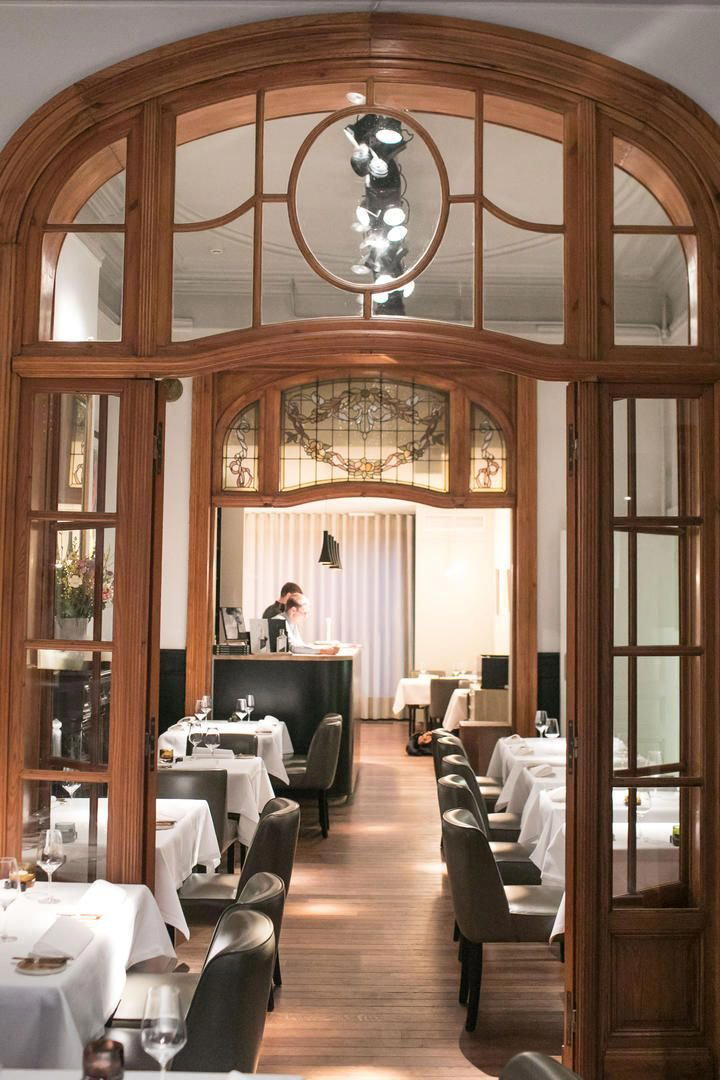
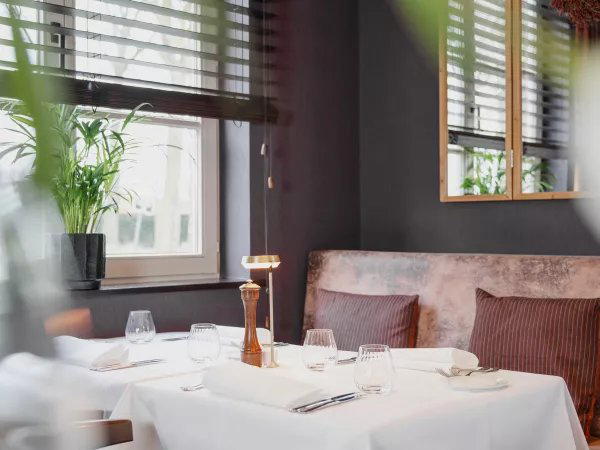
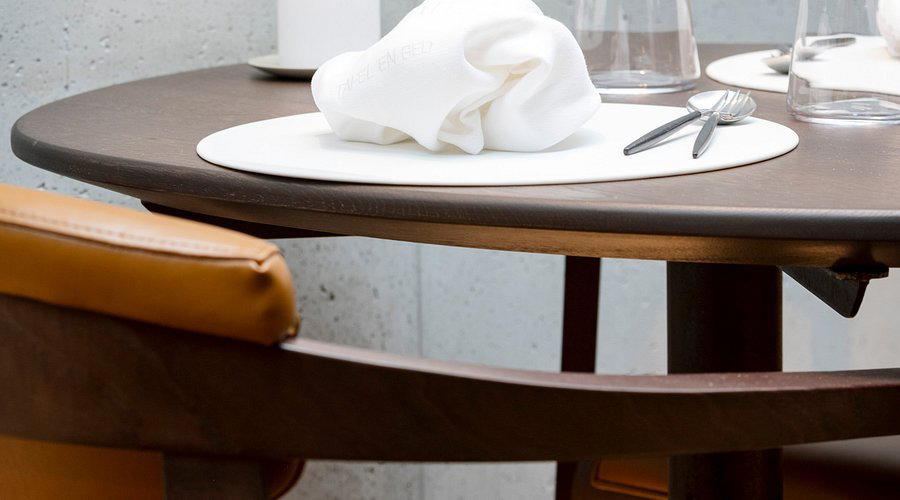
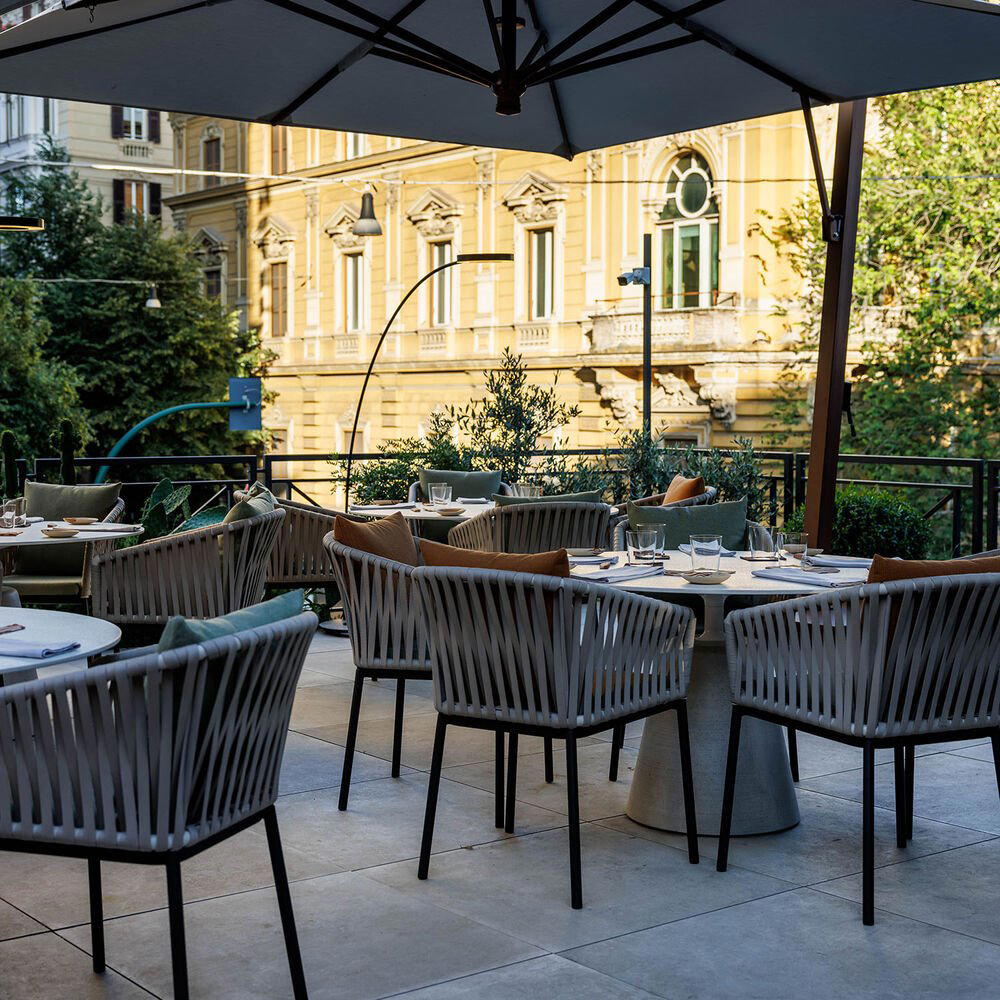
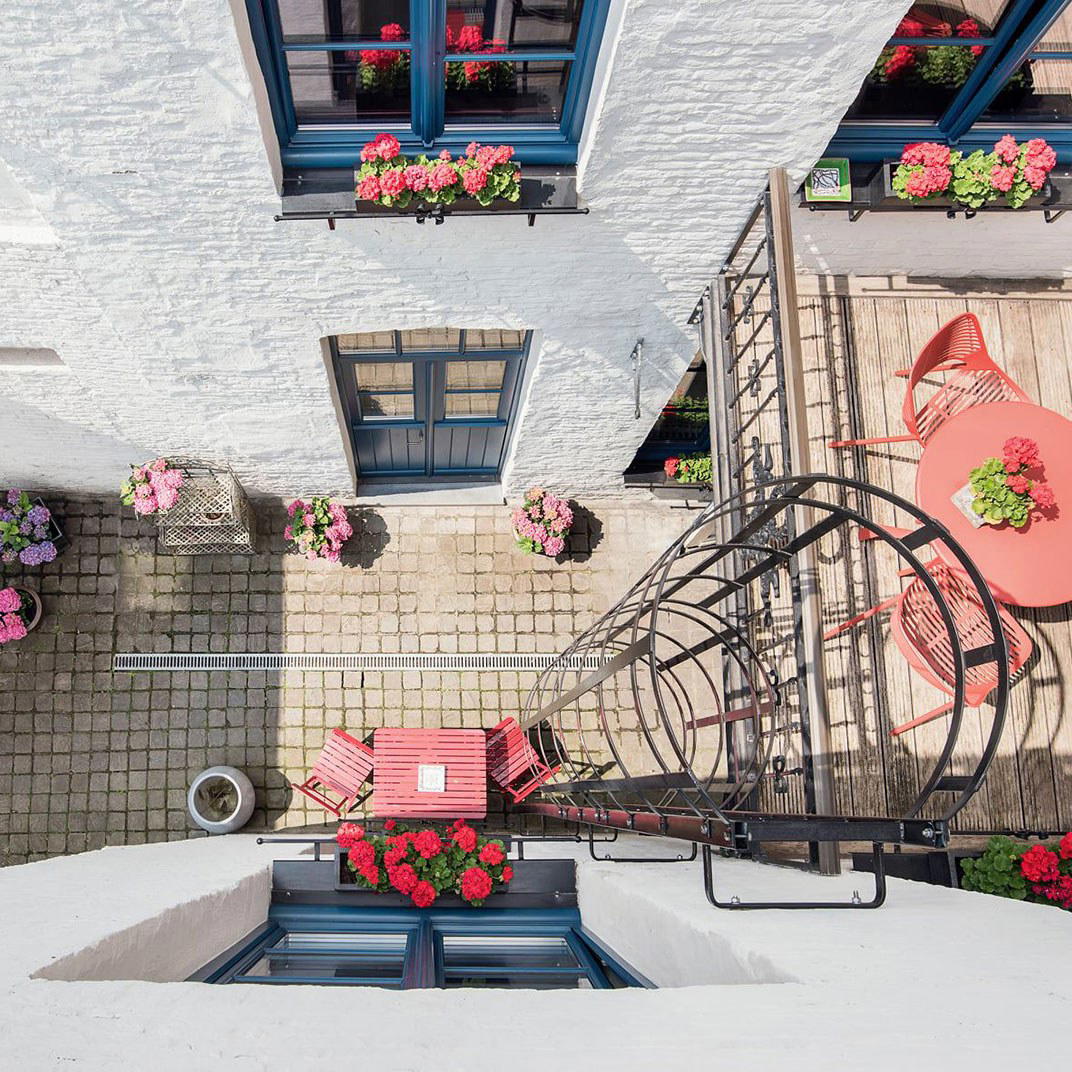
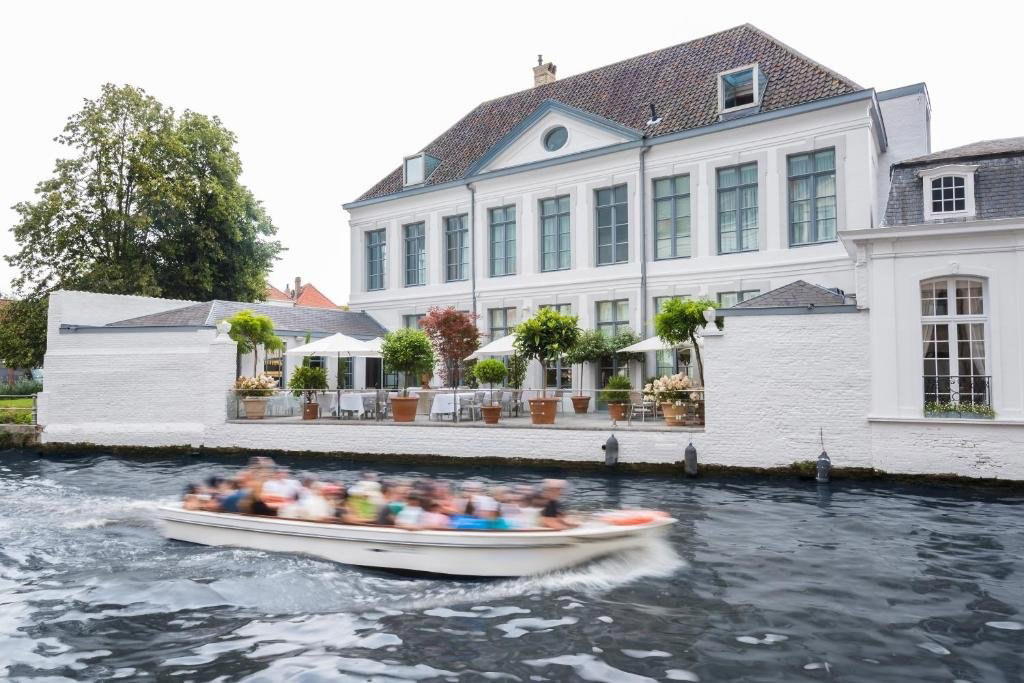
Homely and warm atmosphere in a fairy-tale interior with a spacious salon for aperitifs, cozy lighting, and authentic rustic charm amid greenery.