Our verdict
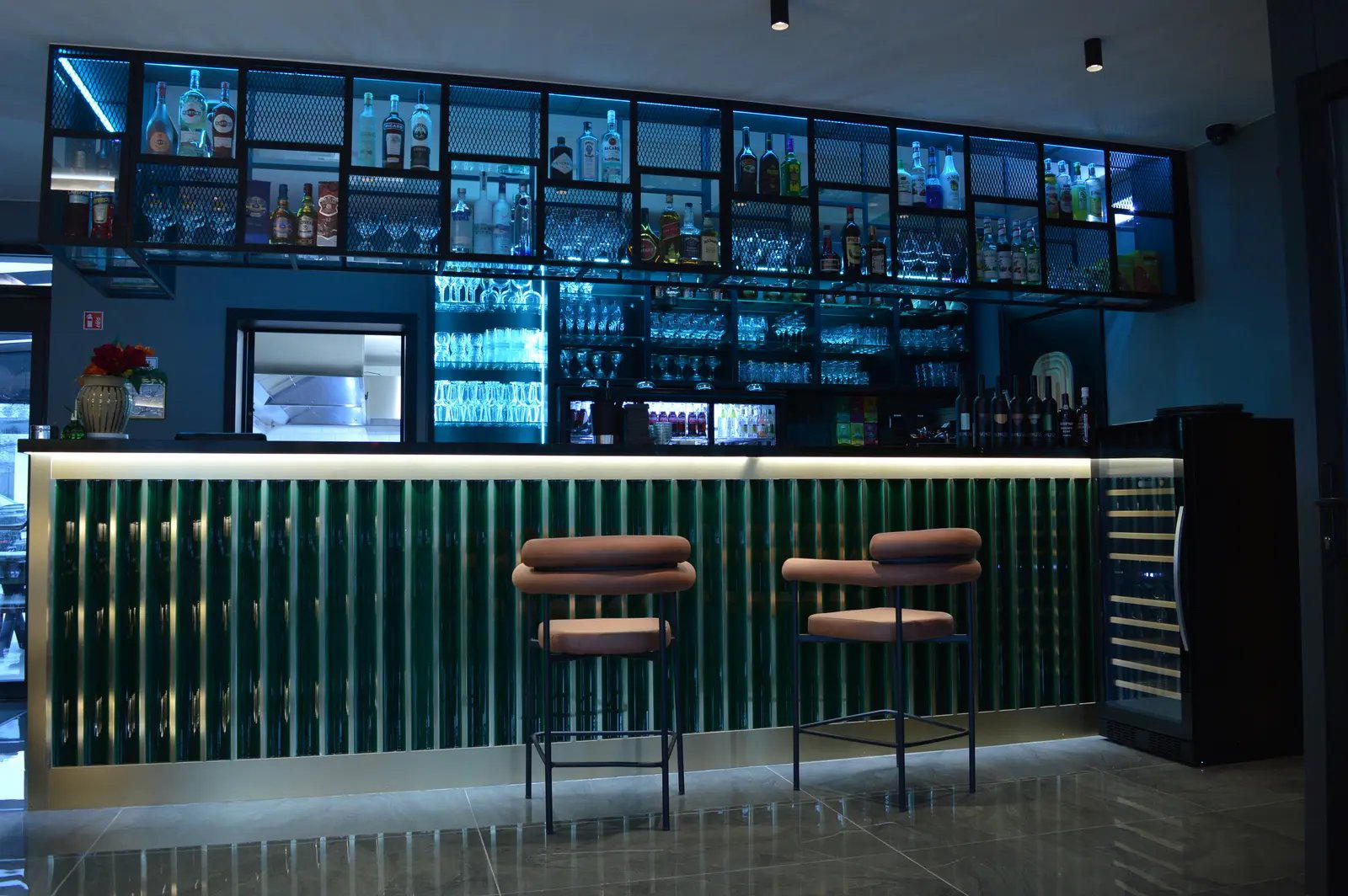
BARR sits on Maarten Steyaertplein in Lievegem, a municipality that has developed a quietly serious dining culture in the East Flemish hinterland. With minimal data publicly available, the restaurant occupies a space where local sourcing and understated Belgian craft tend to define the conversation. Positioned within a region that rewards advance research, BARR is worth tracking for travellers already exploring Lievegem's growing table.

Pearl is the En Primeur Club membership app — saves, bookings, and concierge access live there. Same editors, same standards.
- Address
- Maarten Steyaertplein 1, 9930 Lievegem, Belgium
- Phone
- +32476433661
- Hours
- Mon–Wed ClosedThu 4 PM–12 AMFri–Sat 4 PM–2 AMSun 2 PM–12 AM
- Website
- barr-zomergem.be
- Directions
- Get directions
Lievegem's Dining Register and Where BARR Fits
East Flanders has developed a dining culture that operates below the radar of Belgium's headline restaurant circuit, yet draws the same producer relationships and technical seriousness found at the country's most decorated tables. Lievegem, a consolidated municipality formed from several historically distinct villages, sits in that current: close enough to Ghent's supply chain and hospitality infrastructure to benefit from it, far enough removed to maintain a lower-key register. In this context, addresses like BARR, located on Maarten Steyaertplein, occupy a specific civic role. The town-square placement is not incidental in Flemish dining culture; it signals an address oriented toward the local community rather than destination tourism, which in turn tends to produce menus shaped by what is available regionally rather than what telegraphs ambition to a passing critic.
This is the pattern that has made Belgium's smaller-town dining scene worth attention beyond Brussels and Antwerp. Venues like Vrijmoed in Gent and Boury in Roeselare have demonstrated that rigorous sourcing and technical ambition are not exclusive to capital cities. BARR's Lievegem address places it within that broader regional argument, even if its public profile remains limited compared to those peers.
The Sourcing Question in East Flemish Cooking
Ingredient provenance has become the primary differentiator in Belgian regional dining over the past decade. The West Flemish coast, the Pajottenland, and the polders east of Ghent each produce distinct raw materials, and the restaurants that have earned sustained attention are those that treat local supply chains as the starting point for menu logic rather than a marketing footnote. In East Flanders specifically, the proximity to waterways, market gardens, and small-scale livestock operations has historically supported a cuisine of direct flavours and seasonal precision.
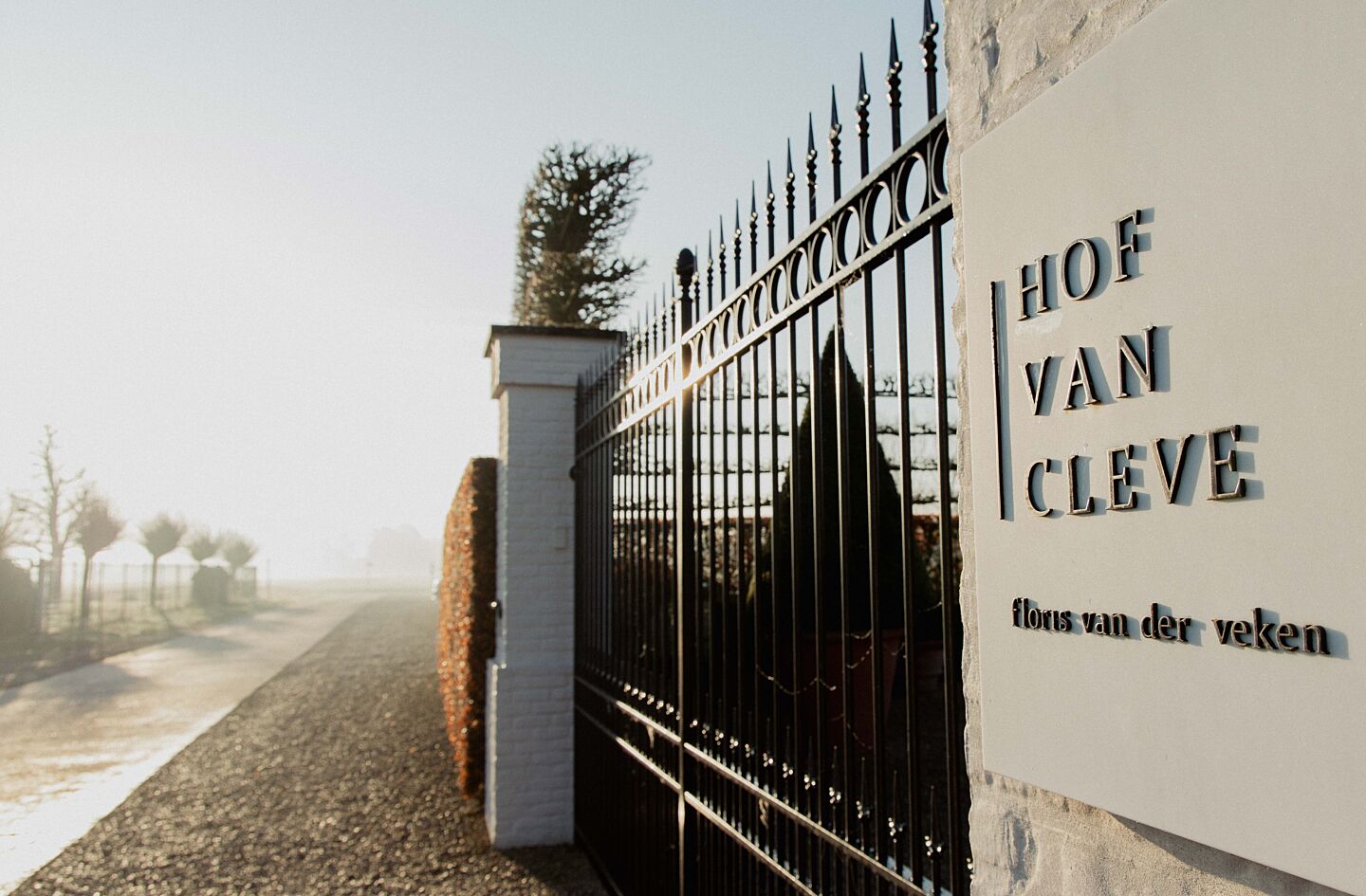
For a restaurant positioned on a municipal square in Lievegem, this sourcing context matters. Addresses at this scale typically build their supplier network within a short radius, often drawing from the same producers who supply Ghent's more prominent kitchens. The result, when it works, is cooking that reflects a specific geography rather than a generalised seasonal-European framework. Belgium's leading regional tables, from Hof van Cleve in Kruishoutem to Willem Hiele in Oudenburg, have made that geographical specificity central to their identities. Smaller addresses in the same region inherit that expectation even without the accolades.
Comparing across Belgian regions, the East Flemish approach tends toward restraint over elaboration. It shares a temperament with the low-intervention, product-first cooking now common at places like De Jonkman in Sint-Kruis, where the discipline lies in selection rather than transformation.
Reading the Room: Format and Atmosphere
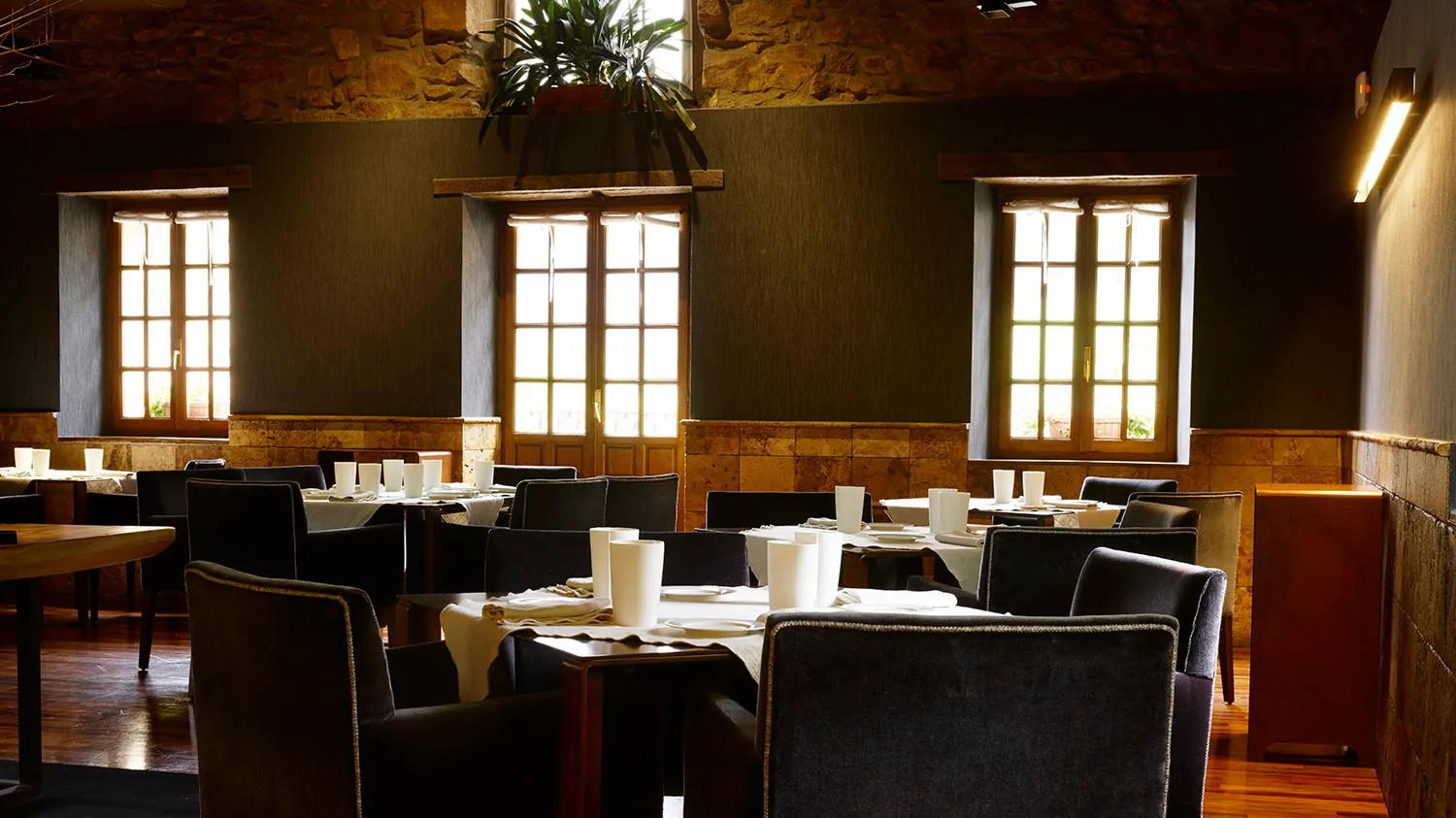
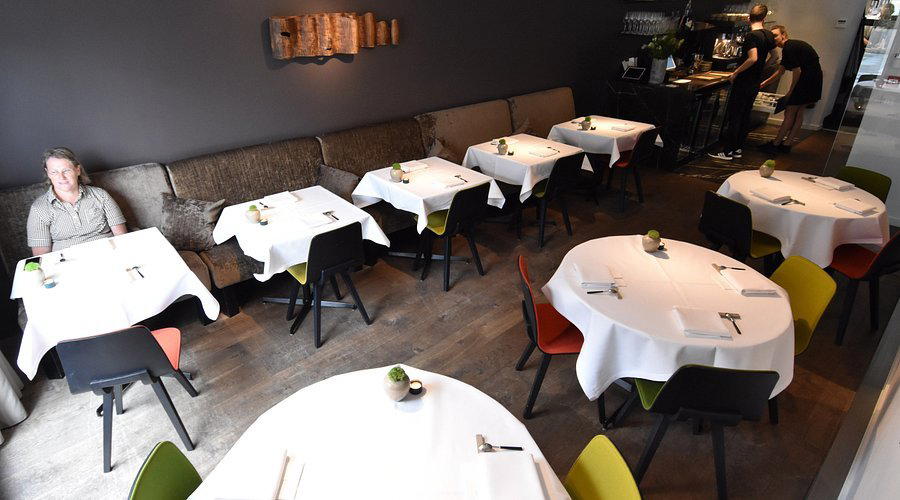
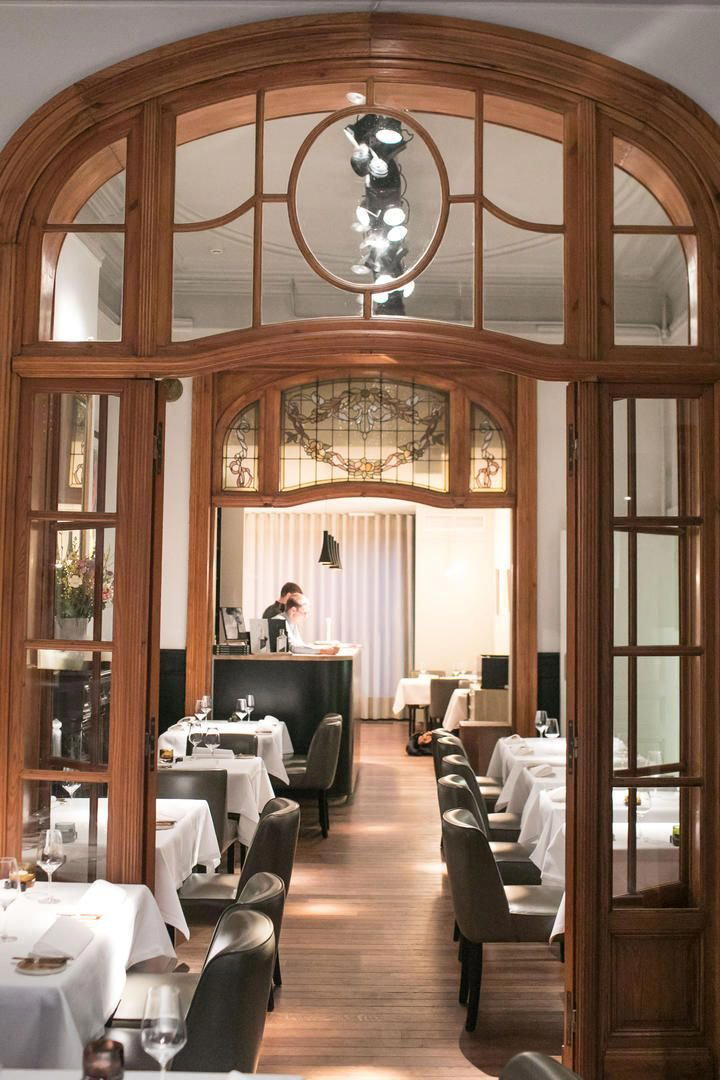
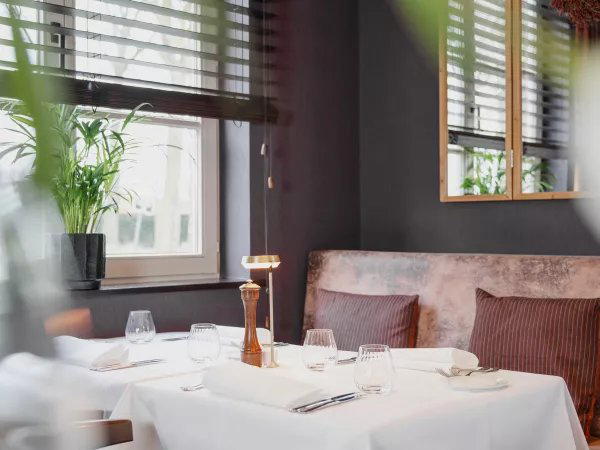
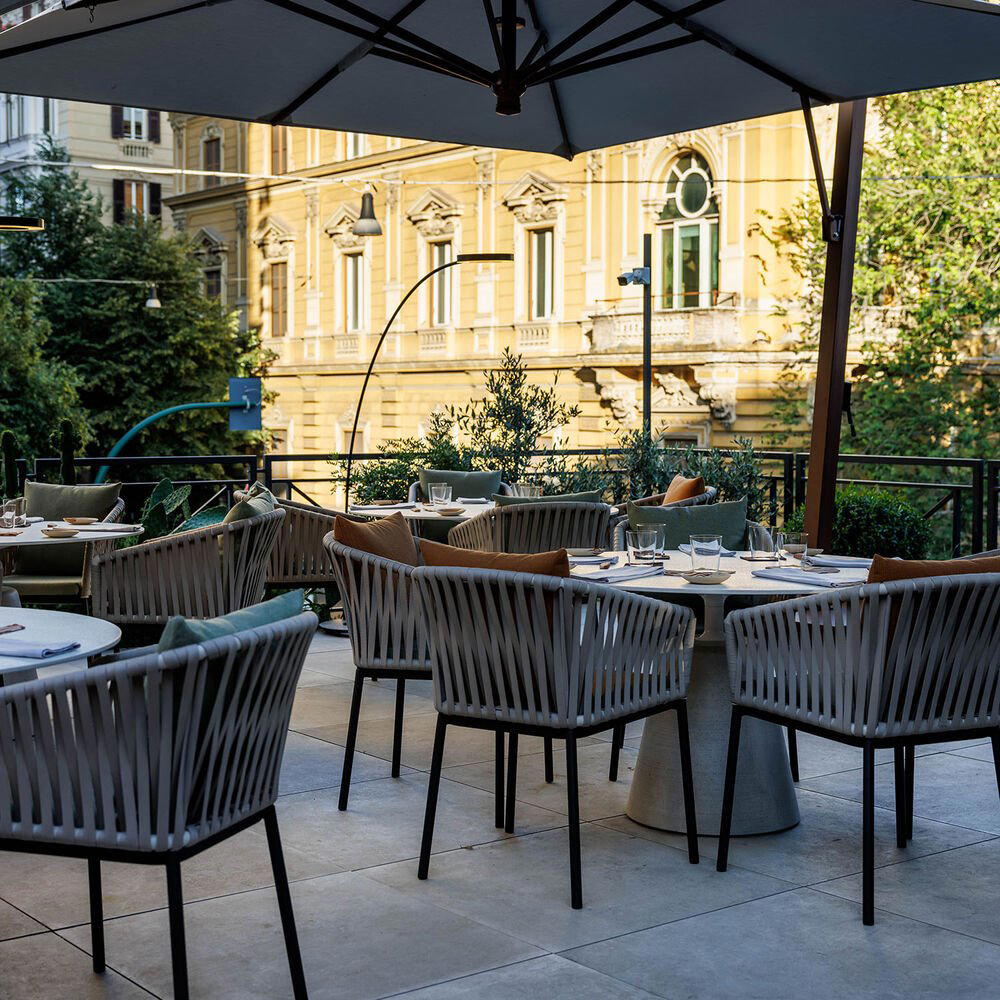
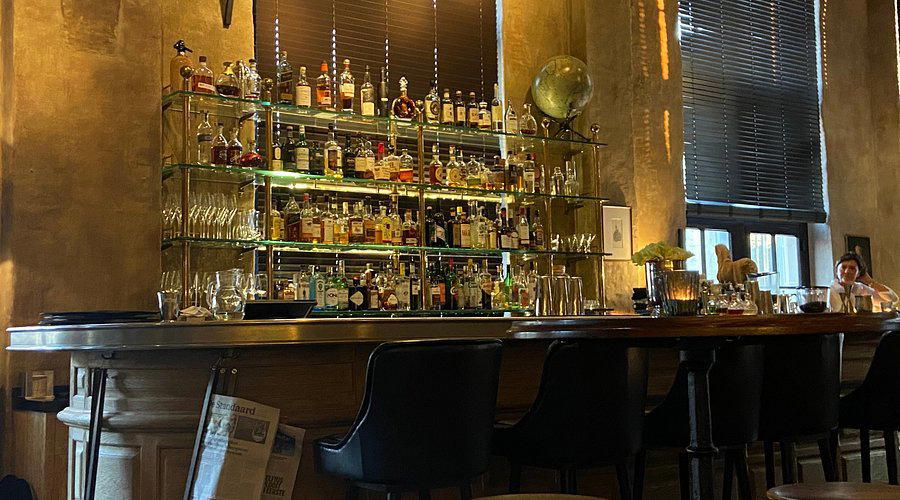
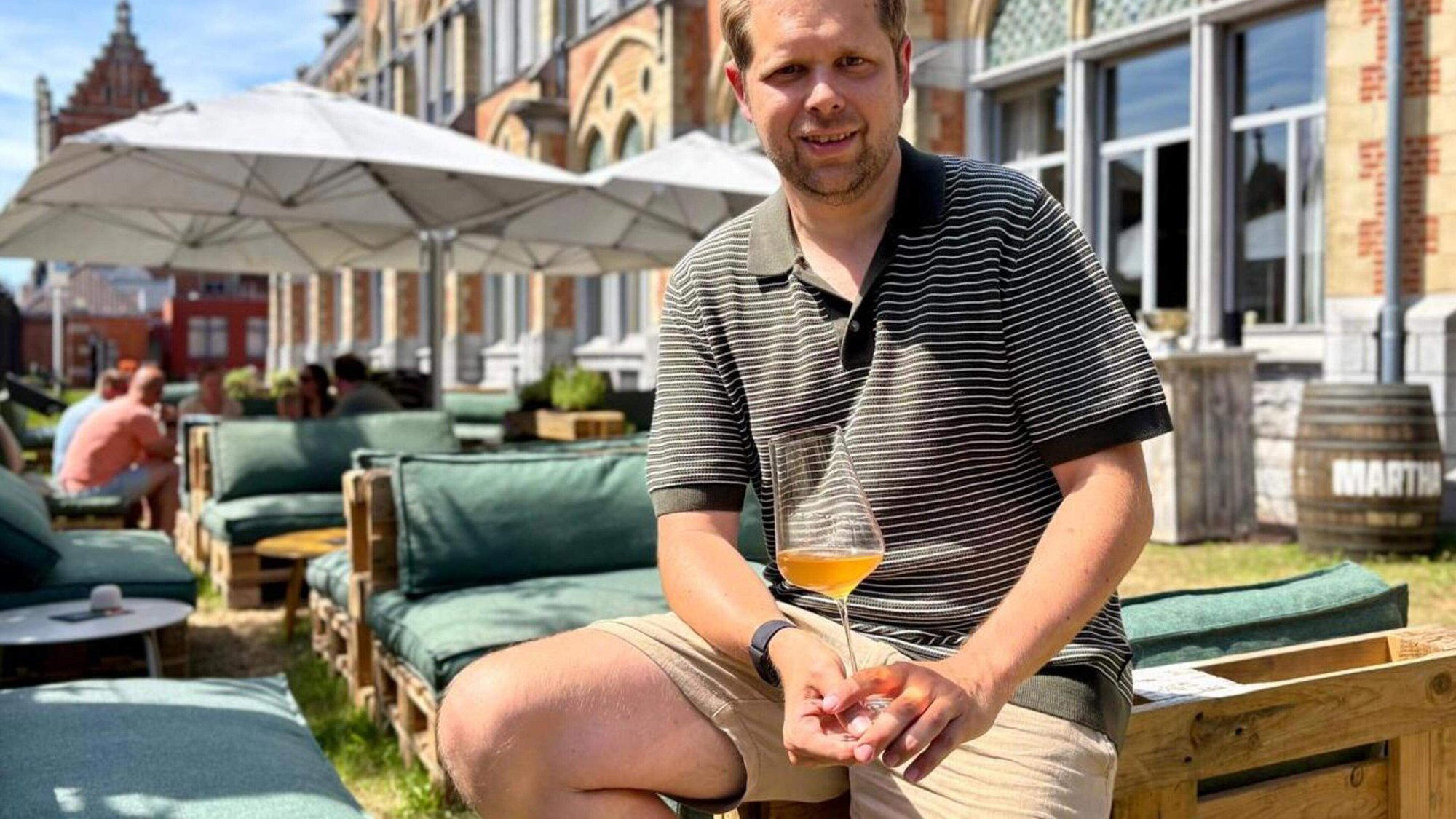
Town-square restaurants in Flemish municipalities follow a recognisable spatial grammar. Ground-floor dining rooms with views onto the plein, materials that echo local building stock, and a pace calibrated to the rhythms of a community rather than a tourist itinerary. This format tends to produce a particular atmosphere: inhabited rather than curated, with a regulars' dynamic that shapes service priorities. The contrast with destination restaurants, which must perform for an audience arriving specifically to be impressed, is meaningful. Zilte in Antwerp or Bozar Restaurant in Brussels operate in a different register entirely, one where the theatrical dimension of the meal is part of the product. An address like BARR, at Maarten Steyaertplein 1, more likely occupies the civic-anchor position: a place where people return on a Tuesday as readily as a Saturday.
That is not a diminishment. Some of the most consistent cooking in Belgium happens at exactly this scale, in rooms that do not ask to be photographed, at prices that reflect local purchasing power. The comparable cadence can be found at La Durée in Izegem or Ralf Berendsen in Neerharen, both of which serve their regions with a regularity that high-profile destination dining rarely manages.
Lievegem's Table: Context for the Visitor
Travellers arriving in Lievegem with serious dining intentions have a short list of addresses to cross-reference. Fou du Goût, Julien, and Landgoed Den Oker represent the municipality's current dining range, from estate dining to more accessible neighbourhood formats. BARR adds to that register, though its specific positioning within the local competitive set requires on-the-ground verification that public data does not yet supply. For a comprehensive view of what Lievegem's table offers, the full Lievegem restaurants guide provides the most complete picture currently available.
For visitors accustomed to benchmarking against Belgium's broader circuit, it helps to know that East Flemish dining at this municipal level rarely mirrors the tasting-menu formalism of Le Chalet de la Forêt in Uccle or the price-tier intensity of internationally oriented kitchens like Le Bernardin in New York City. The reference points are closer to Cuchara in Lommel or d'Eugénie à Emilie in Baudour: Belgian regional cooking with a clear sense of place and a practical relationship to local producers, served in rooms where the dominant atmosphere is comfort rather than ceremony. For those drawn to formats like Lazy Bear in San Francisco, where community-table energy replaces fine-dining distance, the smaller Flemish municipal restaurant offers a European analogue worth investigating.
Planning Your Visit
BARR's address at Maarten Steyaertplein 1 in Lievegem (9930) is publicly confirmed. Given the limited online presence, this is an address that rewards local knowledge: arriving with a reservation confirmed in person or via a local contact is the practical approach. Lievegem is accessible from Ghent by road in under fifteen minutes, making it a plausible extension of a Ghent itinerary rather than a standalone trip requiring significant logistical commitment. Timing a visit around the broader East Flemish agricultural calendar, with the strongest produce windows running from late spring through autumn, aligns with the sourcing logic that defines the region's better tables.
Frequently asked questions
Is BARR suitable for children?
Town-square restaurants in Flemish municipalities like Lievegem tend to run at a pace and register that suits adults more than young children, though nothing in BARR's confirmed profile signals a strict adults-only policy. If you are travelling with children, it is worth contacting the venue directly via Maarten Steyaertplein 1, 9930 Lievegem to confirm whether the format works for your group. The safest approach is to verify before arriving.
Is BARR formal or casual?
BARR's confirmed data does not specify a dress code, so no precise register can be stated here. Lievegem's dining scene operates below the headline Belgian restaurant circuit, which generally means the atmosphere in the area skews relaxed rather than ceremony-driven. Cross-referencing with the venue directly at Maarten Steyaertplein 1 before your visit will give you the clearest read.
Is BARR in Lievegem connected to any other Belgian restaurant of the same name?
The BARR at Maarten Steyaertplein 1 in Lievegem is a distinct East Flanders address and should not be conflated with other restaurants using similar names elsewhere in Belgium. Verify details directly with the Lievegem location before planning your visit.
What's the best thing to order at BARR?
What is clear is that East Flemish restaurants of this register typically build their offer around regional producer relationships, with sourcing acting as the primary differentiator rather than technique alone. Asking the team on arrival what is driving the menu that week is the most reliable way to eat well here.
How do I find BARR?
BARR is located at Maarten Steyaertplein 1, 9930 Lievegem, Belgium, Lievegem.
How far ahead should I plan for BARR?
Given that East Flanders addresses operating at this level of seriousness often have limited covers, building in advance planning is sensible. Contacting the venue directly at Maarten Steyaertplein 1, 9930 Lievegem is the practical first step.
At-a-Glance Comparison
| Venue | Cuisine | Price | Awards |
|---|---|---|---|
| BARRThis venue — the venue you are viewing | Belgian Brasserie | Not listed | Not listed |
| Fou du Goût | Modern French-Belgian with Exotic Twists | Not listed | Michelin Plate |
| Julien | Modern French Fine Dining | $150–200 | Not listed |
| Landgoed Den Oker | Classic French Gastronomy | $100–150 | Not listed |
Details
- Family
Current opening hours
- Monday
- Closed
- Tuesday
- Closed
- Wednesday
- Closed
- Thursday
- 4 PM–12 AM
- Friday
- 4 PM–2 AM
- Saturday
- 4 PM–2 AM
- Sunday
- 2 PM–12 AM
Hours can change for holidays and private events. Last verified .
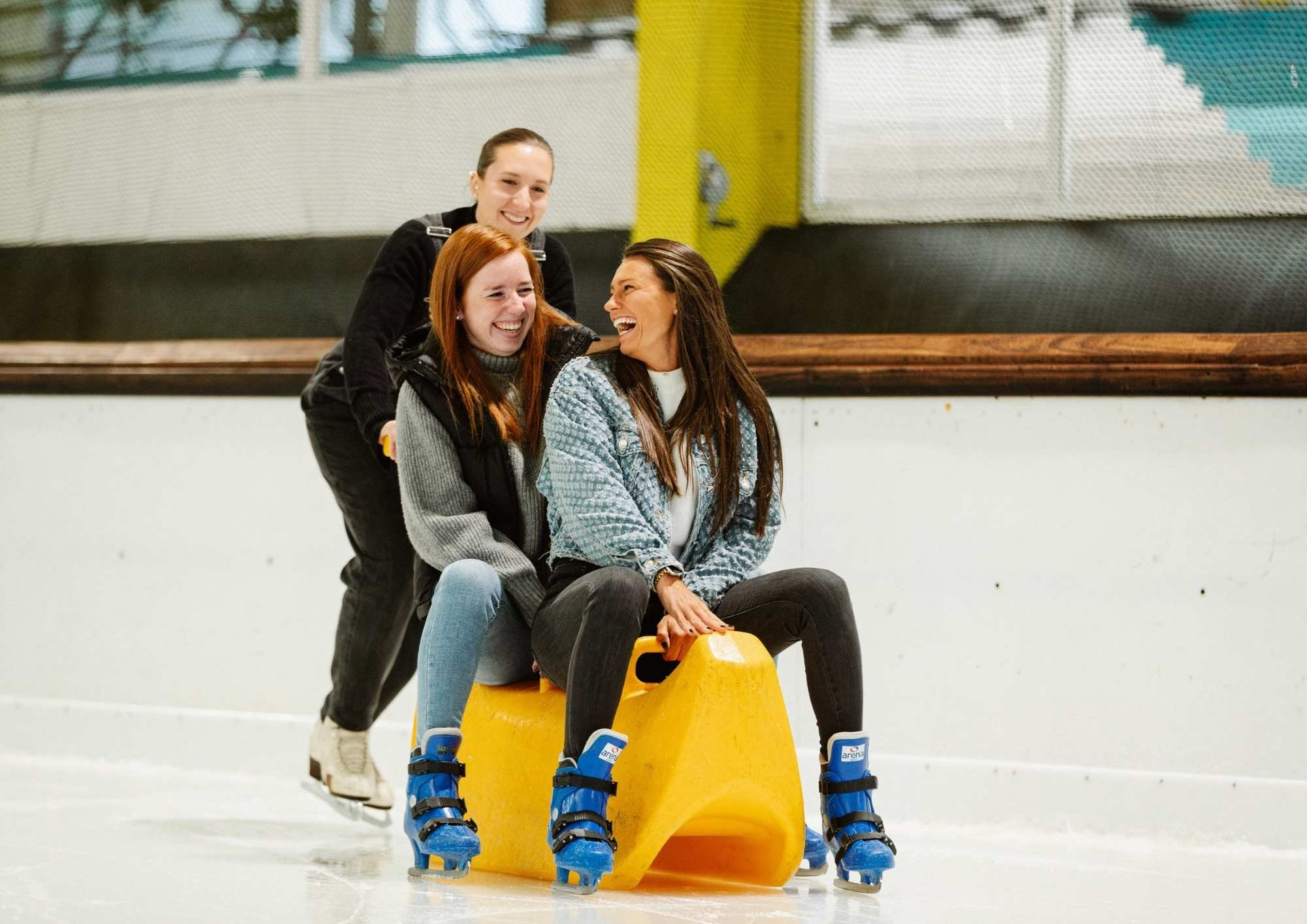
Family-friendly with welcoming service.