Our verdict
Julien sits on Grote Baan in Lievegem, a town in the East Flemish interior that has quietly developed a dining scene worth the detour. The address places it among a small cluster of serious restaurants in a municipality better known for its countryside than its culinary profile. What draws visitors is the combination of Belgian terroir-minded cooking and the kind of low-profile setting that regional Flemish kitchens have long favoured over urban spectacle.

Pearl is the En Primeur Club membership app — saves, bookings, and concierge access live there. Same editors, same standards.
- Address
- Grote Baan 6, 9920 Lievegem, Belgium
- Phone
- +3292530041
- Hours
- Mon–Wed ClosedThu–Sat 11:45 AM–2:15 PM, 6–9 PMSun 11:15 AM–2:15 PM, 6–9 PM
- Website
- restaurantjules.be
- Directions
- Get directions
- Booking
- Book on the venue's website
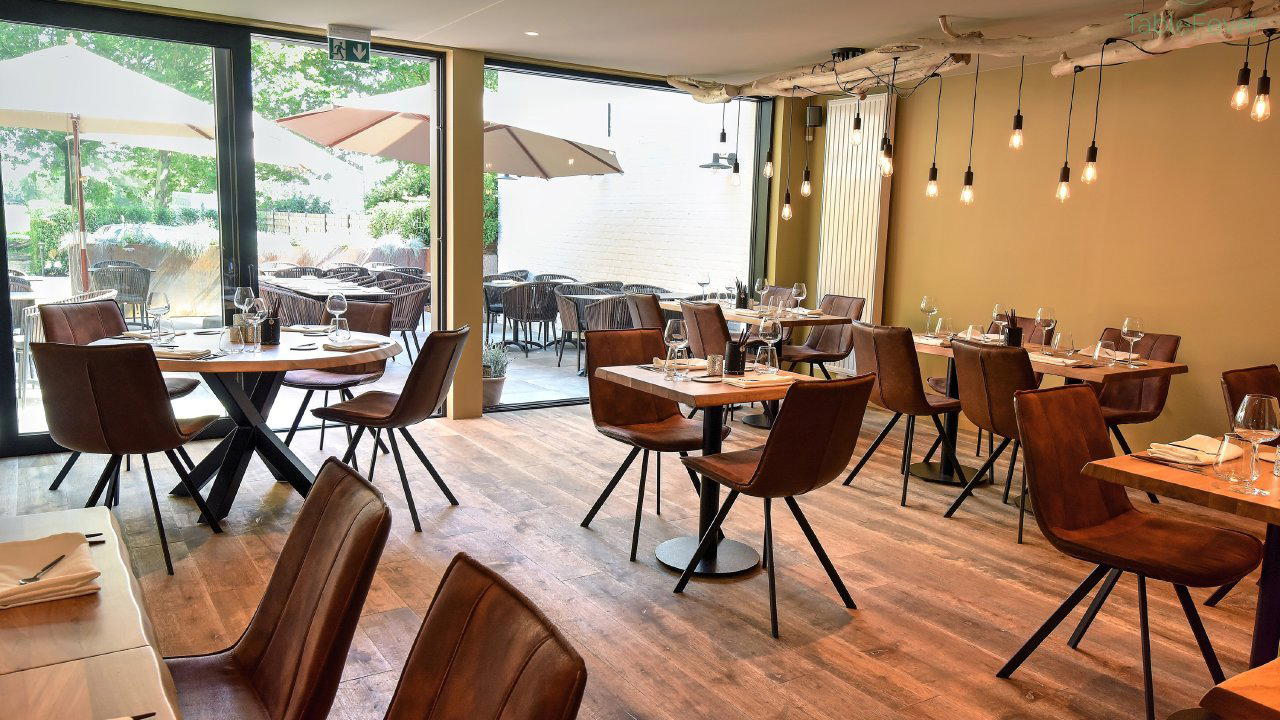
Lievegem and the Flemish Interior Dining Pattern
Belgium's most talked-about restaurants tend to cluster in Bruges, Ghent, Antwerp, and Brussels, but the country's East Flemish hinterland has been producing serious kitchens for decades, often in converted farmhouses, old coaching inns, or roadside addresses that look unremarkable from the outside and operate at a level that contradicts their surroundings. Lievegem fits this pattern precisely. The municipality, formed from the merger of Lovendegem, Waarschoot, and Zomergem in 2019, sits between the Ghent ring and the Meetjesland polders, a zone of flat agricultural land, market gardens, and small waterways that supplies the region's kitchens with a notable share of what ends up on the plate. It is that supply chain, as much as any single venue, that defines what dining in this part of East Flanders means.
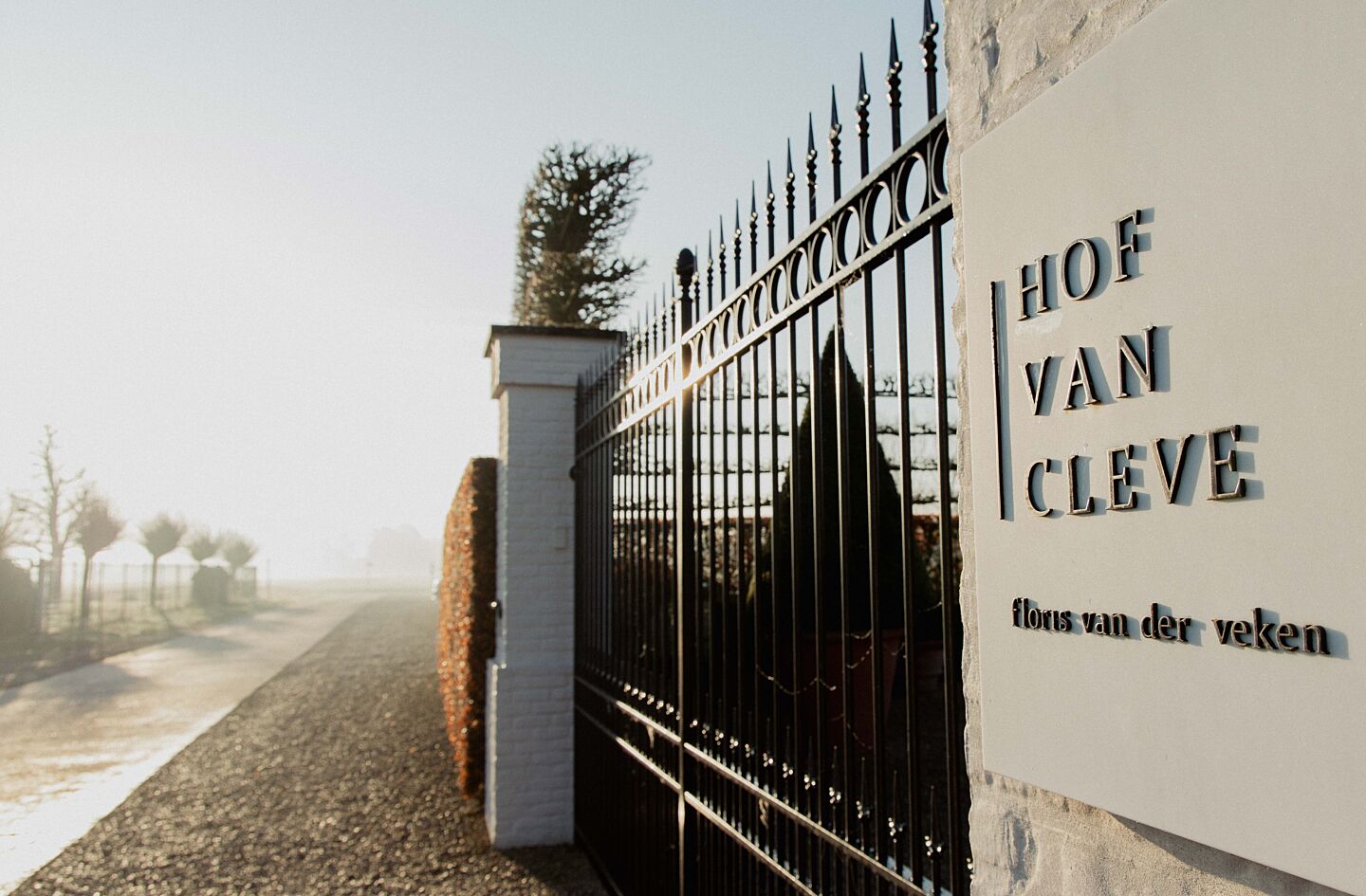
Julien, on Grote Baan 6 in Lievegem, belongs to this tradition. The address is a main-road location in a residential stretch, the kind of setting that Belgian regional cooking has always treated as unremarkable — the food and the sourcing do the signalling, not the postcode. Across Belgium, kitchens in similar positions, from Hof van Cleve in Kruishoutem to Willem Hiele in Oudenburg, have demonstrated that rural or semi-rural placement and genuine culinary ambition are not in tension. Julien operates in that same register.
Where the Ingredients Come From — and Why That Shapes the Menu
The East Flemish interior is one of Belgium's more productive agricultural corridors. The polderland around Lievegem yields chicory, leeks, and seasonal brassicas; the nearby Meetjesland produces dairy, poultry, and pork from farms operating at a scale that allows direct-to-kitchen relationships. This is the sourcing geography that informs what lands on the table at the better addresses in the area. In Belgian regional cooking, the distance between field and kitchen has always been treated as a quality metric rather than a marketing point, shorter supply lines mean produce harvested closer to service, which in a cuisine that relies on clarity of flavour over heavy manipulation, makes a measurable difference.
The approach is consistent with what the broader Flemish fine-dining scene has been doing for a generation. Kitchens like Boury in Roeselare and De Jonkman in Sint-Kruis have built their reputations on sourcing precision as much as technique, treating the provenance of a pigeon or a wedge of aged cheese as part of the editorial of the meal rather than a footnote. The same logic applies in Lievegem. The flat, fertile terrain around the town is not incidental to what restaurants here serve, it is the primary material.
Compared with more coastal-facing kitchens, such as Bartholomeus in Heist, where the North Sea drives the sourcing calculus, or the estuary-influenced cooking at Zilte in Antwerp, the East Flemish interior kitchen works with a more land-anchored pantry. The proteins tend toward game, poultry, and pork; the vegetables reflect a continental rather than maritime seasonal rhythm. For the diner interested in tracking what Belgian terroir actually means across its different sub-regions, Lievegem offers a distinct point on the map.
Julien in the Local Context
Lievegem has a small but coherent dining cluster. BARR and Fou du Goût are among the other addresses in the municipality, and Landgoed Den Oker anchors the estate-dining segment. Together, they represent something unusual for a town of this size: a concentration of considered kitchens that would be unremarkable in a city context but registers as a genuine scene in a semi-rural municipality. Julien sits within this grouping, occupying the Grote Baan address that puts it at the accessible end of the local spectrum in terms of physical setting, if not necessarily in terms of what it asks of the kitchen.
For broader Belgian reference points, the comparison set extends well beyond the local. Castor in Beveren, La Durée in Izegem, and L'air du temps in Liernu each represent what thoughtful Belgian regional cooking looks like when it chooses depth over visibility. The pattern across these addresses is consistent: producer relationships built over years, menus that change with the agricultural calendar rather than the marketing calendar, and a resistance to the kind of theatrical presentation that tends to prioritise spectacle. Julien's positioning in Lievegem places it in this broader tradition.
For those arriving from further afield, the comparison might also run to addresses that have achieved higher international profiles: Bozar Restaurant in Brussels or d'Eugénie à Emilie in Baudour represent the kind of Belgian cooking that has attracted sustained editorial attention. La Table de Maxime in Our and Le Bernardin in New York City represent entirely different scales of international recognition, useful as a calibration point for where Belgian regional cooking sits in a global frame, even if the comparison is one of context rather than direct equivalence. Closer in sensibility, Atomix in New York City illustrates how a sourcing-led philosophy can operate at very different price points and in very different cities, the logic of ingredient-first cooking is not geography-dependent, but the ingredients themselves are.
Planning a Visit
Lievegem is accessible from Ghent in under twenty minutes by car, and the town sits close enough to the E40 corridor to be a realistic option for diners travelling between Ghent and Bruges or between the Belgian coast and Brussels. The Grote Baan address means parking is not a constraint. For a broader view of what the municipality offers, the full Lievegem restaurants guide maps the local dining scene across format and price tier.
Frequently asked questions
Is Julien suitable for children?
No children's menu or family-format service is documented for Julien. Given the address at Grote Baan 6 in Lievegem and the broader pattern of destination dining in this part of East Flanders, the venue reads as an adult dinner setting. Confirming directly with the restaurant before visiting with young children is advisable.
What kind of setting is Julien?
Julien is a destination restaurant on the Grote Baan in Lievegem, a municipality in the East Flemish interior roughly twenty minutes from Ghent by car. The surrounding area is agricultural rather than urban, which shapes the character of dining here — quieter, less foot-traffic-dependent, and more deliberate in its draw than a city-centre address.
How does Julien compare to other restaurants in the Lievegem municipality?
Lievegem contains a tighter dining cluster than most East Flemish municipalities of its size, with Julien sitting alongside BARR and Fou du Goût within the same commune.
What's the best thing to order at Julien?
East Flemish restaurants in this corridor frequently work with regional produce — chicory, leeks, and seasonal field vegetables from the polderland around Lievegem — so dishes rooted in local agriculture are a reasonable expectation. Checking with the restaurant directly will give the clearest picture of current offerings.
What part of town is Julien in?
Julien is located at Grote Baan 6, 9920 Lievegem, Belgium, Lievegem.
What's the best way to book Julien?
No phone number or online booking platform is listed in Julien's public records at this time. The restaurant is located at Grote Baan 6, 9920 Lievegem, and approaching via that address — or searching for the venue directly online — is the most reliable starting point for making a reservation.
What makes Julien worth seeking out?
Julien operates within a small but coherent dining cluster in Lievegem, alongside addresses such as BARR, Fou du Goût, and the broader Landgoed Den Oker anchor — a concentration that gives this East Flemish municipality a stronger culinary identity than its size might suggest. Its position just off the E40 corridor makes it a practical option for travellers moving between Ghent and the coast who want to eat seriously without backtracking into the city.
At-a-Glance Comparison
Comparable venues nearby, for context on price, style, and recognition.
| Venue | Cuisine | Price | Awards | Notes |
|---|---|---|---|---|
| JulienThis venue — the venue you are viewing | Modern French Fine Dining | $150–200 | Not listed | Not listed |
| Landgoed Den Oker | Classic French Gastronomy | $100–150 | Not listed | Ronsele |
| BARR | Belgian Brasserie | Not listed | Not listed | Lievegem |
| Fou du Goût | Modern French-Belgian with Exotic Twists | Not listed | Michelin Plate | Lovendegem |
| Chambre Séparée | Modern Fire-Driven Fine Dining | Not listed | Not listed | Binnenstad |
| Le Coup Vert | Modern French-Mediterranean Bistro | $50–100 | Not listed | Het Zoute |
Details
- Romantic
- Elegant
- Sophisticated
- Date Night
- Special Occasion
- Terrace
- Tasting Menu
- A La Carte
Current opening hours
- Monday
- Closed
- Tuesday
- Closed
- Wednesday
- Closed
- Thursday
- 11:45 AM–2:15 PM, 6–9 PM
- Friday
- 11:45 AM–2:15 PM, 6–9 PM
- Saturday
- 11:45 AM–2:15 PM, 6–9 PM
- Sunday
- 11:15 AM–2:15 PM, 6–9 PM
Hours can change for holidays and private events. Last verified .
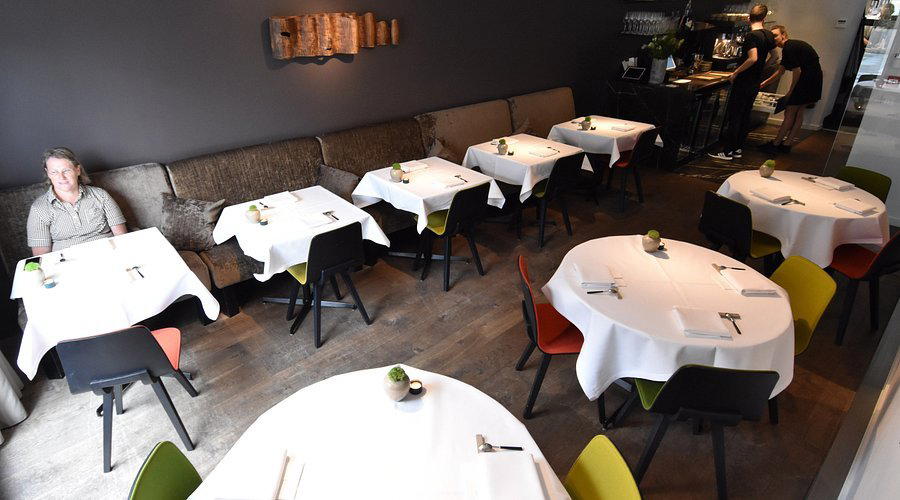
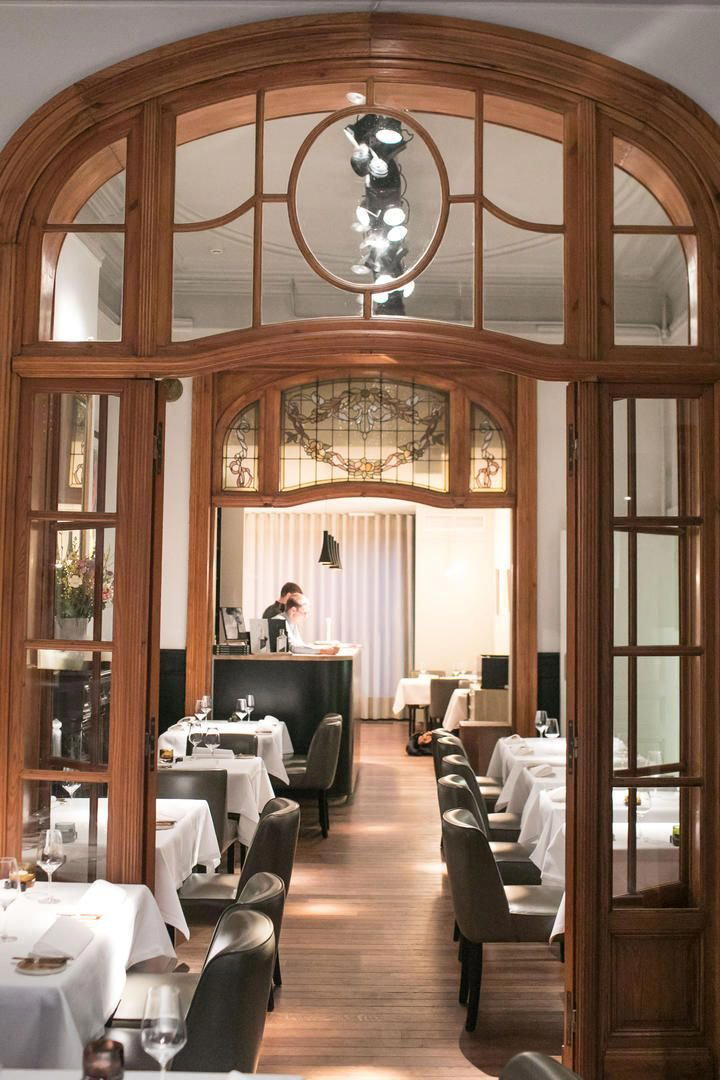
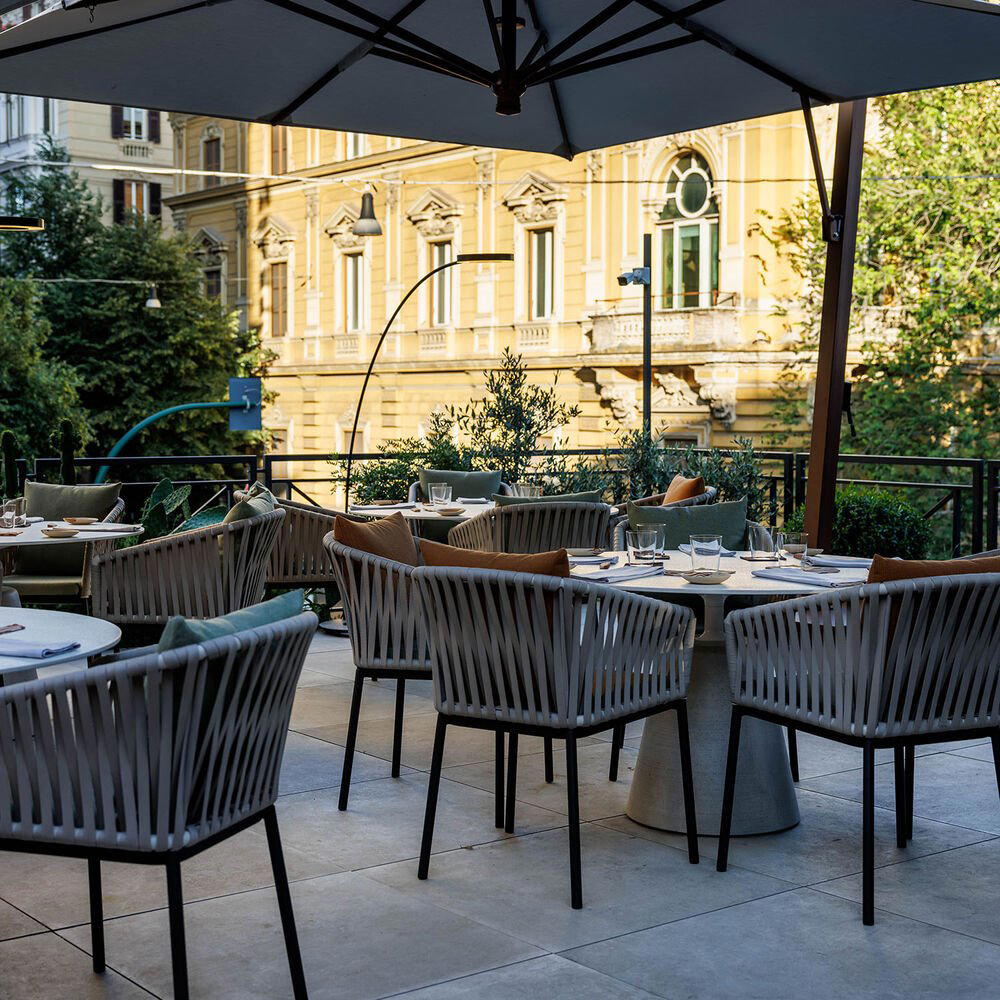
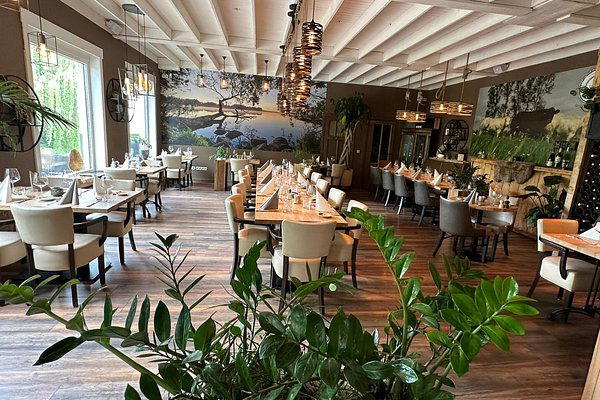
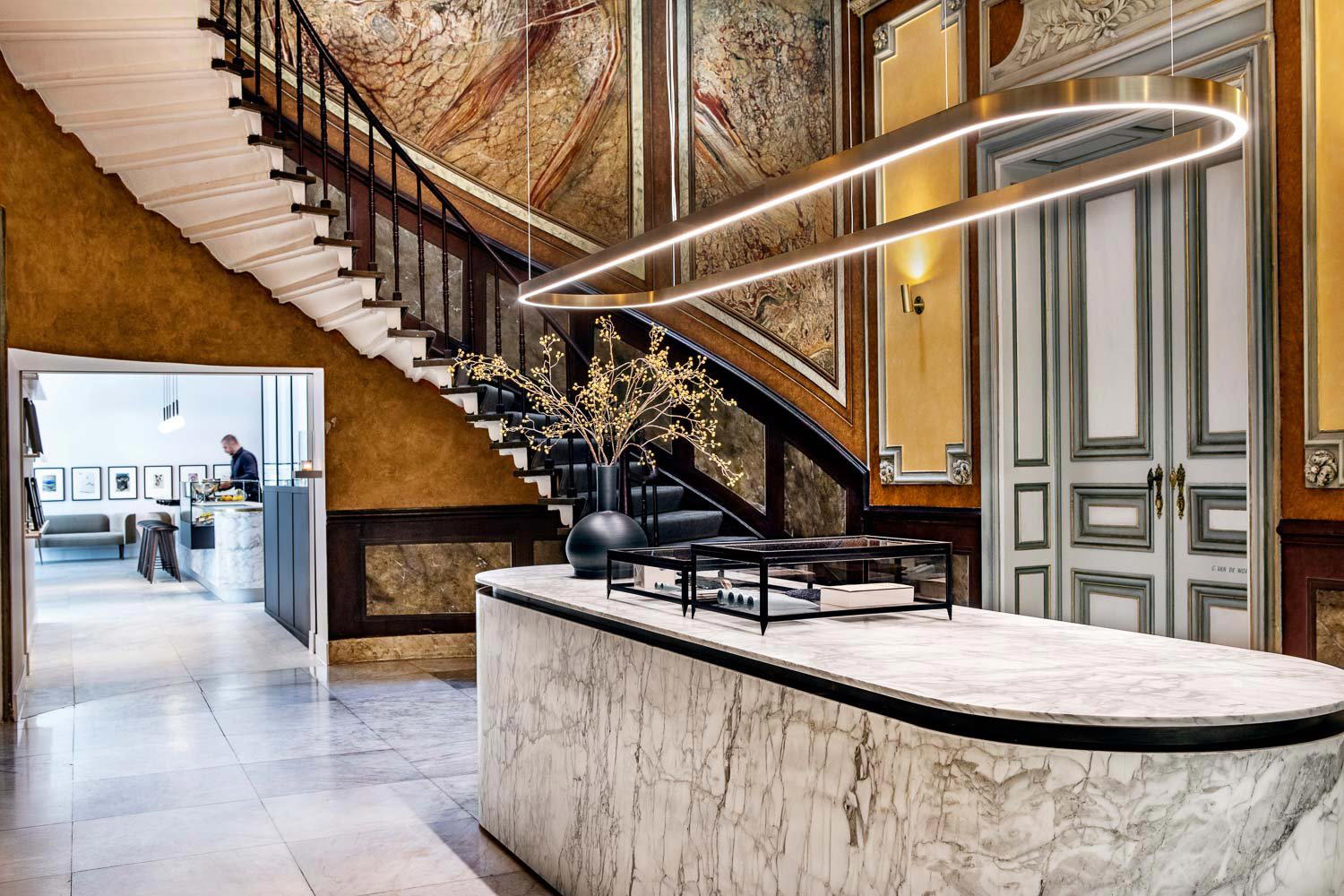
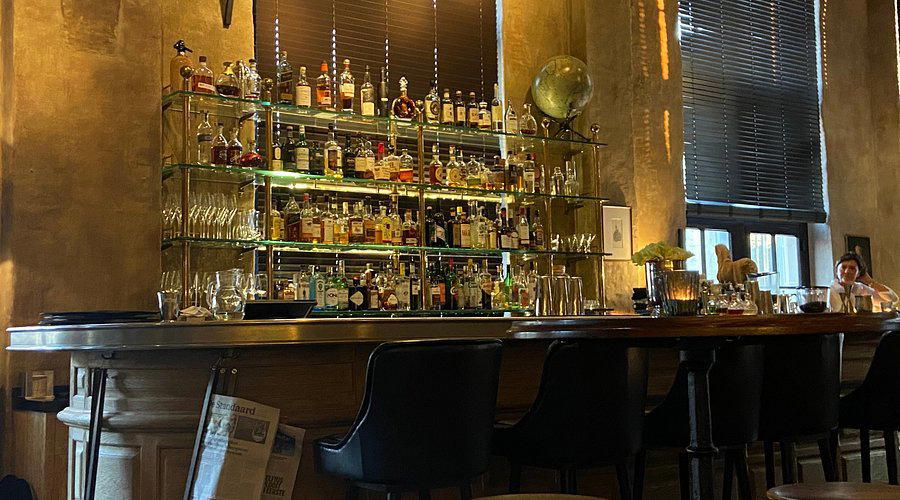
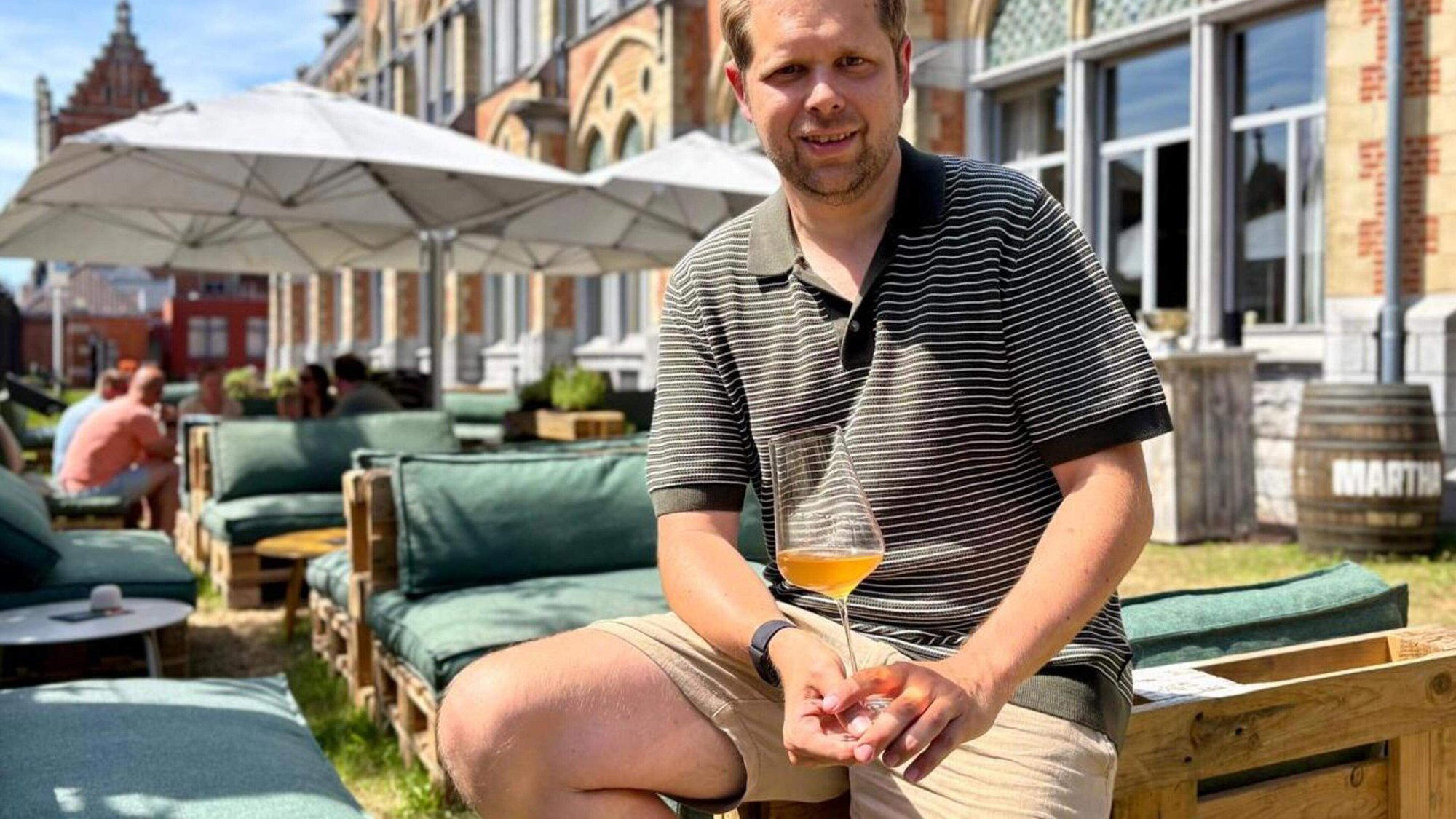
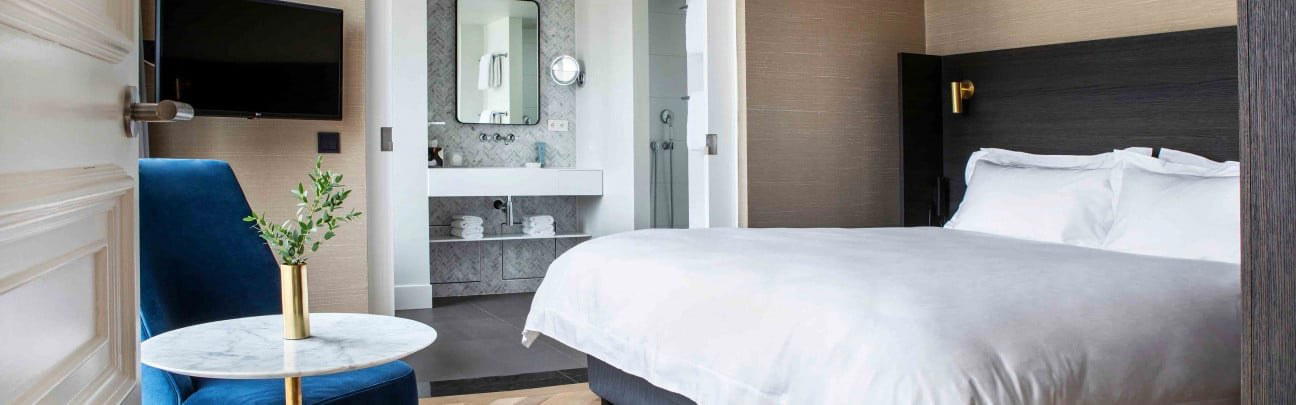
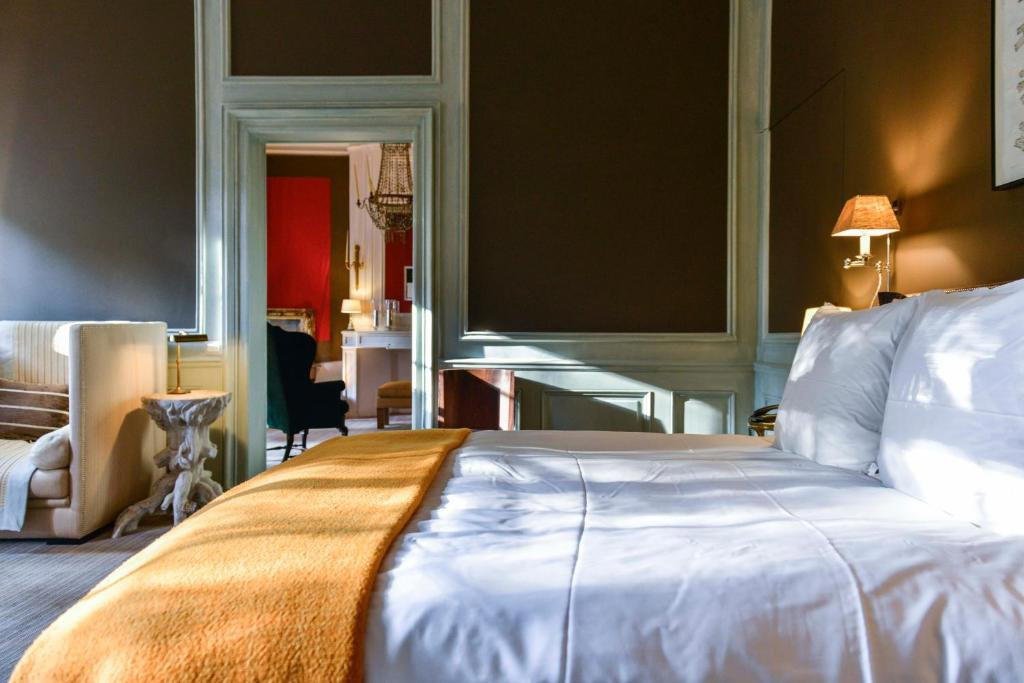
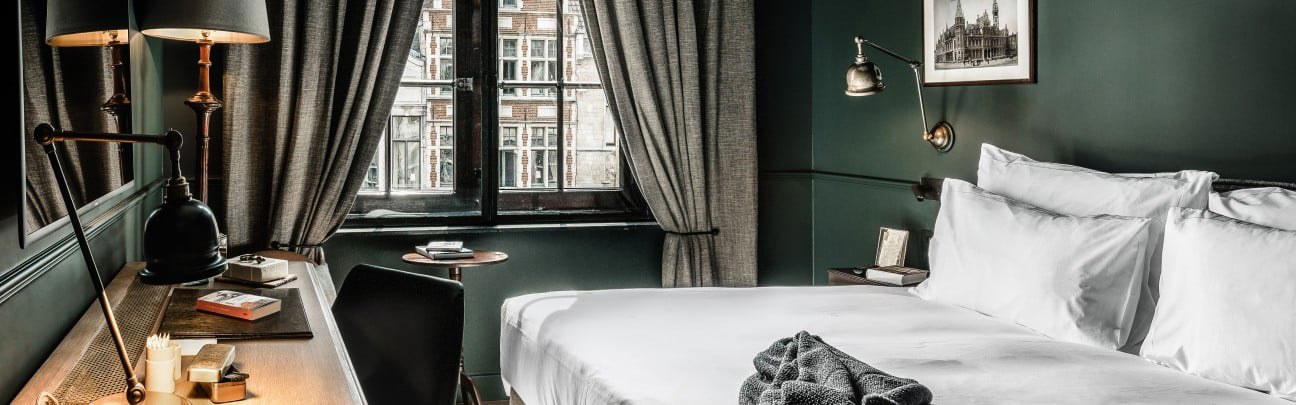
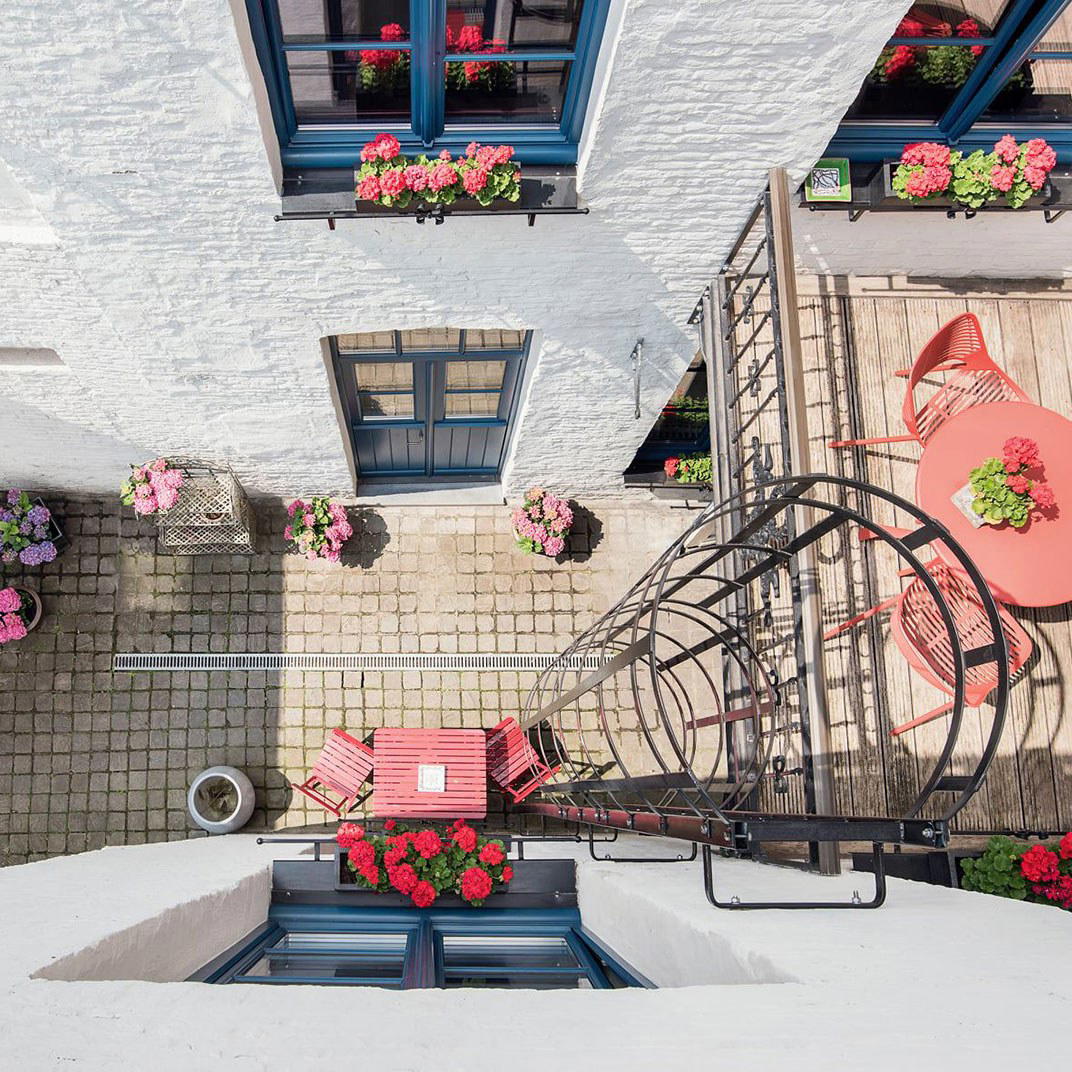
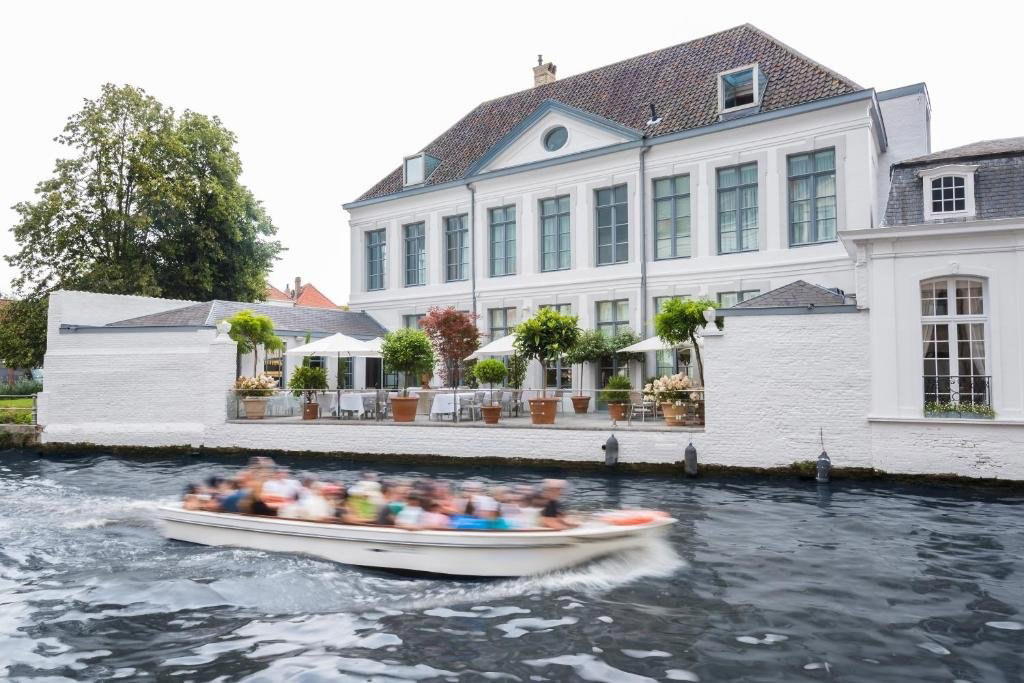
Charming romantic atmosphere with air-conditioned comfort and terrace seating, praised for its elegant and intimate setting.