Fou du Goût occupies a address on Kasteeldreef in Lievegem, a municipality in the East Flemish interior where the restaurant scene sits well outside the tourist circuits of Ghent or Bruges. The name itself, translating loosely as 'mad for taste,' signals a kitchen with ambitions that outpace its postcode. Practical details including hours and booking method are best confirmed directly with the venue.
 Discover on Pearl
Pearl is the En Primeur Club membership app — saves, bookings, and concierge access live there. Same editors, same standards.
- Address
- Kasteeldreef 63, 9920 Lovendegem, Belgium
- Phone
- +3293367725
- Website
- foudugout.be
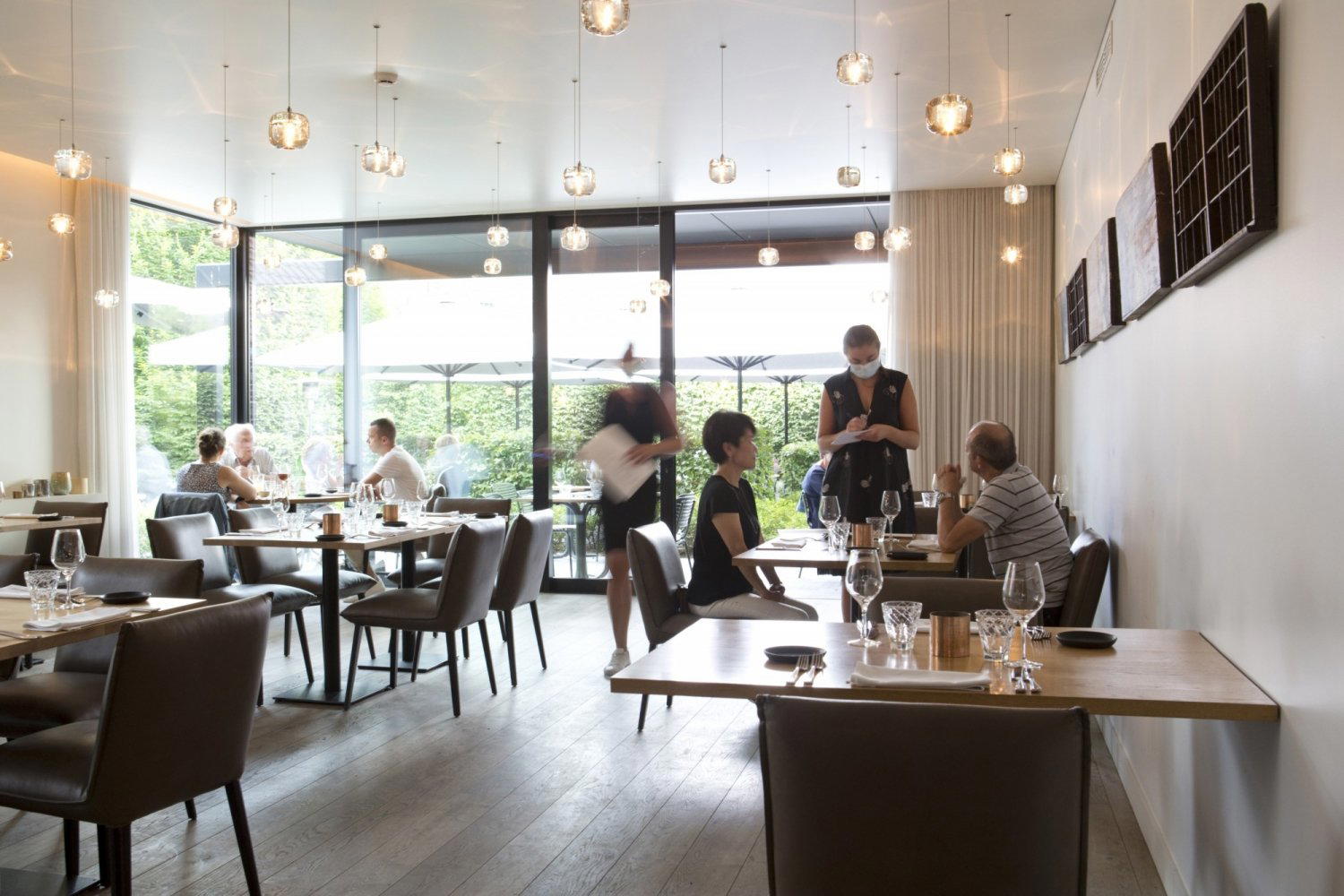
The Flemish Interior and What It Asks of a Restaurant
Belgium's most decorated dining rooms tend to cluster around a handful of well-mapped nodes: the Ghent canal belt, the Antwerp harbour quarter, a ribbon of Flemish agricultural land stretching south and west toward the coast. Lievegem, the merged municipality that absorbed Lovendegem and several surrounding villages in 2019, sits in the quieter register of East Flanders, where the dining conversation is defined less by density and more by the kind of commitment required to cook seriously for a local audience that didn't choose the address for its foot traffic. That context matters. Restaurants that build reputations in this part of Flanders do so without the crutch of tourism overflow or urban spillover. They earn their standing through the plate and the room, not the postcode.
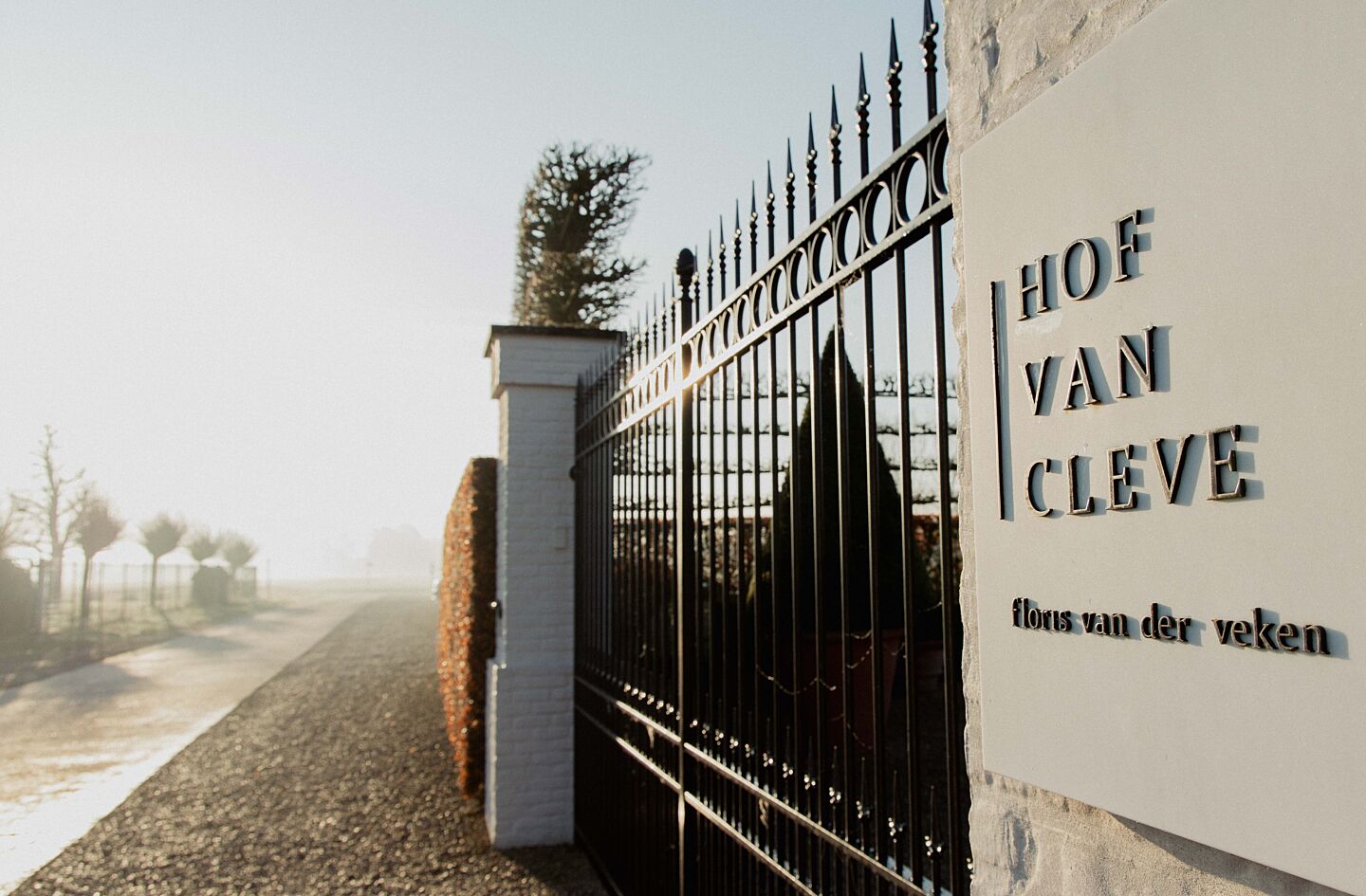
Fou du Goût, addressed at Kasteeldreef 63 in Lovendegem, operates in precisely that register. The address suggests a country-house setting, where agricultural land gives way to older residential architecture. Belgium has a strong tradition of destination dining outside its major cities, a pattern visible from Hof van Cleve in Kruishoutem to Willem Hiele in Oudenburg, where the journey itself becomes part of the dining decision. Fou du Goût places itself within that tradition by geography if nothing else, asking diners to travel deliberately rather than stumble in.
A Name That Makes a Claim
The name Fou du Goût carries weight in French-language culinary culture. 'Fou de' constructions, meaning roughly 'crazy about' or 'mad for,' appear across French food writing and hospitality as shorthand for a particular kind of obsessive commitment to a single subject. Applied to a restaurant, 'fou du goût' implies a kitchen organised around flavour as a primary value, distinct from establishments where technique, theatre, or prestige-signal ingredients lead the conversation. Whether the kitchen delivers on that implicit claim is the question any first visit is designed to answer.
Belgium's restaurant culture has historically produced kitchens that sit at that intersection of French classical rigour and local product specificity. The country's position between French culinary tradition and Flemish ingredient culture, particularly its access to North Sea produce, East Flemish livestock farming, and a dense network of artisan food producers, creates conditions for cooking that can be technically precise without being derivative. Restaurants in the wider Ghent orbit, including Vrijmoed in Gent and BARR and Julien in Lievegem itself, represent different approaches to that same tension between classical grounding and local identity.
The Broader Belgian Destination-Dining Pattern
To understand where Fou du Goût sits competitively, it helps to map the broader structure of serious dining in Flanders and Wallonia. Belgium punches above its geographic weight in European fine dining. That density is not concentrated only in Brussels or Antwerp. A meaningful share of the country's recognised kitchens operate in smaller towns and rural settings, a pattern that reflects both Belgium's dispersed population structure and a dining culture in which driving 40 minutes for a serious meal carries no cultural friction.
At the higher end of that structure, kitchens like Boury in Roeselare and Zilte in Antwerp represent the formal tasting-menu tier. Further along the spectrum, places like La Durée in Izegem and Ralf Berendsen in Neerharen show how ambition distributes itself across smaller Flemish and Walloon municipalities. d'Eugénie à Emilie in Baudour and Le Chalet de la Forêt in Uccle represent the domain and estate-house format that recurs across the country's serious dining scene. Fou du Goût's Kasteeldreef address places it within that estate-house tradition, a format that carries particular expectations around setting, service, and the relationship between the dining room and its surroundings.
For comparison outside Belgium, the destination-dining model that Fou du Goût's address implies has close parallels in how places like De Jonkman in Sint-Kruis or Cuchara in Lommel have built local authority without metropolitan visibility. Internationally, the willingness to travel for serious cooking that defines Belgian dining culture has equivalents in how Americans approach restaurants like Lazy Bear in San Francisco, where format and intention carry as much weight as location.
Lievegem as a Dining Address
Lievegem's restaurant scene, covered in our full Lievegem restaurants guide, reflects the municipality's character as an East Flemish commune with agricultural roots and proximity to the Ghent metropolitan area. The presence of multiple serious dining addresses within a single municipality of this size, including Landgoed Den Oker, suggests a local dining culture with more depth than the postcode implies. Diners travelling from Ghent, roughly 15 kilometres to the south, or from further afield along the E40 corridor, find in Lievegem a cluster of addresses that reward the journey.
The domain format of Kasteeldreef, a road whose name references a castle approach, suggests that Fou du Goût operates in a setting where the architectural and landscape context contributes to the overall dining experience. This is a format with deep roots in Flemish hospitality, where the conversion of estate properties into restaurants carries a particular cultural legitimacy that urban spaces can't replicate.
Planning Your Visit
Fou du Goût is open Thursday and Friday from 12 to 2 PM and 6:30 to 9:30 PM, Saturday from 6:30 to 9:30 PM, and Sunday from 12 to 2 PM and 6:30 to 9:30 PM. The restaurant is closed Monday through Wednesday, and reservations are recommended. Diners combining the visit with broader East Flemish itineraries will find Ghent's restaurant scene, anchored by addresses covered in EP Club's wider Belgian coverage including Bozar Restaurant in Brussels, within direct reach for a multi-day trip.
Price and Positioning
Comparable venues nearby, for context on price, style, and recognition.
| Venue | Cuisine | Price | Awards | Notes |
|---|---|---|---|---|
| Fou du GoûtThis venue — the venue you are viewing | $$$ | , | ||
| Landgoed Den Oker | Ronsele, Classic French Gastronomy | $$$$ | , | |
| Julien | Lotenhulle, Modern French Fine Dining | $$$$ | , | |
| BARR | Lievegem, Belgian Brasserie | $$ | , | |
| Verjus | Lochristi, Modern Franco-Belgian Bistro | $$$ | , | |
| Argendael | $$$ | , | Bellegem, French-Belgian Bistro with Black Angus Specialization |

At a Glance
- Elegant
- Cozy
- Intimate
- Date Night
- Special Occasion
- Terrace
- Local Sourcing
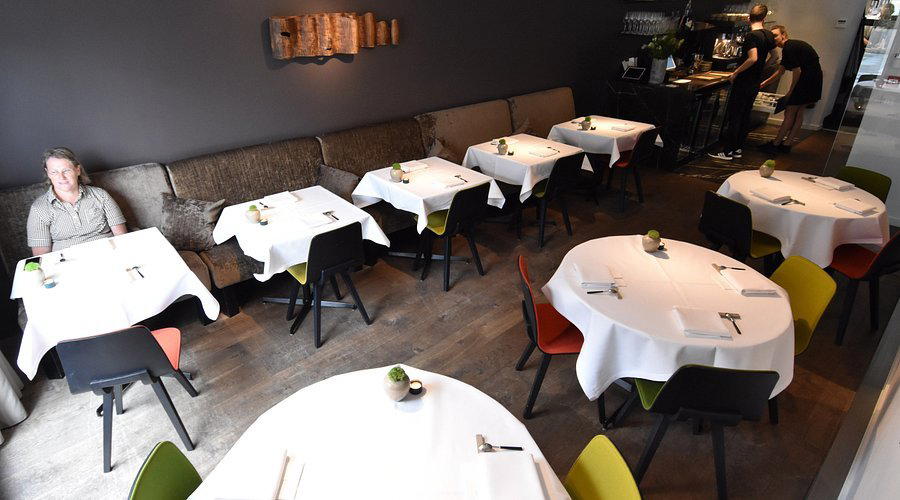
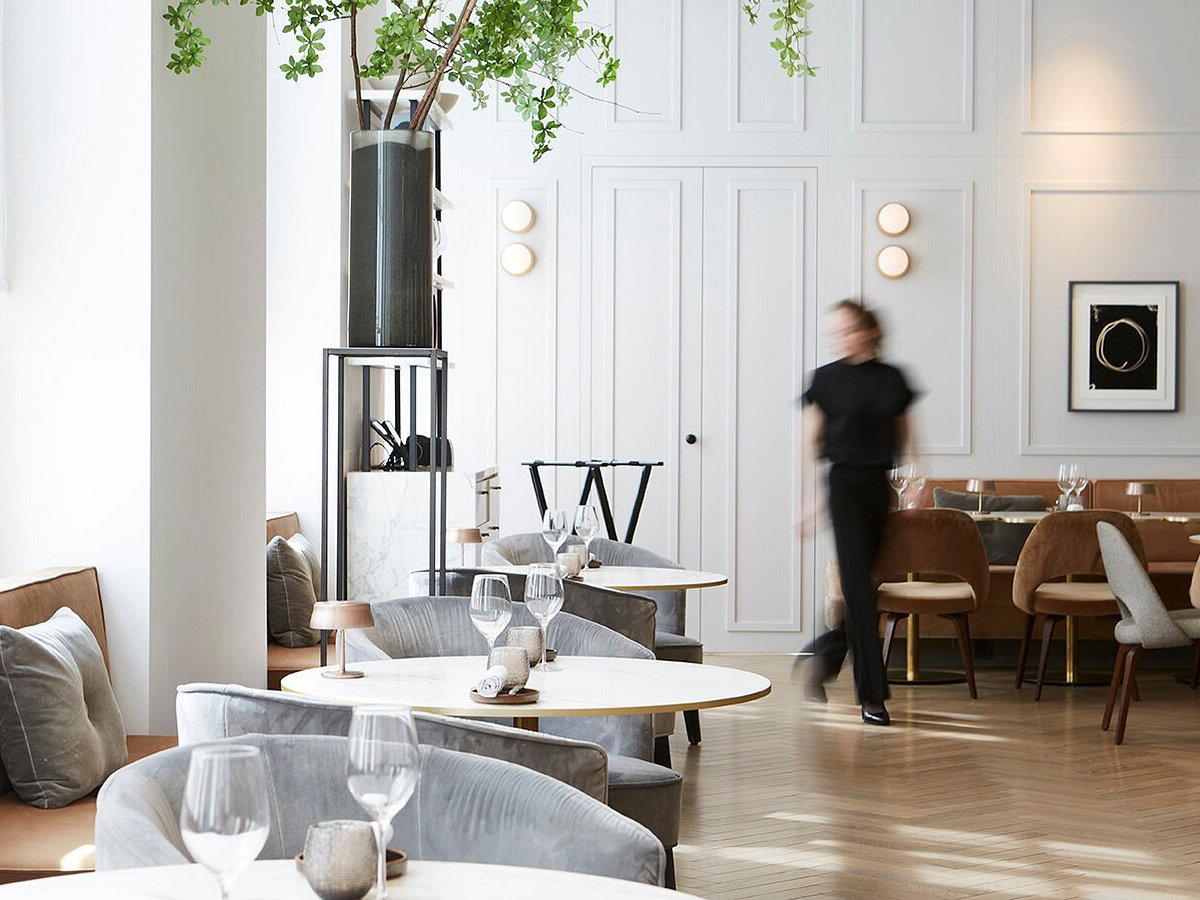
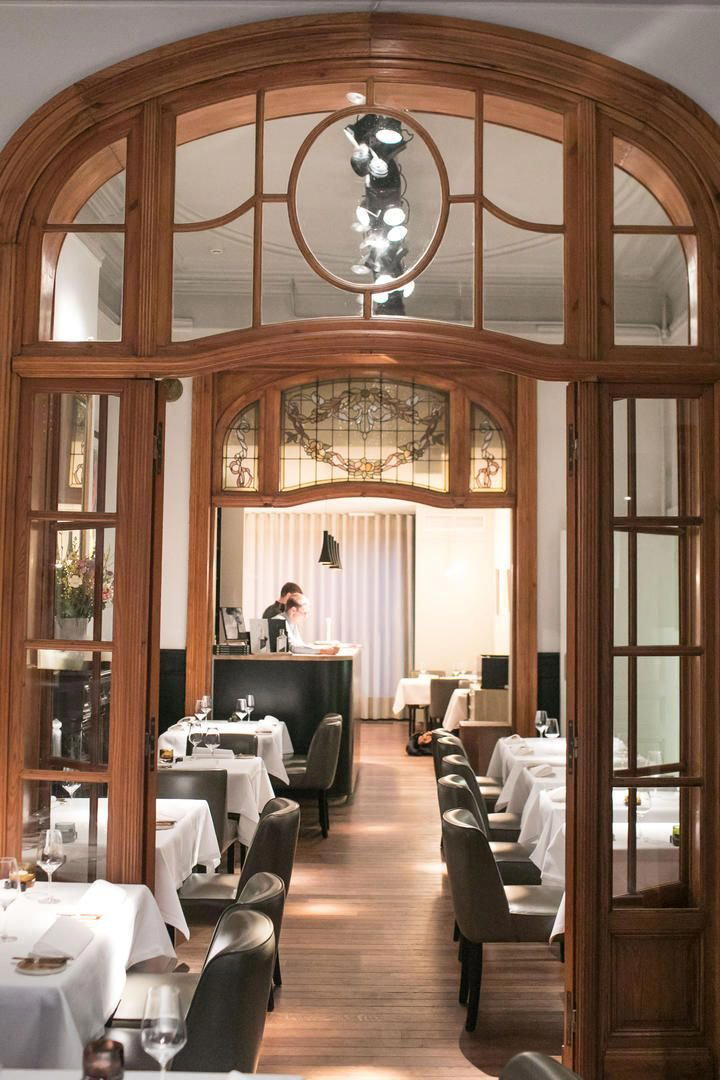
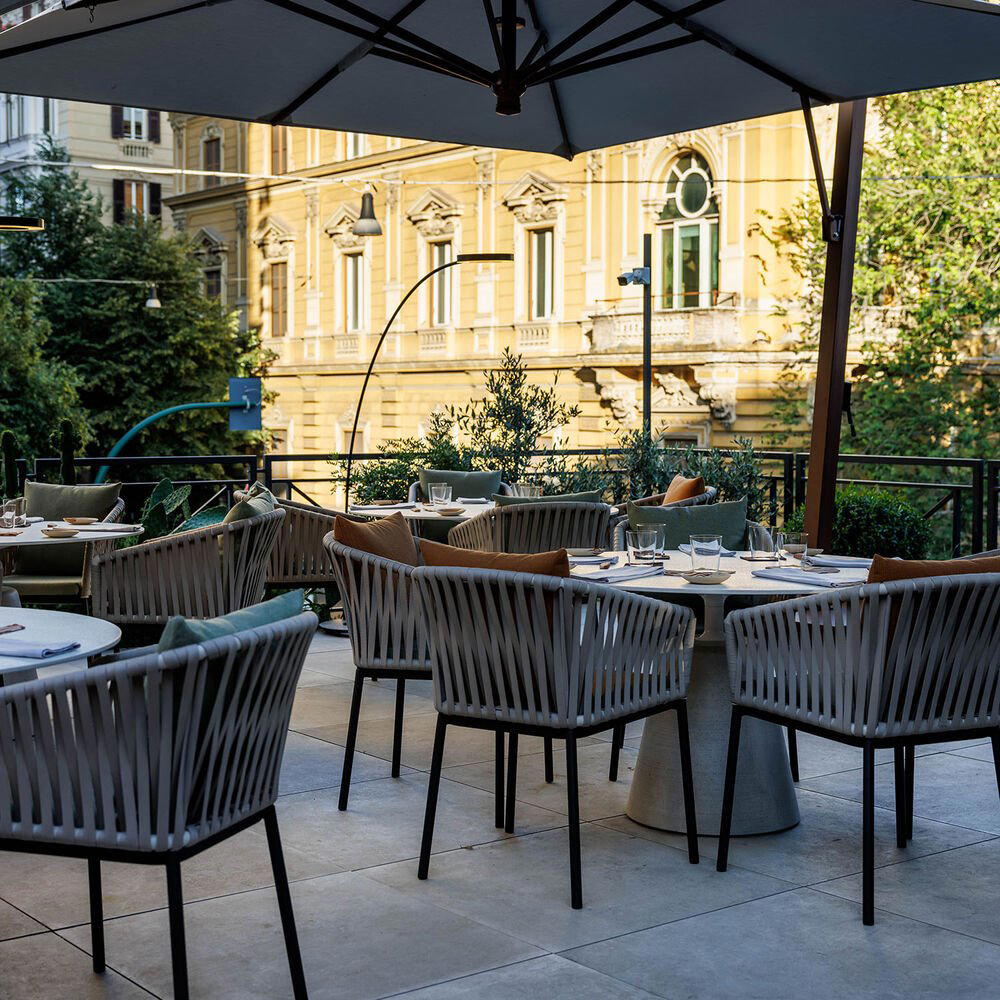
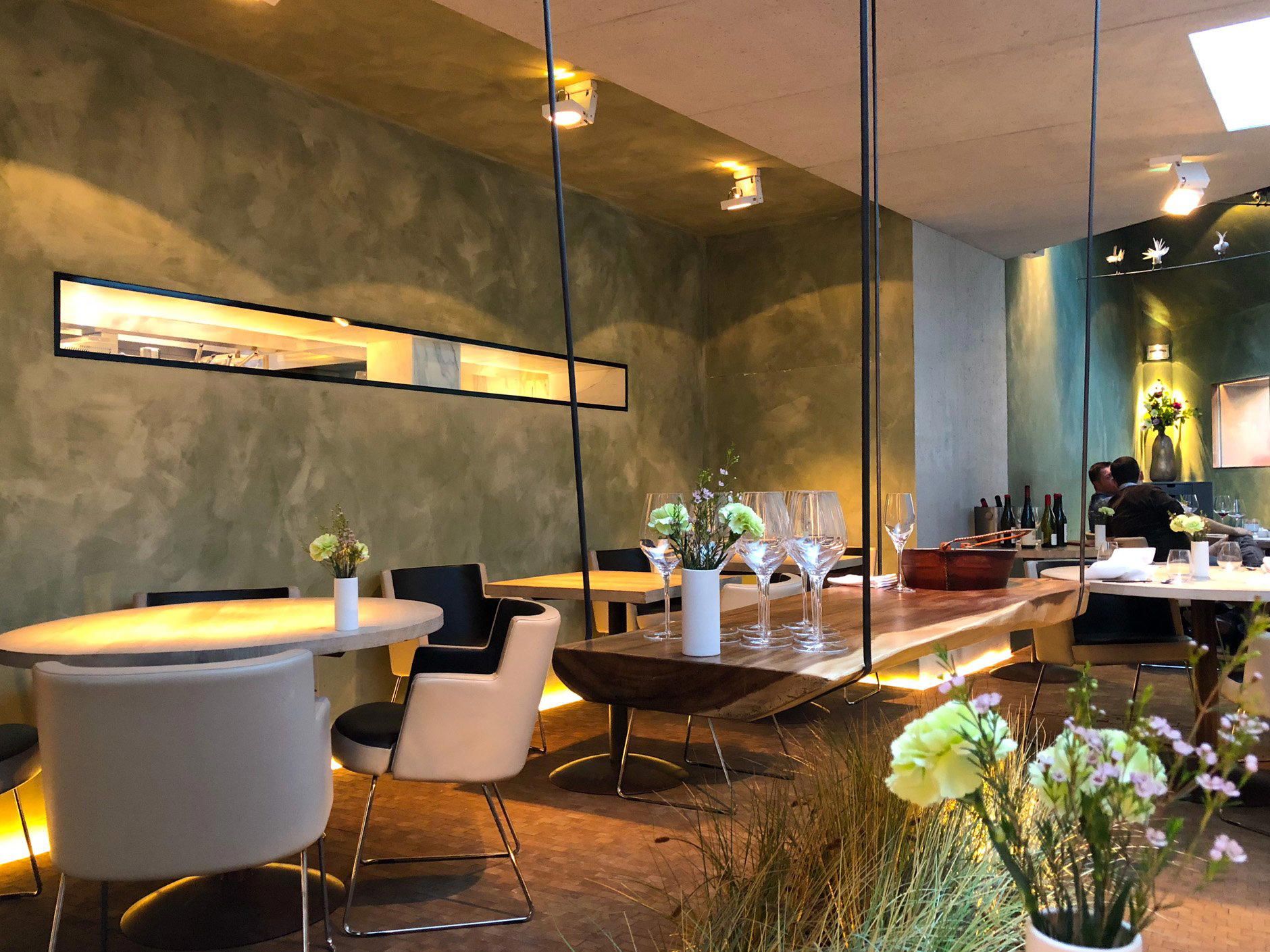
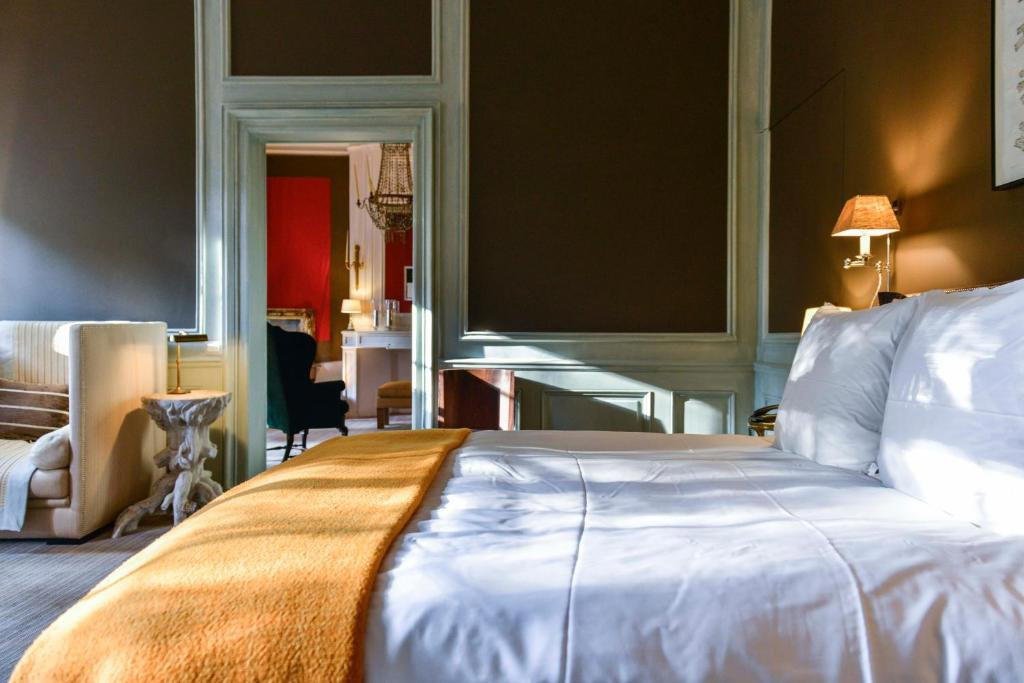
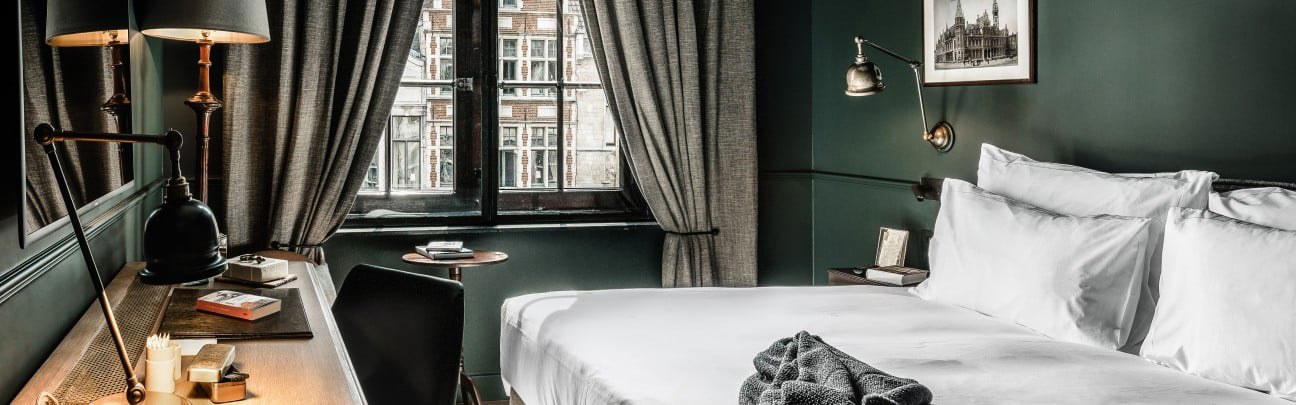
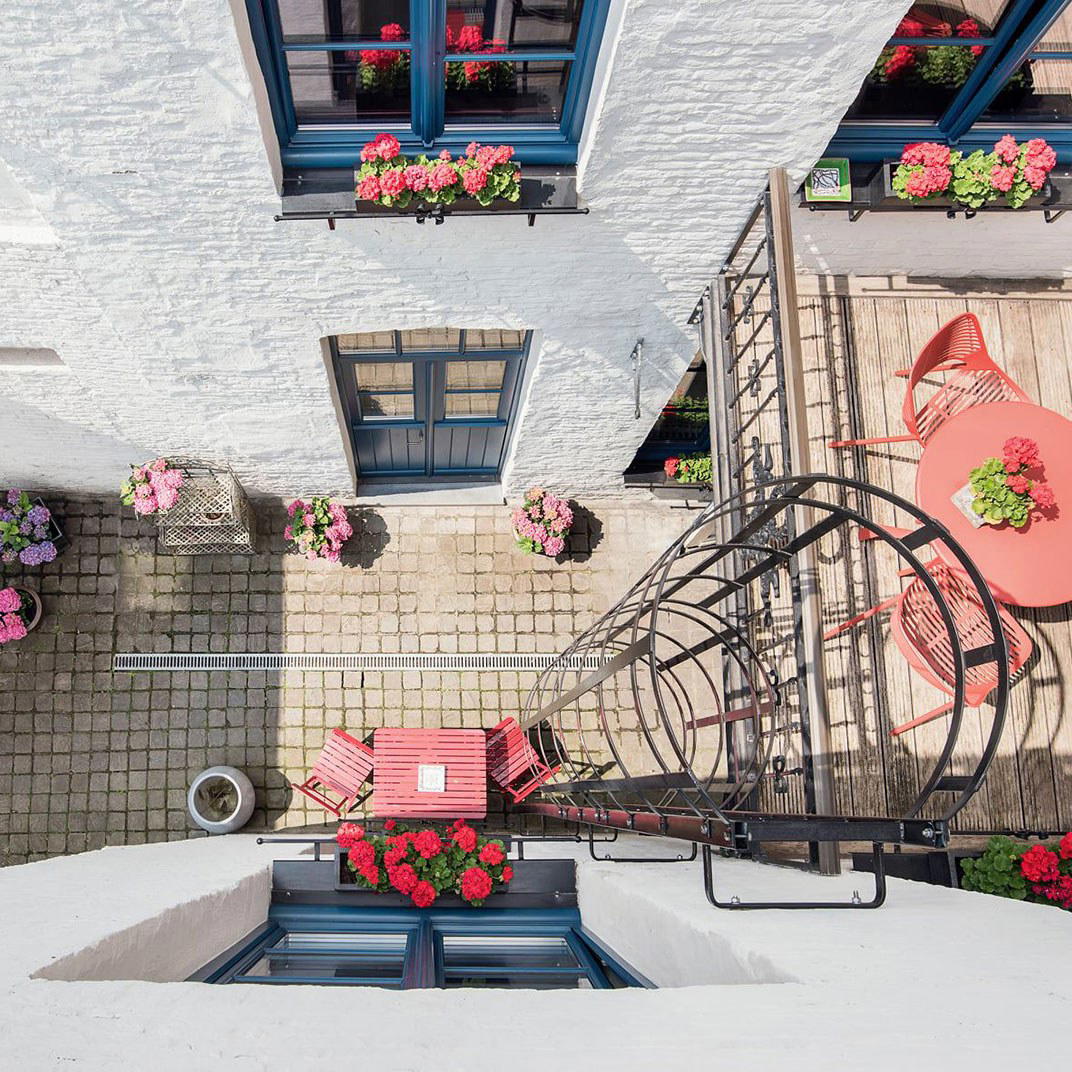
Strak en huiselijk with a beautiful glass winter terrace as the highlight.