
Landa serves traditional Castilian cooking in a historic building in Burgos, with terrace seating and conversational pacing; Opinionated About Dining recognition runs from 2023 to 2026.
Pearl is the En Primeur Club membership app — saves, bookings, and concierge access live there. Same editors, same standards.
- Address
- Diseminado Carretera Madrid, 76, 09001 Burgos, Spain
- Phone
- +34 947 25 77 77
- Website
- landa.as
- Directions
- Get directions
 Saves & bookings on Pearl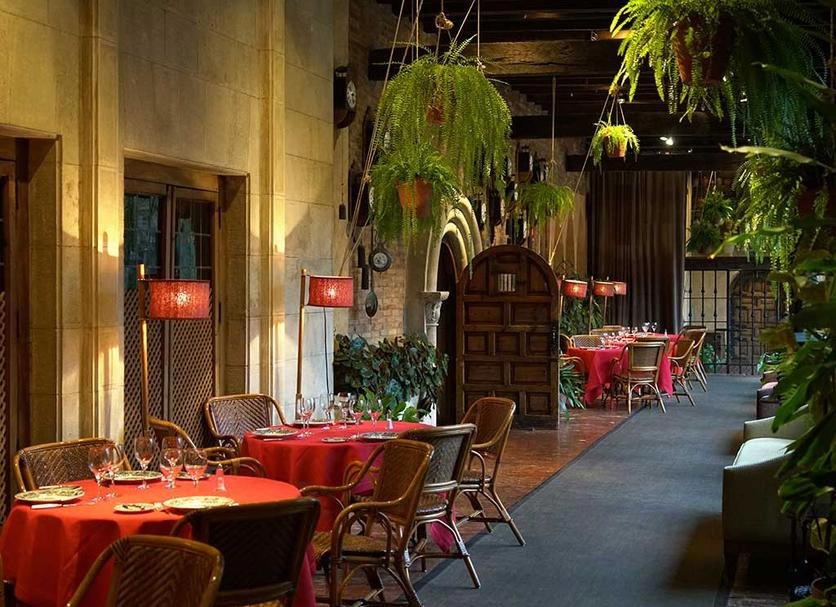
On the Road South of Burgos
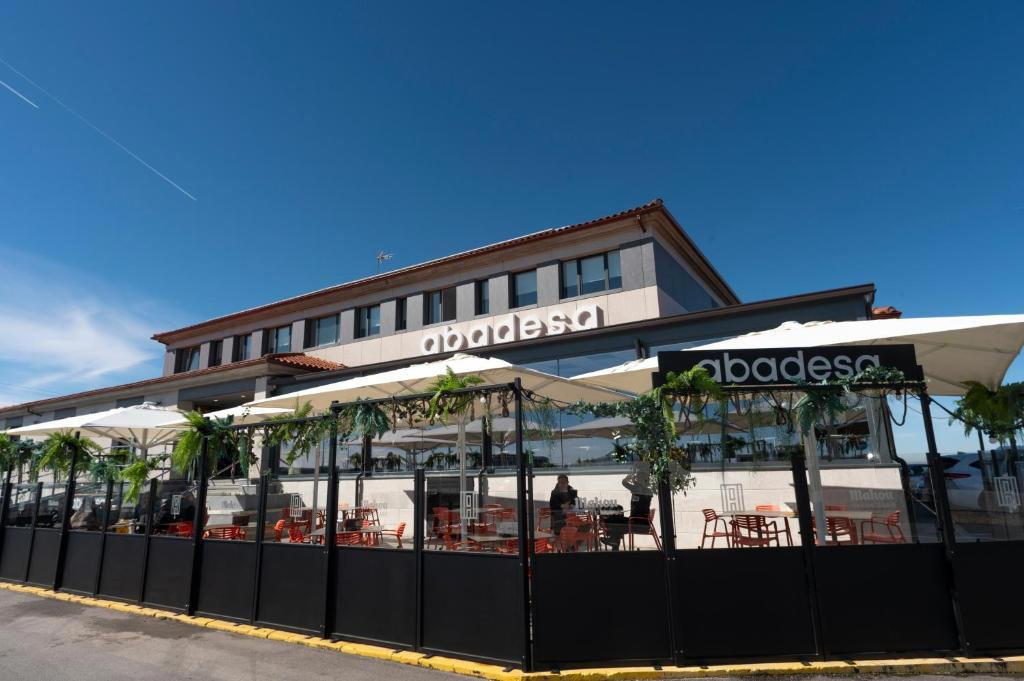
The approach to Landa follows the old N-1 Madrid road as it cuts through the high Castilian plateau south of Burgos city centre. The property sits on the roadside in a manner that once defined Spanish hospitality along the major trunk routes: a stopping point built to serve travellers moving between the capital and the north, where the food is built around the roast and the wine list is organised around what the region produces rather than what is fashionable. That functional, no-nonsense character has not disappeared. Walking in, the scale reads immediately as something between a roadhouse and a country inn, serious in its way, casual in its atmosphere, and operating with the kind of steady rhythm that only comes from decades of repeat custom.
The OAD Signal and What It Means
Opinionated About Dining, the critic-sourced guide that weights its rankings heavily toward informed, repeat visitors rather than tourist traffic, has tracked Landa across three consecutive years. It earned a Highly Recommended citation in 2023, climbed to rank 168 in the Casual Europe list in 2024, and moved further to 183 in 2025. The movement in the rankings is worth reading carefully: a shift from 168 to 183 in a list that grew in size and competition during the same period does not necessarily signal a decline in quality. OAD casual rankings in Spain are contested terrain, with traditional roast houses, regional tascas, and revived tabernas all competing for a finite number of positions. Landa holding ground in that field for three years running indicates a level of consistency that matters more than a single strong showing.
Within Burgos itself, the dining tier is represented by Cobo Evolución (Modern Cuisine) and Ricardo Temiño (Modern Cuisine), both of which operate at considerably higher price points and with tasting-menu formats. Cobo Tradición (Traditional Cuisine) and La Fábrica (Contemporary) occupy the mid-market contemporary and traditional registers. Landa sits in the casual tier, where technical execution is less the point than product fidelity and portion honesty. Boccaccio 70 operates in the same informal register within the city itself.
Spanish Wine at the Table: Castile as the Anchor
The editorial angle here matters because Landa is the kind of place where the wine list tells you more about the kitchen's intentions than any menu description. In the Castilian tradition, wine is not an afterthought appended to the meal, it is part of the internal logic of what gets ordered and how the meal proceeds. The house approach in this category of Spanish restaurant tends to organise around two axes: the local and the canonical. Ribera del Duero sits at the geographic centre, with producers drawing on Tinta del País (the local name for Tempranillo) in conditions cooler and more austere than those found in Rioja to the north. Bottles from the Ribera, served alongside roast lamb or morcilla, represent the regional pairing that has governed the table in this part of Spain for generations.
Beyond the local, a well-run Spanish casual room in 2025 should also be reaching toward Rioja with some seriousness. The current generation of Rioja producers, those working in the village-designation and single-vineyard direction rather than the blended gran reserva model, has given sommeliers and wine buyers something to work with at every price point. Further south and east, Priorat and its Garnacha and Cariñena blends represent a useful contrast in texture and weight. The fino and manzanilla tradition of Andalusia, meanwhile, has found a growing audience at northern Spanish tables: a cold glass of fino alongside a first course of jamón or anchovies is a pairing whose logic requires no explanation once you have encountered it. Spain's broader wine narrative, illustrated at its most ambitious by restaurants like Arzak in San Sebastián, El Celler de Can Roca in Girona, and Aponiente in El Puerto de Santa María, filters down through every tier of the country's table culture, including the casual houses that do not advertise their wine programs but run them with quiet competence.
For the wine-focused traveller moving through the Iberian north, the meal at Landa functions as a reference point for the regional baseline: what the food and drink look like before they have been reframed by a modernist kitchen. Venues like Azurmendi in Larrabetzu, Quique Dacosta in Dénia, and DiverXO in Madrid represent what Spanish cooking becomes when it is pushed into the avant-garde register. Landa represents what it looks like when it stays put. Both are useful data points. The Spanish dining tradition abroad, as interpreted at ZURRIOLA in Tokyo or Arco by Paco Pérez in Gdańsk, draws on both ends of that spectrum.
The Castilian Kitchen and What Drives It
Castile's culinary identity is built around fire and time. The cochinillo and the lechazo, roast suckling pig and milk-fed lamb, are not regional clichés but the products of a specific agricultural and pastoral economy that has fed the Meseta for centuries. The cooking process is low-intervention by design: the quality of the animal determines the outcome more than technique does, which is why the producers and the supply chains behind these kitchens matter. Pulse-based dishes, morcilla de Burgos (the distinctive black pudding made with rice rather than the onion-based version found elsewhere in Spain), and dried legumes prepared over long, slow heat all belong to the same grammar. This is not peasant food romanticised for a contemporary audience. It is a regional kitchen that has been eaten by the same population, in roughly the same form, for a long time.
Planning Your Visit
Landa operates seven days a week with lunch service running from 1 to 4 pm and dinner from 8:30 to 11:30 pm. The address on the Madrid road places it just outside the historic city centre. A booking in advance is advisable, particularly for weekend lunch.
What You Should Eat at Landa
The OAD citation anchors Landa firmly in the product-driven casual category, which means the kitchen's reputation rests on its roast work and its handling of Castilian staples rather than on creative elaboration. Morcilla de Burgos, if available as a first course, is the regional marker worth ordering: its texture and seasoning profile differ meaningfully from versions made elsewhere in Spain, and it functions as an immediate calibration of how seriously the kitchen takes local supply. The roast lamb or suckling pig, when on service, are the dishes that explain the OAD ranking. Pulse-based dishes and locally sourced vegetables fill out the picture. The wine list, in the regional tradition, should be read for its Ribera del Duero depth before anything else.
Standing Among Peers
Comparable venues nearby, for context on price, style, and recognition.
| Venue | Cuisine | Price | Awards | Notes |
|---|---|---|---|---|
| LandaThis venue — the venue you are viewing | Traditional Castilian | $$$ | Not listed | Not listed |
| Casa Ojeda | Classical Castilian Spanish | $$$ | Not listed | Around Town |
| Cobo Tradición | Contemporary Castilian & Cantabrian | $$$$ | Michelin Plate | Medieval Heart / Plaza de la Libertad |
| La Fábrica | Modern Spanish Mediterranean | $$ | Michelin Plate | San Juan |
| Boccaccio 70 | Italian with Castilian Essence | $$$ | Michelin Plate | :null |
| Benito Kebab | Turkish Kebab | $ | Not listed | Burgos |
Recognition history
Dated appearances from independent guides and award organizations, with the underlying list record or original source where available.
Opinionated About Dining Casual in Europe Recommended
Opinionated About Dining
Opinionated About Dining Casual in Europe Ranked #183
Opinionated About Dining
Opinionated About Dining Casual in Europe Ranked #168
Opinionated About Dining
Opinionated About Dining Casual in Europe Highly Recommended
Opinionated About Dining

At a Glance
- Classic
- Well Known
- Rustic
- Family
- Group Dining
- Casual Hangout
- Terrace
- Historic Building
Current opening hours
- Monday
- 1–4 PM, 8:30–11:30 PM
- Tuesday
- 1–4 PM, 8:30–11:30 PM
- Wednesday
- 1–4 PM, 8:30–11:30 PM
- Thursday
- 1–4 PM, 8:30–11:30 PM
- Friday
- 1–4 PM, 8:30–11:30 PM
- Saturday
- 1–4 PM, 8:30–11:30 PM
- Sunday
- 1–4 PM, 8:30–11:30 PM
Hours can change for holidays and private events. Last verified .
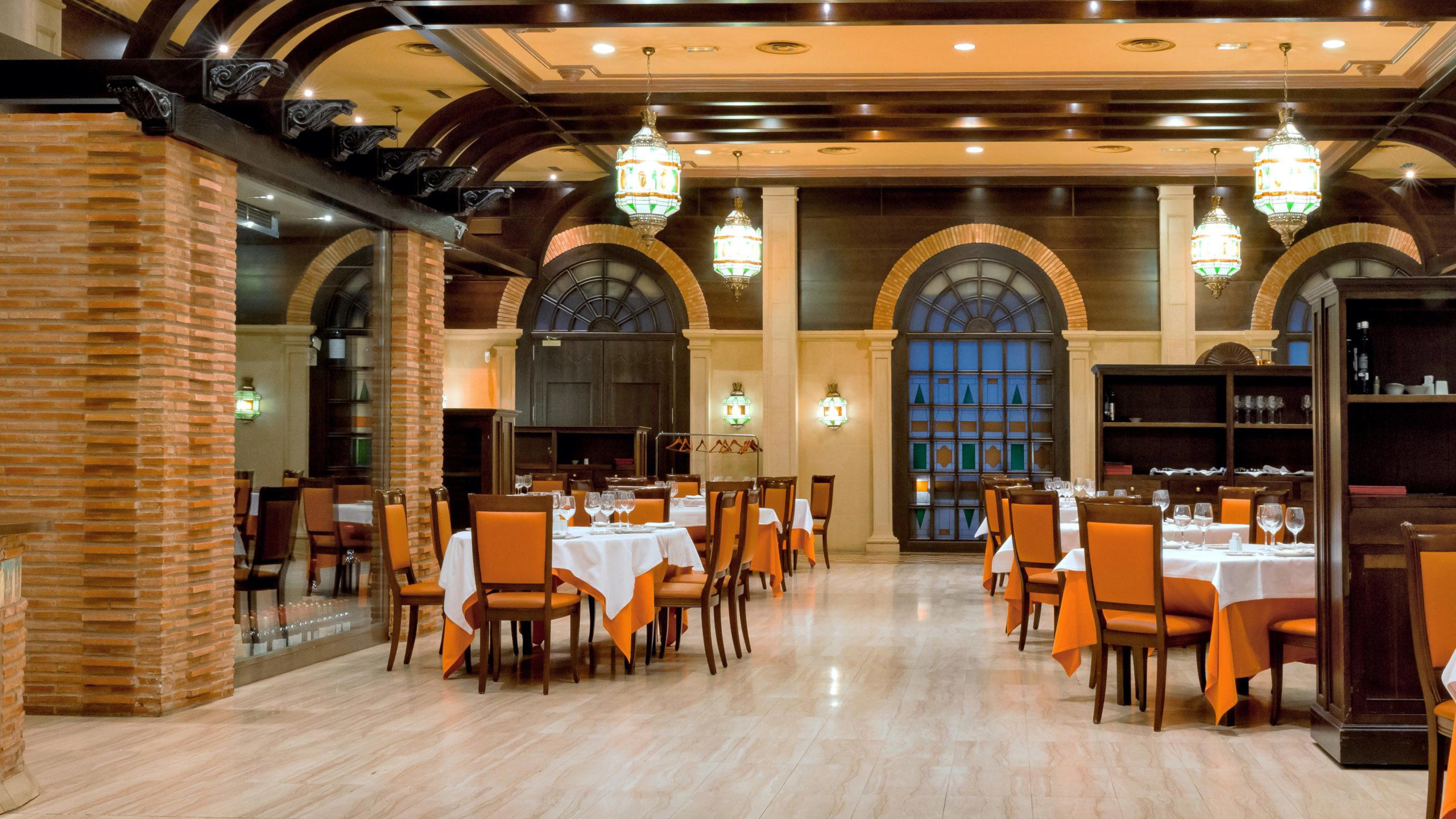
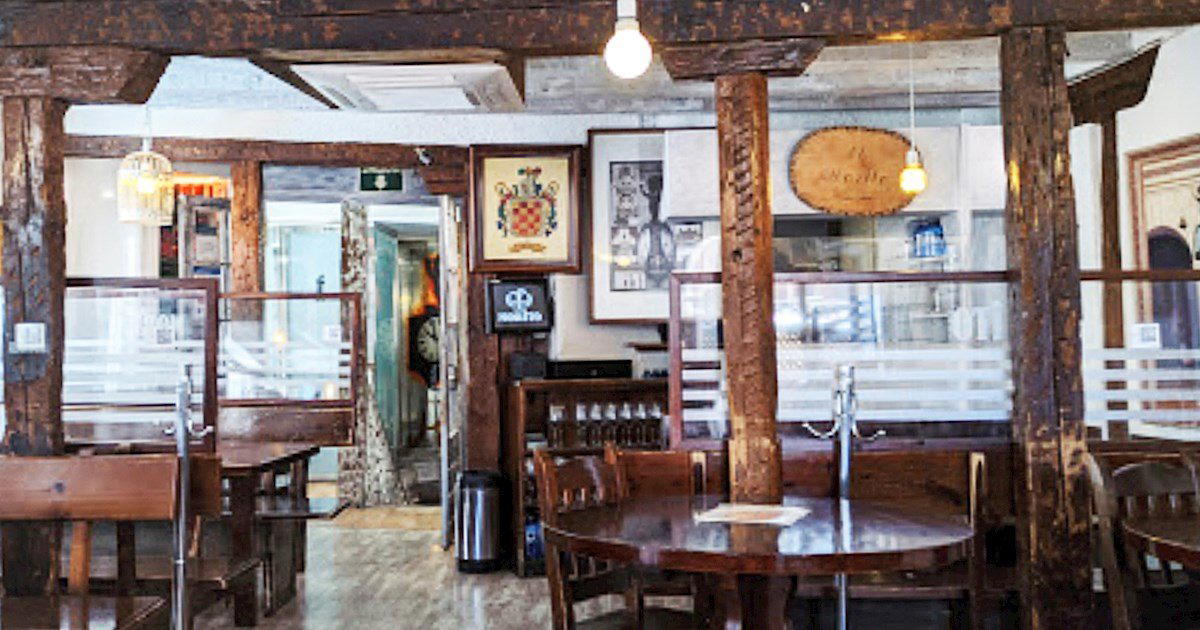
Spacious comfortable dining rooms with beautiful historic Gothic-style decorations and detailed interiors.