

Cobo Tradición occupies a position in Burgos's dining scene that few restaurants manage: à la carte classics executed with genuine technical ambition, priced accessibly within the €€ bracket.
Pearl is the En Primeur Club membership app — saves, bookings, and concierge access live there. Same editors, same standards.
- Address
- Pl. de la Libertad, 9, 09004 Burgos, Spain
- Phone
- +34 947 02 75 81
- Website
- coboestratos.com
- Directions
- Get directions
 Saves & bookings on Pearl
Where Castilian Tradition Meets Considered Craft
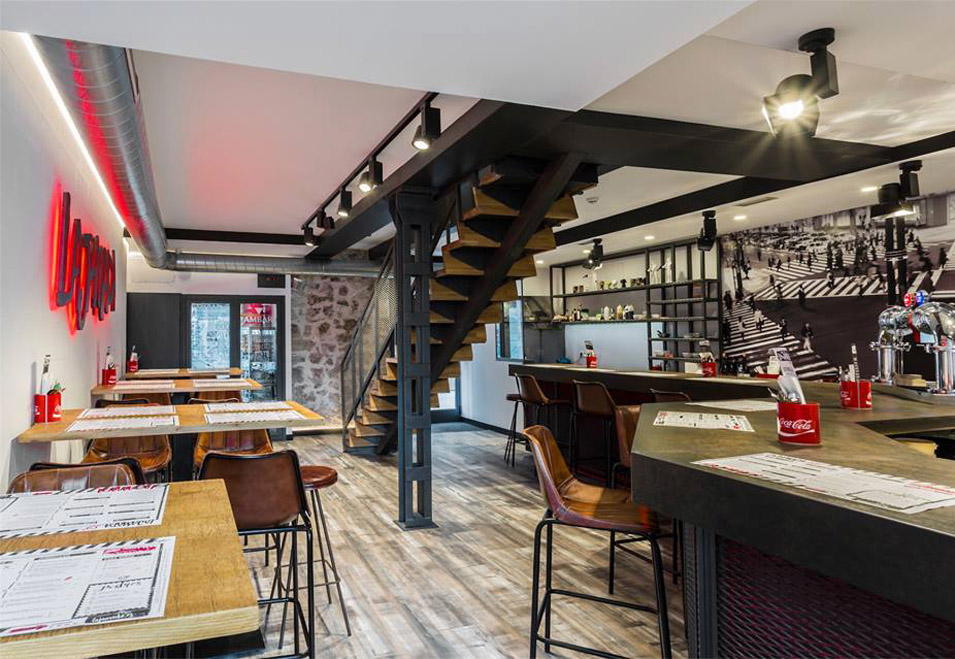
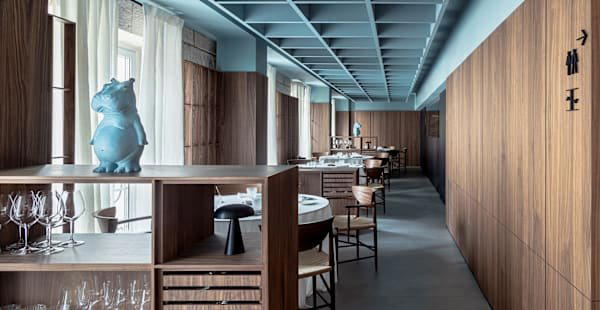
The Plaza de la Libertad is one of those medieval Spanish squares that anchors a city's sense of itself. On one side stands the 15th-century Casa del Cordón, whose stonework has witnessed centuries of Castilian history. A few metres away, Cobo Tradición sits at Pl. de la Libertad, 9, 09004 Burgos, Spain, within the Cobo Estratos complex, an address that manages, without contradiction, to be simultaneously rooted in the old city and designed with a sharply contemporary interior. The striking staircase that defines the room on entry signals immediately that this is not a tablecloth-and-taxidermy affair, even if the menu draws from deeply local culinary custom.
That tension between architectural modernity and gastronomic tradition is, in many ways, the central dining argument of Castile. Burgos has long been a city where the food culture resists trend-chasing: the region's larder, black pudding, legumes, roast lamb, river fish, is taken seriously here in a way that feels less like nostalgia and more like conviction. Cobo Tradición operates within that frame, presenting à la carte dishes that have been updated in technique without being detached from their origins.
The Rhythm of the Meal: How a Tradición Lunch Unfolds
The dining ritual at a place like Cobo Tradición follows the unhurried pace that Castilian restaurants at this level have always favoured. There is no tasting-menu conveyor belt, no theatrical reveal with every course. The à la carte format means the table sets its own tempo, which in practice tends to mean a longer, more conversational meal than the menu price might suggest. That is not a flaw; it is the format's purpose.
The kitchen's treatment of morcilla de Burgos, black pudding served grilled and fried, with roasted peppers and sea salt, illustrates the approach directly. Morcilla de Burgos, made with rice rather than the onion-heavy versions found elsewhere in Spain, is one of the defining products of this province. Serving it two ways at once is not showmanship; it is a systematic comparison that lets the ingredient speak at different temperatures and textures. The roasted peppers provide acidity to cut the fat, and the sea salt adds a mineral finish that lifts the dish beyond the familiar. This is what updated tradition looks like when the kitchen understands what it is updating.
Braised scallops with herb oil and Iberian pork cheek occupy a different register entirely. The pairing of seafood with cured or slow-cooked pork is a structure found across northern Spain, surf-and-turf logic applied with far more subtlety than the phrase implies. The scallop's sweetness, the depth of the braised cheek, the herbal brightness of the oil: these are components that work in sequence rather than simultaneously, which is what makes the dish worth ordering rather than simply admiring on a menu.
Where Cobo Tradición Sits in the Burgos Dining Picture
Cobo Estratos complex creates an interesting internal hierarchy. Cobo Evolución, which shares the same kitchens and holds a Michelin star, operates at the €€€€ tier with a tasting-menu format oriented toward contemporary Spanish cuisine. The restaurant, at the €€ bracket with an à la carte of regional classics, addresses a different diner entirely, one who wants the credibility of the kitchen's technical standard without the commitment of a multi-hour tasting progression. The shared kitchen matters here: it means the supply chain, sourcing standards, and cooking discipline are consistent across both formats.
Within Burgos more broadly, the €€ bracket is relatively crowded. La Fábrica occupies a contemporary register at the same price point, while Boccaccio 70 serves a different function in the city's dining ecology.
Elsewhere in the Burgos modern dining scene, Ricardo Temiño operates at the €€€ level with Michelin star recognition, and Landa covers the Spanish category with its own distinct positioning.
Traditional Cuisine in the Spanish Context
The category of traditional cuisine is sometimes treated as a lesser ambition in a country whose avant-garde restaurants, DiverXO in Madrid, El Celler de Can Roca in Girona, Arzak in San Sebastián, Azurmendi in Larrabetzu, Aponiente in El Puerto de Santa María, and Cocina Hermanos Torres in Barcelona, have set the international terms of conversation for Spanish cooking. That framing undervalues what traditional-category restaurants actually do when they are operating at a considered level.
The comparison extends across borders. Auberge Grand'Maison in Mûr-de-Bretagne and Auga in Gijón both demonstrate how the traditional cuisine category, at its more serious end, demands a different kind of discipline: restraint in the face of the ingredient, precision in classical technique, and an understanding of what a dish is meant to do before deciding how to refine it. The restaurant operates within that tradition, applied to the specific larder and customs of Castile.
Planning a Visit
The restaurant is located at Plaza de la Libertad 9 in Burgos's medieval centre, within direct walking distance of the cathedral and the principal old-city sights. The €€ price positioning makes it viable for lunch without significant advance planning in the way that the starred tier would require, though the restaurant's consistent ratings suggest booking ahead is sensible for evening sittings and weekend visits. The same address houses Cobo Evolución, which operates at a distinct booking and price tier.
Category Peers
Comparable venues nearby, for context on price, style, and recognition.
| Venue | Cuisine | Price | Awards | Notes |
|---|---|---|---|---|
| Cobo TradiciónThis venue — the venue you are viewing | Contemporary Castilian & Cantabrian | $$$$ | Michelin Plate | Not listed |
| La Fábrica | Modern Spanish Mediterranean | $$ | Michelin Plate | San Juan |
| Landa | Traditional Castilian | $$$ | Not listed | outskirts |
| Boccaccio 70 | Italian with Castilian Essence | $$$ | Michelin Plate | :null |
| Ricardo Temiño | Modern Spanish Fine Dining | $$$$ | Michelin 1 Star | San Juan |
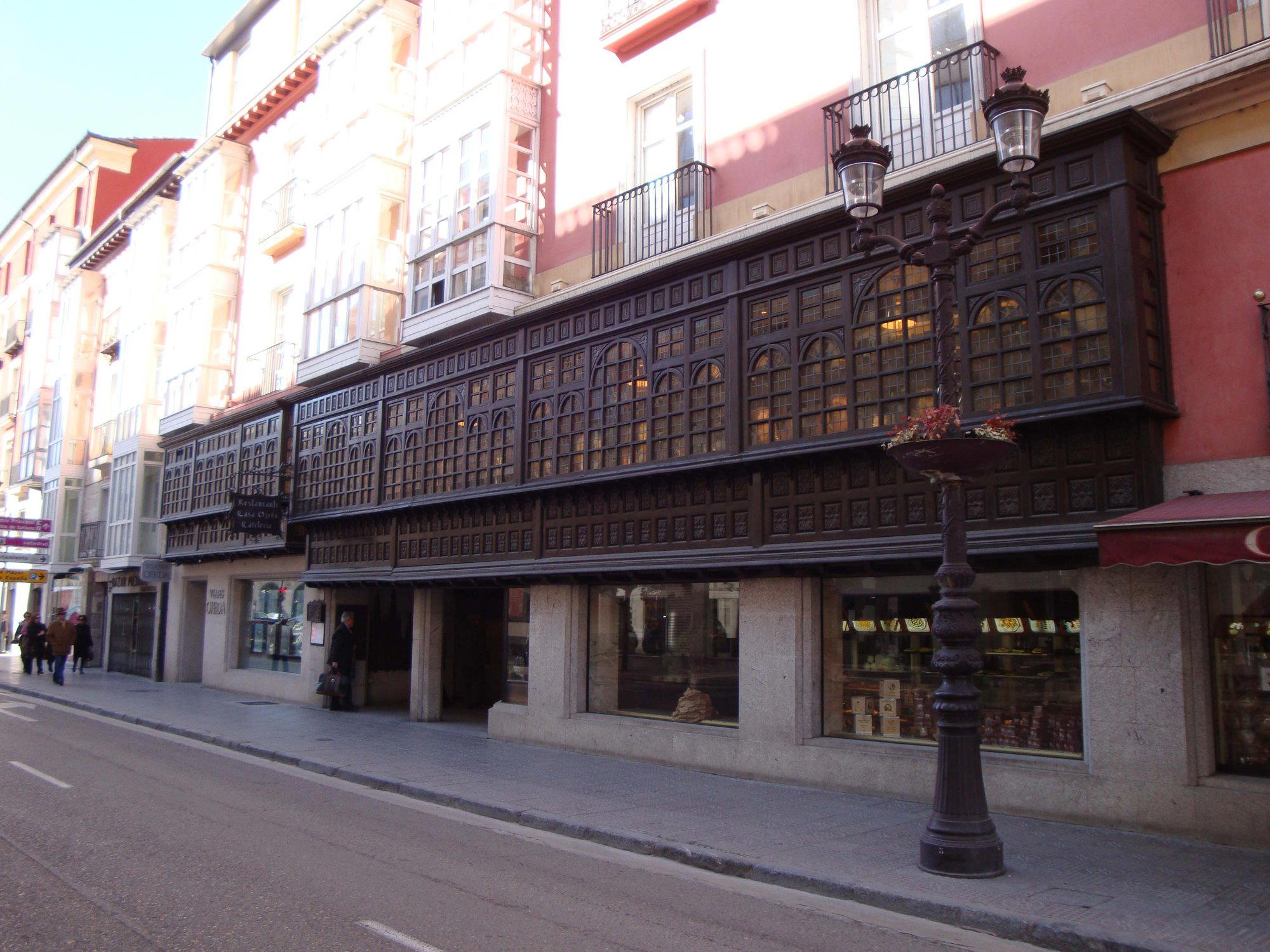
| Casa Ojeda | Classical Castilian Spanish | $$$ | Not listed | Around Town |
Recognition history
Dated appearances from independent guides and award organizations, with the underlying list record or original source where available.
Macarfi 7.7 Food Rating
Macarfi
Michelin Plate
Michelin
Michelin Plate
Michelin
Michelin Plate
Michelin

At a Glance
- Elegant
- Sophisticated
- Modern
- Romantic
- Date Night
- Business Dinner
- Special Occasion
- Celebration
- Open Kitchen
- Historic Building
- Design Destination
- Private Dining
- Extensive Wine List
- Sommelier Led
- Local Sourcing
Current opening hours
- Monday
- Closed
- Tuesday
- 1:45–3:30 PM
- Wednesday
- 1:45–3:30 PM, 8:45–10:15 PM
- Thursday
- 1:45–3:30 PM, 8:45–10:15 PM
- Friday
- 1:45–3:30 PM, 8:45–10:15 PM
- Saturday
- 1:45–3:30 PM, 8:45–10:15 PM
- Sunday
- 1:45–3:30 PM
Hours can change for holidays and private events. Last verified .
Modern, minimalist interior with striking architectural elements including an impactful staircase; clean, well-lit space with laminated wood and concrete creating a contemporary aesthetic; warm and attentive service atmosphere.