


Cobo Evolución holds a Michelin star (2024) and operates from Cobo Estratos on Plaza de la Libertad, sharing facilities with its sibling Cobo Tradición. A single tasting menu titled 'Humanidad' structures each service around the archaeological heritage of nearby Atapuerca, moving through stages of human evolution via ingredients and techniques drawn from Castile and beyond. Open Thursday to Sunday for lunch, with evening sittings on Friday and Saturday.
Pearl is the En Primeur Club membership app — saves, bookings, and concierge access live there. Same editors, same standards.
- Address
- Pl. de la Libertad, 9, 09004 Burgos, Spain
- Phone
- +34 947 02 75 81
- Website
- coboestratos.com
- Directions
- Get directions
 Saves & bookings on Pearl
Where Archaeology Meets the Plate
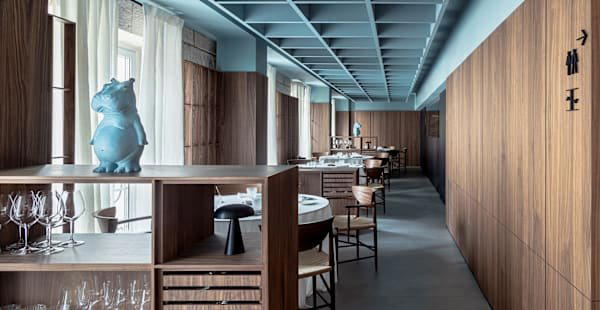
Plaza de la Libertad sits at the commercial heart of Burgos, a few minutes' walk from the cathedral and the Arlanzon river. The building housing Cobo Estratos reads as a considered departure from the city's older stone architecture: modern, open, and deliberately spacious. Two restaurants share its facilities, Cobo Evolución on the fine-dining tier and Cobo Tradición (Traditional Cuisine) on the more accessible register below. The arrangement places both concepts under one roof without blurring their identities, a structural logic that has become more common in Spanish fine dining as chefs manage multiple audiences without running separate operations entirely.
Spain's contemporary fine-dining scene has a long tradition of grounding conceptual cuisine in regional identity. Arzak in San Sebastián has done it for decades through Basque terroir; El Celler de Can Roca in Girona through Catalan memory and technique. What Cobo Evolución brings to that tradition is a source material that is, by any measure, unusually specific: the Parque Arqueológico de Atapuerca, located approximately 20 kilometres east of Burgos, where hominin fossils dating back over a million years have been excavated since the 1970s. Atapuerca is among the more significant palaeolithic sites in Europe. Using it as the conceptual spine of a tasting menu is not a casual gesture.
The Humanidad Menu: A Conceptual Framework That Earns Its Ambition
The single tasting menu is called Humanidad, and it functions as a structured argument about the relationship between human beings and food across time. The sequence moves through geographical and chronological stops: Africa, Atapuerca itself, Altamira, the Neolithic period, ancient Rome. Each stage corresponds to ingredients, techniques, or flavour logic drawn from that moment in human development. The ambition here is not merely decorative; Spain has seen many themed menus that use narrative as ornament while the food underneath stays conventional. What distinguishes Humanidad is that the thematic framework appears to be doing actual cooking work.
Michelin's inspectors awarded Cobo Evolución one star, a credential that confirms technical execution alongside the conceptual framework. The recognition also places Miguel Cobo inside a specific tier within Castile and León's fine-dining map. At the €€€€ price point, the restaurant sits at the upper end of the Burgos market, above Ricardo Temiño and well above the accessible registers of La Fábrica (Contemporary) and Landa (Spanish). That positioning means the restaurant competes less with the city's other quality restaurants than with the broader argument for spending a serious dining budget in Burgos at all.
Within Spain's starred landscape, the peer reference points for this kind of single-menu, high-concept modern cuisine include Aponiente in El Puerto de Santa María, where marine biology structures the narrative, and Azurmendi in Larrabetzu, where environmental context shapes the service. Internationally, restaurants such as Frantzén in Stockholm and FZN by Björn Frantzén in Dubai operate in the same premium tasting-menu format where a single nightly menu removes consumer optionality in exchange for authorial coherence. The restaurant belongs to that category by structure and by intent.
Castilian Ingredients as Primary Evidence
The Humanidad menu draws on ingredients that are geographically honest to Castile and León: Pyrenean trout, venison, wild mushrooms, chestnuts, root vegetables. These are not generic luxury ingredients imported for prestige. They are the foodstuffs of the region's rivers, forests, and farmland, which makes the evolutionary narrative more coherent than it might otherwise be. The dish noted by Michelin's inspectors involving Pyrenean trout with creamy roe and a carrot and pumpkin escabeche connects a specific fish from the highland waterways to preservation techniques with deep roots in the Iberian kitchen. The marinated loin of venison with wild mushrooms, vegetables, and chestnuts is a more direct expression of the same principle: autumn Castile, rendered as fine dining without pretending to be something else.
Castilian cuisine does not occupy the same international profile as Basque or Catalan cooking, but it has a distinct and serious character: roasted meats over wood, lechazo, morcilla, the cereal plains and river trout of the meseta. The restaurant takes that regional grammar and uses it as raw material for a contemporary vocabulary, which is a more intellectually credible operation than importing Castilian signifiers onto a menu that is essentially generic European fine dining.
The Space and What Happens After Dinner
Cobo Estratos has a designed quality that positions it beyond a conventional restaurant space. The building includes an upper floor dedicated to an art installation titled Evolution, thematically linked to the Humanidad menu below. This is not uncommon in high-concept Spanish dining: DiverXO in Madrid and Cocina Hermanos Torres in Barcelona both treat the physical environment as an extension of the culinary proposition. At Cobo Estratos, the spatial extension into art means the visit can continue beyond the plate, which alters the rhythm of the evening into something closer to a cultural programme than a conventional dinner reservation.
For diners approaching from outside Burgos, the building's central location on Plaza de la Libertad makes it a practical anchor for an evening in the city. Burgos is navigable on foot from its old town, and the cathedral and castle are within easy walking distance of Cobo Estratos.
Planning a Visit
The operating schedule is tighter than many starred restaurants in Spanish cities. The restaurant opens Thursday and Friday for lunch only, with lunch service running from 1:30 PM to 2:15 PM. Friday and Saturday add evening service from 8:30 PM to 9:15 PM. Sunday is lunch only, again from 1:30 PM to 2:15 PM. Monday, Tuesday, and Wednesday are closed. The narrow booking windows, particularly the 45-minute service slots, suggest a format that runs at controlled capacity rather than turning tables.
Price and Positioning
Comparable venues nearby, for context on price, style, and recognition.
| Venue | Cuisine | Price | Awards | Notes |
|---|---|---|---|---|
| Cobo EvoluciónThis venue — the venue you are viewing | Modern Cuisine | $$$$ | Michelin 1 Star | Not listed |
| Ricardo Temiño | San Juan, Modern Spanish Fine Dining | $$$$ | Michelin 1 Star | Not listed |
| Cobo Tradición | Not listed | $$$$ | Michelin Plate | Medieval Heart / Plaza de la Libertad, Contemporary Castilian & Cantabrian |
| Landa | outskirts, Traditional Castilian | $$$ | Not listed | Not listed |
| La Fábrica | San Juan, Modern Spanish Mediterranean | $$ | Michelin Plate | Not listed |
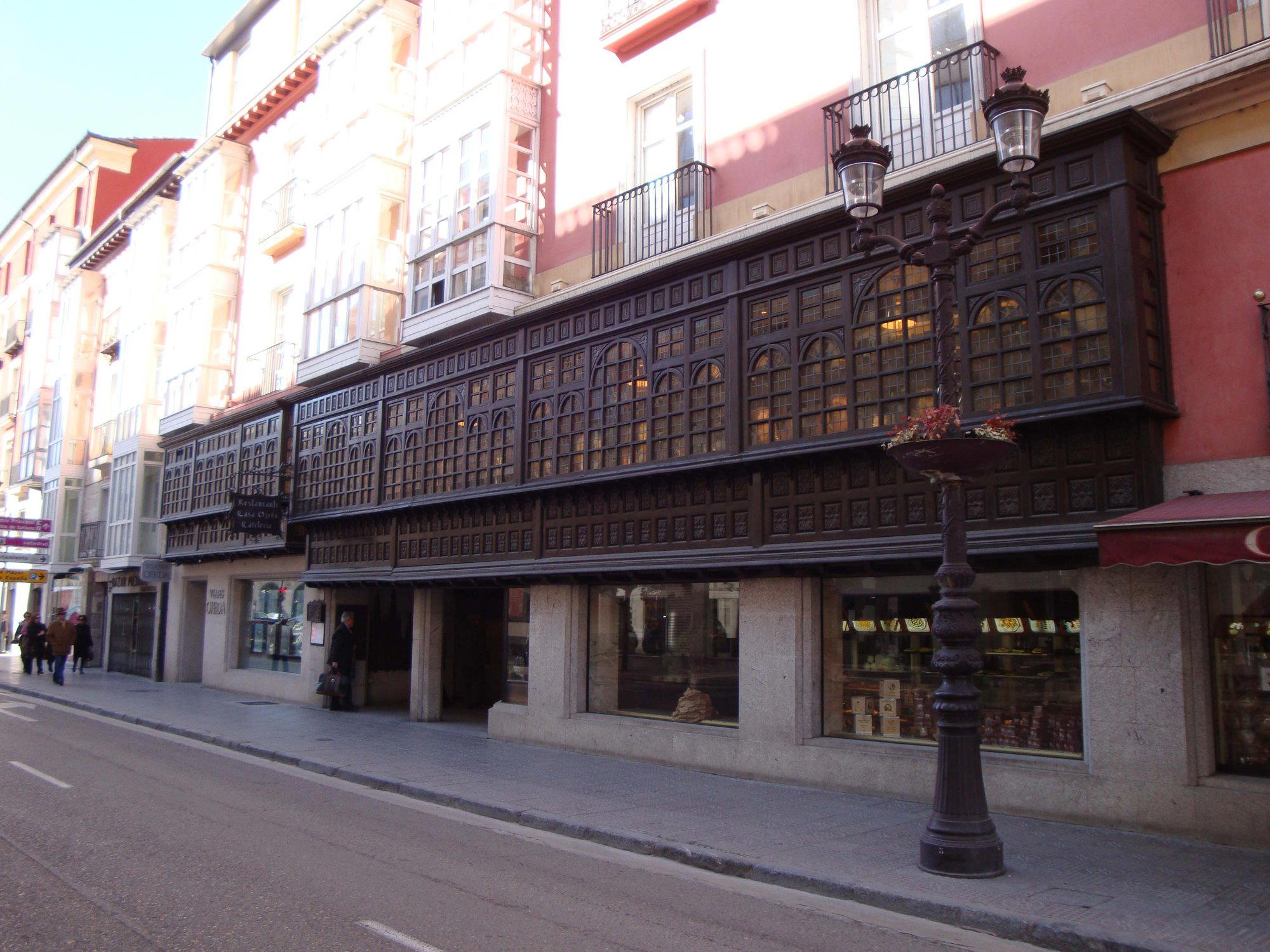
| Casa Ojeda | Around Town, Classical Castilian Spanish | $$$ | Not listed | Not listed |
Recognition history
Dated appearances from independent guides and award organizations, with the underlying list record or original source where available.
Guía Repsol 2 Soles
Guía Repsol
Macarfi 8.5 Food Rating
Macarfi
Michelin 1 Star
Michelin
Michelin 1 Star
Michelin
Michelin 1 Star
Michelin

At a Glance
- Elegant
- Sophisticated
- Intimate
- Modern
- Date Night
- Special Occasion
- Open Kitchen
- Extensive Wine List
- Street Scene
Current opening hours
- Monday
- Closed
- Tuesday
- Closed
- Wednesday
- Closed
- Thursday
- 1:30–2:15 PM
- Friday
- 1:30–2:15 PM, 8:30–9:15 PM
- Saturday
- 1:30–2:15 PM, 8:30–9:15 PM
- Sunday
- 1:30–2:15 PM
Hours can change for holidays and private events. Last verified .
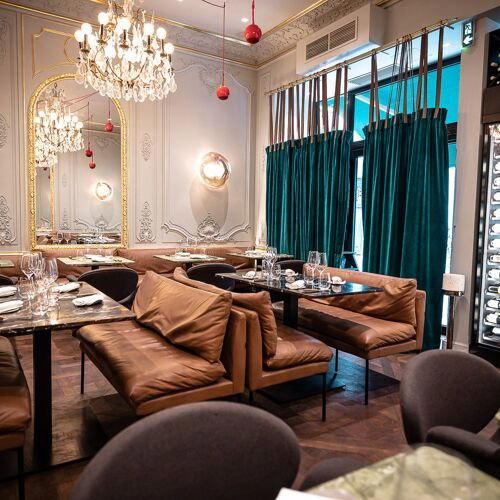
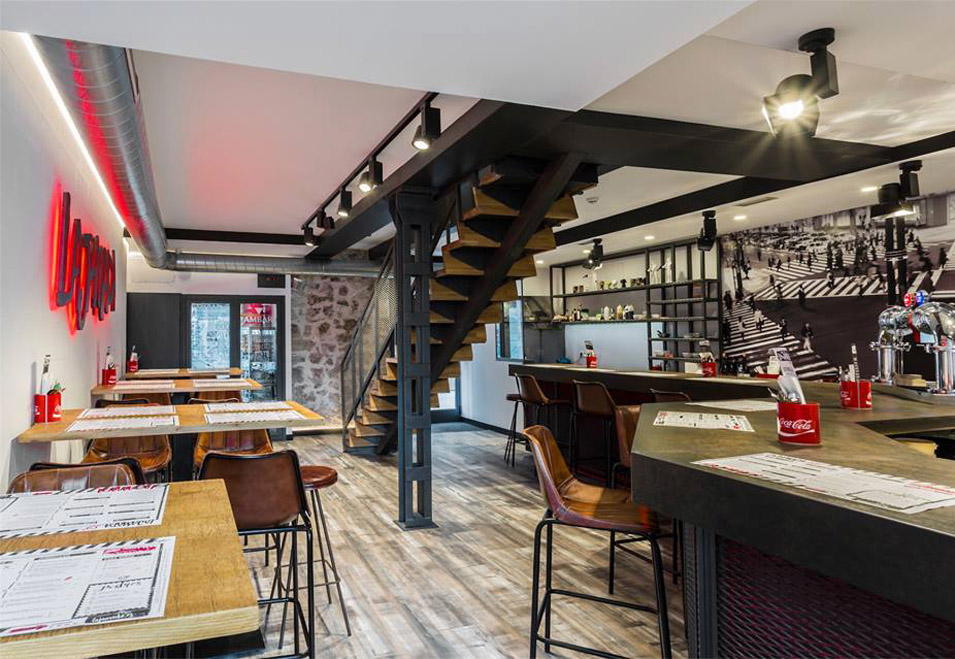
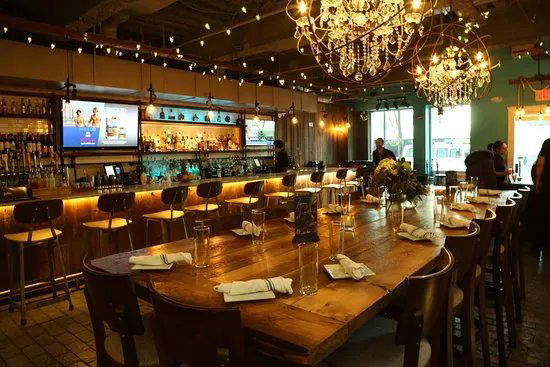
Intimate stylish setting with aesthetically pleasing design, warm lighting, artwork, pottery, and an elegant modern architecture of glass, stone, wood, and concrete