
Boccaccio 70 brings an unusual culinary pairing to Burgos: award-winning chef Ricardo Temiño threads Italian cooking through the grain of Castilian tradition, serving menus named after Fellini and Sophia Loren in a dining room defined by deep red tones. The address on Calle Briviesca occupies the former La Fábrica premises, adding a layer of local restaurant history to what is otherwise a genuinely contemporary concept.
Pearl is the En Primeur Club membership app — saves, bookings, and concierge access live there. Same editors, same standards.
- Address
- C. Briviesca, 6, 09004 Burgos, Spain
- Phone
- +34 947 69 05 66
- Website
- boccaccio70.com
- Directions
- Get directions
 Saves & bookings on Pearl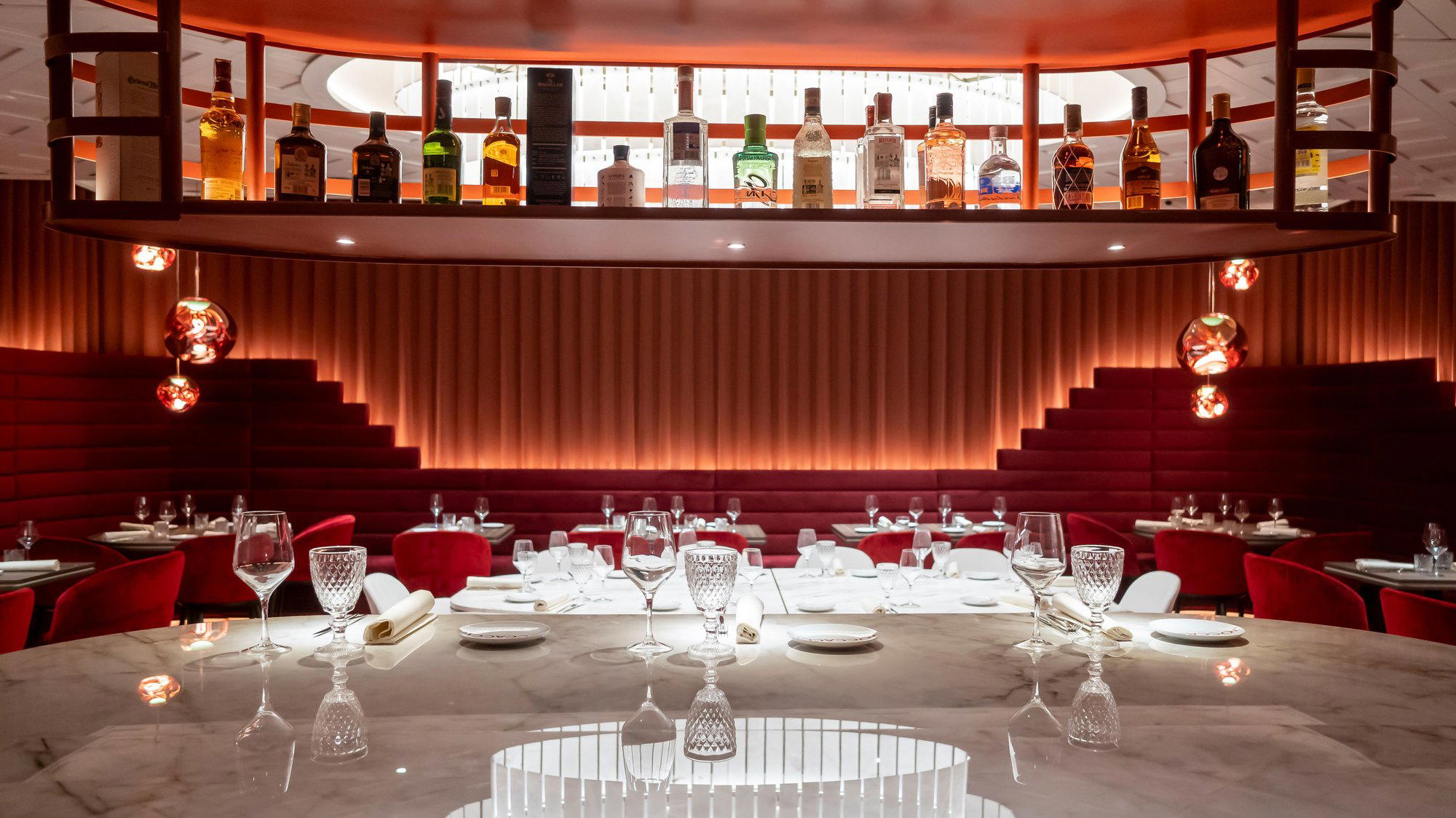
Red Walls, Roman Names, and the Weight of Castilian Pantry
There is a particular kind of dining room that announces its intentions before a single dish arrives. Boccaccio 70's interior, dominated by deep tones of red, operates in this register: the colour choice is deliberate, cinematic even, and the menus named Fellini and Sophia Loren remove any ambiguity about the cultural frame the kitchen is working within. That said, the address on Calle Briviesca sits in Burgos, a city whose culinary identity is built on lamb, morcilla, and the slow-cooked logic of the Castilian meseta. The collision between those two reference points, Italian film-era romanticism and northern Spanish ingredient culture, is the editorial premise of the restaurant, and it is one of the more considered cross-cultural propositions in the current Burgos dining scene.
The space carries its own local history. Boccaccio 70 occupies what was previously the home of La Fábrica, a restaurant that held its own place in Burgos dining conversation. Repurposing an established address rather than starting from an unmarked building is a form of editorial statement in itself: the kitchen is building on a lineage, not erasing it.
The Sourcing Logic Behind an Italian-Castilian Kitchen
The more consequential question at a restaurant like Boccaccio 70 is not which flags its menu waves, but where the raw material actually comes from. Castile's larder is not incidental to the project. The region supplies some of Spain's most significant ingredient categories: lechazo (milk-fed lamb) from the Ribera, dried legumes from across the meseta plateau, and river fish with centuries of local cooking tradition behind them. When Ricardo Temiño works cod into a pilpil sauce, he is drawing on Castilian-Basque borderland cooking practice, a technique that demands emulsification discipline and that only makes sense if the fish itself is well-sourced.
Artichoke with "anticarbonara" and smoked eel is the dish where the sourcing argument becomes most legible. Artichokes are a winter-into-spring Castilian staple; eel is river-caught territory; and the anticarbonara framing signals that the kitchen is not simply importing Italian technique wholesale but treating it as a point of departure. The caramelised panettone torrija completes the picture: torrija is Castilian Holy Week food at its most fundamental, and panettone is Milan at Christmas. Combining them is a signal that the kitchen reads both traditions as living ingredients rather than fixed references. This kind of cross-sourcing, drawing from two pantry traditions simultaneously, is a more sophisticated proposition than simply adding Italian pasta to a Spanish menu, and it positions Boccaccio 70 in a different conversation from the regional-Spanish-only operators in the city.
Ricardo Temiño and Burgos' Award-Bearing Tier
Burgos has a small but credible group of kitchens operating at award-bearing level. Cobo Evolución holds a Michelin star and operates at the higher end of the city's price range (€€€€). Ricardo Temiño's main restaurant, also Michelin-starred and at €€€, represents the chef's primary statement project. The restaurant sits in a different register within the same chef's output: a concept-driven space rather than a flagship, designed to explore a specific culinary argument rather than to consolidate a reputation already built elsewhere.
This is a pattern found across Spain's more serious regional dining scenes. Chefs at the credentialed level in cities like Burgos increasingly operate more than one address, using secondary projects to test ideas that would require too much explanation in a Michelin-context menu. Cobo Tradición, for instance, sits at €€ and holds the traditional end of the same chef group's range. The broader Spanish fine-dining scene, from Arzak in San Sebastián and Azurmendi in Larrabetzu to El Celler de Can Roca in Girona, has long demonstrated that particularly interesting culinary propositions in Spain often come from chefs who maintain both a flagship and at least one project where the frame is looser. Internationally, the same logic applies: DiverXO in Madrid, Aponiente in El Puerto de Santa María, and Cocina Hermanos Torres in Barcelona all reflect kitchens where the chef's stated culinary argument is legible across multiple formats. The restaurant belongs in this lineage at a local scale.
Menu Architecture: Fellini, Sophia Loren, and À la Carte
The two menus, Fellini and Sophia Loren, function as the kitchen's primary structural choice. Named menus of this kind, evoking specific Italian cultural figures rather than ingredient categories or seasonal logic, invite the kitchen to curate a progression rather than simply list dishes. The à la carte option runs alongside them, which matters for guests who want to anchor their meal around specific known dishes rather than commit to a full sequence. Dishes like the cod pilpil and the artichoke-eel combination are serious enough constructions that ordering them individually, outside a tasting context, is a legitimate way to read the kitchen's argument on a single visit.
The panettone torrija is the kind of dessert that reveals a kitchen's confidence with its own premise: it works only if the diner already understands why the Italian-Castilian tension is the point, not the problem. That it appears on both menus suggests the kitchen considers it a load-bearing dish rather than an afterthought.
Planning Your Visit
The restaurant is located at Calle Briviesca 6, in the 09004 postal district of Burgos, a city reachable by high-speed rail from Madrid in under two hours, which puts it within range of a day trip for travellers based in the capital. The dining room's red-dominant design and relatively intimate scale make it more suited to an unhurried evening than a working lunch, though the à la carte option gives flexibility for shorter visits.
In the context of Spain's wider fine-dining circuit, the restaurant is best understood as a kitchen that takes its concept seriously and builds its dishes from a genuine reading of two pantry traditions. The restaurant operates at a different scale and price point, but the conceptual discipline is recognisable. Landa, one of Burgos' longer-established Spanish-format restaurants, represents the more traditional end of the local spectrum; Landa and the restaurant are not in direct competition but illustrate the breadth of what the city now offers across a single dining category.
Comparison Snapshot
Comparable venues nearby, for context on price, style, and recognition.
| Venue | Cuisine | Price | Awards | Notes |
|---|---|---|---|---|
| Boccaccio 70This venue — the venue you are viewing | Italian with Castilian Essence | $$$ | Michelin Plate | Not listed |
| Landa | Traditional Castilian | $$$ | Not listed | outskirts |
| Cobo Tradición | Contemporary Castilian & Cantabrian | $$$$ | Michelin Plate | Medieval Heart / Plaza de la Libertad |
| La Fábrica | Modern Spanish Mediterranean | $$ | Michelin Plate | San Juan |
| Benito Kebab | Turkish Kebab | $ | Not listed | Burgos |
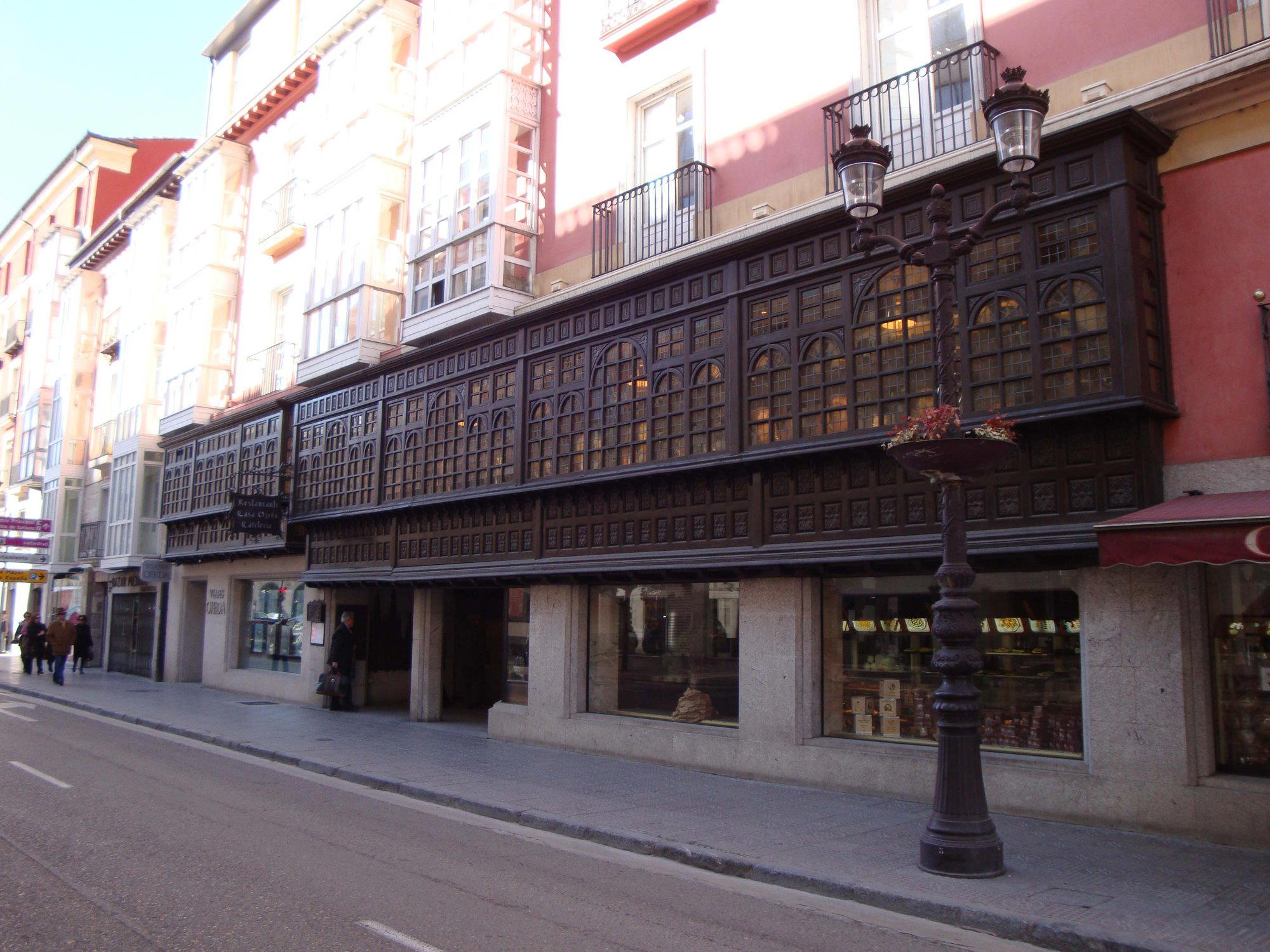
| Casa Ojeda | Classical Castilian Spanish | $$$ | Not listed | Around Town |
Recognition history
Dated appearances from independent guides and award organizations, with the underlying list record or original source where available.
Michelin Plate
Michelin

At a Glance
- Romantic
- Elegant
- Sophisticated
- Date Night
- Special Occasion
- Historic Building
- Extensive Wine List
Current opening hours
- Monday
- Closed
- Tuesday
- 1:30–3:30 PM
- Wednesday
- 1:30–3:30 PM
- Thursday
- 1:30–3:30 PM, 8:30–10:30 PM
- Friday
- 1:30–3:30 PM, 8:30–10:30 PM
- Saturday
- 1:30–3:30 PM, 8:30–10:30 PM
- Sunday
- 1:30–3:30 PM
Hours can change for holidays and private events. Last verified .
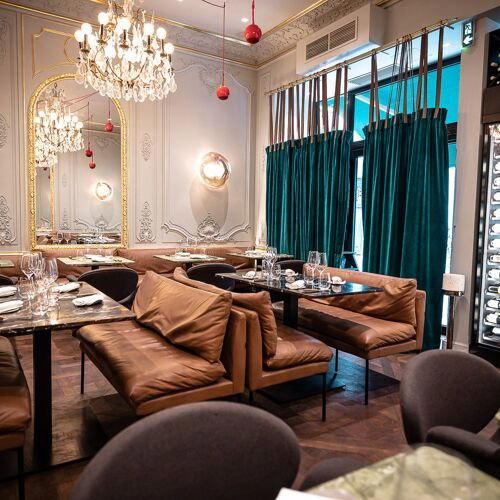
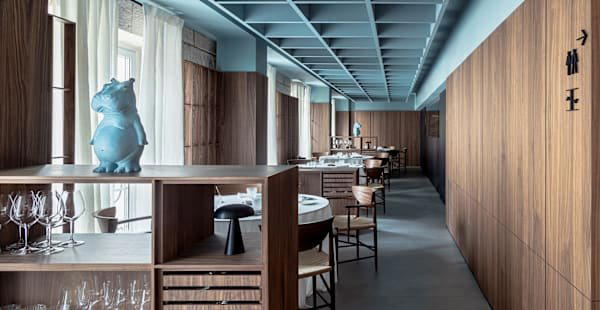
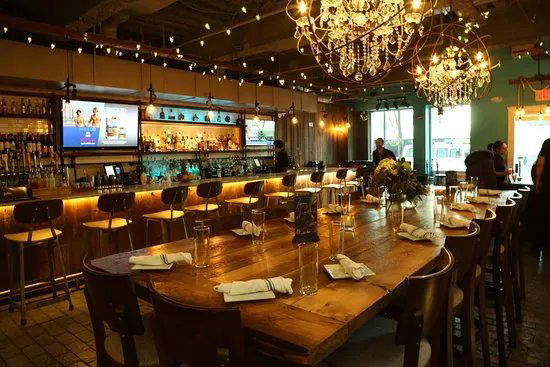
Attractive dining room with a striking look dominated by tones of red, offering a special romantic atmosphere.