Lambs Club

<strong>Lambs Club</strong> belongs to <strong>New York</strong>’s theater-<strong>district</strong> dining category, where Italian cooking has to work for pre-curtain timing without reading like a compromise. Chef <strong>Jack Logue</strong>’s name and the restaurant’s 2026 <strong>Opinionated About Dining Recommended</strong> citation give it a firmer editorial footing than the average Midtown room built around convenience.
 Discover on Pearl
Pearl is the En Primeur Club membership app — saves, bookings, and concierge access live there. Same editors, same standards.

Midtown Italian, measured against the theater clock
The first read here is not a plate but a tempo: Midtown arrivals, dressed for a show or a business dinner, moving through one of New York’s more compressed dining corridors. Around Times Square and the theater district, restaurants live under a different pressure than downtown dining rooms. They have to handle early evenings, late returns, mixed tables, and guests who may be judging the meal against curtain time as much as against culinary ambition. Lambs Club sits inside that category, which makes its Italian identity more interesting than a simple cuisine label suggests.
New York Italian dining has never been one thing. The city contains red-sauce continuity, Tuscan grill culture, Roman pasta minimalism, coastal seafood rooms, modern Italian-American cooking, and luxury hotel-adjacent restaurants that borrow from several regions without pledging allegiance to one. In that crowded field, the useful question is not whether a restaurant is “authentic” in the abstract. It is which Italian grammar it uses, how it prices its ambitions against the room, and whether it gives Midtown something sharper than generic pre-theater comfort.
The available record identifies Lambs Club as Italian, with Jack Logue as chef, and places it on the 2026 Opinionated About Dining Leading Restaurants in North America Recommended list. That last detail matters because Midtown has a high tolerance for safe cooking. Recognition from a voter-led dining guide suggests the restaurant is being read within a wider North American peer set rather than only as a convenient address for the neighborhood’s commercial rhythm.
Why regional identity matters in New York Italian dining
Italian restaurants in New York often signal region before a guest sees a menu. Roman cooking tends to announce itself through restraint: pasta, pepper, pecorino, guanciale, bitter greens, and a suspicion of unnecessary garnish. Tuscan influence usually reads through meat, beans, bread, oil, and the language of the hearth. Neapolitan identity brings pizza, tomatoes, seafood, and a looser southern warmth. Milanese references often move toward saffron, veal, rice, butter, polished service, and a more northern sense of urban formality.
Midtown Italian dining, by contrast, often blends these dialects because the audience is broader. A room feeding theatergoers, visitors, media lunches, and local regulars cannot behave like a narrow trattoria in Rome or a wood-fired Tuscan specialist downtown. The editorial test is whether that blend has discipline. A mixed-regional Italian restaurant can feel coherent when the kitchen understands why Roman simplicity, Tuscan char, or northern polish belong together on the same bill. It collapses when Italian becomes a decorative umbrella for crowd-pleasing dishes with no regional tension.
Lambs Club should be read through that Midtown lens. The Italian label places it in conversation with Café Carmellini, where hotel-restaurant grandeur meets downtown chef culture, and Ai Fiori, which historically frames Italian and French Riviera references in a polished Midtown setting. It also sits at a distance from the more neighborhood-driven pull of Via Carota, the fire-and-dough energy around Ci Siamo, and the Italian-American confidence of Don Angie. Those comparisons matter because New York diners increasingly choose Italian by mood and regional register, not by cuisine alone.
The theater district problem: convenience versus credibility
The theater district is one of the hardest neighborhoods in New York for restaurants that want critical credibility. Demand is built in, which can make ambition optional. A dining room can fill on location, timing, and recognizability, then coast on a menu designed not to offend. That is why credible Italian cooking in this part of the city has to solve two problems at once: it needs to feed a practical crowd, and it needs to resist becoming only a scheduling solution.
Opinionated About Dining’s 2026 Recommended citation gives Lambs Club a useful trust signal in that context. OAD’s North America list is not a decor award or a hotel amenity marker; it is a restaurant-facing recognition system. The restaurant appears in the 2026 OAD Leading Restaurants in North America Recommended tier, with the source record listing Italian cuisine and Jack Logue as chef. For readers comparing Midtown options, that is a more meaningful data point than a vague reputation claim.
There is also a timing implication. In New York, Italian restaurants near major cultural venues often peak early, when pre-theater demand compresses bookings into a narrow band. Without published hours or booking policy in the available record, the sensible planning assumption is simple: treat prime early-evening tables as competitive, especially during Broadway-heavy periods, and avoid building a tight schedule around a walk-in plan. A room in this part of Manhattan is shaped by the city’s performance calendar as much as by ordinary dinner habits.
Where it fits among New York's Italian rooms
New York’s Italian hierarchy is less linear than it used to be. The old split between formal uptown rooms and casual downtown trattorias has fractured into multiple tiers: chef-led hotel dining, reservation-heavy West Village counters, polished Midtown business rooms, wood-fired specialists, and Italian-American restaurants that treat nostalgia as a serious technique rather than a theme. Lambs Club belongs to the polished Midtown lane, where service rhythm, room tone, and menu breadth matter almost as much as regional specificity.
That position is neither a weakness nor a guarantee. The city has enough narrowly focused Italian restaurants that a broad-format Midtown room needs to justify its range. Roman minimalism can be found elsewhere; Tuscan fire has its own dedicated stages; Neapolitan identity is abundant in pizza and southern-leaning rooms. The role for a theater-district Italian restaurant is synthesis: enough regional signal to avoid blandness, enough flexibility to work for a mixed table, and enough critical recognition to separate it from restaurants trading only on proximity.
For a traveler, the comparison should be practical rather than abstract. Choose a room like this when the evening needs polish, location, and Italian familiarity with some editorial validation behind it. Choose downtown Italian when the meal itself is the center of the night and the schedule can absorb harder reservations or later seating. In EP Club’s broader coverage, Our full New York City restaurants guide maps those distinctions across cuisines, while Our full New York City hotels guide is useful for understanding how Midtown dining often overlaps with hotel and theater movement.
Italian tradition through a Midtown filter
Regional Italian cooking depends on limits. Roman cuisine uses a small pantry and makes technique visible through restraint. Tuscany prizes elemental cooking, often with bread, beans, game, beef, and oil carrying more weight than sauce. Naples has a different register: tomato acidity, seafood, pizza culture, and a southern appetite for immediacy. Milan and the north bring rice, butter, veal, and a more formal table grammar. When a New York restaurant identifies as Italian without a narrower regional tag, the reader should look for how these traditions are edited rather than expecting a single passport stamp.
In Midtown, that editing is often shaped by service demands. A pre-curtain table may not want a long tasting format. A late supper crowd may want the reassurance of recognizable pasta or protein. A business dinner may need a room that signals seriousness without forcing everyone into a culinary thesis. The more successful restaurants in this lane understand that Italian food can carry formality without stiffness and comfort without sentimentality.
Chef Jack Logue’s presence in the database gives the restaurant a named culinary lead, but the broader story is the category he is working inside. New York does not lack Italian restaurants; it lacks many theater-district rooms that can bridge regional cooking, occasion dining, and critical scrutiny without becoming a theme version of Italy. The OAD Recommended listing is useful because it places the restaurant beyond neighborhood convenience and into a larger conversation about North American dining quality.
How to plan a meal here
Because the public record supplied here does not include price range, hours, seat count, dress code, phone, website, or formal booking method, planning should stay conservative. In New York City, an Italian restaurant with third-party dining-guide recognition and a theater-district audience should be treated as a reservation-first choice for dinner, especially for early evening. If the meal is tied to a performance, build in more time than the bare minimum; Midtown traffic, arrivals, coats, and pacing can turn a tight plan into a rushed one.
The absence of a listed price range also matters. Italian dining in New York spans casual pasta counters to major-occasion rooms, and neighborhood alone does not settle the question. A restaurant in this category, carrying OAD recognition and operating in central Manhattan, should be approached as a polished dinner rather than a casual bargain. Families, business travelers, and visitors should check current menus and policies directly before committing, since the database does not provide children’s policy, dietary notes, or service format.
For a fuller night in the city, the neighborhood logic can extend beyond dinner. Our full New York City bars guide helps separate cocktail-led rooms from hotel bars and theater-adjacent lounges. Our full New York City experiences guide is useful when dinner is one part of a culture-heavy itinerary, while Our full New York City wineries guide covers the city’s limited but increasingly interesting wine-related venues and urban tasting formats.
How it compares beyond New York
Italian dining abroad often reveals how flexible the cuisine has become. A Hong Kong address such as 8 1/2 Otto e Mezzo Bombana (Hong Kong) — Italian in Hong Kong shows how northern Italian luxury can translate into an international financial city, while cenci — Italian in Kyoto belongs to a different conversation, where Italian technique meets Japanese seasonality and product culture. New York’s version is less about translation and more about density: the city contains so many Italian subgenres that a restaurant’s neighborhood and format become part of its identity.
That is why cross-city comparisons should be used carefully. A Midtown Italian dining room is not trying to behave like a destination tasting-menu restaurant in wine country or a seafood temple on the West Coast. Still, the larger North American restaurant conversation gives useful scale. Recognition systems that also track restaurants such as Benu in San Francisco, Emeril’s in New Orleans, The French Laundry in Napa, Single Thread Farm in Healdsburg, Smyth in Chicago, and Providence in Los Angeles remind readers that restaurant credibility is now assessed across formats, regions, and levels of formality. Lambs Club’s OAD Recommended status does not make it equivalent to those highly specific destination restaurants; it does place it inside a vetted dining conversation rather than outside it.
Editorial verdict
Lambs Club is leading understood as a polished Midtown Italian restaurant operating under theater-district pressures, with enough outside recognition to merit attention beyond convenience. Its value lies in category fit: Italian cooking, a named chef in Jack Logue, and a 2026 OAD Recommended listing in a part of New York where many rooms survive on location alone. The sharper reader question is not whether this is the city’s definitive Italian meal. It is whether the evening calls for regional Italian signals, central Manhattan practicality, and a room positioned for occasion dining without leaving the neighborhood.
For travelers building a New York itinerary, that makes it a situationally strong choice. Downtown may offer more tightly defined Roman, Tuscan, or Italian-American narratives. Midtown offers proximity, polish, and a dining room that has to perform on schedule. When those needs line up, this restaurant occupies a clear place in the city’s Italian map.
Continue exploring
More in New York City
Restaurants in New York City
Browse all →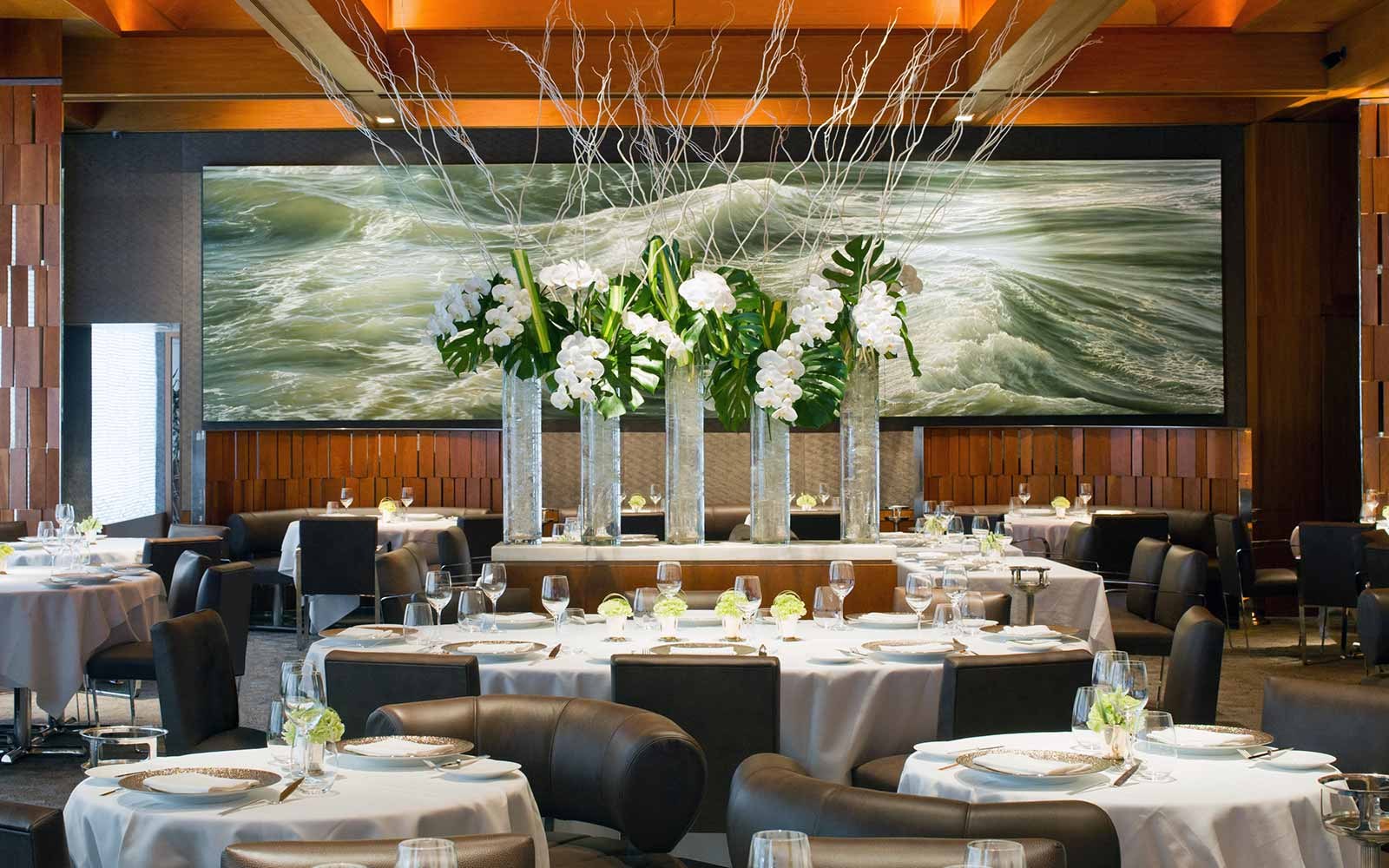
Bars in New York City
Browse all →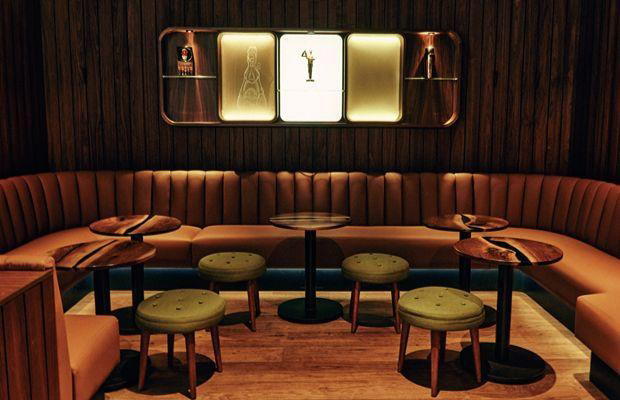
Hotels in New York City
Browse all →


Wineries in New York City
Browse all →
At a Glance
- Elegant
- Classic
- Sophisticated
- Romantic
- Iconic
- Date Night
- Business Dinner
- Group Dining
- Special Occasion
- After Work
- Private Event
- Private Dining
- Historic Building
- Design Destination
- Hotel Restaurant
- Craft Cocktails
- Extensive Wine List
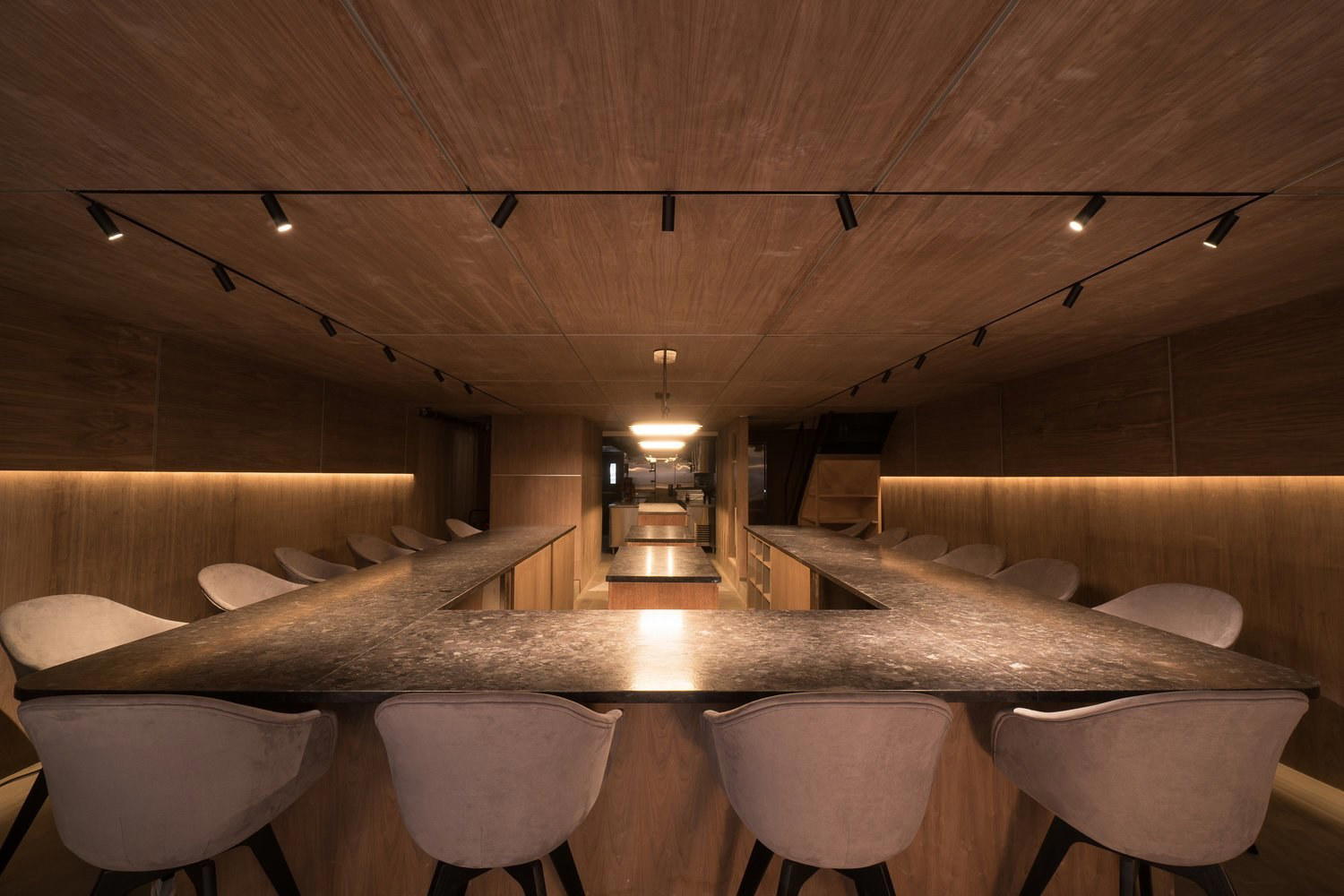
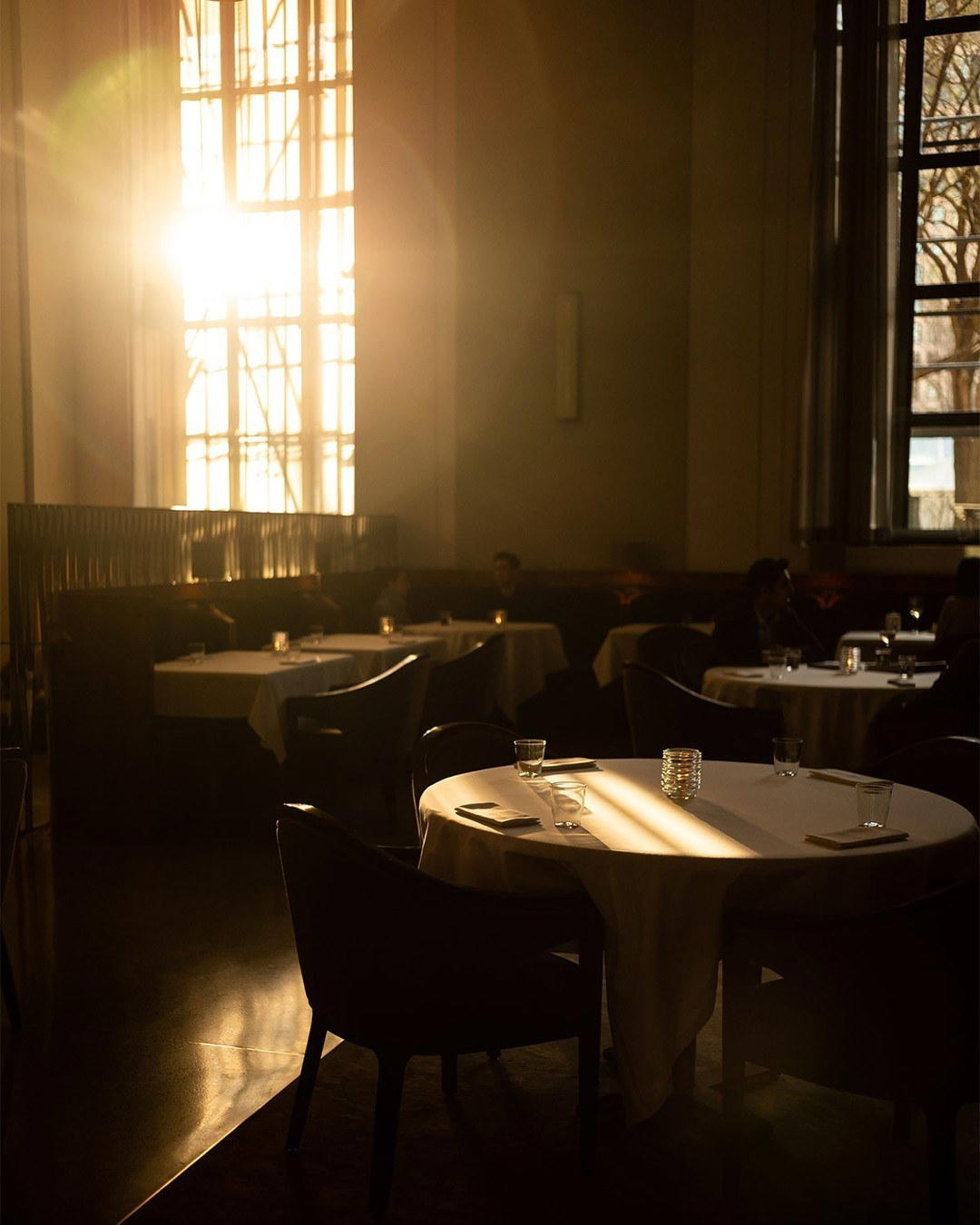
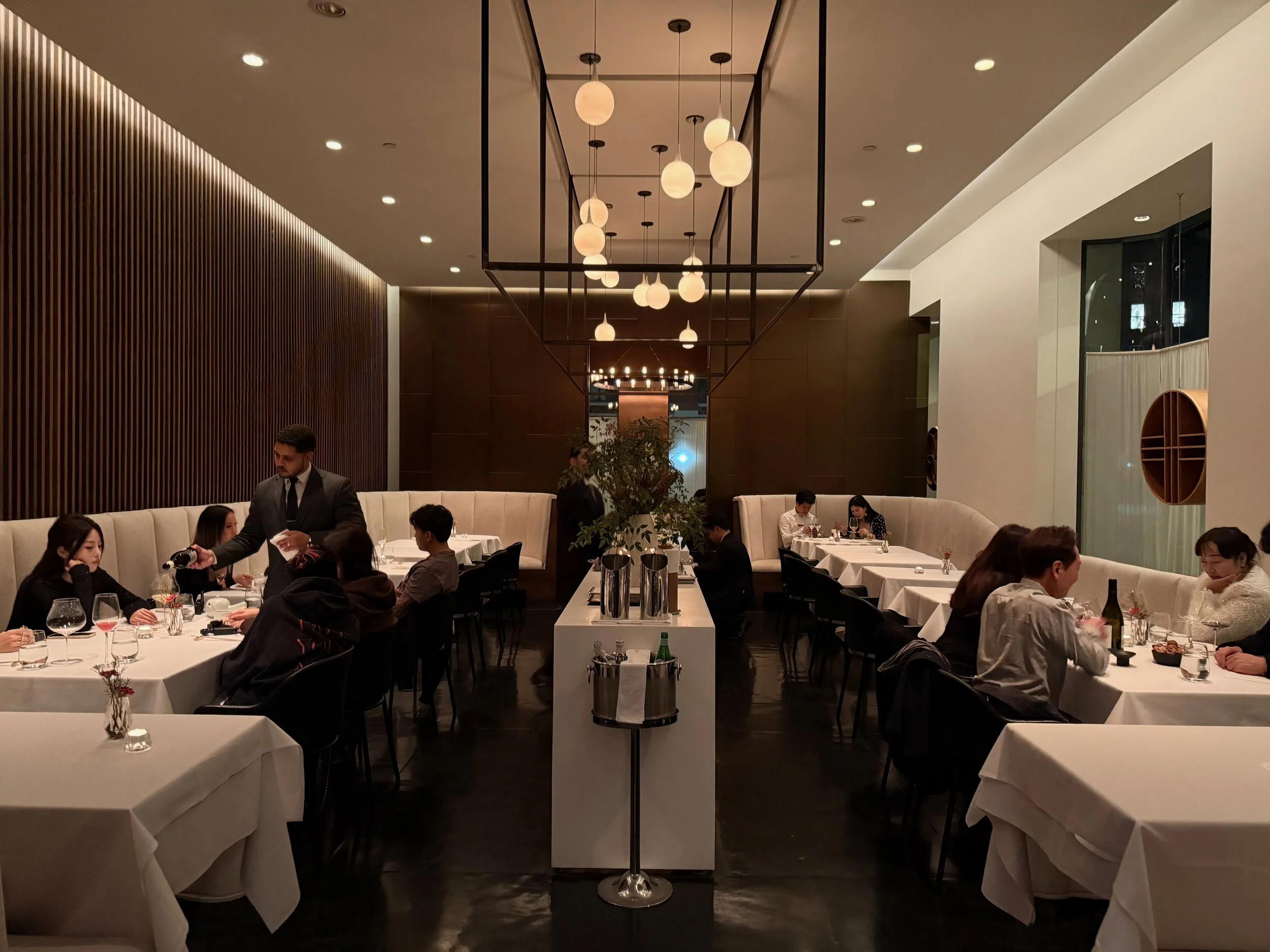
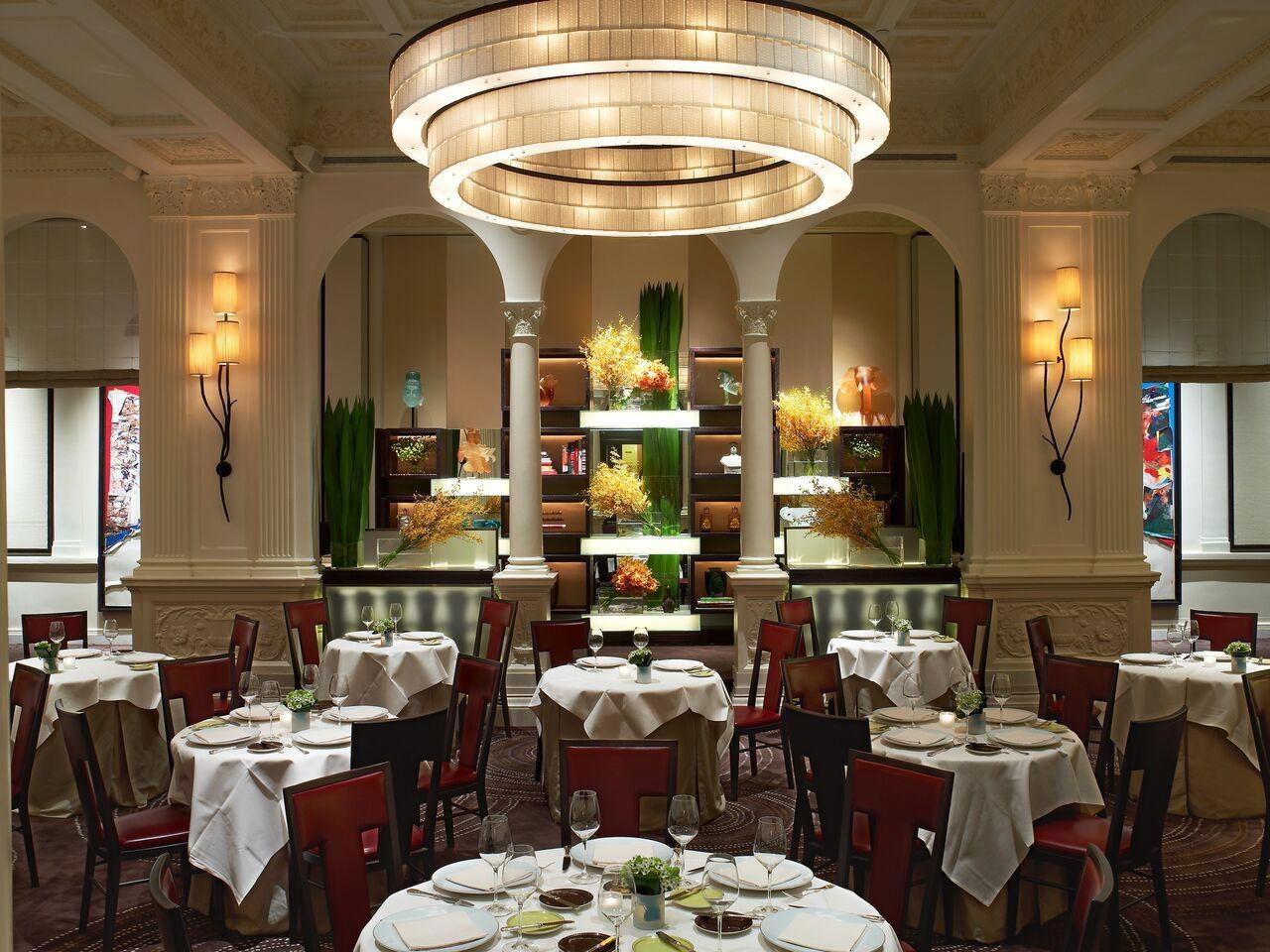
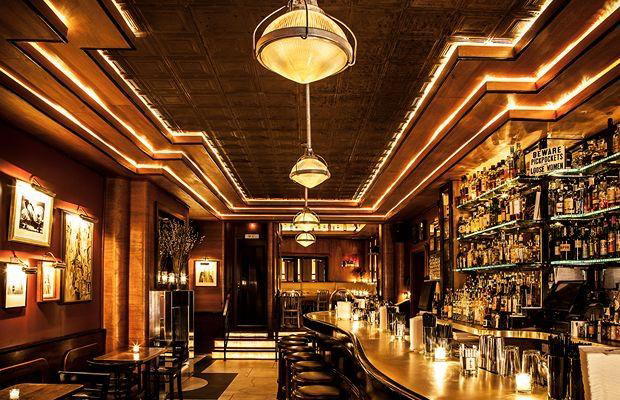
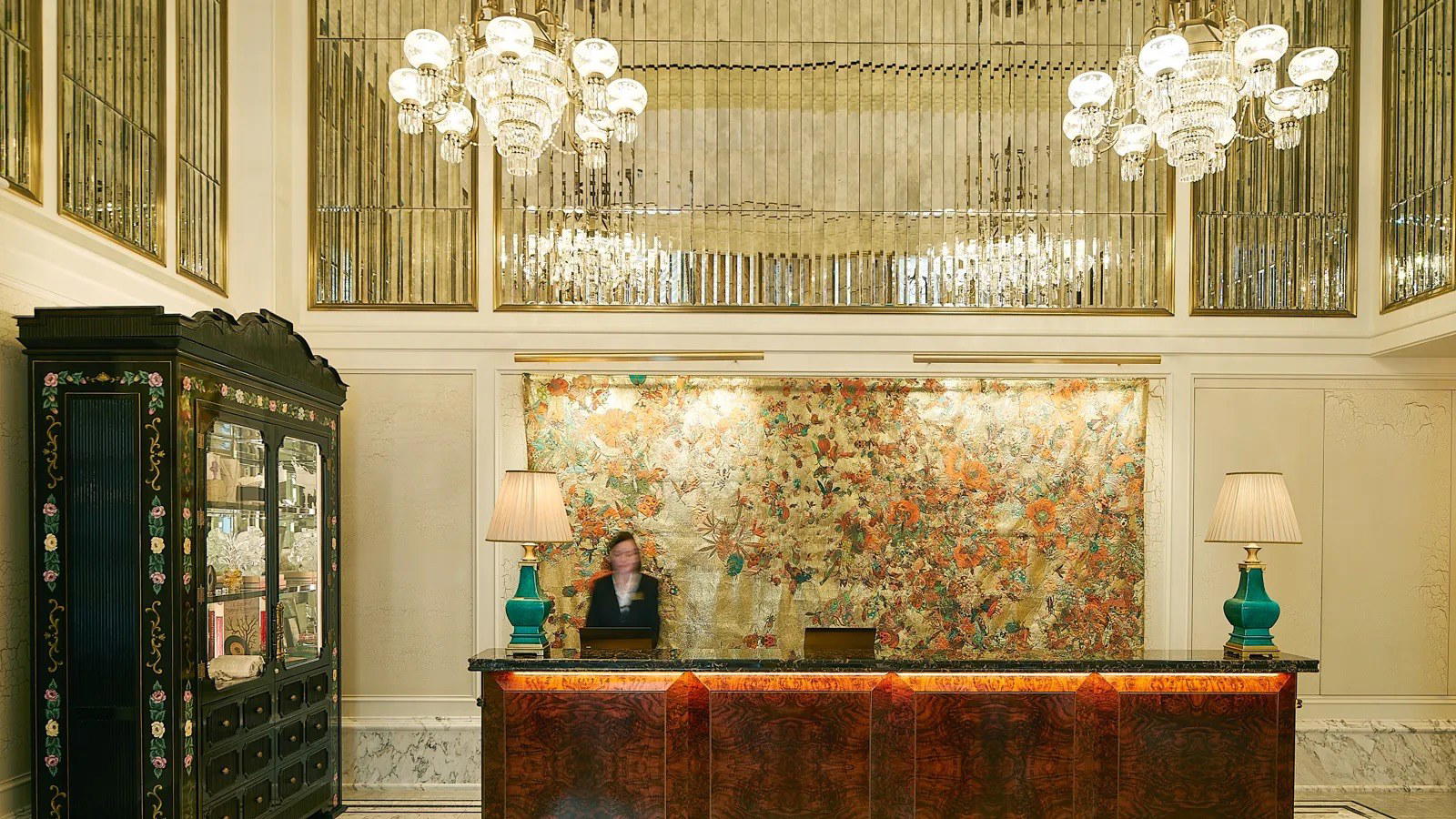
Clubby art deco dining room with rich woods, leather banquettes, dim flattering lighting, and a polished yet comfortable atmosphere that feels like a classic Midtown power room with a theatrical edge.