Positioned on Rue Marcel Paul in central Mâcon, L'Ambroisie Mâconnaise occupies a stretch of the city where Burgundian market tradition meets the quieter end of Saône-side dining. Within a regional restaurant scene that divides between classic-format addresses like Pierre and more contemporary propositions, L'Ambroisie Mâconnaise represents a mid-tier option worth assessing on its own neighbourhood terms.
Pearl is the En Primeur Club membership app — saves, bookings, and concierge access live there. Same editors, same standards.
- Address
- 103 Rue Marcel Paul, 71000 Mâcon, France
- Phone
- +33385381221
- Website
- lambroisie.fr
- Directions
- Get directions
 Saves & bookings on Pearl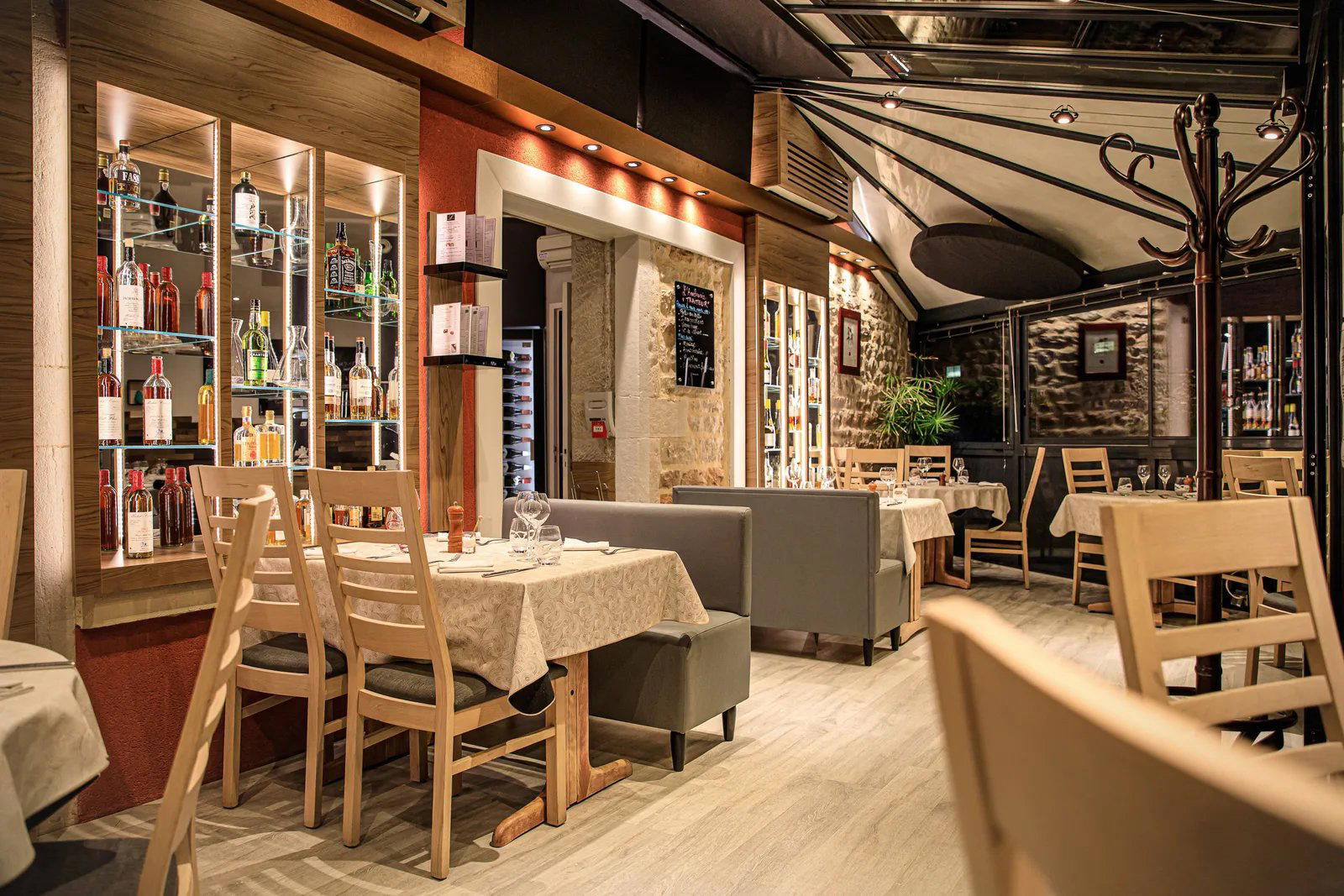
Rue Marcel Paul and What the Address Tells You
The city is the southern terminus of the Burgundy wine corridor and the northern gateway to the Bresse and Beaujolais producers, a position that has historically made it a provisioning town as much as a destination in its own right. The restaurants that work here tend to operate with an understanding of that duality: they draw on serious regional produce without pitching themselves as destination dining in the way that Troisgros - Le Bois sans Feuilles in Ouches or Mirazur in Menton do. They are, in useful sense, civic restaurants.
L'Ambroisie Mâconnaise sits at 103 Rue Marcel Paul, a central Mâcon address that places it within walking distance of the old town and the Saône riverfront. The street itself is unremarkable in architectural terms, which in the context of provincial French dining is neither a criticism nor a coincidence. Particularly credible regional tables in France operate from addresses that would not register on a tourist map. The point is proximity to the market, to the local clientele, and to the kind of unhurried weekday rhythm that sustains a genuine neighbourhood restaurant. At this address, L'Ambroisie Mâconnaise is positioned to serve exactly that function.
Where It Sits in the Mâcon Restaurant Scene
Mâcon's dining options divide along two fairly clear lines. On one side are the classically formatted addresses, most notably Pierre, which operates in the higher price bracket with traditional Burgundian technique as its organising principle. On the other side are the more accessible modern addresses: Cassis works a contemporary format at a lower price point, while L'Ethym'Sel and Le Lamartine fill in the mid-tier alongside Le Poisson d'Or, which tends toward traditional fish and river-produce formats.
L'Ambroisie Mâconnaise operates in the space between those poles. The name itself carries a signal: ambroisie, the food of the gods in classical mythology, is a reference point that appears with some frequency in French restaurant naming, often at addresses that pitch themselves toward occasion dining without claiming the full apparatus of fine dining. It is a register the French dining public reads intuitively. The Mâconnaise suffix grounds it geographically and suggests local allegiance rather than regional ambition in the grander sense. Together, the name frames an address aiming for a certain seriousness without overreaching into the territory occupied by the three-star tables of the broader region, such as Alléno Paris au Pavillon Ledoyen or Flocons de Sel in Megève.
The Produce Context That Defines Mâcon's Kitchen
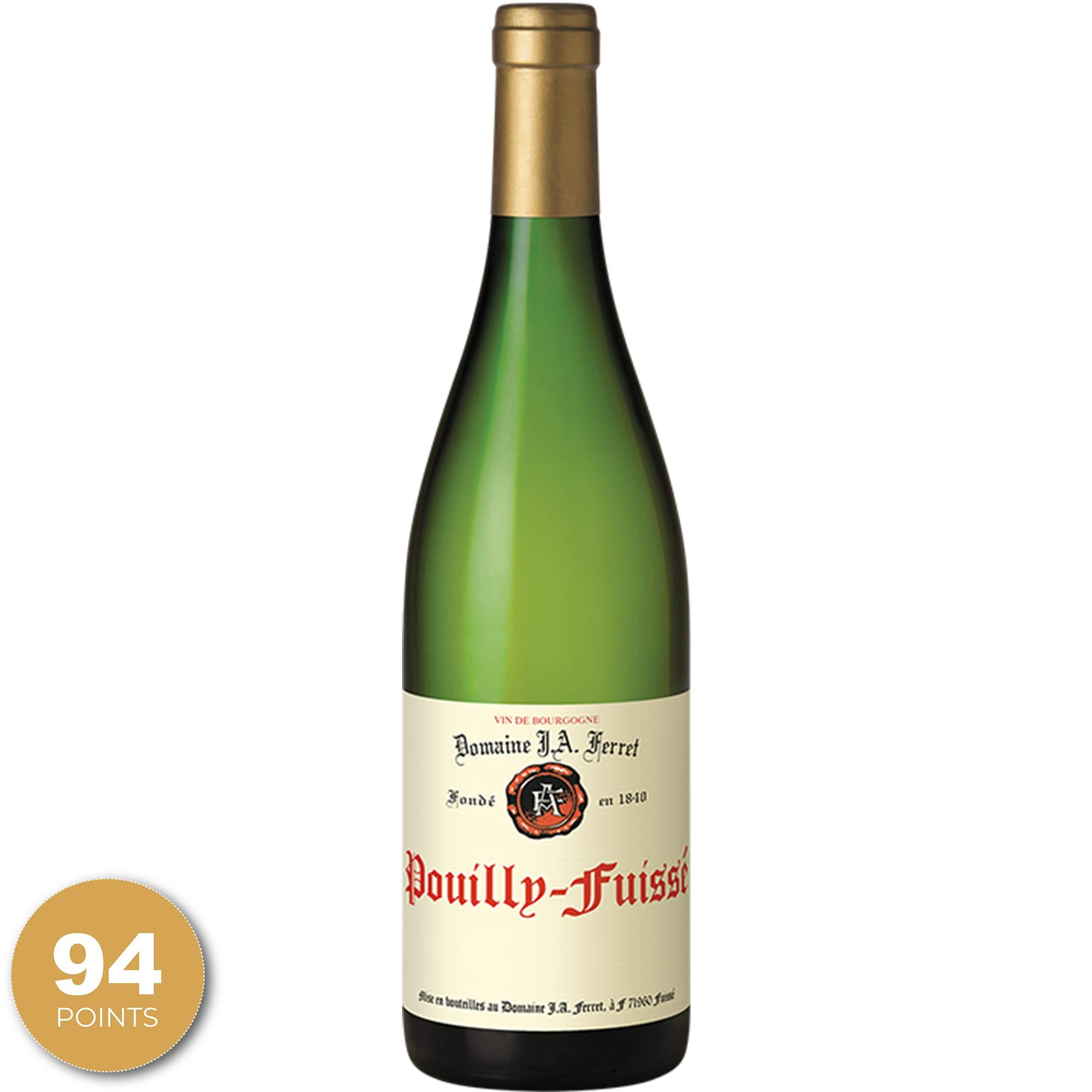
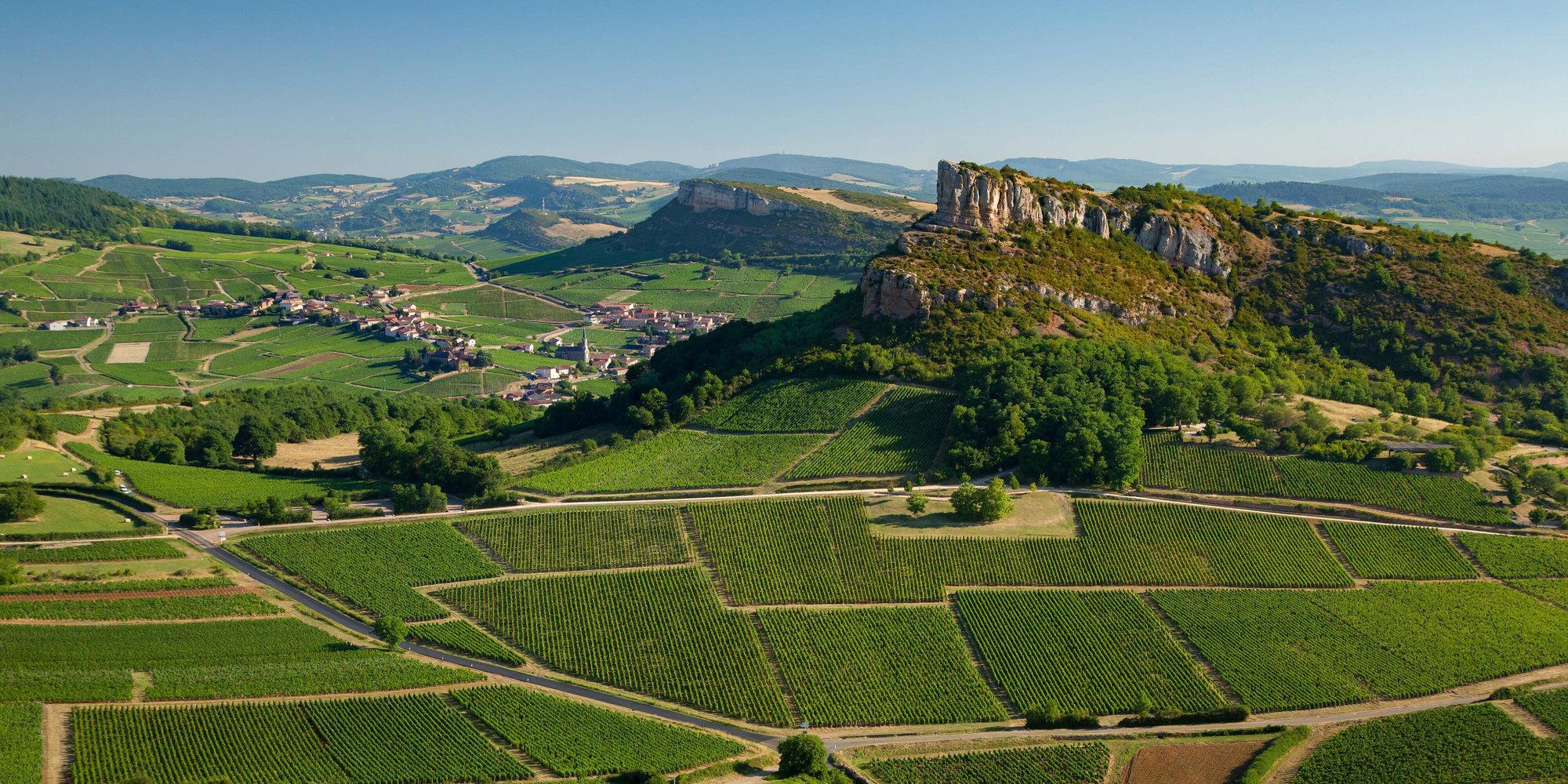
Any serious table in Mâcon operates within a specific set of produce advantages. Bresse chicken, with its AOC designation and strict production controls, is available at a proximity no Parisian restaurant can replicate. The Saône and its tributaries have historically supplied river fish, though the relevance of this varies by season and by how seriously a given kitchen engages with traditional preparations. Charolais beef from the hills to the west of Mâcon represents another regional anchor. And the wine context is, by any measure, notable: Mâcon-Villages whites are produced within the commune boundaries, and the Pouilly-Fuissé appellation sits immediately to the west, with Saint-Véran and Viré-Clessé within a short drive. For a restaurant at this address, a wine list that fails to engage seriously with these appellations would be an obvious missed opportunity.
This produce positioning puts Mâcon's mid-tier tables in an interesting structural situation. The raw materials available to them are broadly comparable to those used at far more expensive addresses. The difference lies in technique, service infrastructure, and the ambition of the menu architecture. France has a long tradition of regional tables that execute classical preparations with local produce at prices that would be considered modest by the standards of, say, Auberge de l'Ill in Illhaeusern or Bras in Laguiole. The restaurant, operating from its central Mâcon address, is positioned to participate in that tradition.
Mâcon as a Stop, Not a Base
Most visitors to this part of Burgundy pass through Mâcon rather than anchoring there. The TGV station connects directly to Paris Gare de Lyon in under ninety minutes, which makes Mâcon a logical lunch stop on a southbound journey, a dinner point before a night in the Mâconnais vineyards, or a base for day trips to Cluny, the Roche de Solutré, and the Pouilly-Fuissé producing villages. Restaurants that work well within this transit pattern tend to operate with flexible timing, reliable execution across a service, and wine lists that give visitors a clear entry point into the local appellations without requiring deep prior knowledge.
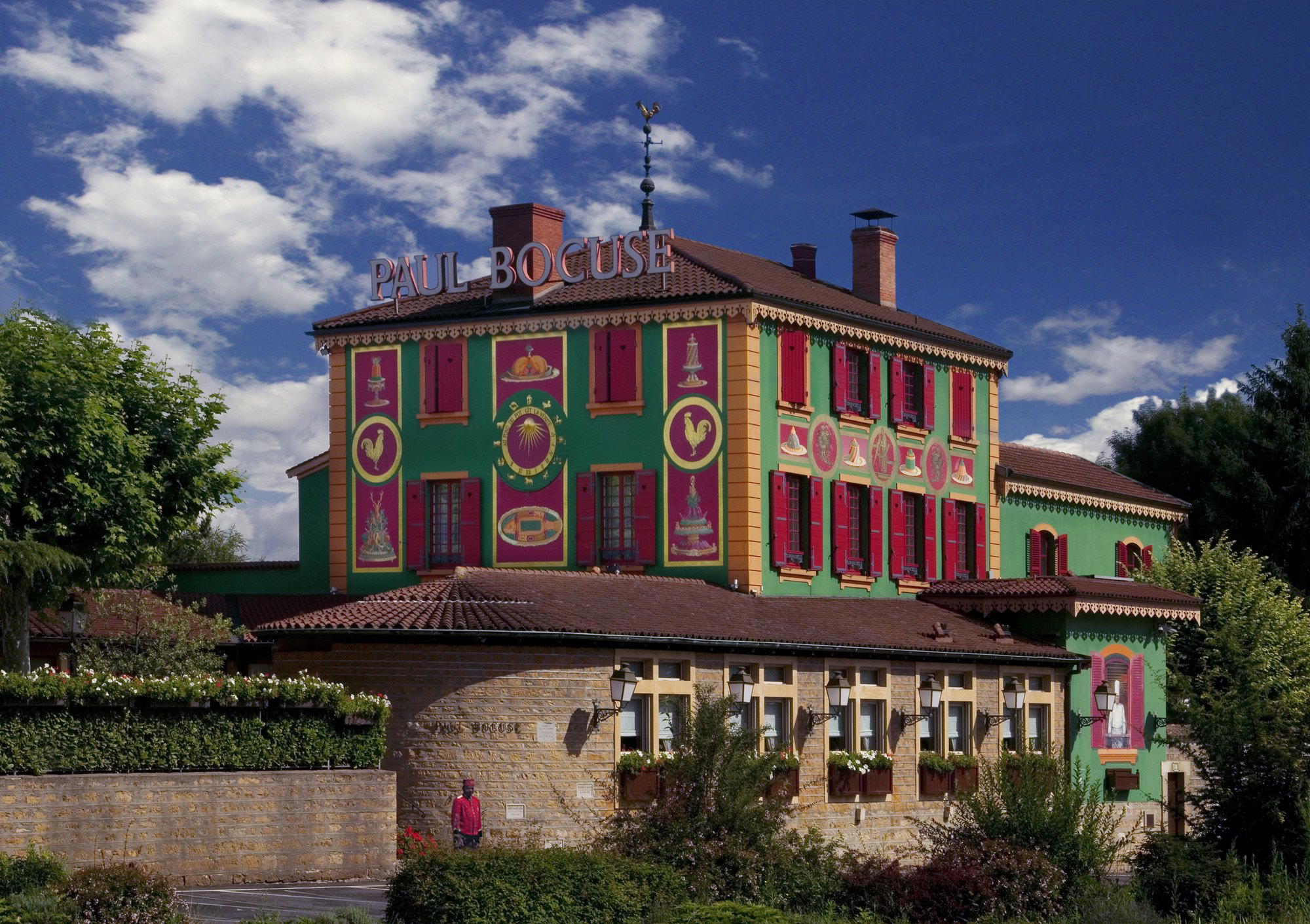
In that context, an address on Rue Marcel Paul, central, accessible, not requiring a car, has a functional advantage over tables located in surrounding villages. For travellers comparing options in the city itself, the restaurant occupies an address that supports a visit within a wider itinerary. The broader regional restaurant comparison, for those planning multi-stop itineraries through the southeast, might extend as far as Paul Bocuse - L'Auberge du Pont de Collonges to the south, or north toward Dijon. At the international level, the contrast between this kind of provincial French table and addresses like Le Bernardin in New York City or Atomix in New York City illustrates how differently the civic restaurant tradition functions in France compared to destination-dining markets.
Planning a Visit
The address at 103 Rue Marcel Paul places the restaurant in a walkable central position. Reservations are recommended, and the restaurant follows a smart casual dress code. For readers planning a broader Mâcon itinerary, this address sits within the city’s range of cuisine styles and price points, from the classic-tier Pierre to more casual formats like Cassis. For comparable formal regional dining elsewhere in France, Assiette Champenoise in Reims and Au Crocodile in Strasbourg offer useful reference points for understanding how this category of restaurant operates across different French regional contexts, and how AM par Alexandre Mazzia in Marseille represents the more experimental end of the French regional spectrum.
Just the Basics
Comparable venues nearby, for context on price, style, and recognition.
| Venue | Cuisine | Price | Notes |
|---|---|---|---|
| L'Ambroisie MâconnaiseThis venue — the venue you are viewing | Centre-ville, French Bistronomique | $$$ | Not listed |
| L'Ethym'Sel | Centre-ville, Modern French Bistronomic | $$$ | Not listed |
| Le Lamartine | Not listed | $$ | Quai Lamartine, Traditional French Maconnaise Bistro |
| Cassis | Centre-ville, Modern French Bistro | $$ | Not listed |
| Le Poisson d'Or | Not listed | $$$ | Port de Plaisance, French Gastronomic Seafood |
| Snack Le Chick | Not listed | $$ | Mâcon, French-American Fast Casual - Tacos & Burgers |
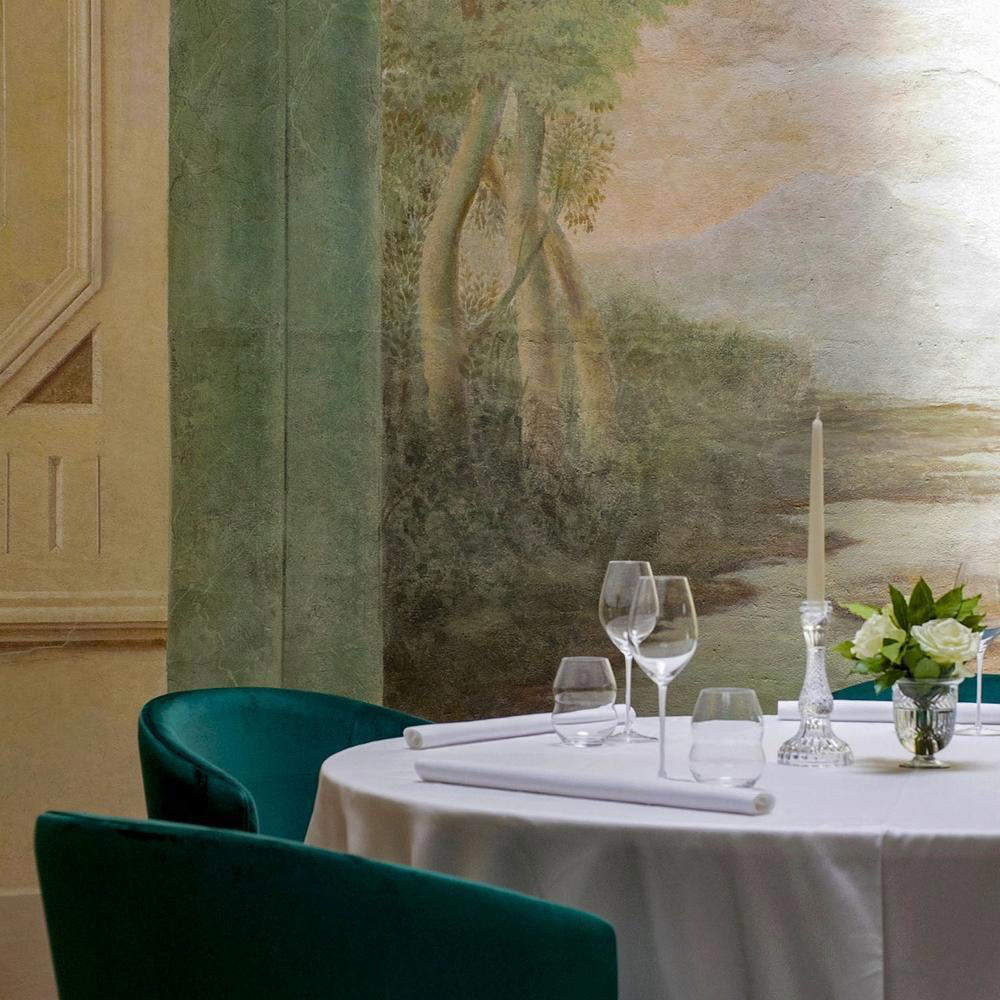
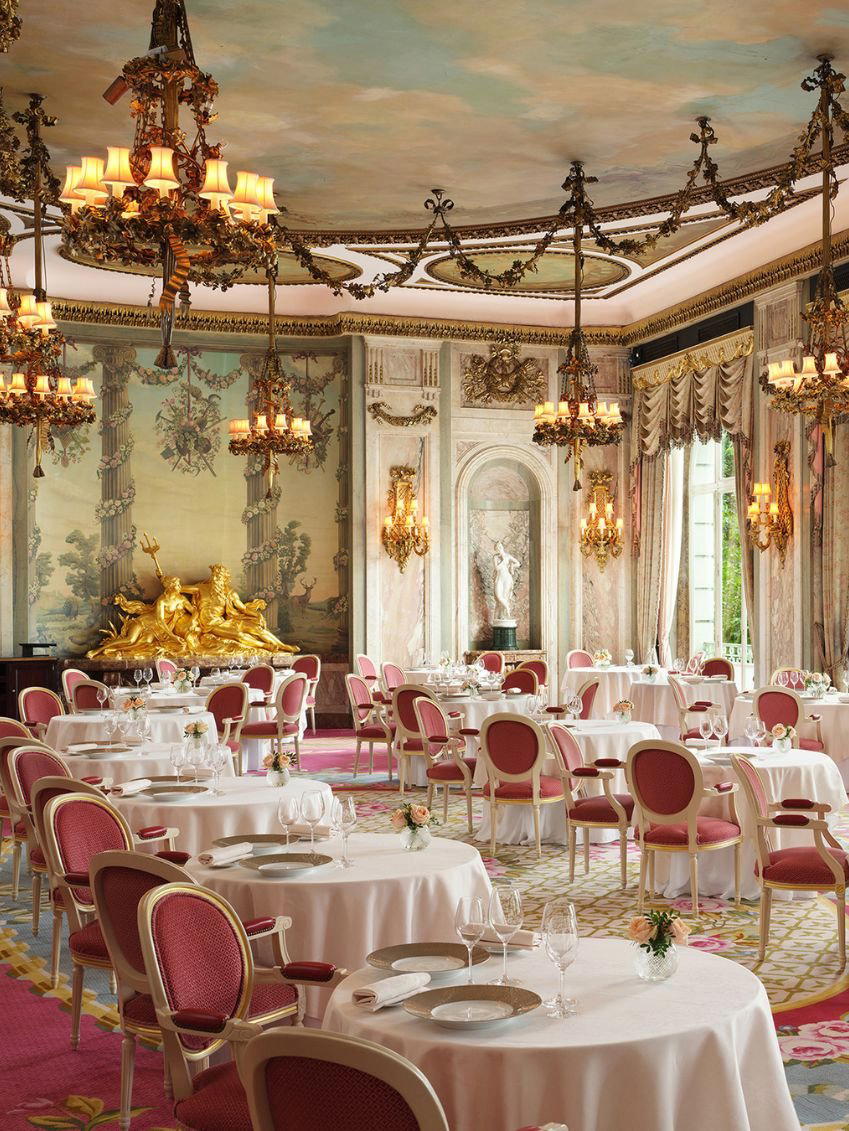
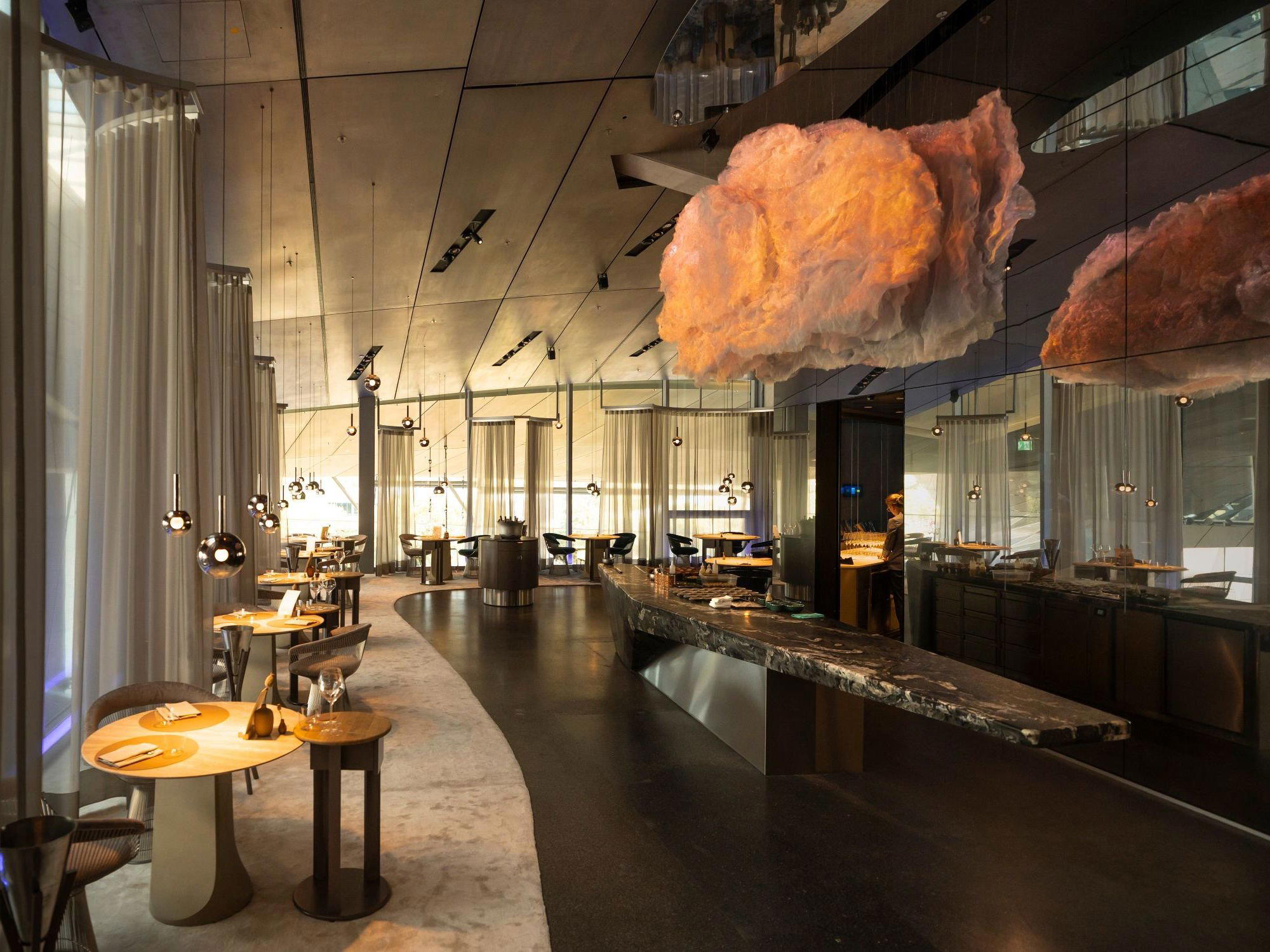
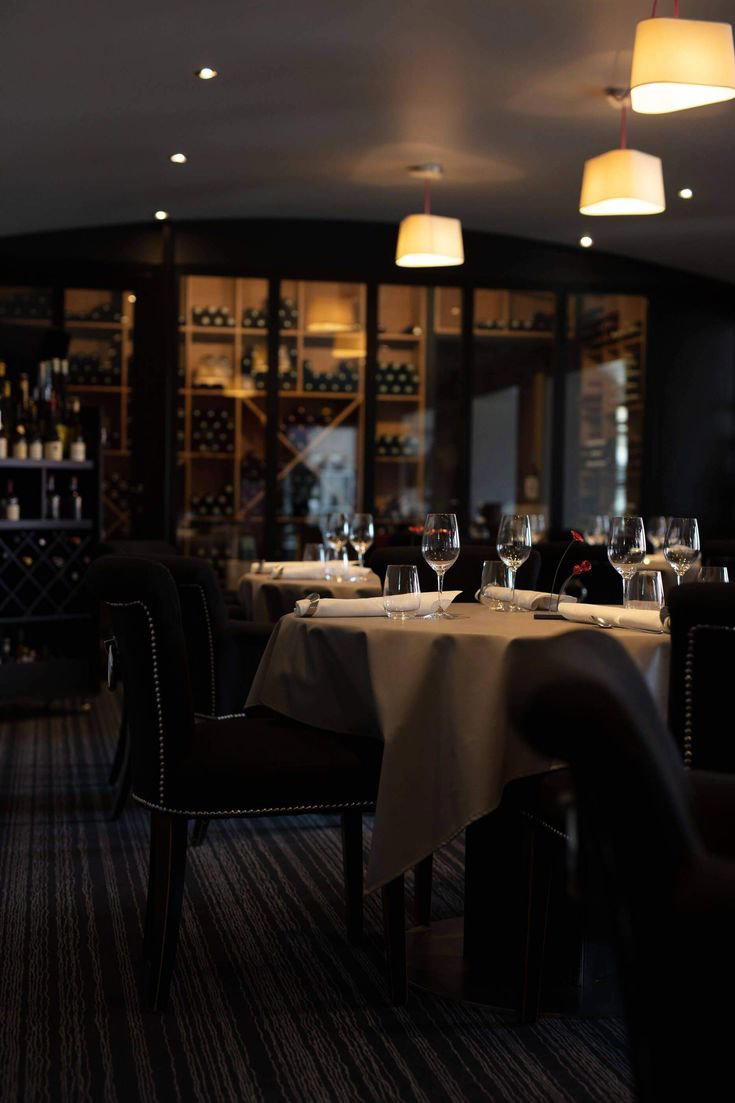
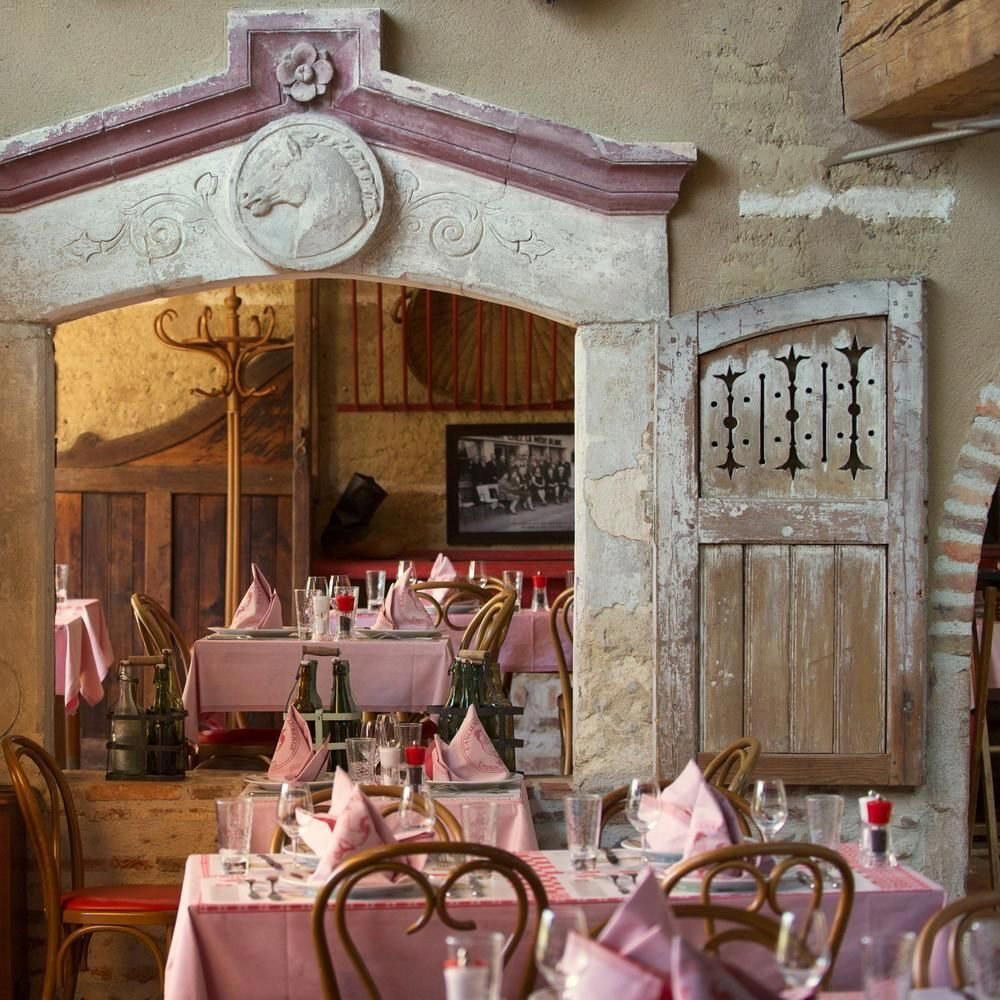
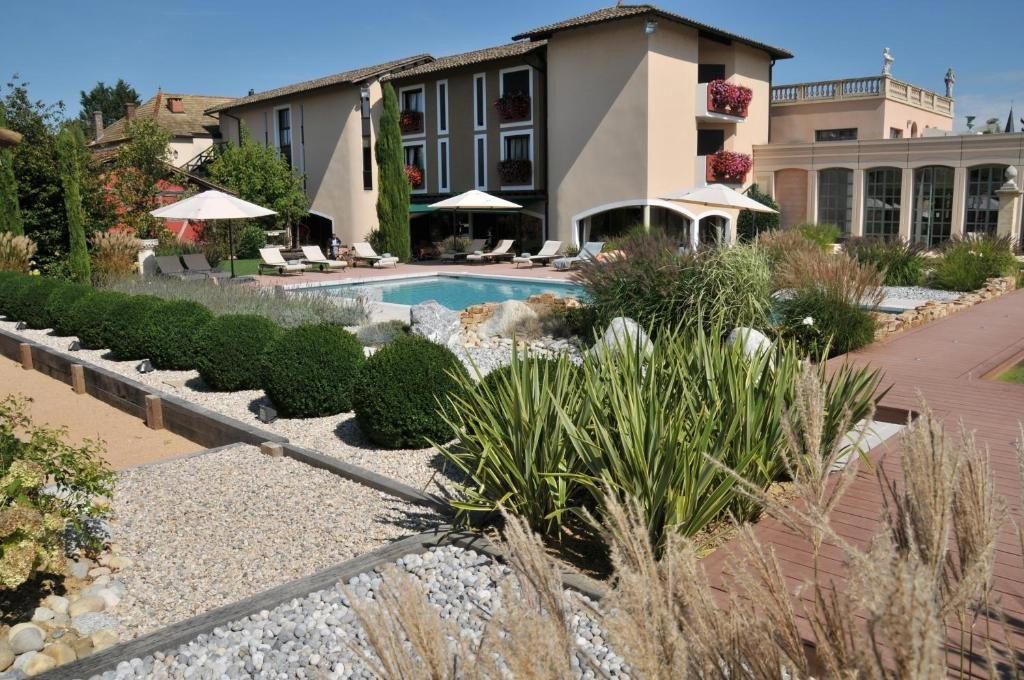
At a Glance
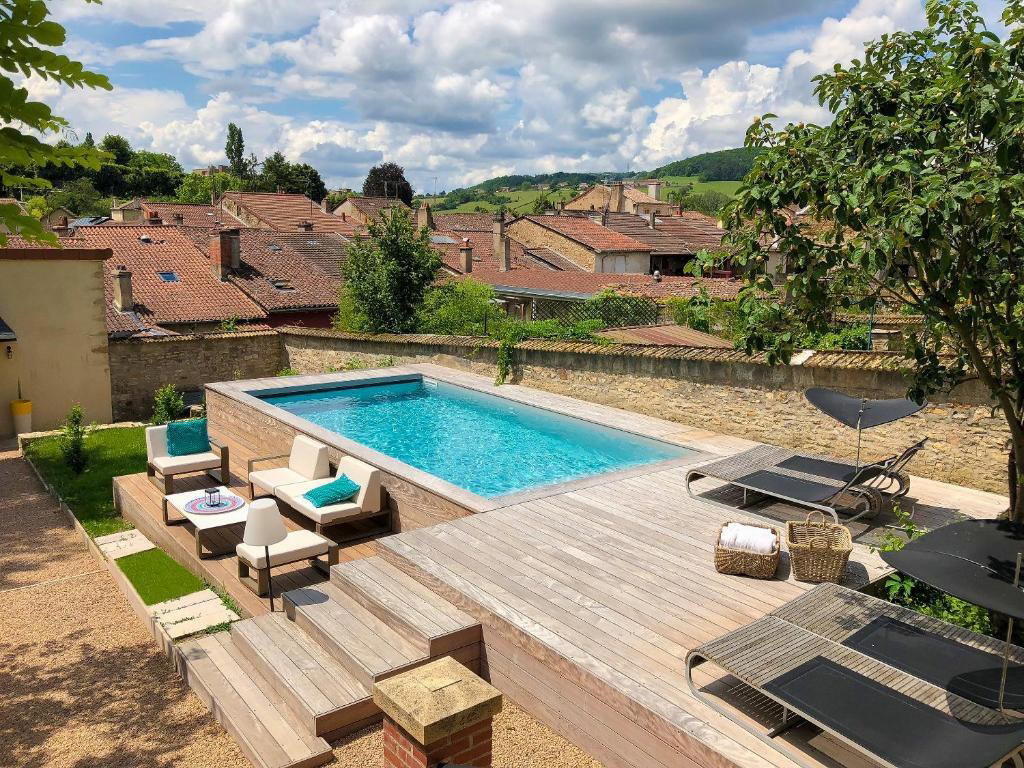
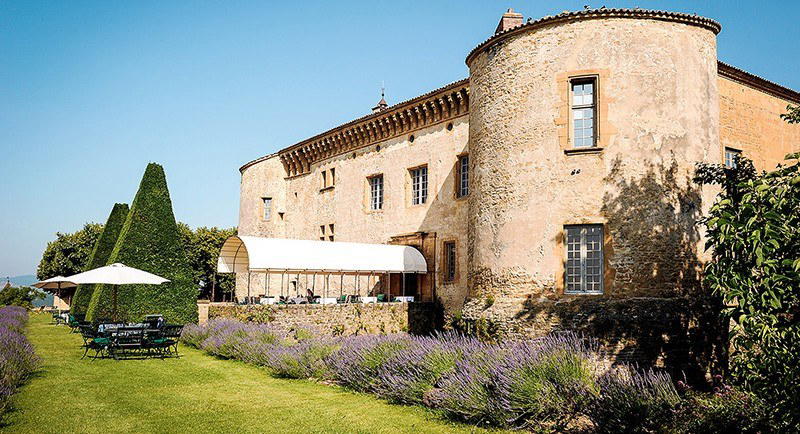
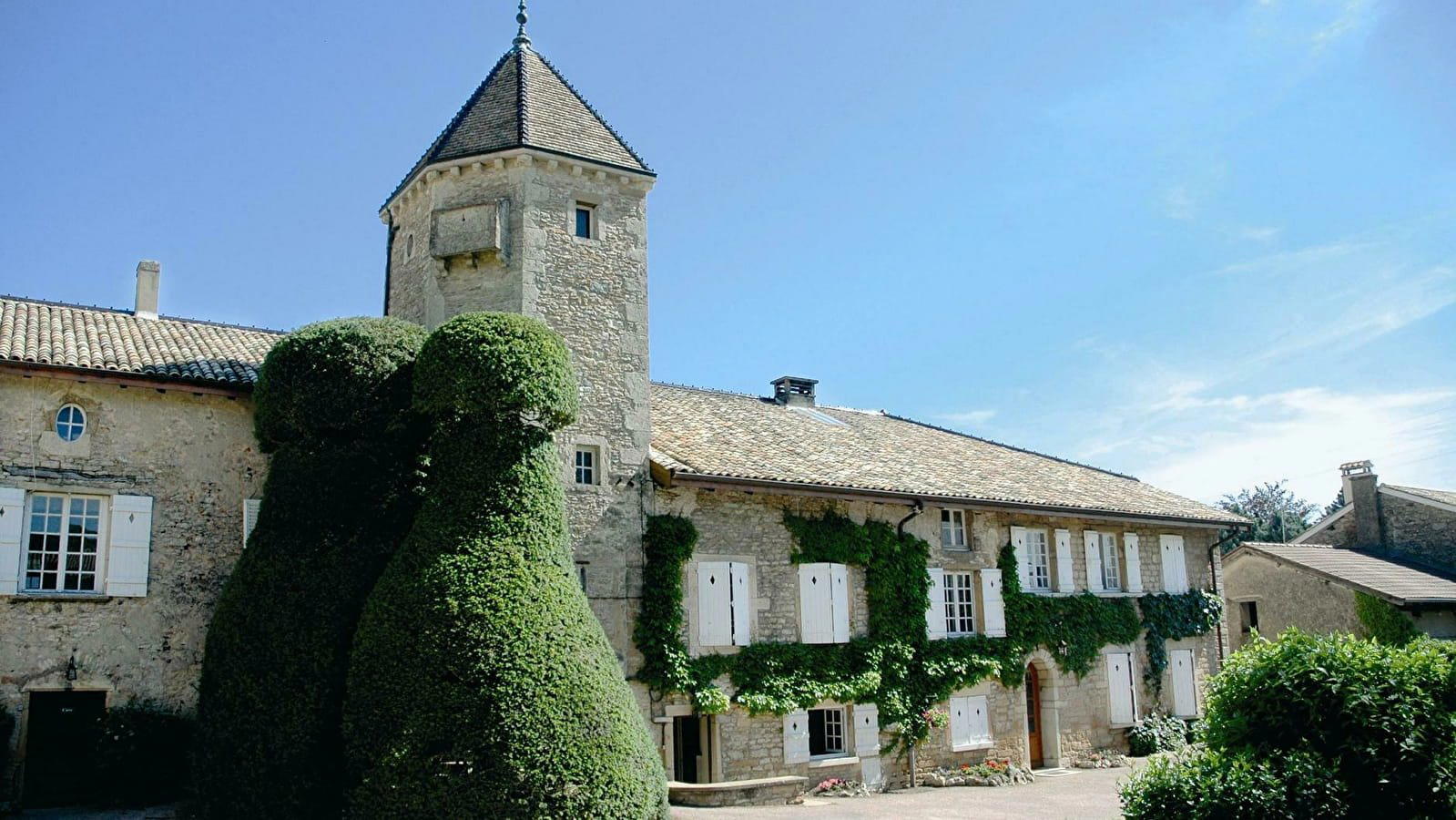
- Cozy
- Elegant
- Classic
- Business Dinner
- Terrace
- Extensive Wine List
- Local Sourcing
- Street Scene
Current opening hours
- Monday
- 12–3 PM
- Tuesday
- 12–2 PM
- Wednesday
- 12–2 PM
- Thursday
- 12–3 PM, 7–9 PM
- Friday
- 12–3 PM, 7–9 PM
- Saturday
- 12–3 PM, 7–9 PM
- Sunday
- Closed
Hours can change for holidays and private events. Last verified .
Chaleureux cadre with pleasant atmosphere praised for quality dishes and attentive service.